
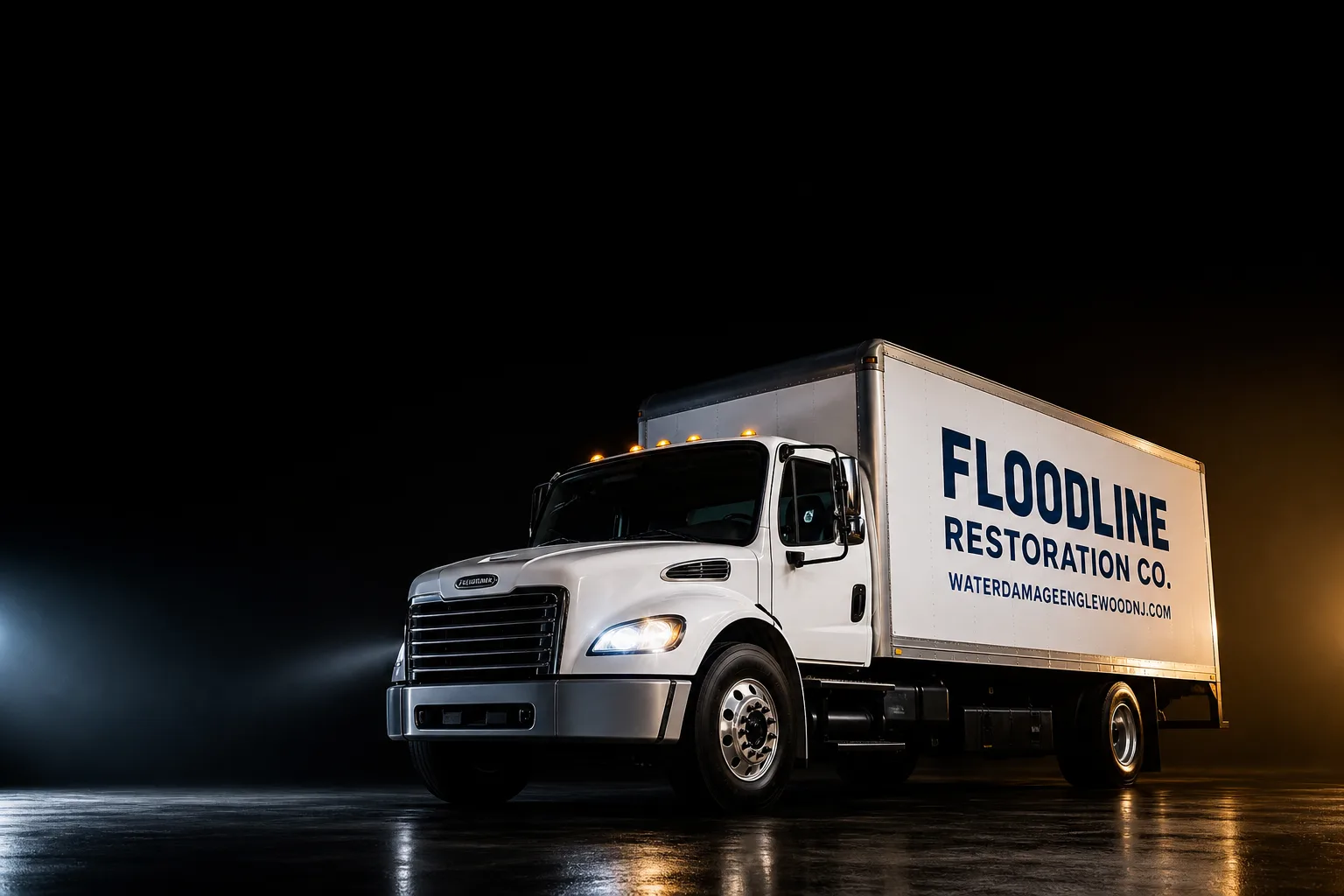
Free visual inspection and a written scope of work before any mitigation begins - photos, moisture readings, and drying logs go in your claim file
The scope we write is the scope we bill. Anything new gets shown to you, in writing, before we touch it.
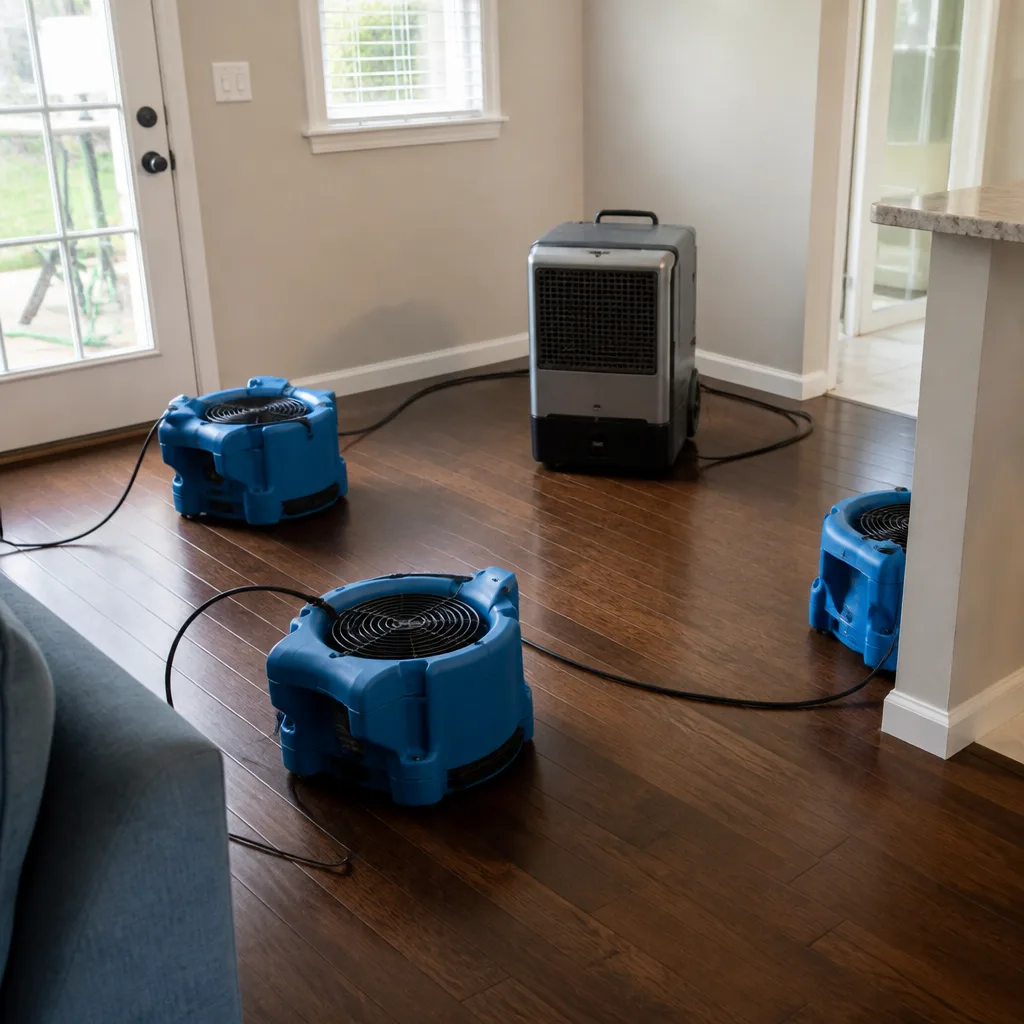
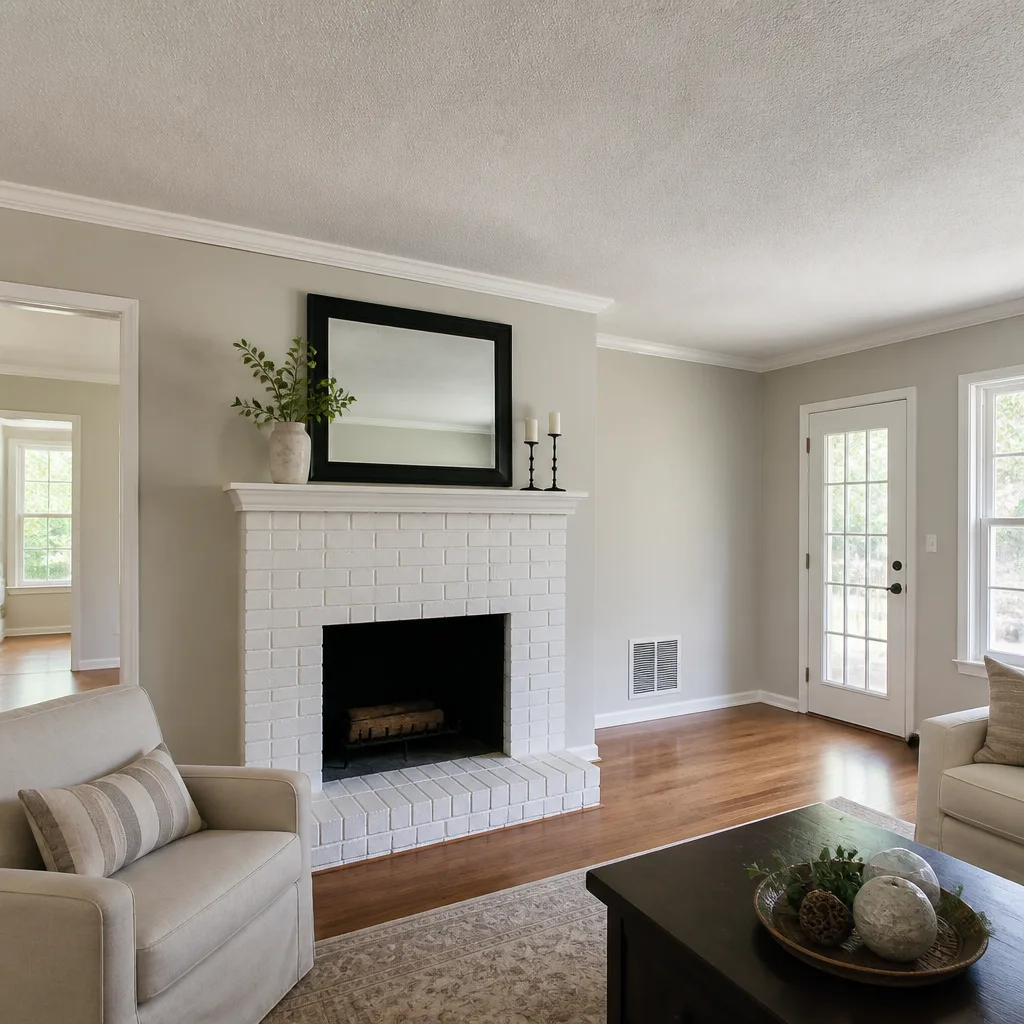
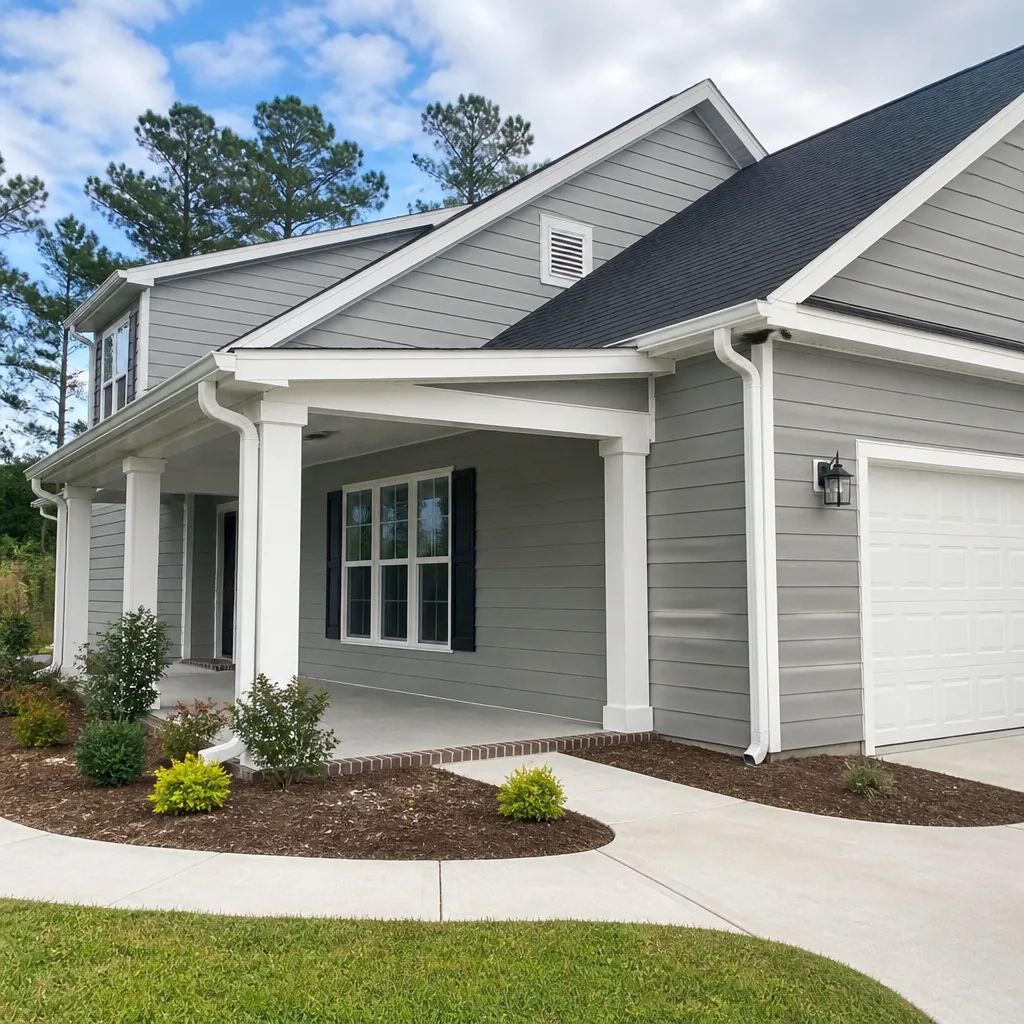
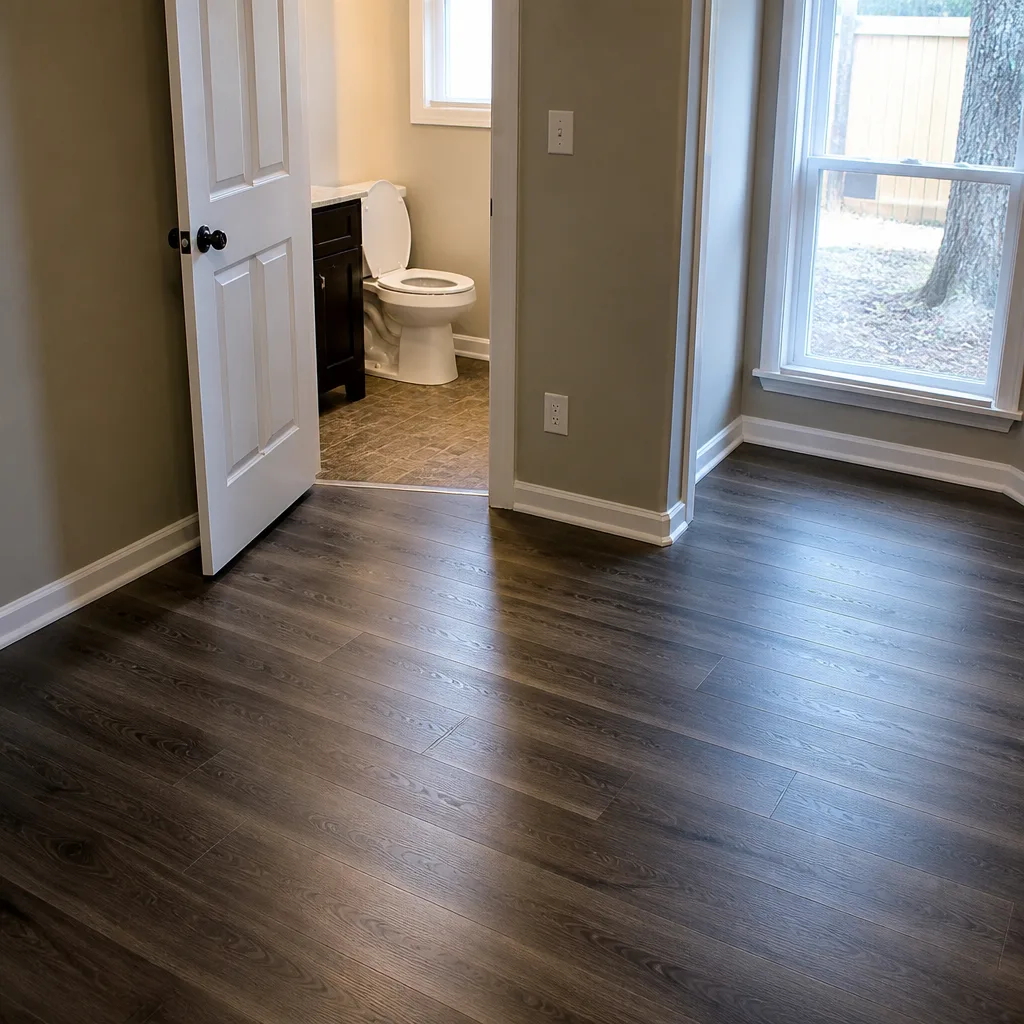
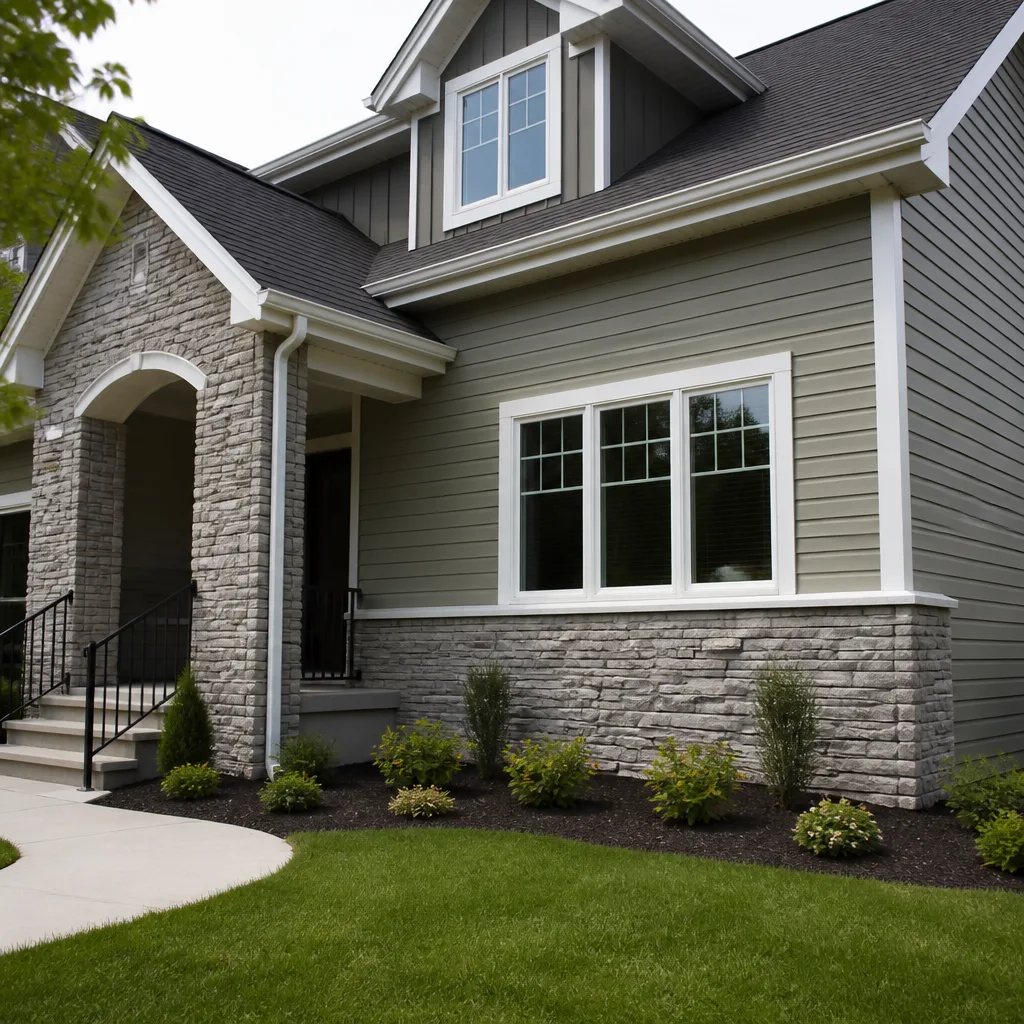
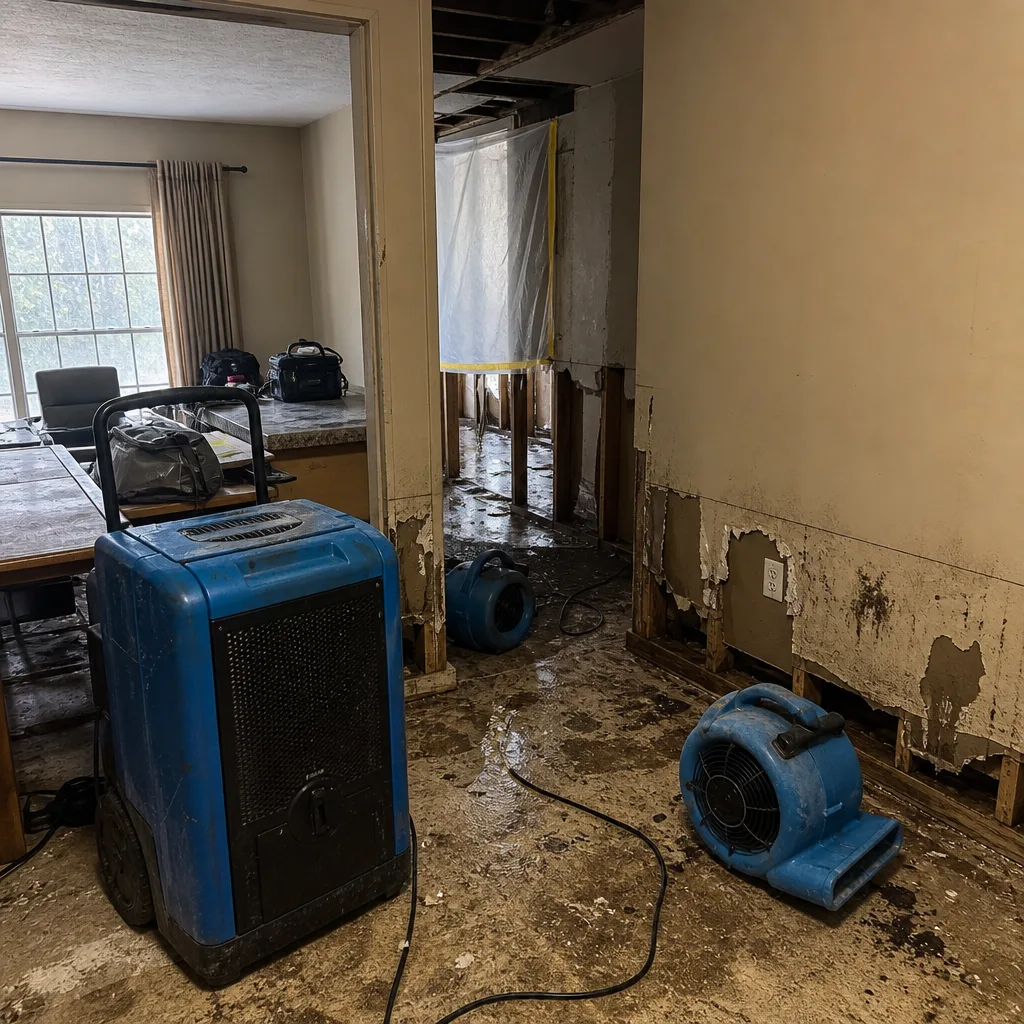 Before
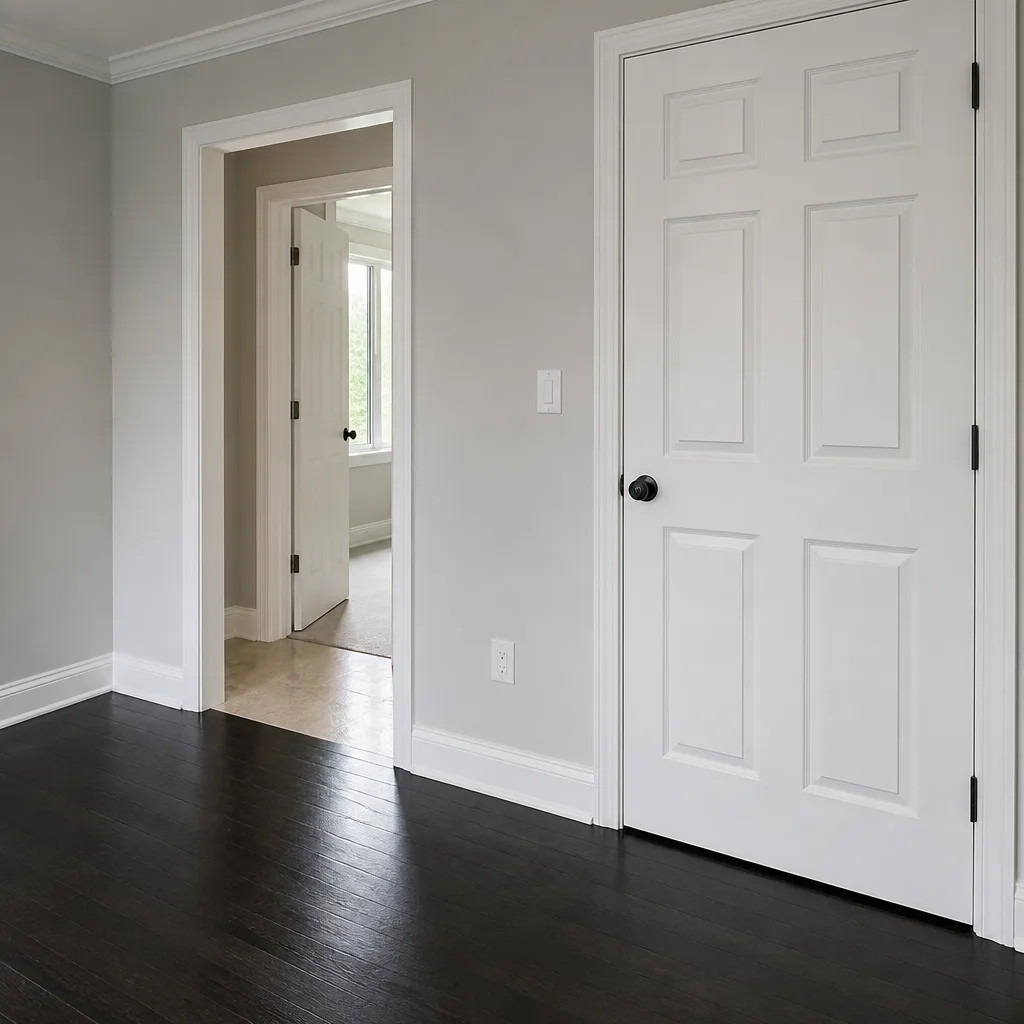 After
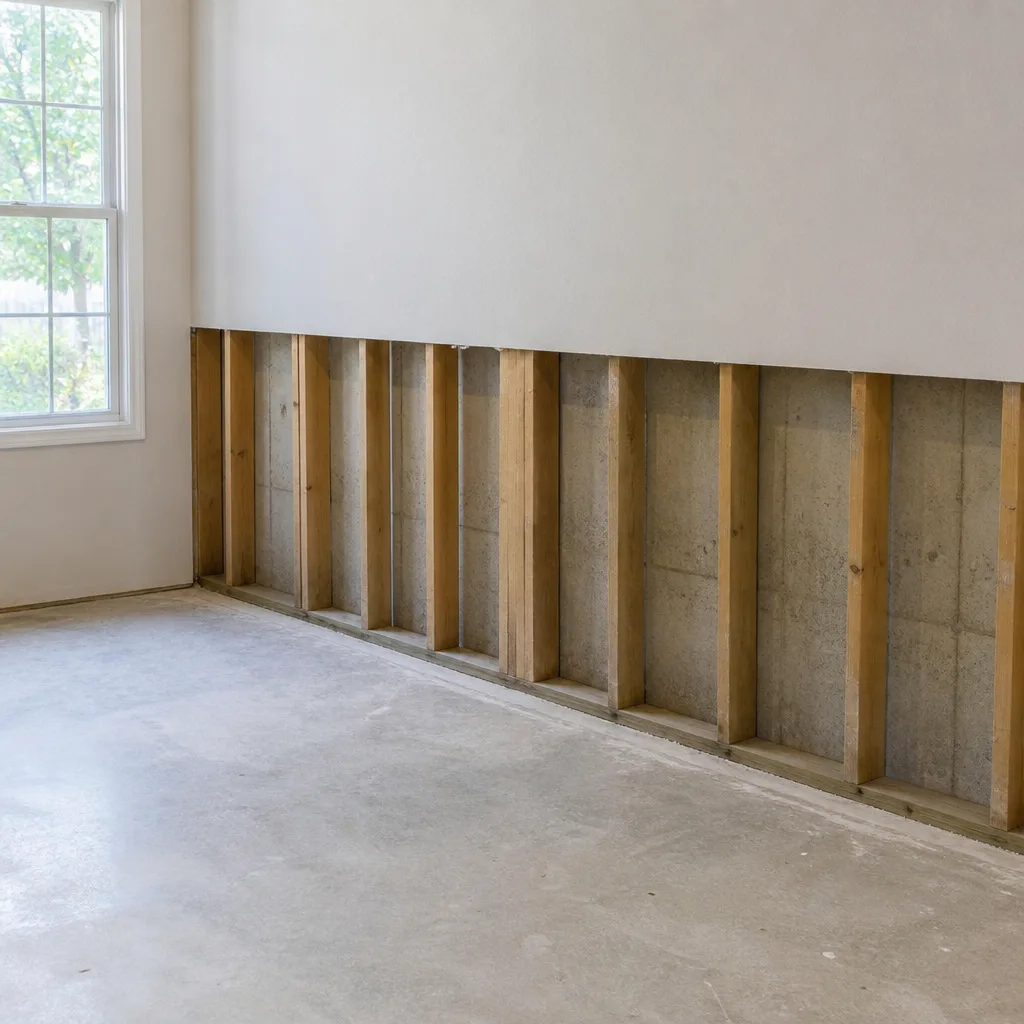
After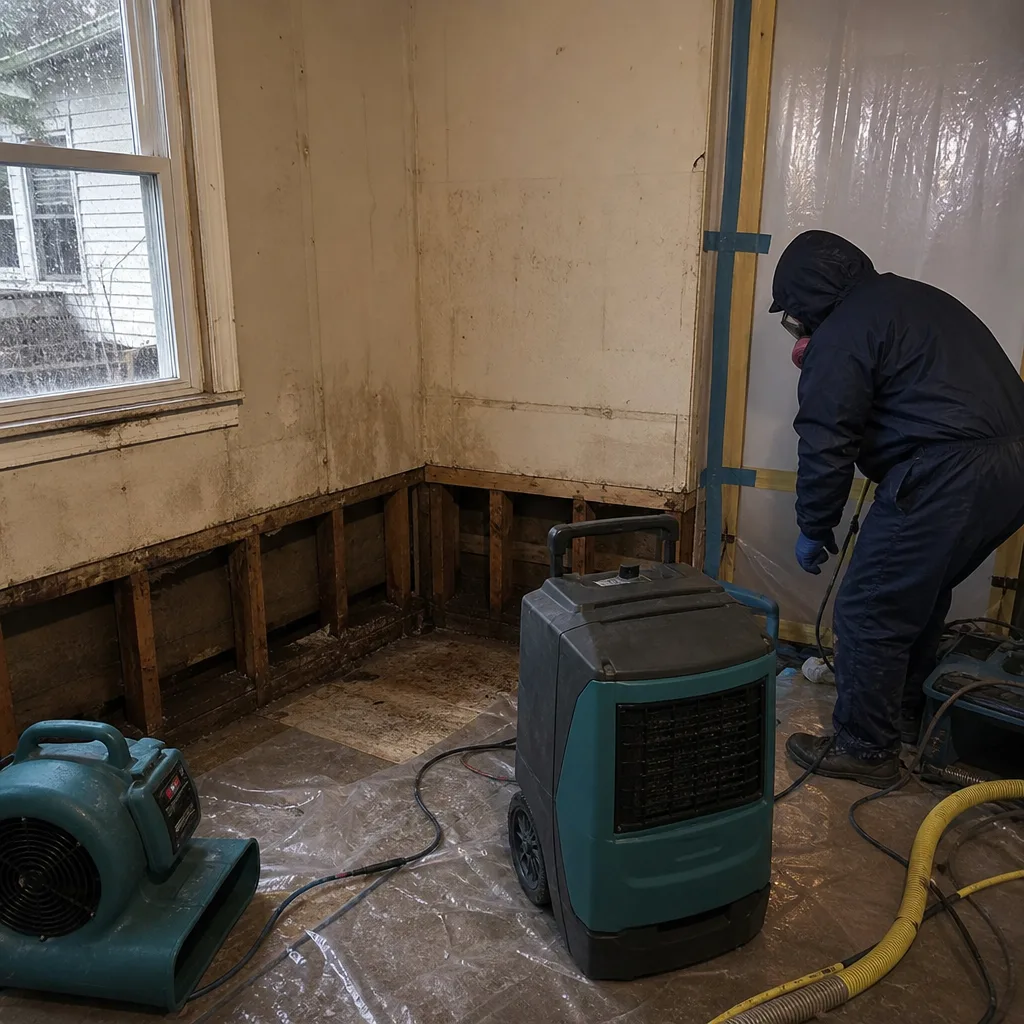 Before
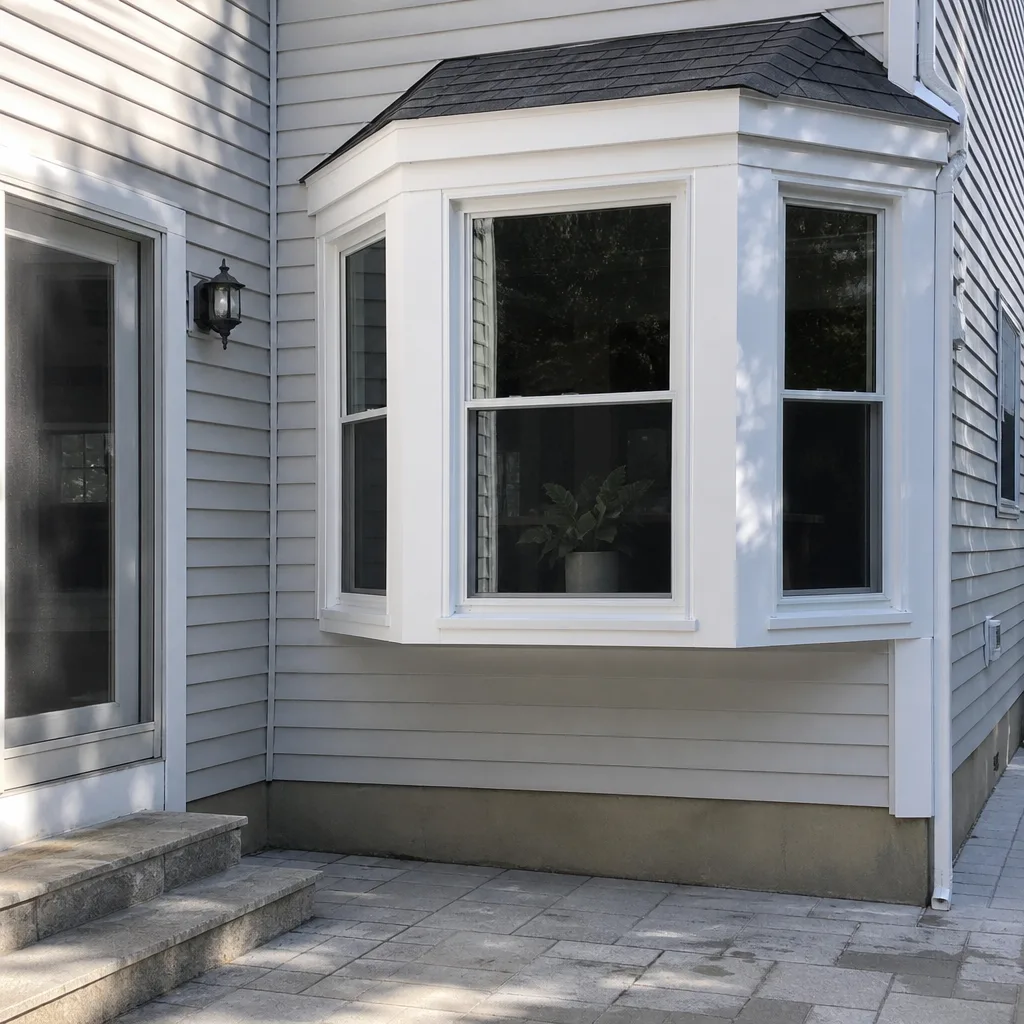 After
After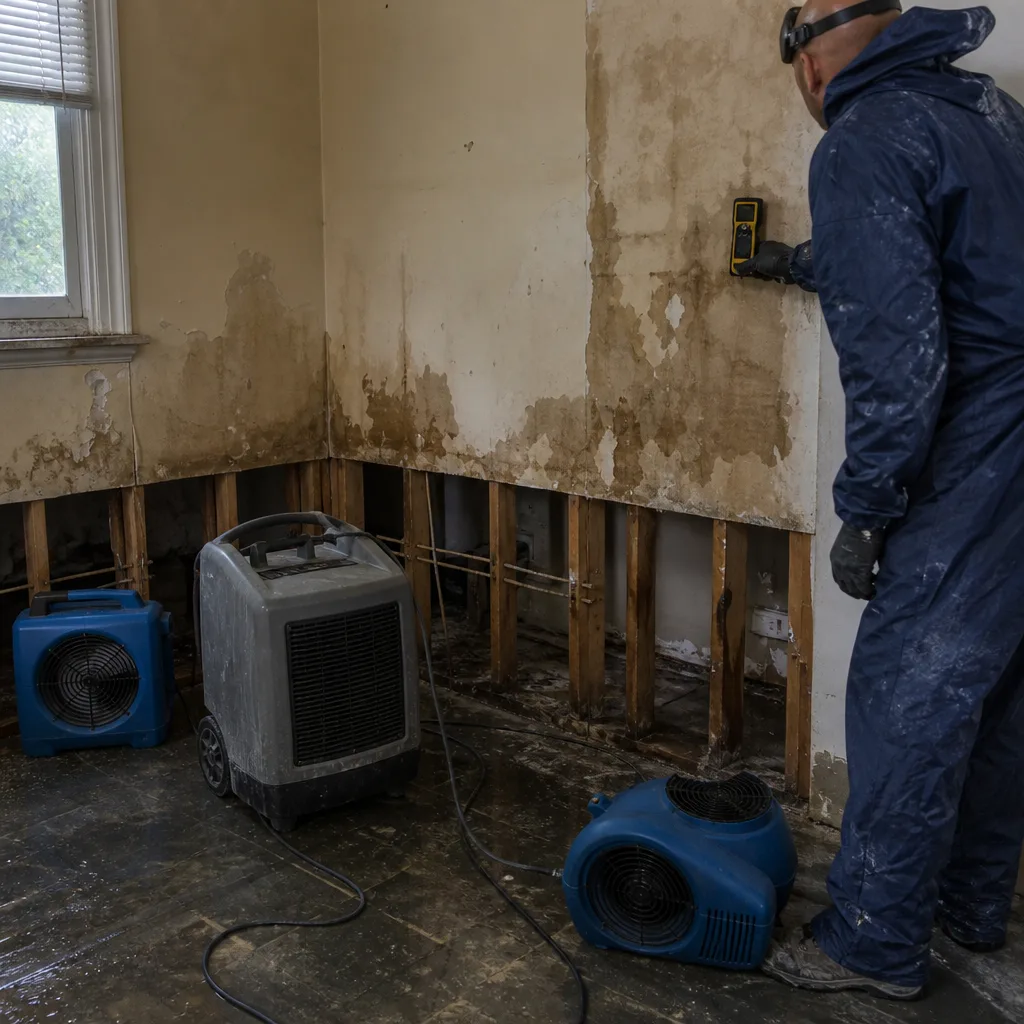 Before
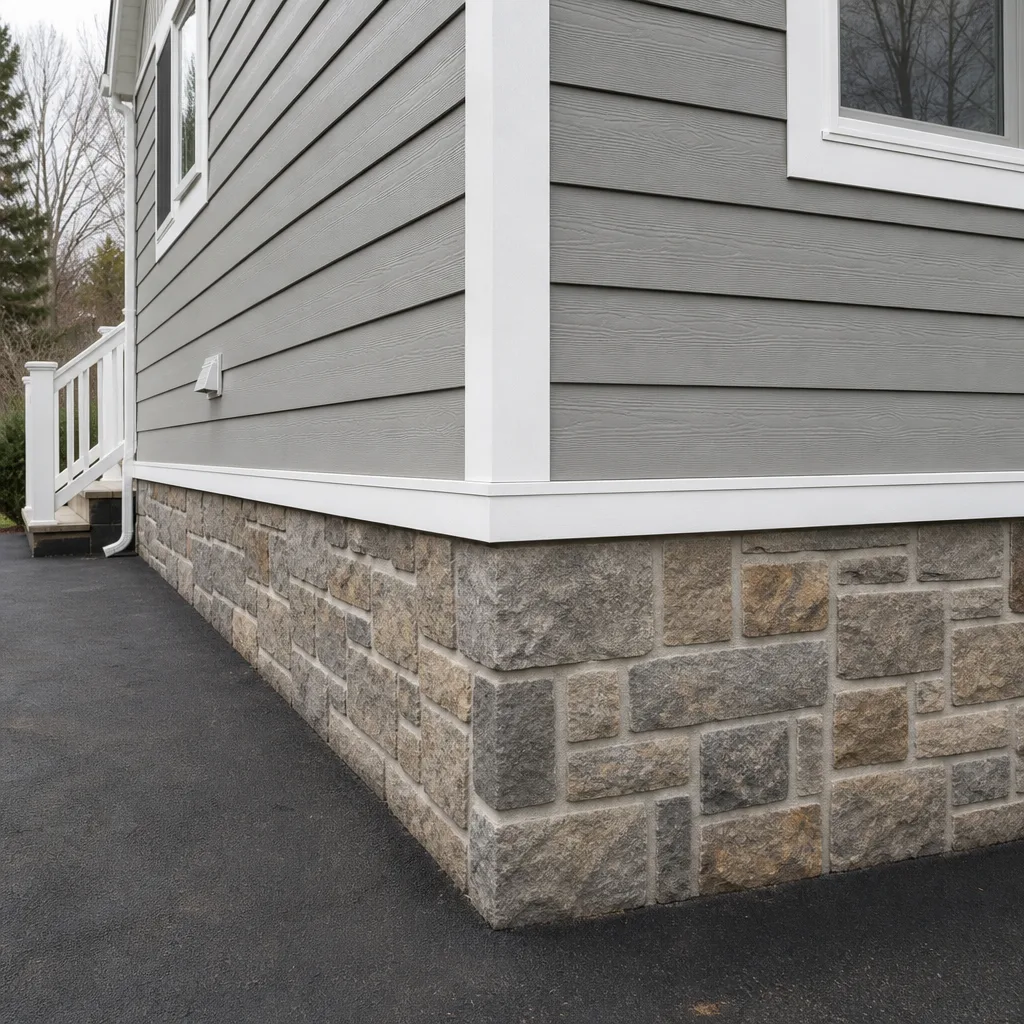 After
After24/7 Emergency Commercial Restoration in Tenafly
Commercial restoration in Tenafly means responding to water, fire, storm, and mold damage inside commercial buildings fast enough to stop the loss from spreading into inventory, electronics, and revenue. Floodline Restoration Co. answers live around the clock, and we dispatch certified crews to 07670 properties the same hour you call. If water is rising against a foundation wall on Tenafly’s hillside, waiting until morning is the most expensive decision a property owner can make. Call (201) 729-3780 and a real person picks up, not a recording. We’ll walk you through the first 30 minutes, then send a crew with professional-grade extractors, air movers, and moisture meters to begin stabilization before the water table or the mold window gets ahead of us.
Understanding Commercial Restoration Severity in Tenafly Properties
Commercial water damage is classified by the source of the water. Category 1 is clean water from a broken supply line or sink overflow. Category 2 carries contamination from appliance discharge or sump pump overflow. Category 3 is the dangerous one, the one our techs see most often in Tenafly during nor’easters and spring snowmelt: water that entered through a foundation wall, a loading dock, or a sewer backup, carrying silt, bacteria, and whatever the Palisades slope washed down with it. In commercial settings, Category 3 water requires full containment, antimicrobial treatment, and air scrubbing, not just extraction and fans. Tenafly’s post-war commercial buildings complicate the picture. Many have finished basements or below-grade storage with gypsum board and flooring that hold moisture behind the surface. Moisture mapping with thermal imaging finds what the naked eye misses, and structural drying logs prove the dry standard was met before anyone rebuilds. The freeze-thaw cycles in Bergen County also drive recurring ice-dam damage on flat and low-pitched commercial roofs, sooting insulation and leaking into ceiling assemblies. Each category has a different protocol, and cutting corners on classification is how a $4,000 mitigation turns into a $40,000 tear-out eight weeks later.
Why Tenafly Property Owners Choose Floodline Restoration Co.
- 45-minute response commitment: When you call from County Road or Engle Street, a crew is rolling within 45 minutes of the dispatch call, not the next business day.
- Live answer, 24/7: A real dispatcher picks up at 2 a.m. We do not run an automated phone tree during emergencies, ever.
- IICRC-certified crews: Our techs hold WRT, FSRT, and AMRT certifications and show up background-checked and uniformed at your loading dock or storefront.
- Free visual inspection: We scope the loss, check the grade slope and drainage around your Tenafly building, and give you a written scope before any work starts.
- Direct insurance billing: We bill your carrier directly and document what they need from hour one, so you’re not the messenger between us and the adjuster.
- One team, start to finish: The same crew that extracts the water handles the drying, the rebuild, and the final walkthrough. No mid-job handoff, no inherited subcontractor you never met.
Our Commercial Restoration Process
Inspection & Assessment
We inspect the loss, classify the water, map the moisture, and check drainage and grade around the building. Tenafly hillside properties get a site-drainage check before any repair estimate is written.
Extraction & Stabilization
Professional-grade truck-mounted and portable extractors pull standing water out before it migrates deeper into slab, drywall, or inventory. We stage equipment so we never block your loading dock or alley access.
Drying & Dehumidification
Dri-Eaz desiccant and LGR dehumidifiers, XPOWER air movers, and daily hygrometer readings drive the structure to dry standard. Logs are shared with you and your carrier.
Cleaning & Sanitization
HEPA air scrubbers and antimicrobial application clear the air and surfaces. Salvageable contents are cleaned, documented, and stored or restored.
Business Interruption Minimization
Our team coordinates around your operating hours, seals off work zones, and sequences the mitigation so core functions keep running where it is safe to do so.
Repairs & Restoration
The same Floodline crew rebuilds drywall, flooring, millwork, and finishes to pre-loss condition, with the 90-Day Done Right Promise in writing when we hand the keys back.
Need Emergency Commercial Restoration in Tenafly Now?
Crews minutes away, answering live 24 hours a day. The sooner we start, the less it costs.
Working With Your Insurance Company
Most commercial restoration claims in Tenafly involve a carrier that wants three things: a documented loss, a defensible scope, and no surprises at the end. We provide all three. Our techs document the damage from the first hour with photographs, moisture readings, and a room-by-room log of what was wet, what was contaminated, and what we did about it. Curt Bowman and the team at Floodline Restoration Co. have handled enough adjuster conversations to know that a well-documented scope gets approved faster. We bill your insurer directly, coordinate with the adjuster on site, and keep you off the phone and focused on your business.
What We Provide Your Insurer
- Thorough documentation of the loss
- Photos of all damage, room by room
- Moisture readings and drying logs
- A detailed, line-item scope of work
- Direct coordination with your carrier
Built for Tenafly’s Loss Calendar
Tenafly has a loss calendar, and it repeats. January deep freezes burst supply lines in the older commercial buildings along County Road and Washington Avenue, the pipes in unheated utility rooms and exterior wall cavities failing first. Spring thaw is worse: snowmelt running off the Palisades escarpment saturates the ground, the seasonal water table rises against foundation walls, and finished basements that held dry all summer start seeing seepage by March. Those recurring losses are exactly what our crews expect when we scope a Tenafly commercial building, and any drying plan that ignores the freeze-thaw cycle is a plan that leaves moisture behind finished walls. Summer brings thunderstorm flash flooding, the kind that overwhelms drains and sends water through rear doors and walkout entrances in minutes. Nor’easter season from September through late winter is the equalizer: heavy, multiday rain events combined with wind-driven water entry through flashing, loading docks, and below-grade windows. Our Commercial Restoration team sequences its moisture mapping and equipment staging around this calendar, not around a generic template.
Commercial Restoration Across Tenafly’s Neighborhoods
The commercial strips running along County Road through central Tenafly and the retail clusters near the Englewood border present distinct access and staging challenges. County Road storefronts sit tight to the sidewalk, with rear alleys that double as loading zones and dumpster pads, so we sequence extraction around delivery schedules and never leave an air mover blocking a dock door. The office buildings near the Tenafly train station and along Riveredge Road are not immune either; below-grade mechanical rooms there back up against the same water table that drives residential basement flooding, and Category 1 supply-line bursts routinely soak server closets and electrical rooms before anyone notices. Eastward toward the Palisades, the businesses built into the hillside on steep grades are the ones our techs approach with the most respect, because a rear door at grade level often fronts a floor that is actually two feet below the seasonal water table by spring. The retail and mixed-use buildings clustered around Washington Avenue see older plumbing systems and cast-iron waste lines, where a slow leak inside a wall has usually been wetting insulation for weeks before it shows up as a stain on the ceiling. Each of these micro-zones demands a different drying footprint and different equipment staging, which is why we run moisture mapping before we set a single fan.
Specialized Commercial Restoration Services We Offer in Tenafly
Office & Retail Restoration
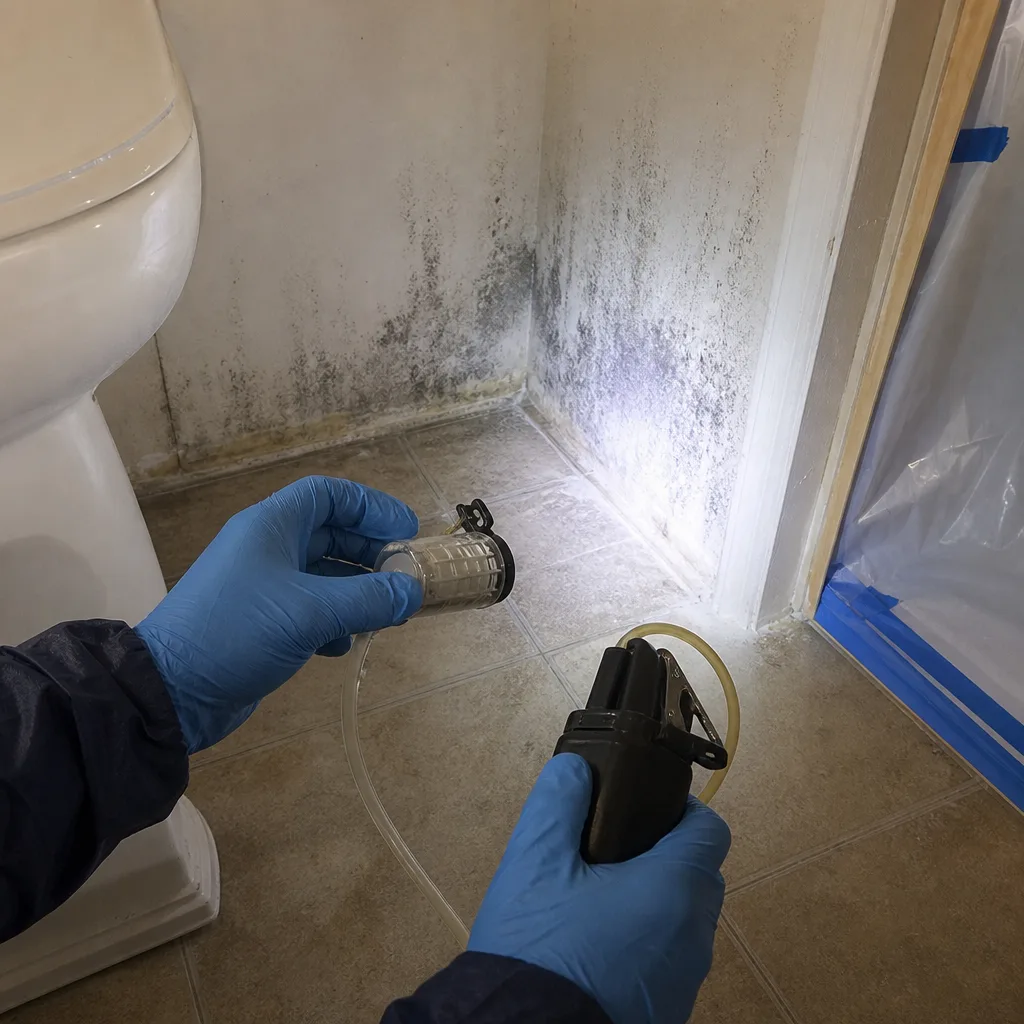
When a retail suite on County Road takes water through a rear loading door after a nor’easter, every closed hour costs real revenue. Our field team responded to exactly that scenario after a storm pushed Category 3 water through a loading bay; we set containment, ran XPOWER air movers and Dri-Eaz dehumidifiers, and used moisture mapping to cut drywall at 24 inches before mold hit the 48-hour window. Within 72 hours, structural drying logs showed the slab at pre-loss condition and the store reopened without losing a weekend. Office spaces get sequenced so core desks and service counters keep operating behind containment barriers where safety allows.
Large-Loss Response
A large loss in Tenafly often means a full commercial floor, a warehouse, or a mixed-use building with multiple tenants and a shared mechanical system. We bring additional crews and equipment capacity without subbing out the job, stage extractors and desiccant dehumidifiers efficiently, and coordinate structural drying across multiple units. Large-loss work requires line-item scopes and daily moisture documentation, both of which our Tenafly clients get from day one. We handle the full rebuild as well, so there is no second contractor and no second learning curve on the same building.
Business Interruption Minimization
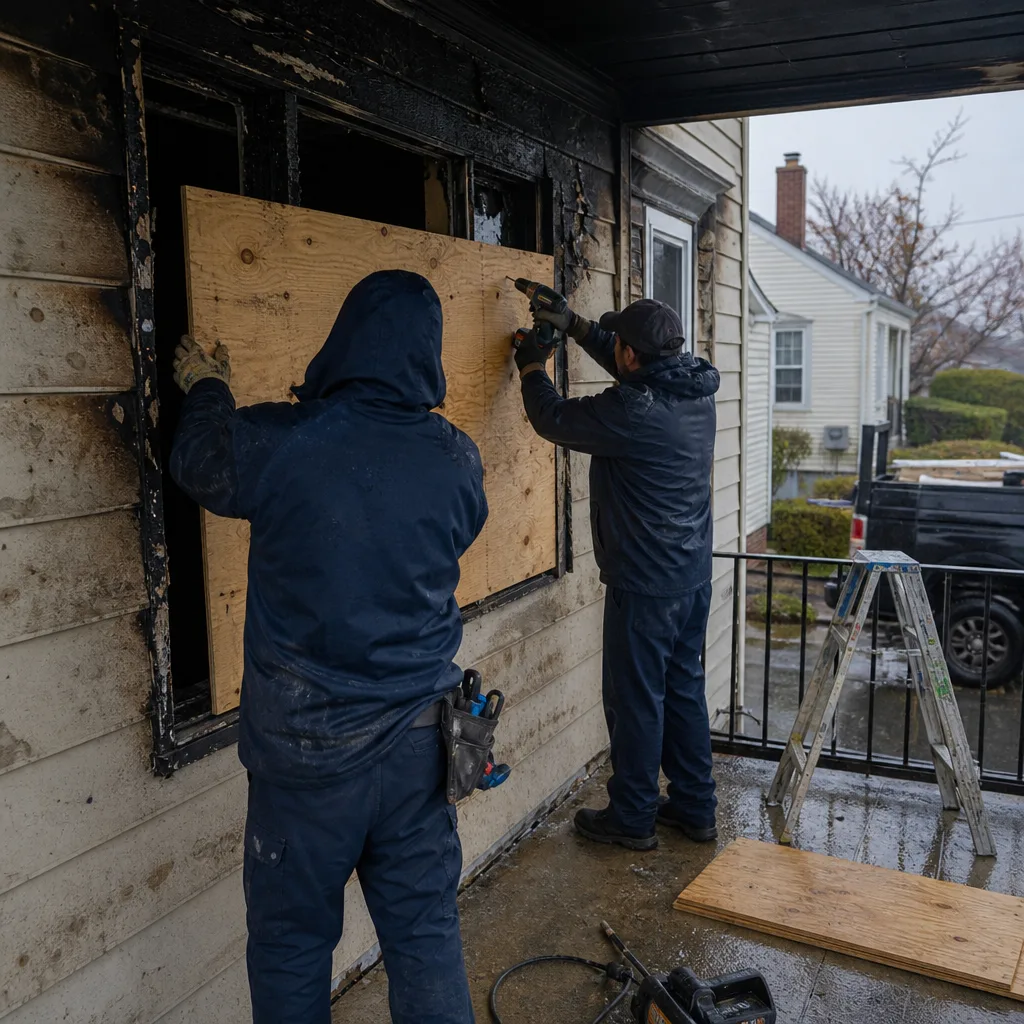
Our first question on any commercial water or fire loss in Tenafly is what can stay open and how quickly. Temporary power for freezers and point-of-sale, hydrostatic barriers on doorways, negative air containment around active work zones, and sequenced demo that keeps egress clear, each of these is a business-interruption tool. We coordinate around your hours, not ours, and we build the drying plan around the parts of the building that still need to function.
Multi-Unit & HOA Restoration
Multi-unit buildings along Tenafly’s residential-commercial edges involve common areas, multiple ownership interests, and an HOA board that needs documentation just as much as the insurance carrier does. We work with property managers and board members directly, provide line-item scopes for common-area losses, and coordinate access with tenants. The same crew that handles the boardroom walkthrough handles the equipment, so accountability never gets diluted across three different subcontractors.
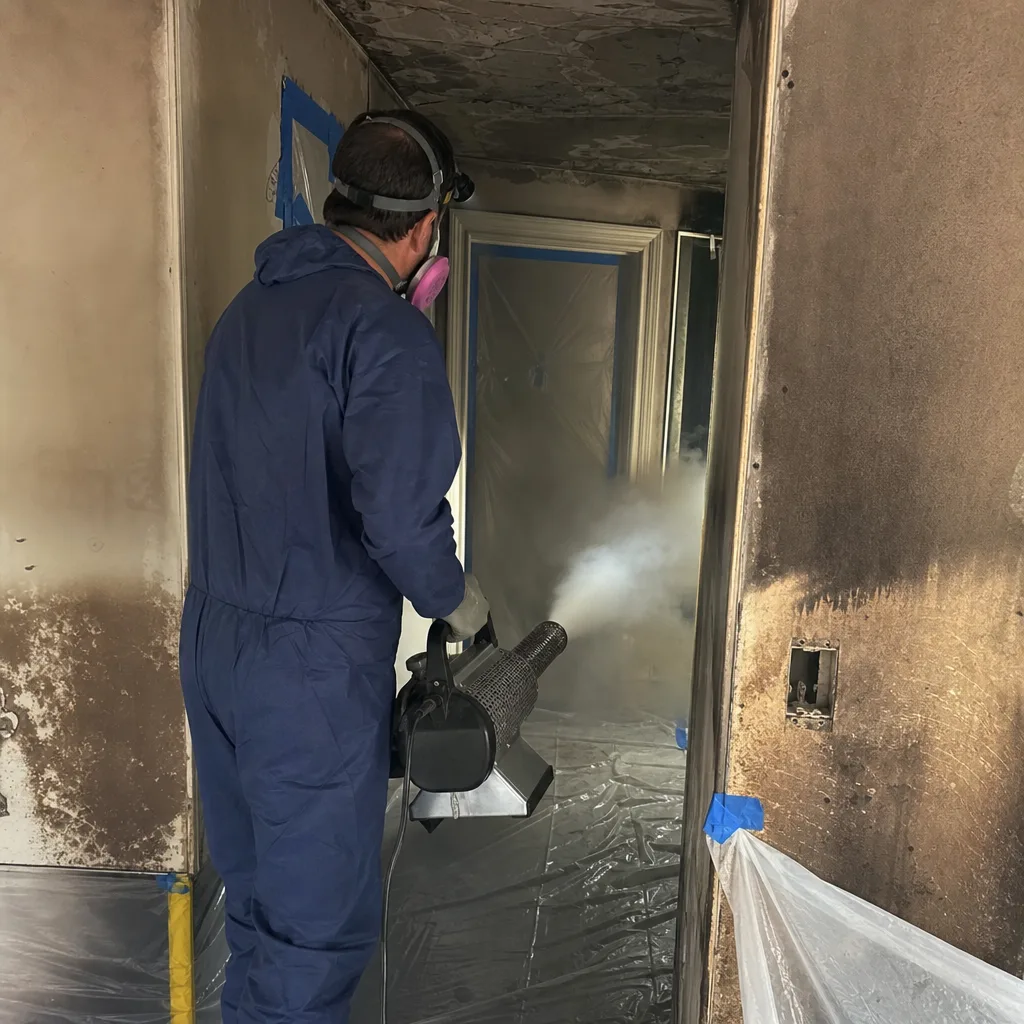
Industrial Facility Cleanup
Warehouse and light-industrial spaces in the commercial pockets of 07670 have concrete floors, steel racking, and wide-open air volumes, which changes the drying math completely. We calculate cubic feet per minute against air changes per hour, not just square footage, and we pull humidity out of the space with high-capacity desiccant systems. Where forklift traffic needs to resume quickly, we sequence dry-out zones so operations can shift around the equipment footprint.
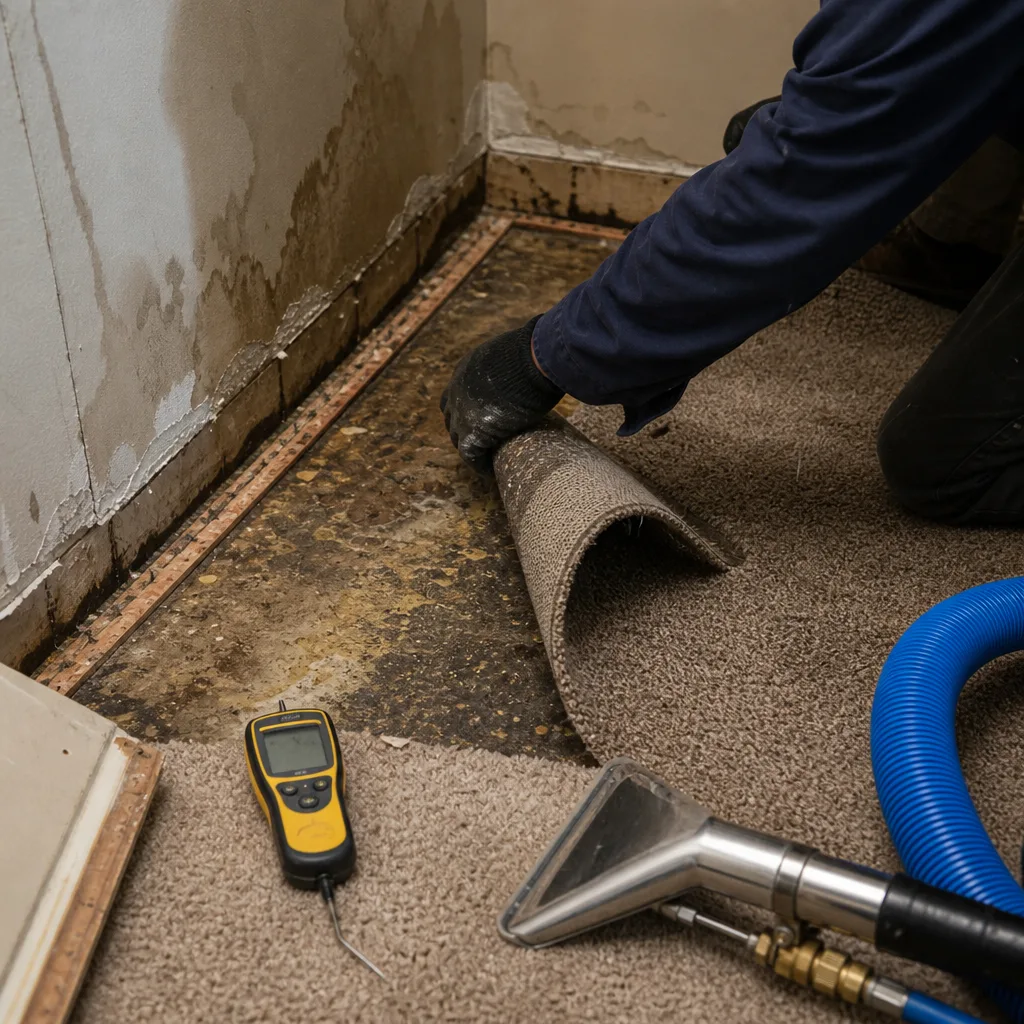
What happens when you call
- 1
A real person answersNo phone trees - you reach a local pro.
- 2
You get an upfront price rangeHonest numbers before anyone is dispatched.
- 3
A background-checked tech heads outLicensed & insured, dispatched right away.
- 4
You approve before work beginsNothing starts until you say go.
Commercial Restoration Costs in Tenafly, NJ
A straightforward Category 1 water extraction and dry-out in a small Tenafly retail space typically runs $2,800 to $5,500. Larger commercial spaces or Category 3 contamination events, the ones involving sewer backup or hillside groundwater intrusion, usually land between $8,000 and $25,000 depending on how much flooring, drywall, and finished space must be removed and rebuilt. Fire and smoke restoration in a commercial setting typically starts around $6,000 for a contained kitchen or electrical fire and can exceed $60,000 when smoke migration reaches inventory, HVAC ducting, and multiple tenant spaces. What moves the price in Tenafly specifically is the hillside factor: a below-grade commercial space that needs sump and drainage correction before the drying plan can hold will cost more than the same square footage in a flatland town. Our free visual inspection gives you a written line-item scope before any work starts, and we bill your carrier directly on covered claims. Call (201) 729-3780 for a firm number on your building.
We Also Serve Cities Near Tenafly
Our crews respond across the surrounding Bergen County area, including Cresskill, Bergenfield, Englewood, and Dumont. The same Palisades escarpment that drives Tenafly’s stormwater losses affects Cresskill and Englewood too, so our techs know the terrain and the water table profile from years of local response.
Serving Tenafly, NJ - Our Local Coverage Area
We’re based in the Tenafly area and know this community well. Use the map below to see our service coverage - if you’re nearby, we can almost certainly help.
Tenafly Commercial Restoration Questions, Answered
How does Tenafly’s Palisades slope affect commercial water extraction timing?
The slope means water arrives fast and hangs around. During a heavy downpour, stormwater channels down the escarpment so aggressively that below-grade commercial spaces on hillside lots can see groundwater intrusion within 20 to 30 minutes, and the water table rises against foundation walls before sump pumps can cycle. Extraction has to start the same hour and the drying plan has to account for water that keeps pressing in from the outside, not just what pooled on the floor. Call us at (201) 729-3780 the moment you see water at the foundation line.
Can you restore a retail space without forcing us to close for weeks?
In most cases, yes. We sequence the mitigation around your operating hours, set containment so the work zone is sealed away from customer areas, and run temporary power for the parts of the store that need to keep running. The goal on every retail loss is to keep the doors open, the registers operating, and the restoration invisible to customers where it can be. How long the full process takes depends on the category of water and the extent of finished-surface damage, but we design the plan around minimizing closed days, not around our own convenience.
What is the difference between Category 1, 2, and 3 water in a commercial setting?
Category 1 is clean water from a broken supply line, sink, or appliance. Category 2 carries contamination, such as washing machine discharge or sump pump overflow. Category 3, the one that matters most in Tenafly, contains sewage, storm runoff, or ground water that has passed through soil and is considered biologically contaminated. Category 3 always requires containment, removal of porous materials, disinfection, and air scrubbing, not just drying. Treating a Category 3 loss like a Category 1 is how facilities end up with persistent odor and recurrent mold.
How do you handle moisture mapping in older Tenafly buildings with finished basements?
We map with thermal imaging and penetrating moisture meters, reading the wall cavities and slab, not just the surface. In older finished basements, water hides behind drywall and under vinyl plank long after the floor looks dry to the hand. Daily hygrometer readings track ambient and material moisture until the dry standard is met, and we keep a written log the whole way. That log goes to you and your carrier, so there is a defensible record of when the building actually dried.
Will your equipment block our loading dock or alley access?
No. We plan staging around your dock schedule, alley width, and pedestrian access before a single unit comes off the truck. Tenafly’s commercial strips have narrow rear alleys behind County Road and Washington Avenue, and our crews know them, so equipment gets placed inside the work zone or tight against the wall, never across a dock door. If a delivery is scheduled, the drying footprint shifts around it. That planning is part of why a single visit is usually enough.
How fast can a crew actually get to my Tenafly business?
Within 45 minutes of your call in nearly all of 07670. We answer live around the clock, a real dispatcher gets your address and the specific water or fire problem, and a crew rolls immediately. For floodwater on the hillside or a broken supply line above an electrical panel, that first hour is when the damage is still contained to the original area. Call (201) 729-3780 and give us the address, and we’ll be moving.
Will insurance cover commercial restoration from a nor’easter or snowmelt?
Most commercial property policies cover sudden water damage from a storm, a burst pipe, or a sewer backup as long as the loss is sudden, not the result of deferred maintenance. Nor’easter wind-driven water through a roof or loading door is typically a covered event, and we document the cause and the scope in carrier language from the first visit. We bill the insurer directly, coordinate with the adjuster on site, and hand over the drying logs, photos, and line-item scope so the claim proceeds without you being the go-between.
What should I do in the first 30 minutes after water enters my Tenafly building?
Call us first, because the clock starts before the water stops. Then, if it is safe to do so, kill power to the affected area at the breaker, unplug electronics from wet outlets, and move what you can to dry ground. Do not walk through standing water if it could be electrified or if it has backed up from a drain. Document with your phone camera before anything gets moved. Then let our crew take over: extract, map, contain, and dry, with a written scope in your hands before repair work begins. Call (201) 729-3780 now and a dispatcher will talk you through it.
Written by Curt Bowman, Owner at Floodline Restoration Co., serving Tenafly’s commercial property owners with full-cycle restoration, direct insurance billing, and the 90-Day Done Right Promise in writing.