

Free visual inspection and a written scope of work before any mitigation begins - photos, moisture readings, and drying logs go in your claim file
The scope we write is the scope we bill. Anything new gets shown to you, in writing, before we touch it.
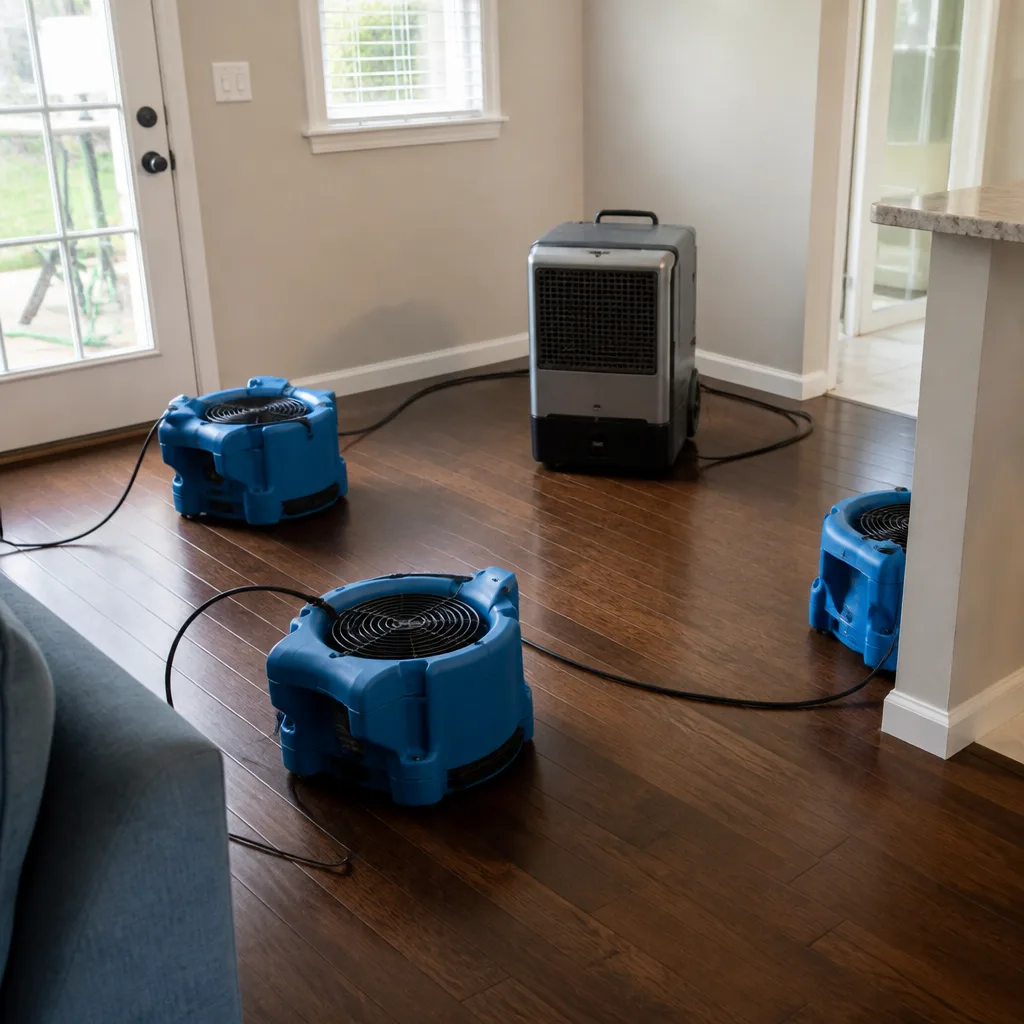
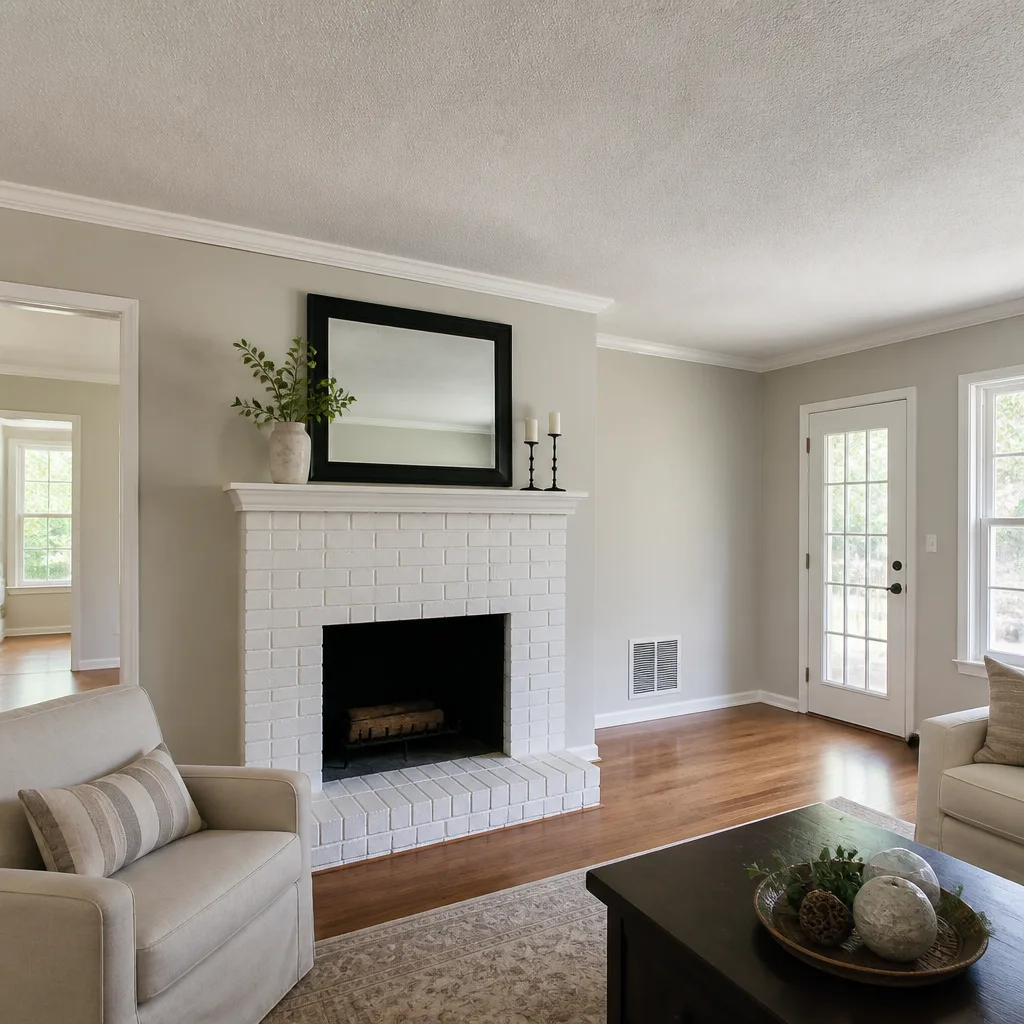
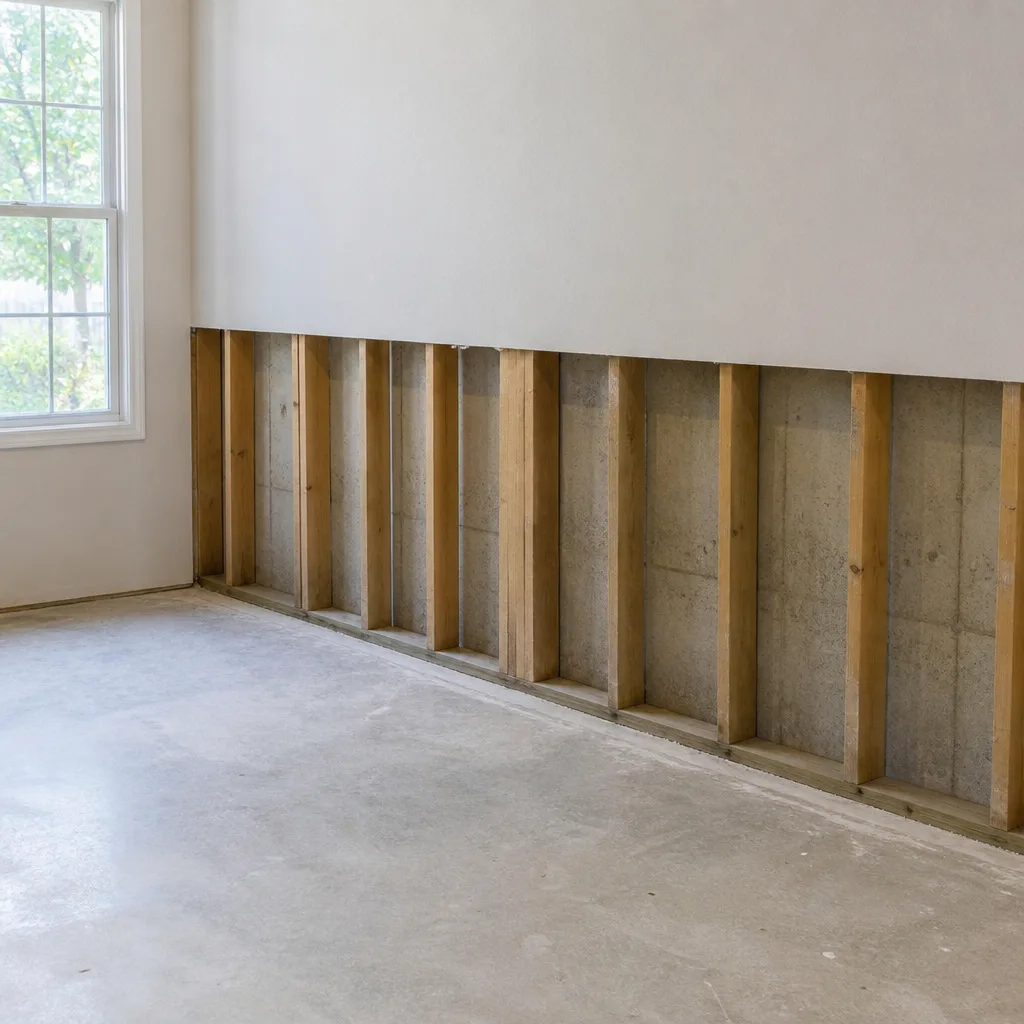
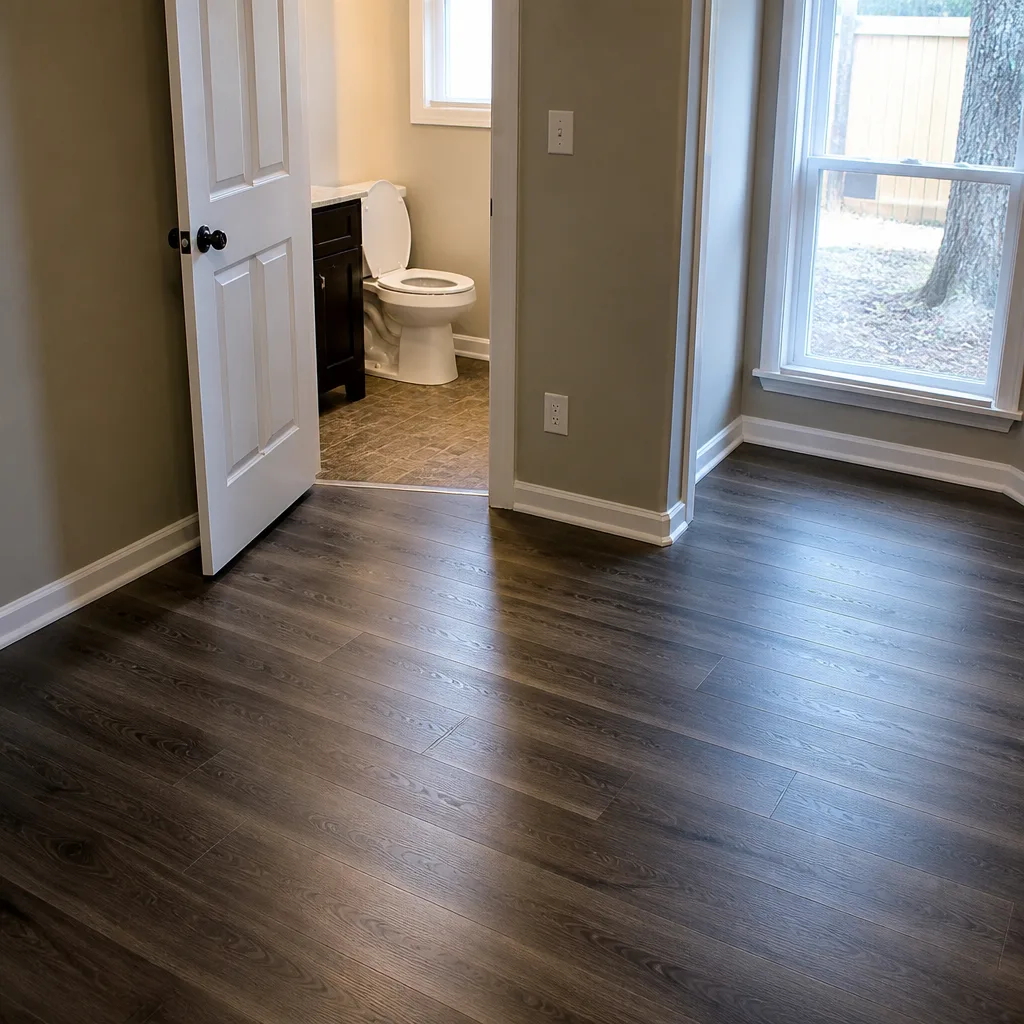
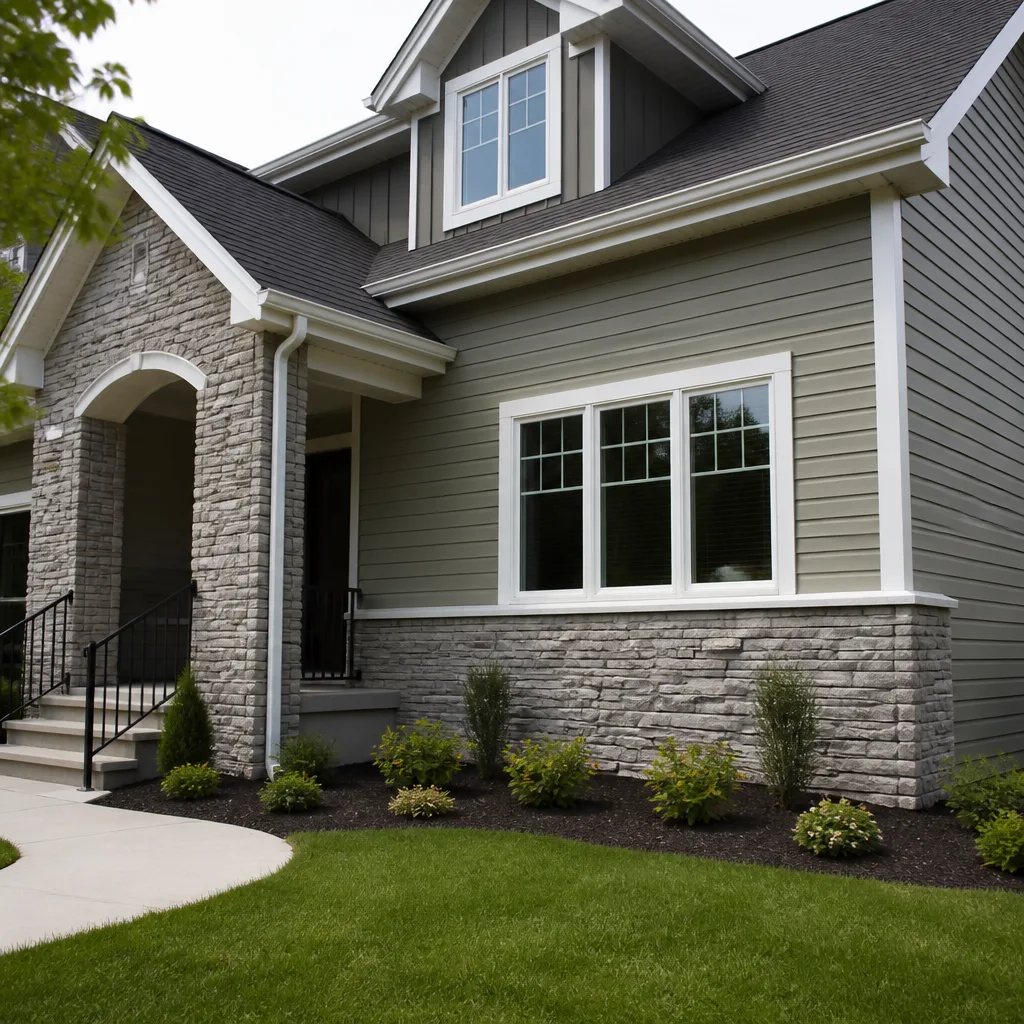
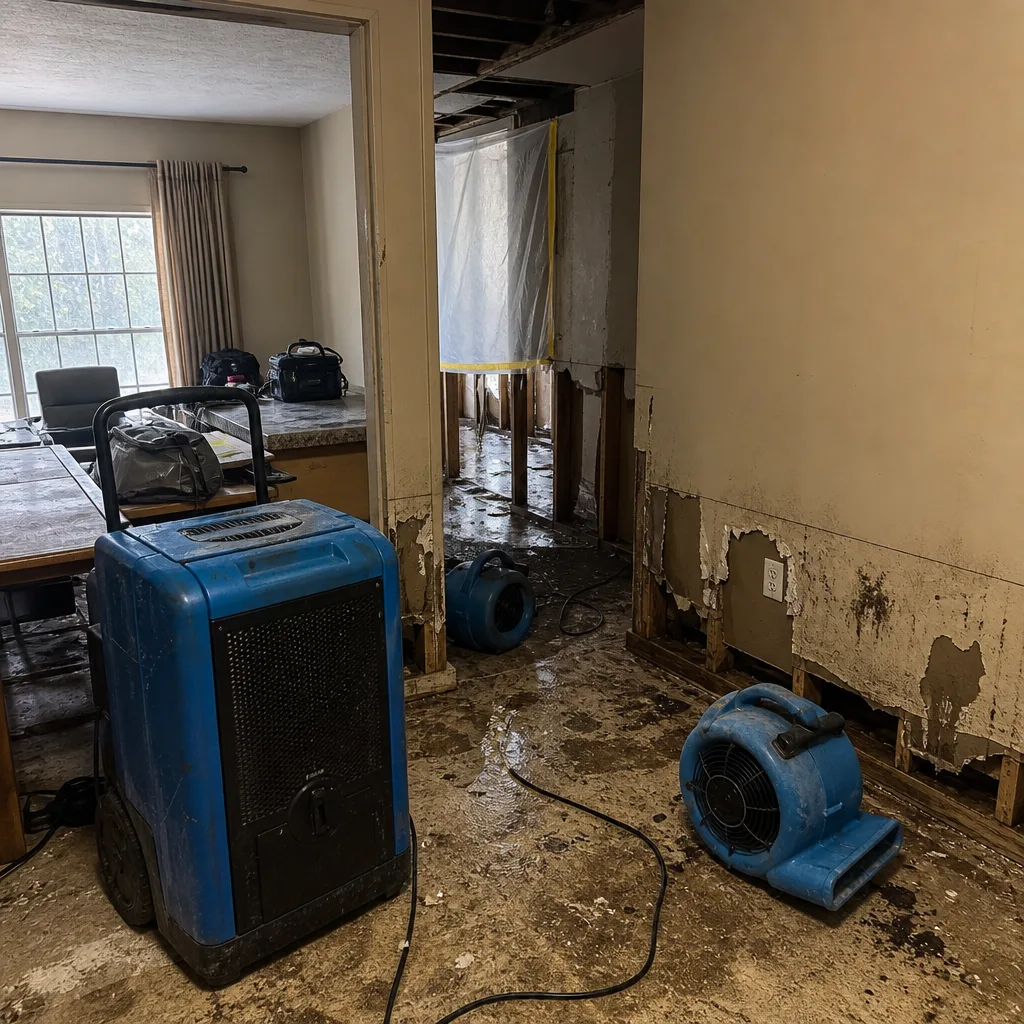 Before
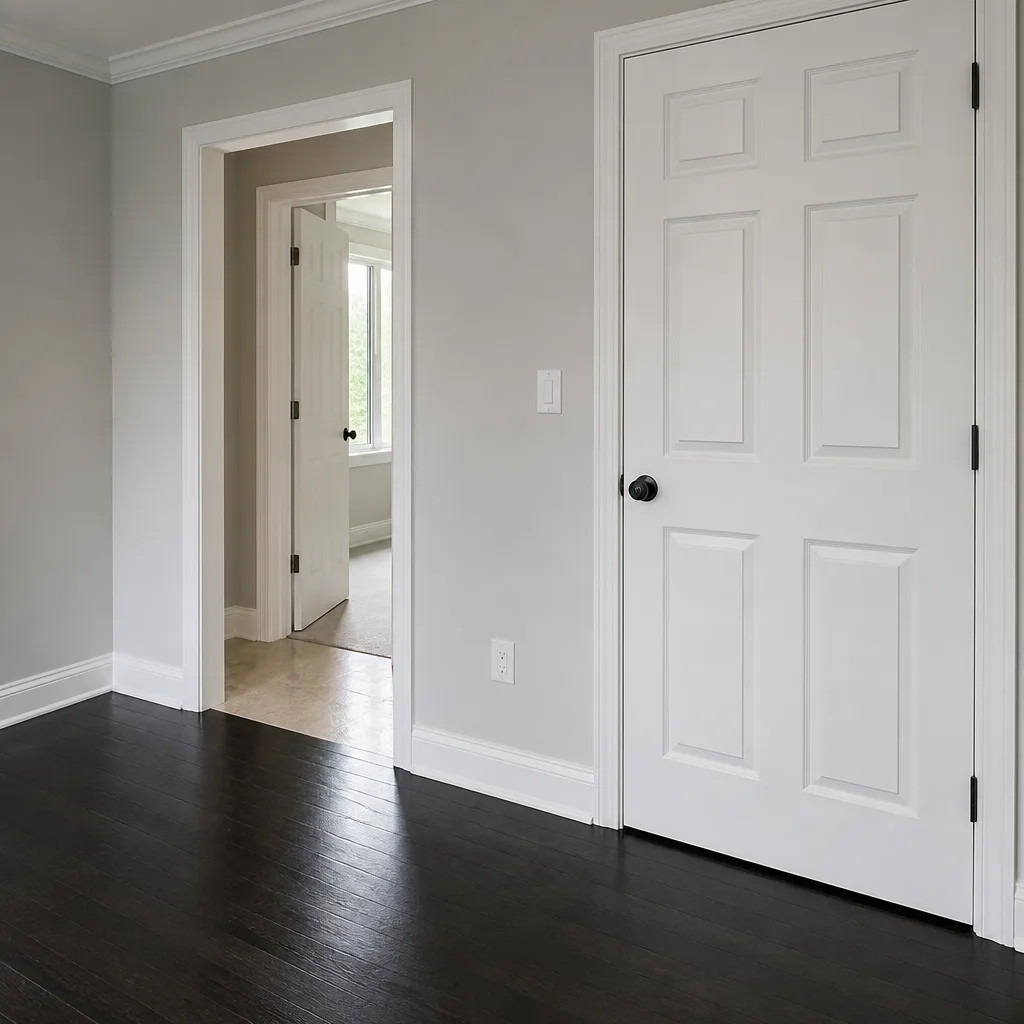 After
After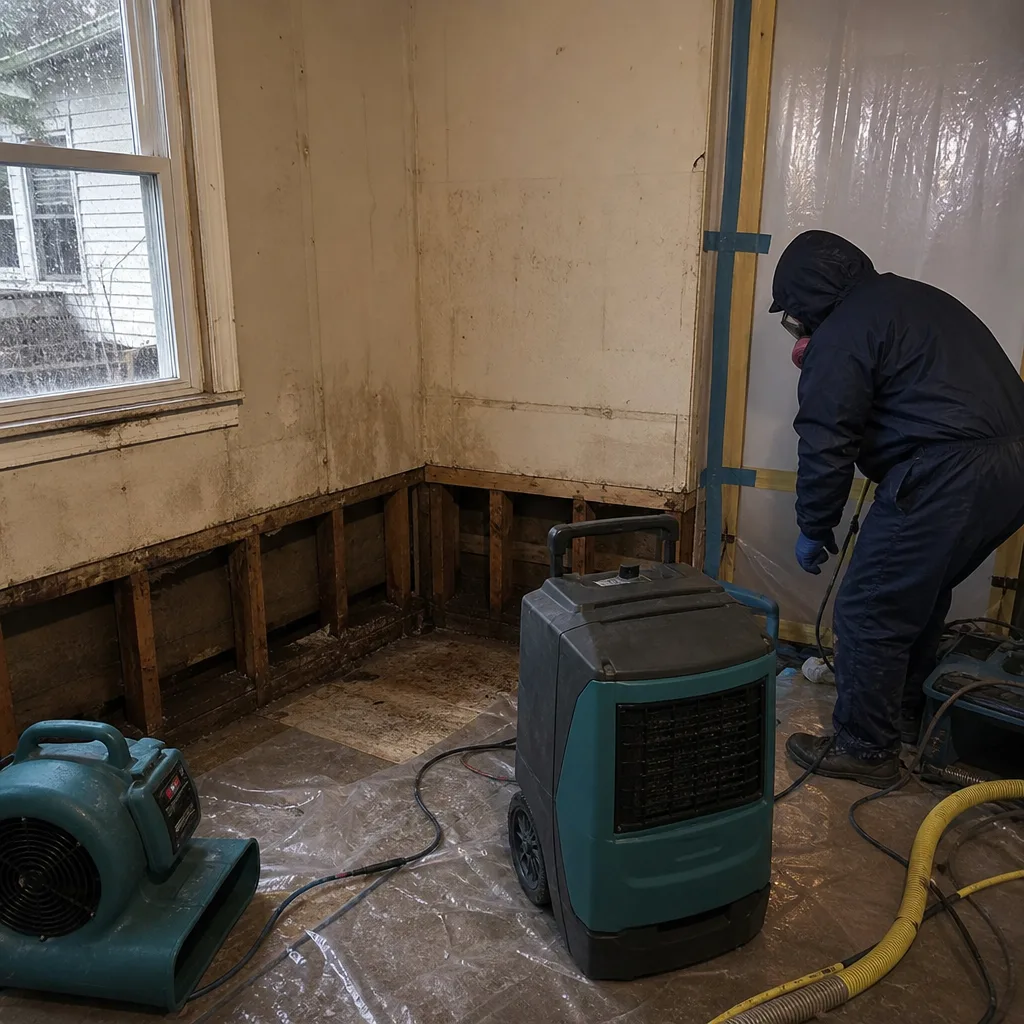 Before
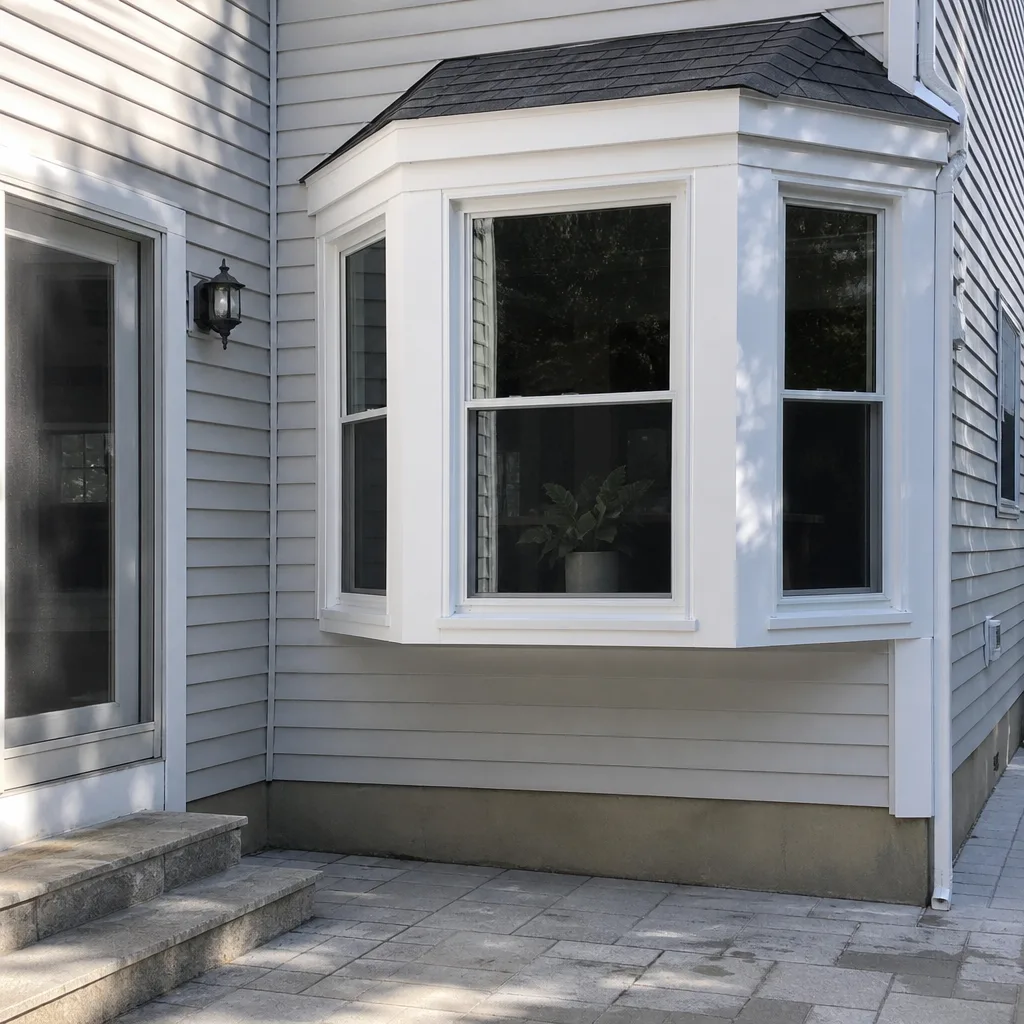 After
After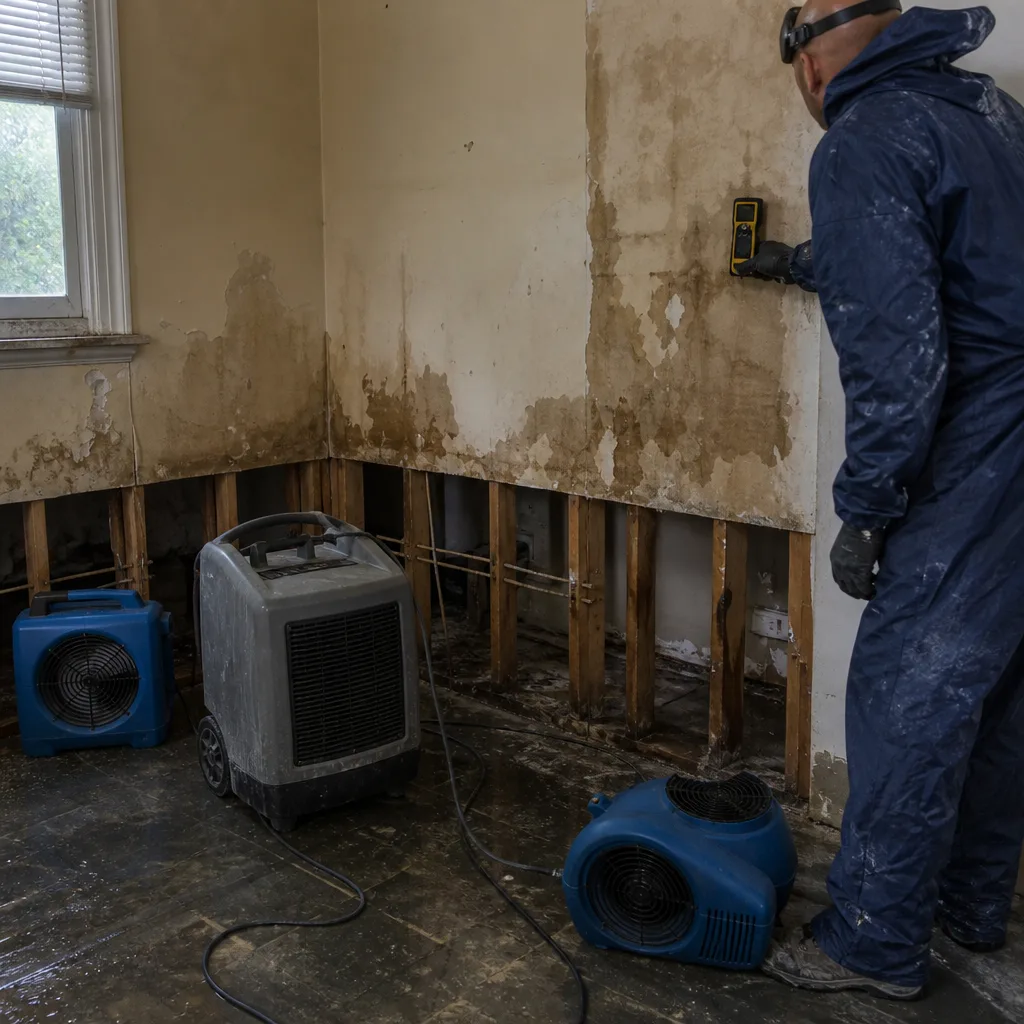 Before
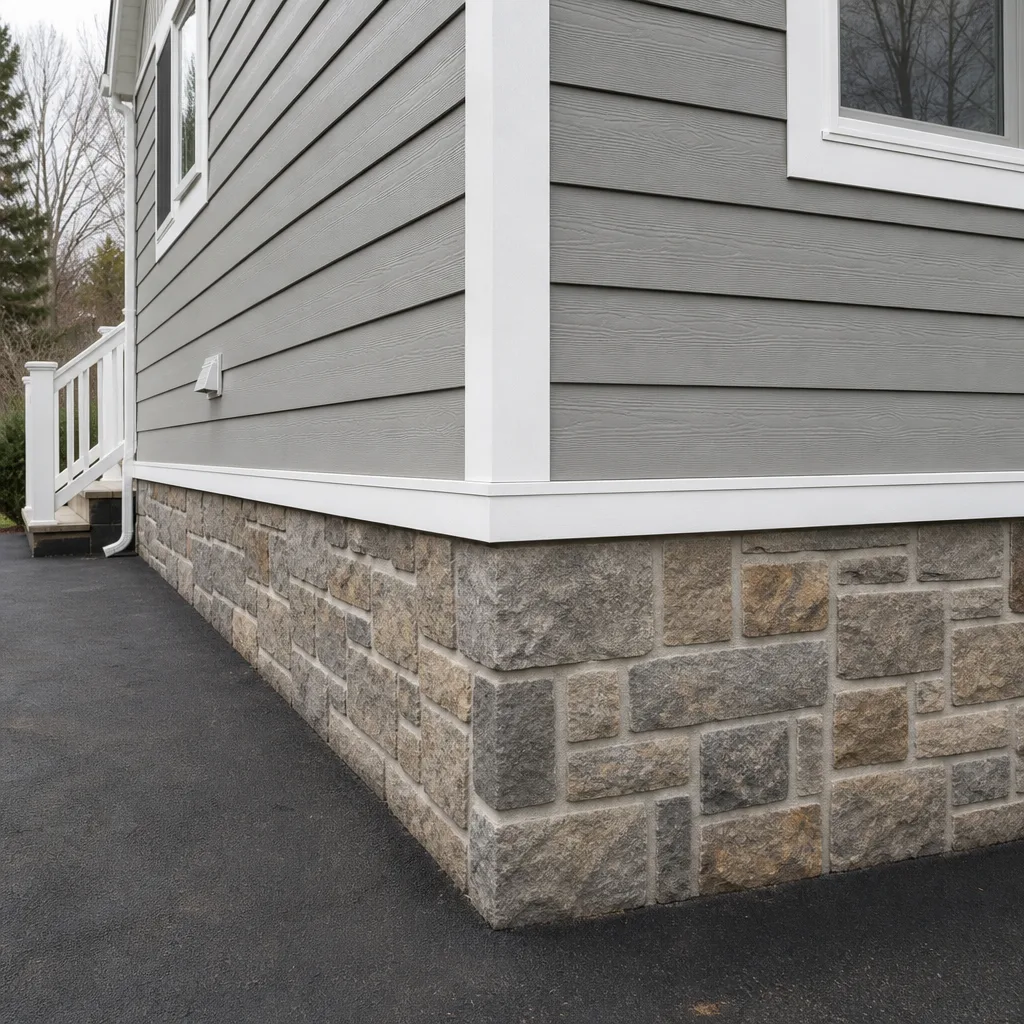 After
After24/7 Emergency Commercial Restoration in Englewood
Commercial water, fire, or storm damage in Englewood moves fast, and the first call you make determines whether you reopen in days or weeks. Floodline Restoration Co. answers live around the clock at (201) 729-3780, with crews dispatched to Englewood properties within 45 minutes. We perform a free visual inspection on arrival, stabilize the site, and start extraction the same visit. For a commercial building, the first hour is the difference between drying out plaster walls and replacing them, between salvaging inventory and writing it off. We know Englewood’s hillside drainage patterns and pre-war construction, and we plan every job around them.
Understanding Commercial Restoration Severity in Englewood Properties
Water damage in Englewood commercial buildings rarely behaves the way a homeowner expects it to. The western hillside properties, built largely between 1910 and 1945, carry plaster-on-lath walls, old-growth oak floors, and slate roofing that absorb water deeply and release it slowly. A roof leak at a Palisade Avenue office does not just stain a ceiling tile; it saturates plaster keys, migrates along joists, and wicks into flooring that was milled a century ago. Fire damage in these same buildings means soot residue pressed into unpainted wood and horsehair plaster, requiring surface-specific cleaning rather than a standard wipe-down. Mold, once established behind 1950s-era finished basement panels, spreads behind drywall where you cannot see it until the smell gives it away. Severity in Englewood is not just about how much water or smoke; it is about what the building is made of and how long the damage sat before anyone noticed. That is why we moisture-map every affected surface and read those readings daily until the dry standard is met.
Why Englewood Property Owners Choose Floodline Restoration Co.
- 45-minute response commitment. When a commercial property is down, every hour costs revenue. We commit to having a crew rolling toward Englewood within 45 minutes of your call.
- 24/7 live answer, never an automated system. You call, a person picks up. At 3 a.m. on a Sunday. That person dispatches a certified crew, not a call center script.
- IICRC-certified crews. Our technicians hold WRT, FSRT, and AMRT certifications and train to IICRC, RIA, and IFA standards. Uniformed, background-checked, and accountable.
- Free visual inspection. We walk the damage with you before any work begins, explain what we see in plain language, and give you a written scope.
- Direct insurance billing. We deal with your carrier directly, including adjuster communication and line-item documentation, so you are never the messenger.
- One team from extraction to reconstruction. The same crew that sets up drying equipment on day one is the crew that rebuilds the wall. No mid-job handoff, no inherited subcontractor.
Our Commercial Restoration Process
Inspection & Assessment
We arrive, walk the affected areas, and document everything with photos and thermal imaging. We identify the water category, check for hidden moisture behind walls and under floors, and map the full extent before moving a single piece of equipment.
Extraction & Stabilization
Standing water comes out with truck-mounted extraction units. We then stabilize the structure: boarding up breached openings, tarping roof damage, and setting containment so contaminated air does not spread through the building.
Drying & Dehumidification
Professional-grade Dri-Eaz and Phoenix dehumidifiers go in, along with air movers and Injectidry panels where wall cavities need directed airflow. Daily moisture readings are logged and shared with you and your carrier until the dry standard is met.
Cleaning & Sanitization
HEPA air scrubbers run continuously during the job. Hard surfaces are cleaned with antimicrobial treatments appropriate to the material; soft goods and documents are assessed for content recovery.
Structural & Specialty Treatment
For Englewood hillside properties, this step often means foundation crack mitigation, slope-drainage correction, or slate and copper flashing repair before interior work proceeds. We match original materials, not just replace them.
Repairs & Restoration
The same crew rebuilds what needs rebuilding: plaster restoration, flooring match and replacement, trim and millwork. We hand you a finished space and a written 90-Day Done Right Promise, the Keystone Standard, with no paperwork battles.
Need Emergency Commercial Restoration in Englewood Now?
Crews minutes away, answering live 24 hours a day. The sooner we start, the less it costs.
Working With Your Insurance Company
Insurance claims on commercial restoration do not need to become a second job for you. We document the loss from the first hour: photos of every affected room, moisture readings taken daily, and a line-item scope of work that your adjuster can verify against industry-standard pricing. Our team communicates directly with your carrier, answers adjuster questions, and provides the drying logs and containment records insurers expect. You get a copy of everything. If the adjuster needs a second walkthrough, we are there. The goal is a settled claim and a restored building, not a stack of back-and-forth emails with you in the middle.
What We Provide Your Insurer
- Thorough documentation of the loss
- Photos of all damage, room by room
- Moisture readings and drying logs
- A detailed, line-item scope of work
- Direct coordination with your carrier
Built for Englewood’s Loss Calendar
Englewood’s commercial restoration calls follow the weather, but the shape of the damage follows the town’s geography. January and February bring deep freezes that burst supply lines in unheated commercial spaces, and because so many Englewood buildings date to the pre-war era, a burst pipe in a 1920s office means water rushing through plaster and old-growth flooring, not modern gypsum and subfloor. March and April bring the thaw, and that means hillside groundwater migration pushing into western-slope basements and foundations. Summer thunderstorms dump flash-flood volumes that overwhelm drainage along the Overpeck Creek corridor. Fall nor’easters drive wind-driven rain against west-facing facades, testing every flashing detail on slate and copper roofs. Each season has its failure mode, and each one has a right way to restore it. That is the work we do here.
Commercial Restoration Across Englewood’s Neighborhoods
Response time in Englewood depends on where your building sits relative to the hillside that defines the town. Along Palisade Avenue and the streets climbing west from it, we see the highest concentration of pre-war commercial and mixed-use buildings: slate roofs, copper gutters, plaster walls, and the wind-driven rain exposure that comes with facing the Hudson corridor. On Grand Avenue and Palisade Court, the older retail strips carry the same masonry construction, and water travels down through multi-story buildings in ways that surprise owners who have only ever dealt with a single-level storefront. In the eastern flatlands near Route 4 and the Overpeck corridor, commercial buildings sit closer to the water table, and post-storm flooding mixes with parking-lot runoff, changing the water category and the cleanup protocol. Near Englewood Hospital and the medical office buildings around Engle Street, containment and air-quality control matter differently: you cannot run a medical practice while air scrubbers are down. Each neighborhood has its own building stock, its own drainage behavior, and its own restoration clock.
Specialized Commercial Restoration Services We Offer in Englewood
Office & Retail Restoration
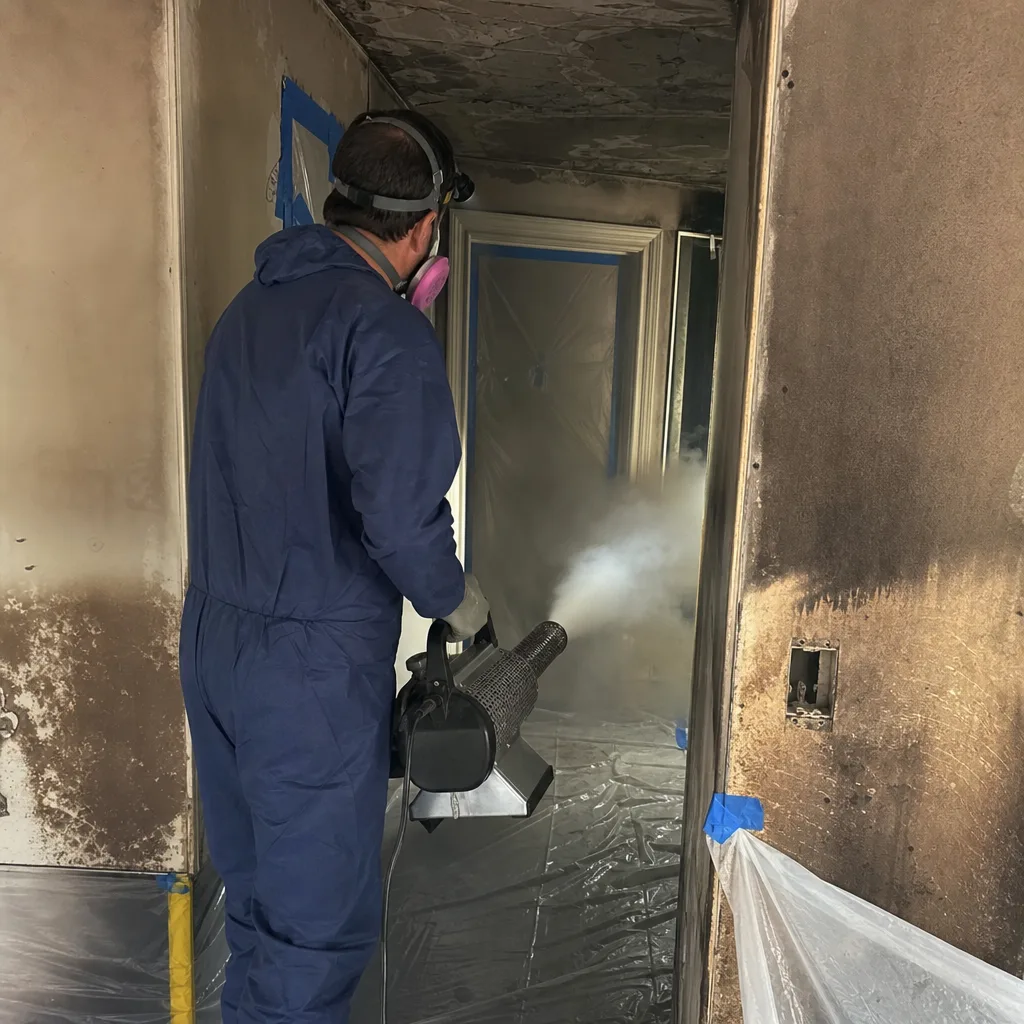
When an Englewood office or storefront takes on water, fire, or storm damage, the priority is reopening without cutting corners. We handle extraction, drying, cleaning, and reconstruction in occupied buildings, working around business hours where possible and setting containments that keep unaffected areas usable. For retail spaces on Palisade Avenue or Grand Avenue, we protect inventory, assess what is salvageable, and document everything for your claim.
Multi-Unit & HOA Restoration
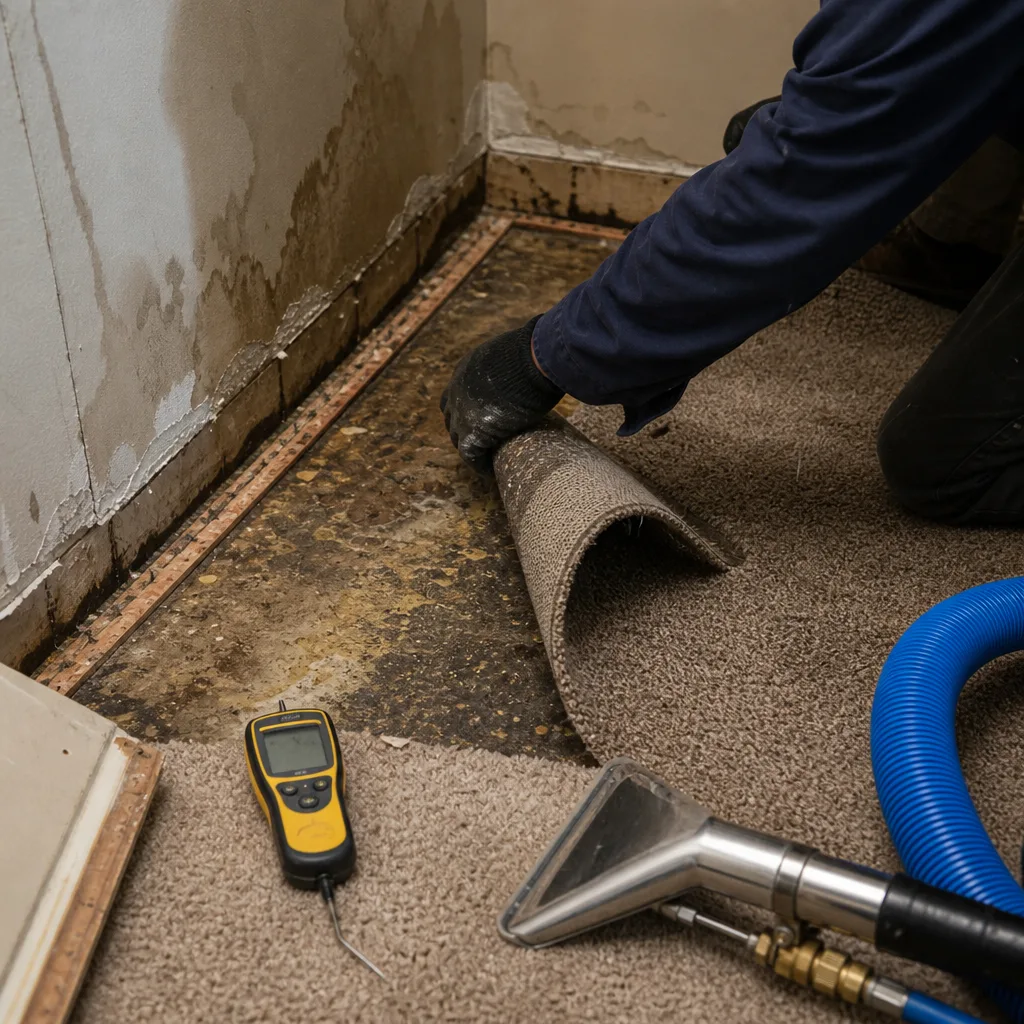
Multi-unit buildings in Englewood bring a second layer of complexity: common areas, resident belongings, and liability that runs through the HOA. We work with boards and property managers, phase the work so tenants are not displaced longer than necessary, and provide the documentation HOAs and their carriers require. Our Commercial Restoration team handles everything from a single unit to a whole building.
Industrial Facility Cleanup
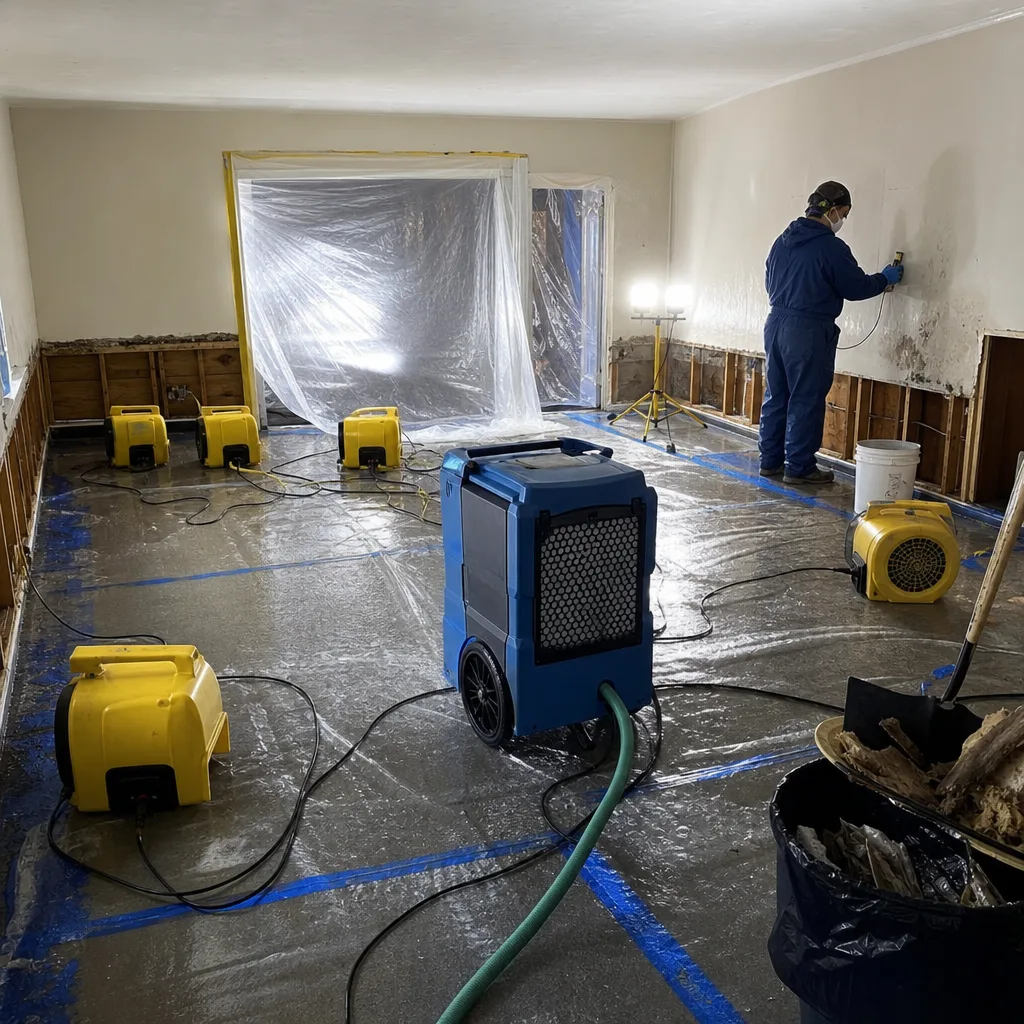
Industrial spaces in Englewood’s eastern commercial zones face unique hazards after a flood: fuel residue, chemical runoff, and contaminated water that changes a routine cleanup into a Category 3 job. We assess what the water has carried in, set appropriate containment, and use HEPA air scrubbing and appropriate antimicrobial treatments before any rebuild starts.
Large-Loss Response
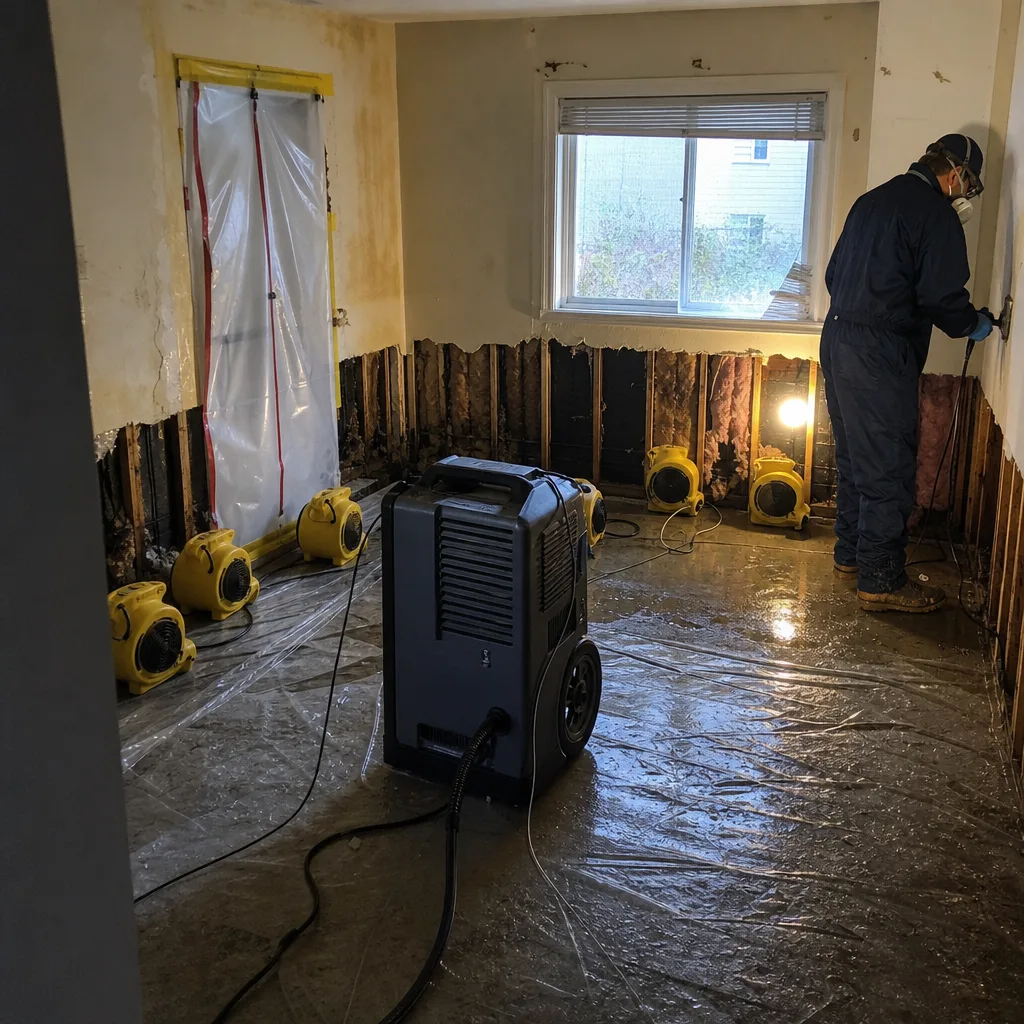
A major fire, a roof collapse, a burst main that floods three floors: large-loss events need equipment, manpower, and coordination on a different scale. Floodline Restoration Co. runs professional-grade Dri-Eaz, Phoenix, and XPOWER equipment, and we can stage multiple crews on an Englewood site when the scope demands it. Our founding principle is that the company that starts the job finishes it, with the same certified technicians from first extraction to final paint.
Business Interruption Minimization
Every day a commercial property is down is a day of lost revenue, lost customers, and mounting pressure. We sequence the work to get the most critical areas functional fastest: containing the damage, drying the core, and building a path to partial occupancy before full completion. In Englewood, where pre-war buildings already make restoration slower and more material-specific, this sequencing is what separates a two-week closure from a two-month one.
What happens when you call
- 1
A real person answersNo phone trees - you reach a local pro.
- 2
You get an upfront price rangeHonest numbers before anyone is dispatched.
- 3
A background-checked tech heads outLicensed & insured, dispatched right away.
- 4
You approve before work beginsNothing starts until you say go.
Commercial Restoration Costs in Englewood, NJ
Commercial restoration pricing in Englewood runs higher than in towns with modern building stock, because the work itself is more demanding. A straightforward Category 1 water extraction and dryout in a mid-century office typically runs $3,500-$7,500. A hillside basement flood with contaminated runoff, requiring demolition, abatement, and rebuild, commonly lands between $12,000 and $40,000. Wind-driven rain damage to a pre-war slate and copper facade, with interior plaster saturation, typically runs $8,000-$25,000 depending on how much original material must be matched. Large-loss commercial events exceed these ranges quickly. Insurance covers most of these costs in the majority of Englewood commercial policies, and we bill your carrier directly, providing the documentation they require. The fastest way to a firm number is a free visual inspection with a written scope before any work begins. Call (201) 729-3780 and we will be there within 45 minutes.
We Also Serve Cities Near Englewood
Our crews serve commercial properties in Englewood Cliffs, Teaneck, Tenafly, and Leonia, with the same 45-minute response commitment and the same written 90-Day Done Right Promise. If your building sits just over the Englewood line, the same crew that knows this hillside will handle your job.
Englewood Commercial Restoration Questions, Answered
How fast can a crew reach my Englewood commercial property?
We commit to having a crew dispatched to any Englewood address within 45 minutes of your call, 24 hours a day. Our dispatchers answer live, not with a recording. Call (201) 729-3780 and we will tell you exactly when the truck rolls.
Does Englewood’s hillside geology change how commercial water extraction is priced?
Yes. Hillside groundwater intrusion on the western slope brings soil and parking-lot contaminants with it, which changes the water category and often triggers additional demolition, abatement, and drainage work before drying can begin. A hillside paneled basement from the 1950s-1970s may also require asbestos abatement before any dryout, adding days and thousands of dollars to a job that looked straightforward. Our free inspection identifies these factors before you commit to a scope.
Are there Englewood-specific permit requirements for wind-rated commercial doors before a storm?
Englewood enforces wind-load ratings on new and repaired commercial storefront doors and windows, particularly on west-facing facades that take the brunt of Palisades-channeled winds. A standard door replacement that lacks proper anchoring or impact-rated glass will not satisfy local code, and will fail the next nor’easter. We handle permits and code compliance as part of the restoration, so your building is legal and sound when the next storm comes. Call (201) 729-3780 for a free inspection before storm season.
How long should structural drying take in an Englewood pre-war office building?
Realistically, four to seven days for plaster-on-lath walls and old-growth flooring to reach the dry standard, sometimes longer if the building sits on the western hillside where Hudson-corridor humidity runs high. We take daily moisture readings and give you and your carrier the drying log, so you always know where the job stands and when it will be done.
What hidden hazmat is common in Englewood commercial basements after a flood?
The most common surprises are asbestos floor tile and vermiculite or zonolite insulation behind 1950s-1970s finished basement panels. If water reaches those materials, mandatory abatement is required before drying or demolition can legally proceed. We test for this during our inspection, not after the demo has started, because finding it late delays reopening by days and adds thousands to the claim. We handle abatement coordination and work directly with your carrier on the added scope.
Why is mold risk higher in Englewood commercial properties after water intrusion?
Two reasons. First, the western hillside’s chronic groundwater migration means moisture returns after a dryout if the drainage issue is not addressed, giving mold a second start. Second, Englewood’s pre-war building stock has organic materials: plaster keys, wood lath, old-growth flooring, that hold moisture longer than gypsum and provide mold a deeper food source. We treat the drainage and the materials, not just the visible symptoms.
Will my commercial insurance cover the restoration?
Most Englewood commercial policies cover water, storm, and fire restoration, including the specific hillside-related work like foundation crack mitigation and drainage correction when those are the cause of loss. We bill your carrier directly, provide the photos, moisture logs, and line-item scope they require, and coordinate with your adjuster so you are not caught between us and them.
What should I do in the first 30 minutes after discovering commercial water or storm damage?
Shut off the water or electricity if safe to do so, move what you can out of the water’s path, and call (201) 729-3780. Do not enter a flooded commercial basement if there is any chance of electrical contact. Do not start pulling up panels or flooring yourself, especially in older Englewood buildings where you may expose asbestos. Document what you see with photos from a safe distance, and let us handle the rest.
Serving Englewood, NJ - Our Local Coverage Area
We’re based in the Englewood area and know this community well. Use the map below to see our service coverage - if you’re nearby, we can almost certainly help.
The Hillside-Specific Playbook for Englewood Commercial Buildings
Here is what makes Englewood different from every town around it. The Palisades diabase ridge runs along the western edge, and it is the reason water behaves the way it does in this town. Groundwater moves downhill through fractured bedrock and surfaces along the slope, pushing into basements and foundations from above, not just rising from the water table. Commercial buildings on the western hillside take this water year-round, and a “simple” basement flood is often a symptom of a drainage problem that has been building for decades. At a 1920s Tudor office building on Palisade Avenue, our crew found wind-driven rain had breached the west-facing slate and copper flashing, saturating plaster-on-lath walls and buckling old-growth oak floors. We set containment, ran Injectidry panels behind the plaster, and used Dri-Eaz dehumidifiers with daily moisture readings. After structural drying and antimicrobial treatment, we matched original slate and restored the floors to pre-loss condition. That is the job, and it is not the job a general drying crew from out of town knows how to do. The hillside changes the pricing, the sequencing, the materials, and the timeline. This is the playbook we run in Englewood, and it is written around what the ridge does to commercial buildings here.
Written by Curt Bowman, Owner at Floodline Restoration Co., serving Englewood commercial properties with a live-answer dispatch and the 90-Day Done Right Promise since 2010.