

Free visual inspection and a written scope of work before any mitigation begins - photos, moisture readings, and drying logs go in your claim file
The scope we write is the scope we bill. Anything new gets shown to you, in writing, before we touch it.
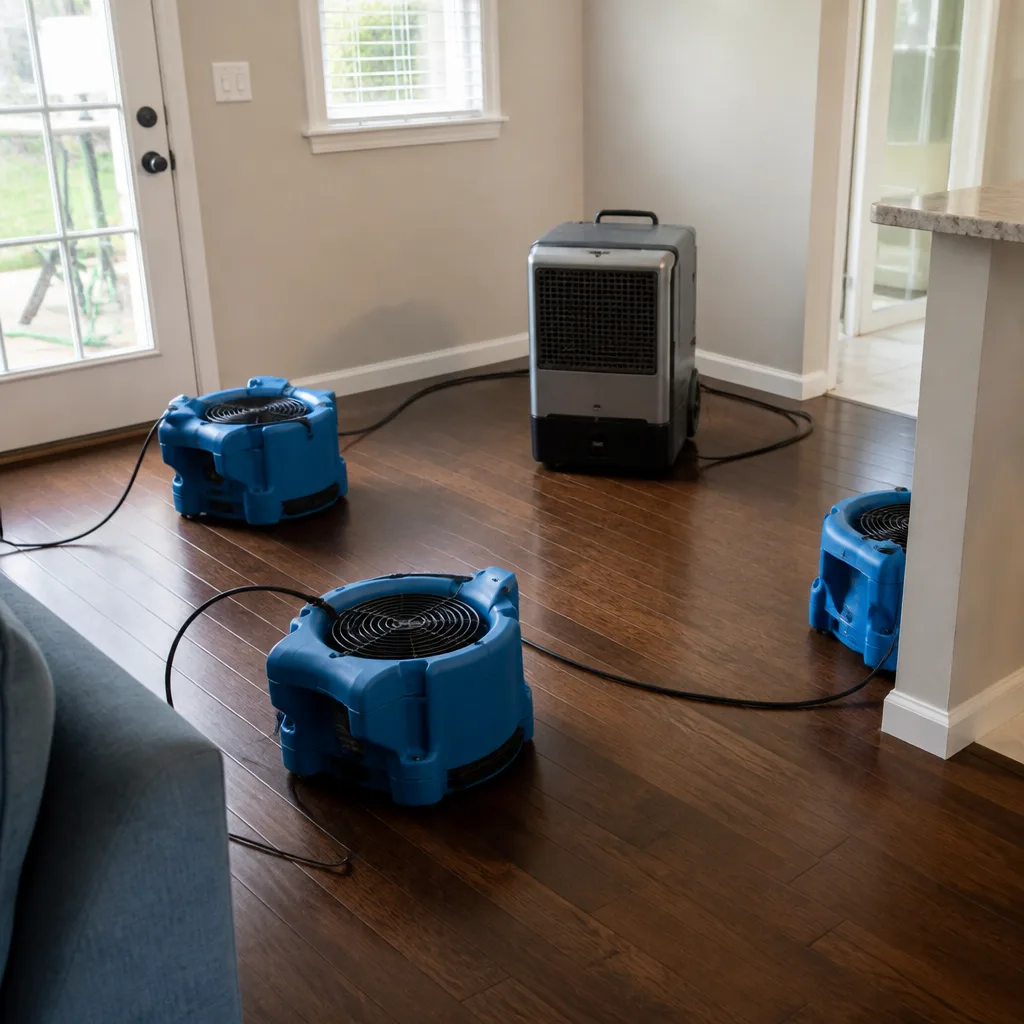
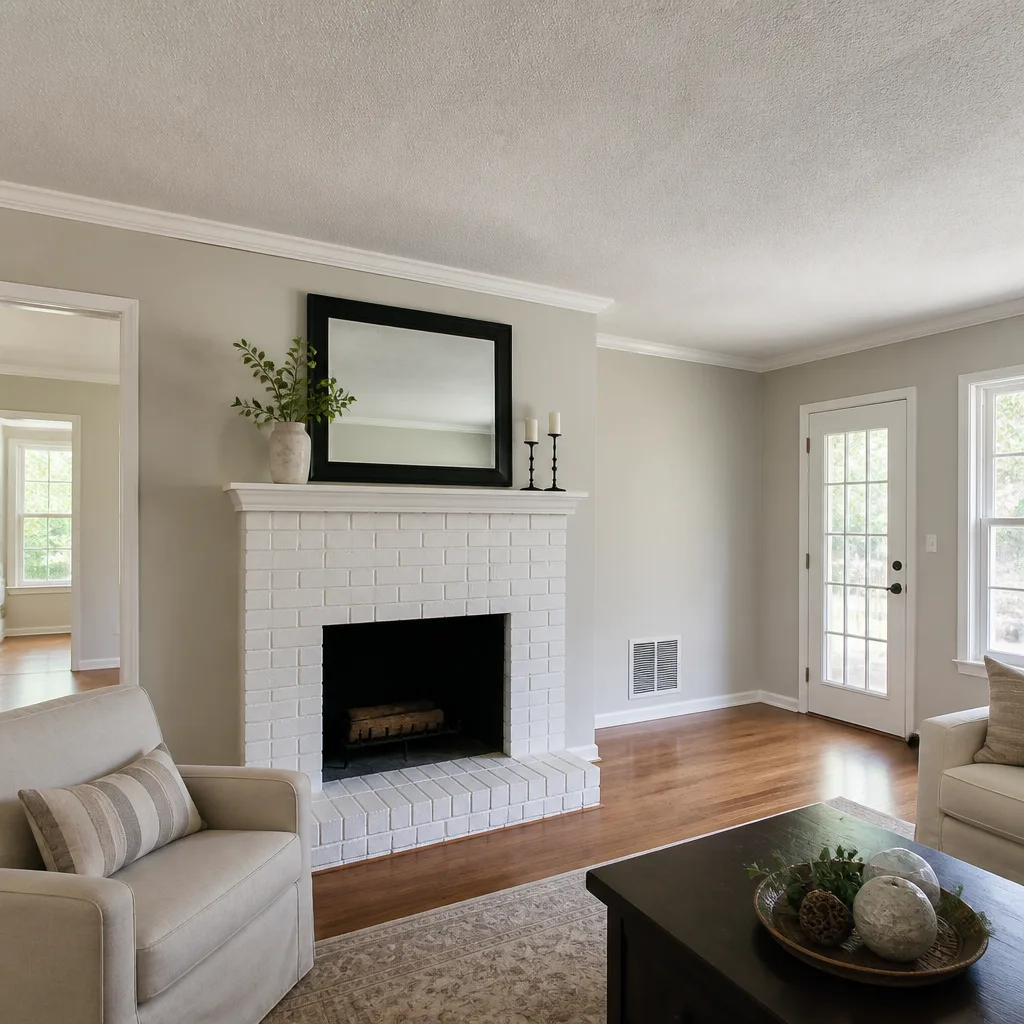
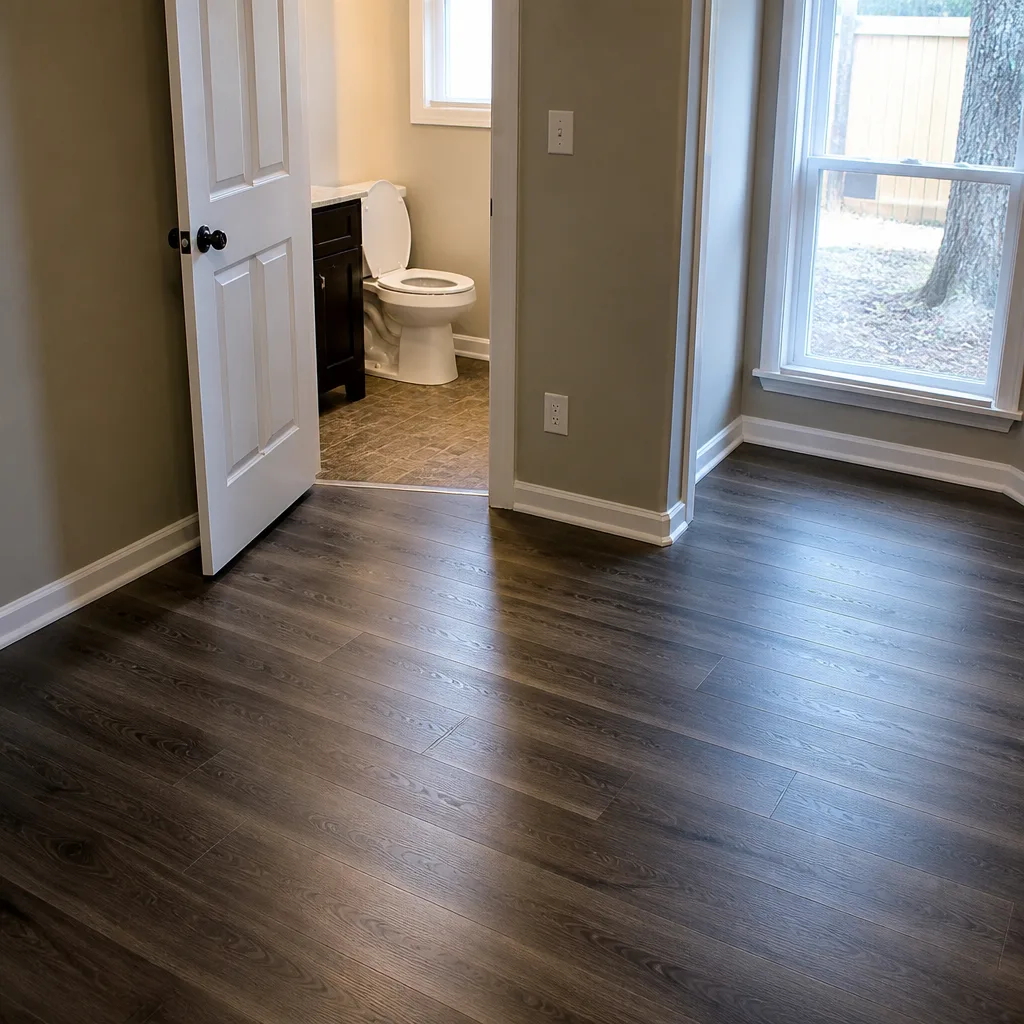
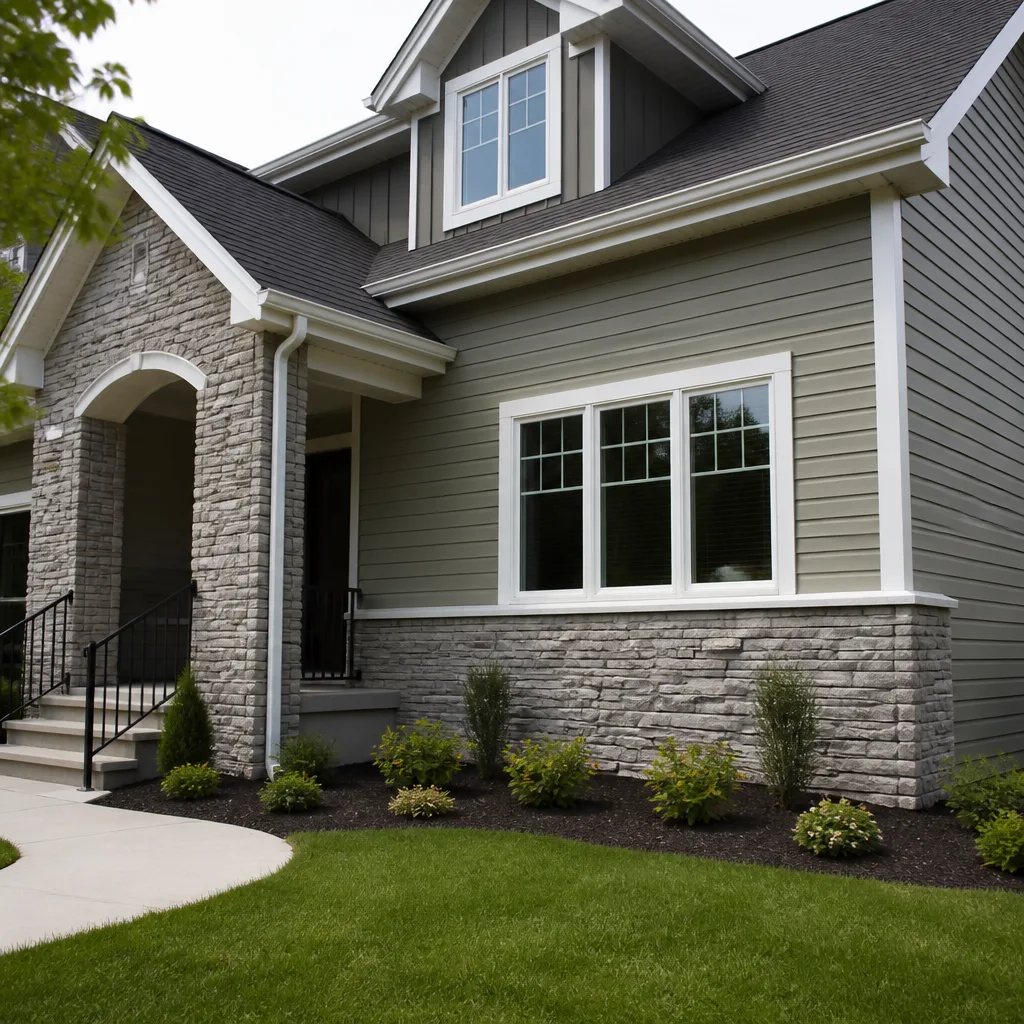
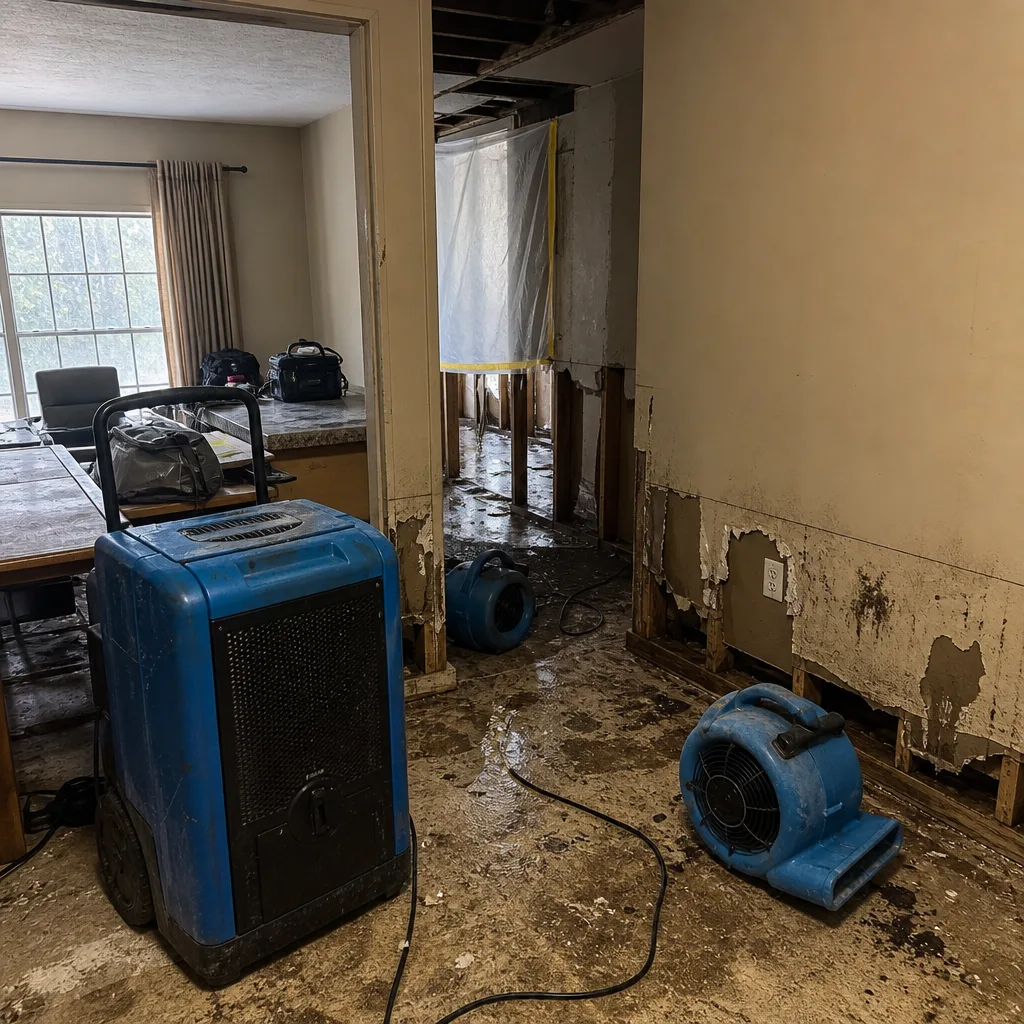 Before
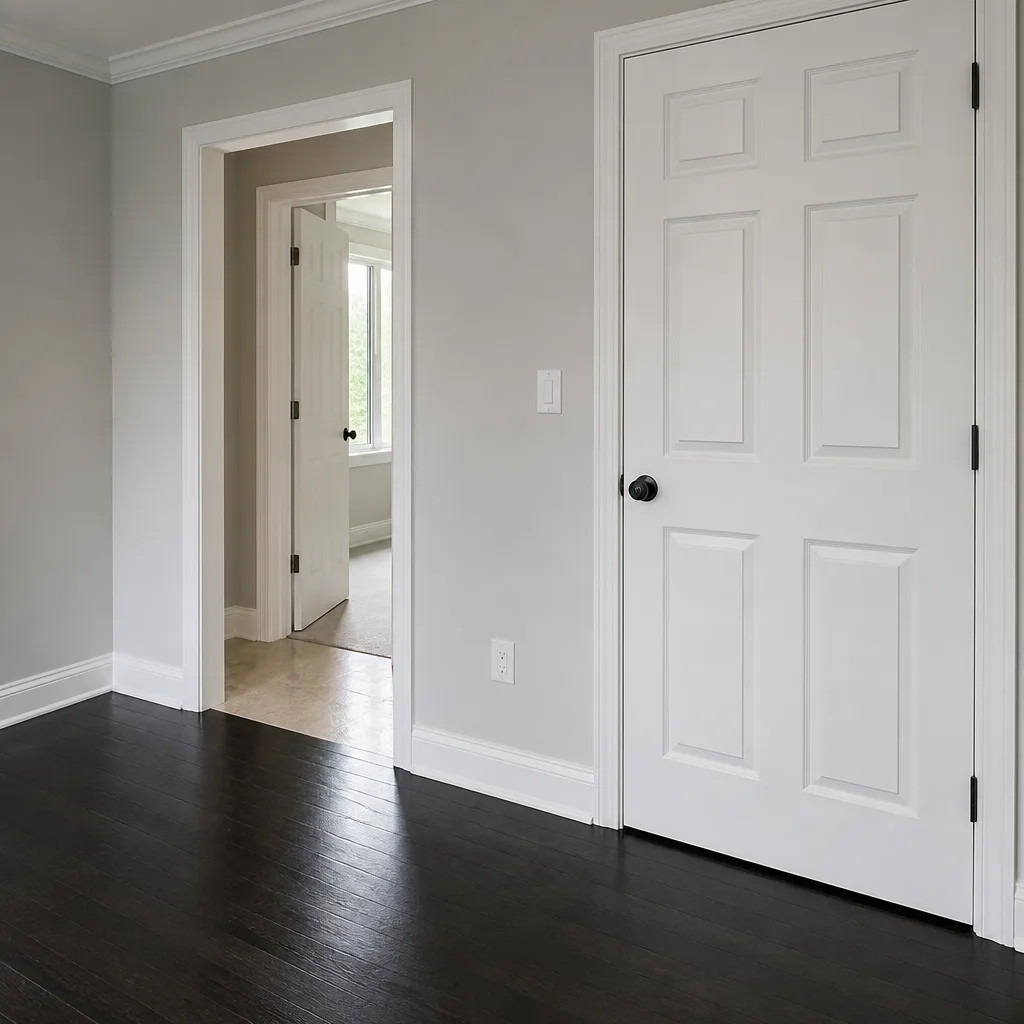 After
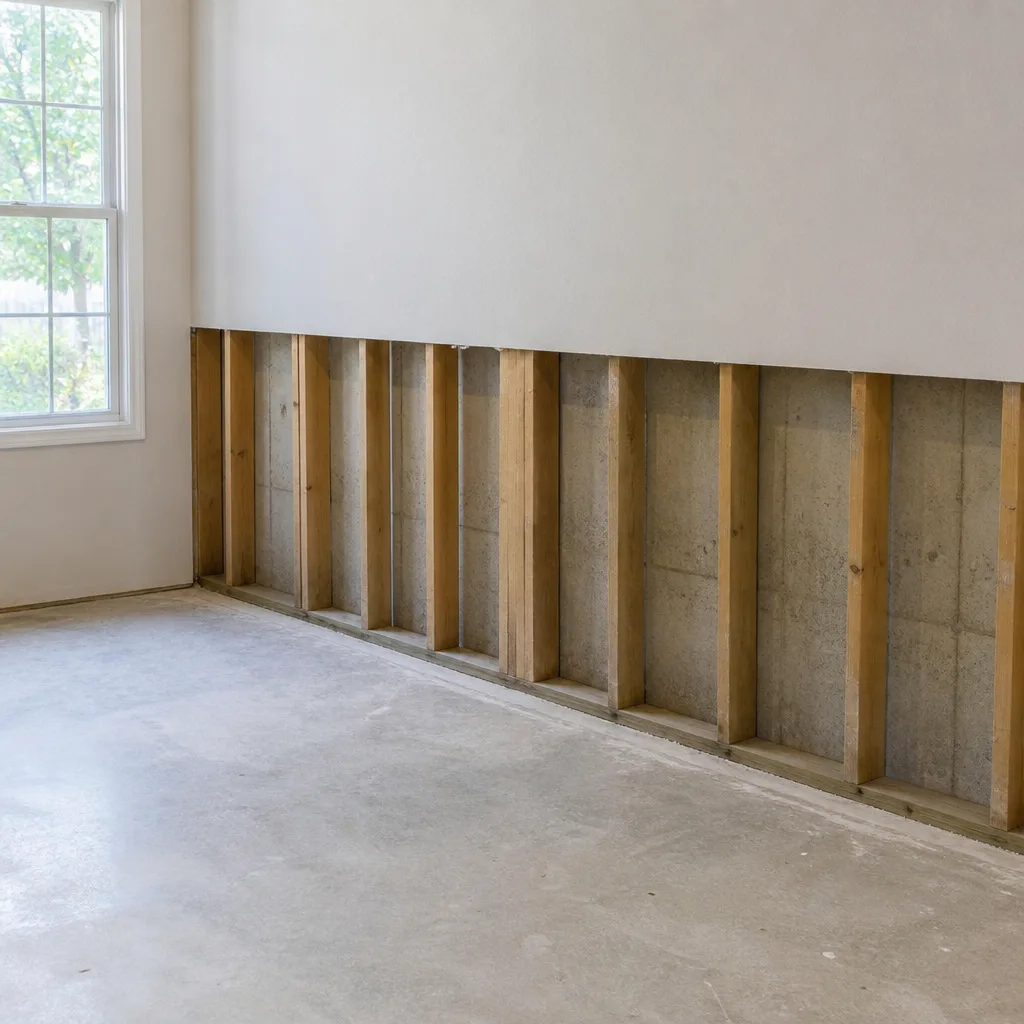
After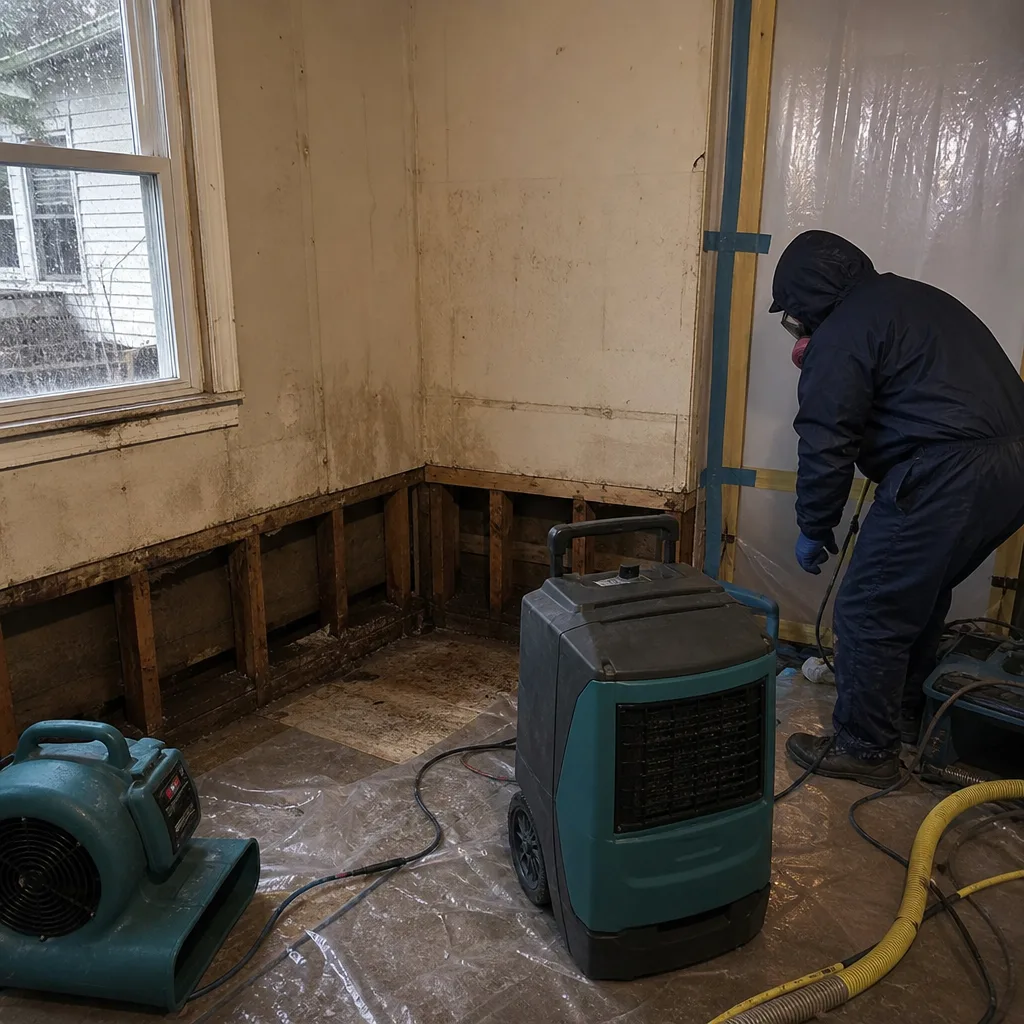 Before
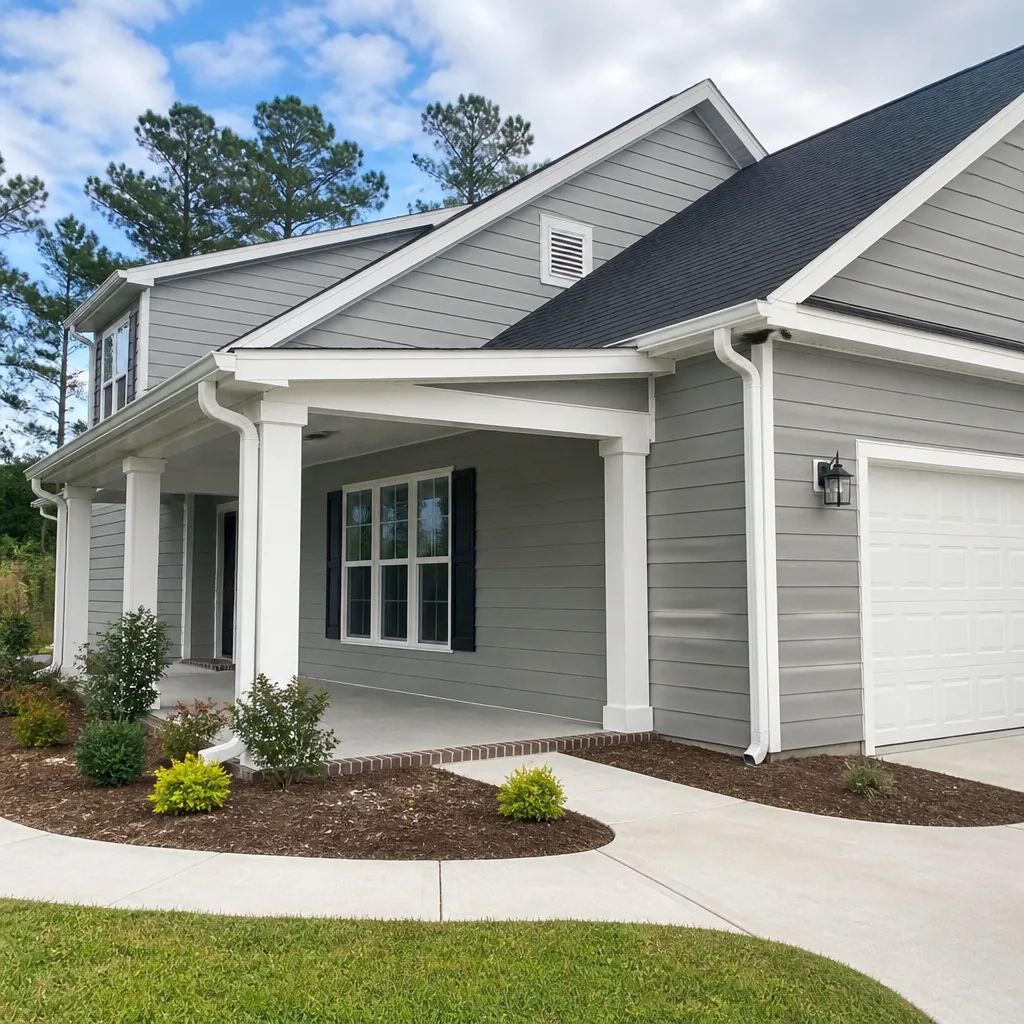
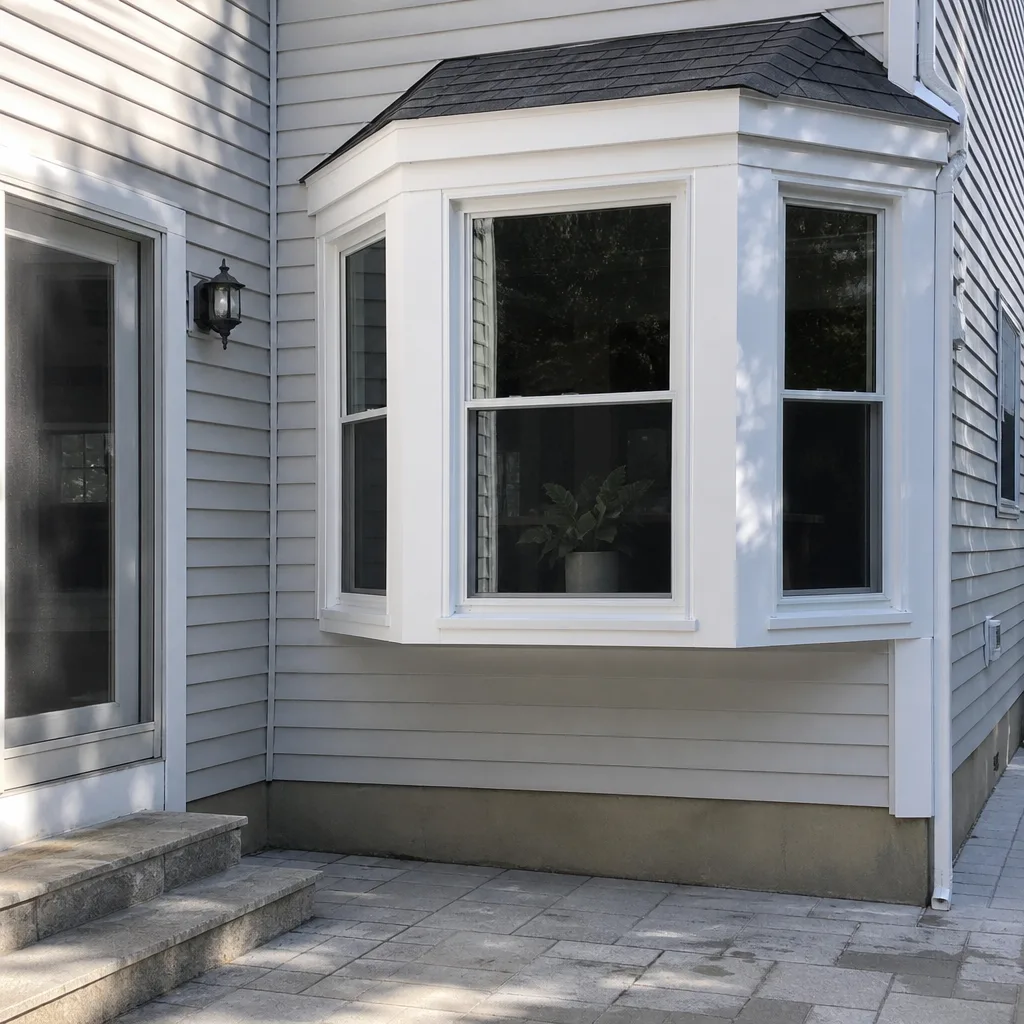 After
After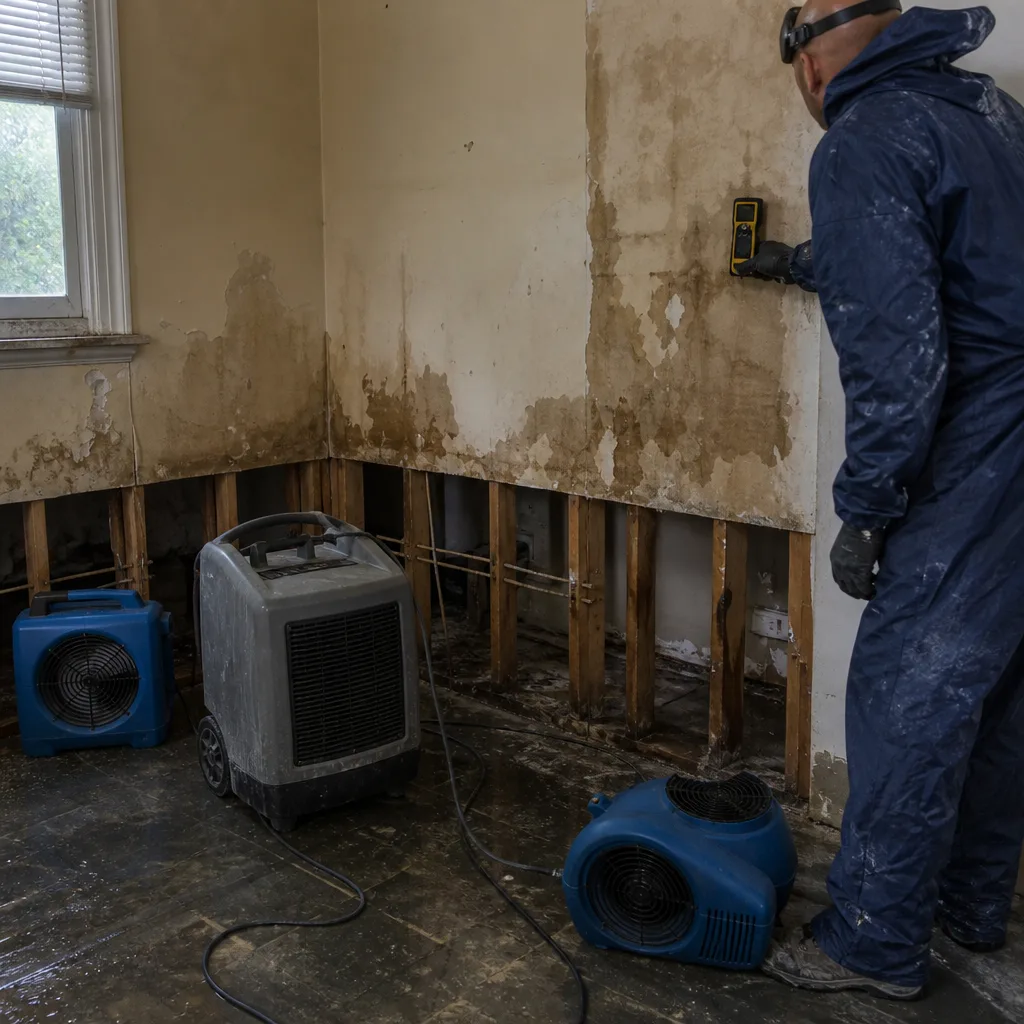 Before
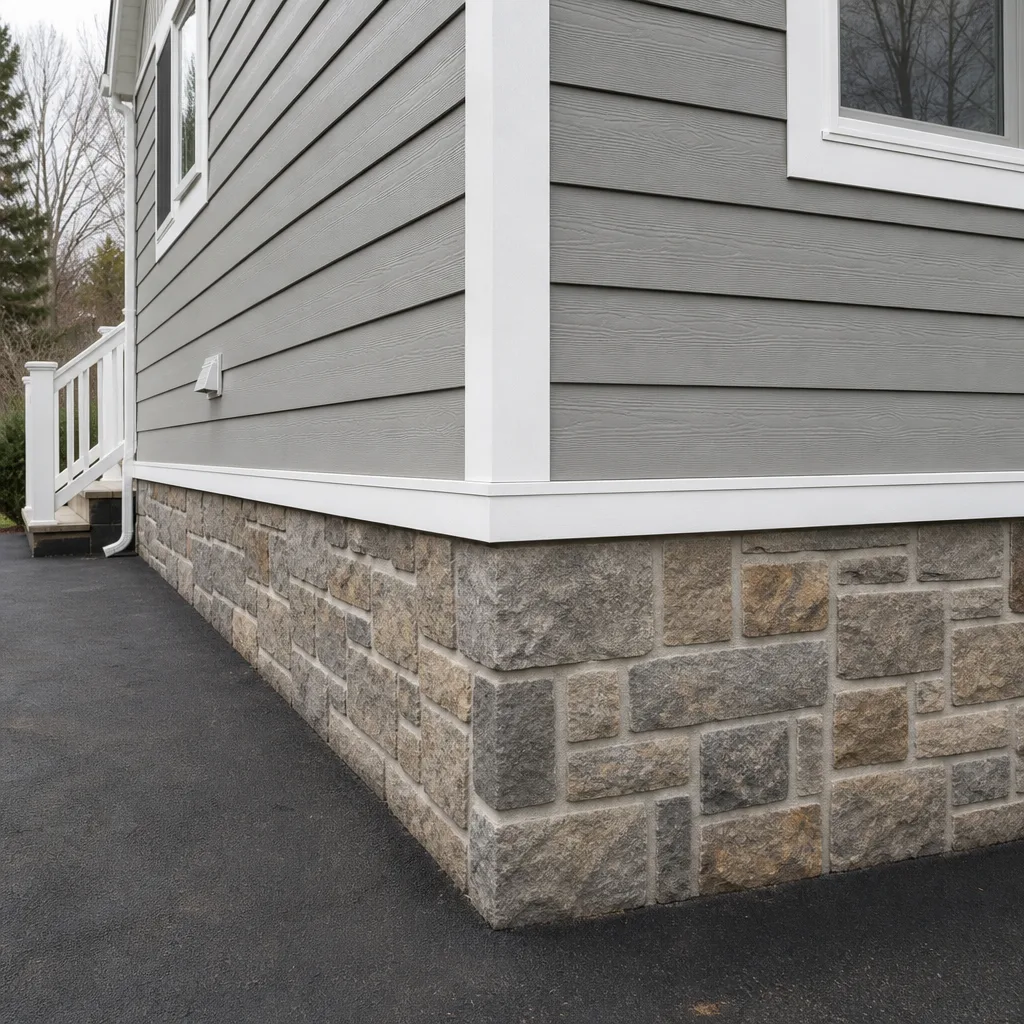 After
After24/7 Emergency Mold Remediation in Tenafly
Mold remediation in Tenafly typically costs between $1,500 and $6,500 depending on how far the colonization has spread, and most jobs on the Palisades slope require both source correction and material removal because the terrain keeps reintroducing moisture. That’s the honest range we give homeowners before we ever set foot in the house. If you’ve found mold in a finished basement, behind a bathroom vanity, or along a sill plate near the foundation, call Floodline Restoration Co. at (201) 729-3780 right now. A live person answers. We dispatch a certified crew to Tenafly the same day, and the first visual inspection is free.
The first hour matters because mold that’s actively feeding on wet drywall or framing doesn’t pause while you decide. In a Tenafly split-level with hillside drainage, a small patch visible at the baseboard can mean a much larger colony thriving inside the wall cavity. We contain the affected zone, cut off the moisture source, and start drying before the problem spreads to joists and sill plates where repair costs jump fast.
Understanding Mold Remediation Severity in Tenafly Properties
Mold severity is classified by the extent of colonization and the category of water that fed it. Category 1 water is clean, from a supply line or condensation. Category 2 carries contaminants, think failed sump pump discharge or washing machine overflow. Category 3 is grossly contaminated, usually sewage or exterior flooding that picked up soil and bacteria on its downhill run. In Tenafly, where the eastern escarpment of the Palisades ridge funnels stormwater through residential streets, finished basements routinely take Category 2 and 3 water during nor’easters. That means the mold it breeds is never just surface staining. It’s an active biological contaminant living inside porous materials.
Homes built between the 1950s and 1980s, the colonials, split-levels, and raised ranches that dominate Tenafly’s housing stock, were constructed with materials mold loves: paper-faced drywall, unsealed wood framing, and fiberglass batt insulation that wicks moisture like a sponge. When a below-grade wall keeps getting damp, those materials sustain colonization long after the visible spot is scrubbed. We scope every Tenafly job by moisture mapping first, not by what the eye can see. Thermal imaging reads what’s happening inside the cavity. That’s the only way to separate a cosmetic patch job from real remediation.
Why Tenafly Property Owners Choose Floodline Restoration Co.
- 45-minute response commitment: When you call with active mold, we commit to having a certified technician on site in Tenafly within 45 minutes. We’ll be there when we say.
- 24/7 live answer, never an automated system: A real dispatcher picks up at 2 a.m., every day of the year. No phone tree, no recorded message, no waiting for a callback.
- IICRC-certified crews: Our technicians carry WRT, FSRT, and AMRT certifications. They’re trained to IICRC, RIA, and IFA standards, and they show up uniformed and background-checked.
- Free visual inspection: We walk the affected area, check the grade slope and drainage, and tell you plainly whether you need full remediation or targeted treatment. No pressure, no upsell.
- Direct insurance billing: We document everything from hour one, send the scope and photos to your adjuster, and bill the carrier directly. You’re never the messenger.
- One team, start to finish: From initial assessment through tear-out, drying, sanitizing, and reconstruction, the same crew handles the job. No mid-project handoff to a subcontractor you’ve never met.
Floodline Restoration Co. has been doing this work since 2010, built around a dispatch board rather than a sales desk. Every job we complete in Tenafly is backed by the 90-Day Done Right Promise, our Keystone Standard, in writing. If it’s not done right, we make it right. No arguing, no paperwork battles. That’s the deal.
Our Mold Remediation Process
Inspection & Assessment
We start with a full visual inspection plus moisture readings across the affected area. In Tenafly homes, we always check the uphill foundation side and grade slope, because recurring mold here comes from water that keeps finding its way back, not from a single incident. We map the full extent of colonization with thermal imaging before any demolition starts.
Containment & Source Control
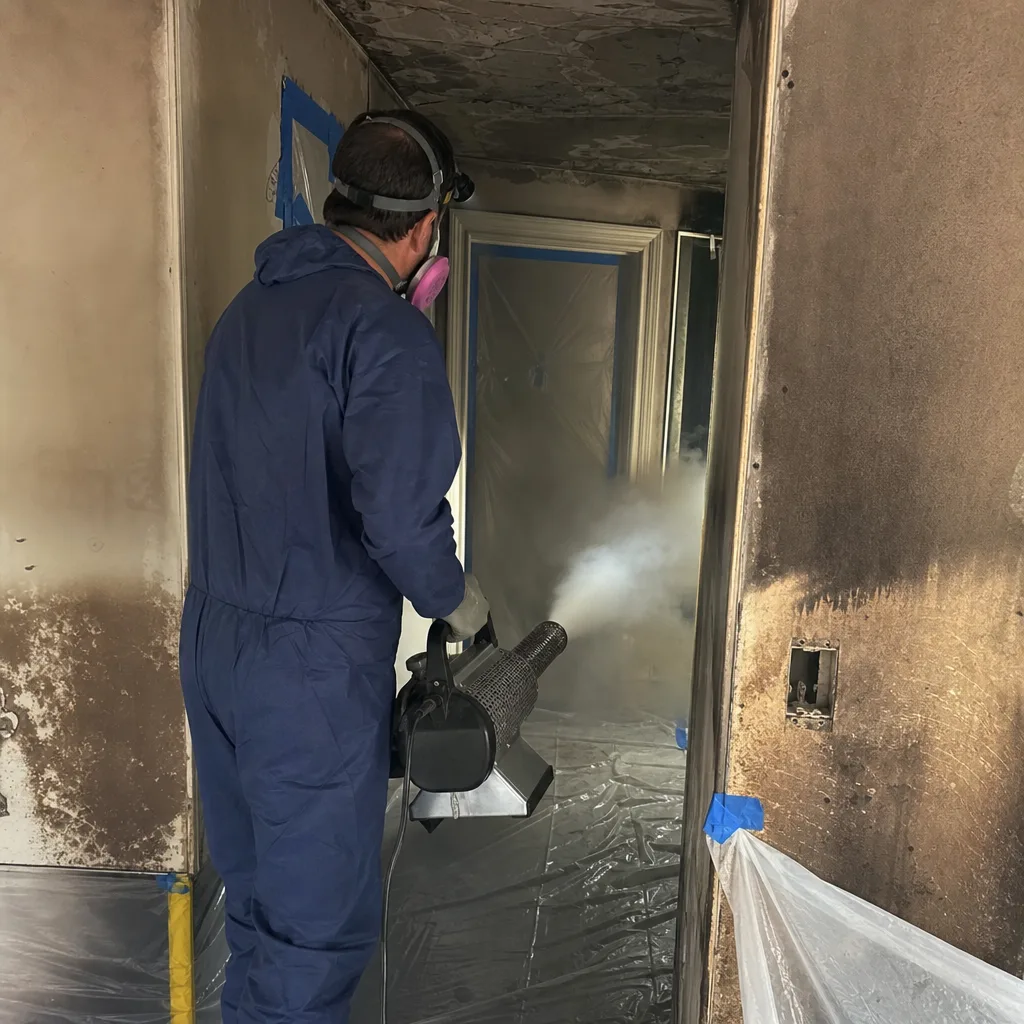
We set up physical containment around the work zone using plastic sheeting and negative air pressure so spores don’t migrate into living areas. The moisture source gets corrected first, whether that’s a failed downspout, a freeze-thaw crack in the foundation, or improper site drainage. If we skip this step, we’re just painting over the problem.
Drying & Dehumidification
Professional-grade Dri-Eaz dehumidifiers and Phoenix air movers pull moisture from wall cavities, framing, and sill plates. We take daily readings and log them until the structural dry standard is met. In a Tenafly basement, that standard changes seasonally, and we scope accordingly.
Cleaning & Sanitization
HEPA air scrubbers run throughout the job to filter airborne spores and particulates. Affected framing gets sanded and treated with an antimicrobial application. Non-salvageable materials are removed and bagged under containment. The goal is a space that’s structurally sound and biologically clean, not just visually improved.
Moisture & Humidity Control
This is the step that separates a Tenafly job from one in a flat town. We evaluate crawl space ventilation, vapor barrier condition, sump pump capacity, and drainage routing. When the problem is recurring hillside seepage, we recommend and install corrections that address the grading and water table reality of the Palisades slope.
Repairs & Restoration
We rebuild what we removed. Custom millwork, wainscoting, hardwood flooring, we match materials to the original quality of your home. Tenafly properties often carry premium finishes, and our reconstruction crews know how to blend new work with existing so the repair doesn’t announce itself. Final moisture readings and clearance confirmation close the job.
Need Emergency Mold Remediation in Tenafly Now?
Crews minutes away, answering live 24 hours a day. The sooner we start, the less it costs.
Working With Your Insurance Company
Mold claims in Tenafly hinge on documentation. Carriers want to see that the moisture source was sudden and accidental, not a long-term maintenance issue. That’s why our documentation starts the moment we arrive. We photograph every affected area room by room, log moisture readings at every step, and produce a line-item scope of work that matches industry-standard estimating software. Our team communicates directly with your adjuster, sends the drying logs as they’re updated, and answers coverage questions in writing. You won’t spend your evenings chasing an adjuster on our behalf. Nearly every mold remediation we perform in Tenafly involves insurance in some capacity, and we’ve built our process around that reality.
What We Provide Your Insurer
- Thorough documentation of the loss
- Photos of all damage, room by room
- Moisture readings and drying logs
- A detailed, line-item scope of work
- Direct coordination with your carrier
Built for Tenafly’s Loss Calendar
Tenafly’s mold problems follow a seasonal rhythm that’s driven by the Palisades escarpment. In late winter and early spring, snowmelt saturates the slope and the water table rises beneath finished basements. A basement that was bone dry in August can show mold by mid-March simply because the groundwater found a path through a hairline foundation crack. Spring nor’easters add surface runoff that channels downhill through neighborhoods east of Knickerbocker Road and toward the lower streets near the Englewood border. Summer brings high humidity and occasional severe thunderstorms that overwhelm older gutter systems and send water over foundation walls. And every winter, freeze-thaw cycles widen existing foundation cracks, creating new entry points for the next thaw cycle.
What this means practically: addresses that have flooded once will flood again unless the drainage and grading get corrected. We see the same Tenafly homes on repeat because previous contractors dried the interior and stopped there. That’s why our Mold Remediation team always starts on the outside of the problem, at the grade line, before touching interior finishes. Fixing the water path is the only thing that breaks the cycle.
Mold Remediation Across Tenafly’s Neighborhoods
Tenafly’s neighborhoods each carry their own mold pattern. Homes east of Route 9W, down toward the Palisades overlook areas, sit closest to the escarpment edge and take the most aggressive downhill runoff. We regularly see sill plate colonization in these properties because the foundations are in near-constant contact with migrating groundwater. The streets around Tenafly High School and the neighborhoods near Knickerbocker Road tend toward larger post-war colonials with finished basements, and the failure point there is usually a failed sump pump or clogged perimeter drain, not direct seepage. Over near the Cresskill border, the terrain levels out slightly but the housing stock gets older, with crawl spaces that were built without modern vapor barriers or ventilation. Raised ranches in the central borough, around the County Road area, show a distinct pattern where the split-level design traps moist air in the lower half of the home, creating chronic condensation mold on north-facing walls even without active water intrusion.
East Clinton Avenue and the streets feeding down toward the Englewood line move water quickly through older storm drains that haven’t been upgraded for today’s rainfall intensity. When those drains back up during a nor’easter, finished basements along those corridors take the worst of it. We’ve scoped enough of these to know that the grade slope on the uphill side of the house is nearly always the determining factor in whether a Tenafly basement gets a clean bill after remediation or a repeat visit within 18 months.
Specialized Mold Remediation Services We Offer in Tenafly
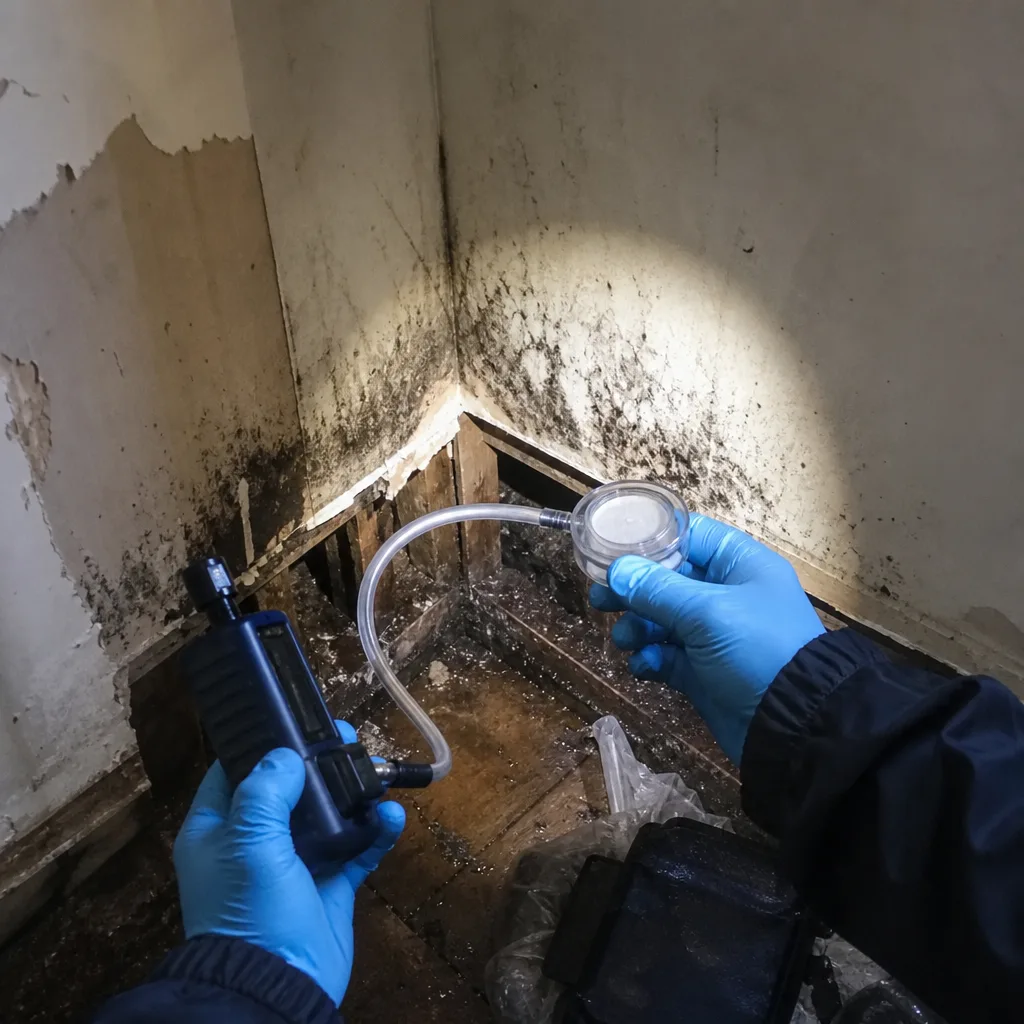
Mold Inspection & Testing
Before any remediation, we determine exactly what’s growing and where. Our inspectors use moisture meters, thermal imaging, and hygrometers to map the full extent of colonization, including what’s hidden behind finished walls. Air and surface samples go to an independent lab when needed, giving Tenafly homeowners a written record of what was present before and confirming what’s absent after.
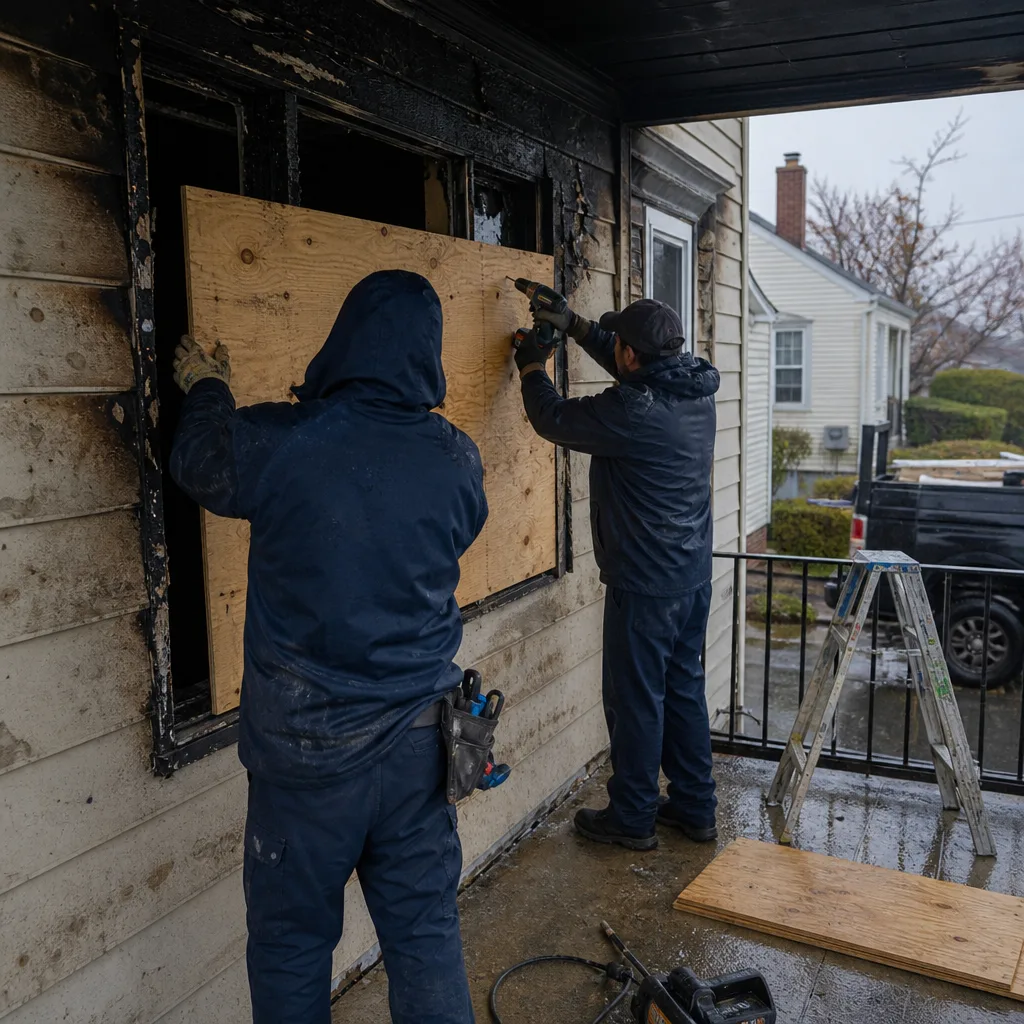
Mold Removal
Removal means physically removing colonized materials, not painting over them. In Tenafly homes with custom millwork and finished basements, this requires careful selective demolition that preserves what’s salvageable. We cut out affected drywall, remove contaminated insulation, and treat the remaining framing under containment so the job meets clearance standards, not just visual satisfaction.
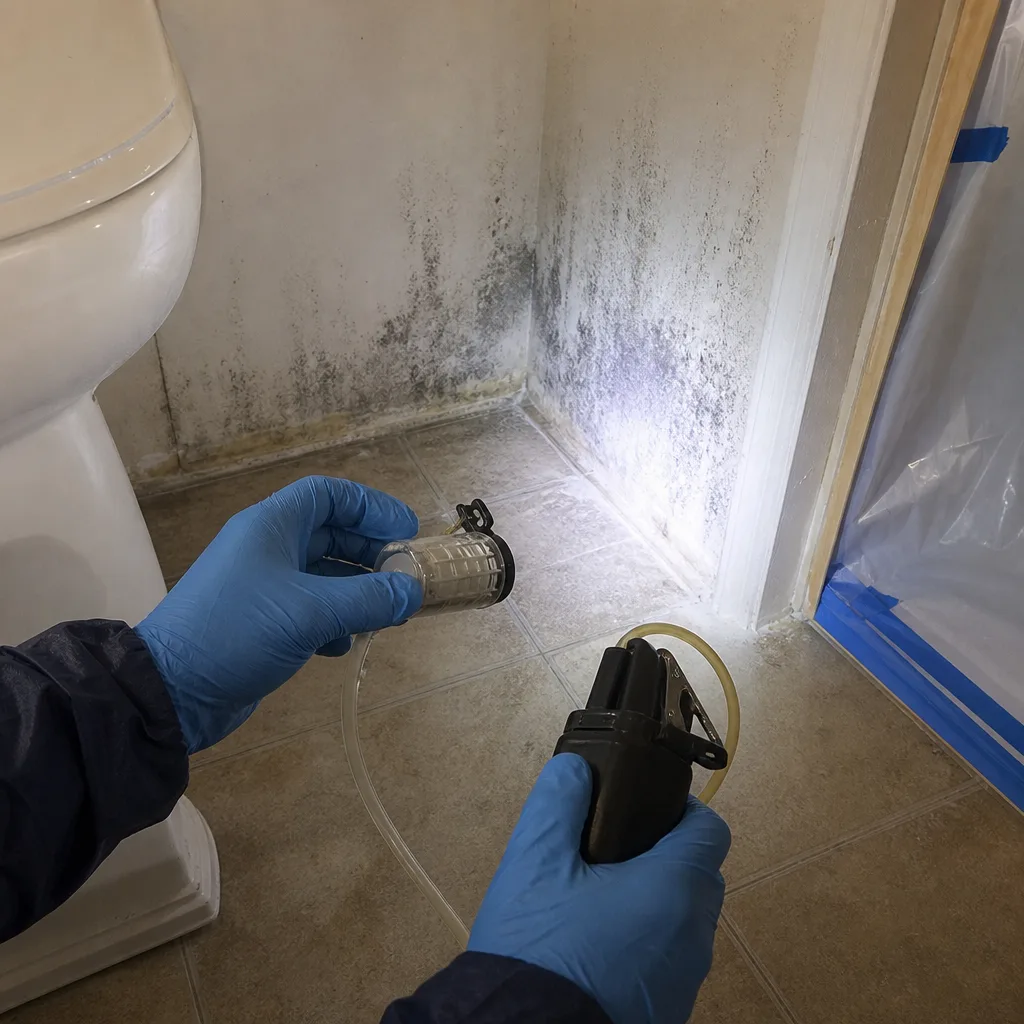
Black Mold Remediation
Black mold, typically Stachybotrys chartarum, thrives on materials that have been wet for extended periods. In Tenafly, we usually find it behind wainscoting, under carpet padding, or inside wall cavities where a slow leak went unnoticed for weeks. This work demands full containment, HEPA air scrubbing, and proper personal protective equipment. Our crews are trained and certified to handle it safely.
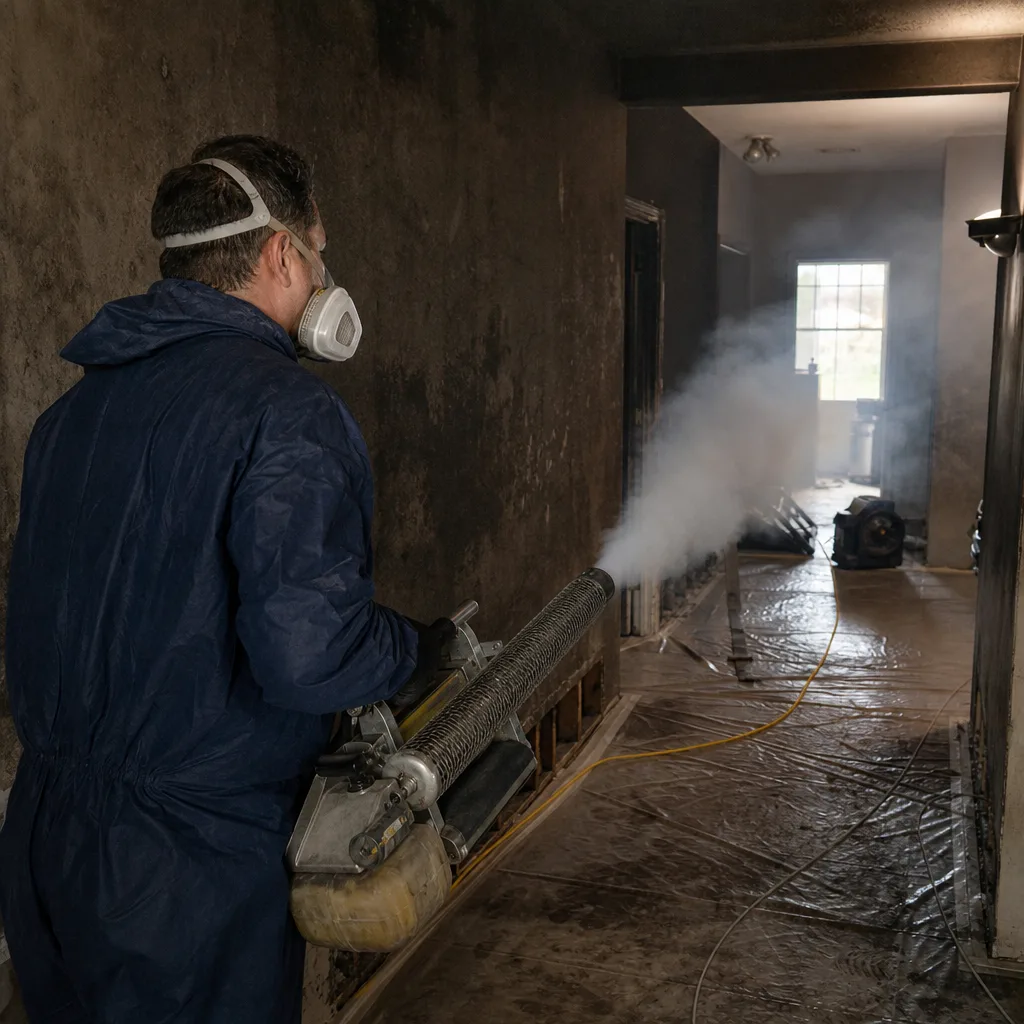
Air Quality Restoration
Mold spores don’t stay behind the wall. They circulate through the HVAC system into every room. After physical removal, we run HEPA air scrubbers through the affected zones and evaluate whether the ductwork needs cleaning. We also check relative humidity levels throughout the house, because a Tenafly home that stays above 60 percent humidity all summer will grow new mold no matter how well the last job went.
Crawl Space Treatment
Tenafly crawl spaces, especially in the older split-levels built in the 1950s and 1960s, are ground-zero for recurring mold. The earth floor releases moisture constantly. Add a hillside’s worth of groundwater migration and you get a permanently damp environment feeding the floor joists above. We install vapor barriers, correct drainage, and treat affected framing so the crawl space stops acting as a mold factory for the rest of the house.
What happens when you call
- 1
A real person answersNo phone trees - you reach a local pro.
- 2
You get an upfront price rangeHonest numbers before anyone is dispatched.
- 3
A background-checked tech heads outLicensed & insured, dispatched right away.
- 4
You approve before work beginsNothing starts until you say go.
Mold Remediation Costs in Tenafly, NJ
Mold inspection and testing in Tenafly runs $350 to $800 depending on how many samples are collected and whether lab analysis is required. Targeted mold removal from a single room or crawl space section typically lands between $1,500 and $3,500. Full-scale remediation of a finished basement with containment, tear-out, drying, treating, and reconstruction runs $4,000 to $12,000 or more when premium finishes like hardwood flooring and custom millwork need matching and replacement. The largest variable in Tenafly is always the moisture source correction. If the job requires foundation crack repair, exterior waterproofing, or drainage system replacement, that work adds to the bottom line but is also the only thing that prevents a recurrence. Insurance often covers the water damage that caused the mold, while coverage for the mold remediation itself depends on policy language and how quickly the loss was reported. The fastest way to get a firm number is to call us at (201) 729-3780 for a free visual inspection. We’ll give you a written scope before any work begins.
We scoped a finished basement in a 1960s split-level near the base of the Palisades slope where a Category 2 water event from a failed downspout had gone unnoticed for a week. The homeowners called about a musty smell. Our techs used moisture mapping and thermal imaging to find hidden colonization behind custom wainscoting, then set up containment, HEPA air movers, and a Dri-Eaz dehumidifier to reach structural drying goals. We matched and replaced the damaged millwork and applied an antimicrobial treatment across the sill plate, bringing the space back to pre-loss condition before the March snowmelt cycle could reintroduce moisture. That’s the standard we hold ourselves to on every Tenafly job.
We Also Serve Cities Near Tenafly
Floodline Restoration Co. provides Mold Remediation in Tenafly and the surrounding Bergen County communities. Our crews regularly work in Cresskill, Bergenfield, Englewood, and Dumont, bringing the same certified process, the same equipment, and the same written guarantee to each one. If your home is anywhere in this part of Bergen County, we’re close by and moving fast.
Tenafly Mold Remediation Questions, Answered
Why does my finished basement in Tenafly keep getting mold even after cleaning the visible spots?
Because the moisture source isn’t inside the wall, it’s in the ground outside it. Tenafly sits on the eastern escarpment of the Palisades ridge, and stormwater channels rapidly downhill through residential neighborhoods, saturating the soil around foundations. You can scrub the visible mold off the baseboard, but as long as that groundwater keeps wicking through the foundation, the colony regrows from the inside out. We correct the grade slope and drainage before treating the interior. Call (201) 729-3780 and we’ll show you exactly where the water is coming from.
What does a mold remediation contractor mean by ‘Category 2 water’ in a Tenafly basement?
Category 2 water is contaminated water that hasn’t reached sewage level but carries bacteria, chemicals, or biological material. In a Tenafly basement, that typically means sump pump discharge that backed up, washing machine overflow, or exterior runoff that picked up soil and lawn chemicals on its way through a foundation crack. It’s not safe to leave in contact with porous materials because the contaminants accelerate mold growth. Proper remediation removes the affected materials, not just dries them.
How long can I wait to address water in my Tenafly crawl space before mold becomes a structural problem?
Mold colonization begins within 24 to 48 hours of moisture contact on paper-faced drywall, with wood framing following shortly after in damp conditions. In a Tenafly crawl space, where the hillside keeps reintroducing moisture, the window is shorter. We recommend calling us the moment you notice dampness, standing water, or a musty smell. There’s no safe waiting period, because by the time you see mold on the surface, the framing above is usually already involved.
Do Tenafly building codes require mold remediation permits for hillside homes with recurring water intrusion?
Tenafly’s permitting requirements depend on the scope of the work. Structural repairs, foundation work, drainage alterations, and any electrical or plumbing changes typically require permits through the borough. Mold removal itself generally doesn’t require a separate permit, but the moisture corrections that make remediation permanent often do. We handle the permitting conversation as part of our scope, so you never have to wonder whether the repair was done to code.
What is the biggest difference between mold remediation in Tenafly versus the flat towns west of the Palisades?
Terrain. Tenafly sits on the Palisades escarpment, which means stormwater channels rapidly downhill through residential neighborhoods. Finished basements here flood and take on water in ways that are structurally recurring, not one-time events. In flat Bergen County towns like Dumont or Bergenfield, a flooded basement is usually a plumbing failure. In Tenafly, it’s often the hill itself sending water through your foundation. That changes how we scope the job, what we fix, and what the long-term solution looks like.
Can you get to my Tenafly home the same day I call?
Yes. We commit to a 45-minute response for active mold problems in Tenafly, and our dispatch is live around the clock. A real person answers, takes your address, and gets a certified crew moving. You call, we show up. That’s the entire promise.
Will my homeowner’s insurance cover mold remediation in Tenafly?
It depends on the source of the moisture and your policy language. Most policies cover the sudden and accidental water damage that caused the mold, and many include limited mold remediation coverage. The key is documentation from day one and prompt reporting. We provide photo documentation, moisture logs, and direct adjuster coordination so your claim has every supporting document the carrier needs.
Can my family stay in the house during mold remediation?
It depends on the extent of colonization and where it’s located. A contained work zone with negative air pressure and HEPA scrubbing can keep the rest of the house safe. If the mold has spread through the HVAC system or covers a large portion of the living space, temporary relocation may be the safer option. We’ll give you an honest assessment before work begins, not after.
Serving Tenafly, NJ - Our Local Coverage Area
We’re based in the Tenafly area and know this community well. Use the map below to see our service coverage - if you’re nearby, we can almost certainly help.
Call Floodline Restoration Co. for Mold Remediation in Tenafly
If you’ve found mold in your Tenafly home, or you smell something musty that you can’t locate, call (201) 729-3780 now. A live dispatcher answers 24 hours a day. We’ll send a certified, background-checked crew to your door, give you a free visual inspection, and write a scope of work you can review before anything is removed. You’ll get the 90-Day Done Right Promise in writing from Curt Bowman, Owner at Floodline Restoration Co., and you’ll never play messenger with your insurance carrier. The line the water left is where we start.
Written by Curt Bowman, Owner at Floodline Restoration Co., serving Tenafly and Bergen County.