

Free visual inspection and a written scope of work before any mitigation begins - photos, moisture readings, and drying logs go in your claim file
The scope we write is the scope we bill. Anything new gets shown to you, in writing, before we touch it.
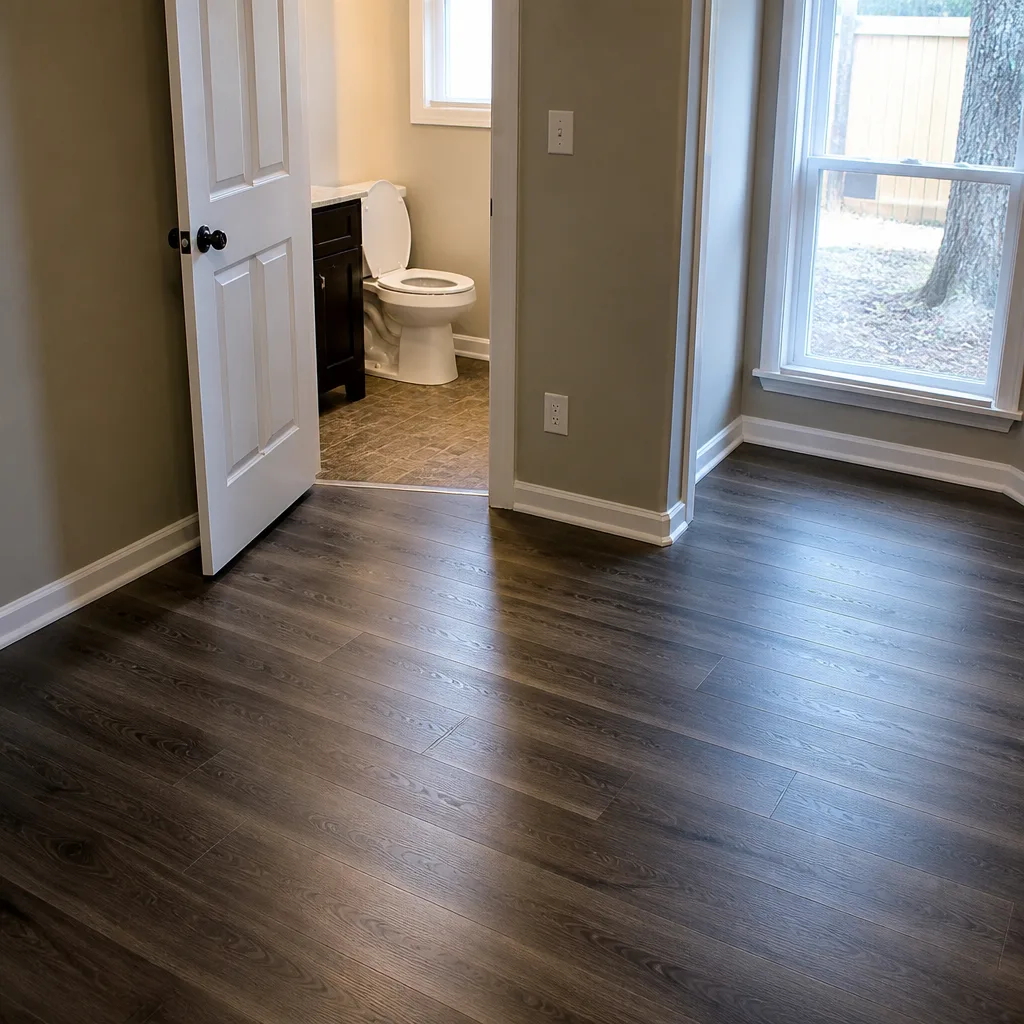
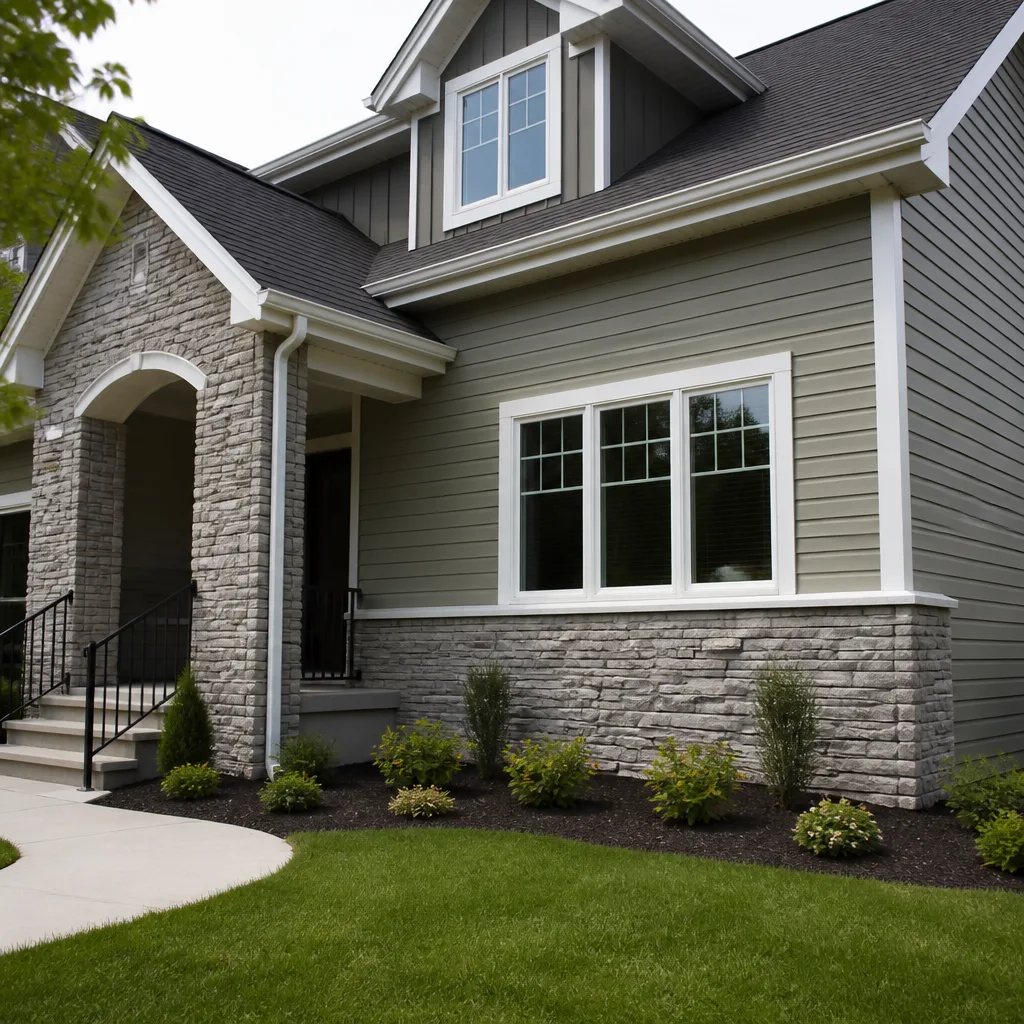
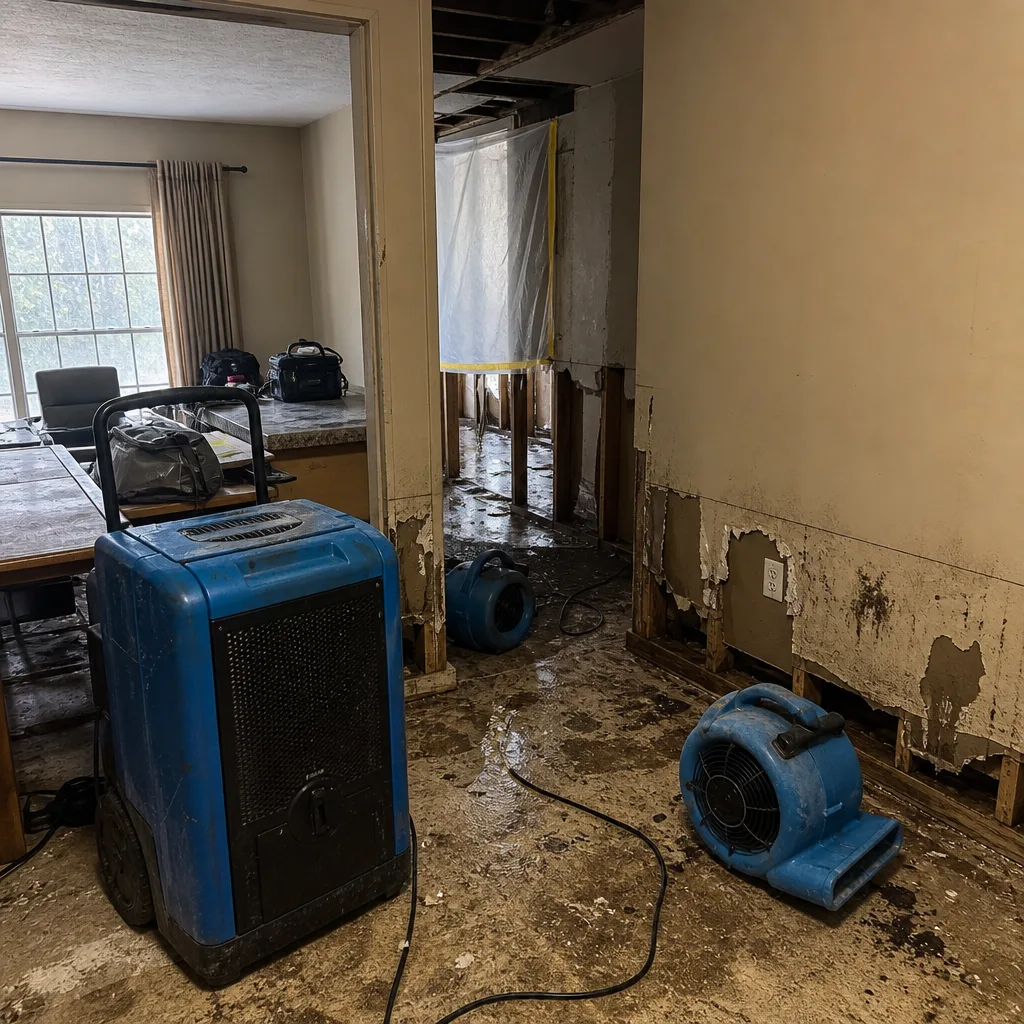 Before
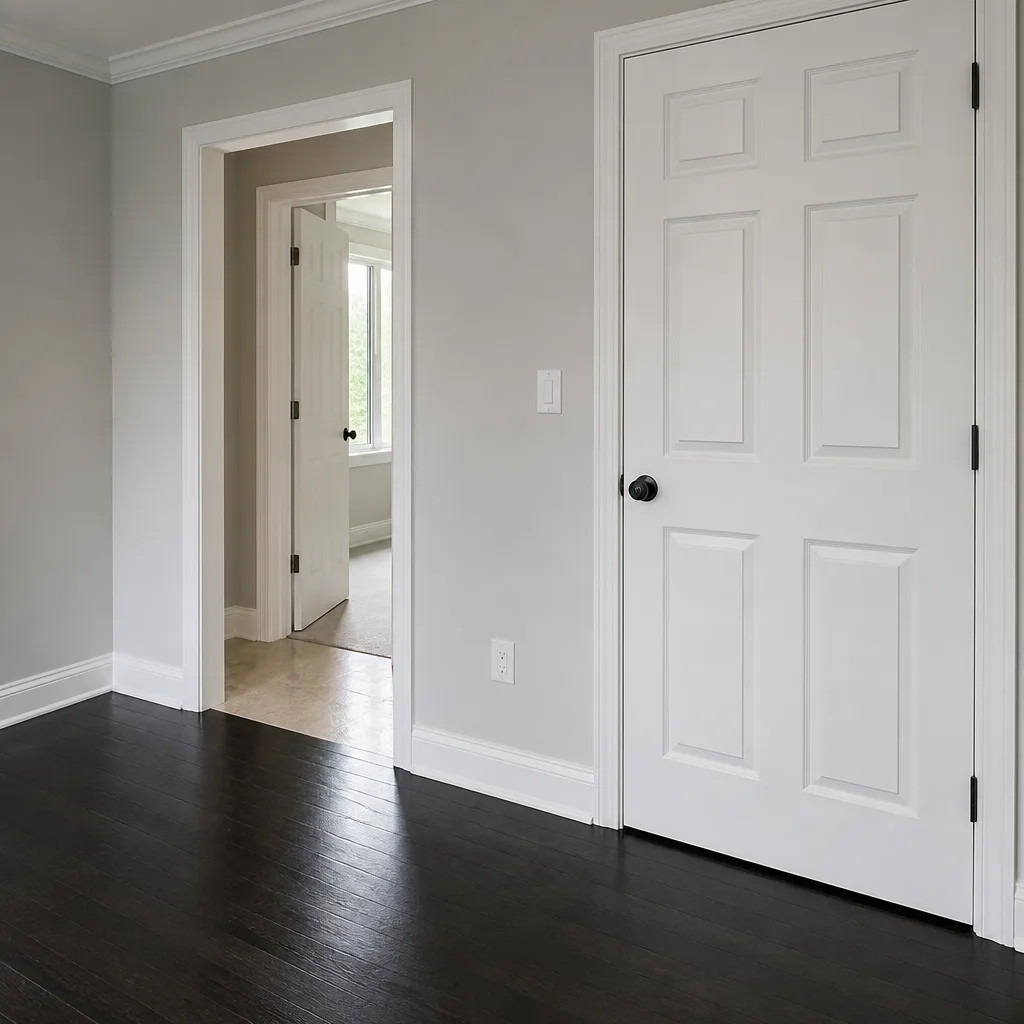 After
After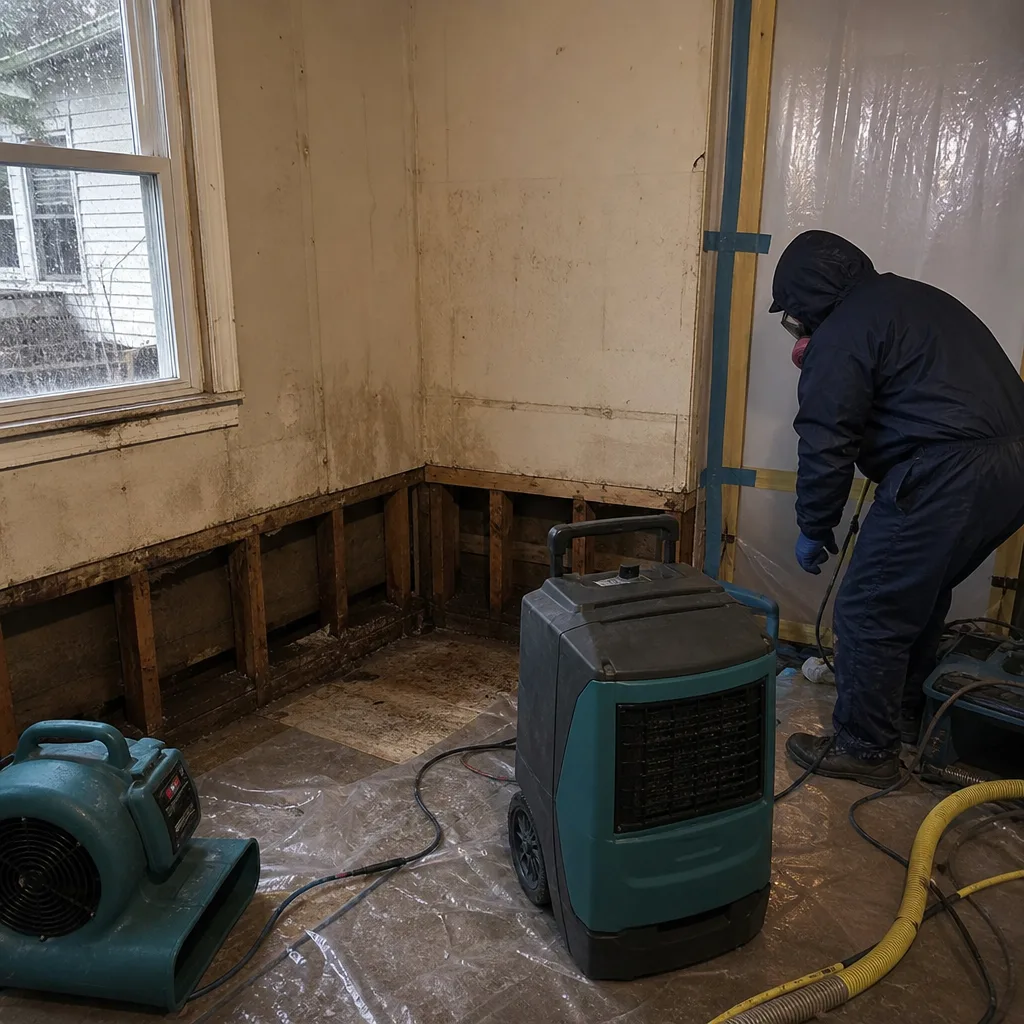 Before
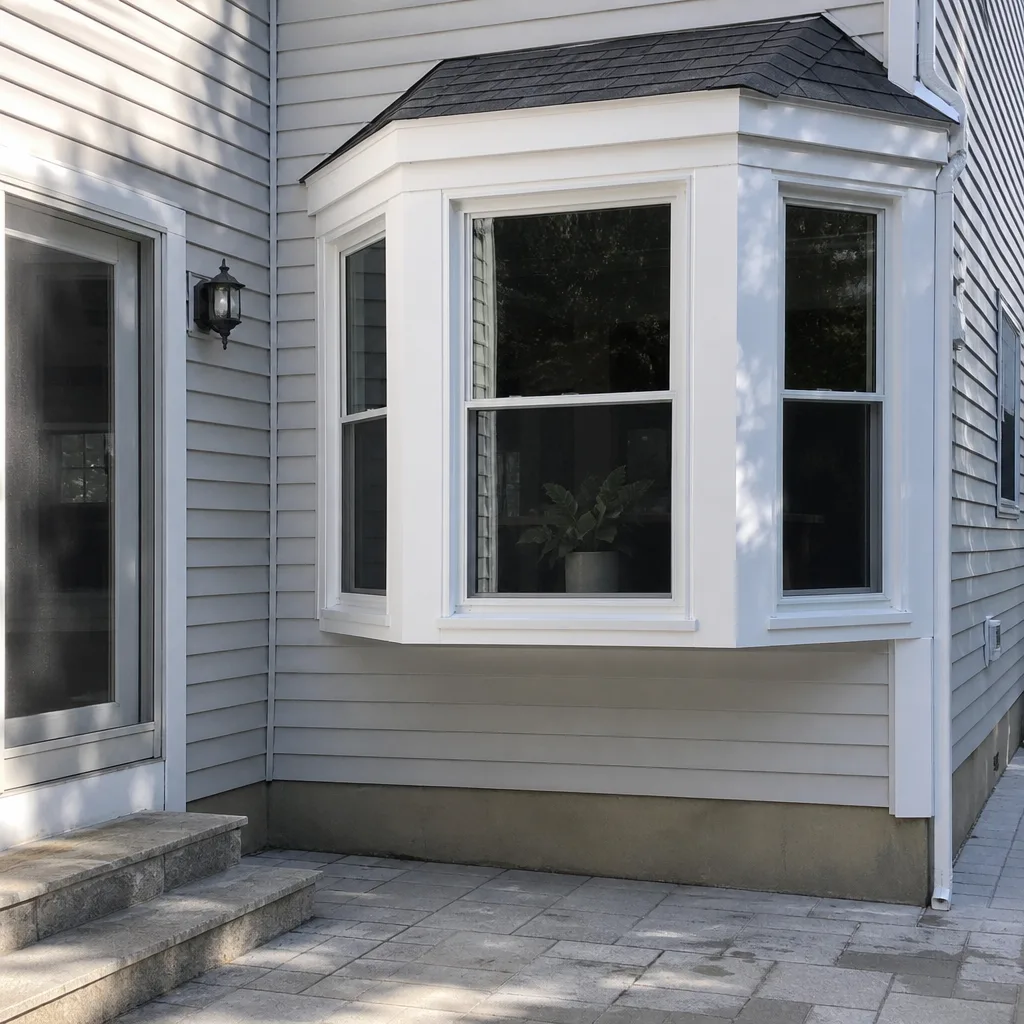 After
After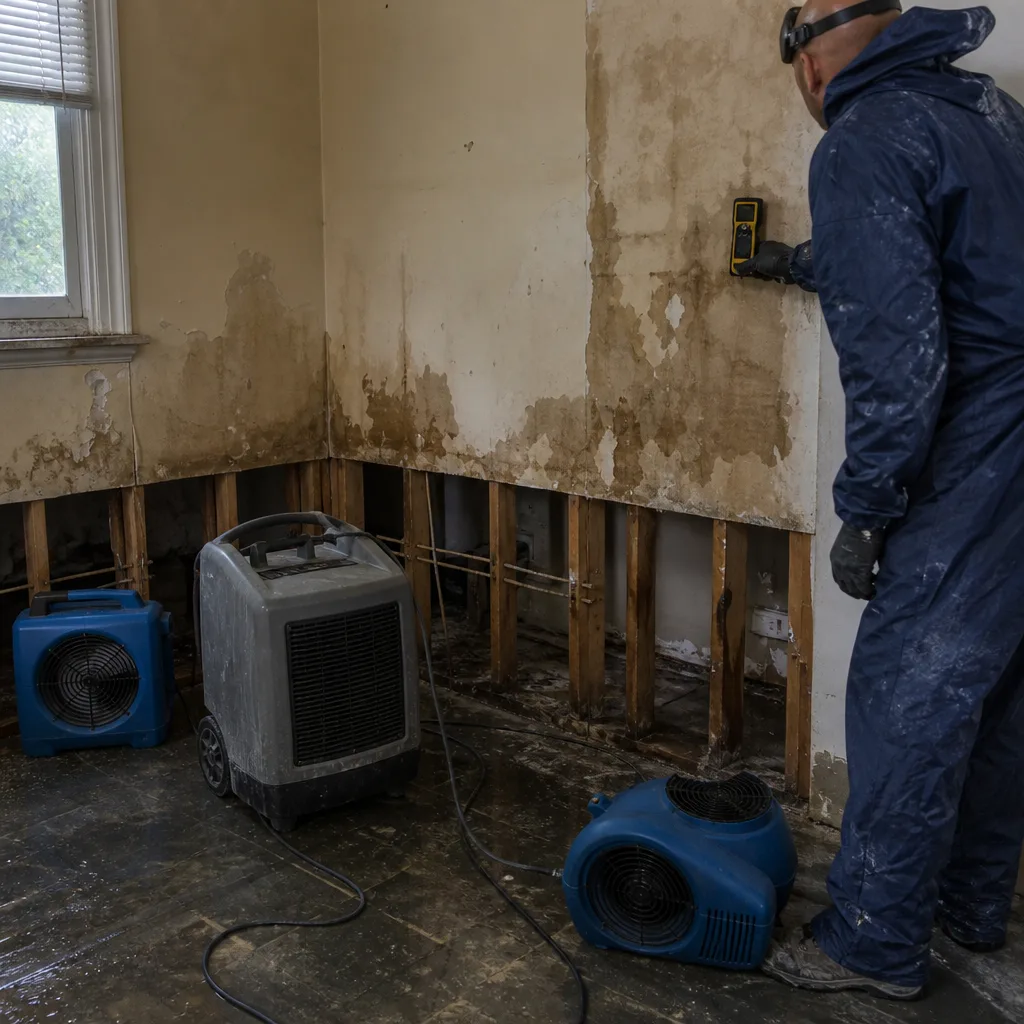 Before
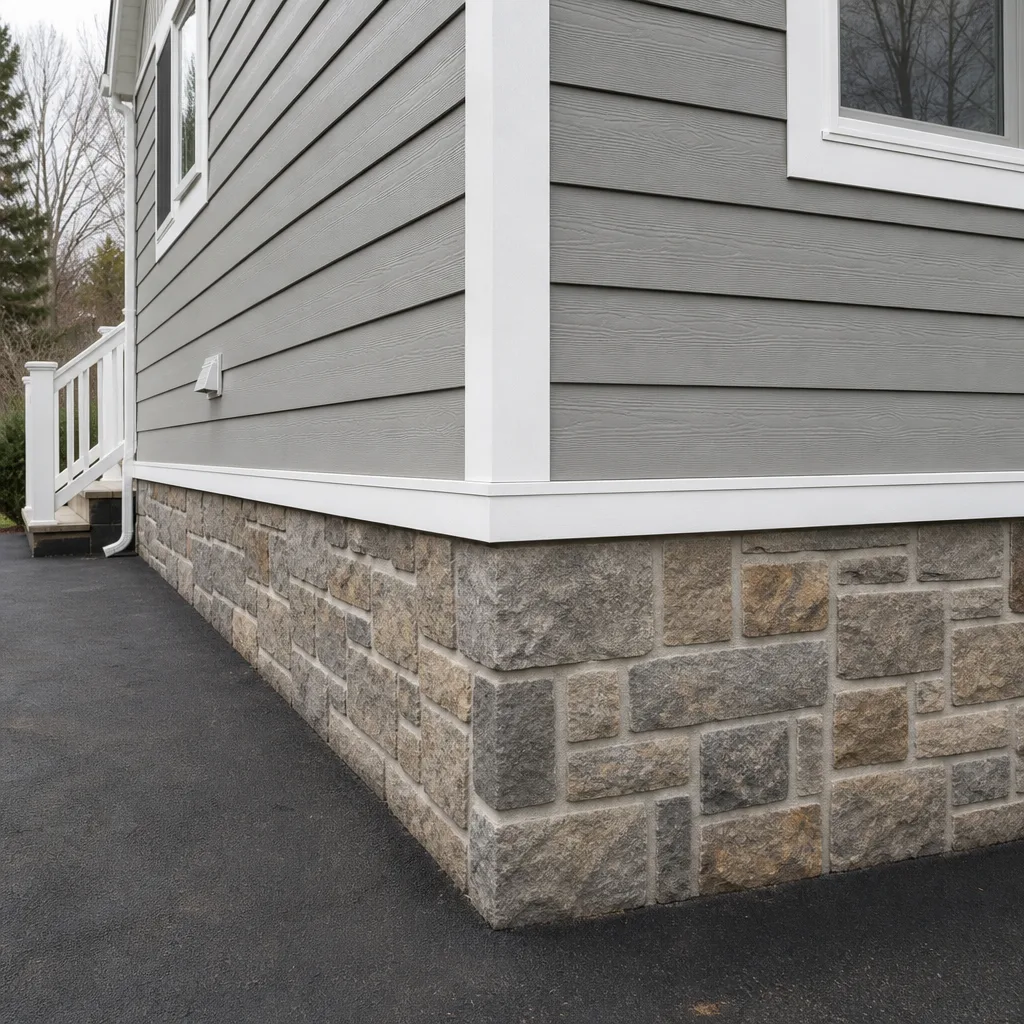 After
After24/7 Emergency Storm & Disaster Restoration in Englewood
When a nor’easter tears flashing off a slate roof or a summer thunderstorm pushes water through a Palisades hillside foundation, the first call should get a live person. Ours always does. Floodline Restoration Co. answers the phone 24 hours a day, 7 days a week with a dispatcher who can route a crew to your Englewood property immediately. Call (201) 729-3780 and you’ll speak to someone who can authorize the board-up, tarping, or extraction work right then, not a recording that promises a callback. The first hour after wind-driven rain breaches a west-facing facade is when the damage spreads fastest: plaster wicks moisture, old-growth framing swells, and mold starts the clock. Our crews are minutes from Englewood, not hours away, and we arrive ready to stabilize the structure, document the loss for your carrier, and start the drying process before the water migrates any further. A free visual inspection tells us the scope. The sooner we see it, the less it costs to fix.
Understanding Storm & Disaster Restoration Severity in Englewood Properties
Storm damage in Englewood behaves differently than in flat-town Bergen County. The western residential blocks sit on the Palisades diabase ridge, where northwest winds drive rain hard against west-facing facades. Failures there are usually flashing-related: copper that pulled loose, slate that shifted, dormer seams that opened under wind load. The water that enters is often Category 1 initially, but after it travels through plaster, lath, and old insulation for a day or two, it degrades fast. Once it sits in contact with building materials, we treat it as Category 2 or 3 depending on what it leached along the way. Homes built between 1910 and 1945 here have plaster-on-lath walls that hold moisture differently than drywall. They release it slower. The old-growth fir rafters and joists absorb water in a wicking pattern we see on thermal imaging before it ever shows on a ceiling. Meanwhile, the eastern flats near Overpeck Creek face an entirely different severity profile: floodwater, not wind-driven rain, and the same restoration playbook does not apply. Moisture mapping is the common thread. We establish a drying boundary, set containment, and run Dri-Eaz and XPOWER equipment on a documented daily-readings schedule until every material hits the dry standard. In Englewood, that standard often takes longer to meet than in newer construction, because the Hudson River corridor’s elevated humidity slows evaporation from open-cell materials like plaster and old-growth wood. That is not a guess. It is what our hygrometers and daily logs have shown across hundreds of Englewood jobs.
Why Englewood Property Owners Choose Floodline Restoration Co.
- 45-minute response commitment. When you call with storm damage in Englewood, a certified crew is dispatched immediately. We commit to 45 minutes for a call-back with a realistic arrival window specific to your location.
- Live answer, every hour. No automated system. A dispatcher picks up at 2 a.m. and starts the process. We never ask you to leave a message during a storm emergency.
- IICRC-certified crews on every job. WRT (Water Damage Restoration Technician), FSRT (Fire & Smoke), and AMRT (Applied Microbial Remediation) certifications are standard on our Englewood crews. Background-checked and uniformed.
- Free visual inspection. We assess the damage, measure the moisture, and give you a plain-English scope before any billable work begins. No pressure, no mystery.
- Direct insurance billing. We document everything from the first hour, photograph every affected surface, and communicate directly with your adjuster. You do not play messenger.
- One team, start to finish. The crew that extracts the water and runs the dehumidifiers is the same team that rebuilds the wall. No mid-job handoff, no inherited crew with a different set of assumptions.
Our Storm & Disaster Restoration Process
Inspection & Assessment
We arrive with thermal imaging cameras, hygrometers, and moisture meters. In an Englewood hillside home, we trace water from the visible stain back to the actual entry point, which is often a failed flashing or a missing slate two floors above. The assessment produces a moisture map that guides everything downstream.
Extraction & Stabilization
Standing water comes out first with truck-mounted or portable extraction units. Then we stabilize the structure: tarping a breached roof, boarding up broken windows or a damaged door, and shutting down electrical where water has reached wiring. Stabilization is about stopping further intrusion before drying begins.
Drying & Dehumidification
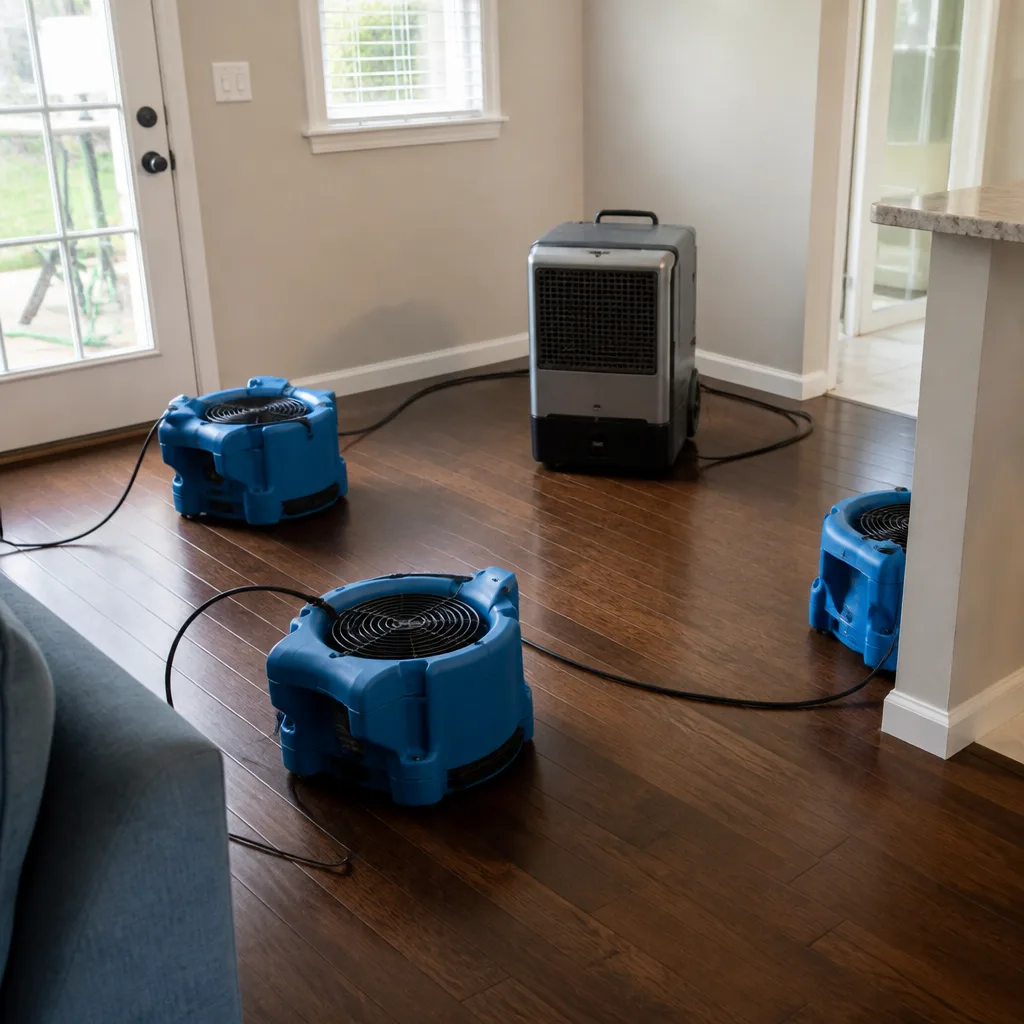
Professional-grade Dri-Eaz LGR dehumidifiers and XPOWER air movers run on a calculated layout, not a guess. In Englewood’s older homes, plaster walls release moisture slowly, so we set conservative dry standards and hit them with daily readings. We hand the written log to you and your carrier.
Cleaning & Sanitization
Storm water is never clean water. We clean affected surfaces with appropriate antimicrobials, dispose of saturated porous materials that cannot be dried, and run HEPA air scrubbers where wind-driven moisture has already triggered microbial growth in concealed cavities.
Specialty Treatment
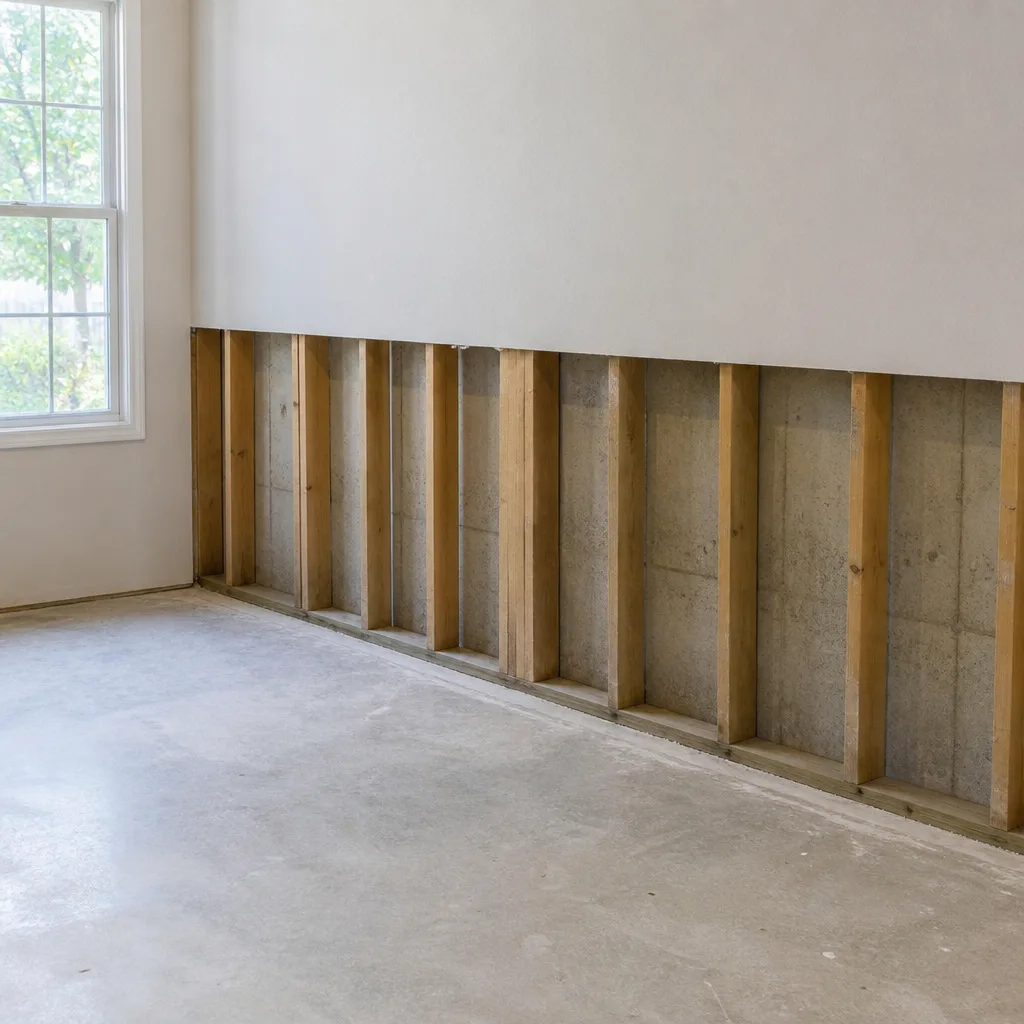
Englewood properties built before 1945 often hide asbestos floor tile and vermiculite insulation behind finished basement walls. When our moisture mapping reveals those materials are impacted, we pause and coordinate licensed abatement before any drying continues. Skipping this step is not legal and not safe.
Repairs & Restoration
The last phase is rebuilding to match what was there. Plaster profiles, moldings, old-growth flooring, slate and copper details: our crew handles finish work in-house, and Curt Bowman personally walks through the finished job with you. The 90-Day Done Right Promise is in writing before we hand the keys back.
Need Emergency Storm & Disaster Restoration in Englewood Now?
Crews minutes away, answering live 24 hours a day. The sooner we start, the less it costs.
Working With Your Insurance Company
Storm damage claims in Englewood get complicated when the carrier wants to classify a wind-driven leak as pre-existing seepage from the Palisades ridge. That is a real dispute homeowners lose when the documentation is thin. We document from the first hour: photographs of the storm path, the flashing or slate that failed, the water staining pattern, the moisture readings before and after drying. Our estimates follow industry-standard line items, and our drying logs meet the documentation standard adjusters expect. We speak directly with your carrier, so you are not relaying technical questions about dry standards and coverage limits. When the adjuster wants a containment boundary verified, we show them the readings. When they question whether an old basement leak was pre-existing, we show them the water trail and the date of the storm. Direct billing means the covered work gets handled between our office and the insurance company, not through your checking account.
What We Provide Your Insurer
- Thorough documentation of the loss
- Photos of all damage, room by room
- Moisture readings and drying logs
- A detailed, line-item scope of work
- Direct coordination with your carrier
Built for Englewood’s Loss Calendar
The storm damage we see in Englewood follows a seasonal rhythm. January and February deep freezes burst copper and galvanized supply lines in the pre-war homes of the western ridge, and when those pipes thaw, the water shows up as a ceiling stain three rooms away from the source. March through May is groundwater season: snowmelt and spring rain recharge the diabase aquifer, and hillside basements that were dry all winter start wicking moisture through limestone and rubble foundations. Summer brings quick, violent thunderstorms that drop rain faster than Bergen County drains can carry it, pushing surface runoff down the Palisades slopes into walk-out basements and window wells. Fall turns into nor’easter season, and those are the storms that do the most structural damage in Englewood: sustained northwest winds drive rain against west-facing facades, testing every piece of flashing and every slate course on hillside roofs. We schedule crews accordingly in late October, knowing which Englewood streets historically take the worst wind load. When the storm comes, we are not scrambling to figure out the neighborhoods. We already know them.
Storm & Disaster Restoration Across Englewood’s Neighborhoods
The Palisades neighborhoods west of Route 9W - along Larch Avenue, Walnut Street, and the streets around Dwight-Englewood School - are where we see the most wind-driven flashing failures and saturated plaster. Those older estates have steep roof lines, copper valleys, and slate that has survived a century of nor’easters but now lifts under today’s stronger wind gusts. The residential streets south of Palisade Avenue, including the blocks around MacKay Park and the Englewood Field Club, sit on gentler slopes where surface runoff accumulates in low spots during cloudbursts. Basements there finish wetter and dry slower. The central district around the city’s downtown, including homes near the John Harms Center and along Grand Avenue, is a mix of pre-war and mid-century construction where a single storm can produce both plaster saturation in one room and drywall damage in another. The eastern flats, closer to Overpeck Creek and the Teaneck border, hold many of Englewood’s mid-century apartments and post-war homes, several in FEMA-mapped flood zones. Flash flooding there is a surface-water and sewer-backup issue, not a wind-driven one. Each area needs a different response, and crews that only know one pattern miss the real source of the loss.
Specialized Storm & Disaster Restoration Services We Offer in Englewood
Wind Damage Repair
Wind damage on the Palisades means failed flashing, lifted slate, and racked window frames. We trace the water entry, open only what must be opened, and repair the structural connection before we dry the interior. On Englewood’s west-facing facades, cosmetic patching without addressing the flashing is a repeat claim waiting for the next nor’easter.
Emergency Board-Up
A broken window or a crane-damaged storefront on Palisade Avenue becomes a liability before the storm even ends. We board up openings with measured, weather-rated plywood and secure the property so no more rain enters while your claim is processed. Same call, same crew, no waiting until morning.
Roof Tarping
When a tree limb takes out a section of slate or asphalt shingle on a hillside home, the roof is open to whatever comes next. We tarp the breach correctly: furring strips, secured edges, and a cover that will hold through a follow-on storm, not a loose sheet that flaps off in the next gust. Tarping is temporary, but it has to be done right to work at all.
Storm Damage Cleanup
After the storm passes, Englewood yards and basements are left with debris, silt, and damaged materials. We remove storm-felled branches, saturated insulation, ruined carpet, and damaged drywall from the affected areas. If debris has damaged walls or windows, the cleanup crew extends into the board-up and repair work without a second dispatch.
Flood Damage Restoration
For Englewood homes hit by Overpeck Creek overflow or Palisades surface runoff, we start with Category 3 water protocols: extraction, removal of porous materials, antimicrobial treatment, and structural drying to an aggressive standard. The goal is a basement that dries completely and a foundation that is not quietly feeding mold behind a finished wall.
What happens when you call
- 1
A real person answersNo phone trees - you reach a local pro.
- 2
You get an upfront price rangeHonest numbers before anyone is dispatched.
- 3
A background-checked tech heads outLicensed & insured, dispatched right away.
- 4
You approve before work beginsNothing starts until you say go.
Storm & Disaster Restoration Costs in Englewood, NJ
Storm restoration pricing in Englewood runs higher than in flatter Bergen County towns, and the reasons are specific to the housing stock here. Emergency board-up on an Englewood storefront or broken residential window generally runs $300 to $800, depending on the opening size and whether we are securing glass, framing, or both. Roof tarping on a Palisades homesite starts around $450 for a simple breach and runs to $1,500 or more when a steep slate roof requires staging and careful anchoring. Wind-driven water extraction and drying inside a finished basement typically spans $1,800 to $4,500, with plaster-wall drying at the upper end because of the longer dry times. If our moisture mapping uncovers asbestos tile or vermiculite behind a 1950s finished basement wall, abatement adds $2,000 to $8,000 before drying can continue, and that is a hard fact of Englewood construction that flat-town estimates miss entirely. Full reconstruction after a nor’easter, including plaster matching, slate repair, and copper flashing work, commonly ranges from $8,000 to $25,000 or more. The free visual inspection gives you a written scope before any billable work starts, and our team handles direct billing so your carrier pays the covered line items without you fronting the money. Call (201) 729-3780 for an exact quote. Estimates are free.
We Also Serve Cities Near Englewood
Our crews regularly work in Storm & Disaster Restoration in Englewood and the surrounding communities, including Englewood Cliffs, Teaneck, Tenafly, and Leonia. Each town has its own storm patterns, building stock, and flood exposure. What they share is the same live dispatcher at (201) 729-3780 when a storm hits.
Serving Englewood, NJ - Our Local Coverage Area
We’re based in the Englewood area and know this community well. Use the map below to see our service coverage - if you’re nearby, we can almost certainly help.
Englewood Storm & Disaster Restoration Questions, Answered
How does Englewood’s Palisades ridge location change what my storm damage restoration should include?
Englewood’s position on the eastern face of the Palisades diabase ridge means wind-driven rain strikes west-facing facades harder than it does in flatter Bergen County towns, so storm restoration here must include a full flashing, slate, and copper inspection even when the visible damage is indoors. A standard dryout that ignores the ridge-side failure point will leave the actual entry unaddressed.
My Englewood basement flooded during a storm but I have 1950s floor tile - do I need abatement before you start?
If the tile is asbestos-containing, and many Englewood basements finished between 1950 and 1975 used exactly that, New Jersey law requires licensed abatement before any water extraction or drying can legally proceed. Our thermal imaging and moisture mapping will identify where the tile exists, and we coordinate the abatement before our drying equipment goes in.
Why do you ask about my roof’s slate and copper after a wind storm in Englewood?
Because on west-facing Palisades homes, the storm damage you see on a third-floor ceiling is usually caused by a failed copper flashing or lifted slate up on the roof, not by a problem at the stain itself. We ask because tracing the water to the actual entry point is the difference between a restoration that lasts and a repeat claim next season.
How soon can mold start after a wind-driven leak in an Englewood plaster home?
Mold can begin in 24 to 48 hours on wet organic material, and Englewood’s higher Hudson corridor humidity shortens that window in concealed cavities. Plaster itself is not a food source, but the wood lath behind it is, and a wind-driven leak that goes unnoticed for a weekend can put mold growth inside the wall cavity before a stain ever appears.
What wind rating do Englewood building codes require for replacement doors and windows after storm damage?
Englewood follows the New Jersey edition of the International Residential Code, which requires doors and windows to meet wind load standards based on the home’s location on the Palisades slope. Replacement units after storm damage must be rated for the specific wind zone your block sits in, and our repair scopes include that compliance documentation for your carrier and the city.
How quickly can Floodline Restoration Co. actually get to my Englewood property during a storm?
Our crews are dispatched from the metro area and are typically on site in Englewood within 45 to 60 minutes of your call, depending on storm volume and road conditions. The dispatcher who answers at (201) 729-3780 gives you a realistic arrival window based on where crews are at that moment, not a generic promise.
Will my insurance cover storm and flood damage in Englewood?
Most homeowners policies cover wind-driven rain and storm damage, but flood damage from Overpeck Creek overflow or surface water usually requires a separate flood policy. We document the source of the water carefully, because the distinction determines what your carrier pays. Our team coordinates directly with your adjuster and provides the moisture mapping and photos they need.
What should I do in the first 30 minutes after storm damage to my Englewood home?
Call (201) 729-3780 first. Then, if safe, shut off electrical power to affected areas and move small valuables away from the water. Do not enter standing water in a finished basement until we assess it. Photograph everything you can see from a safe distance, and keep a record of when the storm hit. Our crew takes over from there with full documentation.
Written by Curt Bowman, Owner at Floodline Restoration Co., serving Englewood with Storm & Disaster Restoration, water extraction, wind damage repair, and full reconstruction since 2010.