
Free visual inspection and a written scope of work before any mitigation begins - photos, moisture readings, and drying logs go in your claim file
The scope we write is the scope we bill. Anything new gets shown to you, in writing, before we touch it.
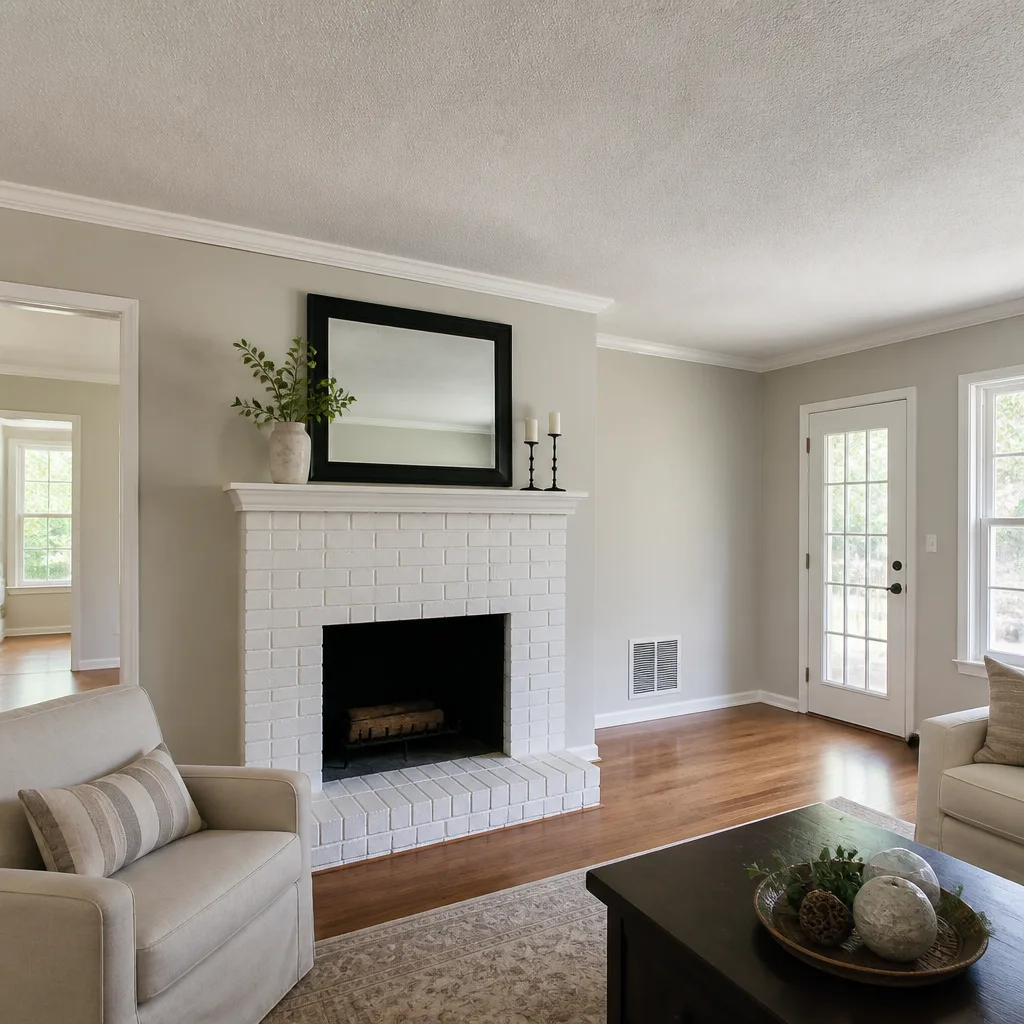
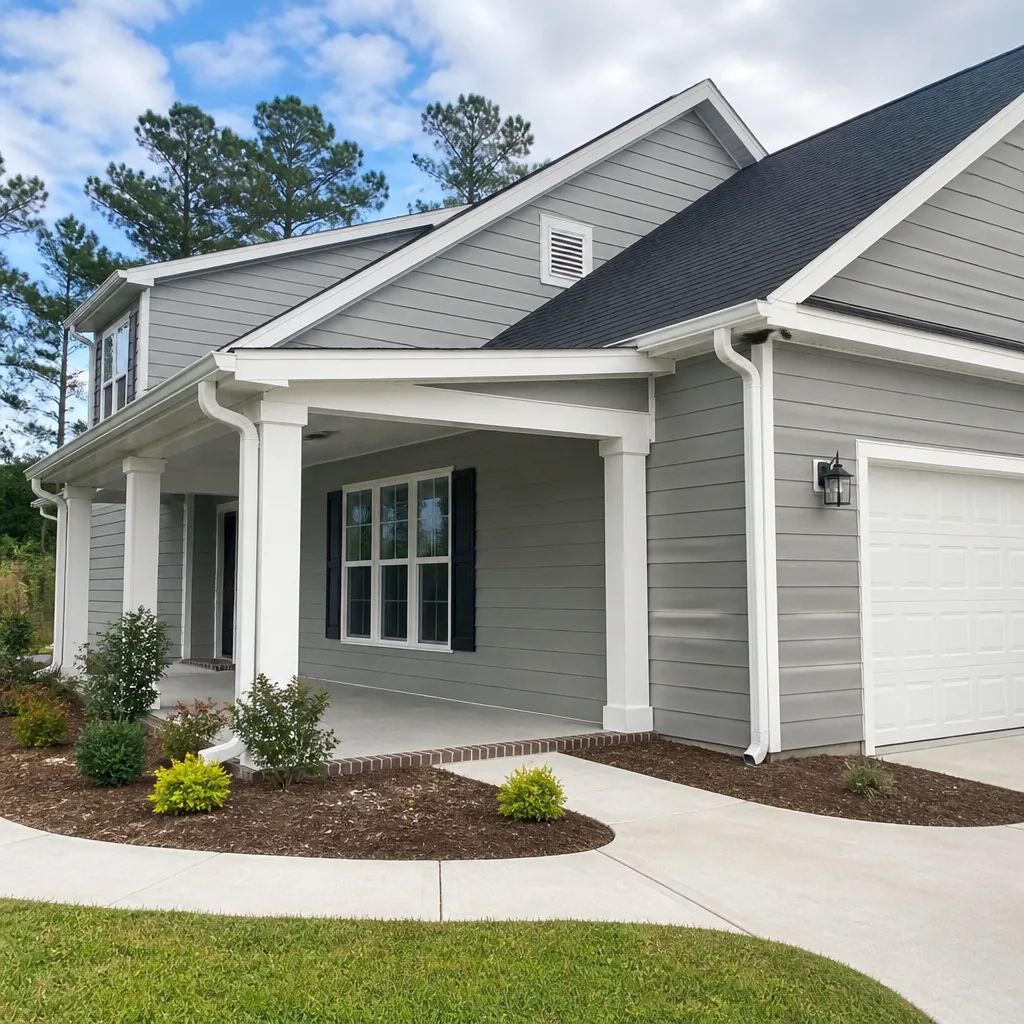
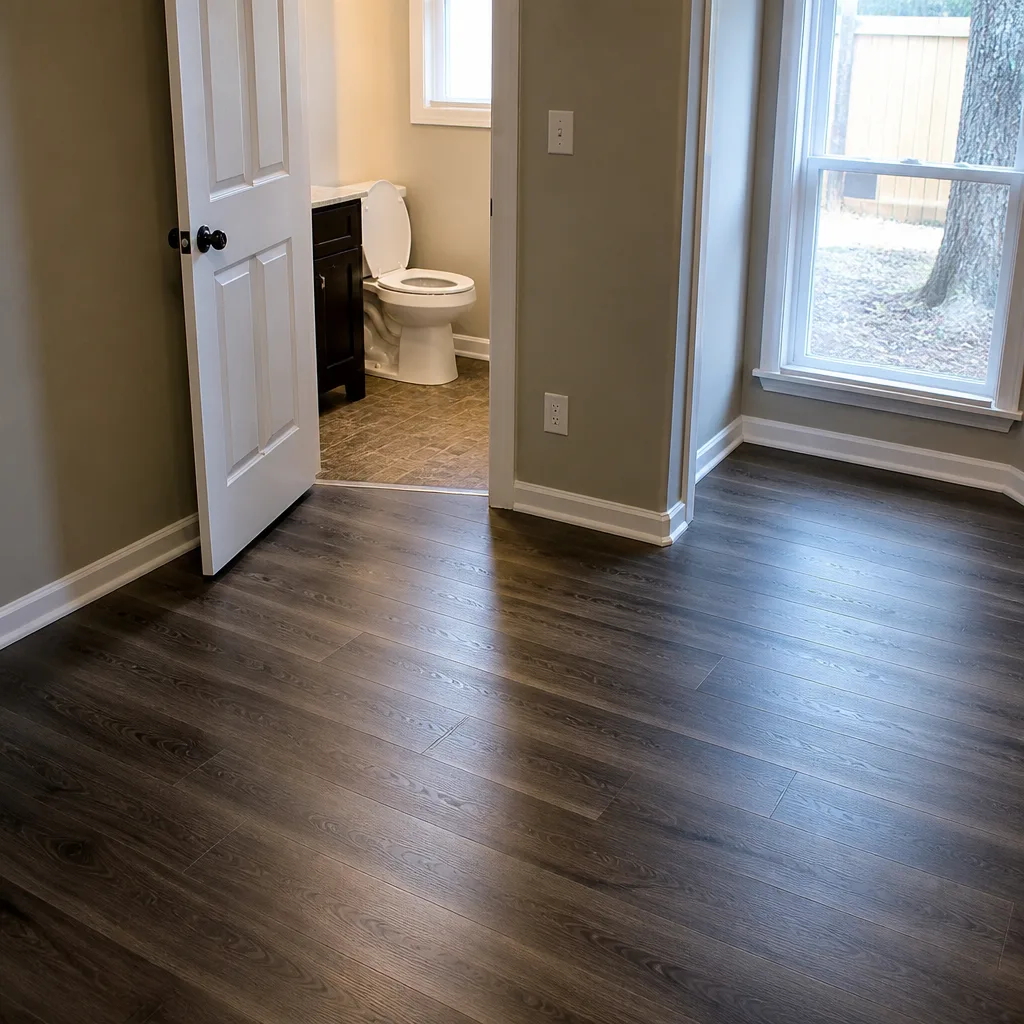
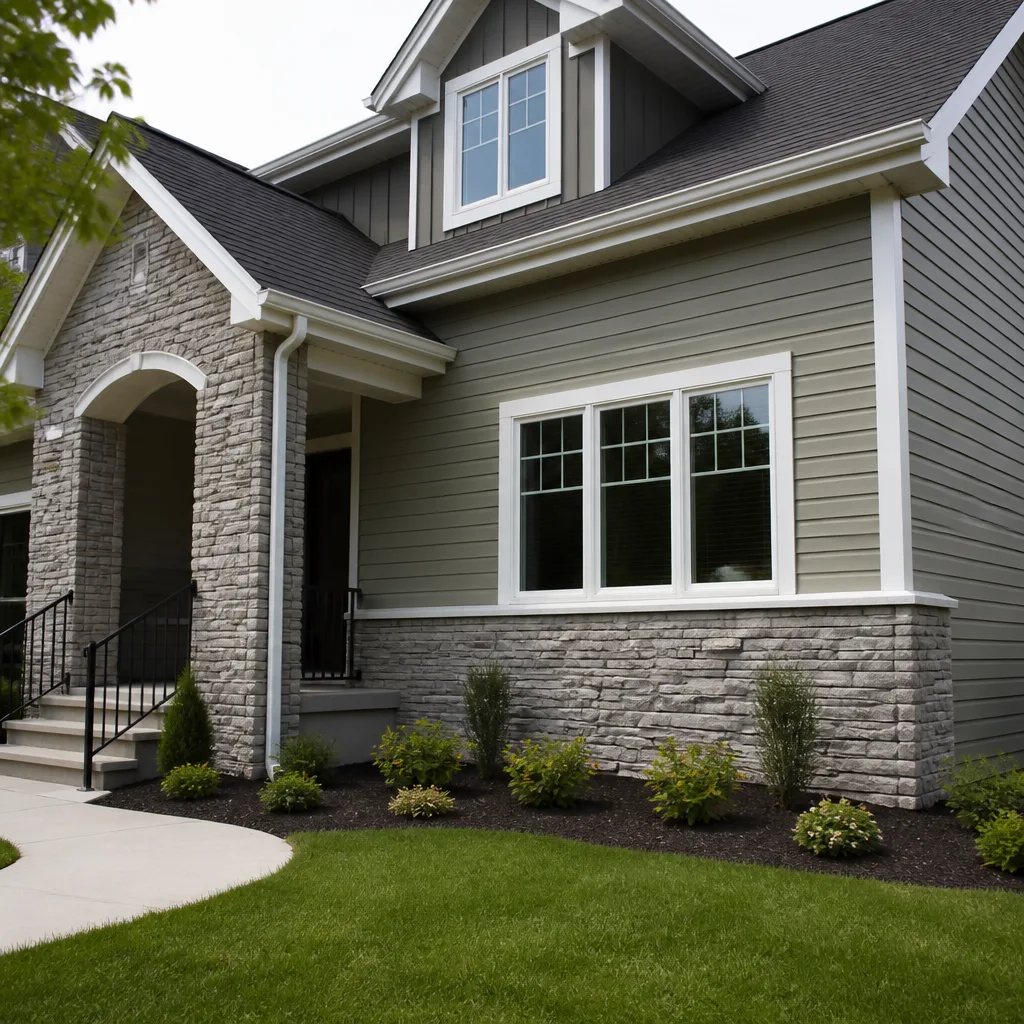
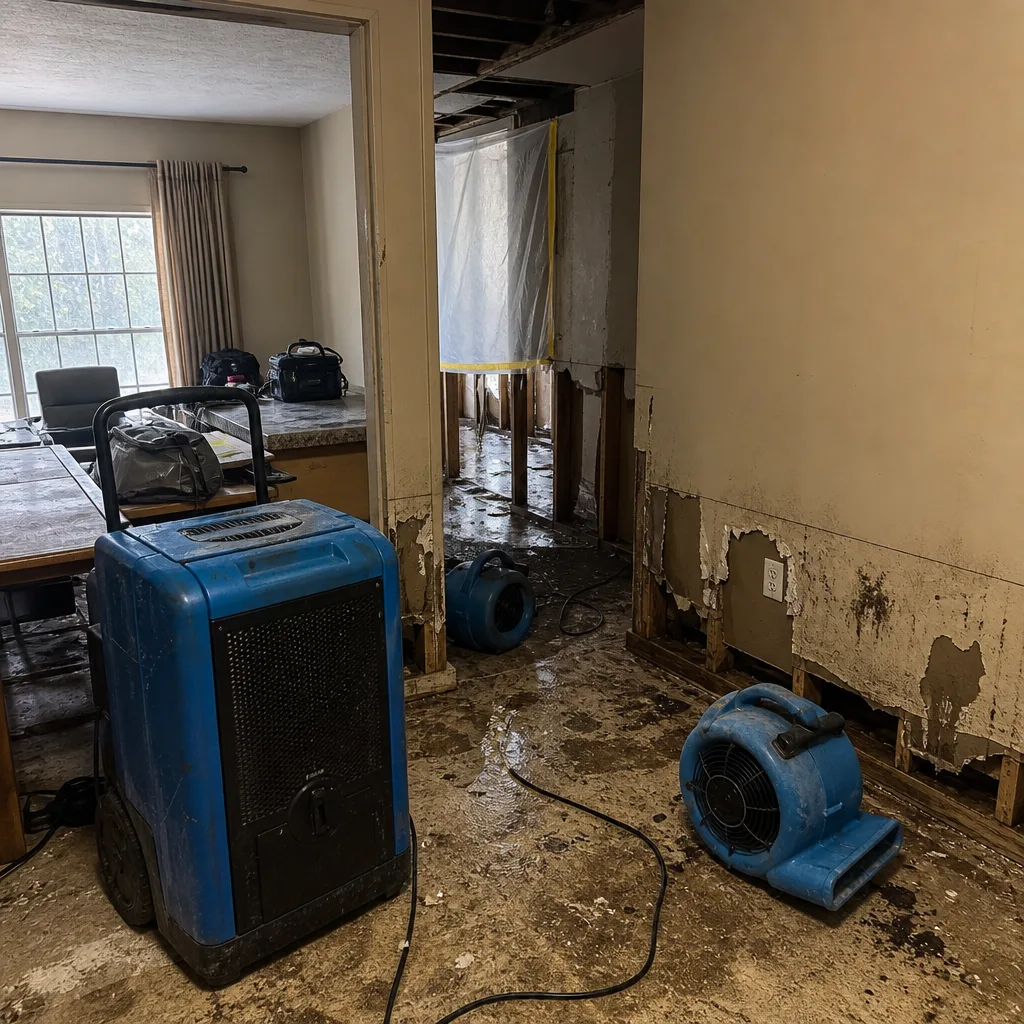 Before
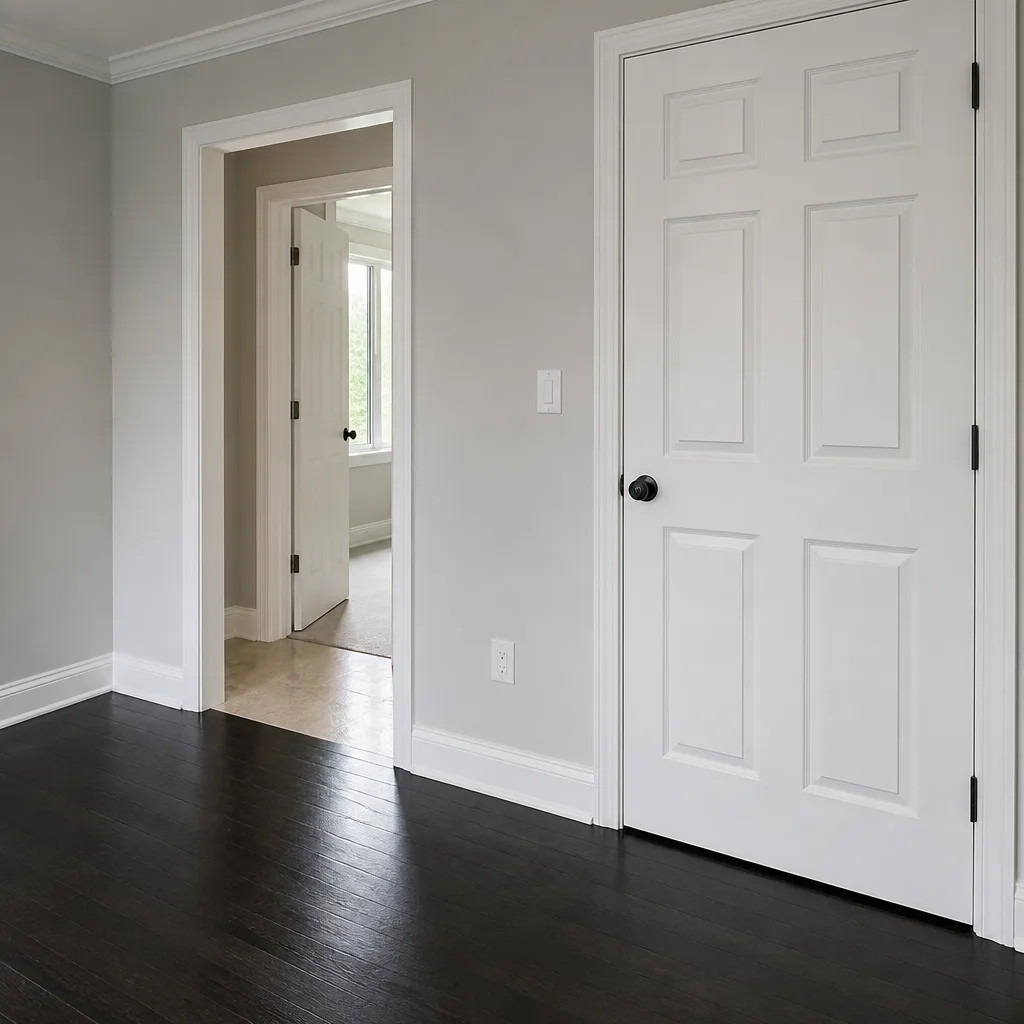 After
After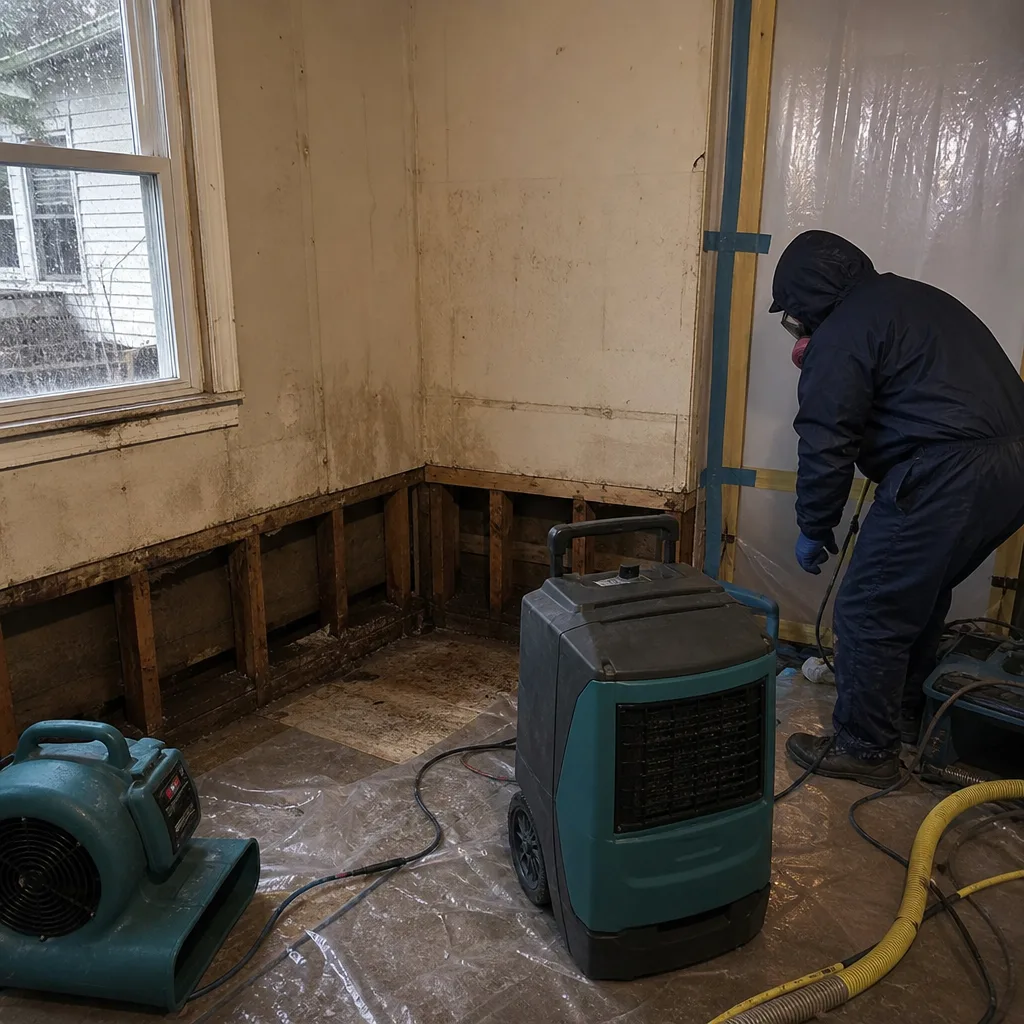 Before
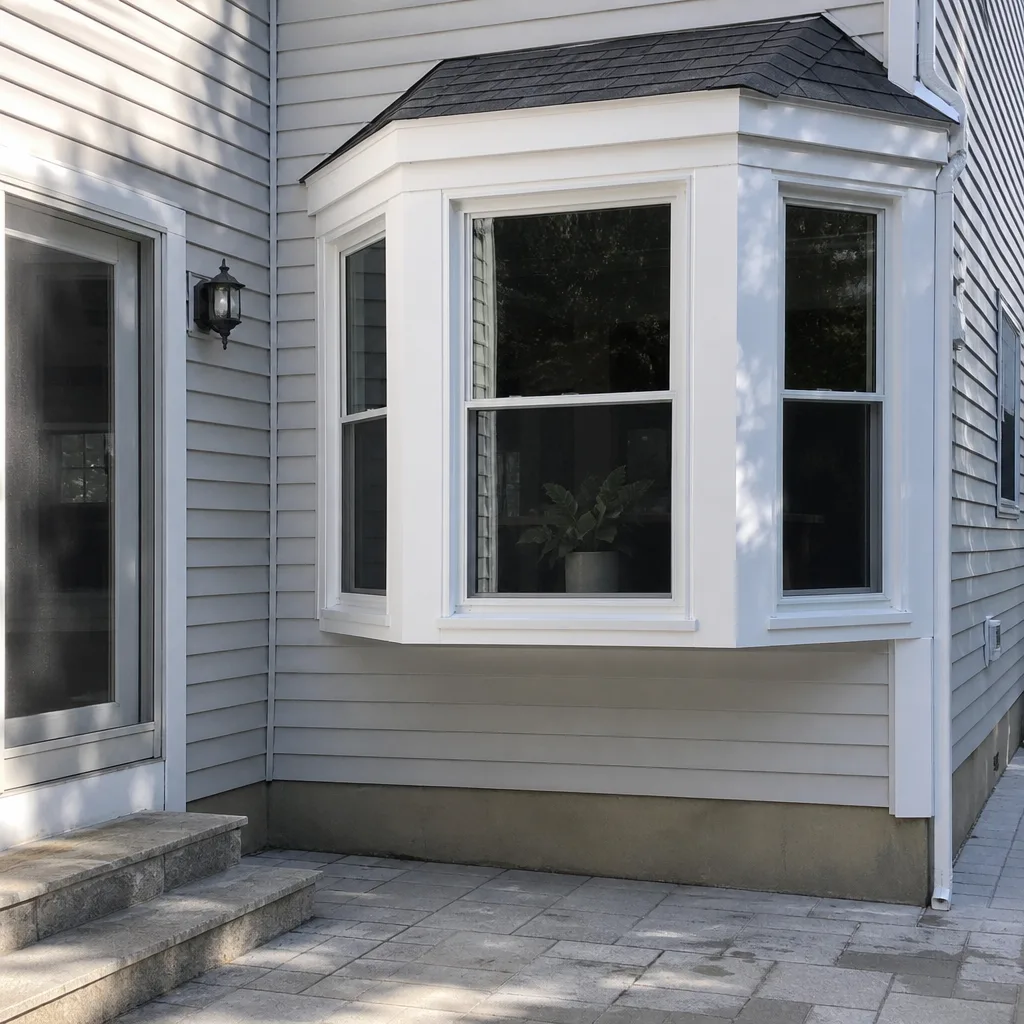 After
After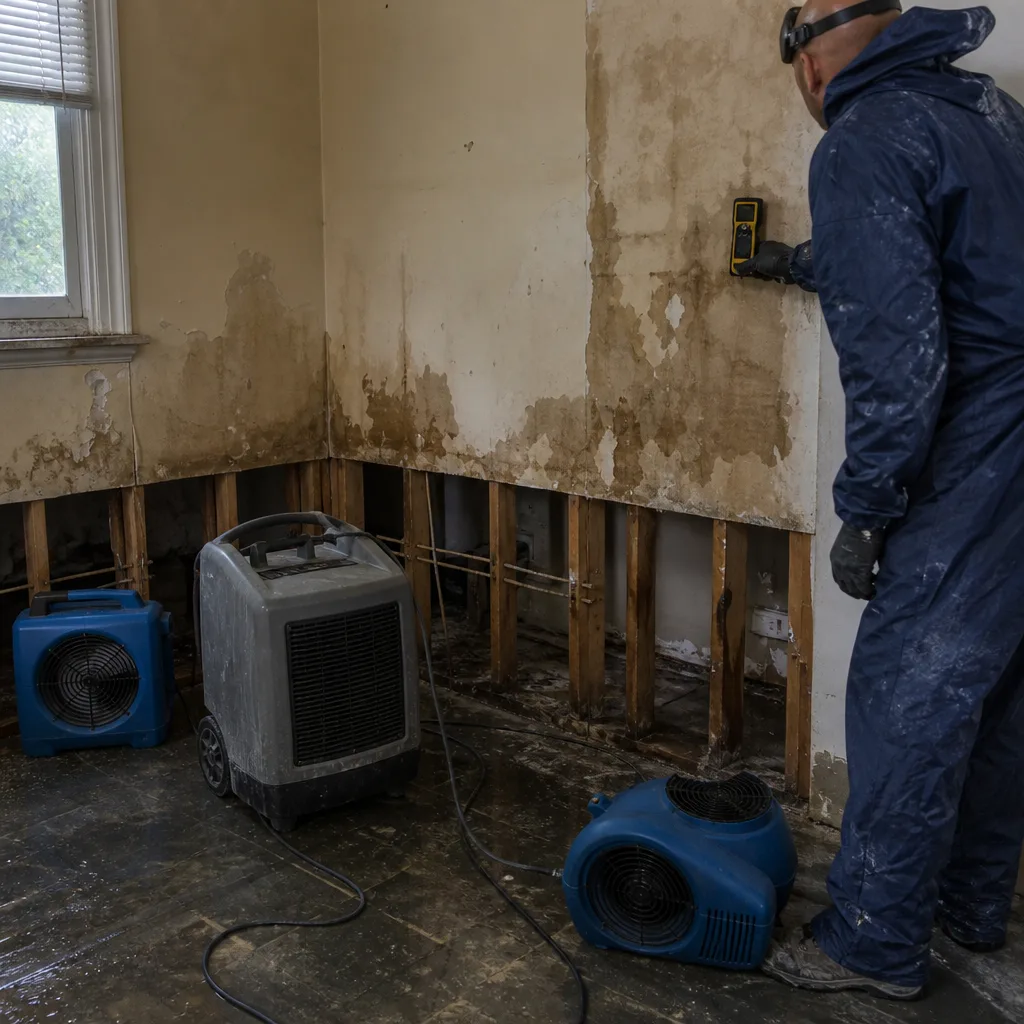 Before
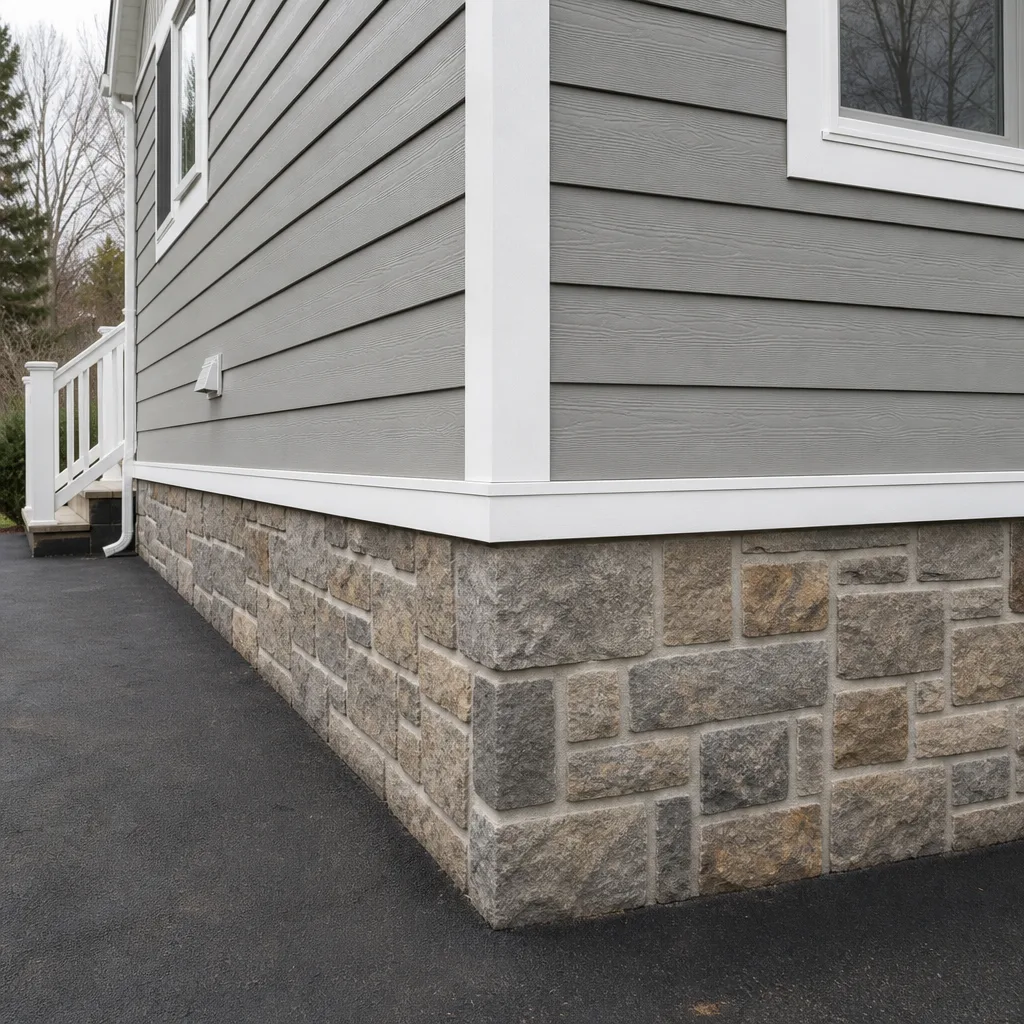 After
After24/7 Emergency Reconstruction & Cleanup in Fort Lee
When a pipe bursts on the 14th floor of a Fort Lee high-rise, it doesn’t stay on the 14th floor. Water finds risers, crawl spaces, and the ceiling of the unit below within minutes. Our Reconstruction & Cleanup crews answer live at (201) 729-3780 around the clock, and we stage response teams close enough to beat the GWB approach traffic that strangles other contractors on Route 4. A free visual inspection is the first step, and it happens fast. Because in a concrete-frame tower from 1972, the first hour determines whether you’re drying drywall or replacing it across five units.
Understanding Reconstruction & Cleanup Severity in Fort Lee Properties
Reconstruction severity in Fort Lee isn’t measured by square footage alone. It’s measured by vertical spread, building era, and what the water touched on its way down. Category 1 water from a supply line is clean. Category 2 from a shared riser carries whatever it picked up through 1970s galvanized pipe. Category 3 from a backed-up sewer lateral near Lemoine Avenue means full containment, disposal of affected materials, and sanitization before rebuild. Most Fort Lee towers are concrete-frame, which limits structural absorption but creates a secondary problem: gypsum-over-concrete assemblies trap moisture between materials. Thermal imaging and hygrometer readings tell us what’s actually wet, not what looks wet. Pre-1990 buildings add a regulatory layer most suburban restoration companies never face. Asbestos testing of floor tiles, pipe insulation, and popcorn ceiling texture is mandatory before any significant reconstruction begins. Skipping that step stops work dead, and we don’t start what we can’t finish.
Why Fort Lee Property Owners Choose Floodline Restoration Co.
- 45-minute local response commitment. Our crews stage near Fort Lee’s Palisades corridor so we’re not burning 45 minutes crawling from Paramus while water keeps moving down your riser stack.
- Live answers at 3 a.m., every time. A dispatcher picks up. Not a recording. Not a call center reading a script. A person who can send a certified crew to your tower immediately.
- IICRC-certified technicians. Our crews hold WRT and FSRT certifications and train to RIA and IFA standards. They’ve seen pre-1990 building assemblies, asbestos-era materials, and HOA compliance requirements specific to Fort Lee.
- Free visual inspection with a written scope. Before any work starts, you get a line-item scope in writing. No surprise invoices, no invented add-ons.
- Direct insurance billing. We coordinate with your carrier and the HOA’s master policy. You stop playing messenger between three parties at midnight.
- One crew from extraction to reconstruction. The same team that sets containment and runs drying logs rebuilds the drywall and repaints to the HOA’s approved palette. No mid-job handoff to a subcontractor nobody vetted.
Our Reconstruction & Cleanup Process
Inspection & Assessment
We map the full extent of water migration using thermal imaging and moisture meters. In Fort Lee towers, that means checking every unit below the source, not just the one that called. We document everything with photos from the first hour for your claim file.
Extraction & Stabilization
Standing water comes out first with truck-mounted or portable extraction units. In high-rises, we coordinate elevator access and containment on shared floors before moving equipment up. Stabilization includes shutting the water source and securing affected areas.
Drying & Dehumidification
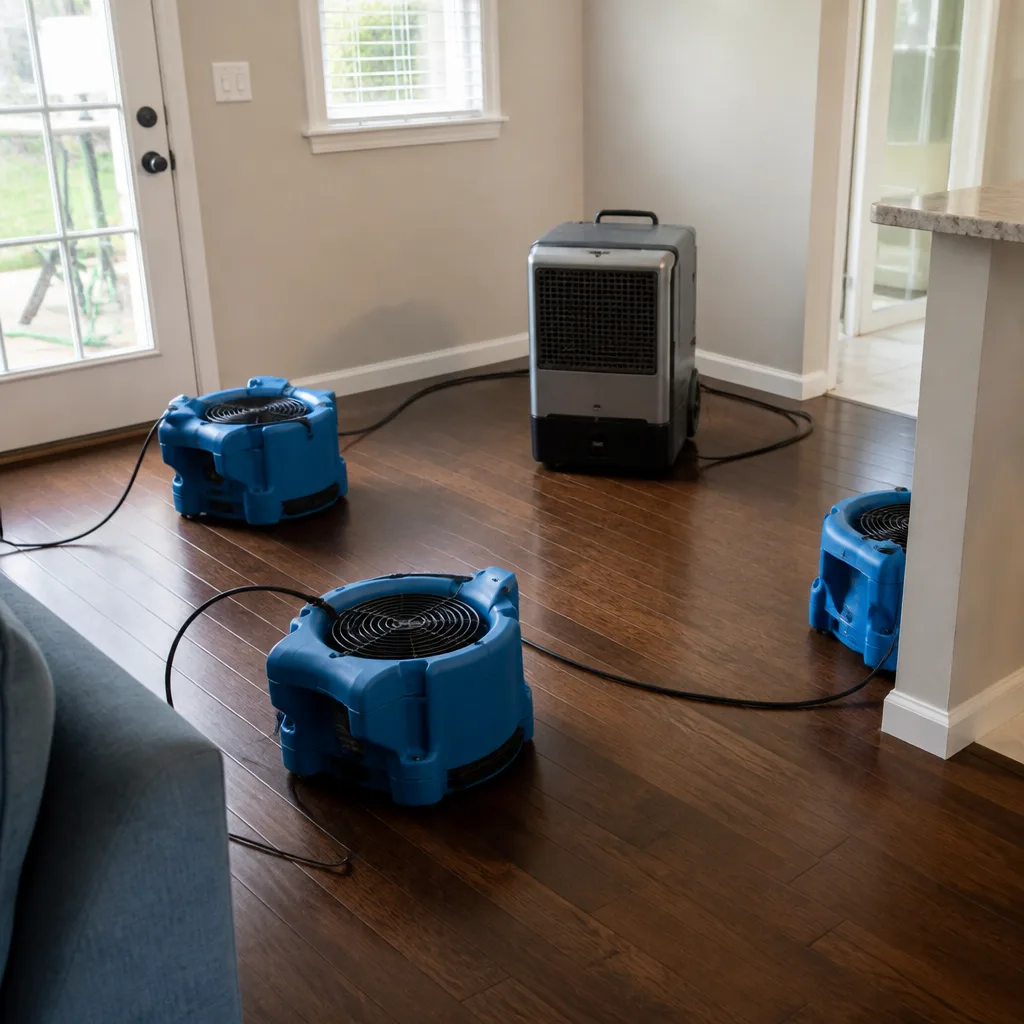
Dri-Eaz LGR dehumidifiers and Phoenix air movers run on a schedule that respects the building’s quiet-hours policy. Daily moisture readings get logged until every affected assembly hits the dry standard. That log goes to you and your carrier.
Cleaning & Sanitization
Category 2 and 3 losses get antimicrobial treatment and air scrubbing with HEPA filtration. We clean what’s salvageable and remove what isn’t. Contents get documented, packed out if needed, and restored off-site or in a controlled area.
Asbestos Testing & Abatement
For pre-1990 Fort Lee buildings, testing happens before we cut into drywall, pull original floor tiles, or disturb pipe insulation. We coordinate with licensed abatement contractors and adjust the timeline accordingly. Work doesn’t stop because the building didn’t test.
Repairs & Restoration
Full-service reconstruction: drywall, paint, flooring, trim, doors. Every material matches the HOA’s architectural-review standards. The same crew that read the moisture map on day one reinstalls the baseboards on day twelve.
Need Emergency Reconstruction & Cleanup in Fort Lee Now?
Crews minutes away, answering live 24 hours a day. The sooner we start, the less it costs.
Working With Your Insurance Company
Fort Lee condo losses get complicated fast. Unit owner policy, HOA master policy, subrogation questions, and an adjuster who may not understand how a galvanized riser from 1968 took out five units. Our job is to make the claim file airtight before anyone argues. We photograph every affected surface, log every moisture reading, and write a line-item scope that holds up to adjustor scrutiny. Direct adjuster communication means you don’t relay bid numbers back and forth. We handle it. Then we bill your carrier directly. If the claim covers less than expected, you’ll see that in writing before any decision gets made.
What We Provide Your Insurer
- Thorough documentation of the loss
- Photos of all damage, room by room
- Moisture readings and drying logs
- A detailed, line-item scope of work
- Direct coordination with your carrier
Built for Fort Lee’s Loss Calendar
January deep freezes burst supply lines in Fort Lee’s aging towers, and the water runs down through ten units before anyone finds the shutoff. Spring thaw and heavy rain stress the parapet flashings and window perimeter seals on Palisades-facing facades. Nor’easters drive horizontal rain into the 10th floor, not the basement. Summer thunderstorms overwhelm the lower-street catch basins near the GWB approach, backing up storm sewers into below-grade parking garages and mechanical rooms along Center Avenue and Main Street. Fall is shoulder season: building management schedules riser replacements and balcony waterproofing before the first freeze, and reconstruction work picks up where water intrusions left off. Reconstruction & Cleanup in Fort Lee isn’t a seasonal business. It’s a year-round fact of living in dense, pre-1990 housing stock atop a cliff.
Reconstruction & Cleanup Across Fort Lee’s Neighborhoods
Palisade Avenue’s co-op towers run the full gamut from 1960s-era galvanized plumbing to recently renovated units with original popcorn ceilings still overhead. When a supply line fails on a mid-floor unit there, we set containment on multiple floors and coordinate with the superintendent before our first dehumidifier goes in. Over near Fletcher Avenue and the high-rise cluster around the GWB approach, wind-driven water intrusion through aging curtain-wall seals means reconstruction starts with window flashing and drywall replacement on upper floors. The low-rise garden apartments near Lemoine Avenue see more below-grade flooding from storm sewer backup during heavy rain. The Ridgefield Park border and the homes along Bluff Road have a different profile entirely: older single-family houses with finished basements where a sump pump failure means carpet, drywall, and insulation all come out. Each area has its own failure pattern. Our crews know them because we’re here weekly, not driving in from an hour away with no idea whether the freight elevator requires a booking.
Specialized Reconstruction & Cleanup Services We Offer in Fort Lee
Full-Service Reconstruction
From gutted kitchens to entire floor plates, we rebuild to the HOA’s approved materials list. Matching 1960s door casing profiles or sourcing the right white for a 1974 hallway ceiling is part of the job, not an add-on. One crew handles the whole sequence, so the scope doesn’t fragment into three contractors pointing at each other.
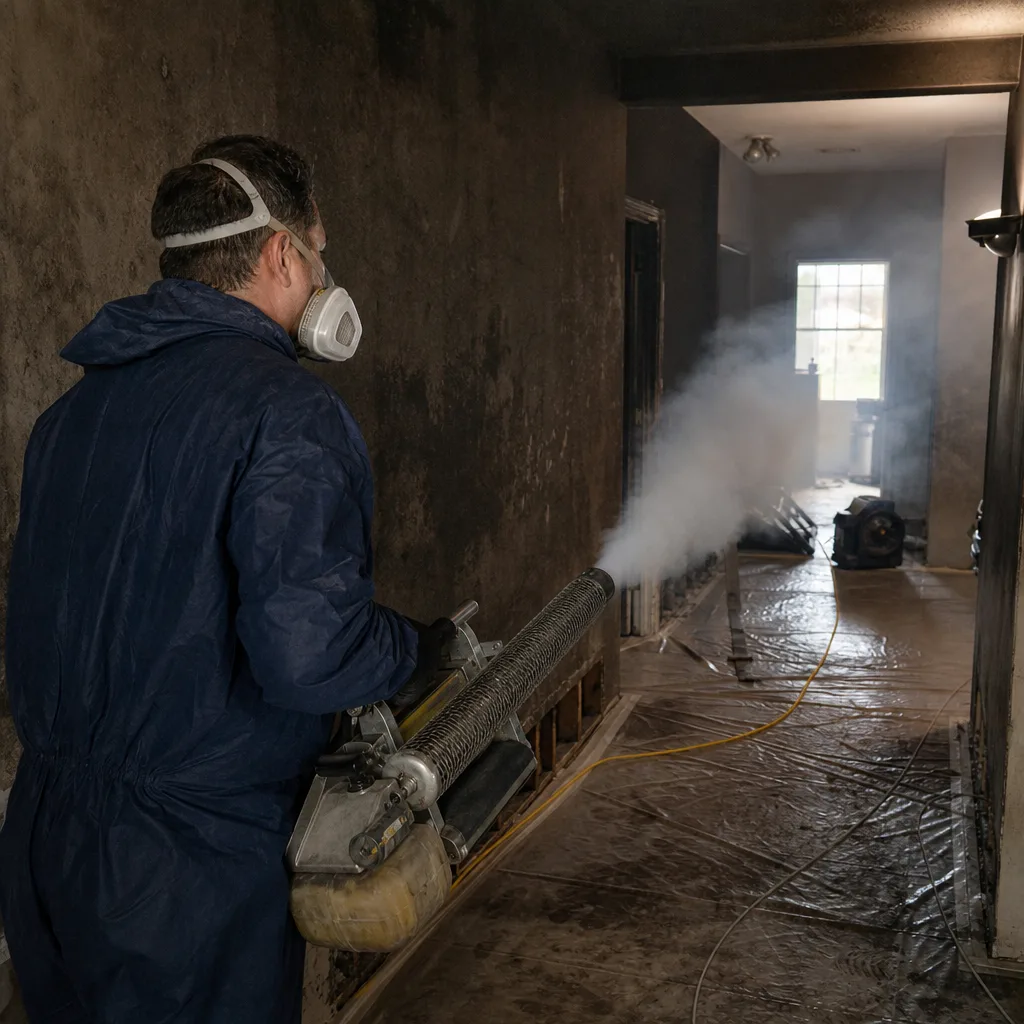
Insurance Claim Documentation
Photo-documented assessment from the first hour, daily drying logs, and a line-item scope written for adjusters. Multi-unit Fort Lee losses mean multiple claims on one incident, and every file gets the same level of detail. We coordinate directly with carriers, so unit owners and HOA boards don’t burn afternoon meetings passing paperwork.
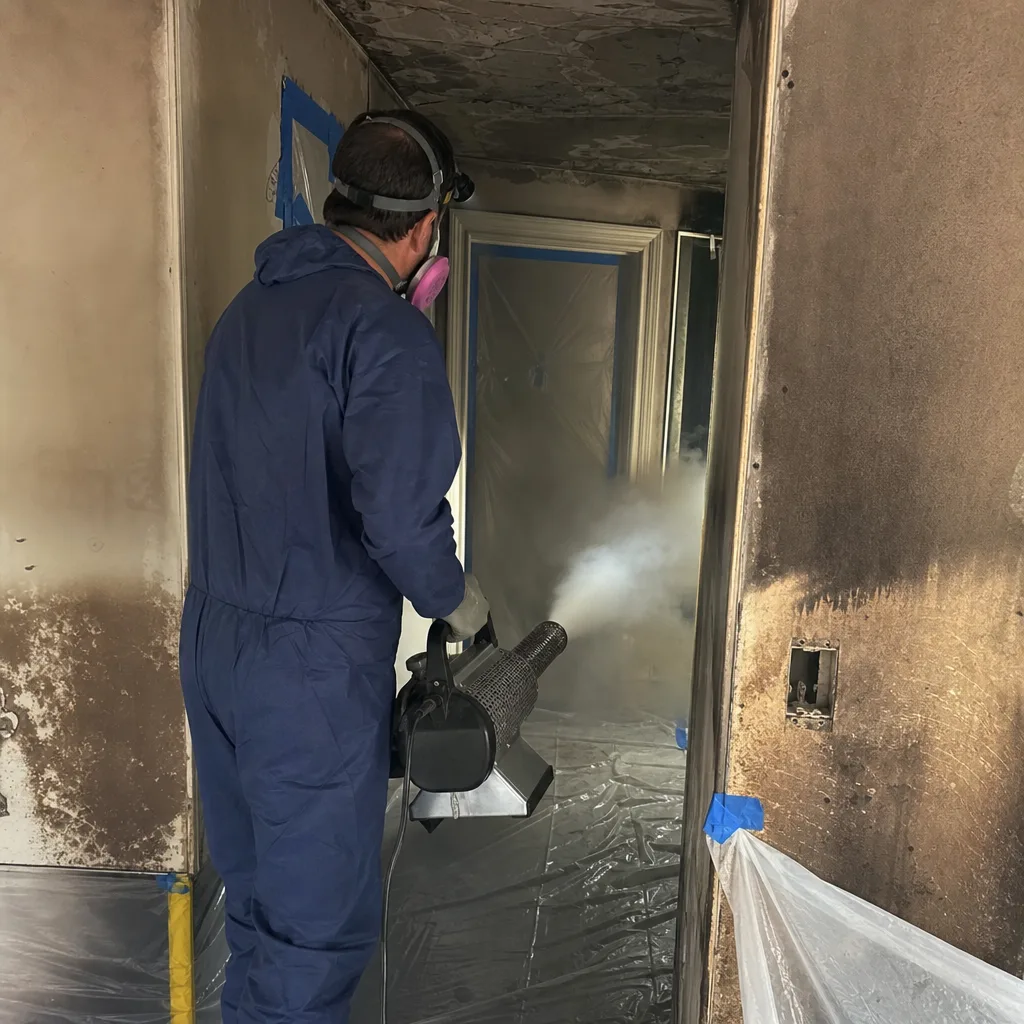
Contents Restoration & Pack-Out
Furniture, documents, electronics, and personal property from multiple affected units. We inventory, pack out, restore, and store items in a controlled environment. When five units in a vertical stack all flood, coordinated contents handling keeps everyone’s possessions separated and documented. No mixed-up boxes between floors.
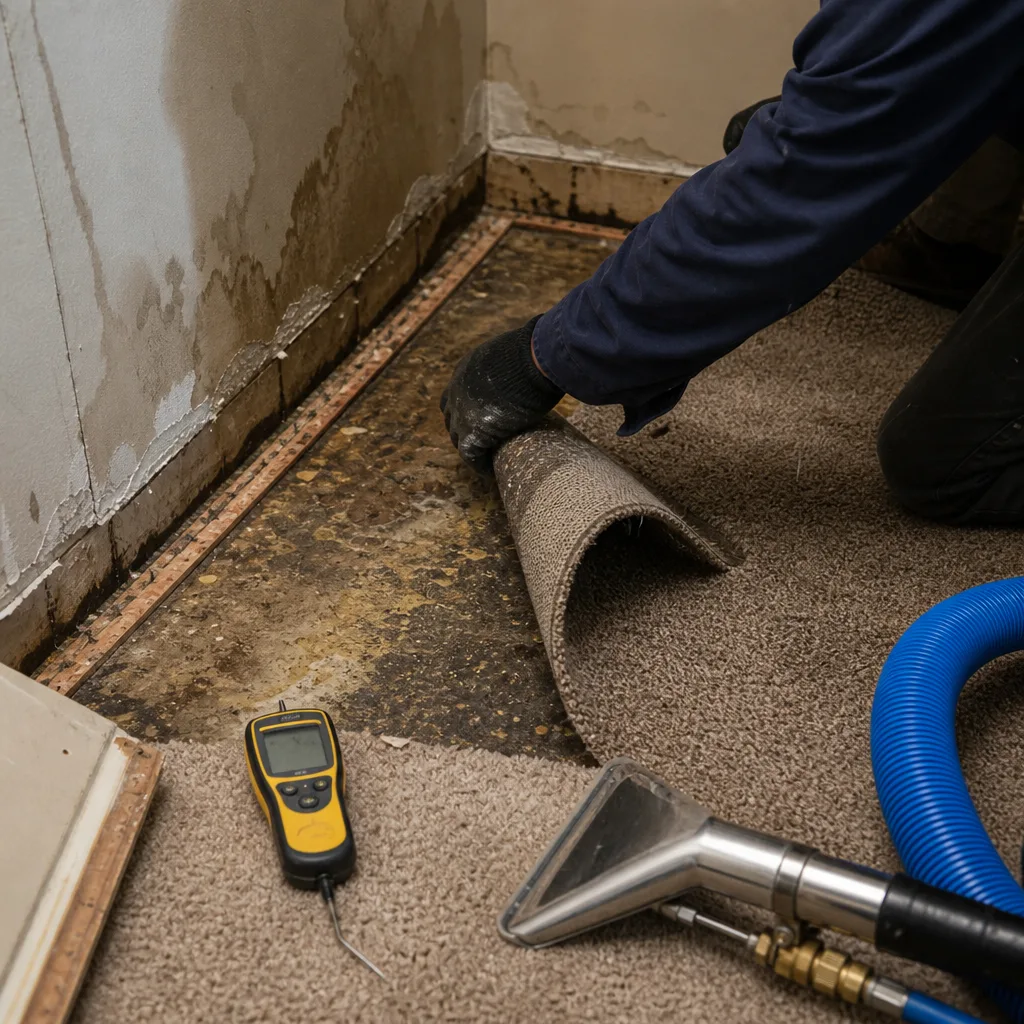
Drywall & Flooring Repair
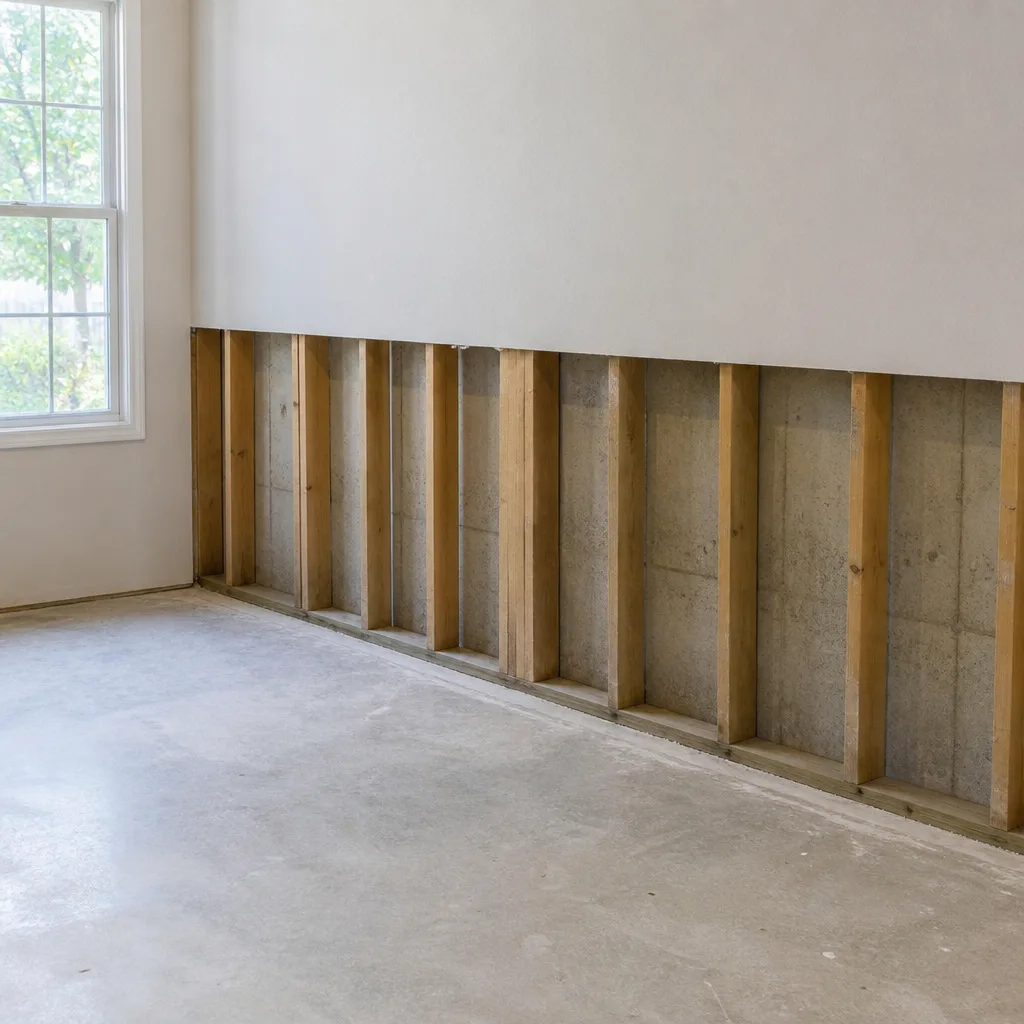
Water-cut drywall, warped hardwood, saturated carpet, tile over damaged subfloor. We match existing finishes and work within the building’s architectural standards. In Fort Lee condos, the HOA usually specifies approved materials. We already know what’s on the list for most buildings we serve.
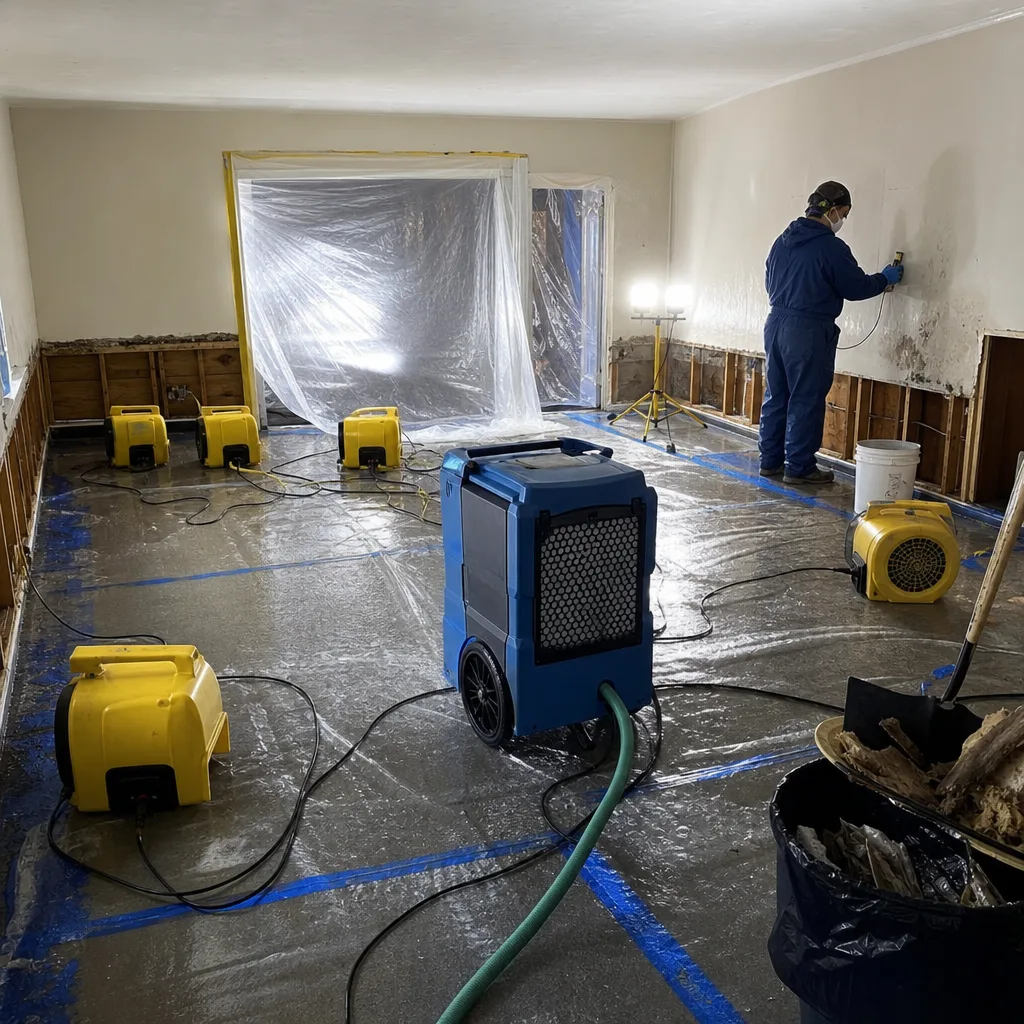
Carpet & Upholstery Cleaning
After a Category 1 loss, salvageable carpet and furniture get hot-water extraction, antimicrobial treatment where appropriate, and drying. We assess honestly whether cleaning is enough or replacement is smarter, and the written scope reflects that before any work begins.
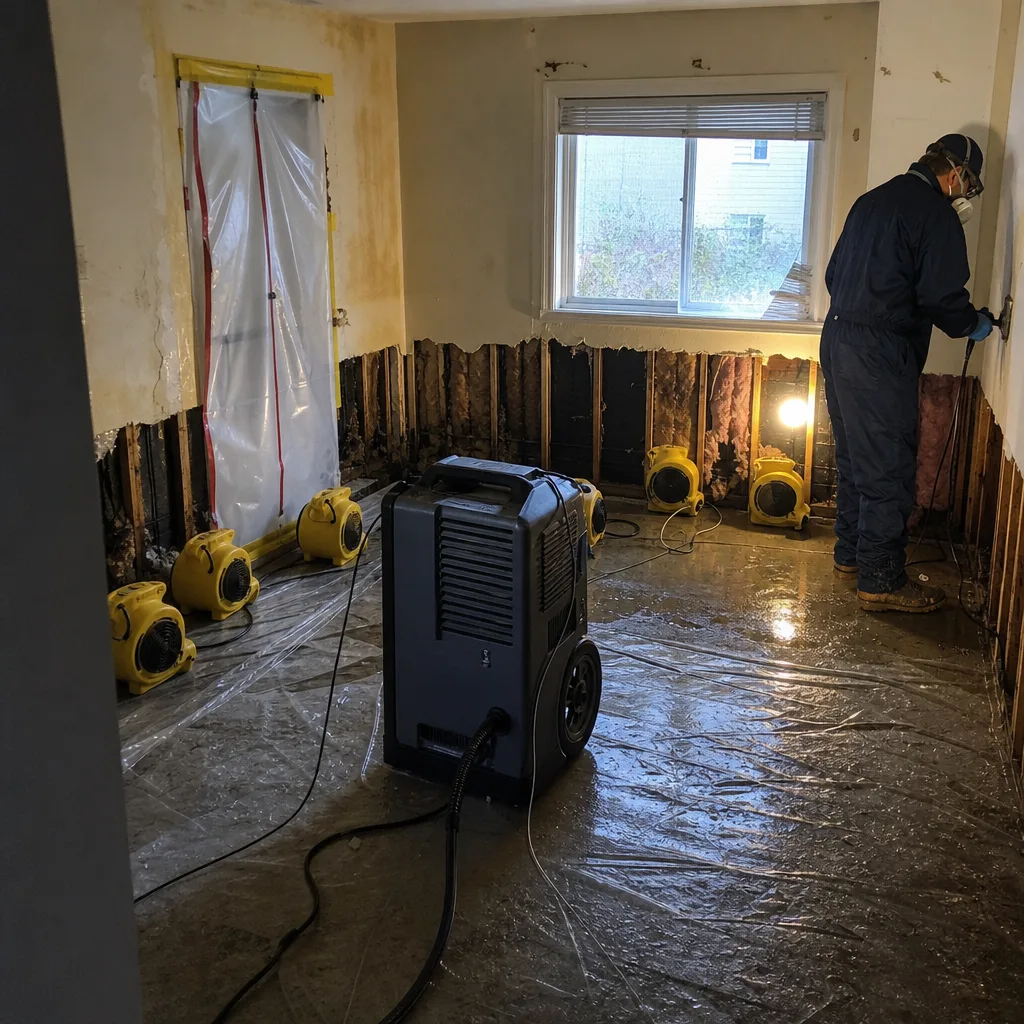
Post-Construction Cleanup
HEPA vacuuming of all surfaces, dust containment during work, and final cleaning before you move back in. After drywall sanding and paint, the air in a high-rise unit can hold fine particulate for days without proper air scrubbing. We run HEPA scrubbers through final clearance, and the place is livable the day we leave.
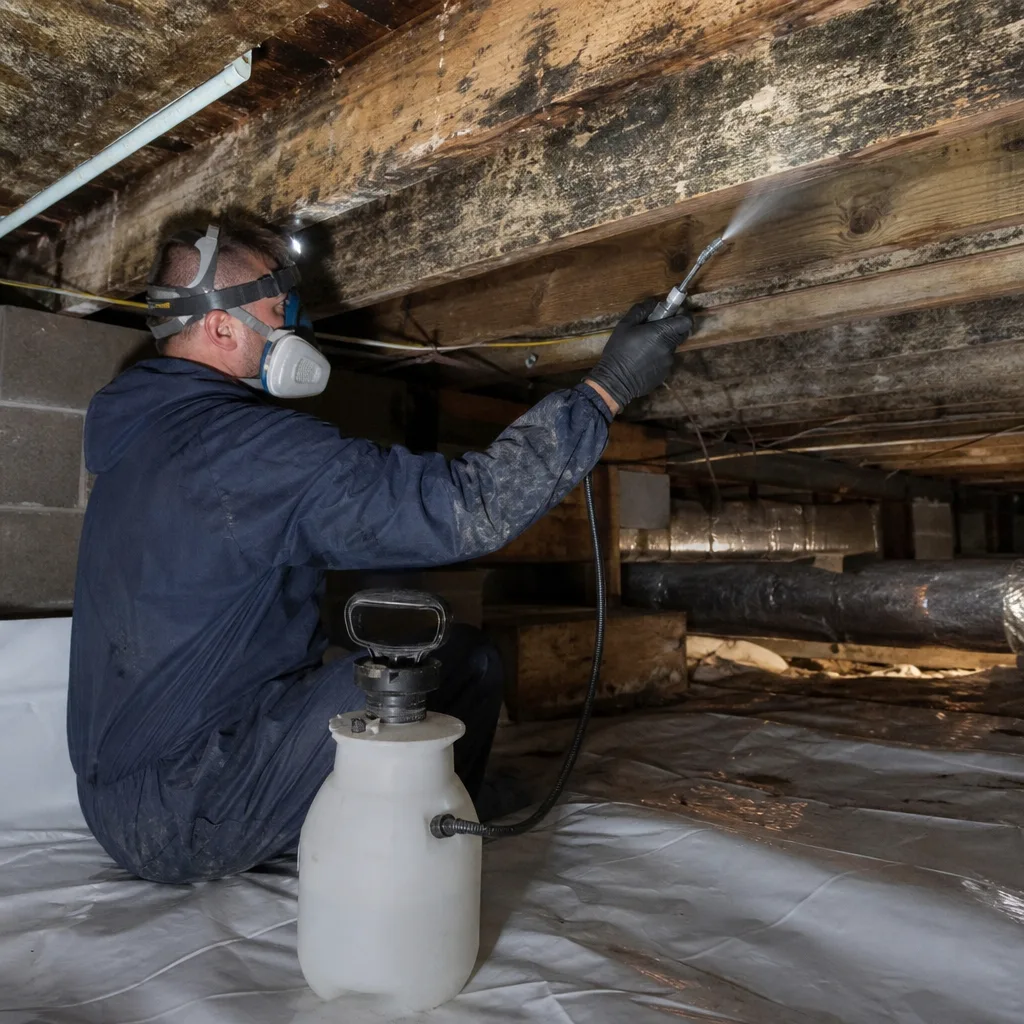
What happens when you call
- 1
A real person answersNo phone trees - you reach a local pro.
- 2
You get an upfront price rangeHonest numbers before anyone is dispatched.
- 3
A background-checked tech heads outLicensed & insured, dispatched right away.
- 4
You approve before work beginsNothing starts until you say go.
Reconstruction & Cleanup Costs in Fort Lee, NJ
Small drywall repairs and repaint after a minor ceiling leak in a Fort Lee condo run $800-$2,400. A single-unit kitchen water loss with cabinet replacement typically lands between $6,000 and $14,000. Multi-unit vertical pipe burst reconstruction of the kind common in 1960s-1980s towers can reach $30,000-$90,000 across affected units, with asbestos testing and abatement adding $1,500-$5,000 depending on the materials involved. What moves the price: how many floors are involved, whether original ceilings and tiles need abatement, elevator scheduling, and HOA-mandated materials. Insurance covers most scenarios; the free visual inspection gives you a written scope so you know the number before anything gets cut. Our Reconstruction & Cleanup pricing is line-itemed and plain. No allowances that balloon later, no vague “as needed” clauses. Call (201) 729-3780 and we’ll walk the unit with you.
We Also Serve Cities Near Fort Lee
Our crews regularly work in Leonia, Palisades Park, Englewood Cliffs, and Ridgefield Park, handling the same dense-building water losses and HOA-coordinated reconstruction we see in Fort Lee. Response times stay short because we stage locally, not from a depot an hour out.
Serving Fort Lee, NJ - Our Local Coverage Area
We’re based in the Fort Lee area and know this community well. Use the map below to see our service coverage - if you’re nearby, we can almost certainly help.
Fort Lee Reconstruction & Cleanup Questions, Answered
Does Fort Lee require HOA approval before replacing drywall or doors after water damage in a condo?
Yes, in most Fort Lee condominium buildings. HOA governing documents typically list approved materials, finishes, and door styles. We pull the building’s architectural guidelines before writing the scope, and we match replacements to the approved palette so your unit doesn’t get flagged with a violation notice after the work is done. Call (201) 729-3780 and we’ll check your building’s requirements as part of the free inspection.
How does mandatory asbestos testing affect the timeline for water damage reconstruction in older Fort Lee towers?
Pre-1990 Fort Lee buildings require asbestos testing of any material we’ll disturb: original floor tiles, pipe insulation, popcorn ceiling texture, older drywall compound. Testing adds 24 to 48 hours on average; abatement, if needed, adds another few days. We sequence testing immediately after containment so drying can proceed in unaffected areas while test results come back. Work doesn’t stop because nobody scheduled the test.
Can you handle pack-out and contents restoration for multiple units affected by the same pipe burst in our building?
Yes. Multi-unit pack-outs from a single vertical riser failure are common for us. We inventory each unit separately, tag and photograph everything, pack out to secured storage, and restore contents in a controlled environment. When five units in one stack flood, every owner’s possessions stay separated and every insurance claim gets its own documentation package.
What quiet-operation rules apply to structural drying and reconstruction inside a Fort Lee high-rise?
Most Fort Lee buildings restrict noisy work to daytime hours, typically 8 a.m. to 5 p.m., with quiet hours enforced on evenings and weekends. We schedule demo, cutting, and deliveries within the building’s posted hours, and we run air movers and dehumidifiers continuously since they’re below the noise threshold. Building management gets a copy of our equipment schedule so there are no surprises for neighbors.
How do you document reconstruction work so the HOA and individual unit owners can submit insurance claims?
Every affected unit gets its own file: photos from the first hour, moisture readings taken daily, drying logs, line-item scope, and final completion documentation. We coordinate directly with adjusters for both the unit owner’s policy and the HOA’s master policy, and we bill the carrier directly. No homeowner plays messenger between parties.
How fast can you actually get to a Fort Lee high-rise?
We commit to 45 minutes for emergency response in Fort Lee. Our crews stage near the Palisades corridor specifically because the GWB approach roads can add 30-40 minutes to a drive from elsewhere in Bergen County. A live dispatcher answers 24/7 and sends a crew immediately while you’re still on the phone.
Will insurance cover reconstruction after a pipe burst in my Fort Lee condo?
Most unit owner policies cover water damage from sudden and accidental pipe failures, including drywall, flooring, cabinets, and contents restoration. The HOA master policy typically covers the building structure and common areas. Coverage depends on your policy language and where the failed pipe is located. We document everything so your adjuster sees exactly what was done and why.
What should I do in the first 30 minutes after water starts spreading from a burst pipe?
Shut off the water at the unit valve or building riser if you can reach it safely. Cut power to affected outlets at the breaker panel if water has reached wiring. Call our 24/7 dispatch at (201) 729-3780. Then call building management, because in a Fort Lee high-rise the water is moving through floors below you, and their cooperation determines how fast we can set containment and start extraction.
We recently handled a Category 2 water loss in a 1970s condominium tower off Palisade Avenue. A failed galvanized riser soaked five units across three floors. Our crew set containment on each floor within two hours, coordinated asbestos testing of the original ceiling texture, and after abatement clearance ran structural drying with Dri-Eaz LGR dehumidifiers and Phoenix air movers. Then we rebuilt the drywall and repainted using the HOA’s pre-approved white palette, and submitted drying logs and scope-of-work documentation for each owner’s insurance claim. That’s what “done right” looks like in Fort Lee: coordinated, documented, and compliant with the building’s rules from day one.
Written by Curt Bowman, Owner at Floodline Restoration Co., serving Fort Lee and the surrounding communities with Reconstruction & Cleanup since 2010.