
Free visual inspection and a written scope of work before any mitigation begins - photos, moisture readings, and drying logs go in your claim file
The scope we write is the scope we bill. Anything new gets shown to you, in writing, before we touch it.
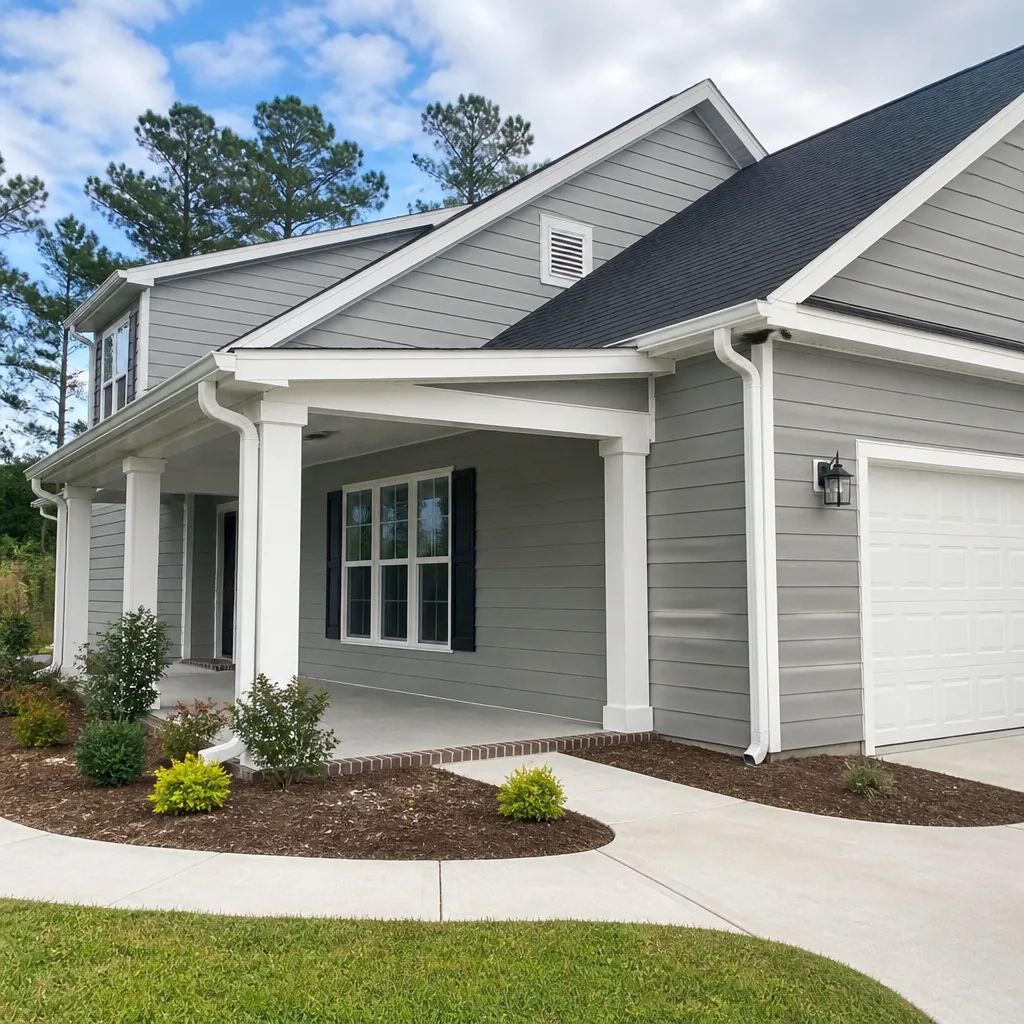
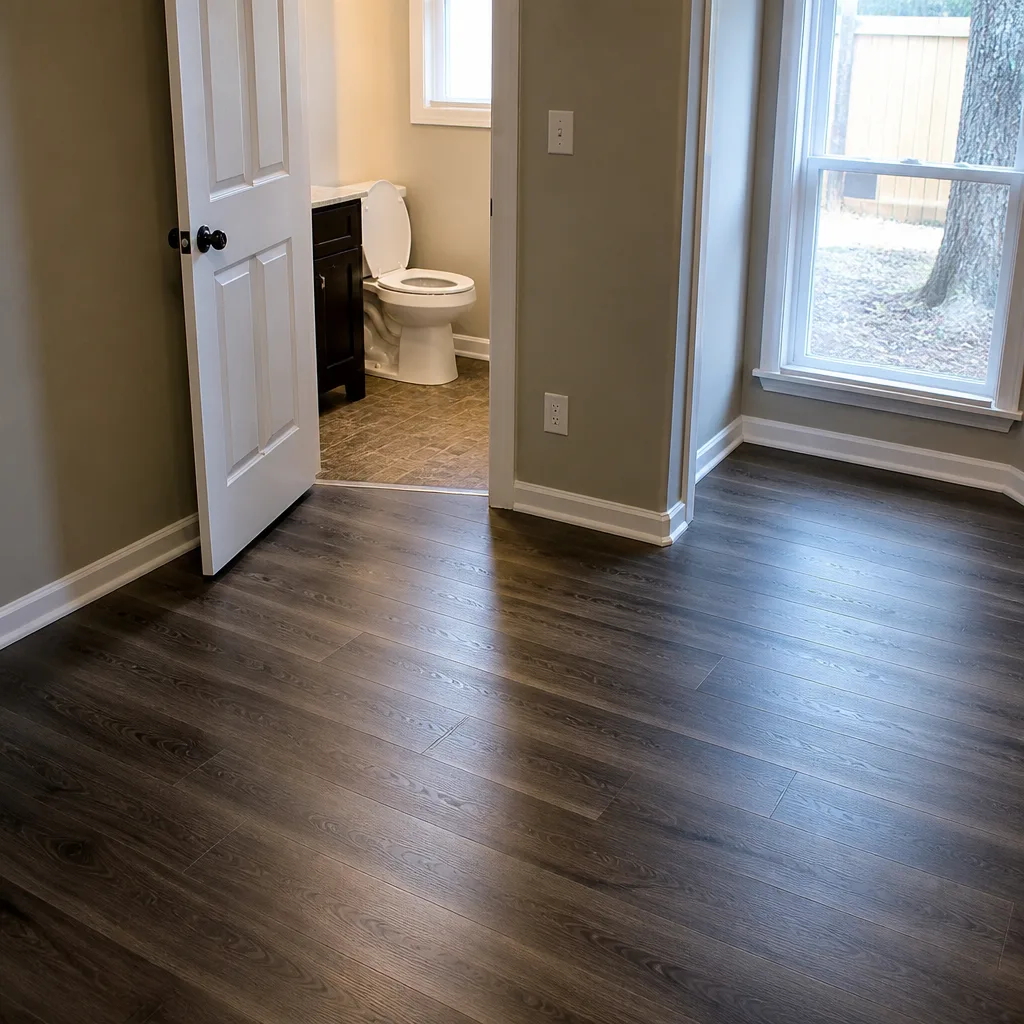
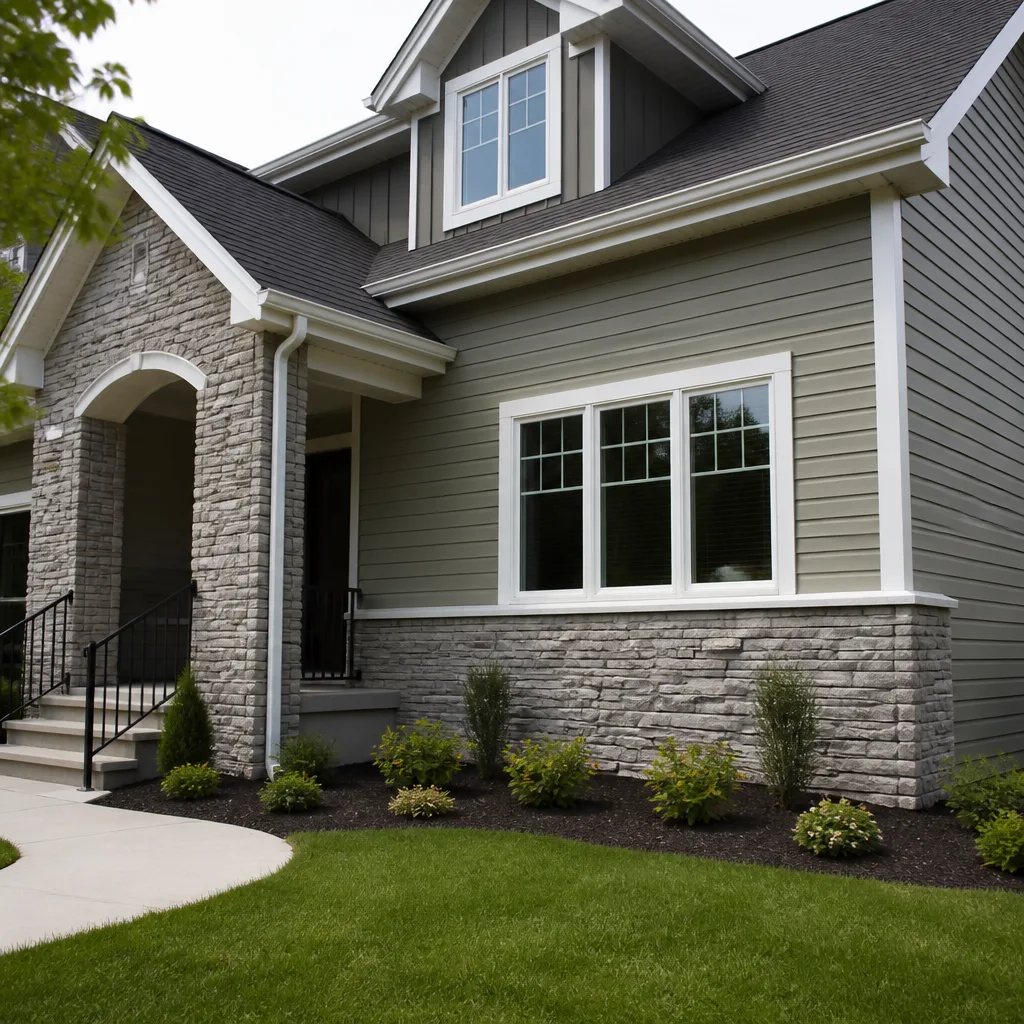
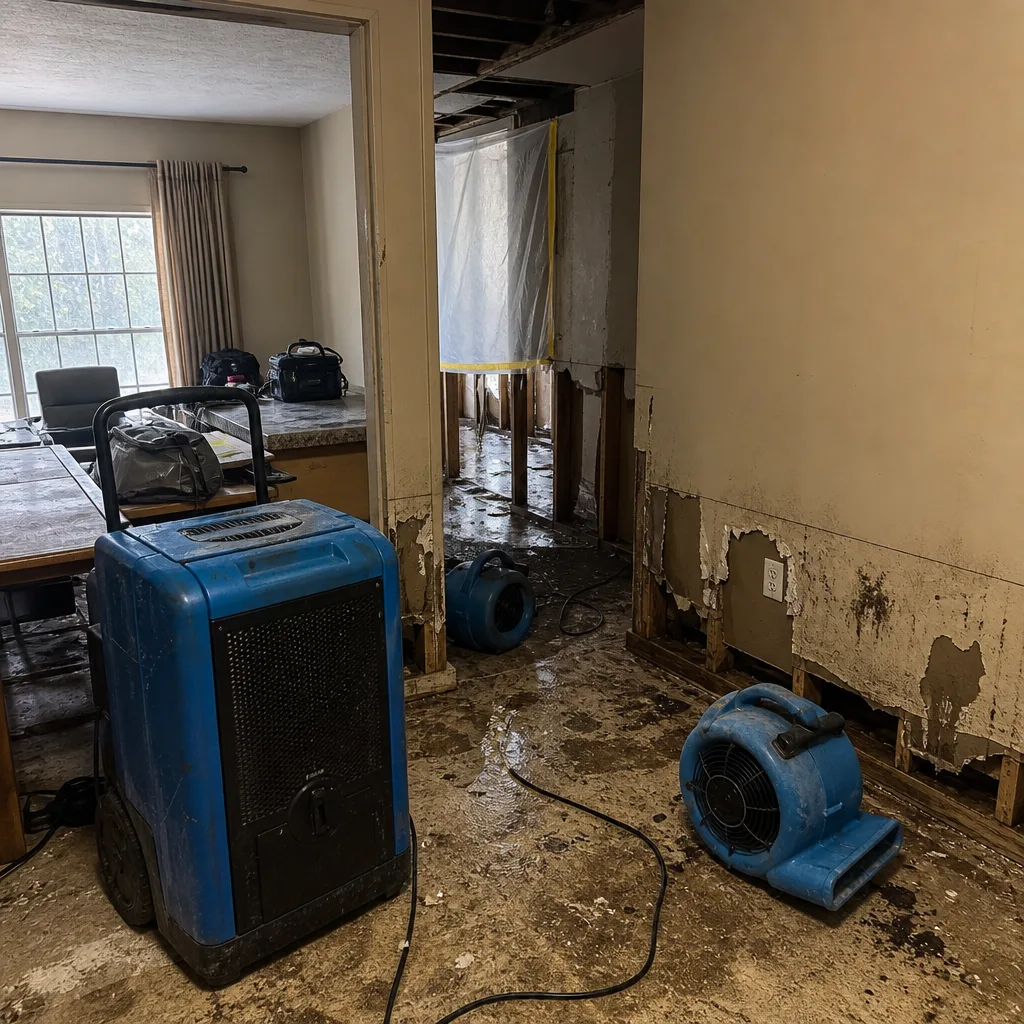 Before
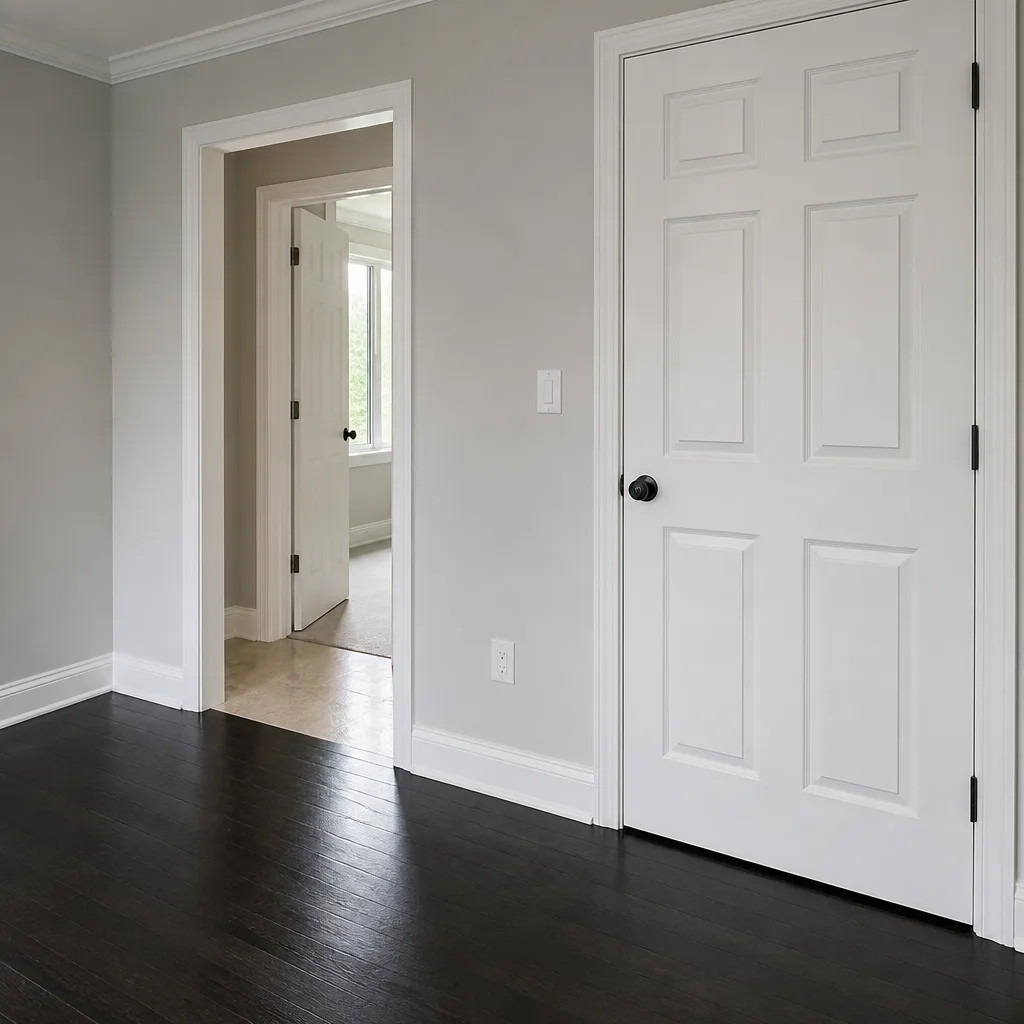 After
After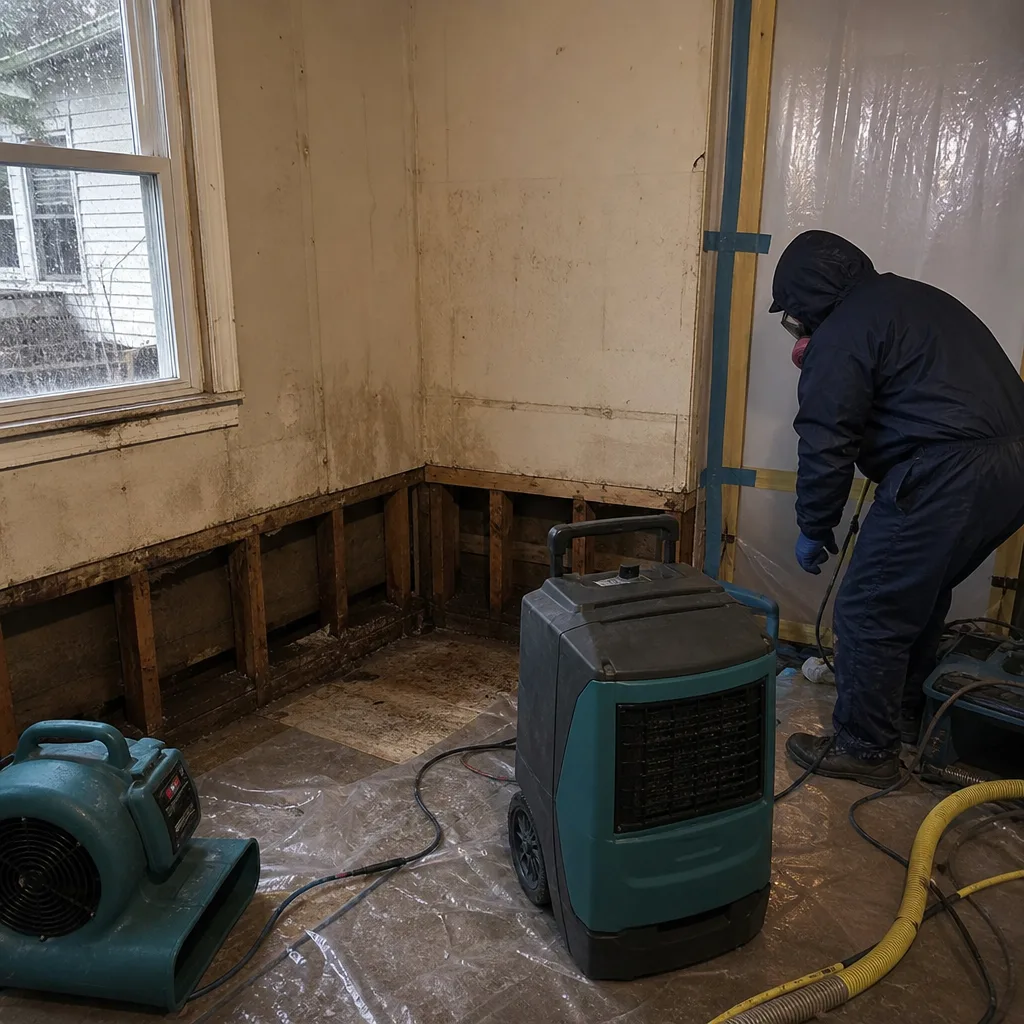 Before
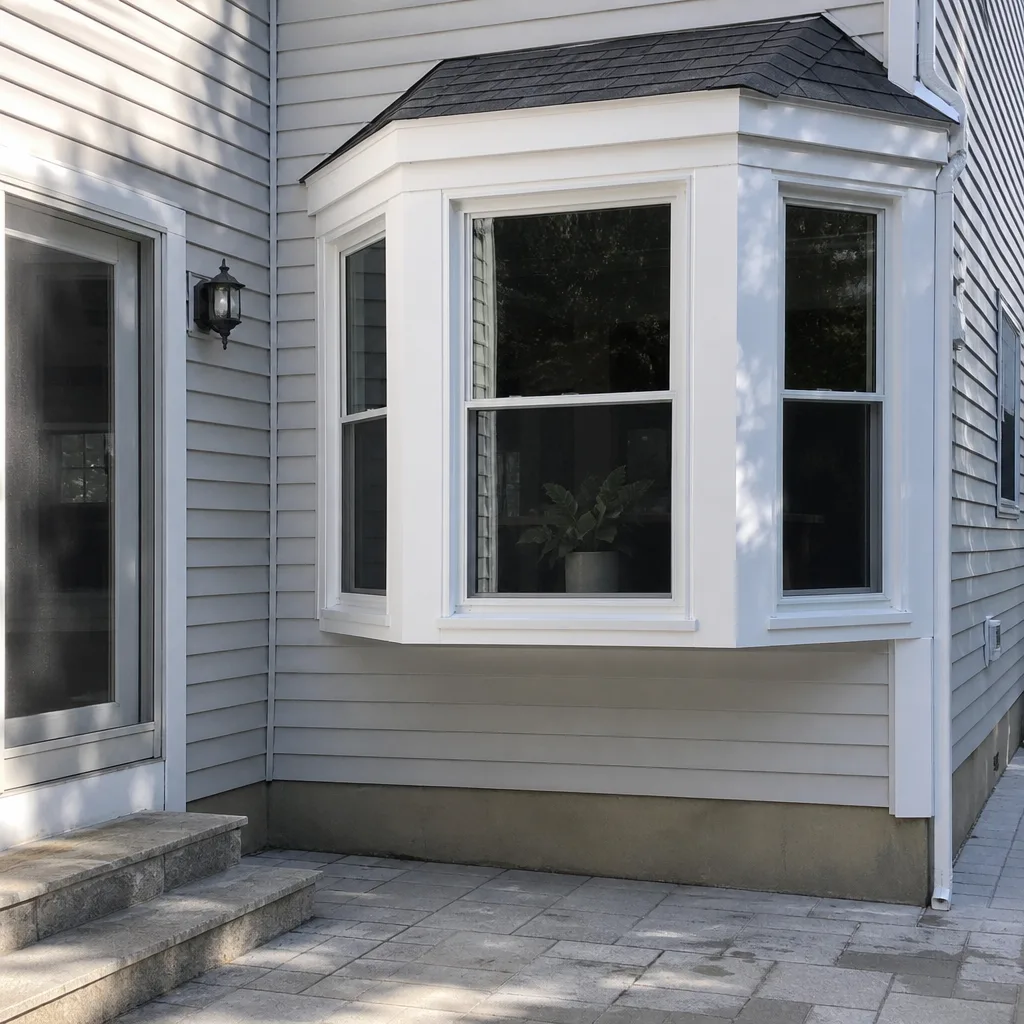 After
After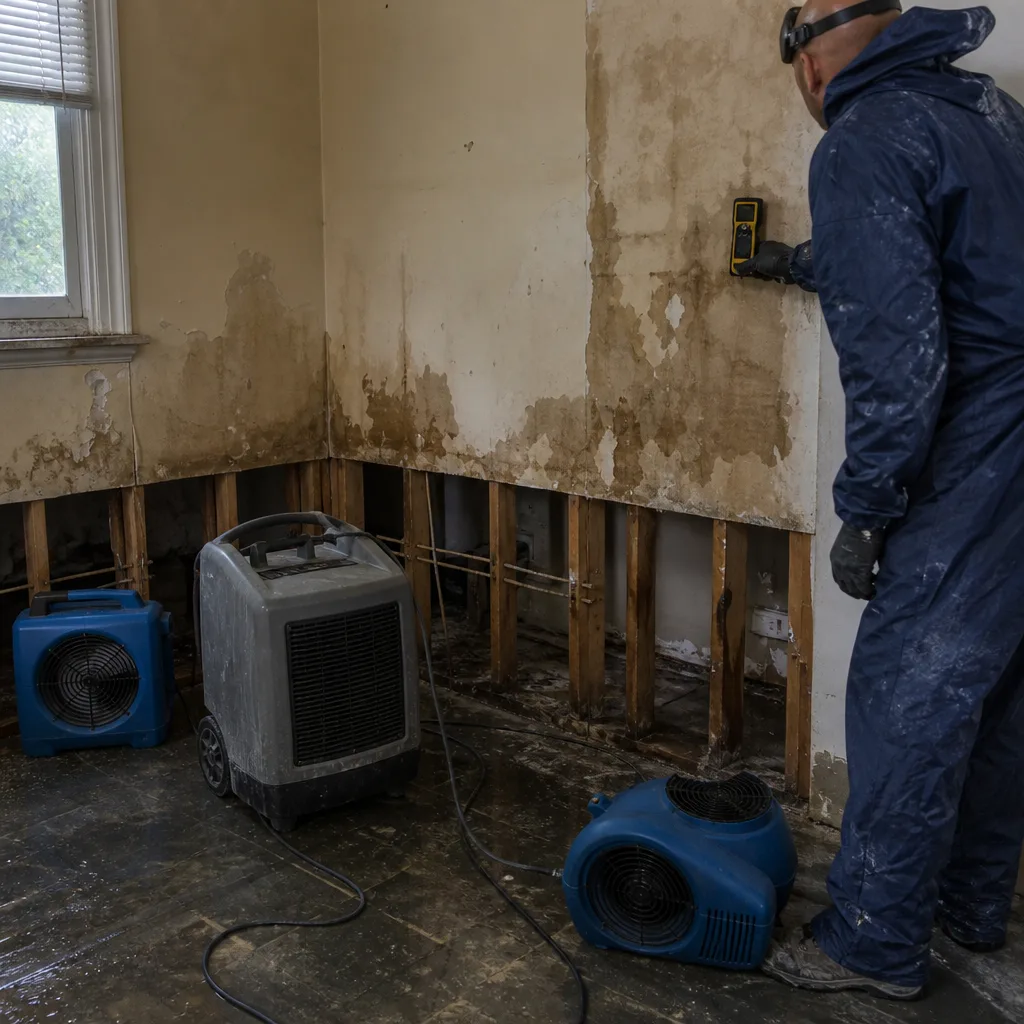 Before
 After
After24/7 Emergency Water Damage Restoration in Fort Lee
Water damage restoration in Fort Lee, NJ typically runs $2,400-$7,800 for a standard condo-unit loss, and same-day response is available around the clock. A live dispatcher answers at (201) 729-3780, and crews are staged near the George Washington Bridge corridors so we’re clearing building security and setting containment equipment within 45 minutes of your call. The first hour is the difference between drying a wall cavity and replacing a third of a floor, and in an older high-rise, it also matters because water travels down through your floors and into a neighbor’s unit faster than anyone expects. We provide a free visual inspection on every call, and the scope is in writing before we run a single air mover.
Understanding Water Damage Restoration Severity in Fort Lee Properties
Water damage falls into three categories, and they dictate how we handle a Fort Lee high-rise. Category 1 is clean water from a supply line or faucet. Category 2 carries contaminants, like dishwasher discharge or washing machine overflow. Category 3 is grossly contaminated, typically sewage or exterior floodwater. Fort Lee’s 1960s and 1970s concrete towers complicate this picture: a Category 1 pipe break on a 17th floor may pass through a plenum already carrying years of dust, frayed pipe insulation, and construction debris, which is why we treat mid-rise and high-rise losses more conservatively than a single-family home loss. Moisture mapping is standard before we place any drying equipment, using thermal imaging and penetrating meters to see into wall cavities and behind slab-on-deck plumbing. In older towers with original galvanized risers and early-copper supply lines, we also check wall assembly materials, because some pre-1990 buildings here contain asbestos-containing drywall compound and pipe lagging that require testing before invasive drying begins. Structural drying in these buildings often needs negative-air containment and commercial-grade dehumidifiers, not the residential equipment a competitor might roll in.
Why Fort Lee Property Owners Choose Floodline Restoration Co.
- 45-minute response commitment. We stage crews near the Fort Lee approach corridors so a 14th-floor unit gets a tech at the door before water reaches the elevator shaft.
- 24/7 live answer. A real person picks up at 2 a.m. Not a recording, not a call center that takes a message. A dispatcher who knows Fort Lee.
- IICRC-certified crews. Our technicians hold WRT and ASD certifications and stay current on high-rise containment protocols for pre-1990 towers.
- Free visual inspection. We walk the unit, read moisture levels, and hand you a written scope before any work is authorized.
- Direct insurance billing. We work with your adjuster from the first hour, so you’re not running documents back and forth. You never play messenger between Floodline and the carrier.
- One team, start to finish. The certified crew that extracts and dries the unit is the same team that hangs the new drywall and paints. No mid-job handoff.
Our Water Damage Restoration Process
Inspection & Assessment
We arrive, walk the unit, and begin moisture mapping with thermal imaging and penetrating meters. We identify the water category, document the source, and check for asbestos-containing materials in older Fort Lee towers before any invasive work starts. You get a written scope and a straight answer on what needs drying versus replacing.
Extraction & Stabilization
Standing water is removed with truck-mounted and portable extraction units. In a high-rise, we protect common areas and elevator lobbies from day one. The goal is to stop water migration before it reaches the unit below.
Drying & Dehumidification
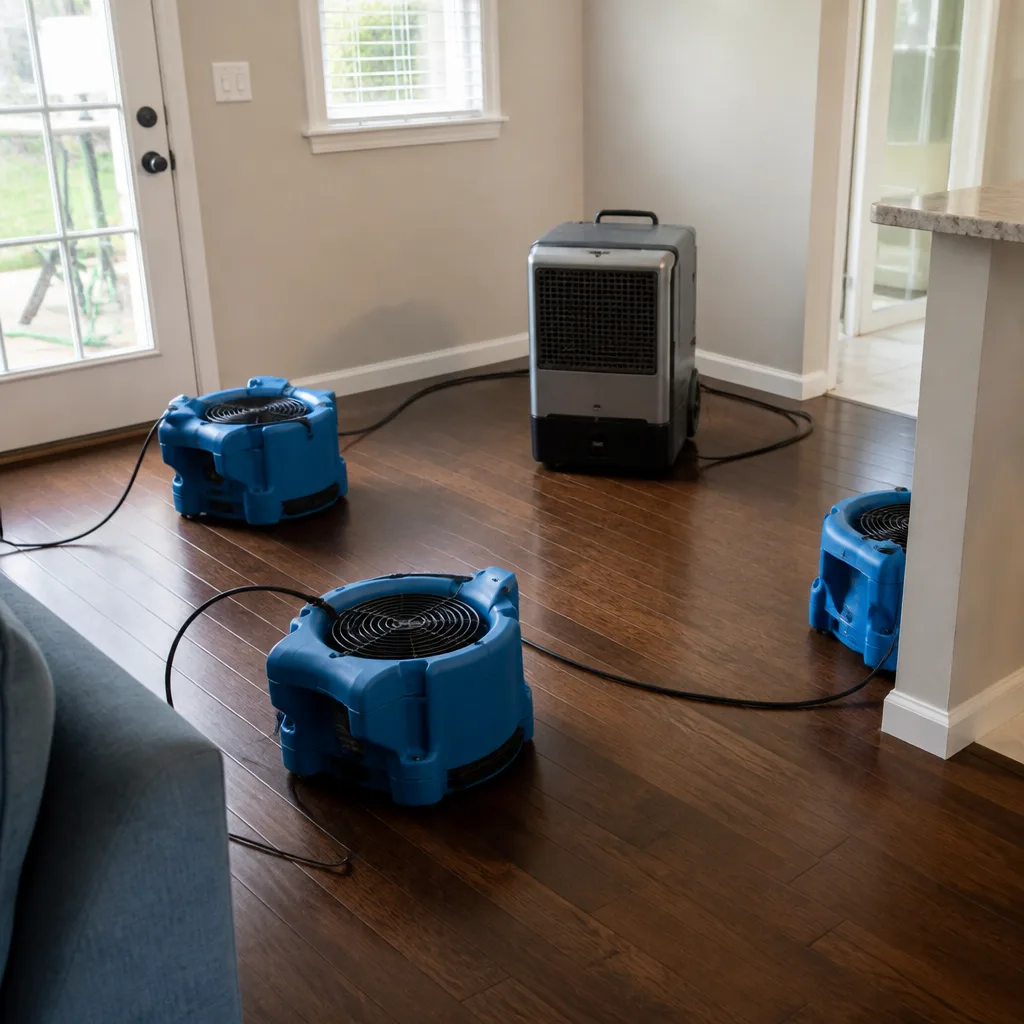
We stage Dri-Eaz dehumidifiers and XPOWER air movers in hallway clearances and unit interiors, with daily moisture readings logged until the dry standard is met. Negative-air containment is standard where dusty or suspect cavities are open to shared corridors.
Cleaning & Sanitization
We clean and sanitize affected surfaces using professional-grade antimicrobials appropriate to the water category. Personal property that can be restored gets packed out, cleaned, and documented room by room.
Asbestos & Specialty Treatment
In Fort Lee towers built before 1990, a water loss can require asbestos testing of floor tiles, pipe insulation, and ceiling materials before full drying and repair proceeds. We coordinate that testing and any required abatement so the job doesn’t stall on a regulatory hold.
Repairs & Restoration
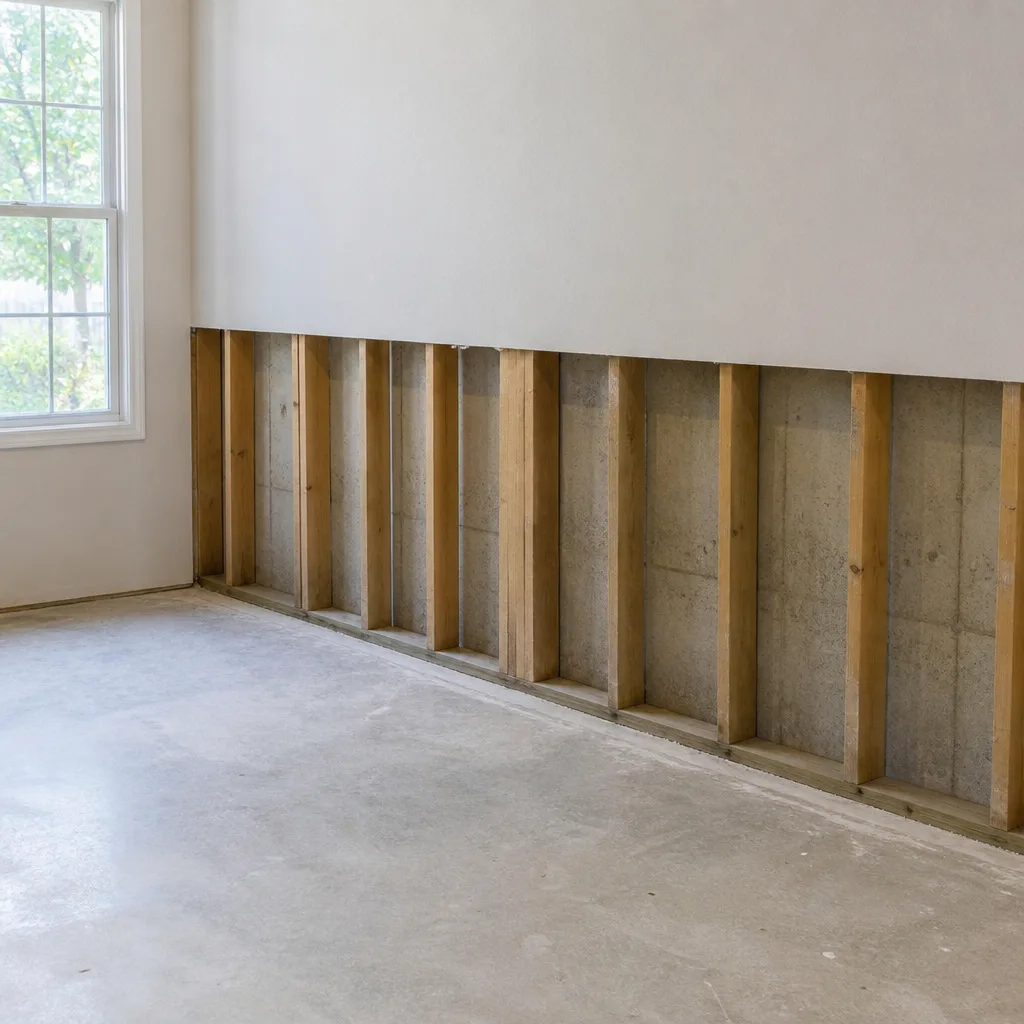
Once the structure is dry and our moisture log is handed to you and your carrier, the same crew rebuilds what was torn out. Drywall, trim, paint, flooring. The 90-Day Done Right Promise is in writing before we leave.
Need Emergency Water Damage Restoration in Fort Lee Now?
Crews minutes away, answering live 24 hours a day. The sooner we start, the less it costs.
Working With Your Insurance Company
Most Fort Lee condo losses involve multiple parties: your unit, the unit above, and the HOA’s common areas. We document from the first hour with photos, moisture logs, and a line-item scope that matches what your carrier expects. When a supply riser lets go on the 14th floor and three levels are affected, the adjuster wants to see daily drying readings, containment placement, and an honest accounting of what was wet and what wasn’t. We send that to the adjuster directly, and we bill the carrier directly, so you’re not floating the cost of a high-rise pack-out. Our work is recorded in a moisture log that goes to you and your insurer. If the carrier pushes back on something, our team talks to them, not you.
What We Provide Your Insurer
- Thorough documentation of the loss
- Photos of all damage, room by room
- Moisture readings and drying logs
- A detailed, line-item scope of work
- Direct coordination with your carrier
Built for Fort Lee’s Loss Calendar
Fort Lee’s water damage season starts in January, when a deep freeze finds a galvanized supply riser in a 1970s tower and splits it behind a cabinet. The first sign is often a wet ceiling in the unit two floors below, and by the time the break is isolated, water has run through ceiling gypsum, wall cavities, and maybe a light fixture. February thaws bring pipe failures in perimeter walls. Spring and summer bring wind-driven rain that finds aging curtain-wall window seals on the Palisades-facing units near Palisade Avenue. The borough sits high enough that riverine flooding isn’t the issue, but heavy rain can back up lower-street municipal sewer lines near the GWB approach, flooding below-grade parking garages and mechanical rooms. Come late summer, condensation on chilled-water risers in older towers creates slow, hidden moisture that shows up as staining and musty air in upper-floor corridors. The point is this: in Fort Lee, water damage usually comes from above or behind, not from a rising river. We plan for that.
Water Damage Restoration Across Fort Lee’s Neighborhoods
The Palisade Avenue corridor is where we see the most high-rise supply riser failures, especially in towers from the 1960s and 1970s with original plumbing. A single riser break above the 10th floor can put five to fifteen units into emergency mitigation before a property claim even gets filed, because the water follows the pipe chase down through the building. We respond with commercial-grade structural drying and negative-air containment almost immediately. Over near Lemoine Avenue, buildings trend slightly newer, but shared plumbing stacks and aging water heaters in small utility closets are common loss sources. The lower streets near the George Washington Bridge approach, around Center Avenue and Main Street, see more sewer backup into below-grade garages during heavy rain events, because the older municipal infrastructure there can’t always keep up. And across the residential blocks south of Fort Lee Road, including the Lincoln Harbor area, we handle a steady stream of ceiling and roof leak water damage tied to wind-driven rain penetrating flashing and parapet details on mid-rise buildings. In every neighborhood, tight street access and gridlock around Routes 4 and 9W mean a locally positioned crew has a real advantage. Our dispatchers know which buildings require HOA sign-in and which loading docks can take a truck without blocking a fire lane.
Specialized Water Damage Restoration Services We Offer in Fort Lee
Emergency Water Extraction
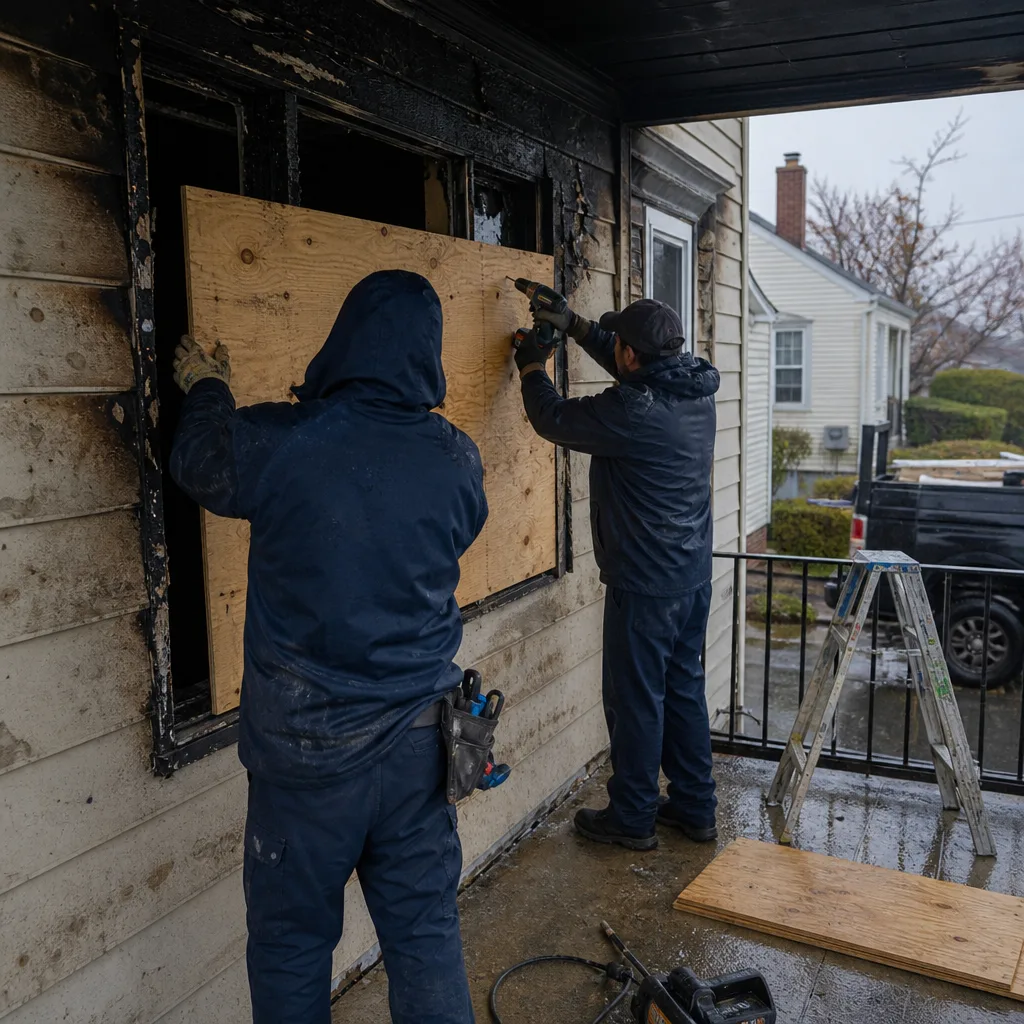
When a supply riser lets go on the 14th floor of Horizon House, the first two hours determine whether you’re drying three units or packing out fifteen. We bring truck-mounted extraction to the building’s loading dock and portable units up to the affected floor. Standing water is removed fast, and containment goes up around the affected area so wet drywall dust and suspect debris don’t reach shared corridors.
Structural Drying & Dehumidification
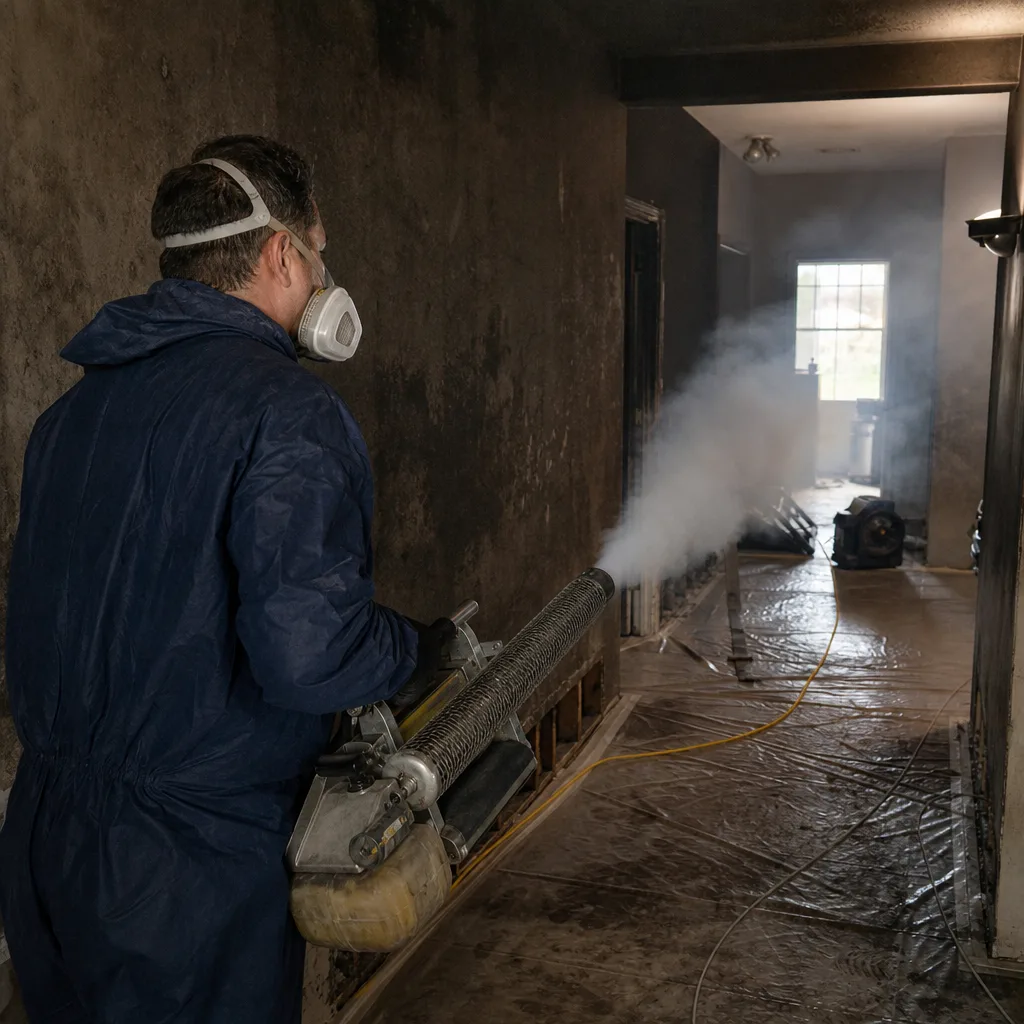
Drying a concrete high-rise is different from drying a wood-framed house. Slab-on-deck construction holds moisture in shallow cavities around plumbing risers, and concrete can look dry on the surface while staying soggy inside. We use penetrating meters daily, stage Dri-Eaz dehumidifiers and XPOWER air movers in hallway clearances, and run negative-air containment where cavities open to common spaces. The moisture log is yours, and your adjuster’s, every day until the dry standard is met.
Ceiling & Roof Leak Water Damage
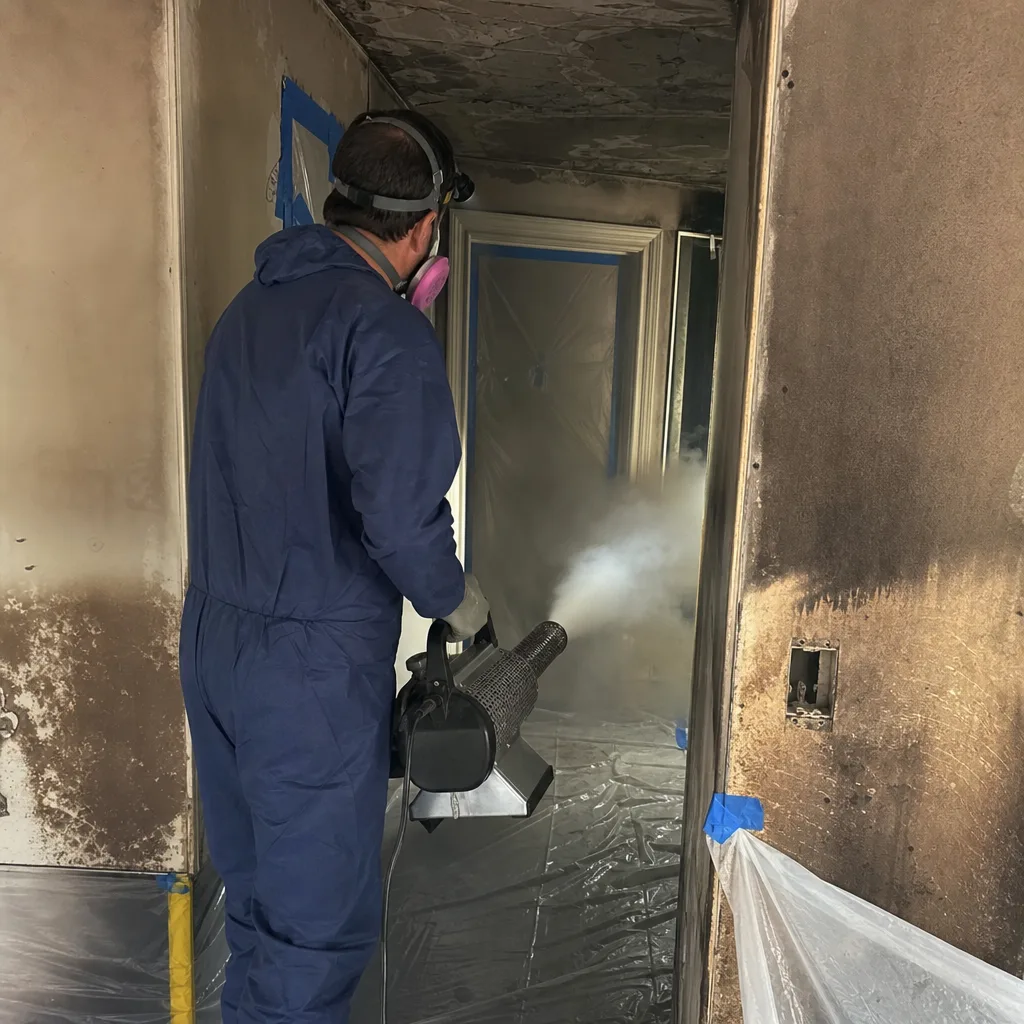
Fort Lee’s upper-floor units catch the full force of nor’easter winds coming across the Hudson. Aging perimeter window seals and deteriorating parapet flashings channel wind-driven rain straight into ceiling cavities, and the first sign is often a brown ring on a ceiling tile below a mechanical room. We trace the water path with thermal imaging, dry the cavity from the interior, and coordinate the necessary roof or seal repairs so the loss doesn’t repeat with the next storm.
Flood Cleanup
When heavy rain backs up the lower-street sewers near the GWB approach, below-grade garages and mechanical rooms in lower Fort Lee take on Category 3 water. That’s a full extraction, disinfection, and drying job with containment, and we treat it as such. No shortcuts on sewage-affected concrete, and no opening walls until we’ve confirmed the water category and containment is in place.
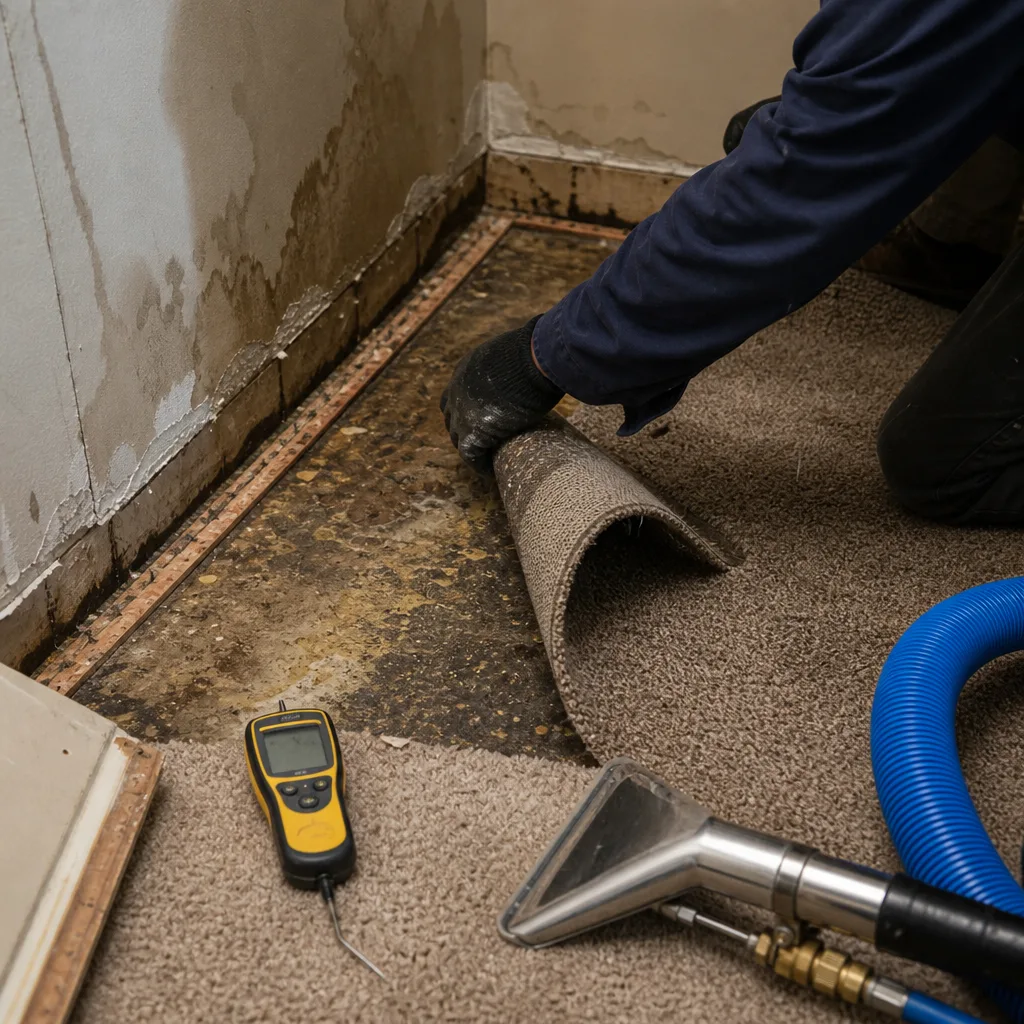
Burst Pipe Restoration
A burst pipe in a Fort Lee tower is rarely a one-unit problem. We isolate the building’s water supply, coordinate with the HOA or building superintendent, and start extraction while the supply is off. In pre-1990 towers, we watch for asbestos-containing pipe insulation and floor tiles, so a plumbing repair doesn’t turn into a full-building regulatory hold.
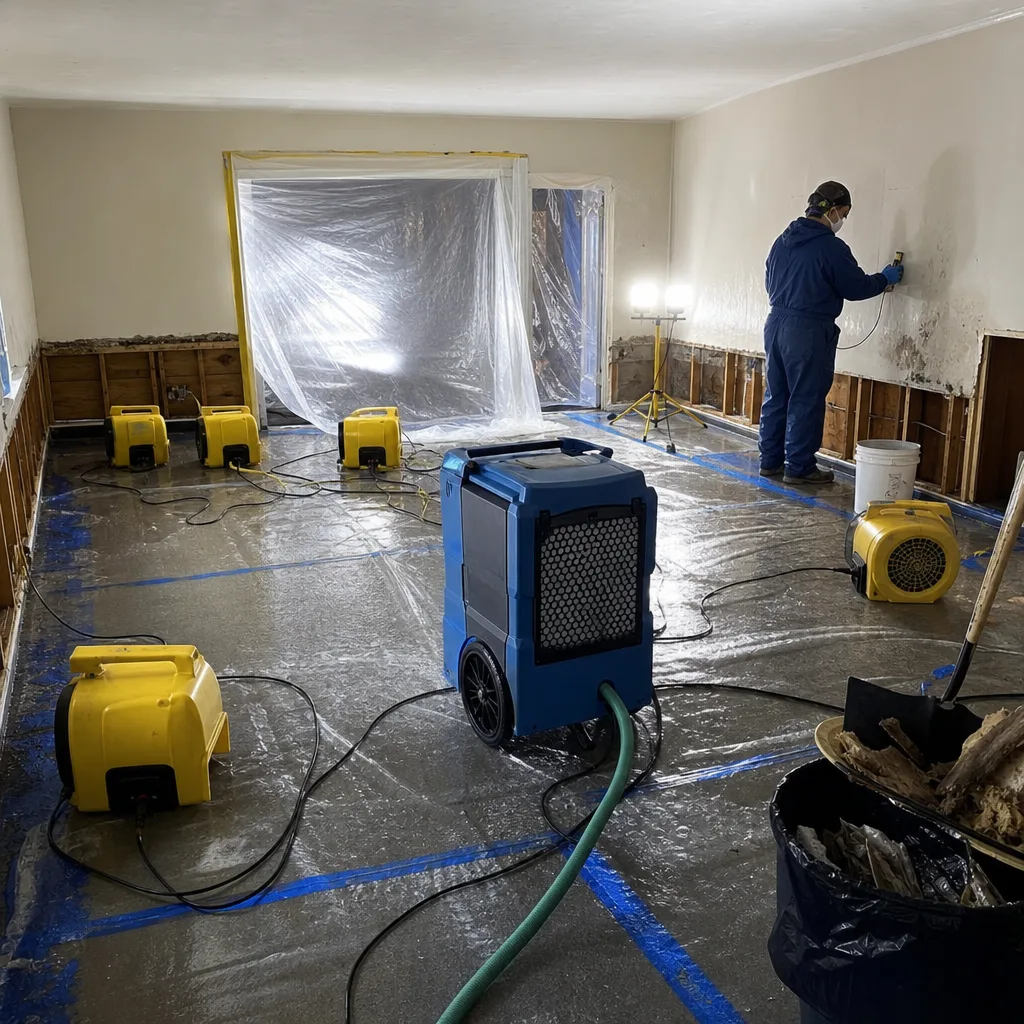
Basement Water Removal
The small number of single-family and row homes in Fort Lee with actual basements deal with a different kind of water: seepage through foundation walls after heavy rain, sump pump failures during power outages, and water heater ruptures. We remove the water, dry the space, and give you a straight answer on whether the source is a one-time event or something that needs waterproofing work.
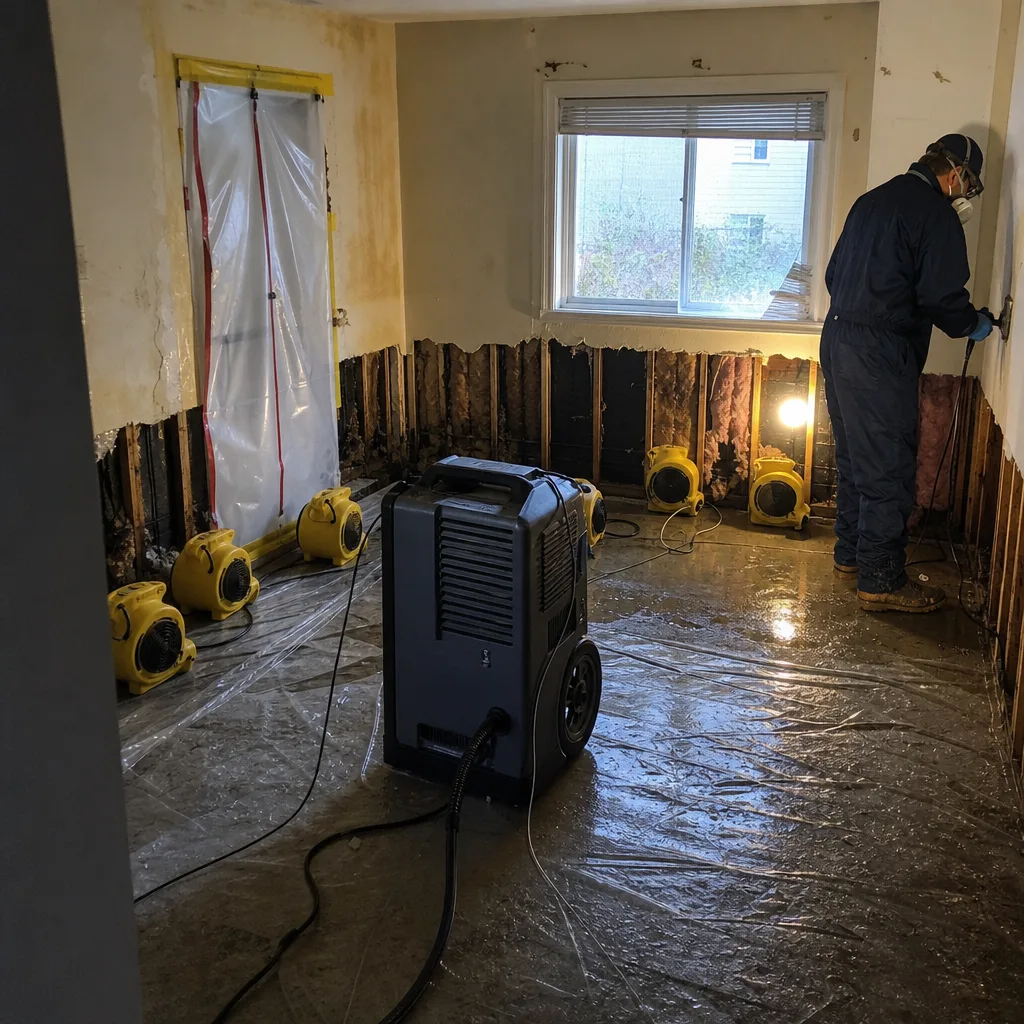
What happens when you call
- 1
A real person answersNo phone trees - you reach a local pro.
- 2
You get an upfront price rangeHonest numbers before anyone is dispatched.
- 3
A background-checked tech heads outLicensed & insured, dispatched right away.
- 4
You approve before work beginsNothing starts until you say go.
Water Damage Restoration Costs in Fort Lee, NJ
In Fort Lee’s high-rise stock, costs run higher than a single-family home in Bergen County because of containment, vertical access, and HOA coordination. A standard Category 1 pipe break in a 2-bedroom condo runs $2,400-$4,600 for extraction, drying, and minor repairs. A larger loss involving a supply riser and multiple units can hit $6,000-$12,000 depending on how many levels are wet and whether asbestos testing or abatement is triggered. Basement sewage backups in the lower streets run $4,500-$10,000 because Category 3 water requires full disinfection and often slab cutting. Ceiling and roof leak damage from wind-driven rain typically runs $1,800-$5,200, depending on the number of units affected along a shared wall. What moves the price: unit floor, access to loading docks, the age of the building, whether asbestos-containing materials are present, and how fast the water was shut off. Our free visual inspection gives you a firm scope in writing, so there’s no surprise when the crew starts work. The $50 Off Any Repair Over $250 and the 5% senior and veteran discount always apply. Call (201) 729-3780 for an exact quote and we’ll walk the site with you.
We Also Serve Cities Near Fort Lee
Our crews regularly respond to Water Damage Restoration calls in Leonia, Palisades Park, Englewood Cliffs, and Ridgefield Park. The same live 24-hour dispatch, the same 45-minute response target, and the same crews that know local building types. If you’re just outside Fort Lee, call (201) 729-3780 and we’ll get someone moving.
Serving Fort Lee, NJ - Our Local Coverage Area
We’re based in the Fort Lee area and know this community well. Use the map below to see our service coverage - if you’re nearby, we can almost certainly help.
Fort Lee Water Damage Restoration Questions, Answered
How fast can a water restoration crew realistically reach a 20th-floor unit near the GWB when Route 4 is backed up?
We target 45 minutes for a Fort Lee unit, even when Routes 4 and 9W are jammed. We stage crews near the borough so we’re not driving in from across Bergen County at the worst possible hour. Once the tech is at your building, HOA check-in and elevator access can add 10 to 15 minutes. Call (201) 729-3780 and the dispatcher will give you a real-time ETA.
Do Fort Lee high-rises make us cut power to-unit breakers for drying, and is that safe for elderly residents?
We often need to run drying equipment on dedicated circuits, and in older towers we coordinate with building management before switching any breakers. For elderly residents, we make sure the refrigerator, medical equipment, and essential outlets stay powered, and we label every panel clearly. Safety first, and we work around the resident’s needs, not the other way around.
Will our water damage restoration trigger an asbestos hold that delays reopening my condo?
In pre-1990 Fort Lee towers, it can. If water damaged floor tiles, pipe insulation, or ceiling materials from that era, asbestos testing is often required before we cut into those areas. We coordinate the testing and any needed abatement early so the hold doesn’t stall your job for weeks. The sooner we document the loss, the sooner we can flag which materials need testing.
What is the dry-out target for a Fort Lee high-rise slab-on-deck with hard-to-reach cavities around plumbing risers?
On a slab-on-deck high-rise, we target the IICRC dry standard for the specific materials involved, typically 3 to 5 days for gypsum wall cavities and 5 to 7 days where concrete and masonry are saturated. We place penetrating meters in the riser cavities and log daily readings until the numbers hold. The moisture log goes to you and your carrier.
Does our restoration process respect the HOA’s rules about hallway air movers and stairwell door chocks?
Yes. We check the building’s house rules before placing anything in shared corridors, and we use Hallway clearance staging only with management’s approval. No stairwell door chocks unless the HOA or building engineer signs off, and we never block a fire lane or egress path. We’ve been in enough Fort Lee towers to know the rules before we arrive.
How long does full water damage restoration take in a Fort Lee condo?
Most Category 1 losses in a Fort Lee condo are dry in 3 to 5 days, with repairs running another 5 to 14 days after that. A multi-unit riser break can take 3 to 6 weeks total once containment, asbestos testing, and rebuild are included. We’ll give you a realistic timeline after the first inspection, not a guess.
Can we stay in our unit during structural drying?
Usually, yes, for a single-unit loss. If we’re running negative-air containment with asbestos concerns, or if the loss affects multiple units and corridors, it’s safer to relocate for the first few days. We’ll tell you straight either way after the first walk-through.
What should I do in the first 30 minutes after discovering water damage in my Fort Lee unit?
Call the building superintendent or HOA to shut off the water if it’s still running, then call us immediately. Don’t use a shop vac on water that may be contaminated. Don’t open walls. If electrical outlets or fixtures are wet, don’t touch them. Move small valuables out of the wet area. The faster we document the loss and start extraction, the less spread you’ll have. Call (201) 729-3780 and a live dispatcher will walk you through it.
Written by Curt Bowman, Owner at Floodline Restoration Co., serving Fort Lee since 2010.