

Free visual inspection and a written scope of work before any mitigation begins - photos, moisture readings, and drying logs go in your claim file
The scope we write is the scope we bill. Anything new gets shown to you, in writing, before we touch it.

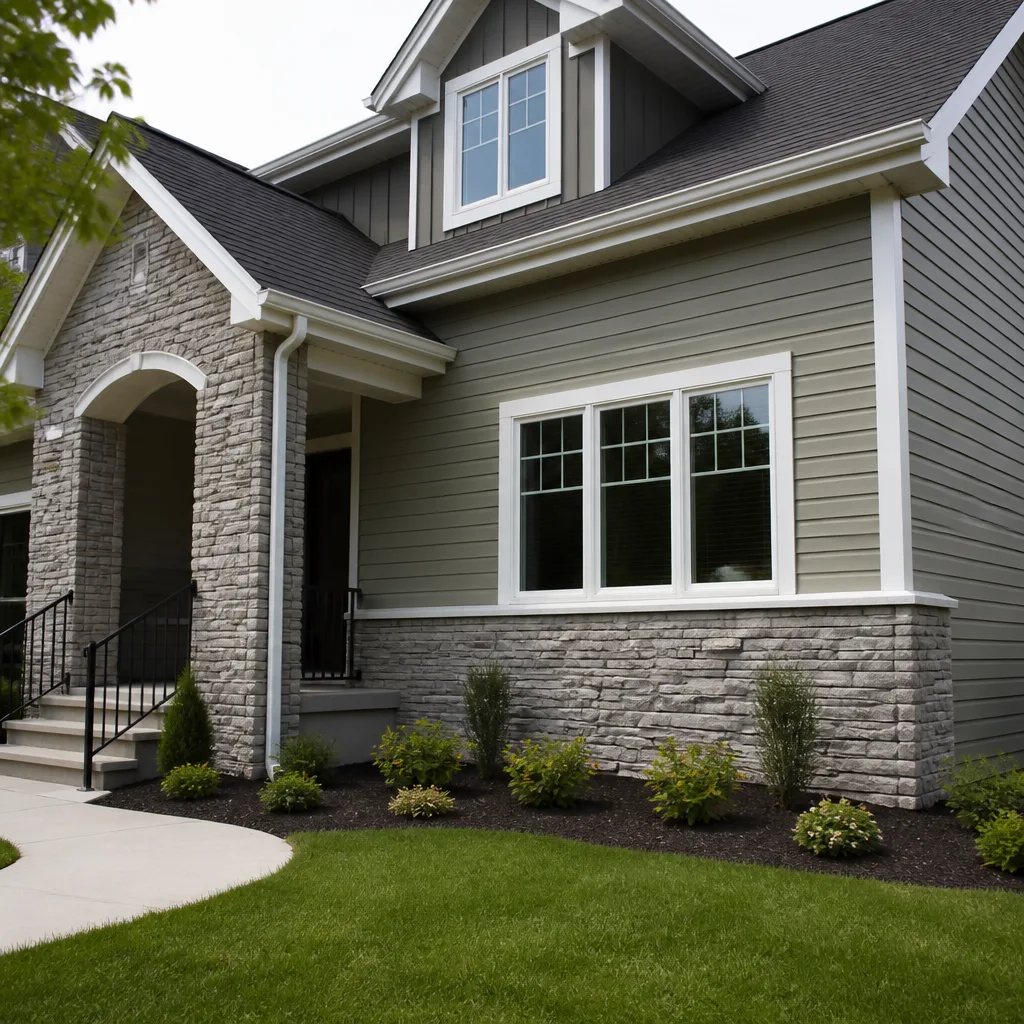
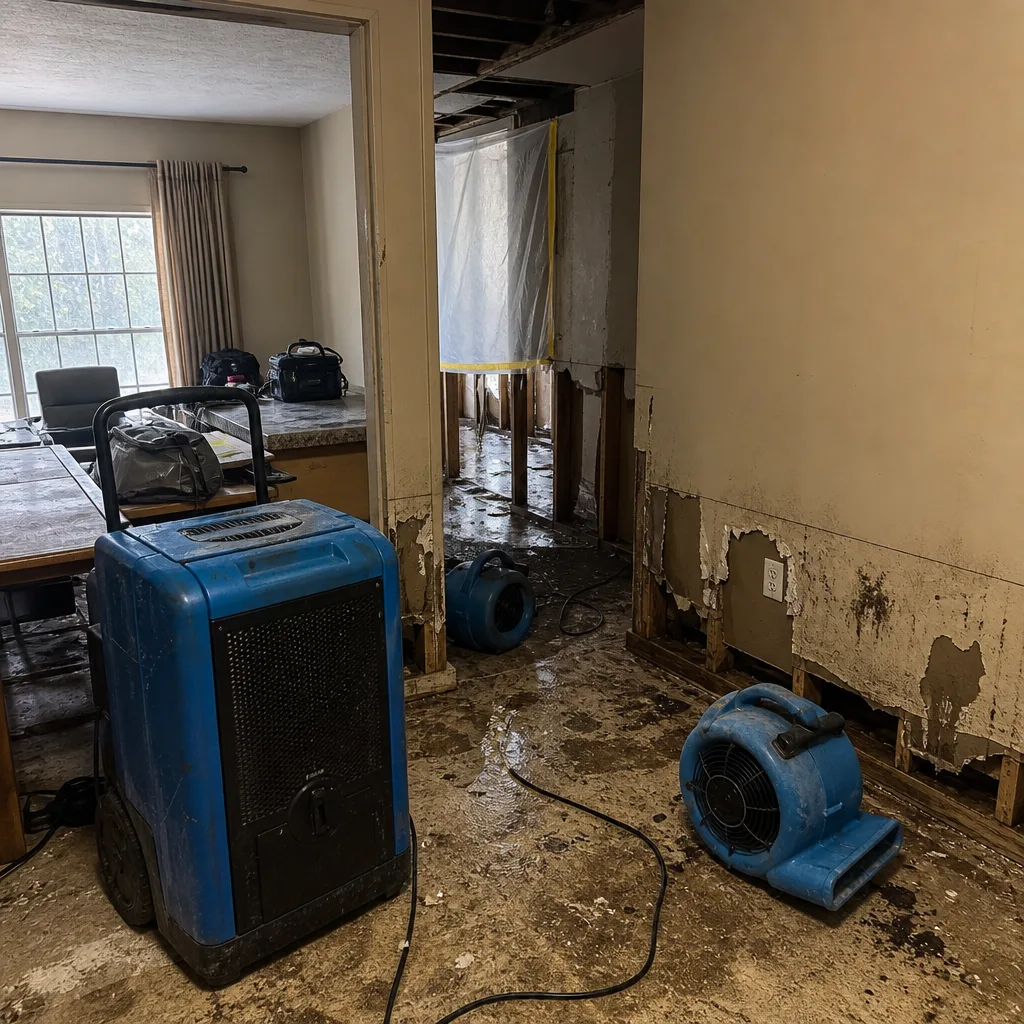 Before
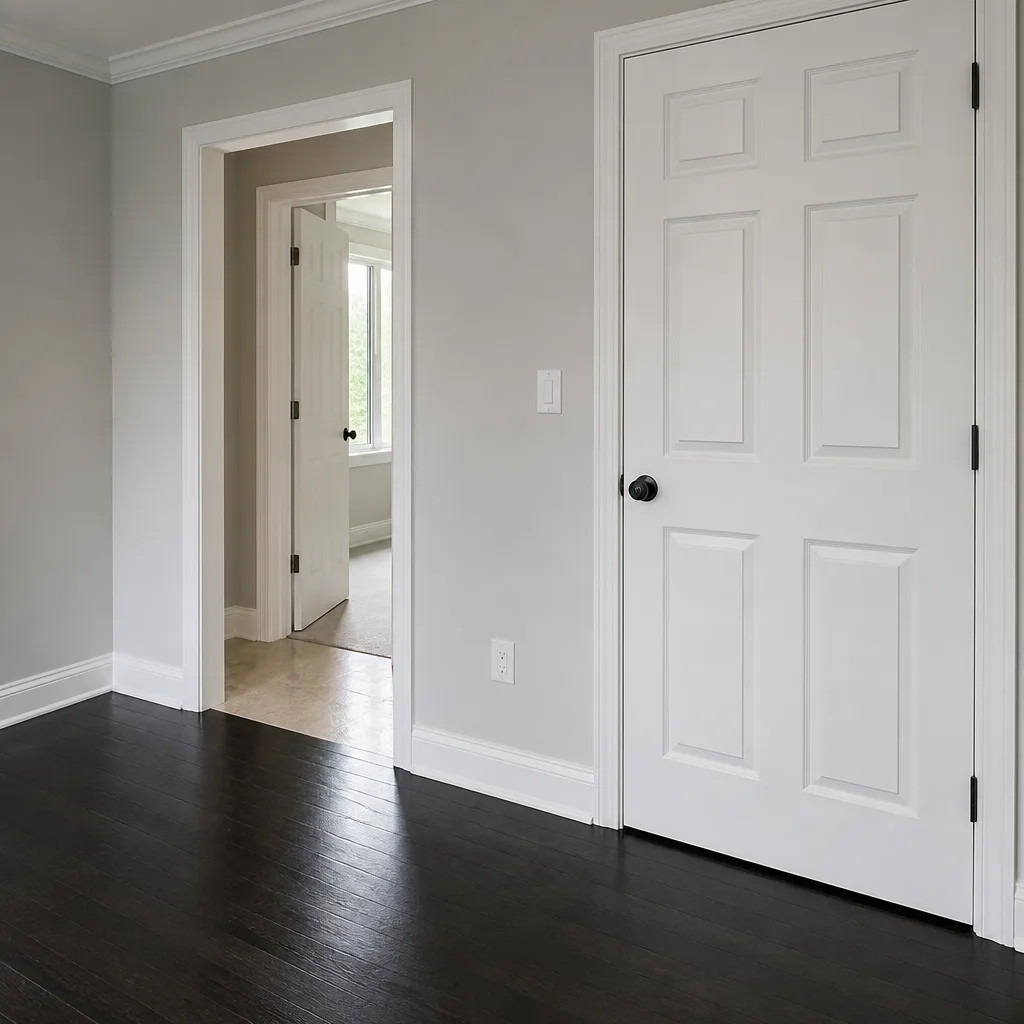 After
After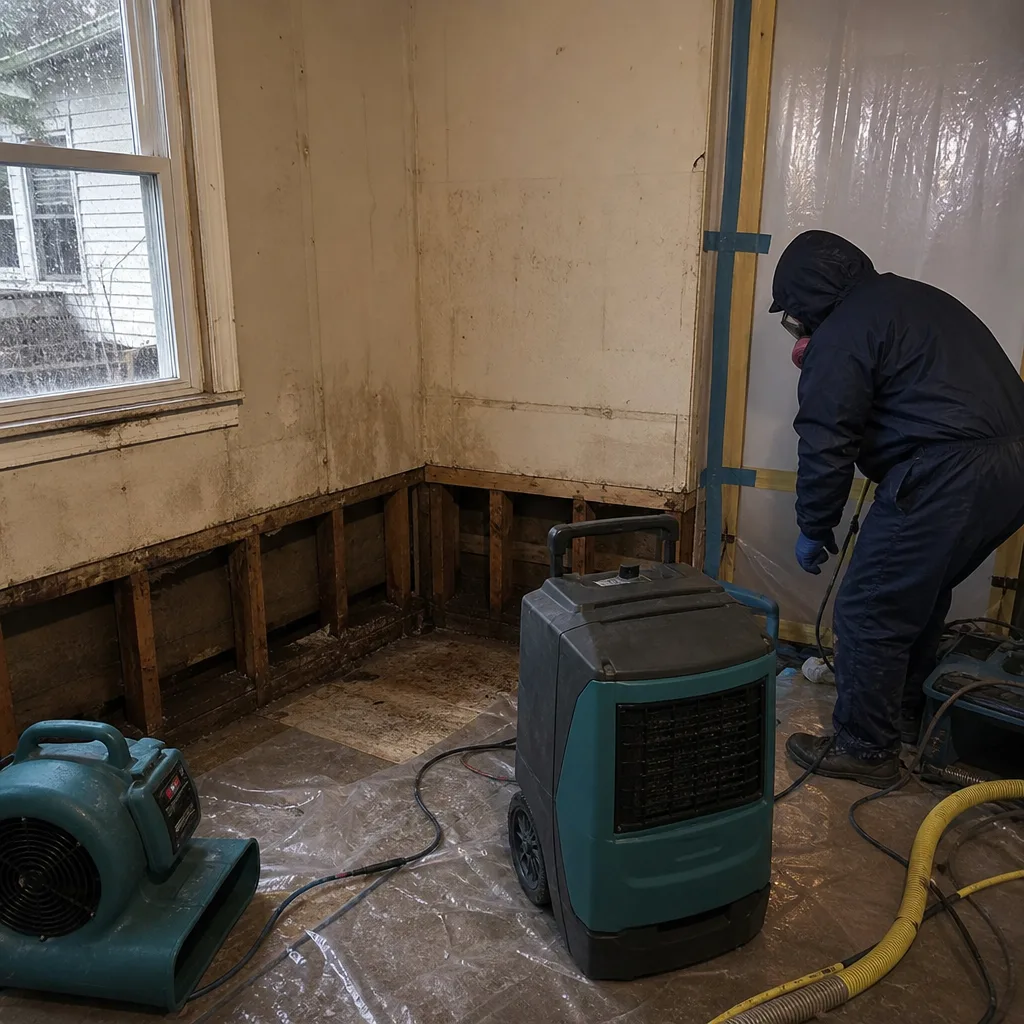 Before
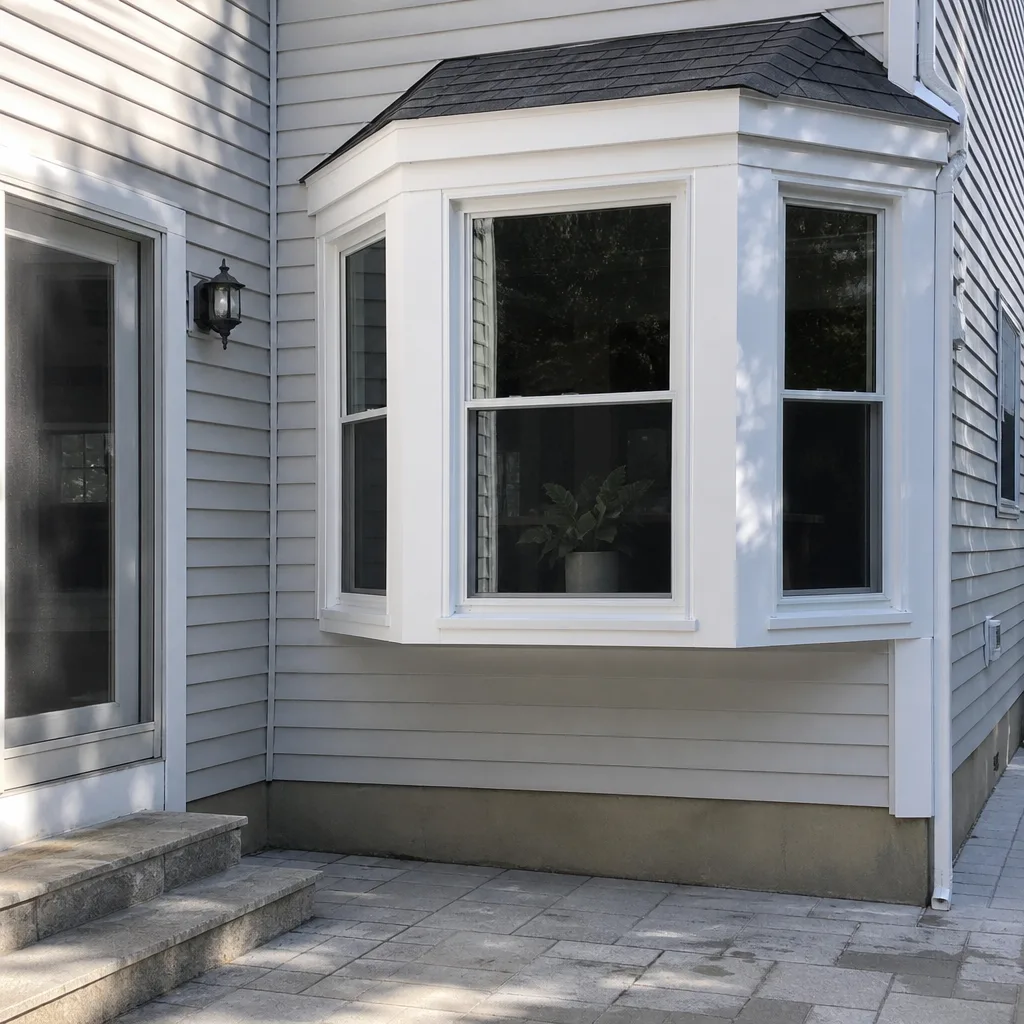 After
After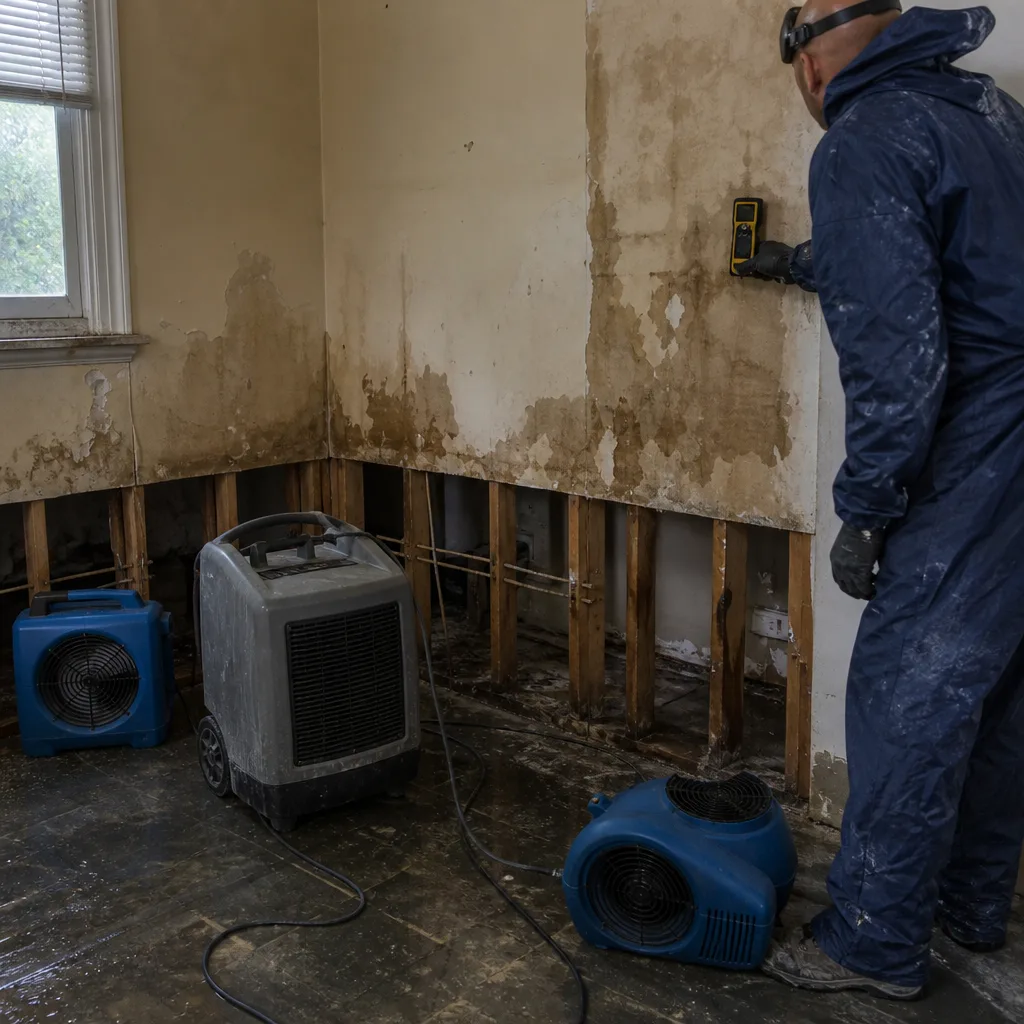 Before
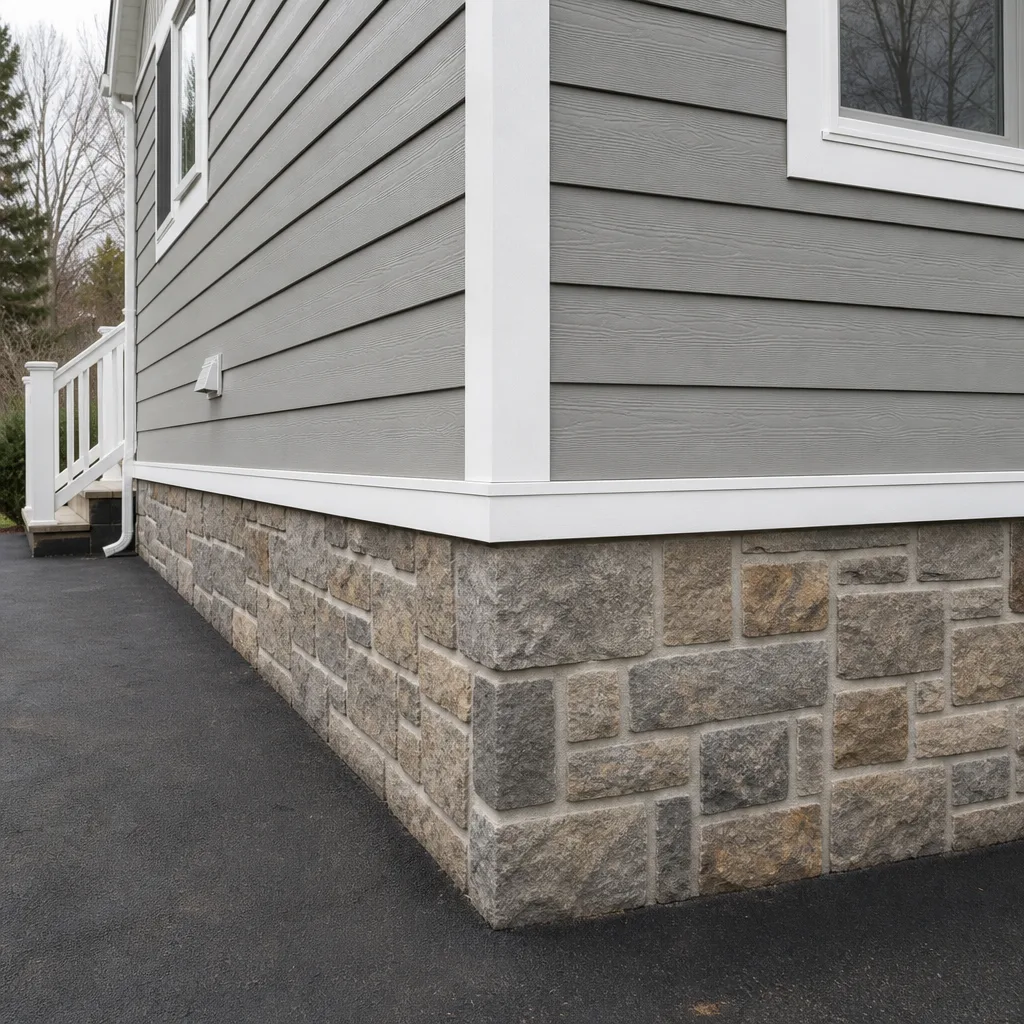 After
After24/7 Emergency Reconstruction & Cleanup in Ridgefield Park
Reconstruction and cleanup after a tidal flood in Ridgefield Park typically means more than pumping water out. Because the village sits on the tidal Hackensack River, most basement losses start as Category 3 black-water events. That changes the entire scope. Our crews answer live at (201) 729-3780 around the clock, and we dispatch into Ridgefield Park within 45 minutes for emergency stabilization. The first hour matters because contaminated river water and meadowlands silt keep working into wood, plaster, and block long after the standing water is gone.
We do not hand the job off between extraction and rebuild. The same Floodline Restoration Co. crew that removes the water also dries the structure, documents the loss for your carrier, and rebuilds what needed to come out. One team, one scope, one name to hold accountable.
Understanding Reconstruction & Cleanup Severity in Ridgefield Park Properties
Reconstruction and cleanup in Ridgefield Park carries a severity profile that inland Bergen County towns rarely see. The village’s housing stock runs heavily to 1920s through 1950s wood-frame construction on full basements, and those basements sit at or near the Hackensack River’s water table. When a nor’easter pushes tidal surge up the river, drainage backs up through floor drains and sumps even when local rainfall was modest. The water that enters is not clean. It is Category 3: brackish river water carrying Hackensack Meadowlands sediment, microorganisms, and salt.
That classification governs everything. Category 1 or 2 water from a burst supply line can often be dried in place. Category 3 water requires containment, removal of saturated porous materials, antimicrobial treatment, and substantially longer structural drying. Plaster walls and balloon-frame cavities absorb contaminated water deeply and release it slowly. Moisture mapping with thermal imaging and hygrometers tells us where the water traveled, including cavities that look dry from the outside. Skipping that step means rebuilding over wood that still holds brackish water, and the new drywall fails from behind within months.
Why Ridgefield Park Property Owners Choose Floodline Restoration Co.
- 45-minute response commitment. Our local crews stage near Ridgefield Park, and a live dispatcher confirms your call immediately, day or night.
- 24/7 live answer, never an automated system. A person picks up at 2 a.m. Not a recording. That is our standard, and it has been since 2010.
- IICRC-certified crews. Our technicians hold WRT, FSRT, and AMRT certifications and follow the standards those codes require, on every job.
- Free visual inspection. We walk the property, map the moisture, and tell you what needs to come out before any work is authorized.
- Direct insurance billing. We document the loss, we talk to your adjuster, and we bill the carrier directly. You are not the messenger.
- One team from extraction to reconstruction. The crew that reads the moisture map on day one is the crew that rebuilds the wall. No mid-job handoff, no inherited subcontractors.
Our Reconstruction & Cleanup Process
Inspection & Assessment
We start with a full visual inspection and moisture mapping using thermal imaging and hygrometers. For Category 3 losses, we identify every surface the contaminated water touched, including wall cavities and sill plates. You get a written scope before any removal begins.
Extraction & Stabilization
Standing water comes out with truck-mounted extraction units. Contaminated materials are cut out and bagged for disposal. We set containment barriers to keep silt and spores from moving into living spaces.
Drying & Dehumidification
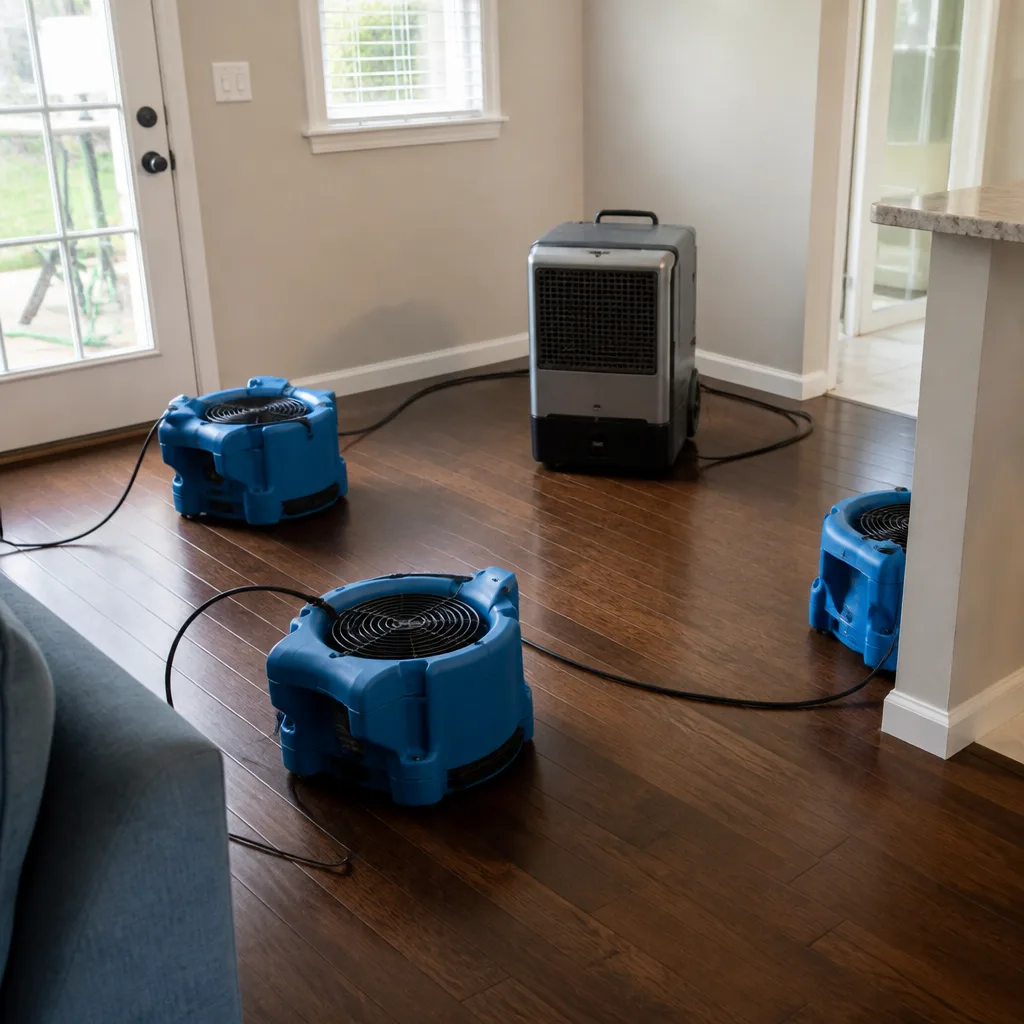
We run professional-grade Dri-Eaz and Phoenix air movers and dehumidifiers, with daily moisture readings logged until the structure hits the dry standard. For plaster walls and old framing, this phase runs longer than it would with modern drywall.
Cleaning & Sanitization
All exposed surfaces get HEPA vacuuming and antimicrobial treatment. Meadowlands silt embeds in porous concrete block, so we physically agitate and vacuum foundation walls rather than wiping them down. That residue holds pathogens and salts.
Contents Restoration & Pack-Out
Salvageable belongings are inventoried, packed out, cleaned, and stored off-site until the rebuild is complete. Items that cannot be saved are documented for your claim. Nothing gets thrown away without a photo and a line item.
Repairs & Restoration
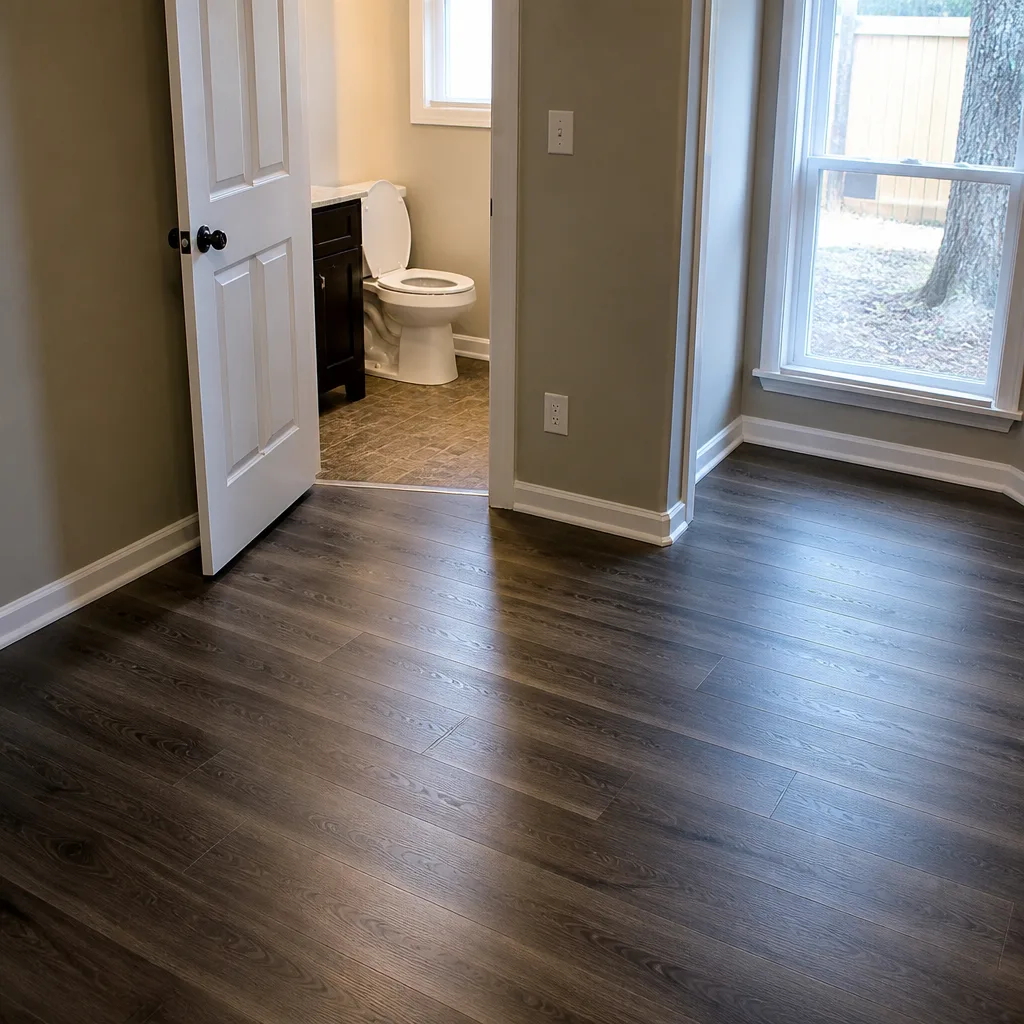
We rebuild with moisture-resistant drywall, sealed joints, and materials suited to a basement that sits near the river’s water table. The work is finished by the same crew that started it, and it is backed by our 90-Day Done Right Promise in writing.
Need Emergency Reconstruction & Cleanup in Ridgefield Park Now?
Crews minutes away, answering live 24 hours a day. The sooner we start, the less it costs.
Working With Your Insurance Company
Most Ridgefield Park reconstruction claims involve a tidal flood or a backed-up drain, and carriers scrutinize those losses carefully. We document from the first hour: photos of standing water at the point of entry, moisture readings by room, and a line-item scope that separates mitigation from rebuild. Our team sends the adjuster daily drying logs and photos of everything that came out. When the carrier needs to speak with someone who was on site, they speak with the crew lead who did the work, not a call center. Direct insurance billing means the carrier pays us for covered work, and you are not fronting money while the claim is processed.
What We Provide Your Insurer
- Thorough documentation of the loss
- Photos of all damage, room by room
- Moisture readings and drying logs
- A detailed, line-item scope of work
- Direct coordination with your carrier
Built for Ridgefield Park’s Loss Calendar
Reconstruction and cleanup calls in Ridgefield Park follow a distinct rhythm. Winter brings deep freezes that burst supply lines in unheated 1920s basements, sending clean water through plaster and hardwood. Spring thaw and heavy rain push groundwater up through old block foundations, and sump pumps fail. Summer thunderstorms can drop several inches in an hour, overwhelming the village’s drainage and backing water through floor drains. Fall and winter nor’easters are the worst: tidal surge travels up the Hackensack River, backs up drainage across the low-lying meadowlands-adjacent blocks, and brings Category 3 water into basements that had never flooded before Superstorm Sandy. We prepare for that calendar specifically. The equipment we stage for Ridgefield Park includes extra containment and antimicrobial supplies, because we know a significant share of losses here are black-water events from day one.
Reconstruction & Cleanup Across Ridgefield Park’s Neighborhoods
Response routes through Ridgefield Park follow the village’s geography. The blocks closest to the Hackensack River, including the streets running east of Route 46 toward the water, see the deepest Category 3 flooding and the heaviest meadowlands silt deposits. Homes near the Village Center, with its older commercial and residential mix, often present tight access for extraction equipment and protected interiors that require extra containment care. The residential streets off Teaneck Road and Mount Vernon Street include many of the village’s 1920s and 1930s balloon-frame houses, where contaminated water travels quickly through open wall cavities and pushes contamination far beyond the visible damage. Along the Overpeck Creek side, groundwater intrusion through block foundations is a chronic issue even without a storm. Each of those areas needs a different reconstruction approach, and we adjust the scope to the building, not the other way around.
Specialized Reconstruction & Cleanup Services We Offer in Ridgefield Park
Full-Service Reconstruction
We rebuild Ridgefield Park basements and living spaces after flood, fire, or mold losses. That means framing, drywall, flooring, trim, paint, and finish work, performed by the same crew that handled the mitigation. For river-side blocks, we use moisture-resistant materials and seal joints against the humidity and salt air that shorten the life of standard drywall.
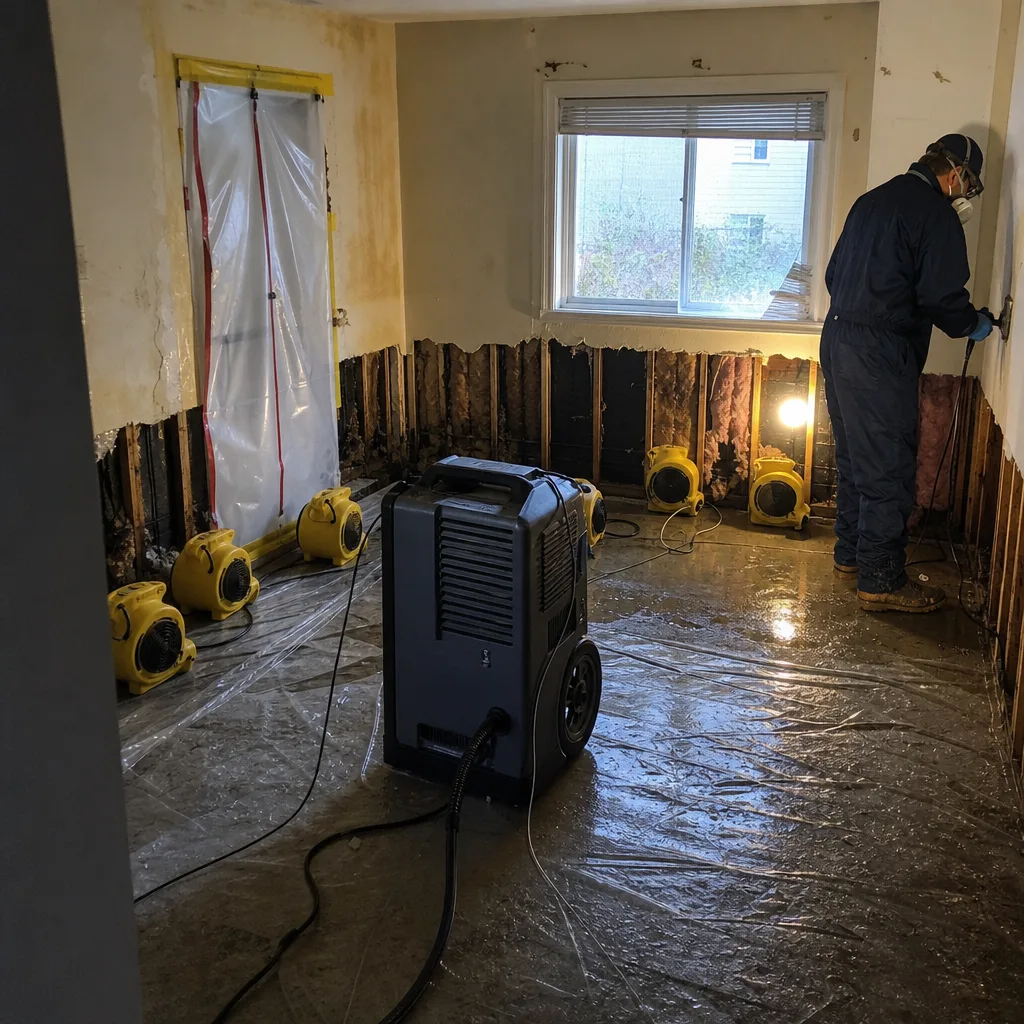
Drywall & Flooring Repair
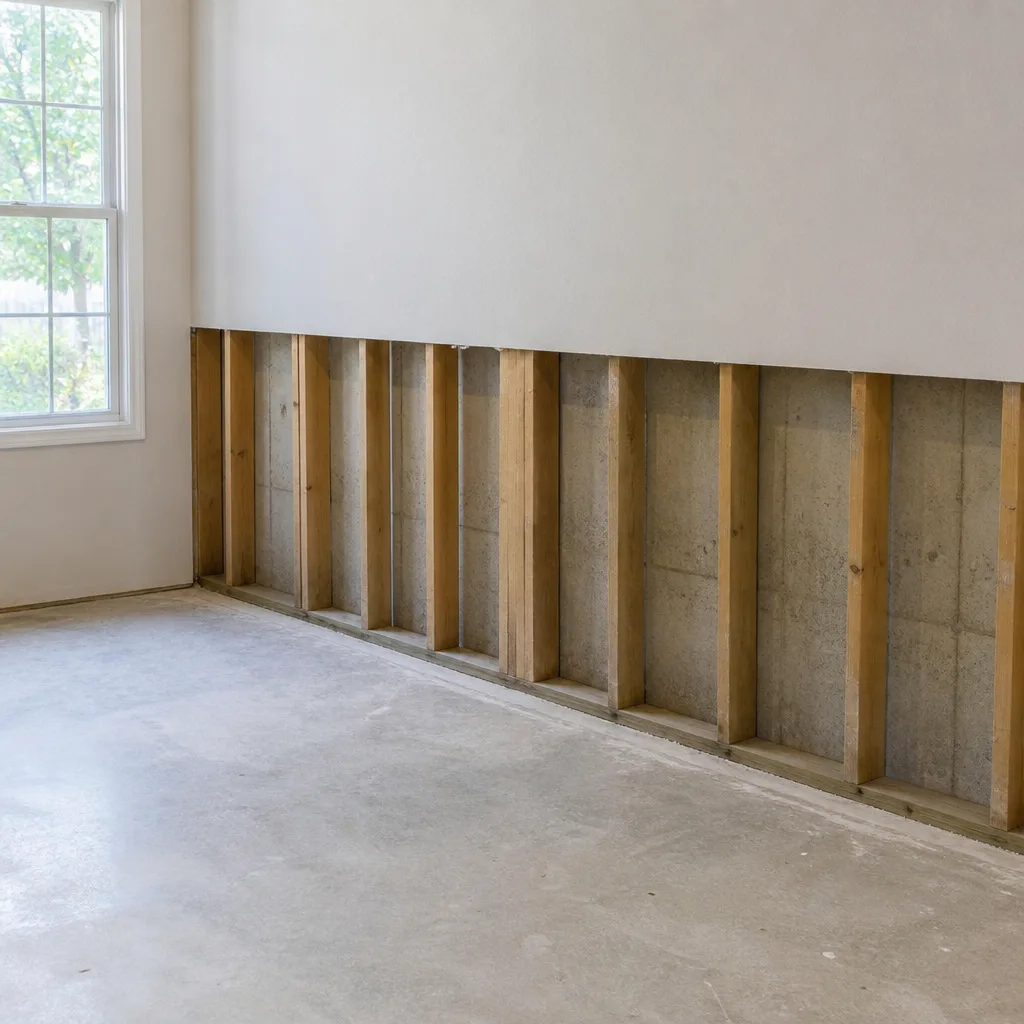
Contaminated water wicks upward through drywall and under flooring. In Ridgefield Park’s older homes, that often means removing two feet of wall board to reach what the water touched, then replacing flooring down to the subfloor. We do not patch over wet cavities. We open them, dry them, and rebuild them.
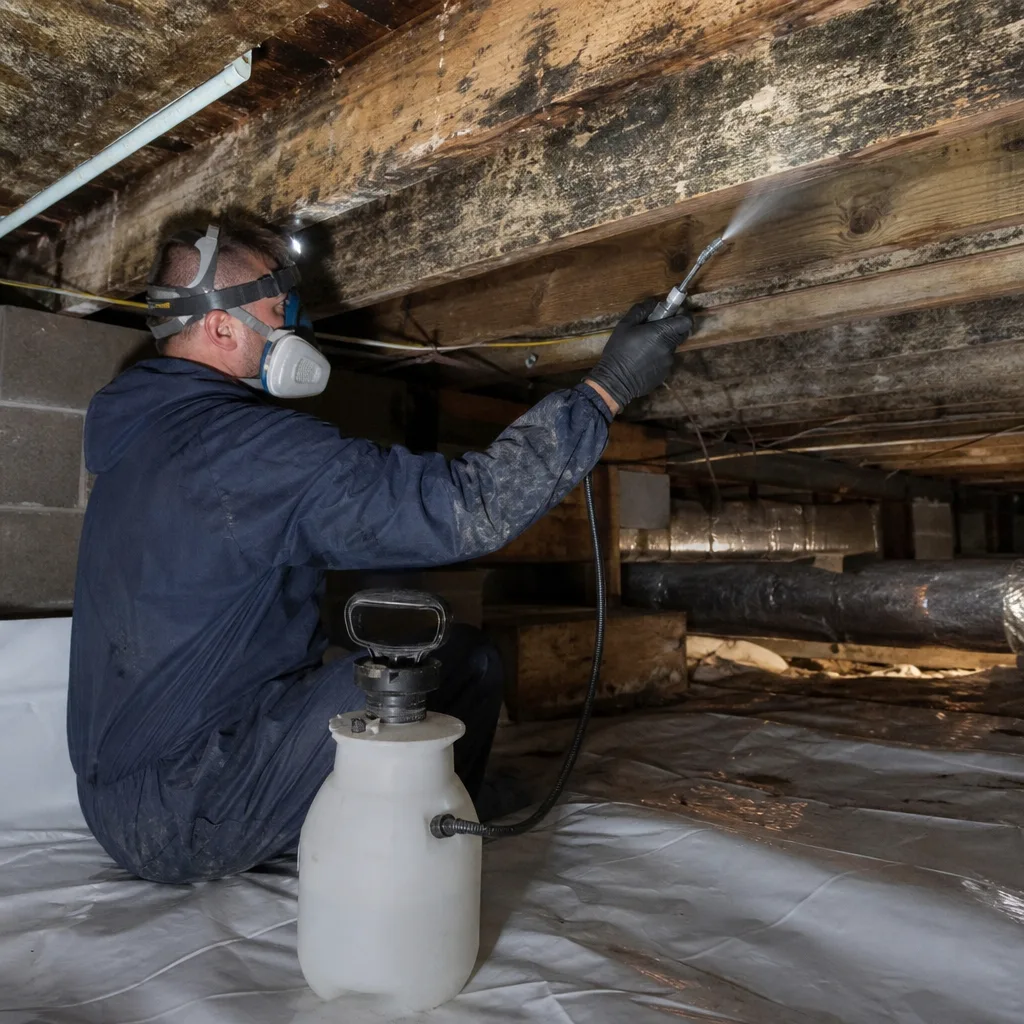
Contents Restoration & Pack-Out
When a basement floods with Category 3 water, belongings need to be removed, cleaned, and stored while the structure dries. We inventory everything, document what cannot be restored for your claim, and clean salvageable items at our facility. This matters especially for Ridgefield Park homeowners with decades of stored belongings in full basements.
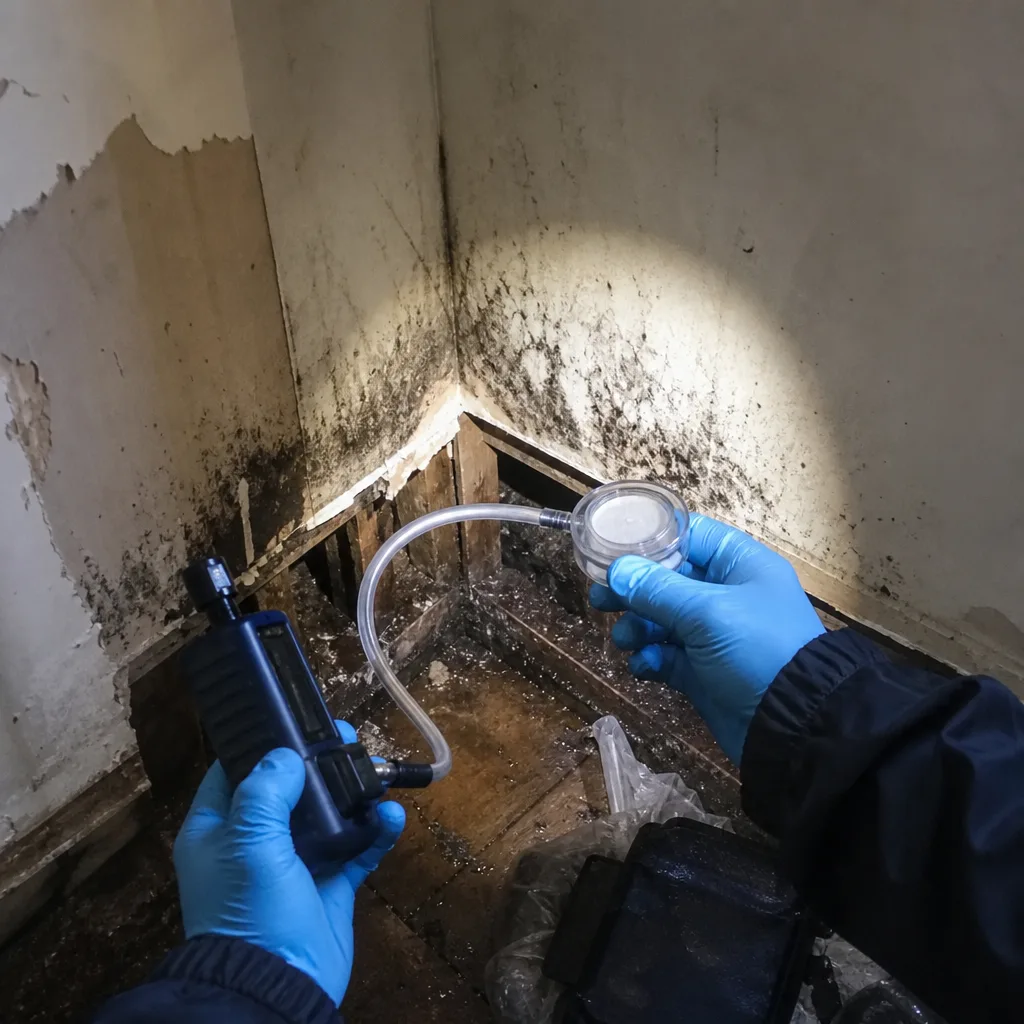
Carpet & Upholstery Cleaning
For losses that do not require full replacement, we clean carpet and upholstery with extraction units and dry the materials in place where the dry standard allows. Flood-contaminated carpet in Category 3 events is generally not salvageable, and we will tell you that plainly rather than cleaning something that will re-contaminate the room.
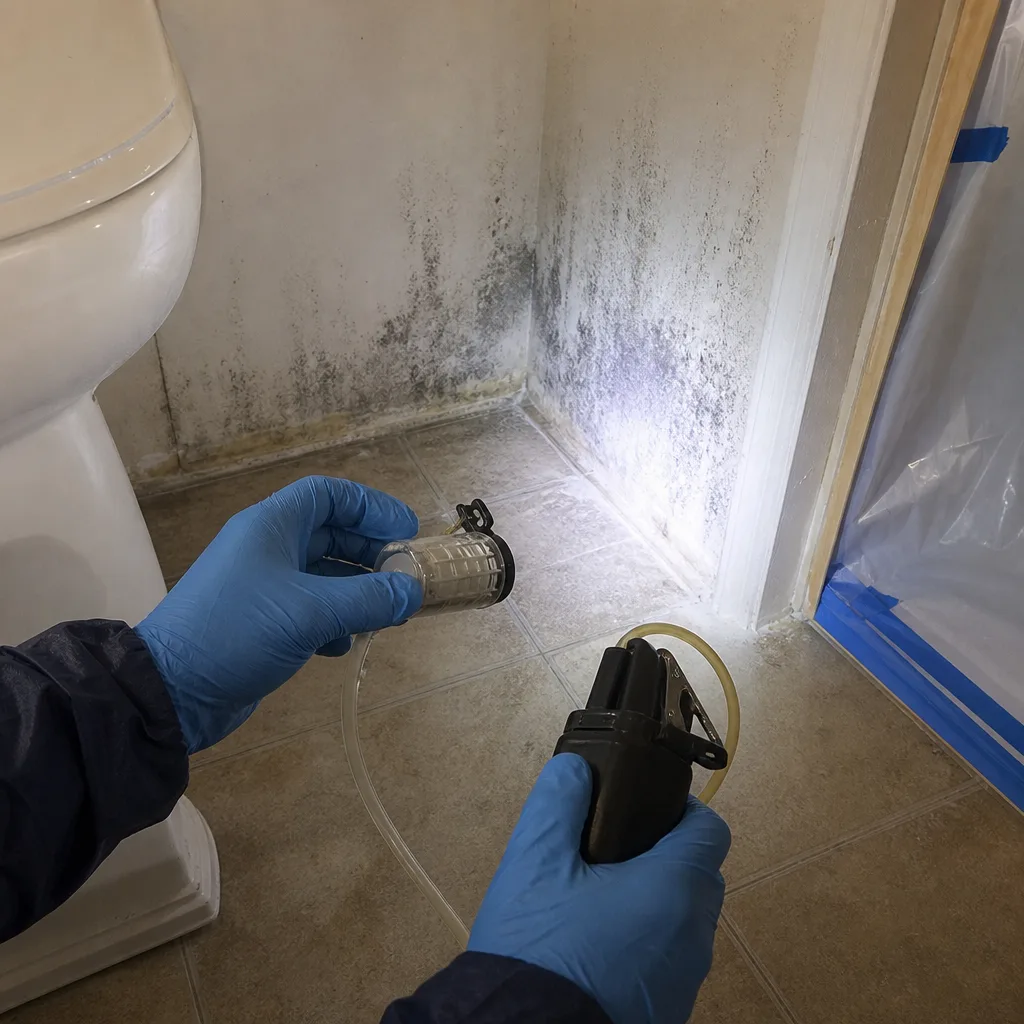
Post-Construction Cleanup
After the rebuild is complete, we remove construction dust and debris, HEPA-vacuum surfaces, and leave the space ready to use. In Ridgefield Park’s older homes, post-construction cleanup also means checking that no silt residue was tracked into living areas during the rebuild.
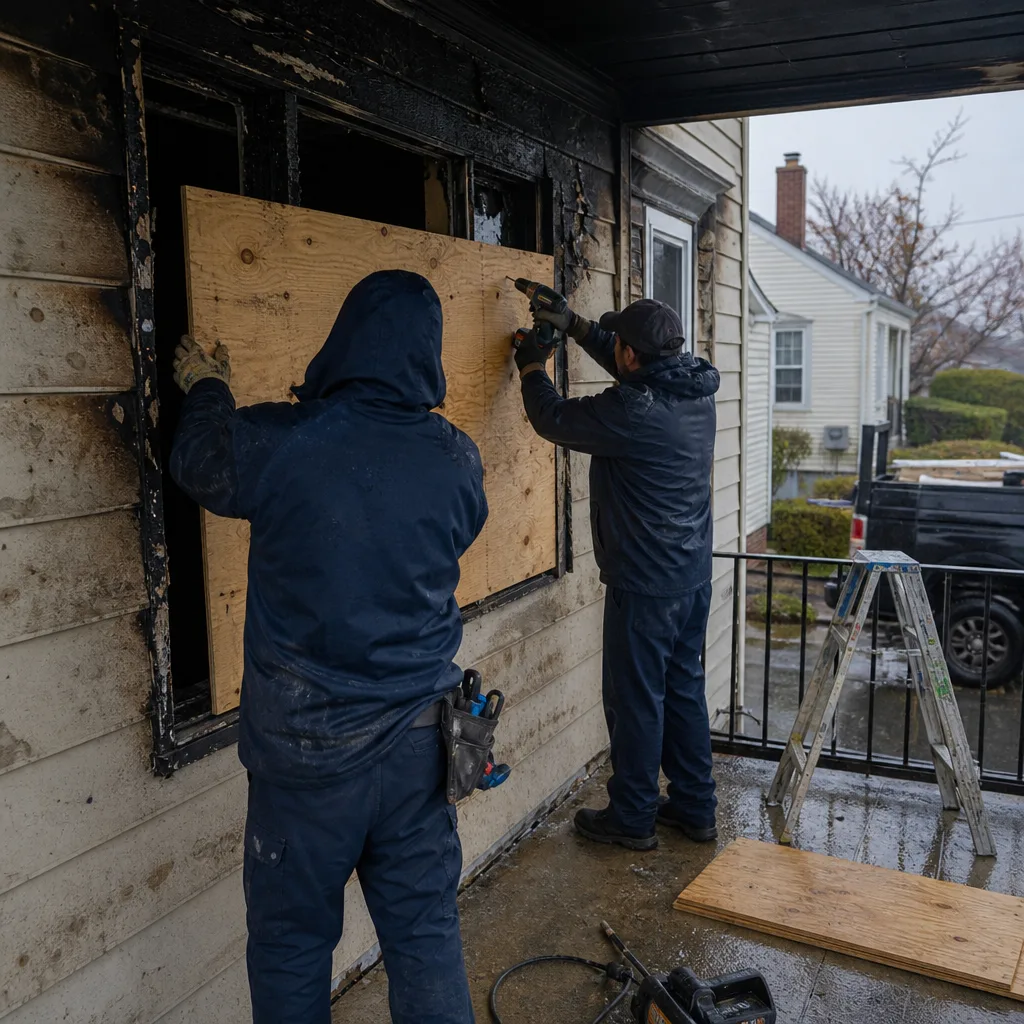
What happens when you call
- 1
A real person answersNo phone trees - you reach a local pro.
- 2
You get an upfront price rangeHonest numbers before anyone is dispatched.
- 3
A background-checked tech heads outLicensed & insured, dispatched right away.
- 4
You approve before work beginsNothing starts until you say go.
Reconstruction & Cleanup Costs in Ridgefield Park, NJ
Reconstruction and cleanup costs in Ridgefield Park run higher than inland Bergen County because so many losses start as Category 3 events. A basic basement pump-out with drying might run $2,500 to $5,000. A tidal flood that requires cutting out two feet of plaster and block, HEPA vacuuming, antimicrobial treatment, and structural drying typically lands between $8,000 and $18,000. Full basement rebuilds with moisture-resistant drywall, flooring, and finish work range from $15,000 to $35,000 depending on square footage and what the water reached. Contents pack-out and restoration adds $1,500 to $6,000. Most Ridgefield Park homeowners carry flood or sewer-backup coverage that responds to these losses, and we bill the carrier directly. The free visual inspection gives you a firm line-item scope before any money is spent. Call (201) 729-3780 and we will walk you through it.
We Also Serve Cities Near Ridgefield Park
Our crews serve Ridgefield Park and the surrounding Bergen County communities, including Palisades Park, Leonia, Hackensack, and Teaneck. For full-service Reconstruction & Cleanup anywhere in the area, one call gets a live dispatcher and a crew on the way.
Serving Ridgefield Park, NJ - Our Local Coverage Area
We’re based in the Ridgefield Park area and know this community well. Use the map below to see our service coverage - if you’re nearby, we can almost certainly help.
Ridgefield Park Reconstruction & Cleanup Questions, Answered
Why does Reconstruction & Cleanup in Ridgefield Park so often start with black-water protocols even when there’s been no heavy rain?
Because Ridgefield Park sits on the tidal Hackensack River, so floodwater enters basements through backed-up drains and lateral seepage during tidal surges, not just from local rainfall. That water carries river water, salt, and Meadowlands sediment, which classifies it as Category 3. We treat every river-side loss as contaminated until proven otherwise. Call (201) 729-3780 for an assessment.
How does meadowlands silt change the scope of a basement reconstruction in Ridgefield Park?
The grey-black silt left by Hackensack River flooding embeds in porous concrete block and old masonry, and it holds pathogens, salts, and moisture. It cannot simply be wiped off. We HEPA-vacuum every cavity, agitate the block, and apply antimicrobial treatment before drying begins. Skipping that step means the residue wicks moisture back for months and the rebuild fails behind the new drywall.
What is the biggest moisture challenge in Ridgefield Park’s 1920s-1950s wood-frame homes during reconstruction?
Plaster walls and balloon-frame cavities absorb contaminated water deeply and release it very slowly. The cavities act like chimneys, moving water upward into walls that look dry from the outside. We use thermal imaging and moisture meters to map that hidden water, and drying cycles run days longer than they would in a modern drywall house. Rushing that phase guarantees mold inside the walls.
Do we need to move out our belongings before you rebuild a flooded basement in Ridgefield Park?
For Category 3 losses, yes, everything porous that the water touched needs to come out for cleaning or disposal. We handle the pack-out ourselves, including inventory, photos for your carrier, and off-site cleaning and storage. For smaller Category 1 or 2 losses, we can often work around stored items that stayed dry. We will tell you which situation you have during the free inspection.
How long does it actually take to dry and rebuild a Ridgefield Park basement after a tidal flood?
Structural drying in these older plaster-and-block basements usually takes 5 to 10 days with professional-grade Dri-Eaz and Phoenix equipment running continuously. Rebuild time depends on scope: a two-foot cutout with drywall replacement might take one to two weeks. A full basement rebuild with flooring and finish work typically runs three to six weeks. We give you a written timeline before work starts.
How fast can someone get to my house in Ridgefield Park?
We commit to a 45-minute response for emergency stabilization in Ridgefield Park. A live dispatcher answers at (201) 729-3780 around the clock, and crews stage locally. The sooner we start extraction and containment, the less contamination spreads and the less needs to be cut out.
Will my insurance cover a tidal flood in Ridgefield Park?
Most standard homeowners policies do not cover tidal or river flooding unless you carry a separate flood policy. Sewer-backup endorsements often respond when water enters through a backed-up drain. We document the point of entry and the water classification clearly, which matters for how your carrier handles the claim. We bill the carrier directly for covered work.
What should I do in the first 30 minutes after water enters my Ridgefield Park basement?
Do not enter standing water if it may be electrically charged. Shut off power to the basement at the breaker if you can do so safely. Call us at (201) 729-3780. Do not pump out tidal floodwater yourself if you can avoid it; we need to document the standing water and its source for your claim. Then move anything you can out of the water’s path.
On a river-side block near the Hackensack, our crew rebuilt a 1930s balloon-frame basement after a nor’easter backed Category 3 water through the floor drains. Grey-black meadowlands silt had wicked into the plaster and original concrete block, so we cut out two feet of saturated wall, HEPA-vacuumed every cavity, and ran antimicrobial treatment before structural drying with Dri-Eaz and Injectidry. Then we rebuilt with moisture-resistant drywall and sealed the joints. The homeowner’s adjuster got every drying log and every photo, and the carrier paid the claim directly.
That is how Reconstruction & Cleanup in Ridgefield Park should go. One crew, one scope, one name standing behind the work. Curt Bowman founded Floodline Restoration Co. in 2010 around a dispatch board, not a sales desk. The 90-Day Done Right Promise means if it is not done right, we make it right. In writing. No arguing.
We answer the phone at (201) 729-3780. A live person, any hour. Call for a free estimate, and we will have a uniformed, background-checked technician at your door before you have finished making the coffee.
Written by Curt Bowman, Owner at Floodline Restoration Co., serving Ridgefield Park and Bergen County since 2010.