

Free visual inspection and a written scope of work before any mitigation begins - photos, moisture readings, and drying logs go in your claim file
The scope we write is the scope we bill. Anything new gets shown to you, in writing, before we touch it.

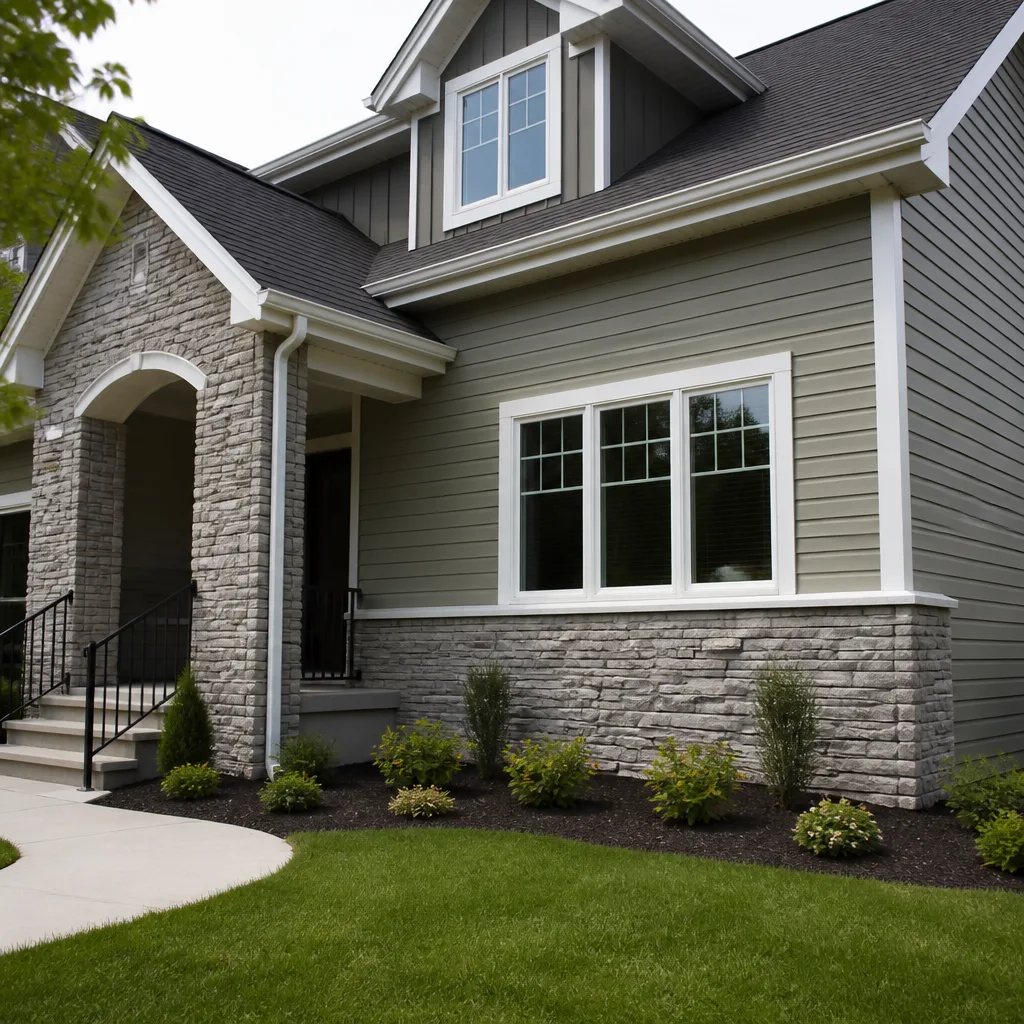
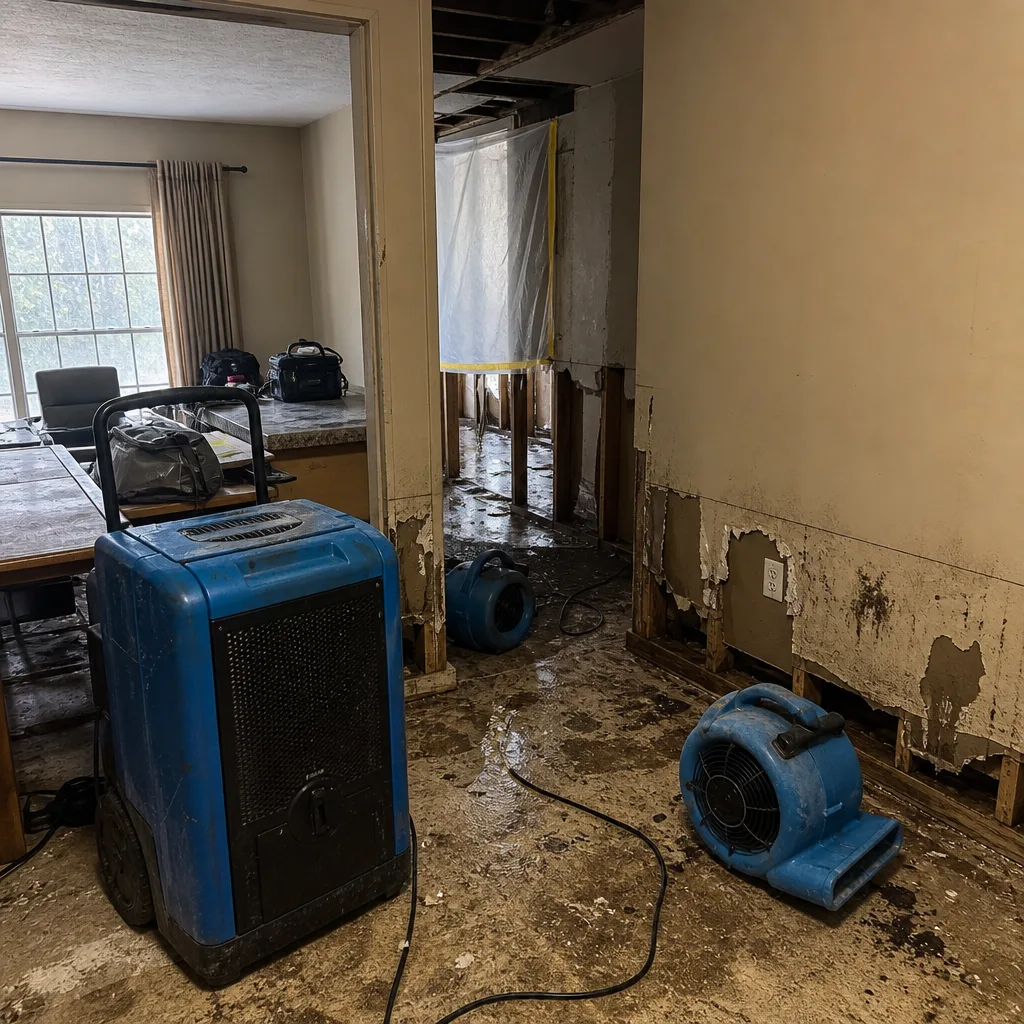 Before
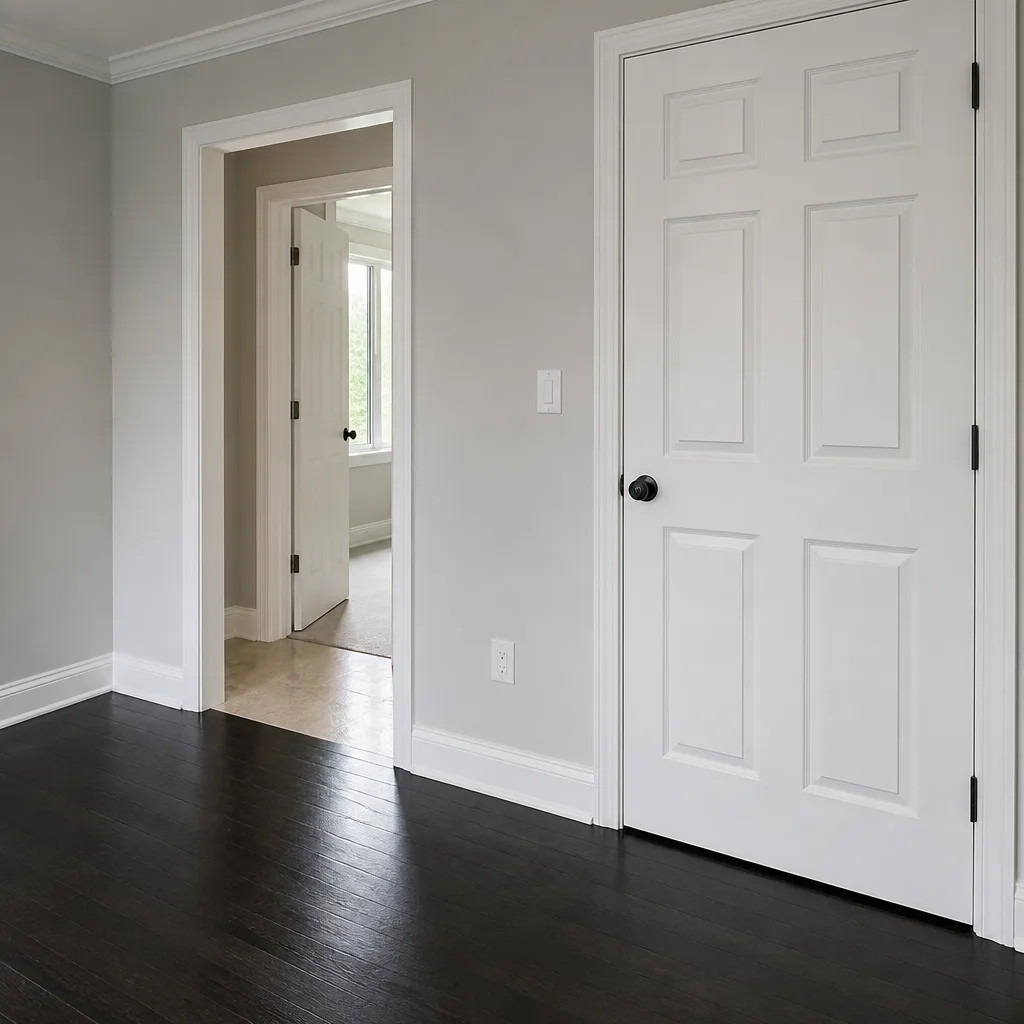 After
After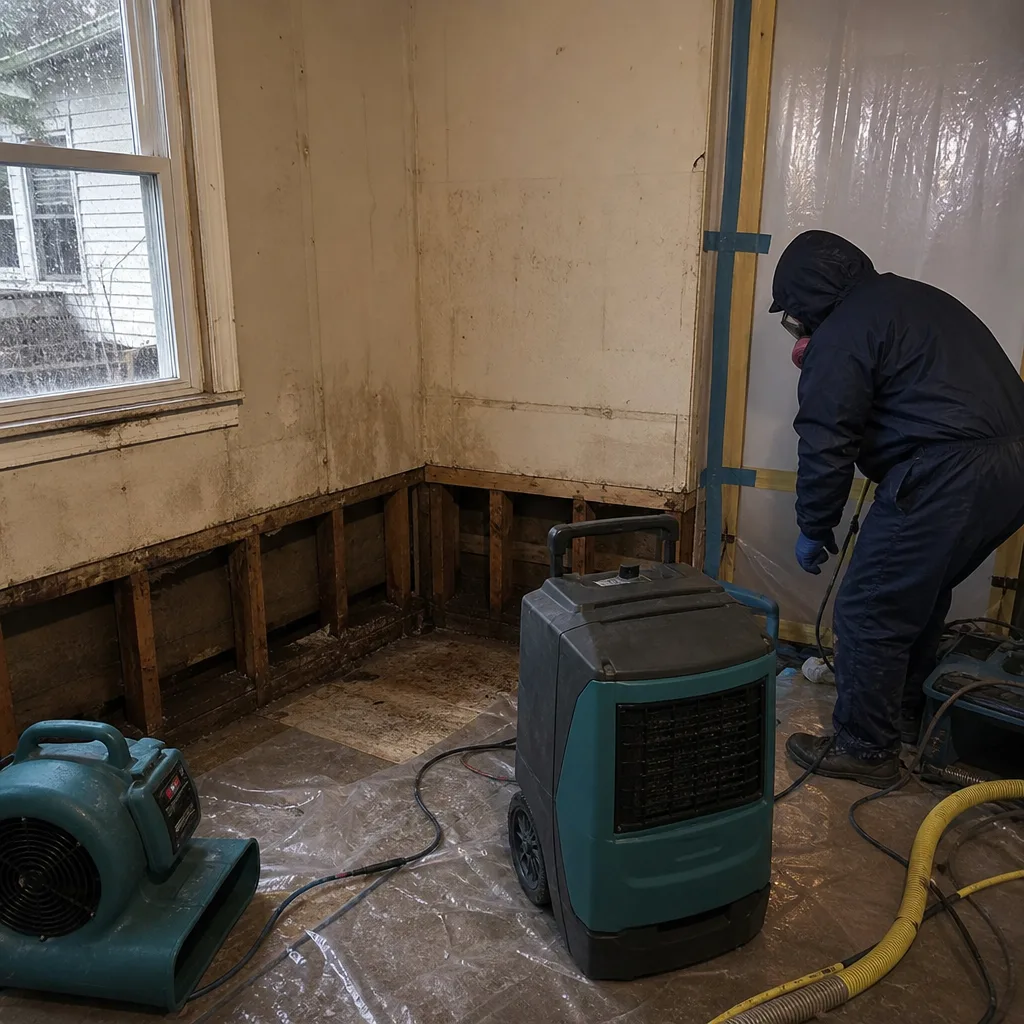 Before
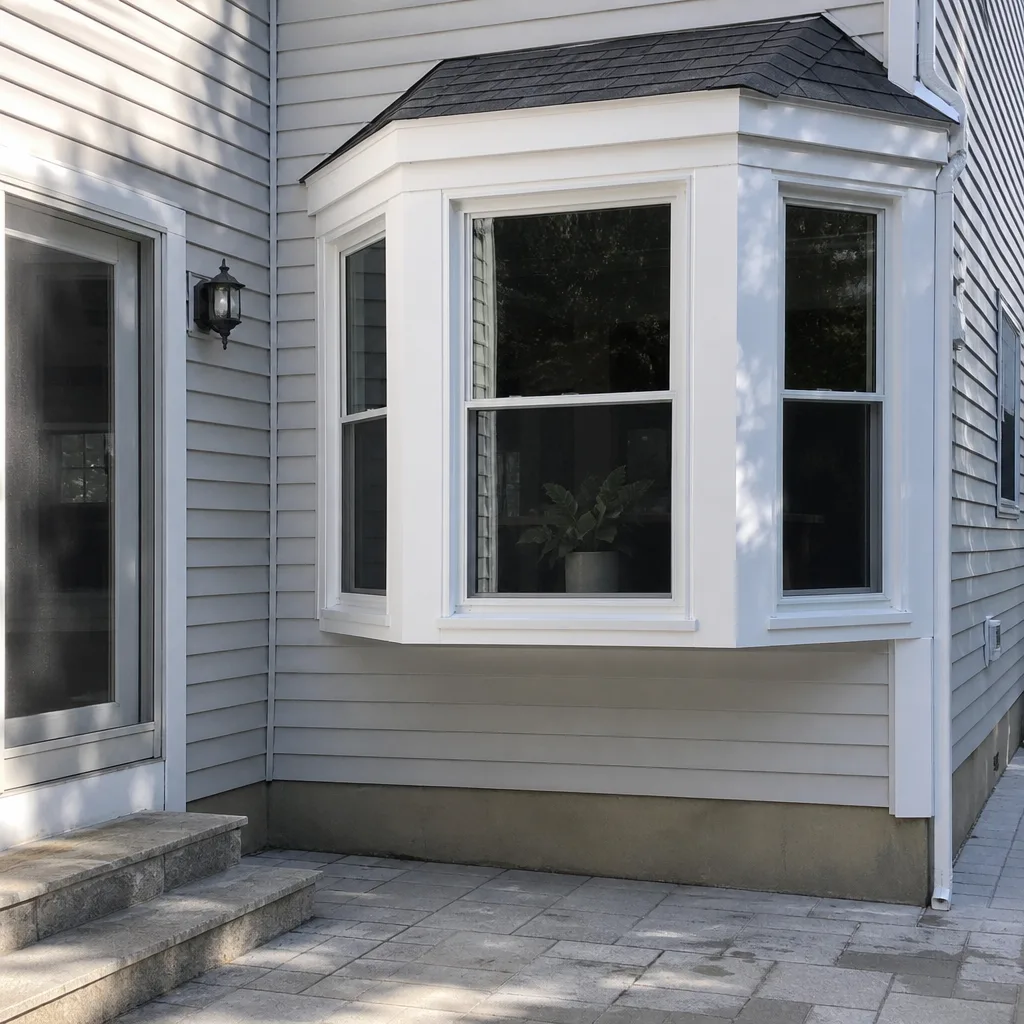 After
After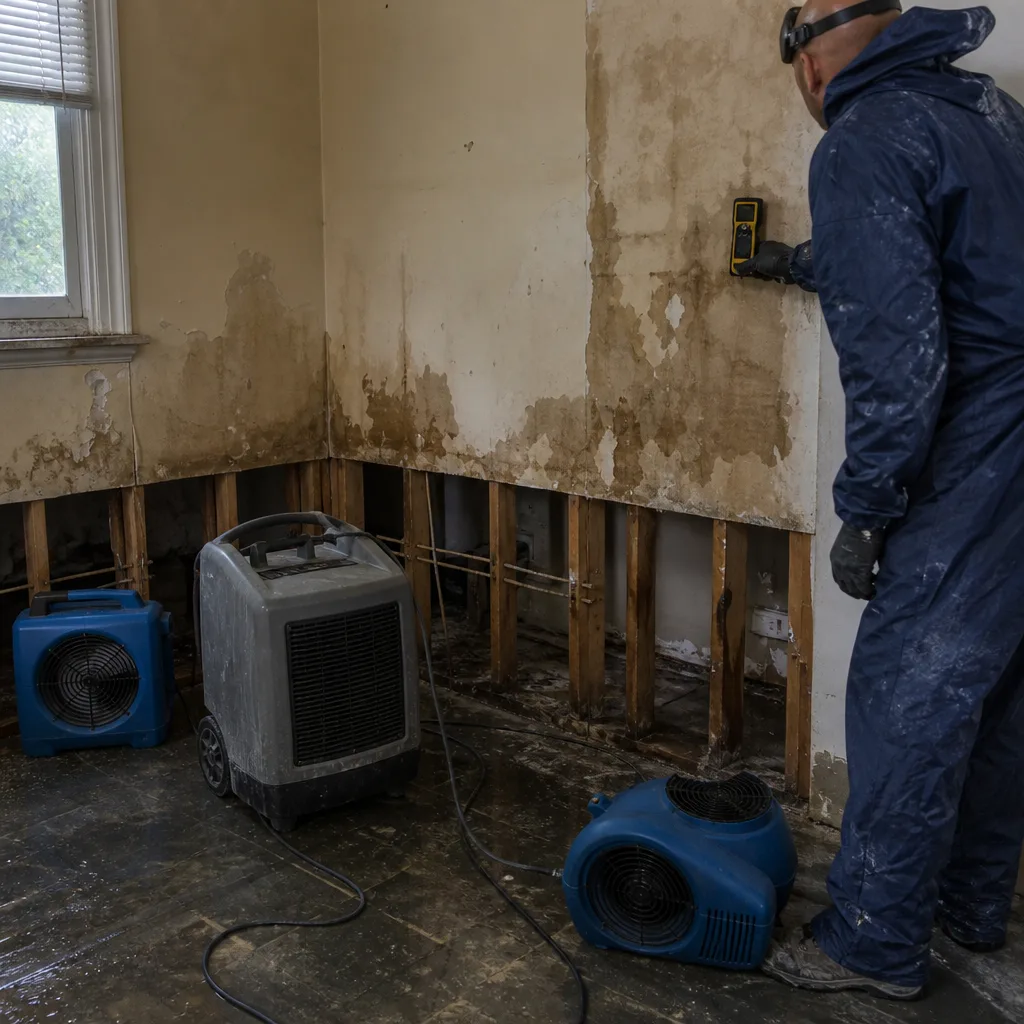 Before
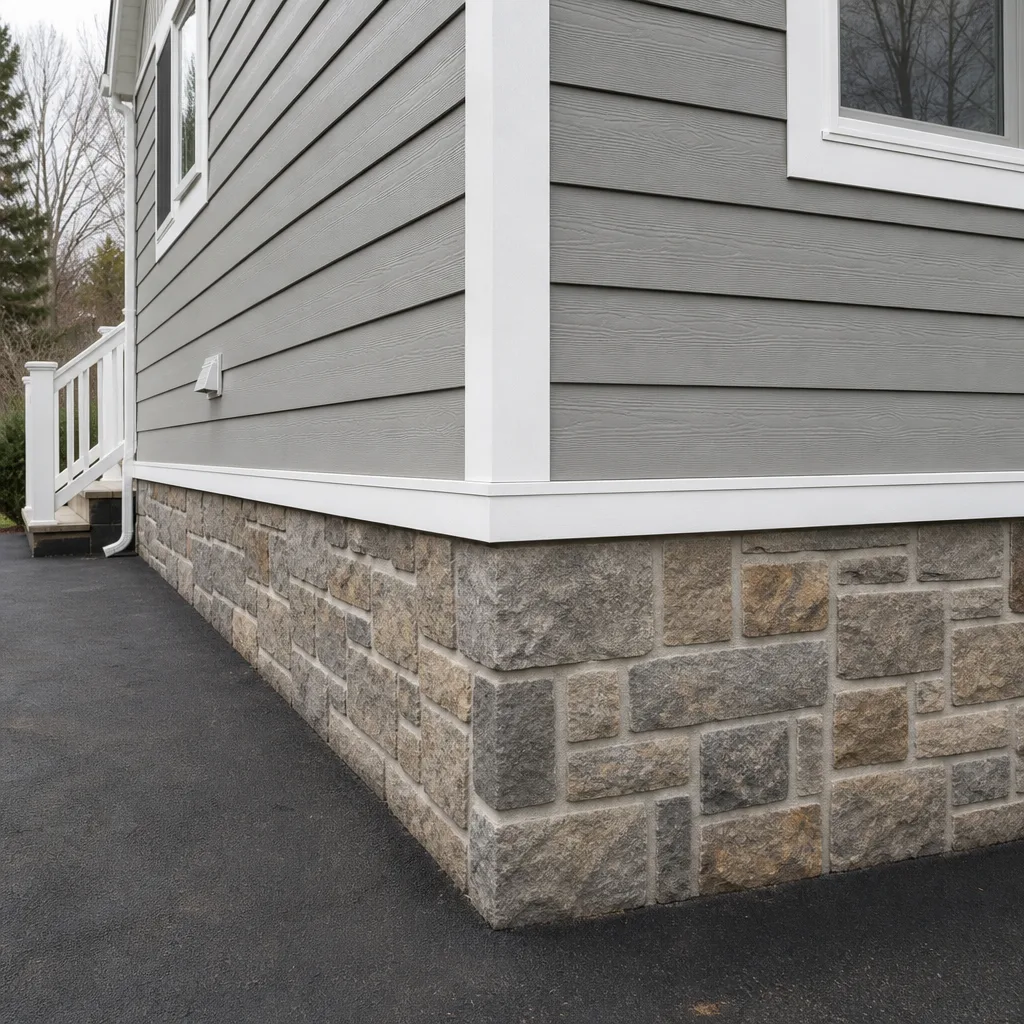 After
After24/7 Emergency Fire & Smoke Damage Restoration in Ridgefield Park
Fire and smoke damage in Ridgefield Park needs a fast, qualified response, and our crews are on call around the clock. We answer live at (201) 729-3780 any hour, any day, and we dispatch certified technicians into Ridgefield Park neighborhoods immediately after your call. The first hour matters because soot from a structure fire is acidic and etches into plaster, hardwood, and painted surfaces the longer it sits. In Ridgefield Park’s older wood-frame homes, smoke also travels through balloon-frame wall cavities and reaches rooms far from the fire, so early containment and air scrubbing protects areas that looked untouched. We provide a free visual inspection before any work begins, and we give you a written scope, not a verbal guess.
When a fire hits a house on Euclid Avenue or anywhere else in Ridgefield Park, the damage rarely stops at what burned. Smoke residue migrates, water from firefighting floods basements, and in this village, the Hackensack River’s tidal surge often adds contaminated water to the mix. That combination demands a restoration company that understands both fire science and flood contamination. That’s the work we do. One team, from the first board-up to the final coat of paint, so you’re never handed off to a crew you didn’t hire.
Understanding Fire & Smoke Damage Restoration Severity in Ridgefield Park Properties
Fire damage assessment hinges on what burned and how smoke moved through the structure. Light soot from a kitchen fire differs from the dense, oily residue left by burning synthetics, which requires solvent-based cleaning rather than simple wiping. In Ridgefield Park, where homes run heavily to 1920s through 1950s wood-frame construction, smoke travels through open wall cavities and lathe-and-plaster assemblies that absorb odor at depth. Those homes do not air out quickly. Thermoplastic smoke residue clings to every surface and can yellow painted walls within 48 hours if left untreated.
What sets Ridgefield Park apart is the floodwater factor. Fires suppressed with water plus tidal surge from the Hackensack River frequently merge into a Category 3 black-water event, meaning the water entering the basement carries sewage, meadowlands silt, and brackish river contaminants. Any fire-smoke cleanup that ignores this is treating half the job. Soot-covered surfaces that have also been saturated with Category 3 water must be cleaned for contamination before odor and residue work can begin. We follow that sequence on every job where the two conditions overlap, because treating a contaminated surface as a simple smoke cleanup leaves pathogens embedded in porous plaster and concrete block.
Why Ridgefield Park Property Owners Choose Floodline Restoration Co.
- 45-minute response commitment in Ridgefield Park. We stage locally so a crew reaches the village quickly, with extraction and air scrubbing equipment on the truck at first arrival, not on a second trip.
- A live person answers, 24/7. You call (201) 729-3780 at two in the morning and a dispatcher picks up. Not a recording. Not a call-back service. A person who knows how to move a crew.
- IICRC-certified technicians. Our crews hold WRT, FSRT, and AMRT certifications, and they are background-checked and uniformed. You know who is in your house and what they are trained to do.
- Free visual inspection with a written scope. We document what we find, show you the numbers, and put the plan and the price in writing before work starts. No hidden line items discovered later.
- Direct insurance billing. We bill your carrier directly and coordinate with your adjuster, so you are not playing messenger between us and the insurance company.
- One team from first response to finished rebuild. The same certified crew that reads the moisture map on day one handles daily readings, hands the log to you and your carrier, and rebuilds what needs rebuilding. No mid-job handoff.
Our Fire & Smoke Damage Restoration Process
Inspection & Assessment
We walk the property with a thermal imaging camera and a standard assessment checklist, mapping smoke travel through wall cavities and measuring moisture in every affected surface. In Ridgefield Park’s balloon-frame homes, this includes checking the attic, because smoke follows those open stud bays upward fast.
Extraction & Stabilization
Water used to suppress the fire comes out first, along with any Hackensack River surge water that entered the basement. We board up openings, tarp the roof if needed, and stabilize any structurally compromised framing before further assessment continues.
Drying & Dehumidification
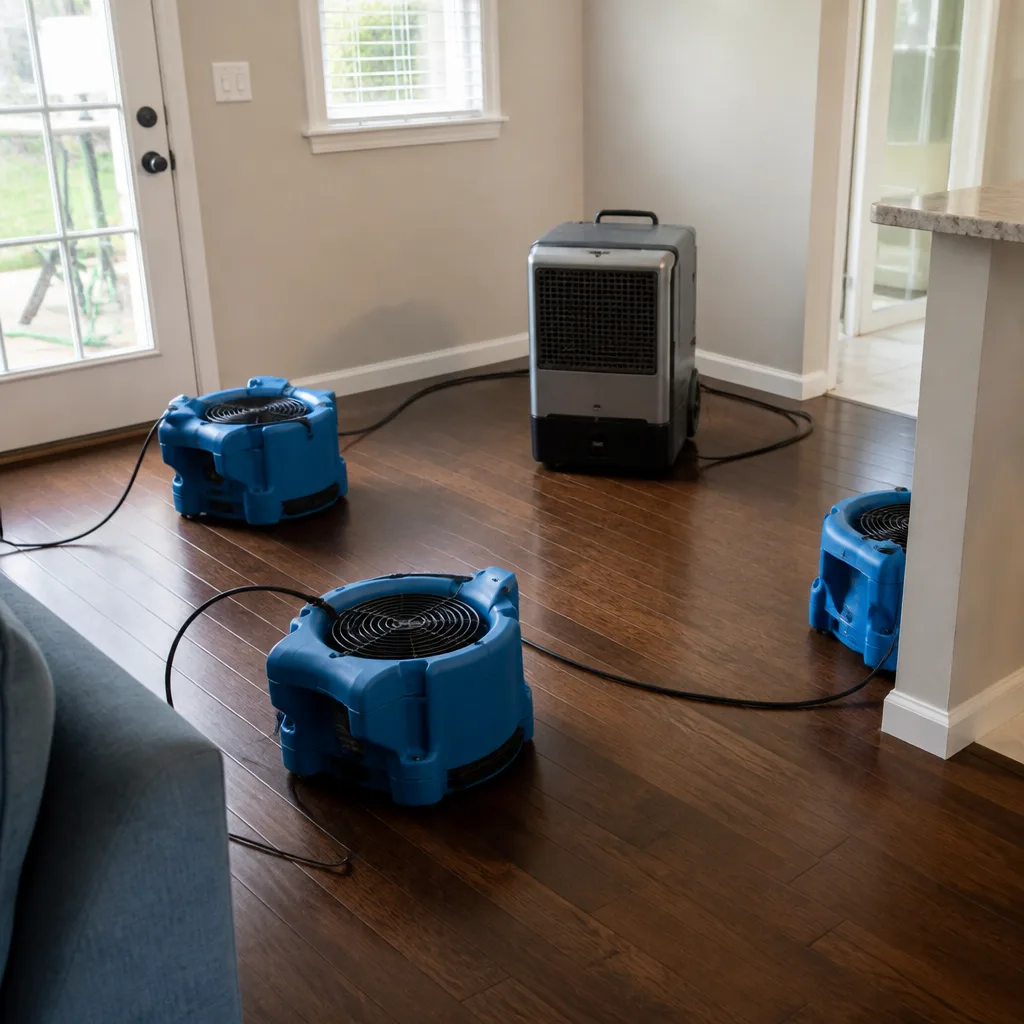
We set Dri-Eaz dehumidifiers and Phoenix or XPOWER air movers to dry the structure, using hygrometers and moisture probes to track progress daily. In older plaster-walled Ridgefield Park homes, this cycle runs longer than the industry average because lathe and plaster hold water deep.
Cleaning & Sanitization
Soot and smoke residue come off surfaces with a combination of HEPA vacuuming, dry-sponge cleaning, and wet cleaning appropriate to the surface. Where Category 3 floodwater is present, we apply antimicrobial treatment to every affected surface before moving to odor work.
Odor Removal & Deodorization
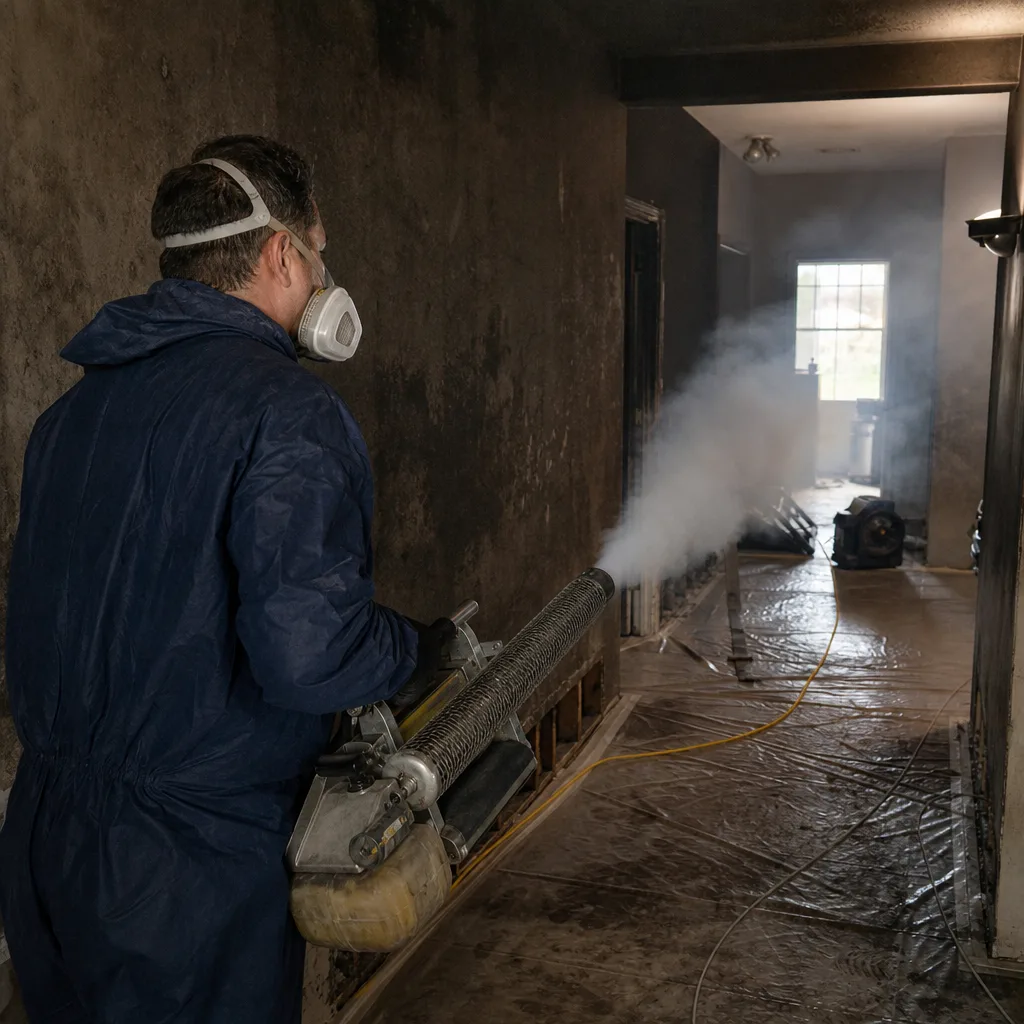
We treat smoke odor at its source rather than masking it. Hydroxyl generators and thermal fogging reach into plaster, lathe, and wall cavities. Ozone alone will not fix a Ridgefield Park plaster wall that absorbed smoke for hours; the moisture has to be gone first.
Repairs & Restoration
Once the structure is dry and clean, we rebuild. Drywall, plaster, flooring, trim, paint, whatever came out goes back in. One crew, one scope of work, one name on the job from the first call to the final walk-through.
Need Emergency Fire & Smoke Damage Restoration in Ridgefield Park Now?
Crews minutes away, answering live 24 hours a day. The sooner we start, the less it costs.
Working With Your Insurance Company
Insurance claims for fire and smoke damage in Ridgefield Park involve more than the burn itself. When the Hackensack River surge adds Category 3 water to a fire loss, the claim has to document both the fire damage and the flood contamination, and your adjuster needs evidence that both were handled correctly. We photograph every room before, during, and after mitigation. We log moisture readings daily and hand you and your carrier the same log. We bill your insurer directly and talk to your adjuster so you do not have to translate between a restoration tech and a claims office. The written scope we give you before work starts is the same scope we submit, line by line, so there are no surprises on either side.
What We Provide Your Insurer
- Thorough documentation of the loss
- Photos of all damage, room by room
- Moisture readings and drying logs
- A detailed, line-item scope of work
- Direct coordination with your carrier
Built for Ridgefield Park’s Loss Calendar
Ridgefield Park’s fire and smoke losses follow a pattern that tracks the weather and the age of the village’s housing stock. January deep freezes strain older heating systems, and space heaters pressed into service in 1920s and 1950s homes are a common ignition source. Spring brings the Hackensack River’s thaw and the first nor’easter threats, when tidal surge backs up drainage and puts water into basements that then meet electrical systems and furnaces, a fast path to electrical fire. Summer thunderstorms dump rain on flat meadowlands terrain that drains slowly, and homeowners with sump pumps that have not run all winter discover failures the hard way. Autumn nor’easters push saltwater and sediment up the tidal Hackensack River far ahead of any rain, flooding river-side basements that were dry the day before. Every one of those events can turn into a fire-and-water loss in a house this age. We plan our dispatch accordingly and keep equipment staged so a Ridgefield Park call at midnight moves as fast as one at noon.
Fire & Smoke Damage Restoration Across Ridgefield Park’s Neighborhoods
Ridgefield Park is small, but the damage picture changes block to block. The river-side streets east of Teaneck Road and down toward the banks of the Hackensack River take the brunt of tidal surge, and houses there see combined fire-and-flood losses during nor’easters even when rainfall totals are modest. The blocks around Euclid Avenue and Overpeck Park sit close enough to the water table that basements are chronically damp, which complicates drying after a fire because the slab never fully dries on its own. Up toward the northern edge of the village near the Leonia line, the housing stock shifts to post-war ranches and split-levels, where smoke travels through shared HVAC ducting rather than balloon-frame cavities. Near the center of the village around Main Street, many of the oldest homes date to the 1920s, and their plaster walls and full basements hold smoke residue and moisture longer than anything built since. We route local crews through the side streets off Grand Avenue and Teaneck Road every day, so when a call comes in from any of those blocks, a truck is already nearby.
Specialized Fire & Smoke Damage Restoration Services We Offer in Ridgefield Park
Smoke & Soot Removal
Soot on plaster, trim, and hardwood in Ridgefield Park homes is rarely a surface-only problem, because the lath behind 1920s and 1950s plaster absorbs residue through cracks and gaps. We HEPA-vacuum every affected surface, then use the right cleaning method for each material. Dry sponge on plaster, solvent on oily synthetic residue, controlled wet cleaning on sealed wood. Rubbing soot into a plaster wall with a generic cleaner makes the stain permanent, and we see that mistake on jobs where an out-of-area crew got there first.
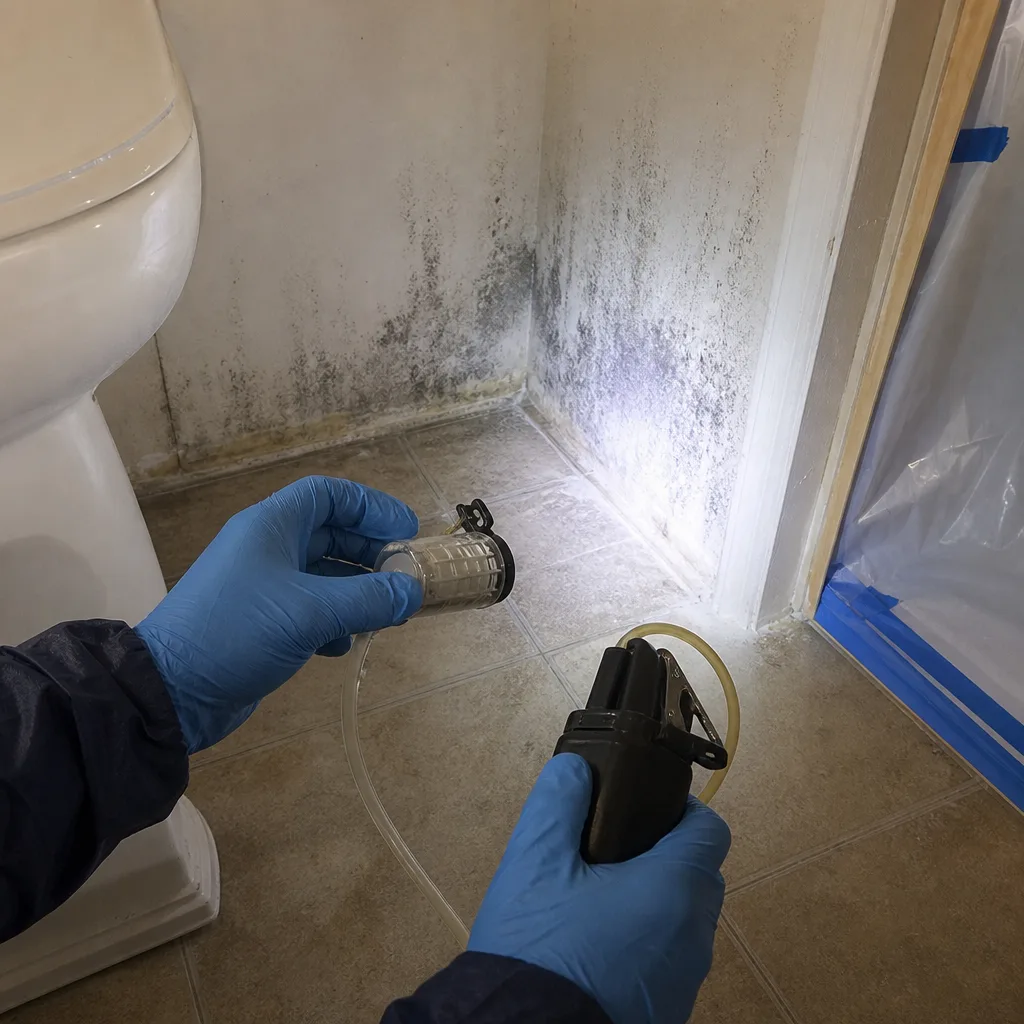
Odor Removal & Deodorization
Smoke odor in a Ridgefield Park balloon-frame home hides in wall cavities, under floorboards, and behind plaster. Masking agents do not work; they fade in a month and the smell returns. We run hydroxyl generators, not just ozone, because hydroxyl treatment is safe around people and materials and removes odor at the source. In homes with deep plaster saturation, we pair that with thermal fogging that carries deodorizer into the same spaces the smoke entered. If moisture is still present, we dry first. Deodorizing over a damp wall wastes the treatment and lets soot staining reactivate weeks later.
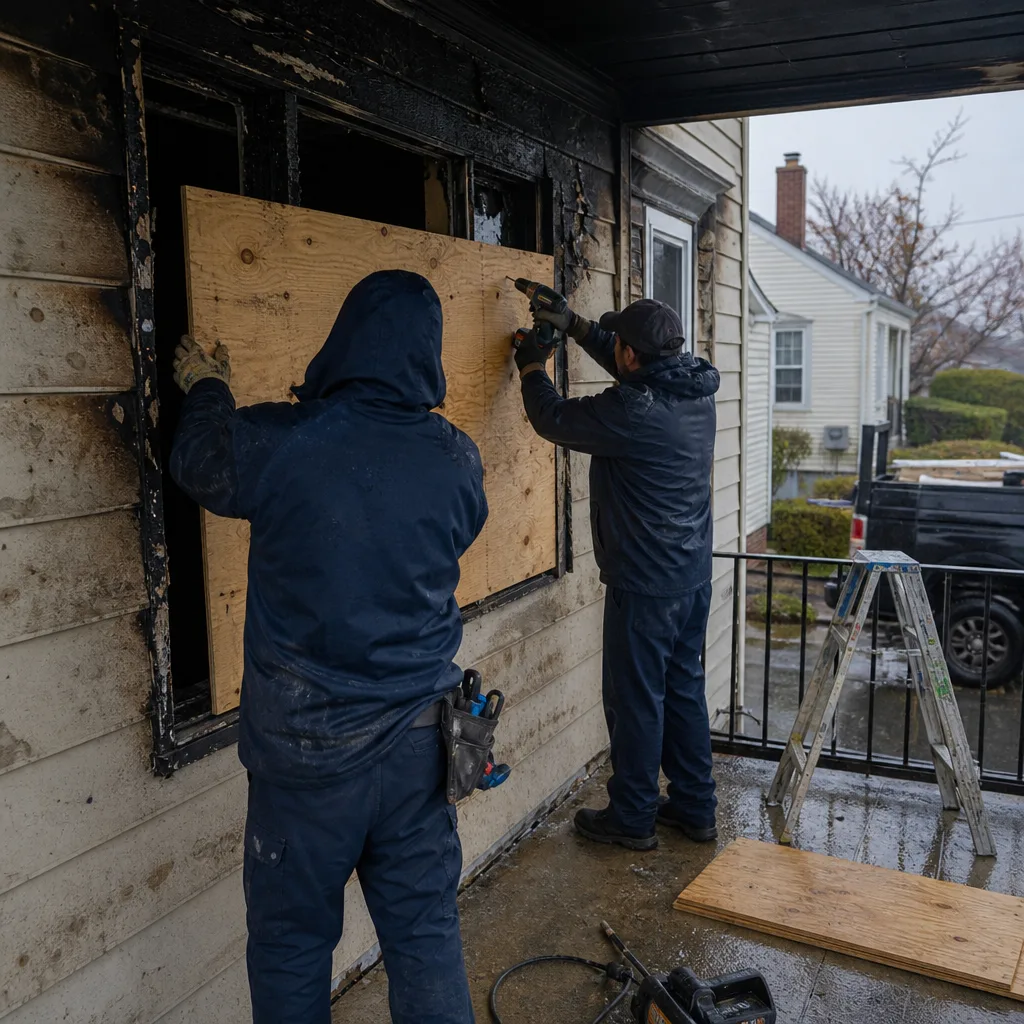
Emergency Board-Up & Tarping
A fire that breaks a window or burns through a wall leaves a Ridgefield Park house open to weather, animals, and trespass. We board up and tarp as part of first response, not as a separate appointment. On the river-side blocks, that board-up has to stand up to wind off the Hackensack, so we use fastening patterns rated for nor’easter gusts, not a couple of nails in a sheet of plywood. Securing the structure fast also protects your insurance claim, because damage that happens after the fire from exposure is a separate fight with the carrier.
What happens when you call
- 1
A real person answersNo phone trees - you reach a local pro.
- 2
You get an upfront price rangeHonest numbers before anyone is dispatched.
- 3
A background-checked tech heads outLicensed & insured, dispatched right away.
- 4
You approve before work beginsNothing starts until you say go.
Fire & Smoke Damage Restoration Costs in Ridgefield Park, NJ
Ridgefield Park fire and smoke restoration costs run a little higher than inland Bergen County because the floodwater complication frequently adds Category 3 contamination treatment to the scope. A straightforward soot cleanup after a small kitchen fire typically runs $1,800 to $4,200. Smoke and odor removal that includes hydroxyl treatment and thermal fogging in a multi-room Ridgefield Park home generally lands between $3,500 and $9,000 depending on square footage and plaster saturation. When the Hackensack River surge has added black-water contamination, expect an additional $1,200 to $4,000 for contamination cleanup, antimicrobial treatment, and the extra documentation the claim requires. Board-up and tarping runs $600 to $2,200 depending on the size of the openings. A full basement fire with smoke migration and structural repair starts around $10,000 and commonly reaches $30,000 or more on older homes. The free visual inspection gives you a firm written scope before you commit to anything, and we submit that scope directly to your carrier.
We Also Serve Cities Near Ridgefield Park
Our crews cover the surrounding Bergen County communities: Ridgefield Park, Palisades Park, Leonia, Hackensack, and Teaneck. If you live just over the village line, call the same number and we’ll have a truck headed your way.
Serving Ridgefield Park, NJ - Our Local Coverage Area
We’re based in the Ridgefield Park area and know this community well. Use the map below to see our service coverage - if you’re nearby, we can almost certainly help.
Ridgefield Park Fire & Smoke Damage Restoration Questions, Answered
Why does fire and smoke restoration in Ridgefield Park often require black-water remediation before any soot cleanup?
Because the Hackensack River’s tidal surge frequently enters basements during nor’easters and tropical storms even when Ridgefield Park sees little local rain, and that water carries sewage, meadowlands sediment, and brackish contaminants that classify it as Category 3 black water. Fire-suppression water plus surge water means soot-covered surfaces are also contaminated surfaces, and they must be treated for contamination before smoke and soot work can safely proceed.
How does the meadowlands silt left by floodwater affect smoke-damaged surfaces in Ridgefield Park homes?
The grey-black silt from Hackensack River surge embeds in porous concrete block, mortar, and older plaster, and it carries contaminants that regular soot cleanup does not address. It requires HEPA vacuuming to remove the physical sediment, then antimicrobial treatment on every surface it touched. Crews that skip this leave a contamination layer under a clean soot job, and the odor and staining come back within weeks.
Will my Ridgefield Park home’s plaster walls need to be opened up after a basement fire?
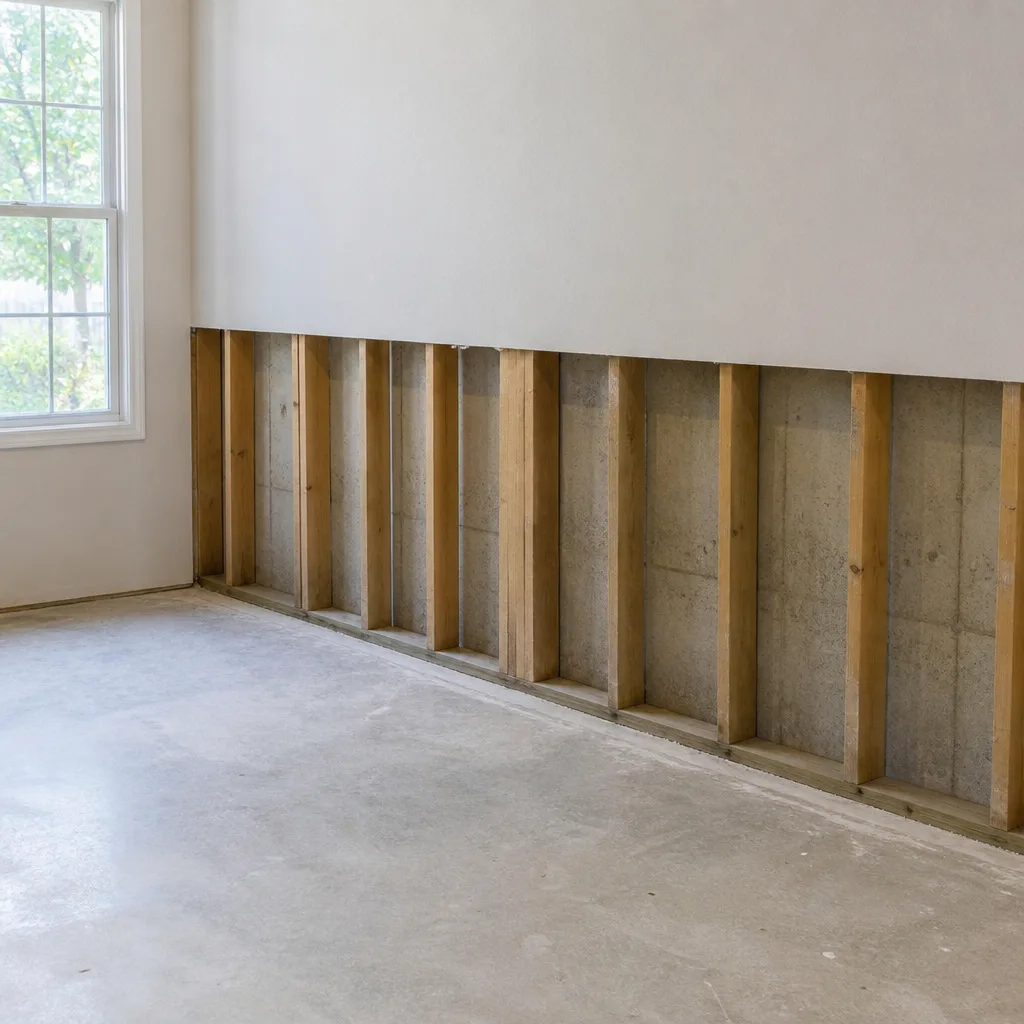
Sometimes. Plaster over lathe in 1920s and 1950s homes absorbs smoke deep into the assembly, and if water from firefighting or river surge has saturated the wall, the moisture gets trapped between plaster and lathe. We check with moisture meters before deciding. If the readings say the cavity is holding water, we open the wall rather than trying to dry through plaster that will not release it.
Can you pack out my belongings if the fire was in the basement but the Hackensack surge also flooded the first floor?
Yes. We do contents cleaning and pack-out as part of the same scope, and we catalogue everything with photos before it moves. Items that were smoke-damaged and then touched by Category 3 water are handled as contaminated contents, which means sealed containment, proper disinfection, and documentation your adjuster can verify. You get an inventory list and your contents are stored in a clean, dry facility until the structure is ready for them.
What’s the biggest mistake out-of-area contractors make on Ridgefield Park fire and smoke jobs?
Treating the job as a clean-water fire cleanup because they do not know the Hackensack River’s tidal dynamics. A contractor from inland Bergen County or further out sees a rainy week and a basement fire and assumes standard fire restoration. The surge water that came in without significant local rainfall is Category 3, and skipping antimicrobial treatment on every smoke-damaged surface it touched leaves contaminated residue embedded in plaster and concrete. We know that pattern because we work these river-side blocks regularly.
How fast can you actually get to a Ridgefield Park house?
We commit to 45 minutes from your call. Crews are staged in and around the village throughout the day, and a live dispatcher at (201) 729-3780 starts the process the moment you call, day or night. The board-up and tarping crew arrives first, and mitigation equipment follows on the same truck.
Do I really need full remediation or just a cleaning after a small fire?
It depends on what burned, how long smoke circulated, and whether water from suppression or the river added contamination. A small grease fire that stayed contained may only need soot cleaning and odor control. But in a Ridgefield Park balloon-frame house, smoke travels through wall cavities fast, and if you smell smoke upstairs after a basement fire, you have a cavity problem, not just a surface one. The free visual inspection tells us which path applies, and we give you a written scope either way.
Who deals with my insurance adjuster?
We do. You make one call to us, and from there we document the loss, photograph every affected area, log moisture readings daily, and submit the line-item scope directly to your carrier. You talk to us; we talk to them. If your adjuster has questions about Category 3 contamination or drying standards, our certified technicians answer them directly, so the claim moves without you chasing paperwork.
Written by Curt Bowman, Owner at Floodline Restoration Co., serving Ridgefield Park with fire, smoke, and flood restoration backed by the 90-Day Done Right Promise.