

Free visual inspection and a written scope of work before any mitigation begins - photos, moisture readings, and drying logs go in your claim file
The scope we write is the scope we bill. Anything new gets shown to you, in writing, before we touch it.

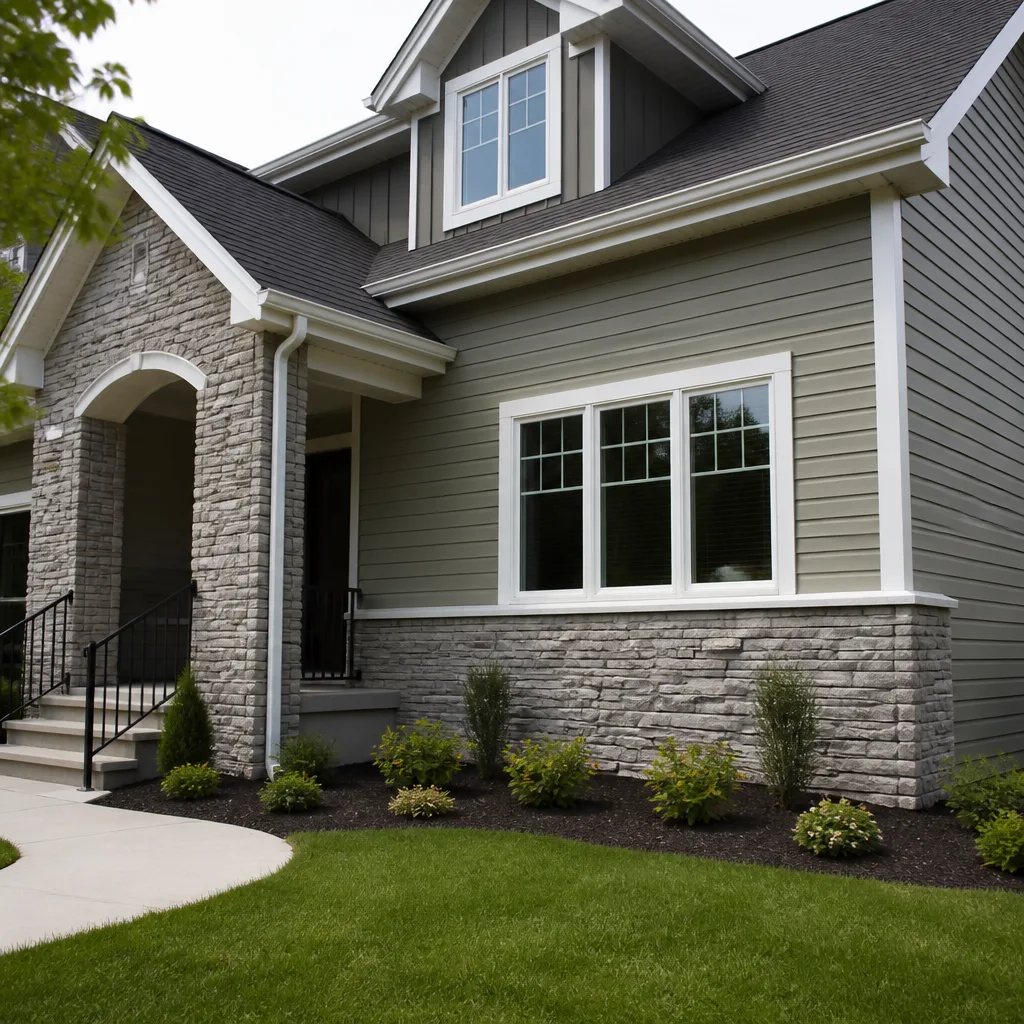
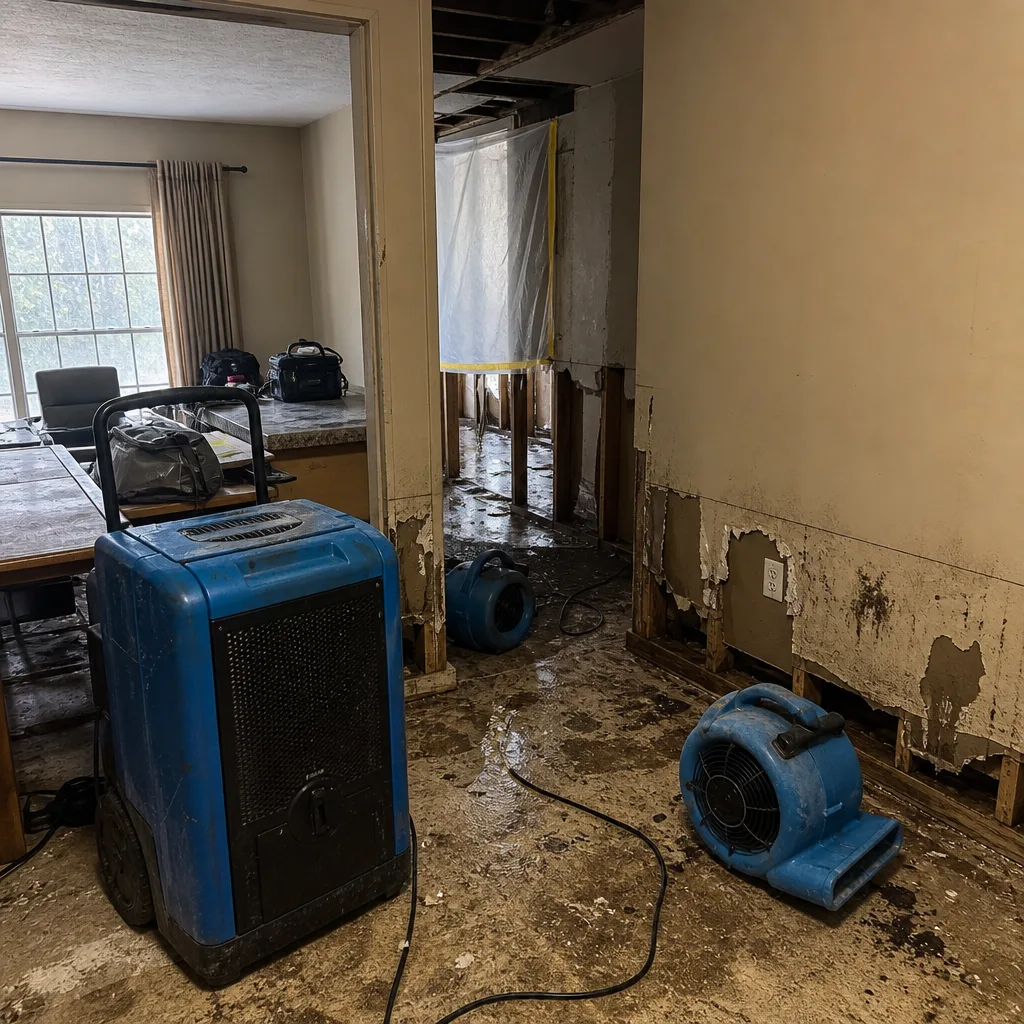 Before
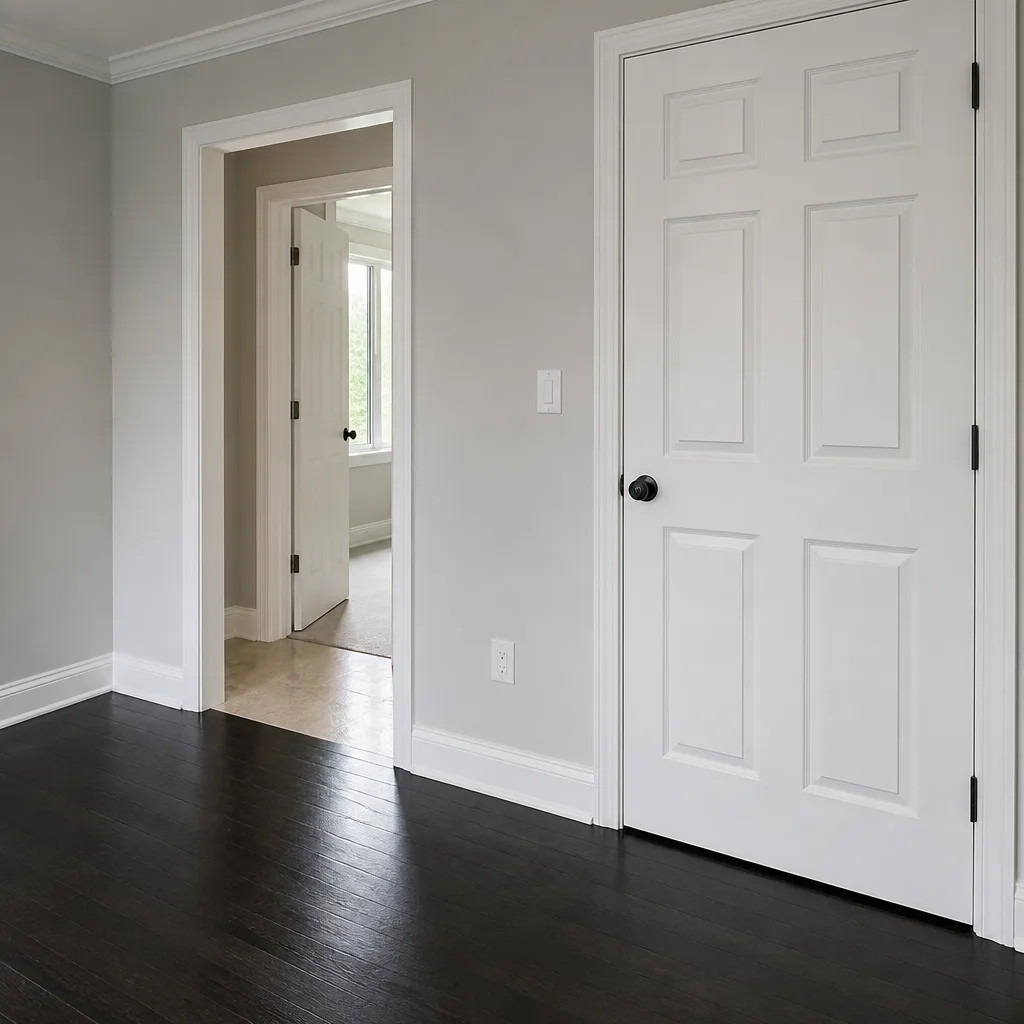 After
After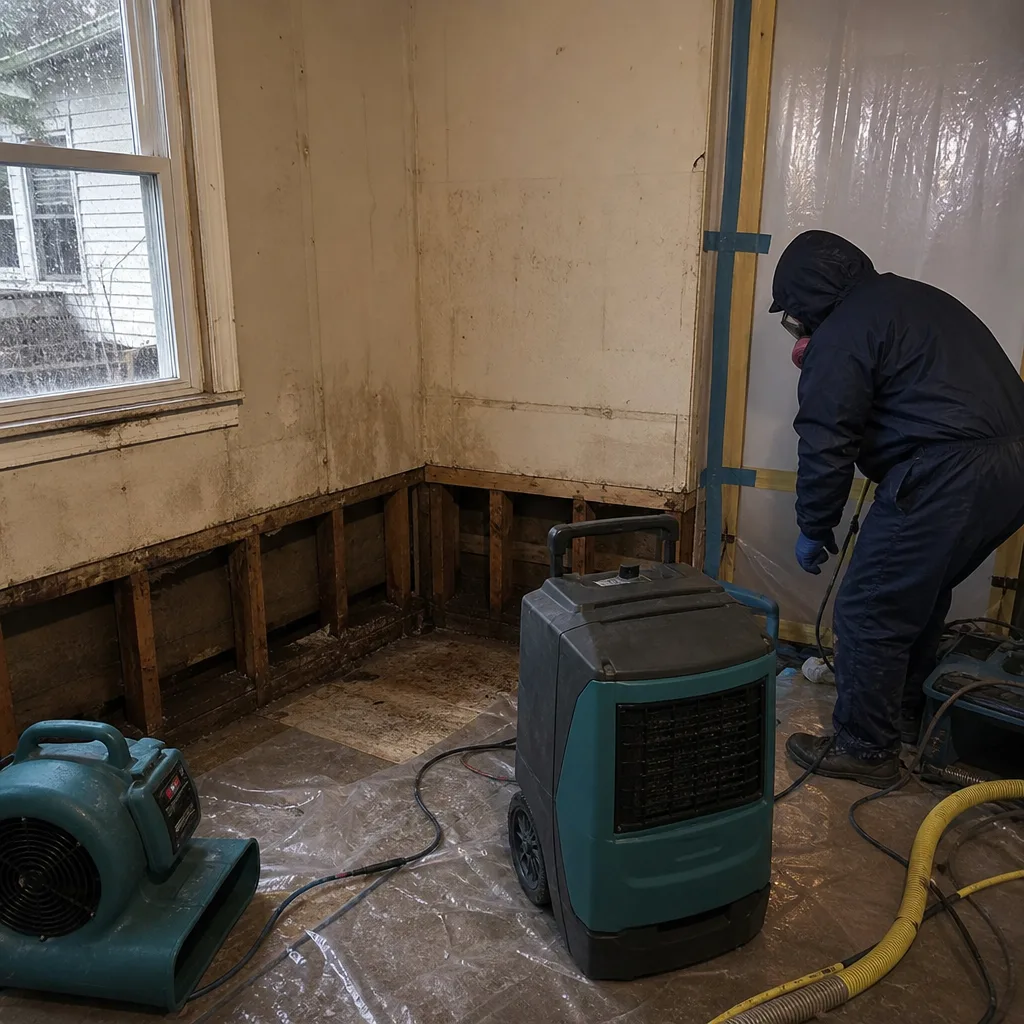 Before
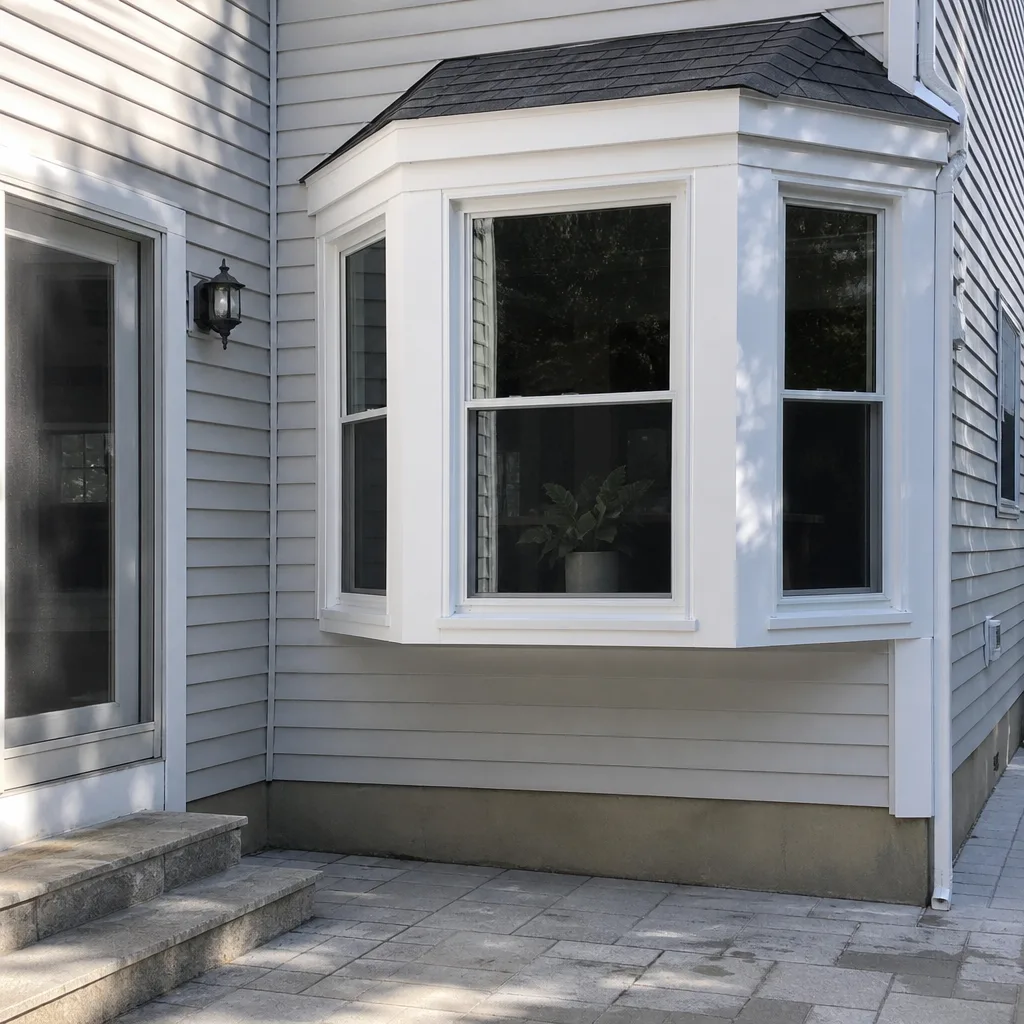 After
After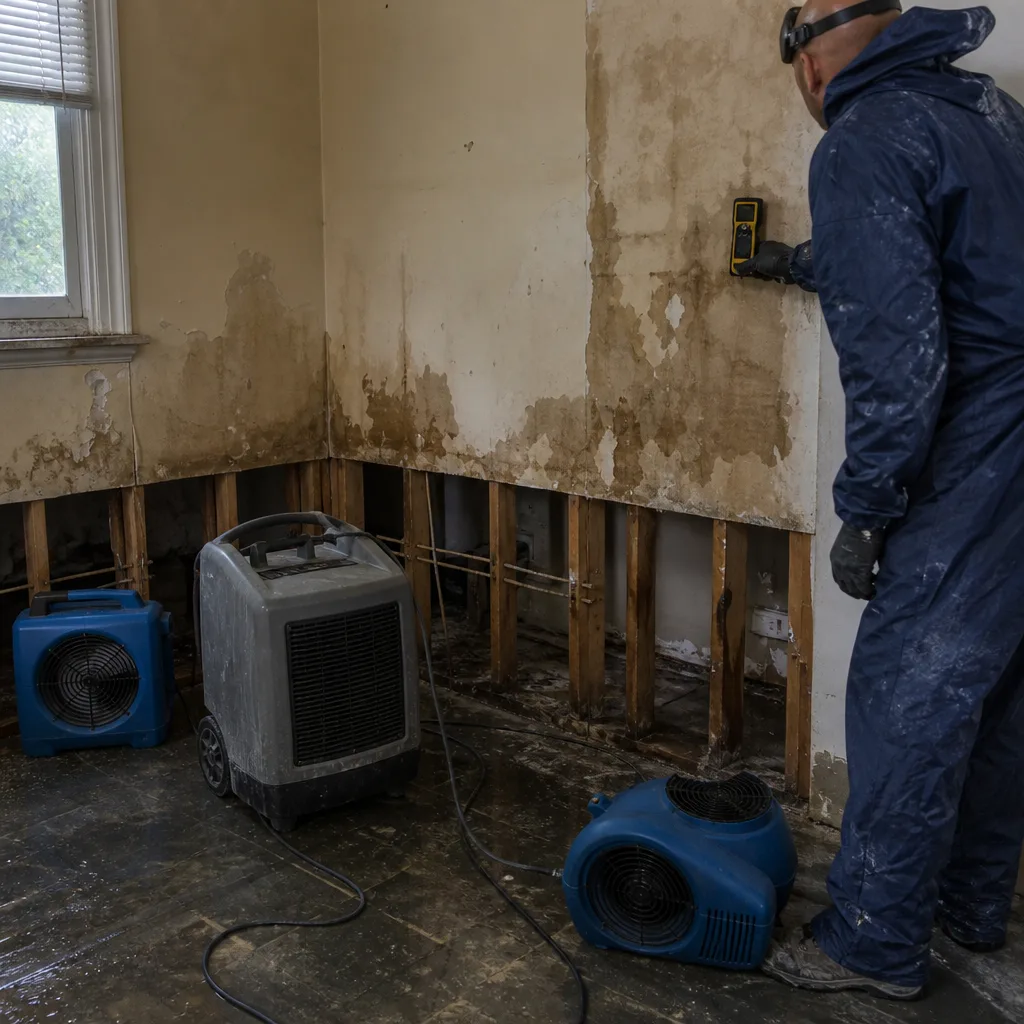 Before
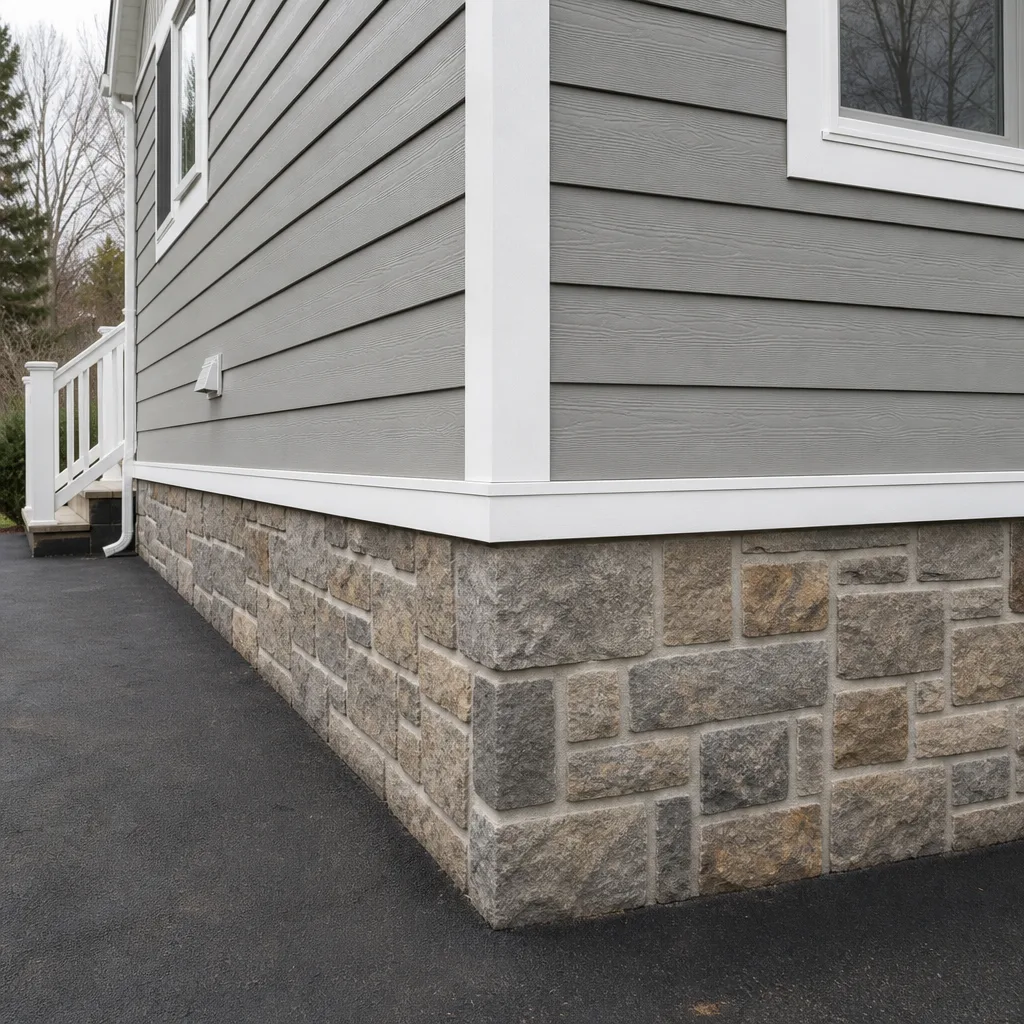 After
After24/7 Emergency Sewage Cleanup in Ridgefield Park
A sewage backup in Ridgefield Park needs a response measured in minutes, not hours. Category 3 water carries pathogens, and in a village where the tidal Hackensack River pushes contaminated backflow through floor drains, the contamination spreads through a 1920s basement fast. Our crews answer live at (201) 729-3780 around the clock, every day of the year. A real dispatcher picks up at two in the morning, and a certified team reaches Ridgefield Park within 45 minutes. The first hour decides whether you’re cleaning a contained spill or tearing out saturated plaster walls and rebuilding a finished basement. Call the moment you see or smell the backup. We’ll walk you through the first steps on the phone and get a crew moving before you hang up, because waiting on a sewage problem in this village isn’t just unpleasant. It’s how a $600 cleanup becomes a $14,000 rebuild.
Understanding Sewage Cleanup Severity in Ridgefield Park Properties
Sewage cleanup runs on a classification system that most homeowners never hear about until a claim is on the table. Category 1 is clean water from a supply line. Category 2 is grey water: washing machine discharge, a toilet overflow without solids, or a sump pump failure that pulls in groundwater. Category 3 is black water. Raw sewage, floodwater from the Hackensack River, any water that has been in contact with fecal matter or contaminants. In Ridgefield Park, we regularly see jobs that start as a toilet overflow, then mix with tidal backflow through a floor drain, and the entire classification jumps to Category 3 mid-scope. That changes everything: full containment with 6-mil poly sheeting, HEPA air scrubbing, antimicrobial treatment of every affected surface, and removal of porous materials that cannot be sanitized. The village’s 1920s-to-1950s wood-frame homes sit on full basements at or near the water table, and their plaster walls and balloon-frame cavities absorb sewage moisture deeply. Surface moisture probes read dry while the cavity behind still holds contaminated water. An out-of-area contractor who trusts the surface reading walks away, and black mold follows within 48 hours. We don’t walk away until moisture mapping confirms the full drying envelope.
Why Ridgefield Park Property Owners Choose Floodline Restoration Co.
- 45-minute response commitment. Our crews stage equipment near Ridgefield Park so we’re on a river-side block off Teaneck Road before a national franchise dispatches a call center ticket.
- 24/7 live answer. A person picks up. Not a recording, not a call tree. At 3 a.m. on a Sunday during a nor’easter, you’ll talk to a dispatcher who knows Ridgefield Park’s streets.
- IICRC-certified crews. Our technicians hold WRT and AMRT certifications and work with Dri-Eaz pumps, Phoenix dehumidifiers, and XPOWER air movers. The crew that arrives knows tidal floodwater from a municipal line backup.
- Free visual inspection. We’ll assess the damage on site, document what we find, and give you a written scope before any work begins.
- Direct insurance billing. We bill your carrier directly and talk to your adjuster ourselves. You never play messenger between our office and an insurance desk.
- One team from extraction to reconstruction. The same certified crew that extracts Category 3 water on day one handles the drying logs, the antimicrobial treatment, and the rebuild. No handoff, no inherited crew, no lost details.
Our Sewage Cleanup Process
Inspection & Assessment
We arrive with thermal imaging cameras and hygrometers to map the full moisture envelope. In a Ridgefield Park home, that means probing plaster walls and checking balloon-frame cavities, not just reading the floor surface. The assessment classifies the water correctly: Category 2 or Category 3, because misclassifying a tidal backflow job leaves contaminated silt in porous block walls.
Extraction & Stabilization
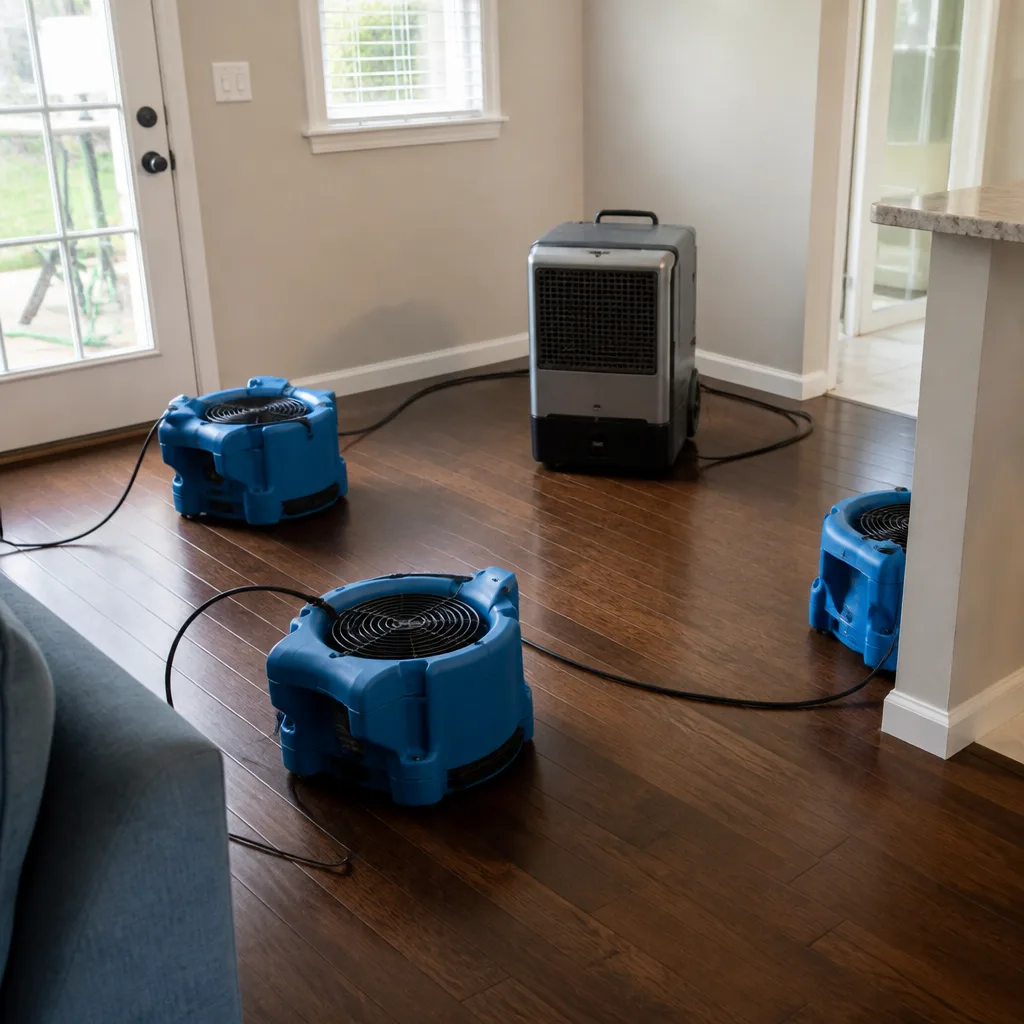
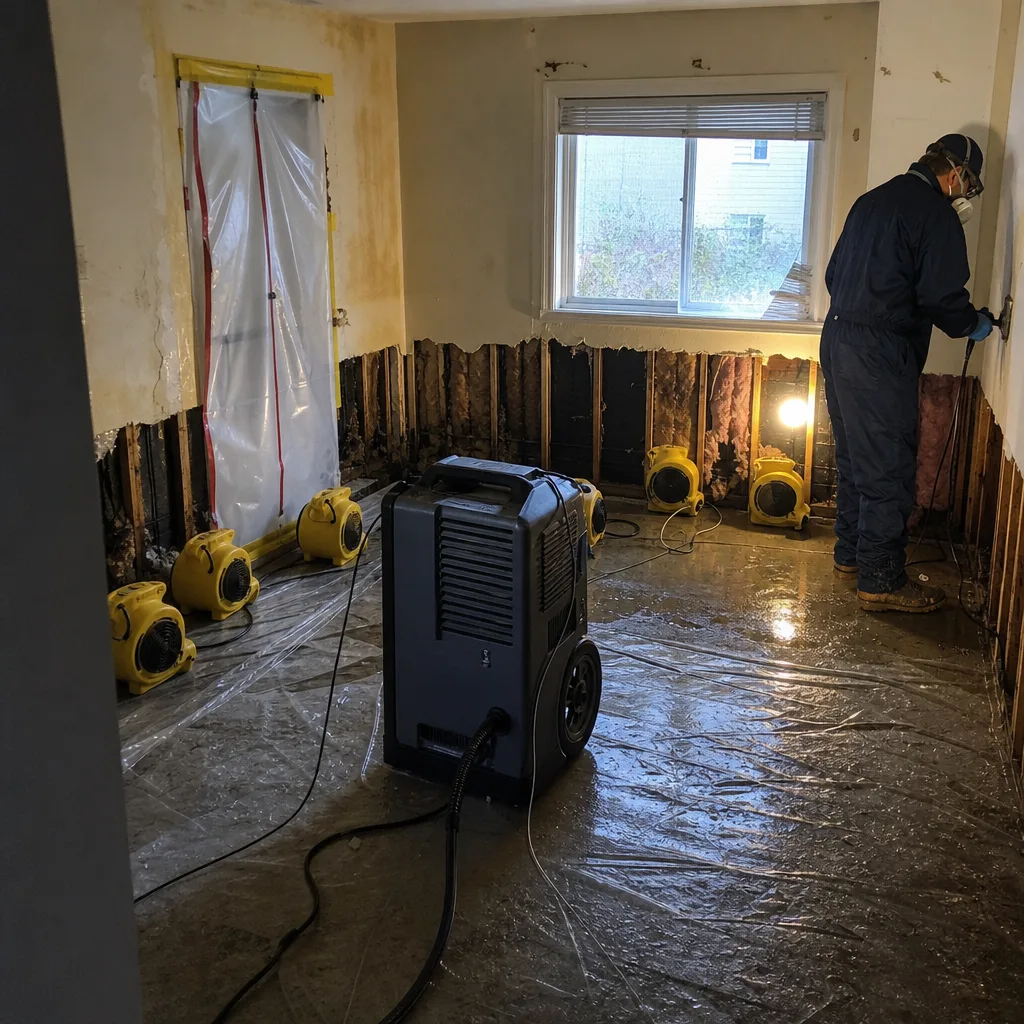
We set containment zones with poly sheeting and negative air pressure before extraction begins. Dri-Eaz extraction pumps pull out standing contaminated water, and XPOWER air movers start pushing contaminated vapor toward HEPA-scrubbed exhaust. The goal here is stopping migration into clean areas of the house.
Drying & Dehumidification
Phoenix dehumidifiers run around the clock, with daily moisture readings logged and shared with you and your adjuster. For older Ridgefield Park basements with plaster over masonry, we run the drying cycle longer than a modern drywall space because deep cavities release moisture slowly. The log is the proof that the dry standard was met.
Cleaning & Sanitization
Every affected surface gets cleaned, then treated with an EPA-registered antimicrobial. That includes the concrete block foundation, floor joists, and any framing that took on water. We don’t just wipe the visible surfaces. Sewage migrates into pores and joints, and the treatment has to reach where the water went.
Contaminated Material Removal
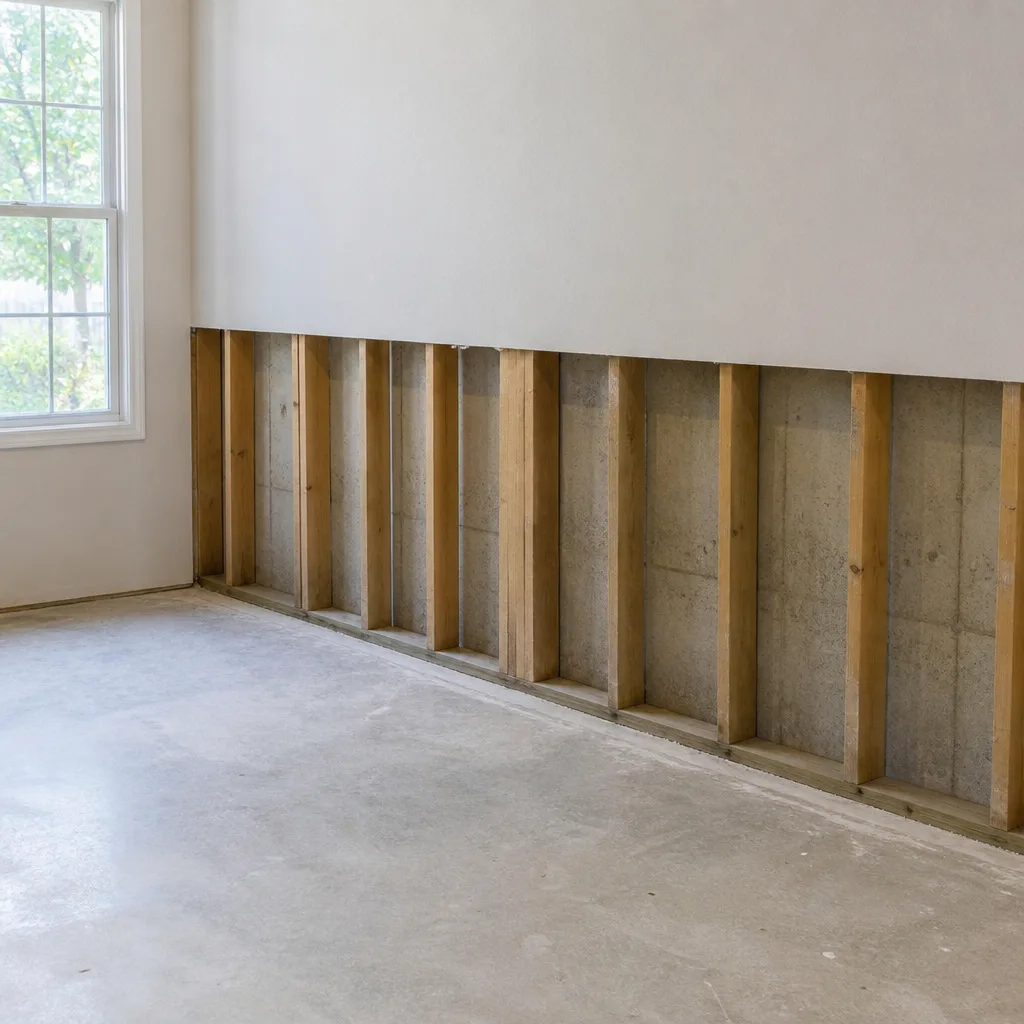
Carpet, padding, drywall, and insulation that absorbed Category 3 water cannot be reliably sanitized. We cut them out and bag them for disposal under containment. In a 1920s plaster home, that means aggressive removal on the lower wall sections, because sewage wicks upward through plaster faster than most flooring spreads it laterally.
Repairs & Restoration
The same crew handles the rebuild: framing, drywall, flooring, painting. We don’t hand you off to a separate contractor. The 90-Day Done Right Promise covers the entire job from first extraction to final coat of paint, in writing. If it’s not done right, we make it right.
Need Emergency Sewage Cleanup in Ridgefield Park Now?
Crews minutes away, answering live 24 hours a day. The sooner we start, the less it costs.
Working With Your Insurance Company
Sewage cleanup claims get complicated when the cause isn’t documented properly. We take photos and moisture readings from the first hour, before anything moves, so the loss is captured as it actually happened. Our line-item scopes follow industry-standard pricing that adjusters recognize, and we communicate with your carrier directly. You don’t fill out our paperwork and sit on hold with the claims department. We send the documentation, we call the adjuster, we answer the questions. For Ridgefield Park homes affected by tidal Hackensack River backflow, the documentation matters even more, because the difference between a covered sewer backup and an excluded flood loss often comes down to where the water entered and what the source was. We record that precisely from the start.
What We Provide Your Insurer
- Thorough documentation of the loss
- Photos of all damage, room by room
- Moisture readings and drying logs
- A detailed, line-item scope of work
- Direct coordination with your carrier
Built for Ridgefield Park’s Loss Calendar
Ridgefield Park doesn’t have one sewage season. It has four, and each one hits differently. Nor’easter season from October through March is the big one. The tidal Hackensack River backs up drainage along the low-lying meadowlands edge, and basements take on black water without a drop of local rain. We’ve responded to backups off Teaneck Road during winter storms where the driveway was dry but the basement had two inches of river water through the floor drain. January and February bring the freeze-thaw cycle: aging cast-iron waste lines in 1920s-to-1950s homes crack under ground movement, and sewage finds its way into basements around perimeter walls. Spring thaw brings the groundwater table up to the foundation line, and sump pumps pushing clean groundwater can mix with municipal sewage when old clay pipes have collapsed. Summer thunderstorms overwhelm combined storm-sewer systems quickly, and the village’s flat streets push runoff toward the river’s low blocks. Every one of these produces a different source of Category 3 water, and the right cleanup depends on knowing which one you’re dealing with.
Sewage Cleanup Across Ridgefield Park’s Neighborhoods
The homes along the river side of Teaneck Road carry the highest flood-and-sewage exposure in the village. These blocks sit lowest, and the grey-black meadowlands silt that comes with Hackensack River backflow shows up in basements after nearly every nor’easter. The streets between Main Street and the river, including the blocks around the Village Hall and the library, are mostly 1920s-to-1940s construction with full basements and original cast-iron waste stacks, which means sewage backups here often trace back to pipe scale, root intrusion, or a cracked clay lateral rather than municipal main problems. Over toward the Palisades Park line, neighbors on streets near the Route 46 corridor deal with stormwater pushing down through older combined systems, and backups come up through floor drains and basement toilets. Up the hill toward the Leonia border, the homes are slightly newer, mostly 1950s, and the sewage issues shift toward failed septic laterals, sump pump short-cycling, and occasional overland flow from saturated yards. In every neighborhood, the answer stays the same: the Sewage Cleanup team arrives fast, classifies the water correctly, and stays until the moisture log says done.
Specialized Sewage Cleanup Services We Offer in Ridgefield Park
Sewage Backup Cleanup
A municipal line backup on a Ridgefield Park street sends contaminated water up through floor drains and tubs. We extract it under containment, treat every affected surface, and document the source so your claim reflects what actually happened. In 1920s plaster basements, that includes cutting removal of lower wall sections where sewage wicks upward.
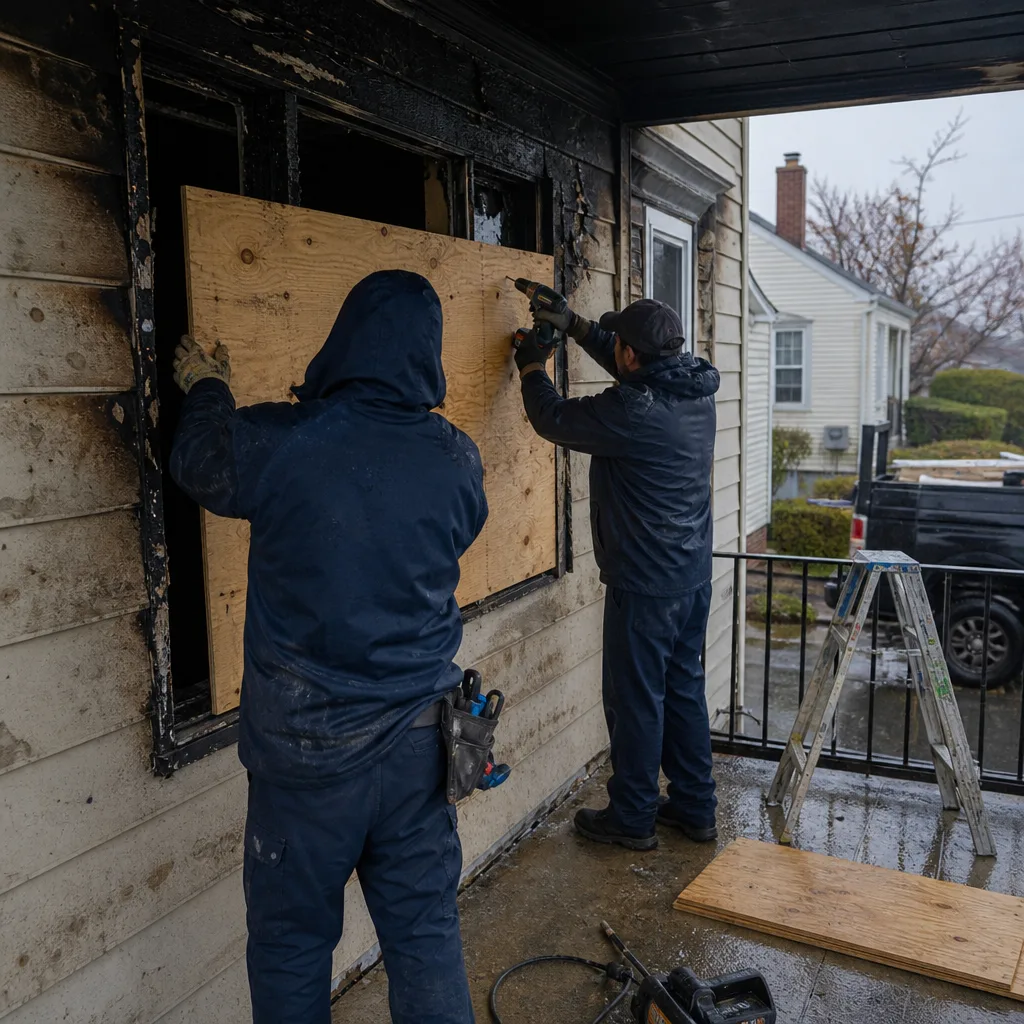
Toilet Overflow Cleanup
A toilet overflow in a modern home is often Category 2. A toilet overflow in a Ridgefield Park basement that has mixed with tidal backflow from the Hackensack is Category 3, and treating it like a routine spill leaves contaminated residue in porous block walls. We classify on site, not from a checklist.
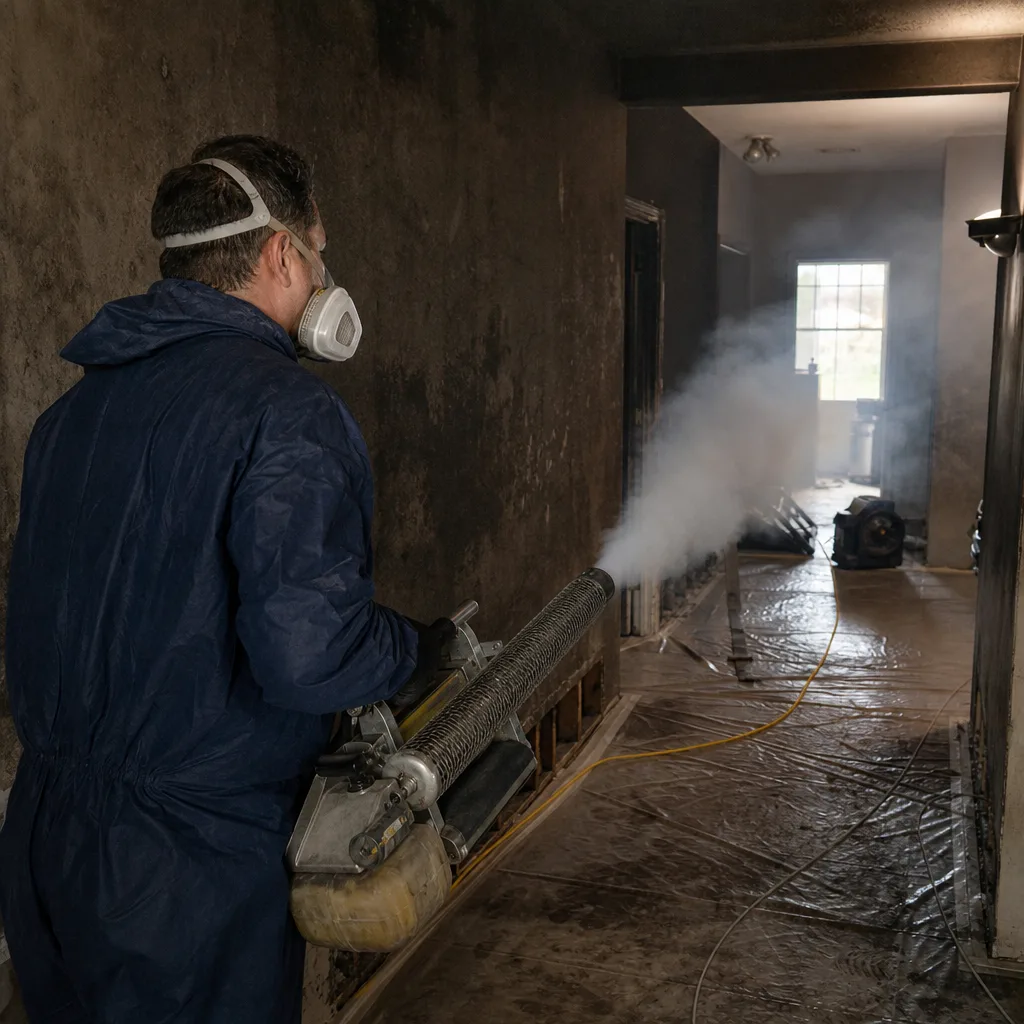
Septic Failure Cleanup
Older homes in the village, especially those near the river, may still have or be near original septic laterals. When they fail, raw effluent surfaces in yards and migrates into crawl spaces and basements. We handle the extraction, the contaminated soil removal, and the rebuilding of flooring and framing, then coordinate with your plumber on the lateral repair.
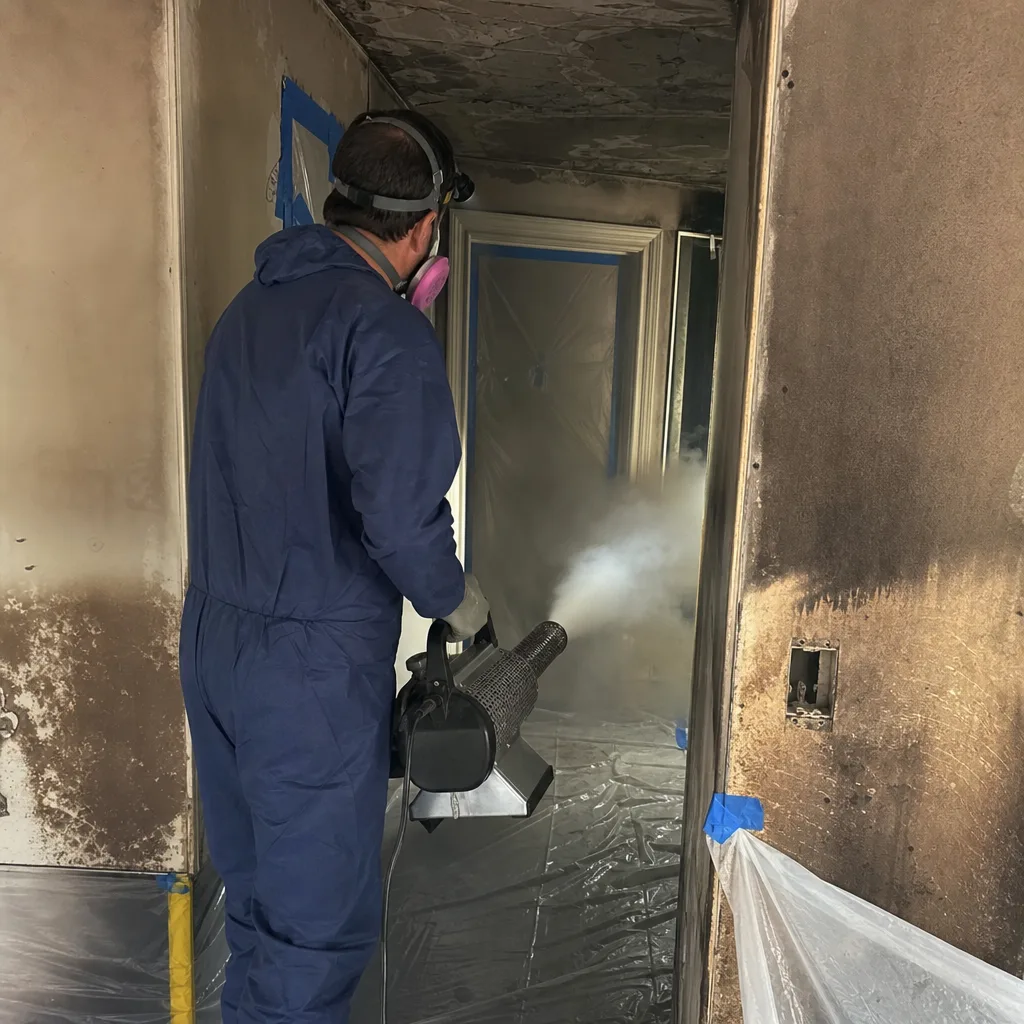
Black Water Extraction
This is the service that matters most in Ridgefield Park. Black water from the Hackensack carries meadowlands sediment, brackish river water, and whatever the tide pushed up from downstream. Full containment, Dri-Eaz extraction, HEPA vacuuming of contaminated silt, and antimicrobial treatment of every affected surface. We don’t skip steps because the job looks small at first glance.
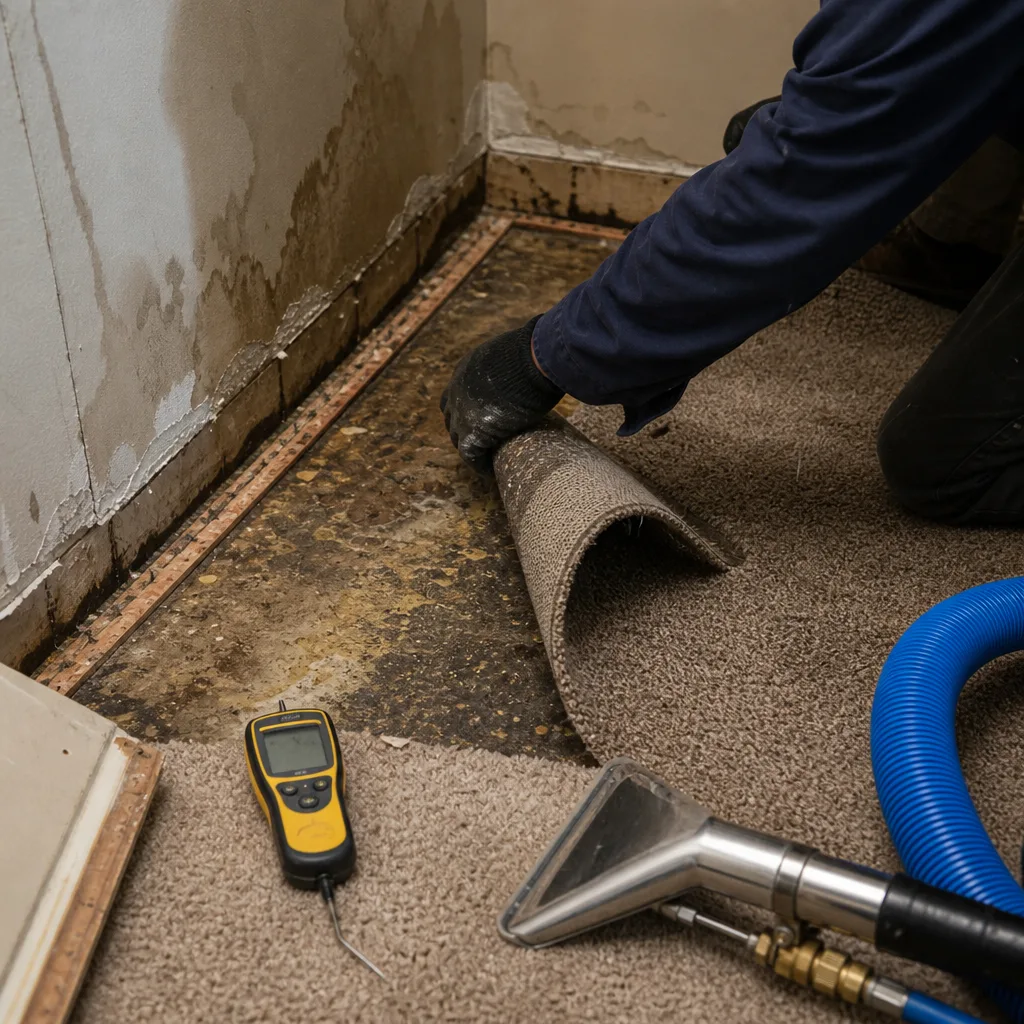
Sanitization & Disinfection
After extraction and cleaning, every affected hard surface receives an EPA-registered antimicrobial treatment. That includes concrete floors, block walls, floor joists, and stud cavities. In a Ridgefield Park basement at the water table, surface sanitization alone is not enough. The treatment has to reach what the water reached.
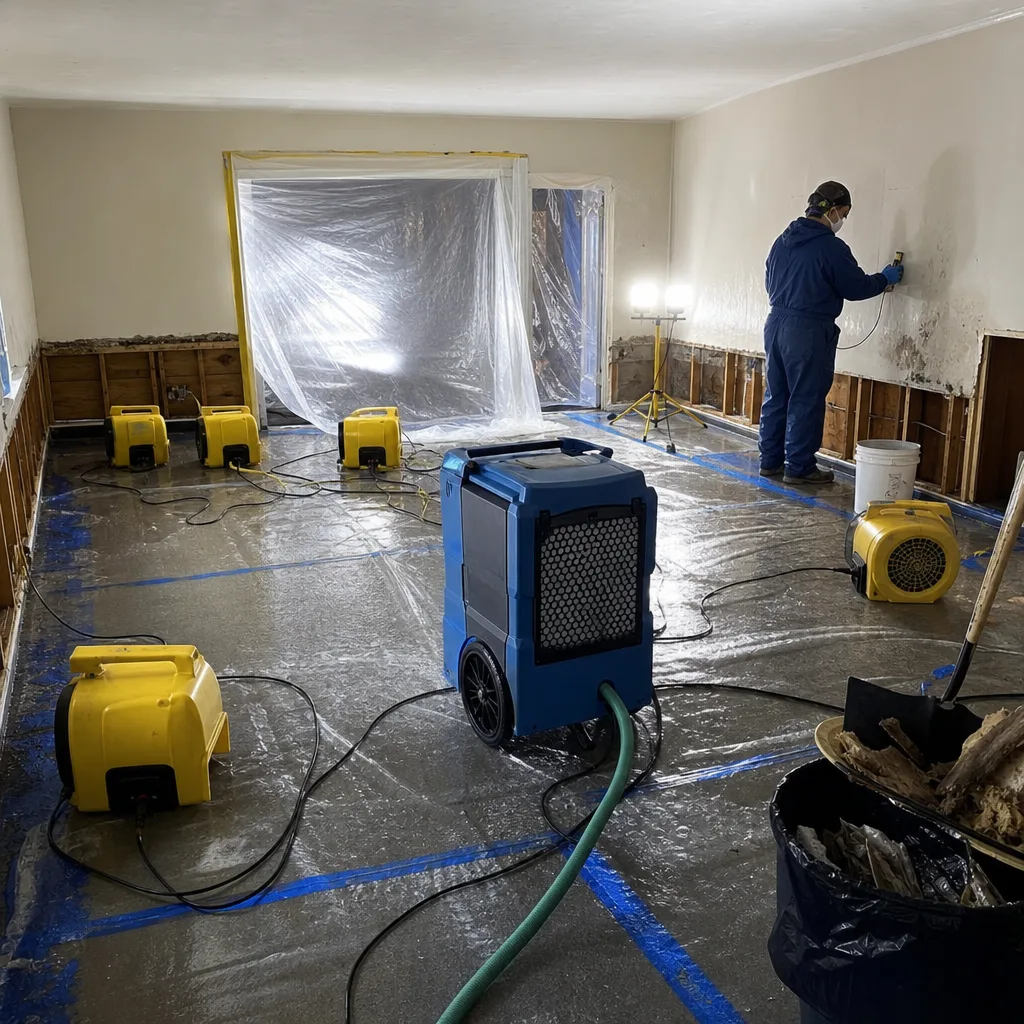
Crawl Space Sewage Removal
Many of the village’s older homes have crawl spaces under rear additions and porches, and sewage backs up into them through old drain lines or surface flow. We extract, remove contaminated insulation, treat the framing, and install vapor barriers after drying. Your crawl space is part of the house, and it gets the same documentation as a finished room.
What happens when you call
- 1
A real person answersNo phone trees - you reach a local pro.
- 2
You get an upfront price rangeHonest numbers before anyone is dispatched.
- 3
A background-checked tech heads outLicensed & insured, dispatched right away.
- 4
You approve before work beginsNothing starts until you say go.
Sewage Cleanup Costs in Ridgefield Park, NJ
A straightforward Category 2 toilet overflow cleanup in Ridgefield Park typically runs $450-$900, including extraction, cleaning, and basic sanitization. A Category 3 sewage backup that requires containment, full extraction, material removal, and drying usually lands between $2,800 and $7,500 depending on the square footage affected and whether the water reached finished walls. When tidal backflow from the Hackensack has pushed contaminated silt through a River-side basement, the job often runs $6,000 to $14,000 because of the full containment, HEPA vacuuming of meadowlands sediment, antimicrobial treatment of porous block walls, and a longer drying cycle for plaster and balloon-frame cavities. The single biggest cost driver in Ridgefield Park is how long the water sat before the crew arrives. A backup caught in the first hour is a cleanup job. A backup discovered after a weekend away is a rebuild. Call us for a free inspection and a written scope before you agree to anything, and keep in mind that the $50 Off Any Repair Over $250 standing offer and the Senior & Veteran 5% discount apply to the out-of-pocket portion.
We Also Serve Cities Near Ridgefield Park
Our crews cover the villages and boroughs around Ridgefield Park daily. If you live across the border in Palisades Park or Leonia, or south toward Hackensack and Teaneck, the same live dispatch line at (201) 729-3780 gets you a certified team with the same 45-minute response commitment. Sewage backups don’t respect municipal lines, and neither do our service boundaries.
Serving Ridgefield Park, NJ - Our Local Coverage Area
We’re based in the Ridgefield Park area and know this community well. Use the map below to see our service coverage - if you’re nearby, we can almost certainly help.
Ridgefield Park Sewage Cleanup Questions, Answered
Why does Ridgefield Park get sewage backups during nor’easters even without heavy rain?
The tidal Hackensack River rises with storm surge, and that push of water backs up through the village’s drainage outfalls, sending river water mixed with sewage through floor drains and into basements. This happens on low-lying blocks near Teaneck Road and the river side even when rainfall is modest. Call (201) 729-3780 the moment you see water at a floor drain during a coastal storm.
How do you handle the grey-black meadowlands silt left behind after a Hackensack River flood?
We treat it as contaminated material. After extraction with Dri-Eaz pumps, our crew HEPA-vacuums the silt from concrete block walls, floor joists, and any surface it embedded in, then applies an EPA-registered antimicrobial treatment. This is not standard basement pump-out work, and contractors who skip this step leave a contamination source in your foundation.
Are older Ridgefield Park homes slower to dry after sewage cleanup?
Yes. The village’s 1920s-to-1950s homes have plaster walls and balloon-frame cavities that hold water much longer than modern drywall. Our drying cycles run longer here, with daily moisture readings through Phoenix dehumidifiers and XPOWER air movers until the full cavity confirms dry, not just the surface.
Can tidal surge turn a toilet overflow into a Category 3 job in Ridgefield Park?
Routinely. If brackish river water backed up through a floor drain and mixed with the toilet overflow, the entire volume is Category 3 black water. We classify on site with testing and source tracing, not assumptions, and set containment accordingly.
What should homeowners near the river do immediately after sewage backs up into a basement?
Kill power to the affected area if you can reach the panel safely, keep children and pets out, and call (201) 729-3780. Don’t run a shop vac, don’t add bleach, and don’t walk through the water tracking contamination into clean rooms. The faster we arrive, the less material has to come out.
How fast can a crew actually reach my Ridgefield Park home?
Within 45 minutes in most cases. We stage equipment and crews near the village so we’re not driving across the county when your basement is filling. A live dispatcher confirms your address and gets a team moving on the phone. For River-side blocks during nor’easters, we often have crews already staged in the area.