
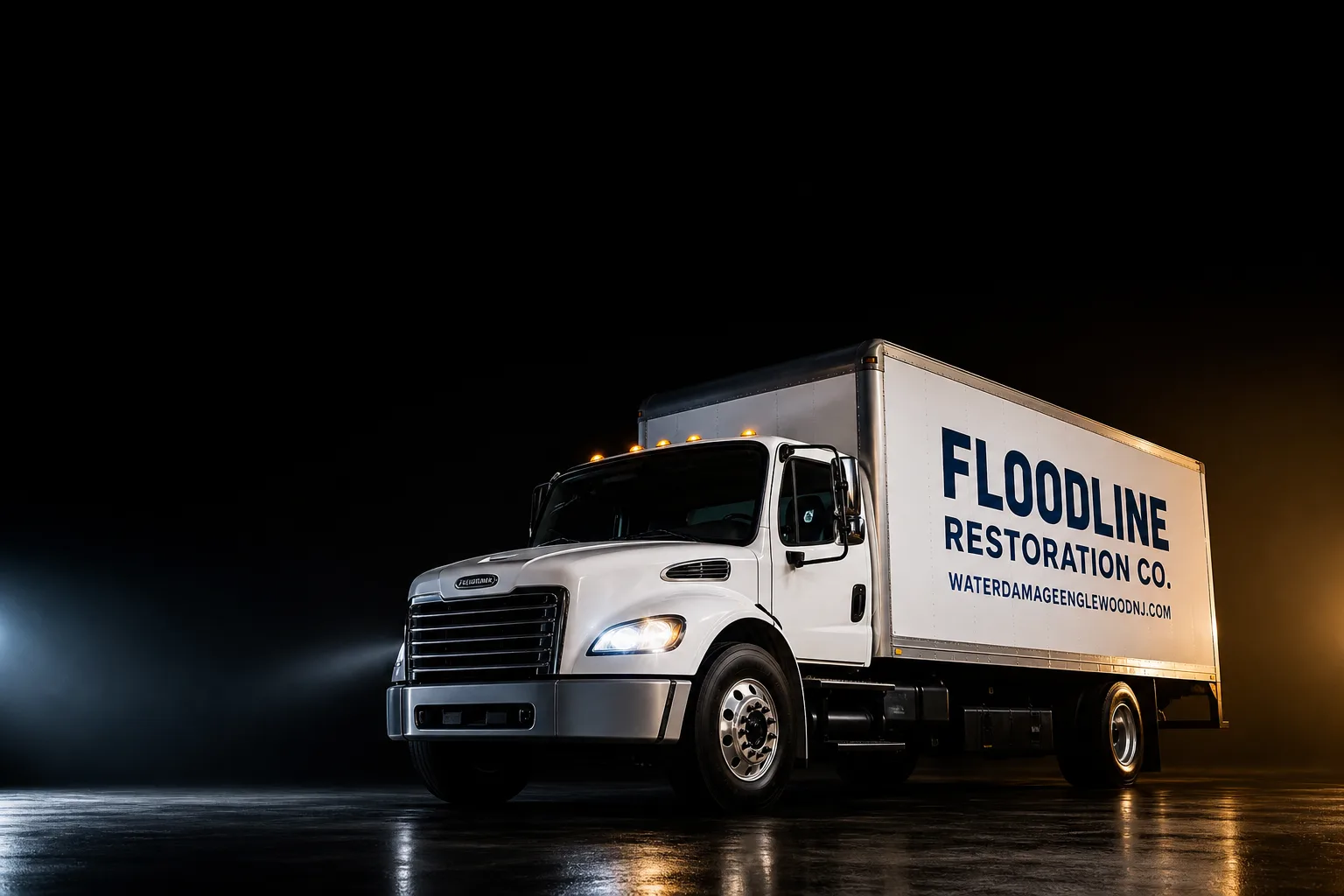
Free visual inspection and a written scope of work before any mitigation begins - photos, moisture readings, and drying logs go in your claim file
The scope we write is the scope we bill. Anything new gets shown to you, in writing, before we touch it.
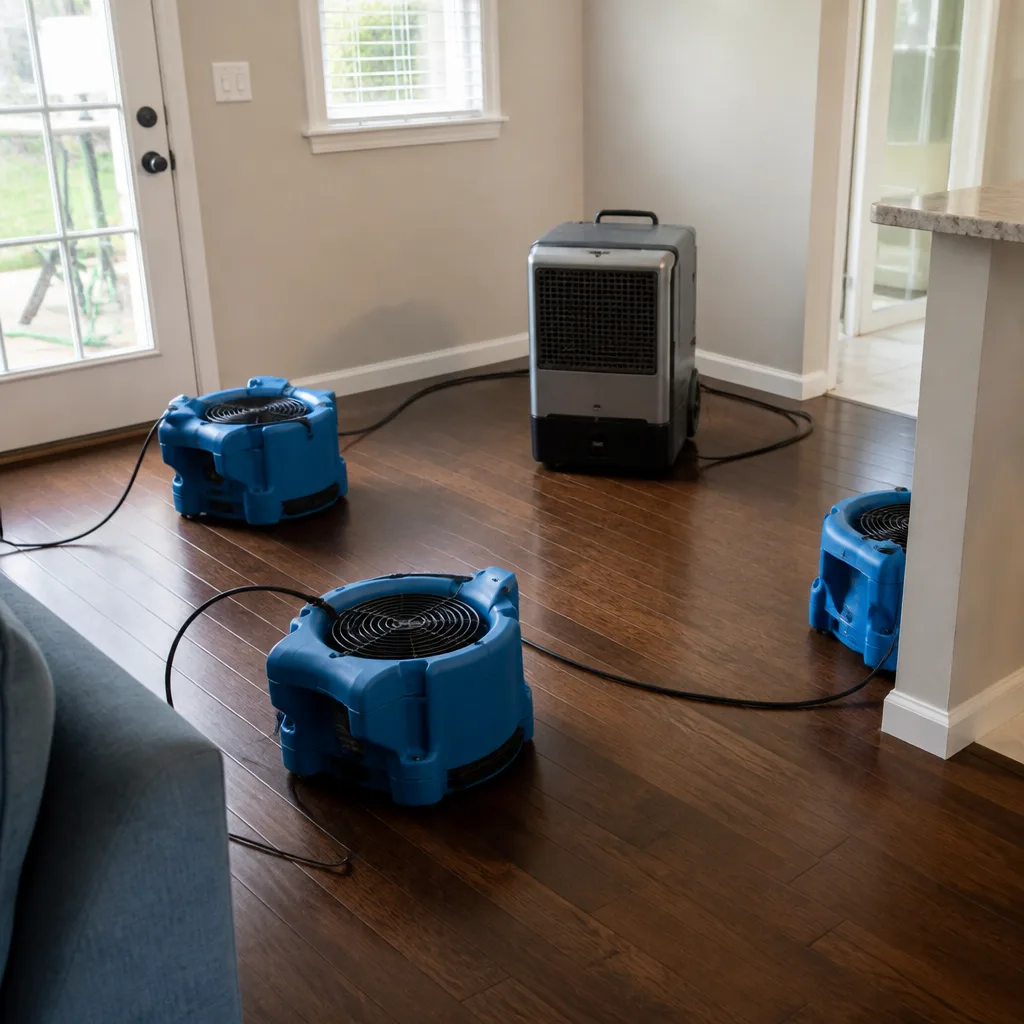
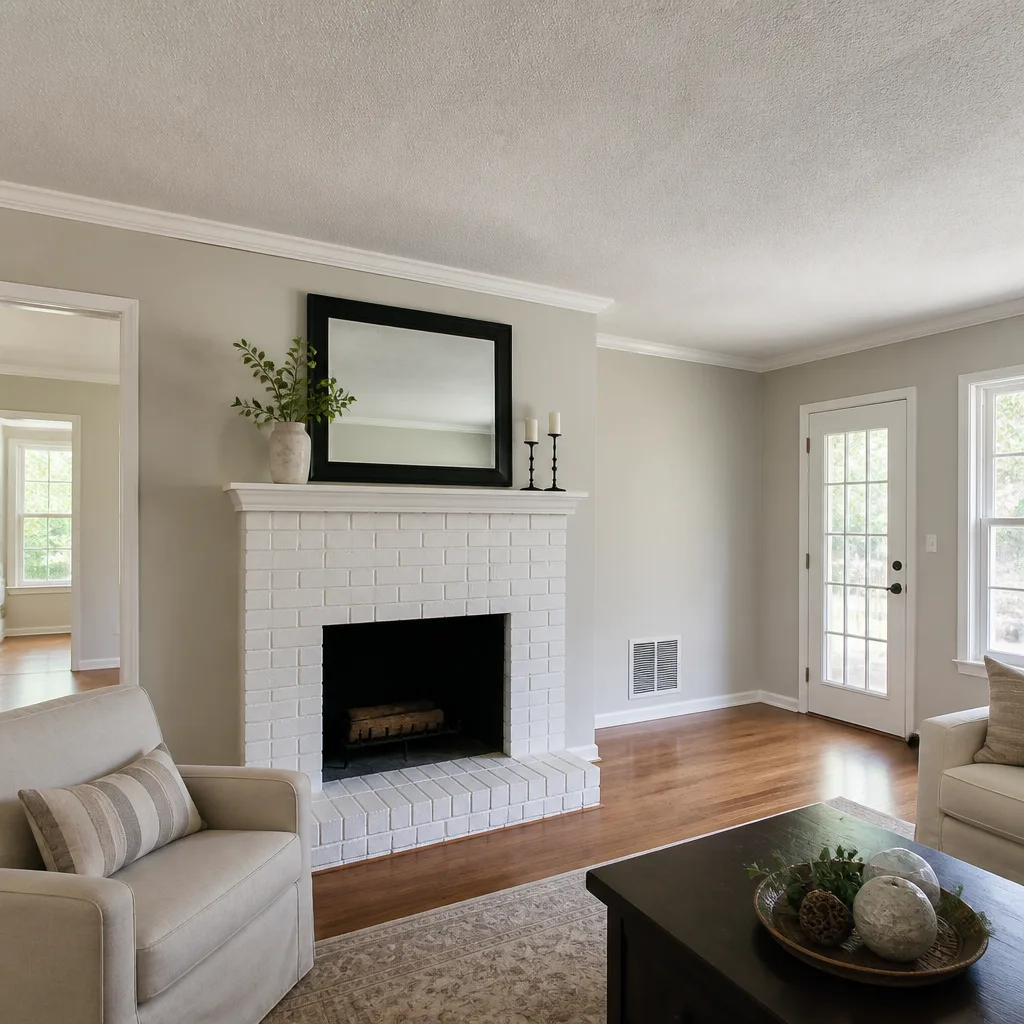
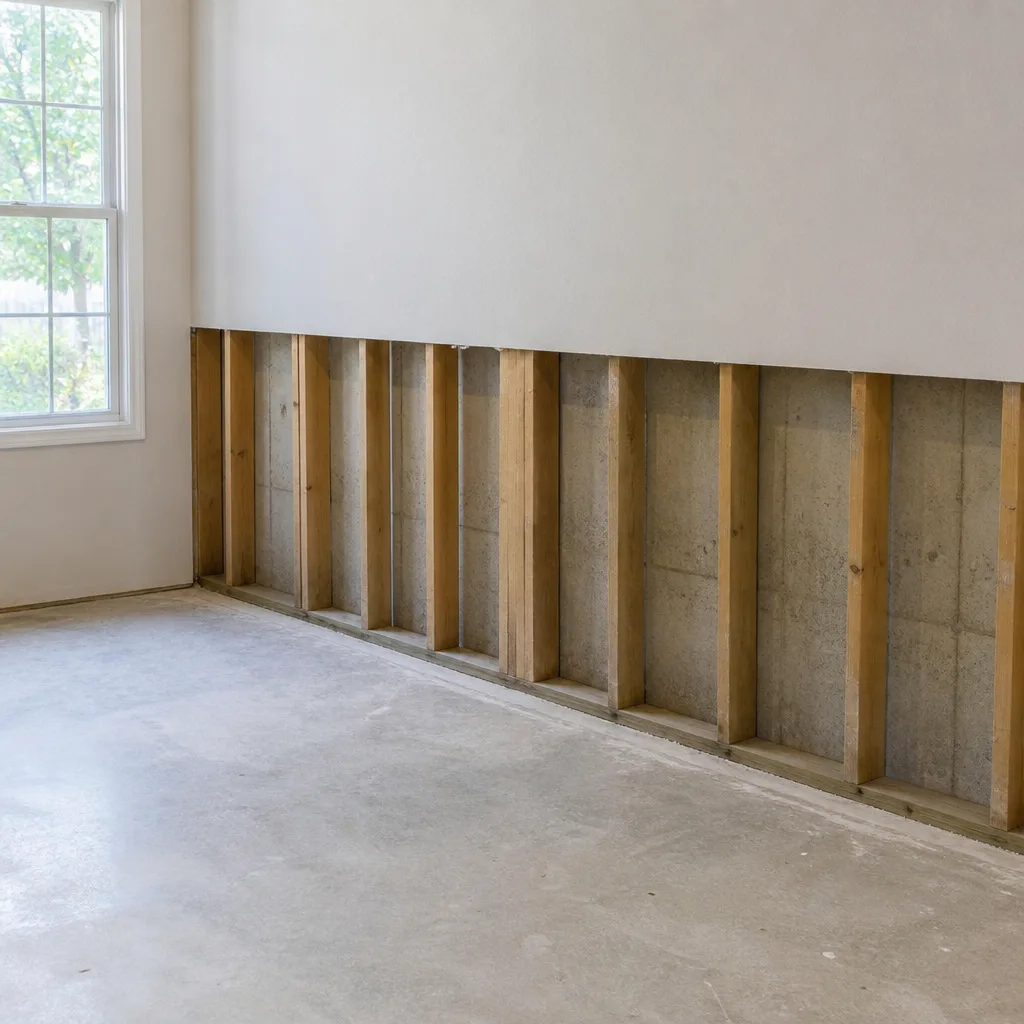
 Before
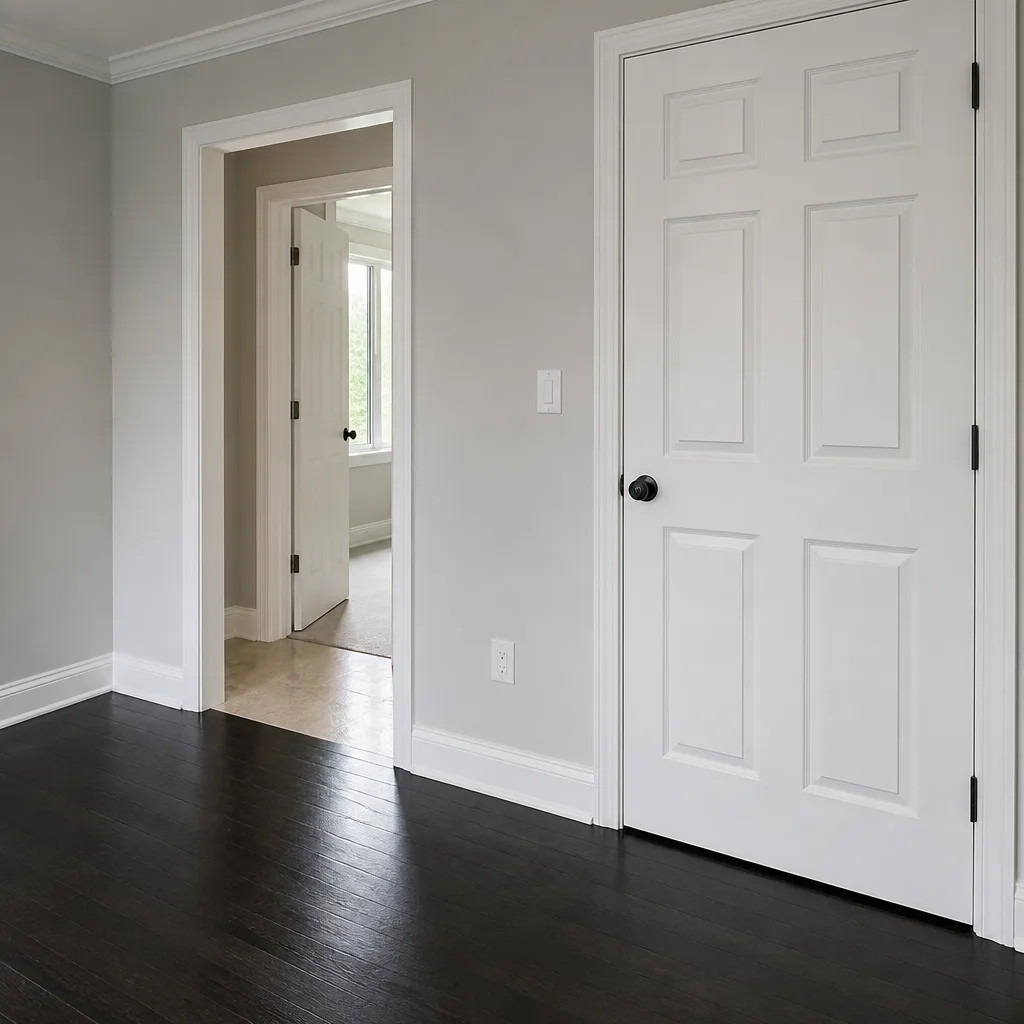 After
After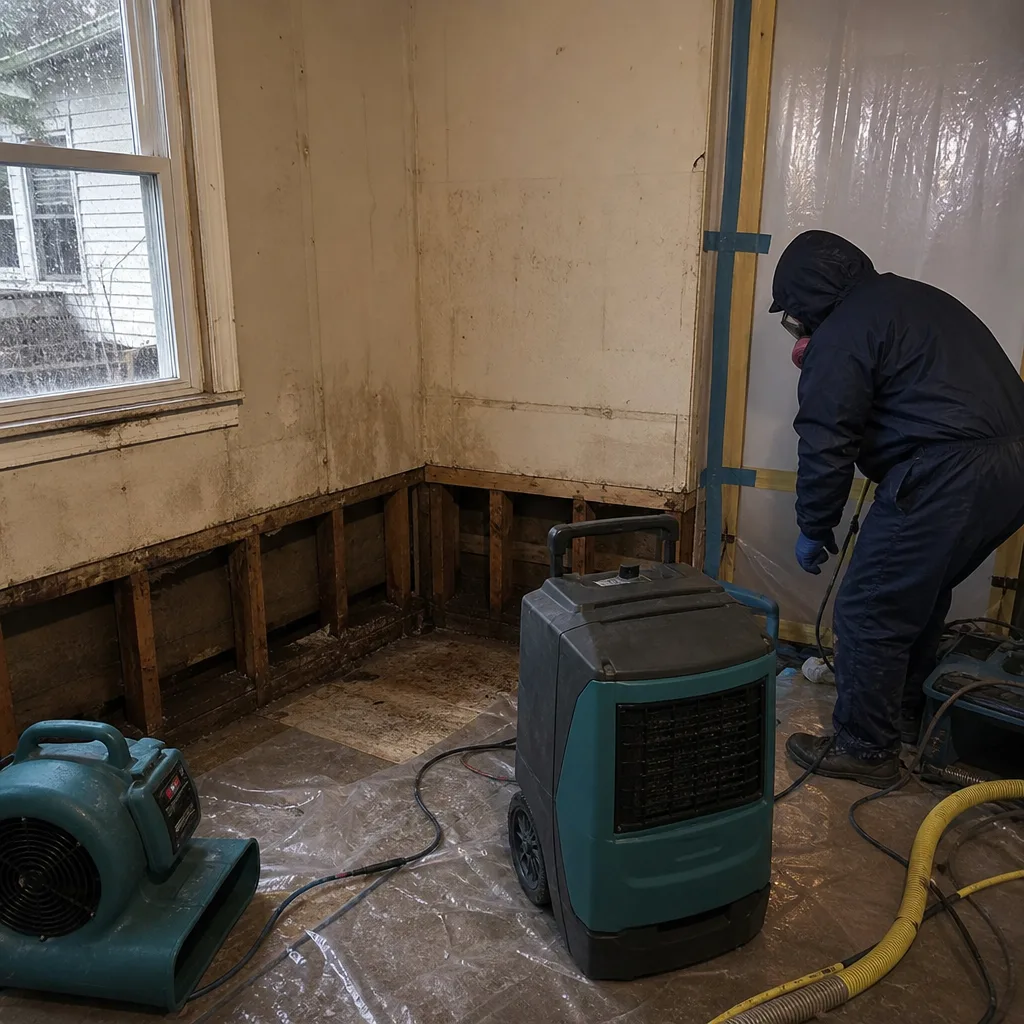 Before
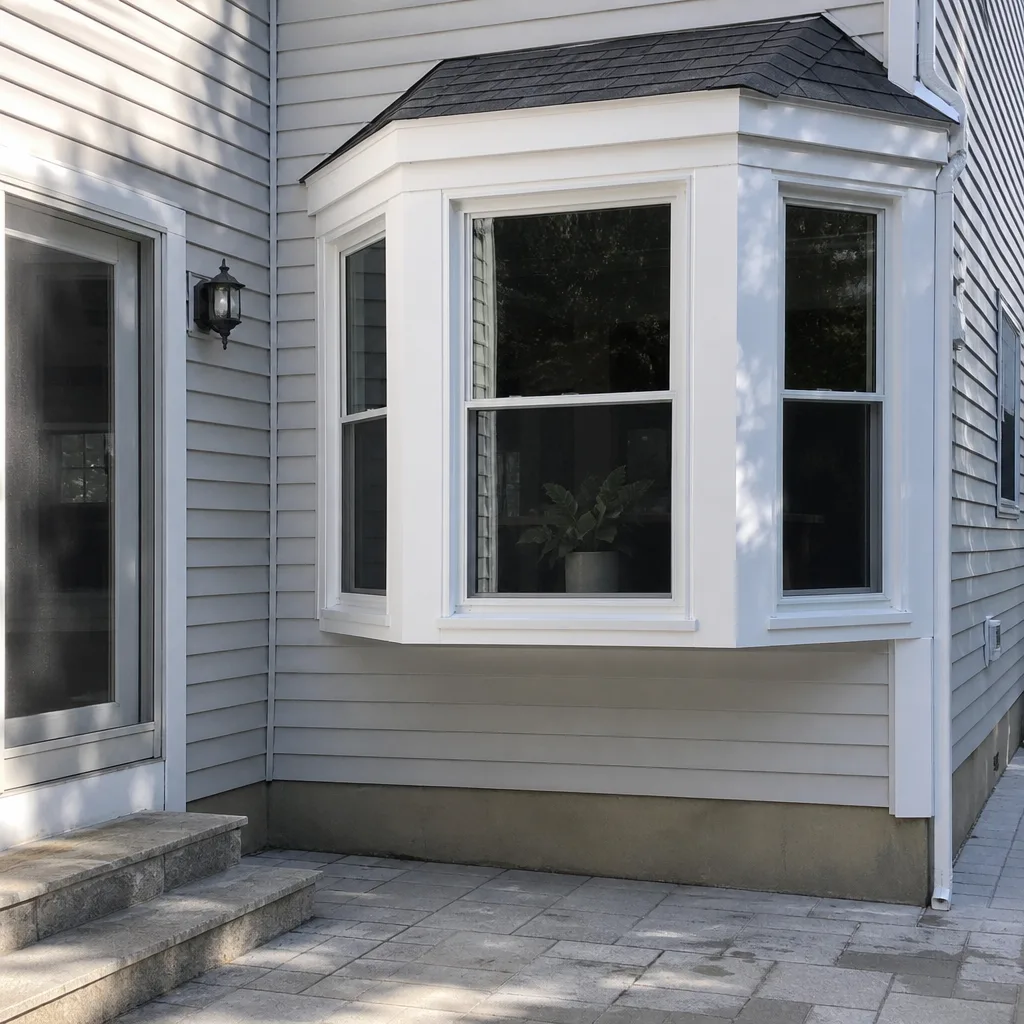 After
After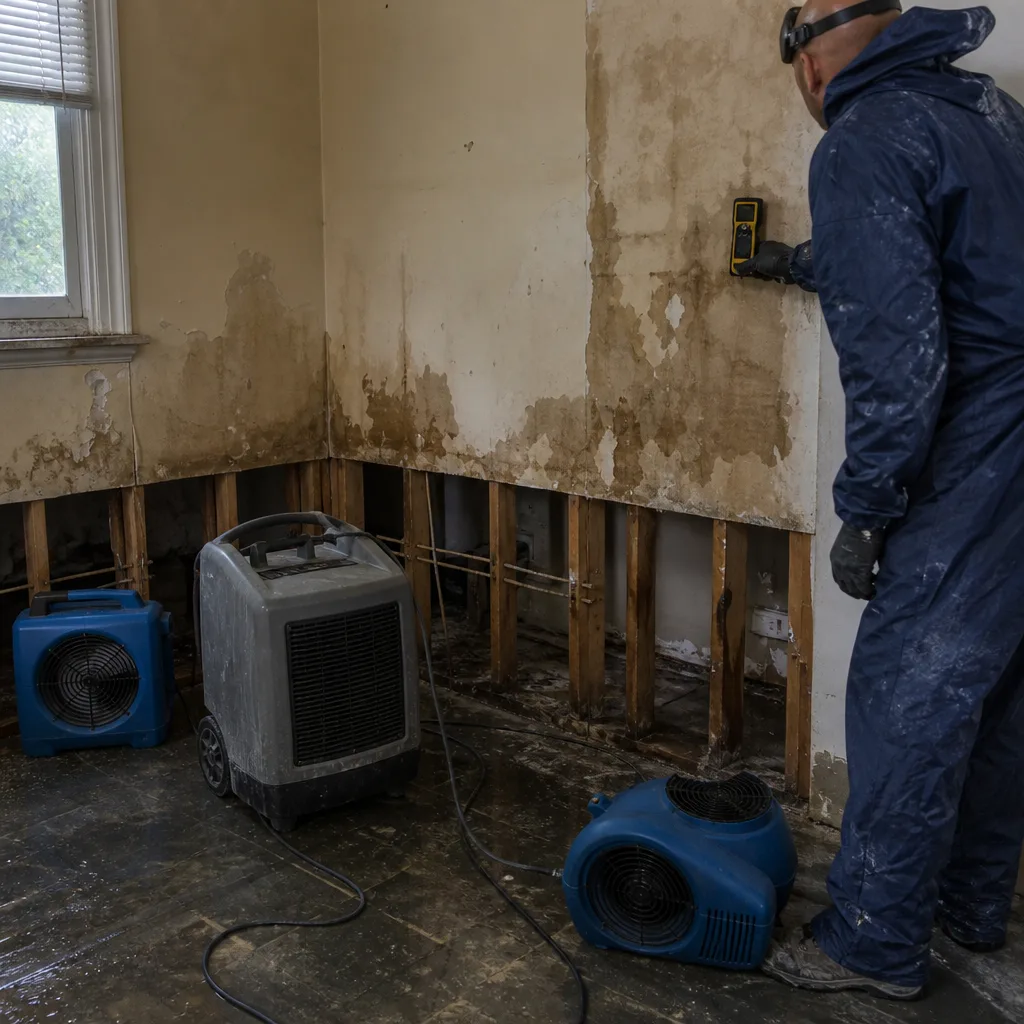 Before
 After
After24/7 Emergency Sanitization Services in Fort Lee
Sanitization services in Fort Lee typically run $380-$920 for a single high-rise unit and can be completed same-day in most cases. Floodline Restoration Co. answers calls live around the clock and keeps crews staged near the George Washington Bridge approach so we’re not burning 45 minutes crossing Bergen County when a category 2 water release has put a vertical stack of units at risk. Call (201) 729-3780 any hour. We’ll walk the affected area, put containment where it belongs, and give you a written scope before any equipment gets plugged in.
What happens when you call
- 1
A real person answersNo phone trees - you reach a local pro.
- 2
You get an upfront price rangeHonest numbers before anyone is dispatched.
- 3
A background-checked tech heads outLicensed & insured, dispatched right away.
- 4
You approve before work beginsNothing starts until you say go.
Understanding Sanitization Services Severity in Fort Lee Properties
Fort Lee’s housing stock changes how we think about sanitization. Most of the borough’s residential square footage sits inside pre-1990 concrete-frame towers, not detached houses. That means a single pipe failure on the 14th floor of a Palisade Avenue condominium doesn’t stay on the 14th floor. Water follows gravity through chase walls, elevator shafts, and shared risers, and what starts as a category 2 event on one floor can become a category 3 contamination problem in the units below within hours. Category 2, sometimes called gray water, carries bacteria from washing machine discharge or an overflowing sink. Category 3, black water, is sewer backup or floodwater and requires full containment, antimicrobial application, and often disposal of affected drywall and insulation. Because most Fort Lee towers were built during the asbestos era, any water event that reaches floor tiles, pipe insulation, or textured ceiling material usually triggers mandatory asbestos testing before we can finalize drying and rebuild. That’s a Fort Lee reality, and it’s built into how we sequence our work.
Why Fort Lee Property Owners Choose Floodline Restoration Co.
- 45-minute response commitment for Fort Lee addresses. We stage crews near the GWB corridors so the last half-mile doesn’t cost you a drying window.
- A real person answers the phone at 2 a.m. No automated systems, no callbacks scheduled for “business hours.” Live dispatch, every day, all night.
- IICRC-certified crews trained for high-rise work. WRT and AMRT certifications mean our technicians can read moisture in concrete-framed buildings and apply antimicrobials to code.
- Free visual inspection with a written scope. You’ll know what the sanitization includes, what it costs, and why before work begins.
- Direct insurance billing. We coordinate with your carrier and your HOA’s insurer, so you’re not the messenger between three parties.
- One team from extraction to final reconstruction. The crew that sets containment on day one is the same crew that hands you the drying log at the end.
Our Sanitization Services Process
1. Inspection & Assessment
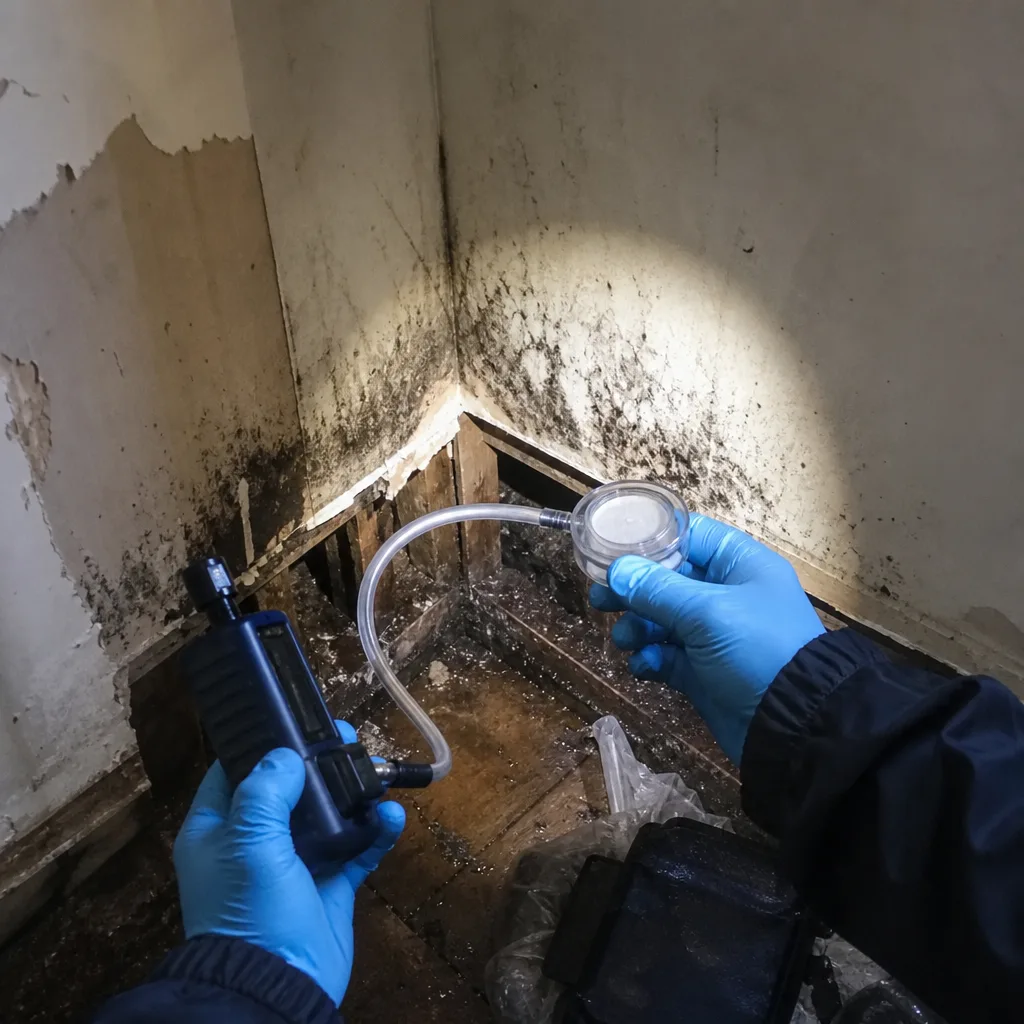
We arrive, walk the unit and any common areas affected, and take moisture readings with hygrometers and thermal imaging. In Fort Lee towers, this includes inspecting vertical chase walls and the units directly below the source. We identify whether the water is category 1, 2, or 3, and we flag any materials that may require asbestos testing under local building code.
2. Containment & Stabilization
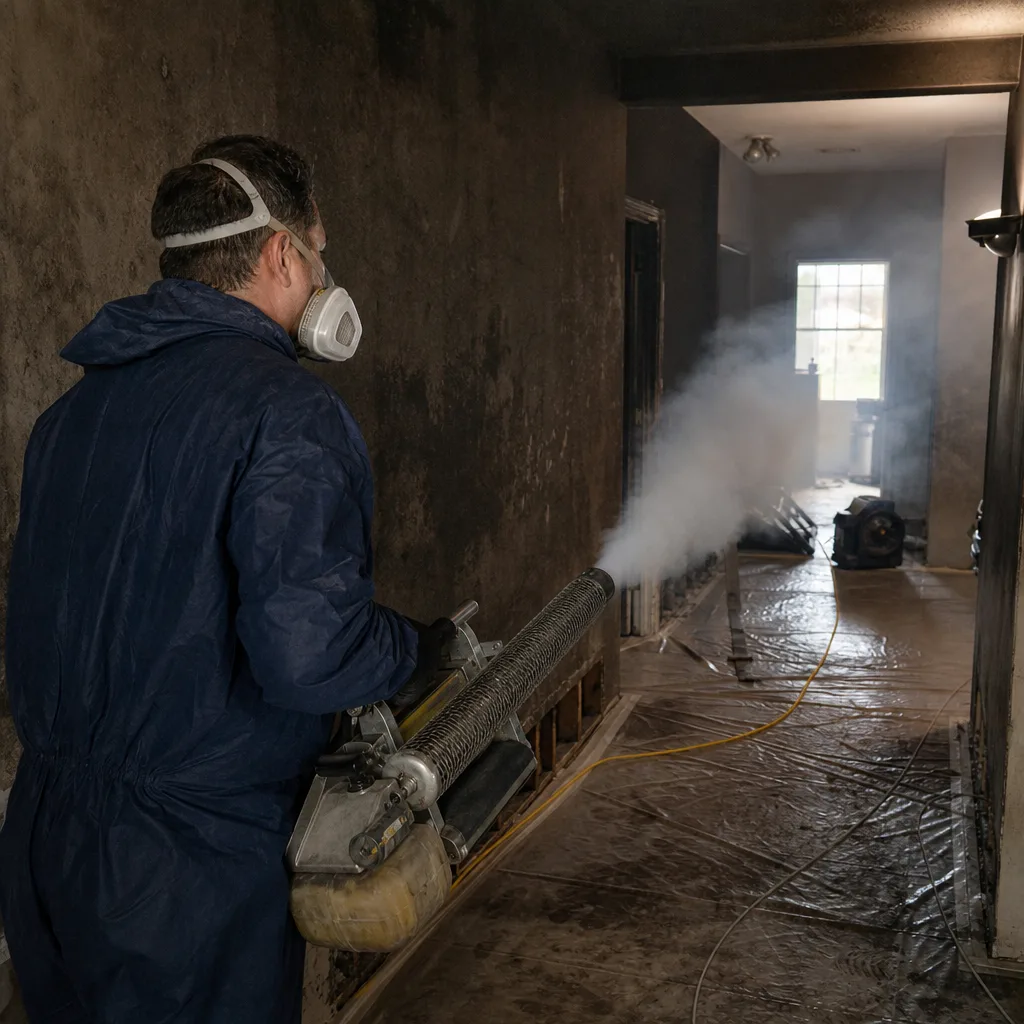
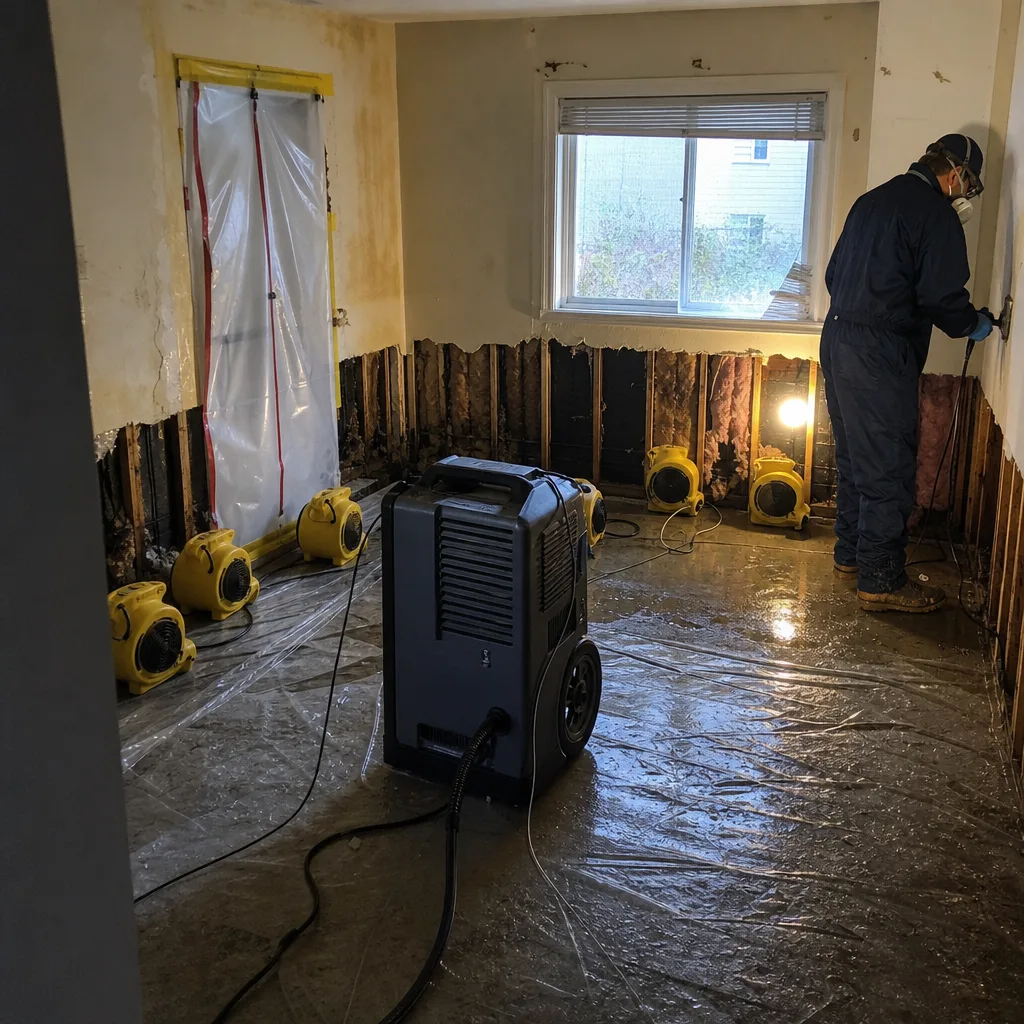
Before any sanitization begins, we set containment barriers to prevent cross-contamination through shared hallways and vertical openings. In a high-rise, that means sealing elevator vestibules, stairwell doors, and utility chase penetrations. We stop the water source, extract what’s accessible, and stabilize the area so damage stops spreading.
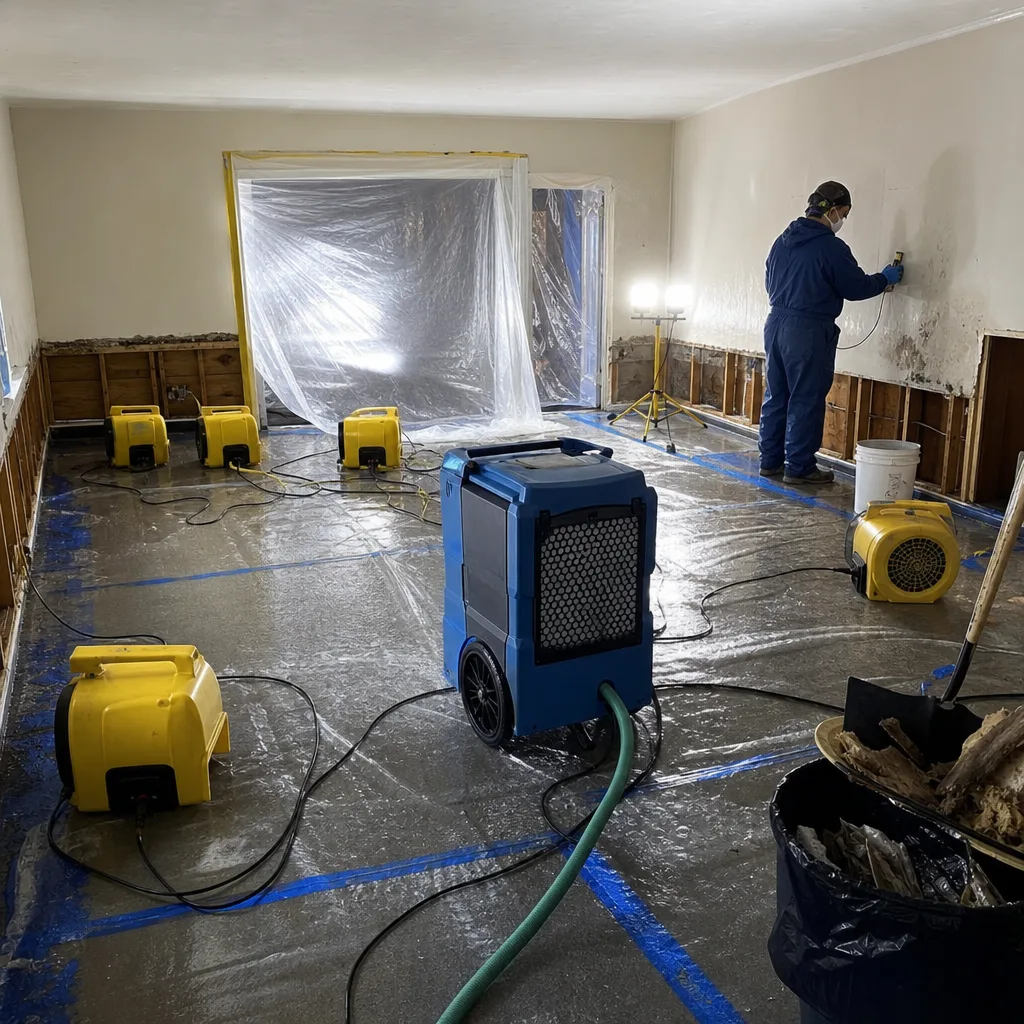
3. Drying & Dehumidification
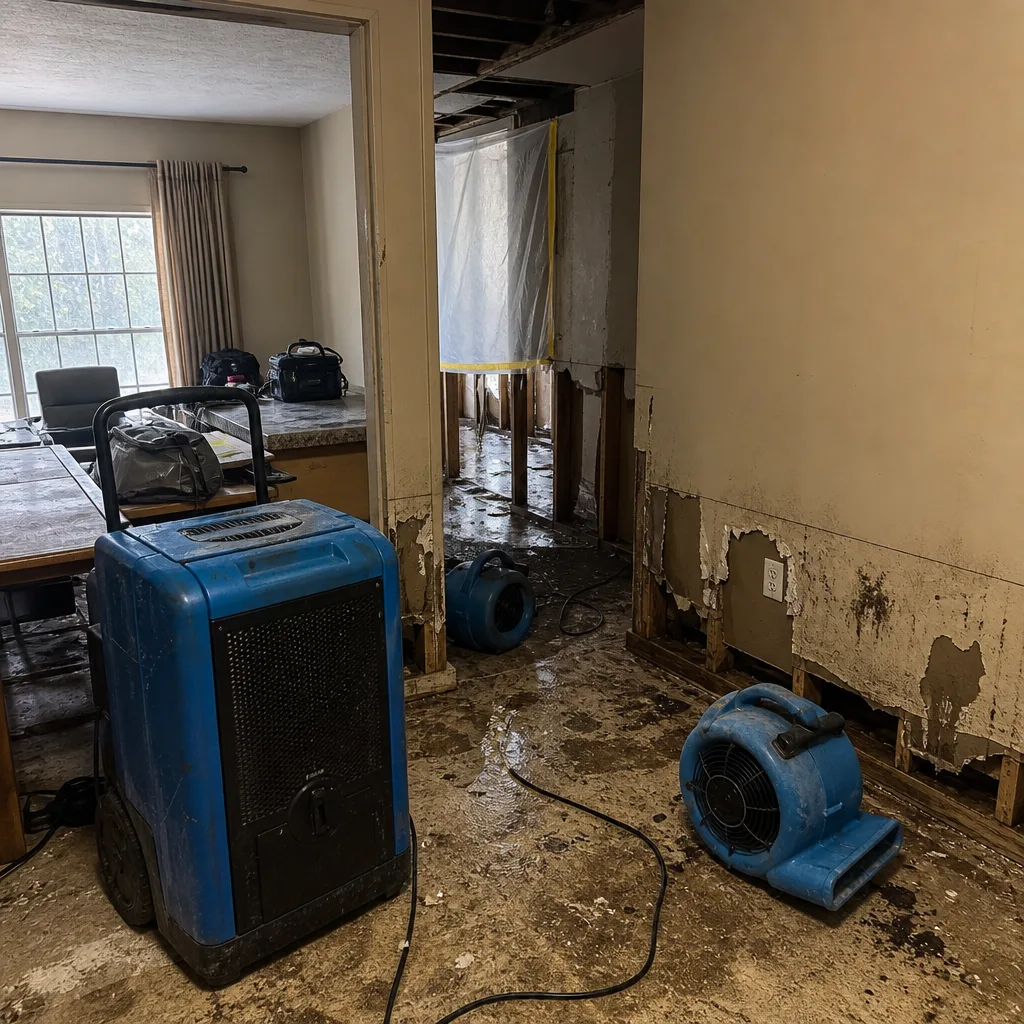
Professional-grade Dri-Eaz and Phoenix air movers and dehumidifiers go in, sized for the cubic footage and the building’s concrete-frame construction. Concrete holds moisture differently than wood framing, so we log daily readings until materials reach the dry standard. You get a copy of that log. Your HOA gets one too.
4. Cleaning & Sanitization
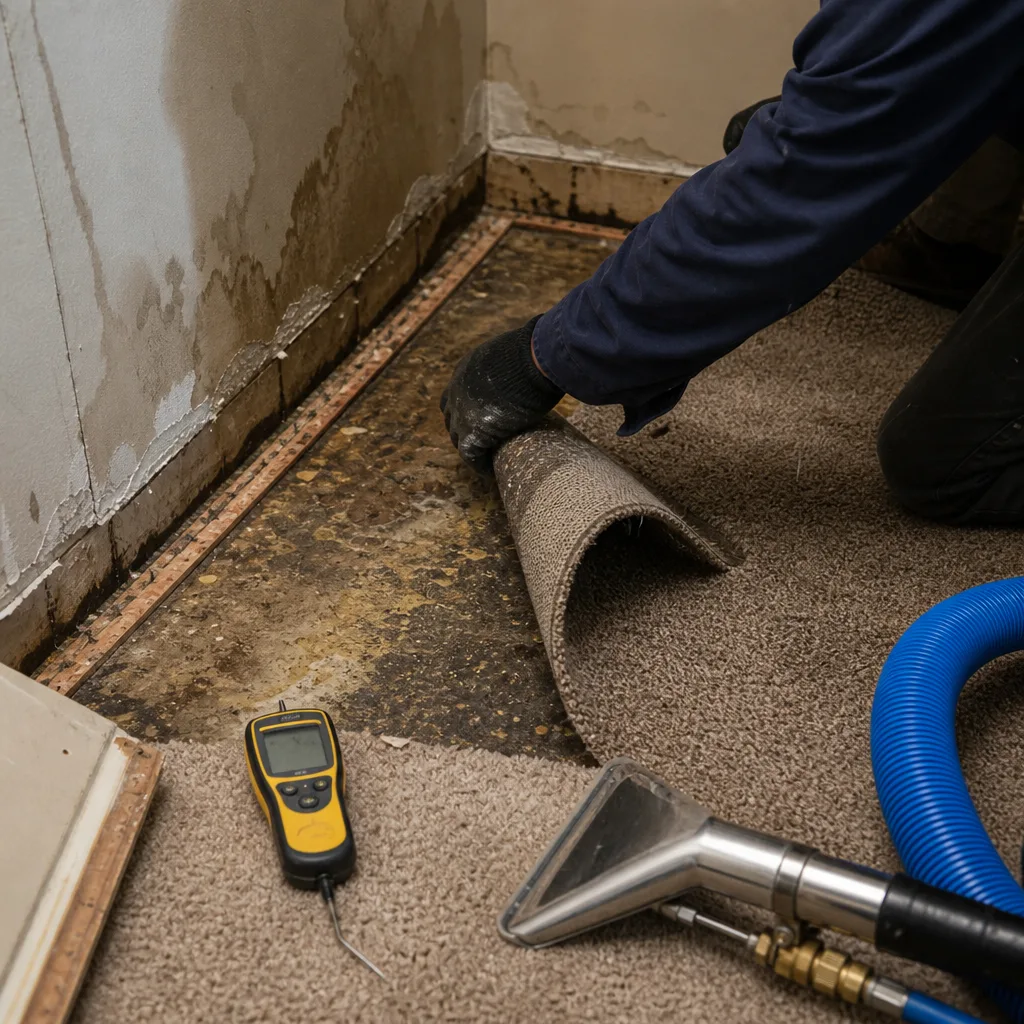
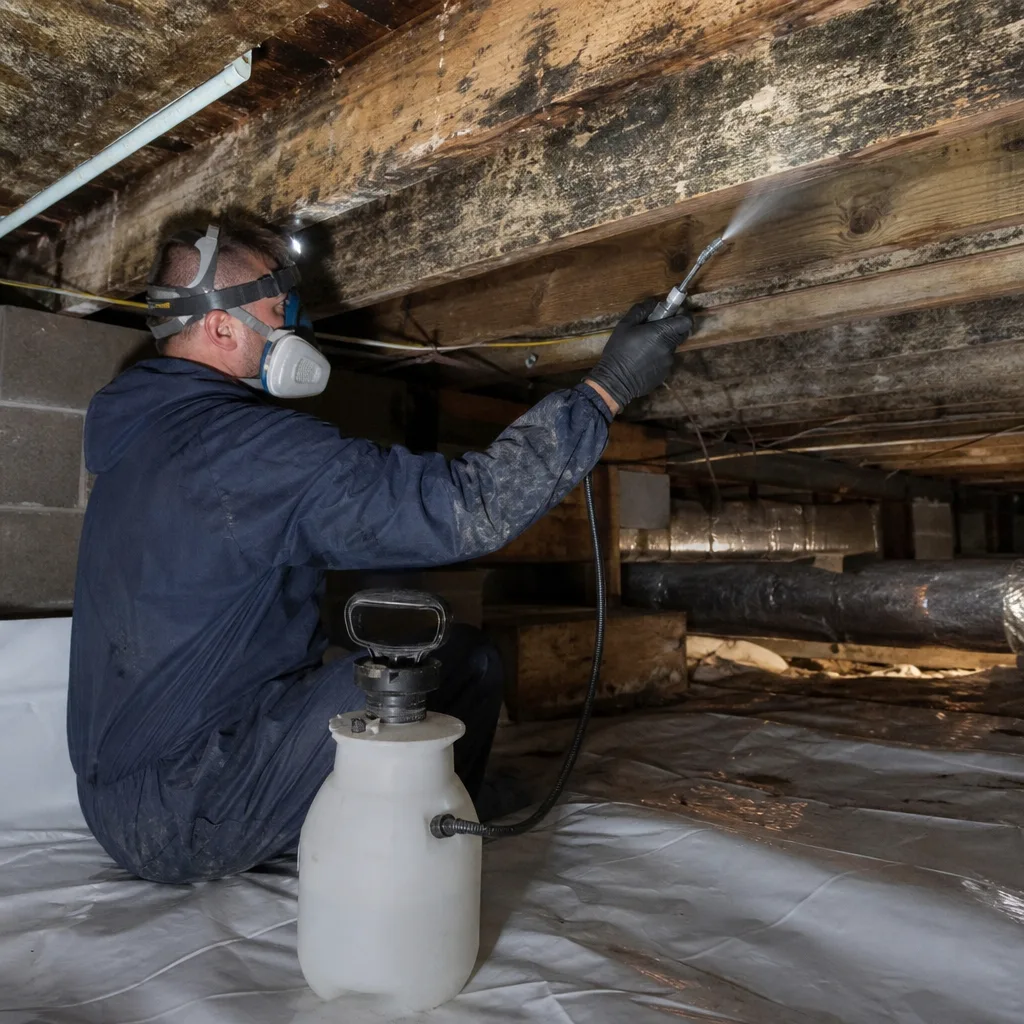
We apply EPA-registered antimicrobials to affected surfaces and run HEPA air scrubbers to pull airborne contaminants. For category 3 events, this step includes removing compromised drywall, carpet, and insulation before antimicrobial treatment can be effective. We document every step with photos.
5. Specialty Treatment: Fogging & Air Ducts
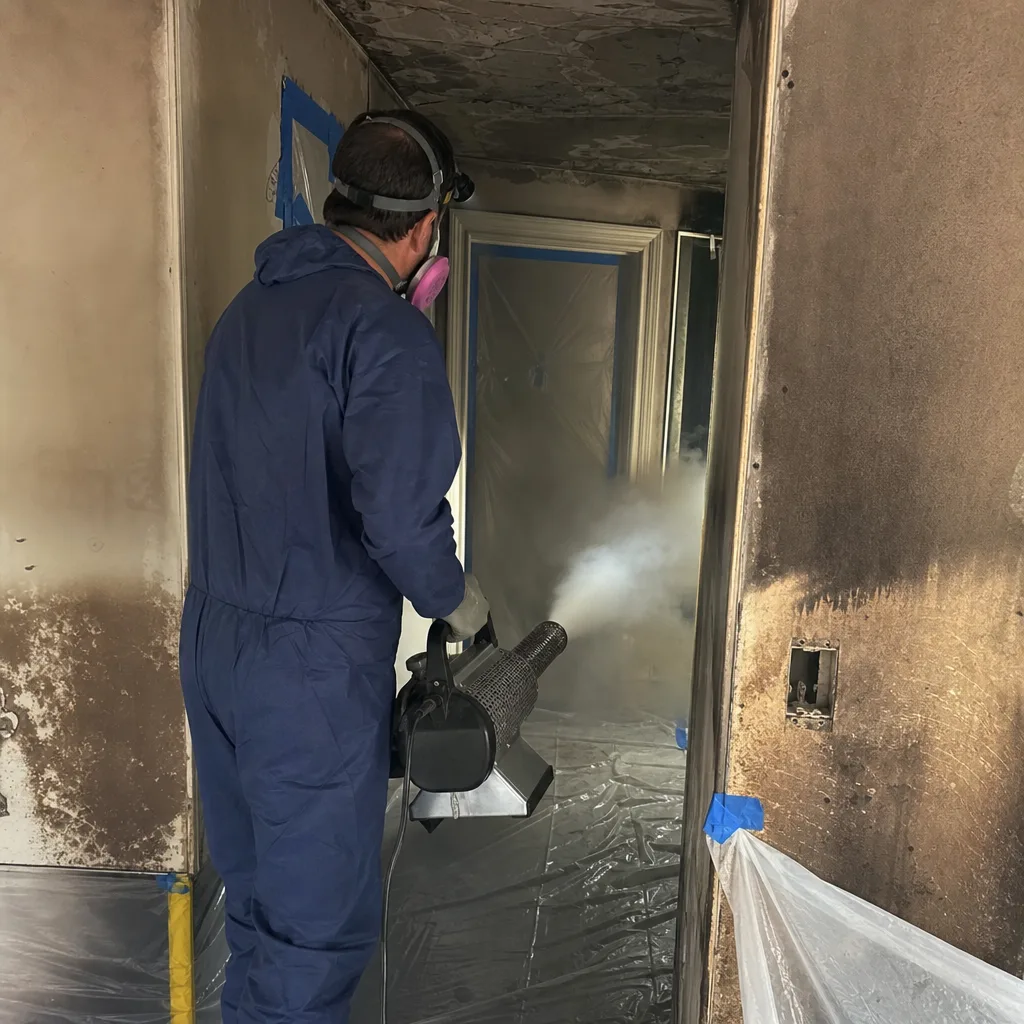
For post-illness cleanup, virus and bacteria decontamination, or stubborn odors traveling through shared vent stacks, we use commercial-grade fogging with equipment from our Dri-Eaz and XPOWER inventory. Air duct sanitization in Fort Lee high-rises often requires HOA coordination because duct runs can serve multiple units. We schedule that work around building quiet hours and HOA access rules.
6. Repairs & Restoration
After sanitization and drying are complete, the same crew handles any necessary repairs: drywall replacement, flooring, baseboards, paint. No handoff to a different subcontractor. We restore the unit to pre-loss condition and hand you the paperwork your HOA needs to close the file.
Need Emergency Sanitization Services in Fort Lee Now?
Crews minutes away, answering live 24 hours a day. The sooner we start, the less it costs.
Working With Your Insurance Company
Sanitization claims in Fort Lee almost always involve more than one policy. Your unit’s coverage, your upstairs neighbor’s liability coverage, and the HOA’s master policy can all have a stake in the same water event. We’ve handled hundreds of these and we know how to document work so each carrier gets what it needs without you playing phone tag. From the first hour, we photograph every affected surface, log daily moisture readings, and write scopes using industry-standard estimating software. When an adjuster questions a line item, we answer them directly. That’s part of the job.
What We Provide Your Insurer
- Thorough documentation of the loss
- Photos of all damage, room by room
- Moisture readings and drying logs
- A detailed, line-item scope of work
- Direct coordination with your carrier
Built for Fort Lee’s Loss Calendar
Fort Lee’s sanitization calls follow a pattern we’ve come to know well. January and February bring deep freezes that burst supply lines in unheated mechanical rooms and along exterior walls of high-rise units. The water runs down through fire-blocked penetrations and shows up in the unit two floors below. Spring and summer bring nor’easter-driven rain that hits upper-floor units horizontally, finding every aging window seal and parapet flashing on the Palisades side. That wind-driven water intrusion saturates drywall and carpet on the 10th floor and higher, even when the streets never flood. Fall brings the tail end of hurricane season and the start of heating season, when ducts that have sat idle for months start pushing dust and contaminants through shared risers. And year-round, the lower streets near the GWB approach deal with aging municipal sewer infrastructure that can back up into below-grade parking garages and mechanical rooms during heavy rain. Every one of these scenarios ends with a sanitization need, and every one requires a crew that understands Fort Lee’s buildings.
Sanitization Services Across Fort Lee’s Neighborhoods
Fort Lee’s residential areas fall into distinct patterns, and our crews read them the same way a local does. The Palisade Avenue corridor runs north-south through the densest concentration of 1960s and 1970s high-rise towers. These buildings share vertical plumbing risers, so a sanitization job in one unit frequently becomes a multi-unit scope by the time we finish moisture mapping. Buildings along Central Road and near Main Street include older mid-rise stock with galvanized supply lines that corrode from the inside out, producing pinhole leaks that drip into wall cavities for weeks before anyone notices. The Linwood Avenue area has a mix of garden apartments and condos where slab-on-grade construction means water spreads horizontally through flooring rather than vertically through chases, changing how we place drying equipment. Units along Anderson Avenue and the western edge near Route 9W get the worst of the storm exposure that comes off the Palisades cliffs. And anywhere in 07024, crews have to respect the reality that getting from one side of Fort Lee to the other during rush hour means navigating the GWB approach traffic on Lemoine Avenue and Bruce Reynolds Boulevard. We plan for that.
Specialized Sanitization Services We Offer in Fort Lee
Deep Disinfection
Deep disinfection goes beyond surface wiping. We apply EPA-registered antimicrobials to all hard surfaces, including switch plates, door hardware, countertops, and bathroom fixtures. In Fort Lee high-rises, we also treat the shared surfaces that a unit’s air pressure can pull from: vent grilles, baseboard gaps, and the small utility chase doors in closets. For category 2 or 3 water events, deep disinfection is required before drying can be finalized, not an optional add-on.
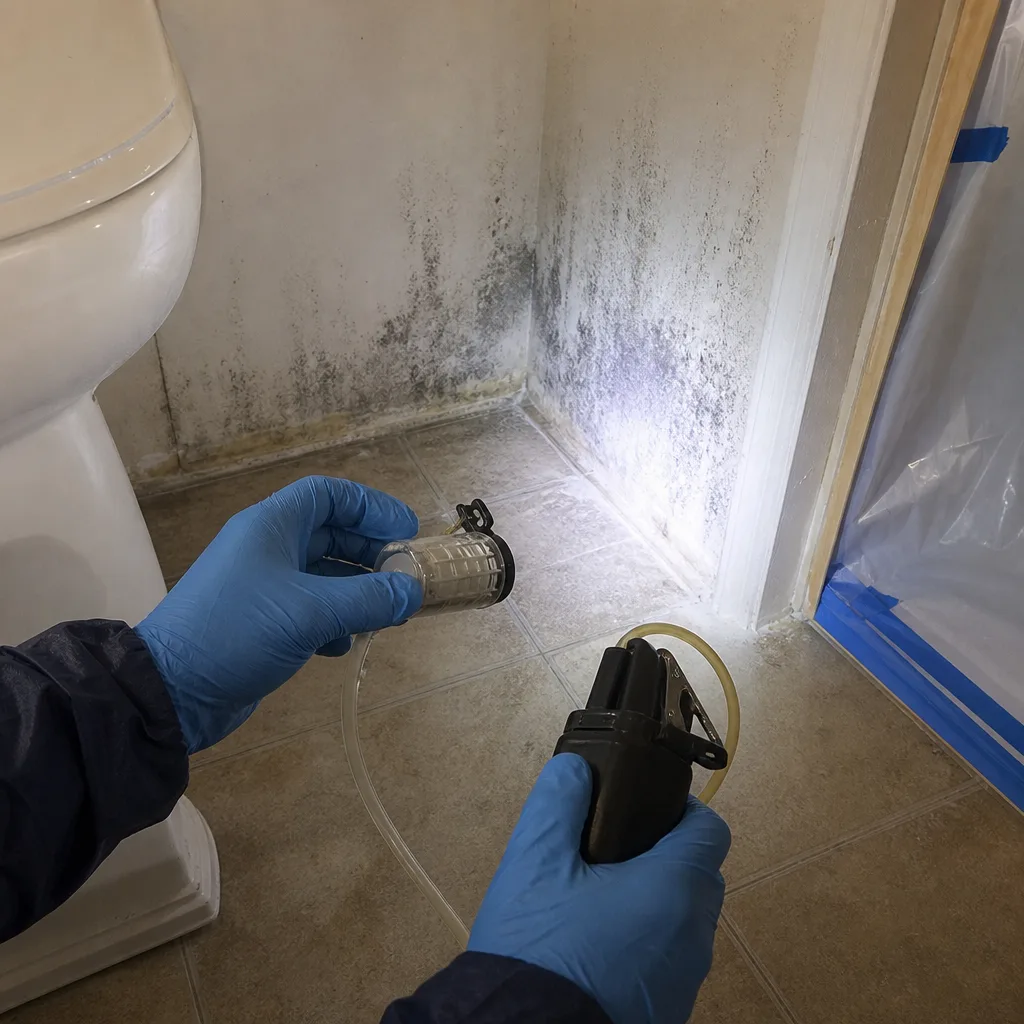
Virus & Bacteria Decontamination
After an illness in a unit, virus and bacteria decontamination means treating the air and the surfaces. We use HEPA air scrubbers to pull airborne pathogens and commercial-grade fogging to reach spaces that wiping can’t: inside duct openings, behind radiators, under built-in cabinetry. In Fort Lee buildings where hallways are pressurized and air moves between units, this step matters more than in a detached house. We coordinate with building management so common areas adjacent to the affected unit are included in the scope when needed.
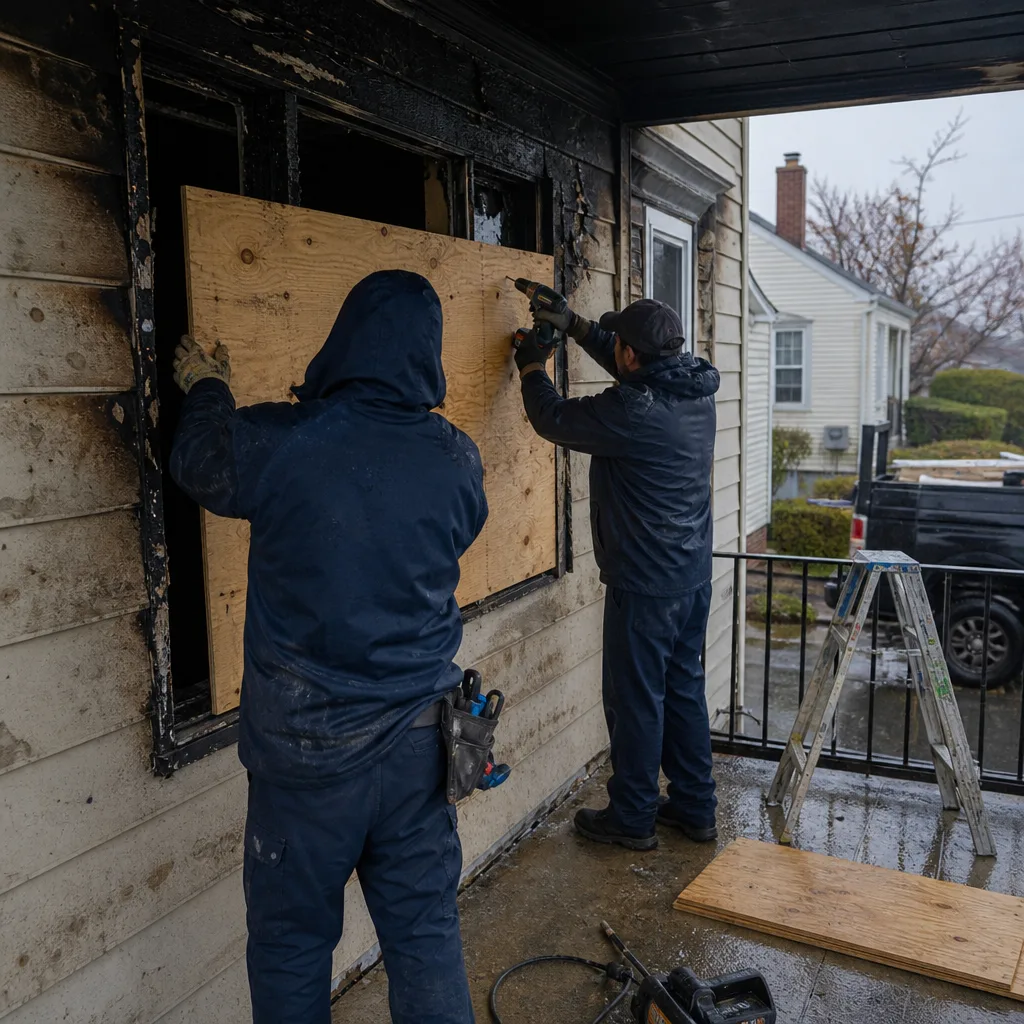
Odor Neutralization
High-rise odors travel through shared vent stacks and floor penetrations. That’s why a smell in one Fort Lee unit can show up in the unit two floors away. Our odor neutralization uses thermal fogging and hydroxyl generation to break down odor molecules rather than masking them. For pet odors, smoke residue, or biological contaminants from a water event, we treat the source first, then the air pathways. If the odor is traveling through a shared duct run, we’ll identify that and recommend air duct sanitization to the HOA or building manager.
Air Duct Sanitization
Duct runs in pre-1990 Fort Lee towers often serve multiple units and haven’t been cleaned since the building went up. We inspect the accessible ductwork, document contamination, and sanitize with HEPA vacuuming and EPA-registered treatments. This work requires HOA approval in most buildings because the ducts run through common areas. We handle that coordination and schedule the work during hours that don’t disturb neighboring units.
Commercial-Grade Fogging
When a unit needs full-room treatment, we use ULV foggers and electrostatic sprayers from our Dri-Eaz and XPOWER inventory. The fog reaches the backs of cabinet faces, the insides of closets, the undersides of counters. For Fort Lee units with open floor plans and floor-to-ceiling windows, we partition the space so the fog dwells exactly where it needs to, not drifting into the hallway. This is the step that separates a sanitization job from a cleaning job.
Sanitization Services Costs in Fort Lee, NJ
Here’s what we see in the Fort Lee market. A single-unit post-illness disinfection with surface treatment and air scrubbing runs $380-$620. Air duct sanitization in a mid-rise condo, depending on the number of vent runs and HOA access requirements, typically costs $450-$900. Commercial-grade fogging for a full one- or two-bedroom unit runs $500-$850. A category 2 water event that spreads through multiple floors and requires containment, antimicrobial treatment, drying, and repair can run $3,000-$12,000 depending on how many units are involved. Category 3 sewer backups in below-grade garages or mechanical rooms are the most expensive, often $15,000-$40,000 once decontamination, disposal, and reconstruction are factored in. Insurance typically covers sanitization when it’s tied to a covered water or storm event. Post-illness disinfection is usually out-of-pocket unless the policy has a specific rider. The fastest way to a firm number is a free visual inspection. We’ll give you a written scope for any Sanitization Services job before you commit to anything.
We Also Serve Cities Near Fort Lee
Our crews work throughout the GWB corridor and the surrounding Bergen County towns. We provide the same rapid-response, compliance-aware Sanitization Services in Fort Lee and neighboring areas including Leonia, Palisades Park, Englewood Cliffs, and Ridgefield Park. If you’re across the borough line and need a crew that knows the local buildings, call the same number.
Serving Fort Lee, NJ - Our Local Coverage Area
We’re based in the Fort Lee area and know this community well. Use the map below to see our service coverage - if you’re nearby, we can almost certainly help.
Fort Lee Sanitization Services Questions, Answered
Does Fort Lee require asbestos testing before sanitization in high-rise units built before 1990?
Yes, in most cases. Fort Lee’s high-rise stock was built during the asbestos era, and any significant water loss that reaches floor tiles, pipe insulation, or textured ceiling material can trigger mandatory asbestos testing under local building code. We flag these materials during our initial assessment, coordinate testing with a certified lab, and sequence the work so testing doesn’t stall your drying window. We don’t cut drywall or pull flooring until we know what’s in it.
How does your team handle sanitization without violating Fort Lee HOA quiet-hour rules?
We schedule the loudest work for normal business hours and save quieter tasks like moisture readings, documentation, and final inspections for evenings. Before we start any job in a building with quiet-hour rules, we confirm those hours with the HOA or building manager and put them in writing. Our crews know they’re working inside someone’s home, with neighbors above and below.
Can you sanitize common areas like a high-rise mailroom or elevator without disrupting building operations?
Yes. We work with building management to sequence common-area sanitization around normal use. A mailroom can usually be treated in a single off-peak window. Elevators take coordination because each car has to be taken out of service for treatment and dwell time. We give the building manager a schedule in advance and stick to it. The HOA gets documentation for their liability file.
What happens when a category 3 sewer backup floods a below-grade parking garage in Fort Lee?
Category 3 water requires full containment, removal of contaminated materials, antimicrobial application, and environmental testing before the space can be cleared for normal use. In a below-grade garage, that means extracting standing water, pressure washing contaminated concrete, applying antimicrobials, and running industrial air movers and HEPA scrubbers until the space passes clearance. The HOA’s insurer is almost always involved, and we document and bill that claim directly.
Does your sanitization service include odor neutralization that works on high-rise odors that travel through shared vents?
Yes, and we treat the pathway, not just the room. High-rise odors travel through shared duct runs and vertical floor penetrations, so treating only the affected unit often doesn’t stop the smell. We identify the air pathway, treat the source, and recommend duct sanitization when the odor is moving through common venting. We coordinate that with the HOA.
How fast can a crew actually get to a Fort Lee address?
We commit to 45 minutes or less for Fort Lee addresses within 07024. We stage crews near the GWB corridors because we know the approach traffic on Lemoine Avenue and the Route 4 interchange can turn a five-mile drive into a forty-minute crawl. A live dispatcher takes your call, identifies the closest certified crew, and gives you a real arrival window. Then the crew calls when they’re minutes out.
Will my insurance cover sanitization after a water event in a Fort Lee condo?
Usually yes, when the sanitization is tied to a covered water or storm event. Your condo policy, your neighbor’s liability policy, and the HOA’s master policy can all be involved depending on where the water came from and what floors it reached. We inspect first, identify the likely source, and document everything so each carrier gets what it needs. We bill the carriers directly.
What should I do in the first 30 minutes after a water release in my Fort Lee unit?
Call us at (201) 729-3780. Then shut off water if you can reach the valve safely, move small valuables out of the wet area, and take photos of the visible damage. Don’t try to remove water from a category 2 or 3 event yourself, and don’t cut into walls or flooring. Concrete-frame buildings hold moisture differently than wood framing, and the wrong early action can spread contamination to units below.
Written by Curt Bowman, Owner at Floodline Restoration Co., serving Fort Lee since 2010.
Why Fort Lee Chooses Floodline Restoration Co.
We set the standard for sanitization services in Fort Lee.
Documented for Your Claim
Every job is photographed before, during and after, with moisture logs where they apply. We hand the full file to your adjuster and bill your insurance directly - you are never the one relaying it.
Licensed & Insured
Fully certified technicians who meet all local and state licensing requirements.
Upfront Pricing
No hidden fees, no surprises. You approve the price before any work begins.
Guaranteed Work
Every repair and installation is backed by our workmanship warranty and satisfaction guarantee.
How It Works in Fort Lee
Getting your sanitization services handled is simple and fast.
Call or Request a Free Estimate
Tell us about your sanitization services needs and we provide an upfront, transparent quote - no obligation, no hidden fees.
Licensed Technician Dispatched
A background-checked, certified technician arrives in Fort Lee - typically within 30-60 minutes, with parts stocked on the truck.
Problem Solved, Guaranteed
We complete the job to your full satisfaction, backed by our warranty and 100% satisfaction guarantee.
What happens when you call
- 1A real person answersNo phone trees - talk to a local sanitization services pro.
- 2You get an upfront price rangeHonest numbers before anyone is dispatched. No surprises.
- 3We come out and measureLicensed & insured, at a time that suits you - the visit and the quote are both free.
- 4You get the price in writingLine-itemed, yours to keep, and nothing starts until you say go.
What Fort Lee Customers Say
Trusted by homeowners across Fort Lee and surrounding areas.
"Second property they have dried out for us. Same process both times, meter readings logged on every visit and the log handed over at the end. Our adjuster said it was the cleanest file he had seen all year."
"Water heater flooded the finished side of the basement at two in the morning. A person answered, not a machine, and a crew was pulling water before sunrise. Everything got photographed before they moved a thing, which made the insurance claim painless."
"Ice maker line had been leaking under the floor for who knows how long. They mapped how far the water had traveled with a thermal camera, dried it from underneath, and saved a hardwood floor two other companies wanted to tear out."
Our Work in Fort Lee
A look at recent damage restoration projects across Fort Lee and surrounding areas.
Ready for Sanitization Services in Fort Lee?
Call now for a free estimate - or request one below. Licensed, insured, and here with fast after-hours help in Fort Lee.
(201) 729-3780Request a Free Estimate in Fort Lee
Tell us about your sanitization services needs - we'll respond within the hour.