
Free visual inspection and a written scope of work before any mitigation begins - photos, moisture readings, and drying logs go in your claim file
The scope we write is the scope we bill. Anything new gets shown to you, in writing, before we touch it.
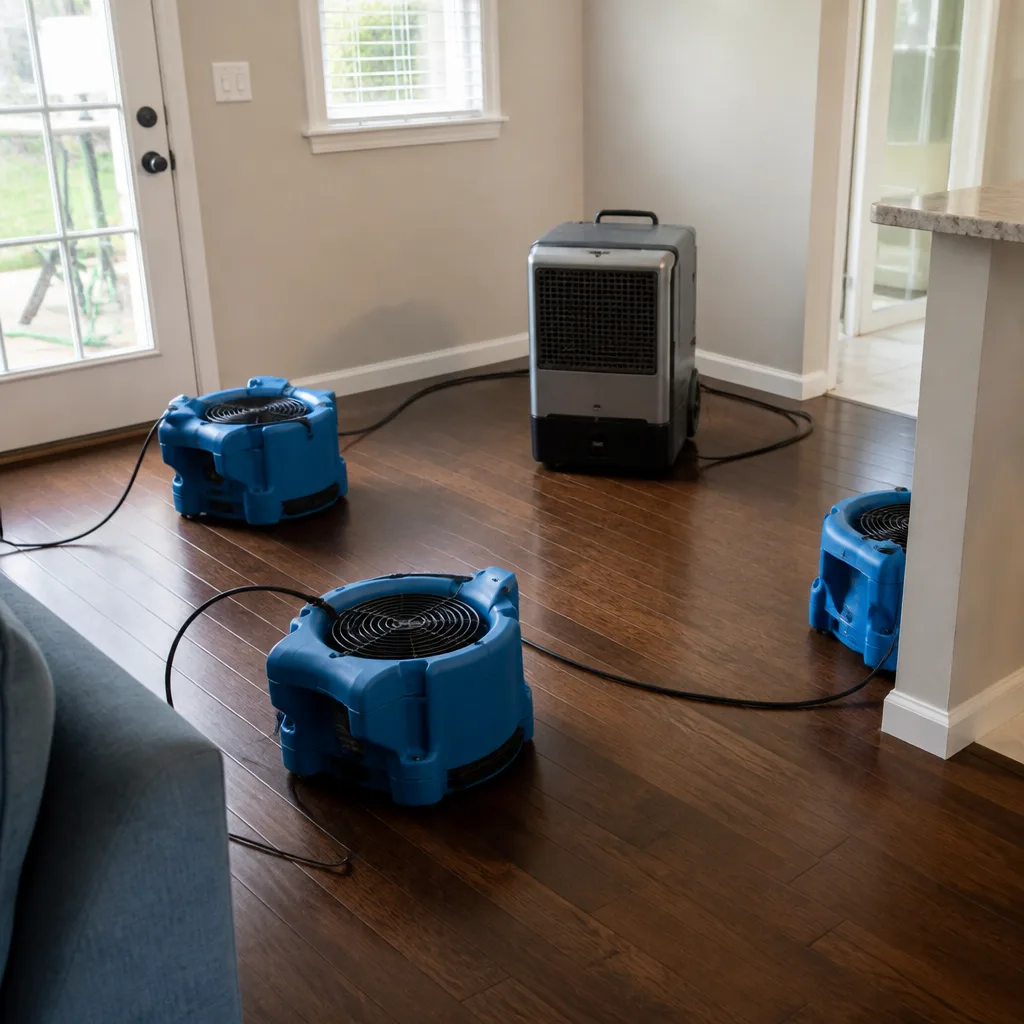
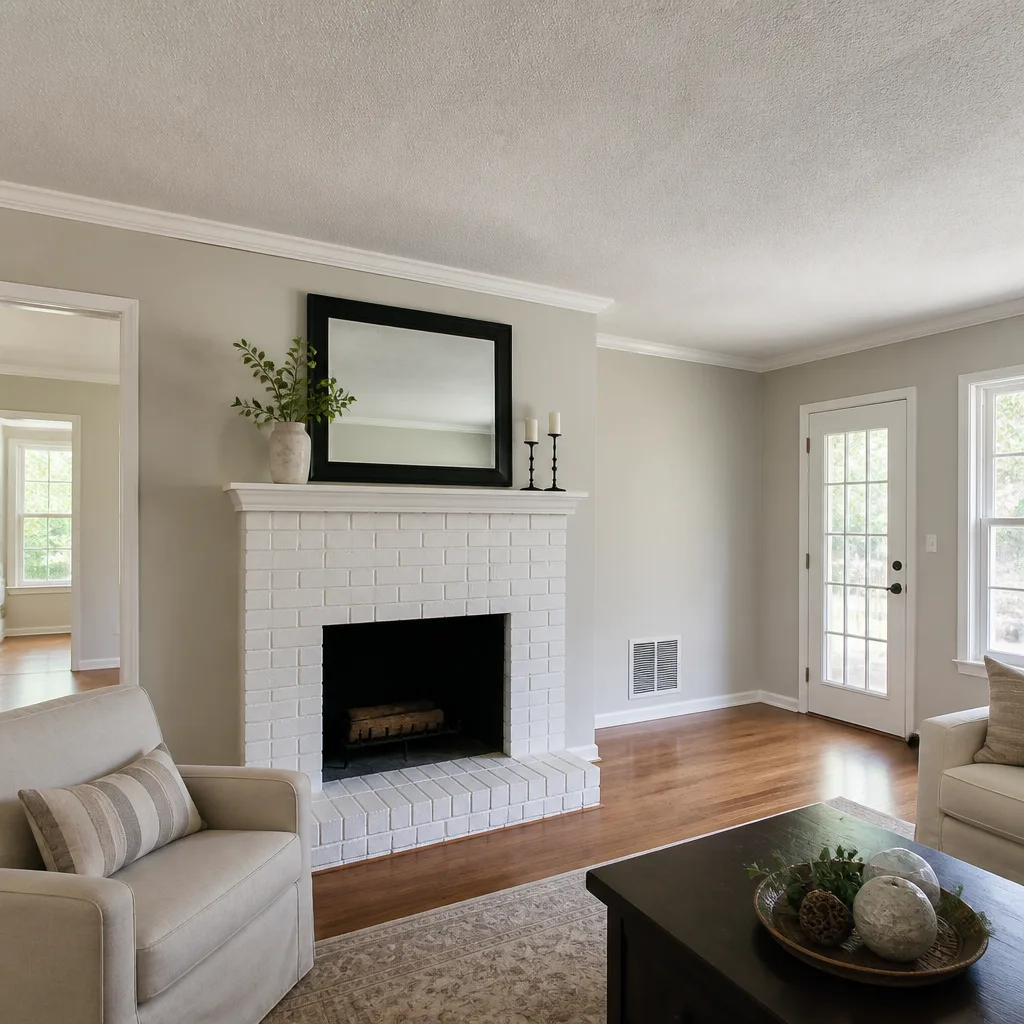
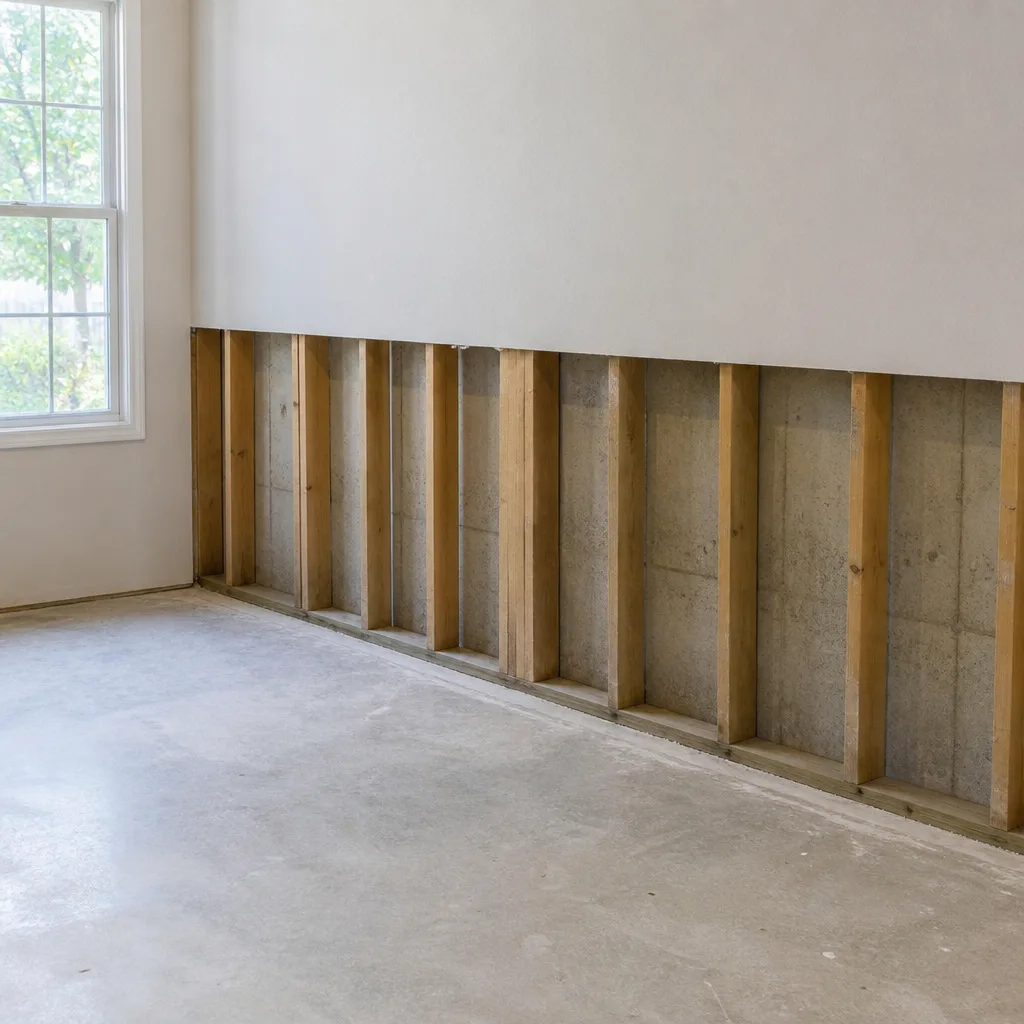
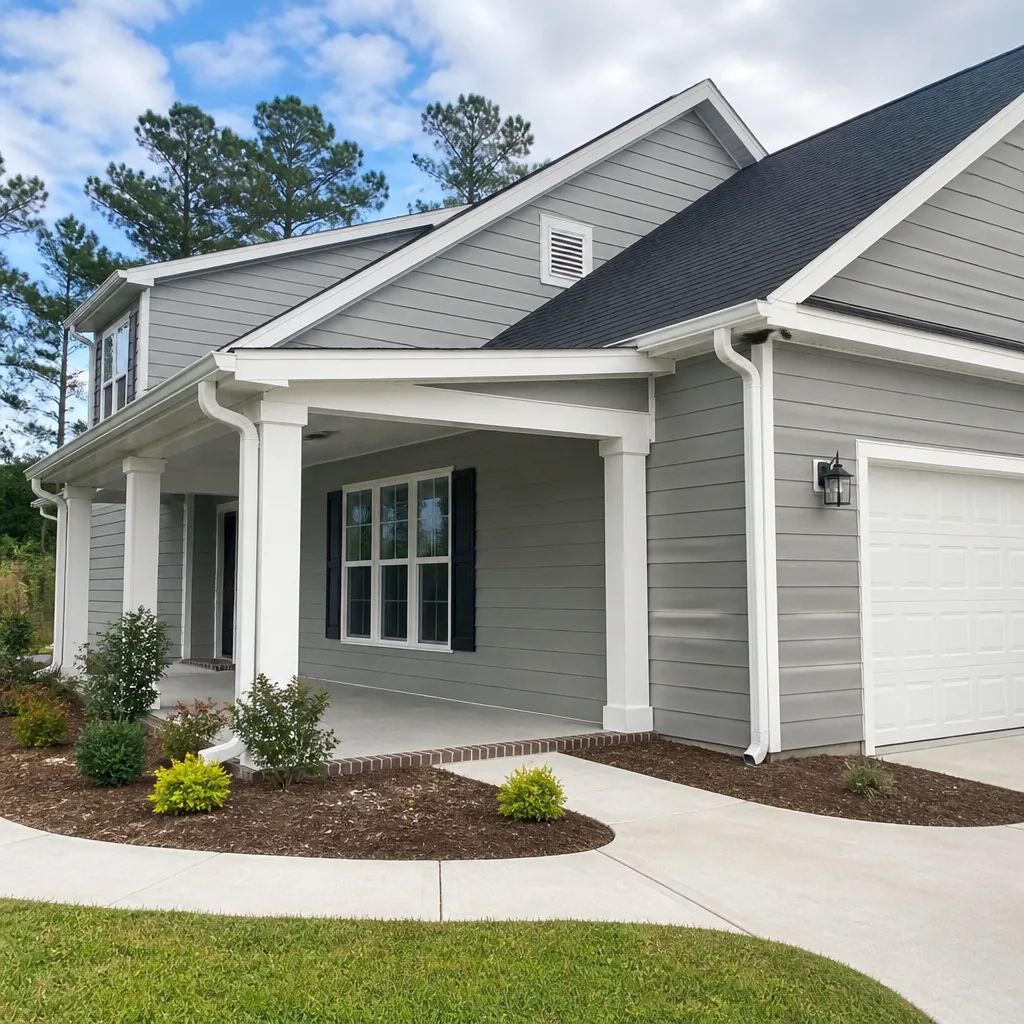
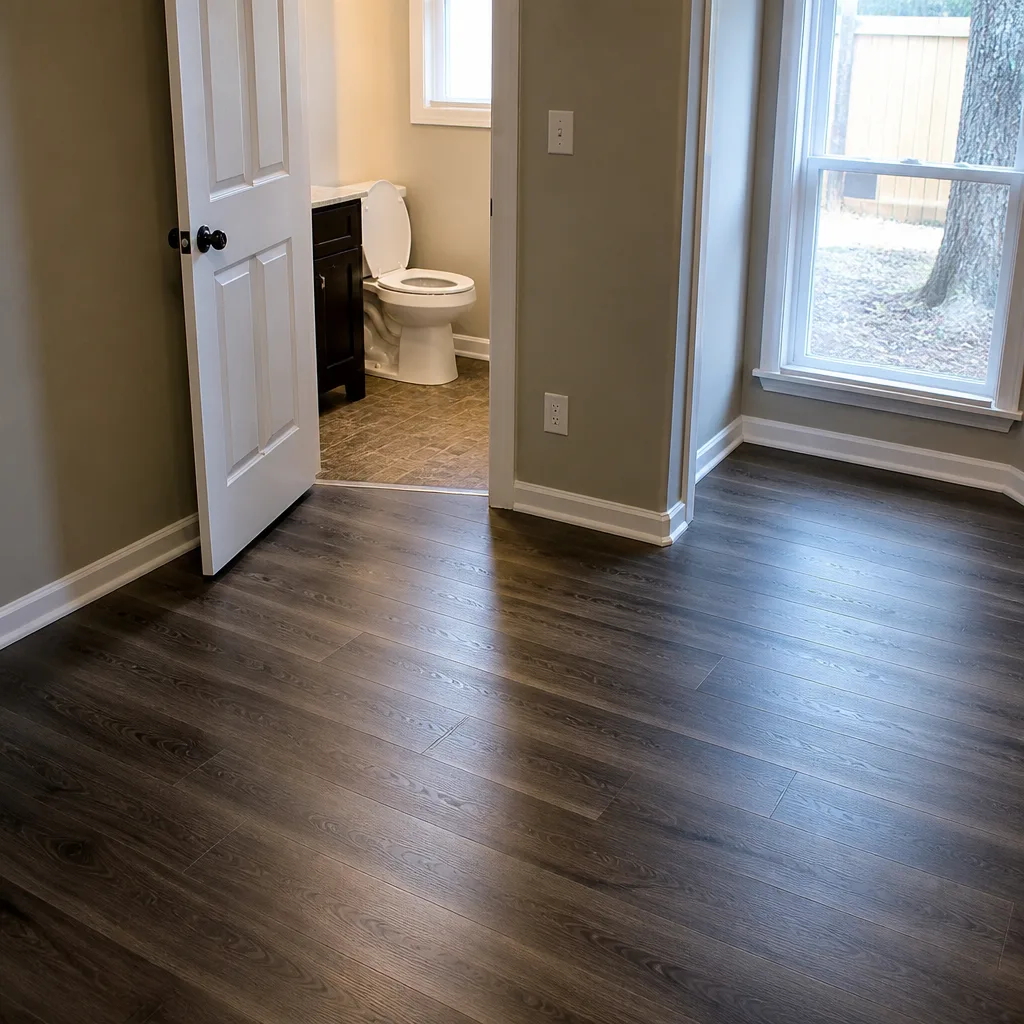
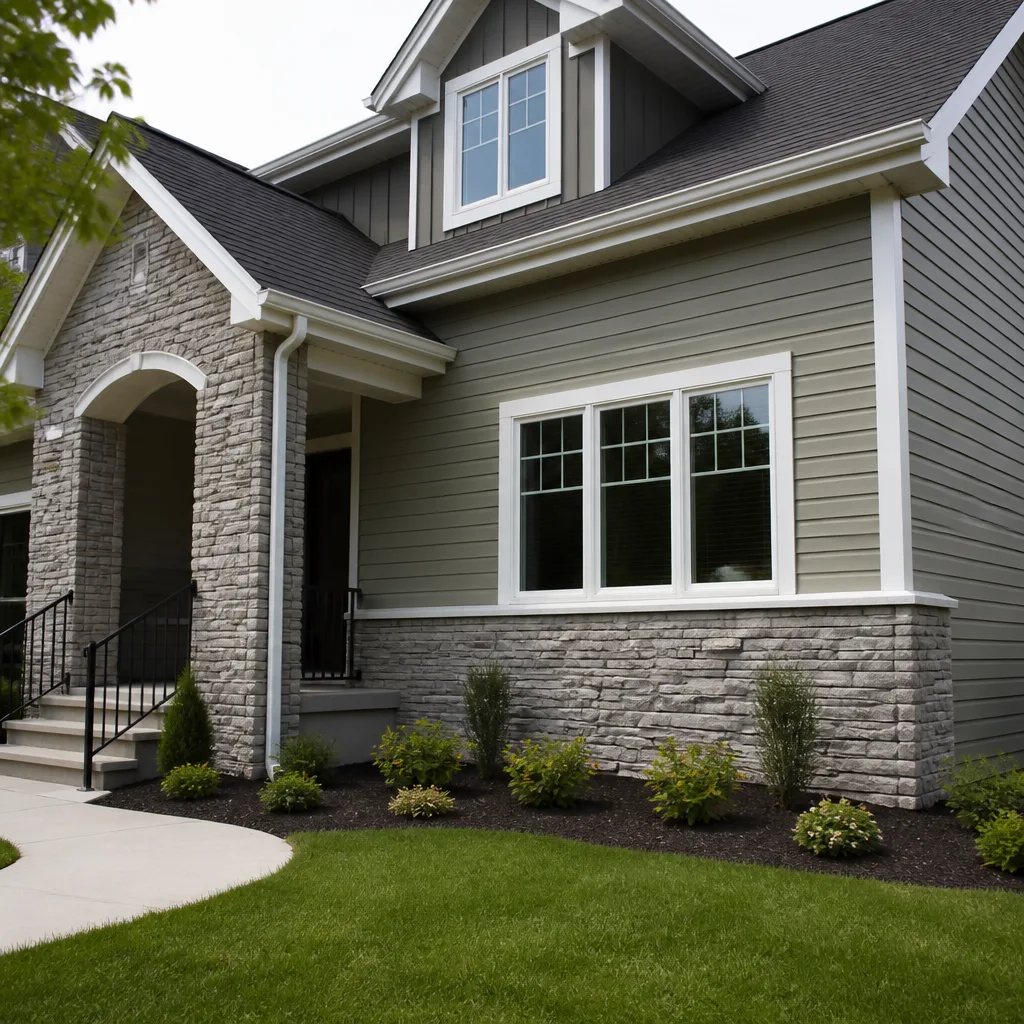
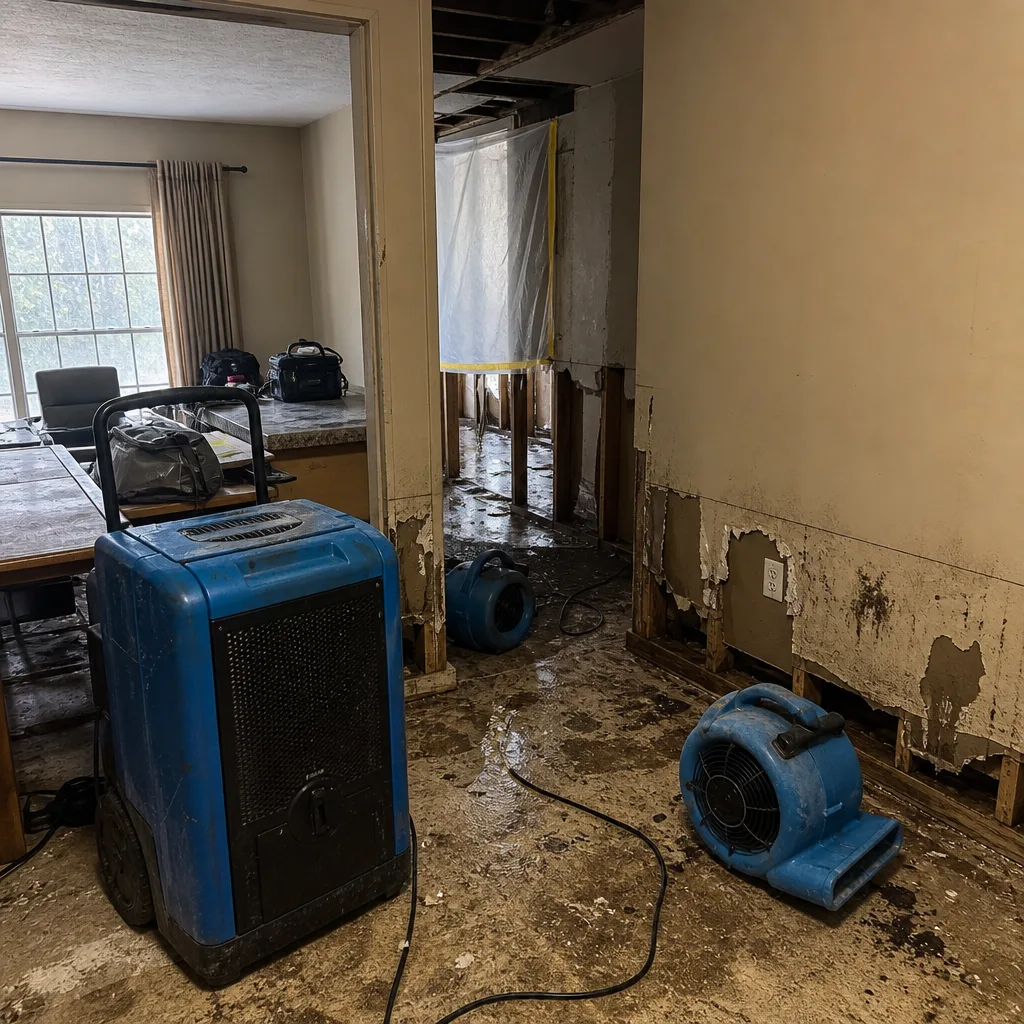 Before
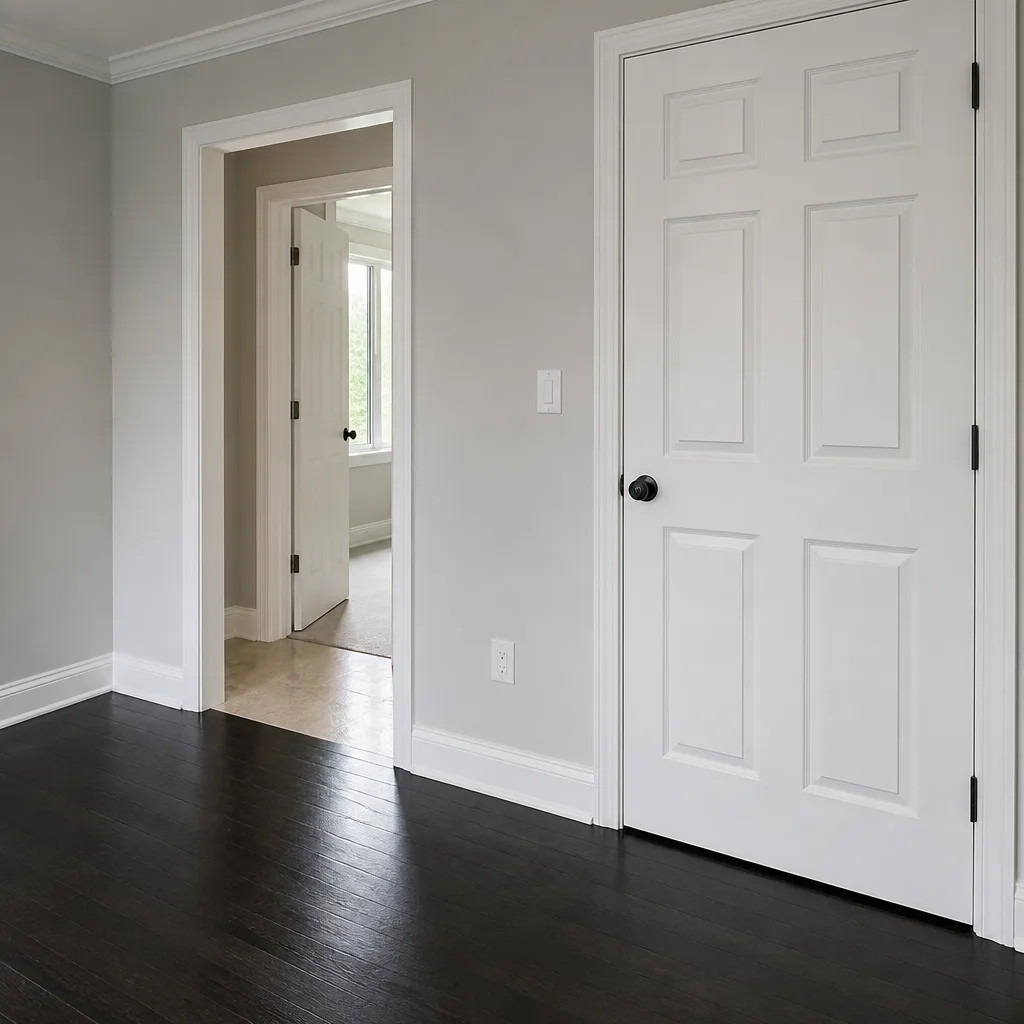 After
After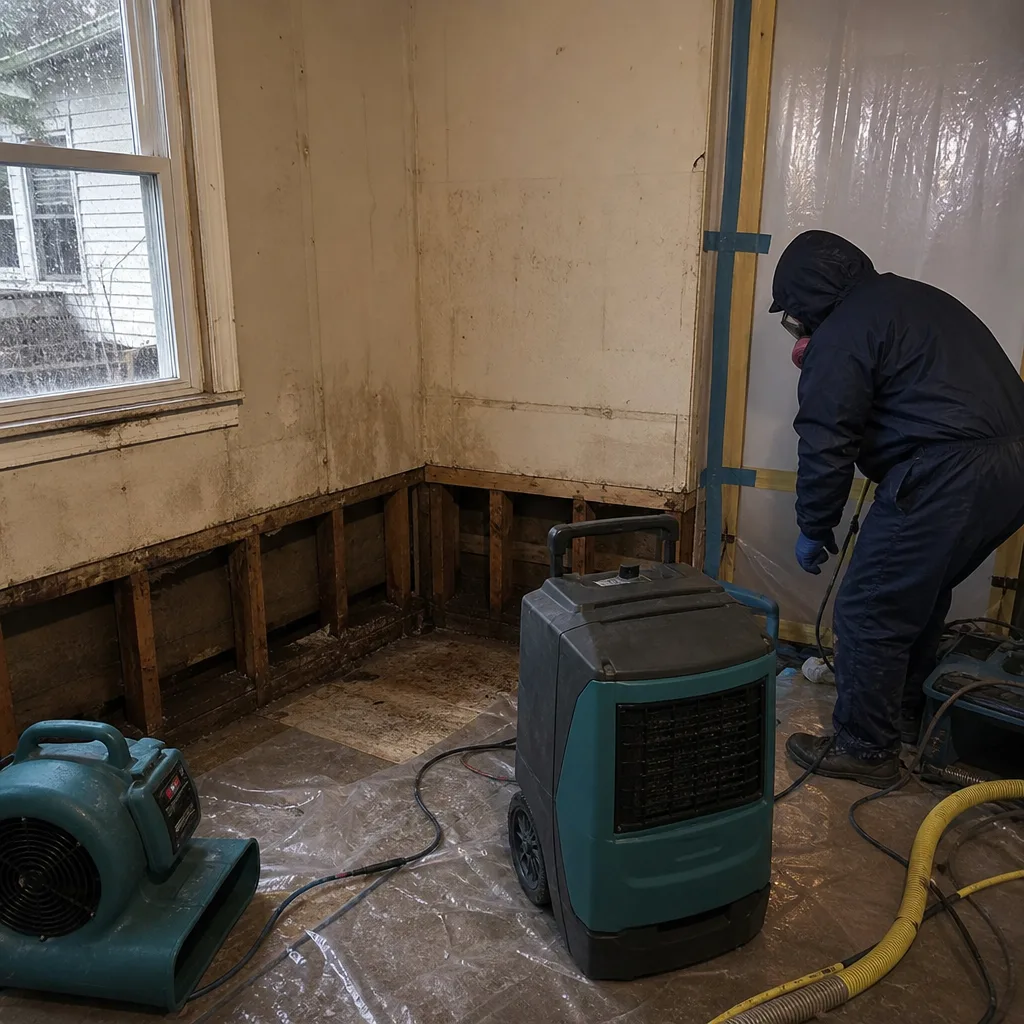 Before
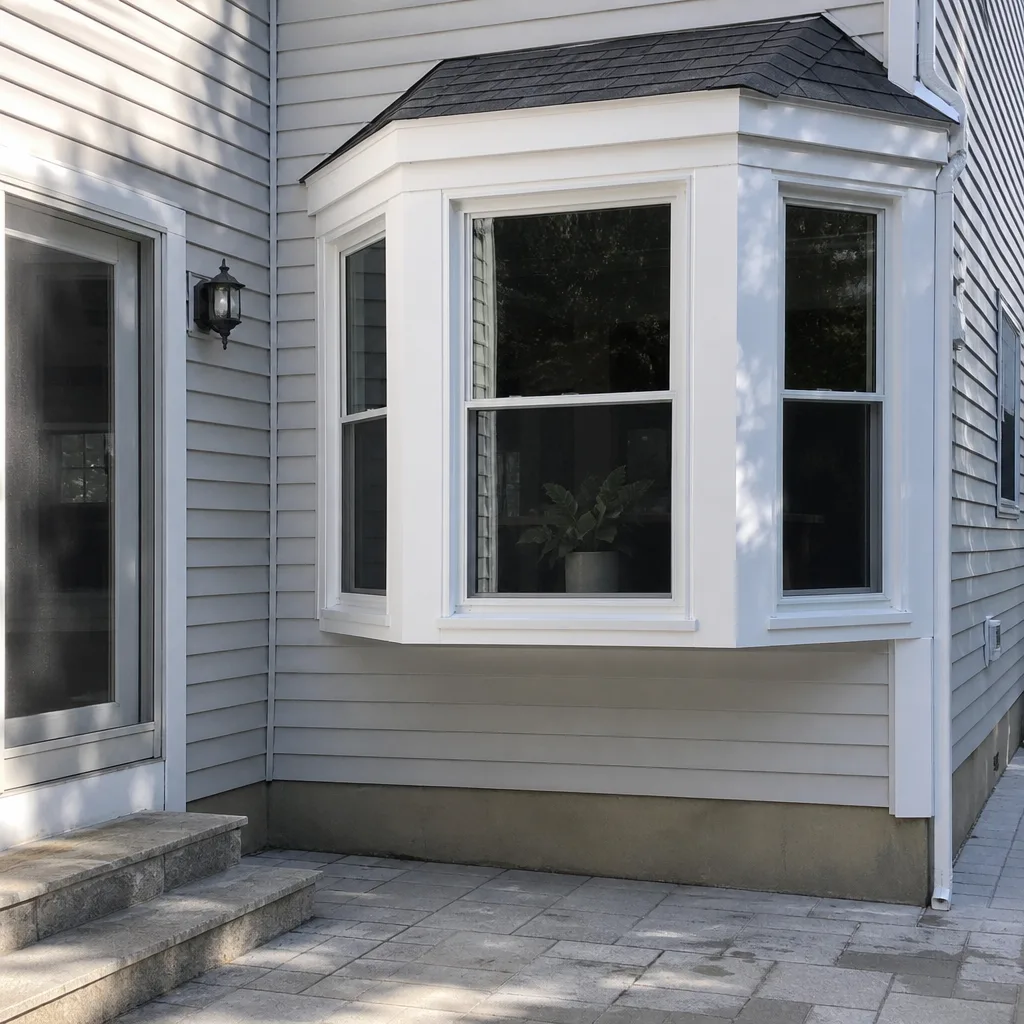 After
After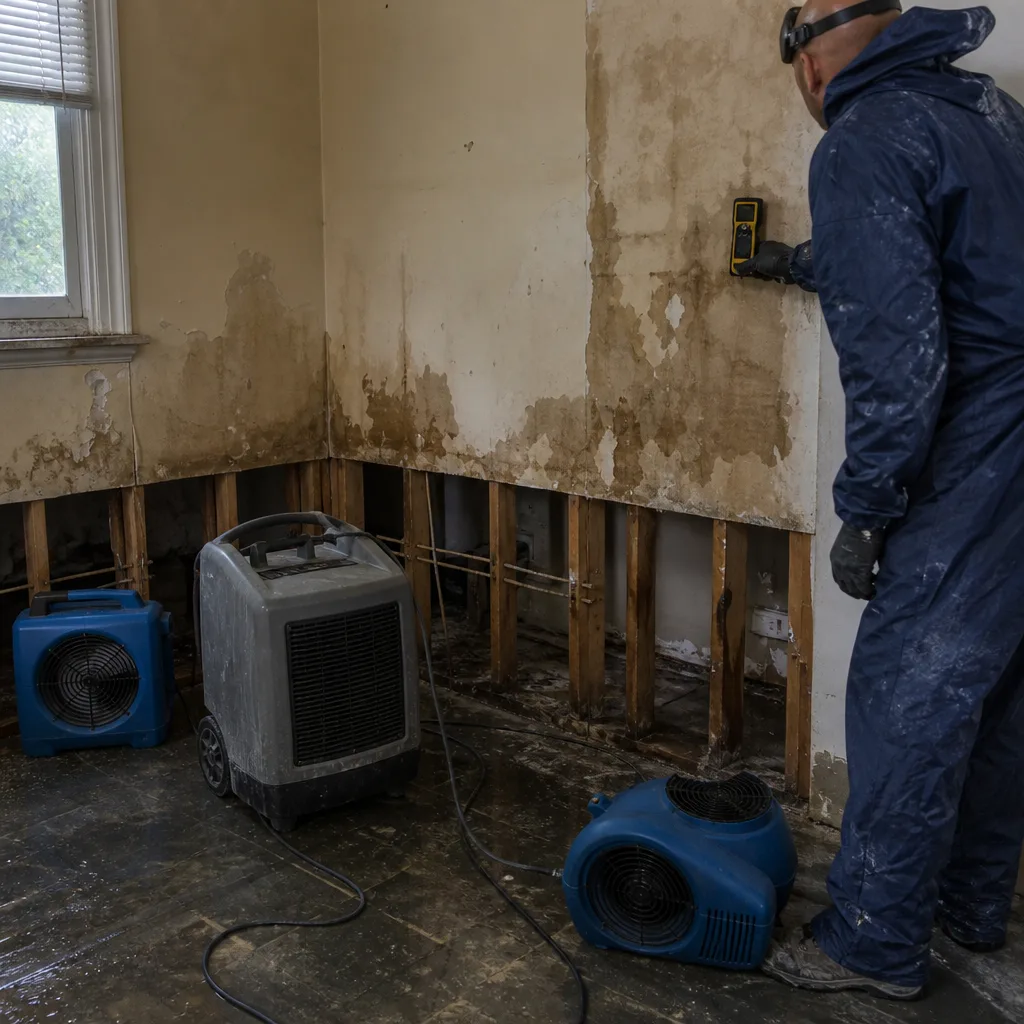 Before
 After
After24/7 Emergency Biohazard & Crime Scene Cleanup in Fort Lee
Biohazard and crime scene cleanup in Fort Lee requires a crew that understands high-rise containment, not just unit-level cleaning. A trauma, unattended death, or hoarding condition inside a 15th-floor condo on Palisade Avenue can’t be treated like a suburban house. The job demands negative-air pressure at the unit door, protection of shared elevator vestibules and vertical air columns, and coordination with building management and HOA boards before equipment ever rolls off the elevator.
Floodline Restoration Co. answers live around the clock. When you call (201) 729-3780, a real dispatcher picks up, asks the right questions, and gets a certified crew moving toward Fort Lee right then, not when an answering service gets around to it. We stage equipment for high-rise access, bring carts built for long corridor walks, and arrive ready to contain the scene within the first hour. That first hour matters with blood, bodily fluids, and decomposition odor: the longer aerosolized particles move through shared plenums, the more units get involved. Call now. We handle the whole job, including what building management needs to see.
Understanding Biohazard & Crime Scene Cleanup Severity in Fort Lee Properties
Biohazard work falls into clear severity levels, and in Fort Lee the building type changes how each one plays out. A bathroom blood spill that stays on tile is a surface remediation. A decomposition event that has saturated carpet pad and subfloor is a Category 3 biological contamination requiring full removal of affected materials, not a scrub-and-spray. Hoarding conditions often add a fourth dimension: compressed waste against drywall, blocked HVAC returns, and rodent or insect activity inside wall cavities.
In Fort Lee’s 1960s through 1980s concrete-frame towers, the shared building systems make even a contained incident a multi-unit concern. Return-air plenums in these buildings can pull air from a hallway into neighboring condos through gaps around utility penetrations. Elevator shafts create natural stack pressure that moves odor vertically. A cleanup crew that treats unit 15F as a standalone space is doing it wrong, and the residents on 14F and 16F will know within hours. That’s why our process here always starts with containment engineered for vertical buildings, before odor or aerosolized particles move one floor up or down.
Why Fort Lee Property Owners Choose Floodline Restoration Co.
- 45-minute response commitment to Fort Lee: We know the Routes 4 and 9W approach corridors near the George Washington Bridge clog at all hours. Our dispatch plans around that. A crew staged for Bergen County response reaches Fort Lee fast, and we hold ourselves to it.
- A live person answers at 2 a.m., not a recording. Every call to (201) 729-3780 rings to a dispatcher who can authorize a crew and start the process while you’re still on the line. No paging service that calls you back in an hour.
- IICRC-certified, background-checked, uniformed technicians. Our crews train to IICRC, RIA, and IFA standards. They carry proper PPE, know bloodborne pathogen protocols, and treat your building’s hallways and elevators with respect for your neighbors.
- Free visual inspection with a written scope before work starts. You see exactly what we’ll do, what it costs, and what needs building management sign-off. No pressure, no surprise line items.
- Direct insurance billing. We document from hour one, coordinate with your adjuster, and bill the carrier directly. You never play messenger between us and your insurer.
- One crew from containment through reconstruction. We don’t hand you off to a different company for drywall, paint, and finish work. The same team that decontaminates the unit puts it back together.
Our Biohazard & Crime Scene Cleanup Process
Inspection & Assessment
We walk the unit, identify all affected materials, and map how air moves through the space. In a Fort Lee high-rise we also check the corridor, the elevator vestibule, and the floor’s common areas for any sign of odor or aerosol migration.
Containment & Airflow Control
Before we move any material, we set negative-air containment at the unit door and any shared penetrations. We use HEPA air scrubbers to filter the air continuously, and we stage them so air flows from clean common areas into the contaminated unit rather than the reverse.
Building & HOA Coordination
We notify management, get elevator service and loading access confirmed, and document what we’ll be doing in shared spaces. For asbestos-era buildings, we coordinate testing before cutting into drywall or flooring. This keeps the job moving instead of stalling at inspection.
Removal & Cleaning
All contaminated porous materials, carpet, pad, drywall, insulation, personal property that can’t be cleaned, are bagged, sealed, and removed as regulated biohazard waste. We clean all remaining surfaces with hospital-grade antimicrobials, then run a final HEPA air scrub cycle.
Specialty Biohazard Treatment
Depending on the scene we address decomposition odor with hydroxyl or ozone treatment, treat stud cavities and subfloor with antimicrobial coatings, and handle hoarding debris in stages so building waste chutes and elevators aren’t overwhelmed. Dri-Eaz and Phoenix equipment runs throughout for air scrubbing and negative pressure.
Repairs & Restoration
Once the unit passes clearance testing, we rebuild what we removed: drywall, paint, flooring, trim. Everything is documented with photos and a written scope. The unit goes back to a fully habitable condition, ready for the owner or estate to move forward.
Need Emergency Biohazard & Crime Scene Cleanup in Fort Lee Now?
Crews minutes away, answering live 24 hours a day. The sooner we start, the less it costs.
Working With Your Insurance Company
Biohazard cleanup claims in Fort Lee condos usually trigger questions from the carrier about what happened, what’s contaminated, and why the scope includes common areas. We answer those questions with documentation, not arguments. From the first hour on scene, our techs photograph every affected surface, log airflow readings in the corridor if we’ve contained a shared area, and write a line-item scope that matches IICRC standards and the insurer’s own estimating software. We speak directly to your adjuster so you don’t have to translate. If the loss involves multiple units or an HOA common area, we coordinate the documentation so each party’s claim is clean and defensible. That’s the difference between a claim that closes in weeks and one that drags for months.
What We Provide Your Insurer
- Thorough documentation of the loss
- Photos of all damage, room by room
- Moisture readings and drying logs
- A detailed, line-item scope of work
- Direct coordination with your carrier
Built for Fort Lee’s Loss Calendar
Fort Lee’s seasonal calendar shapes the calls we take, and biohazard work follows weather and building age. Winter deep freezes rupture supply lines in 40-year-old risers, and a unit left unattended for a week after a pipe break can become a Category 3 flood with mold behind baseboards by the time it’s discovered. Spring thaw exposes window-seal failures on the windward sides of Palisades towers, and nor’easter-driven horizontal rain finds every dried-out parapet flashing. Summer brings the worst of it for storm-related biohazard work: thunderstorm flooding in the lower streets near the GWB approach can back up aging sewer lines into below-grade parking garages and mechanical rooms, and any sewage contact becomes a biohazard remediation job. Fall is quieter for water, but it’s when hoarding conditions often come to light as families visit aging relatives before the holidays. Every season, our Fort Lee response plan accounts for the George Washington Bridge approach traffic on Routes 4 and 9W, because a crew stuck in bridge-approach gridlock loses the containment window. We stage accordingly.
Biohazard & Crime Scene Cleanup Across Fort Lee’s Neighborhoods
Fort Lee isn’t one building type; it’s a patchwork of high-rise clusters, and each has its own access profile. The stretch of Palisade Avenue from the Linwood Plaza area up toward Main Street is dominated by 20- to 30-story towers like The Plaza and the older co-ops around Horizon Road, where elevators are priority-booked during business hours and a cleanup crew needs a service elevator reservation. Down by Lemoine Avenue and the streets running east toward the Palisades cliffs, we see older mid-rise buildings from the late 1960s with narrow service entrances and no freight elevator, so every bag of biohazard waste goes out the same elevators residents use. Those jobs require careful scheduling and discreetly marked containers. The residential side streets off Anderson Avenue and Inwood Terrace have some of the borough’s few single-family homes and small condos, where driveway access is easier but privacy concerns run higher. And the towers along the Route 4 corridor face a different challenge entirely: with windows sealed against bridge noise, indoor air quality issues from a unit-level cleanup become a bigger concern, because nobody can open a window to air out a hallway. Our Fort Lee crews know these differences by address, not by GPS pin.
Specialized Biohazard & Crime Scene Cleanup Services We Offer in Fort Lee
Crime Scene Cleanup
After Fort Lee police release a scene, the family or building owner is responsible for cleanup. Blood, tissue, and other biological material can’t go in a standard contractor bag. We handle every step legally and discreetly, from containment through final clearance testing, with documentation your insurer and HOA will accept.
Trauma & Unattended Death Cleanup
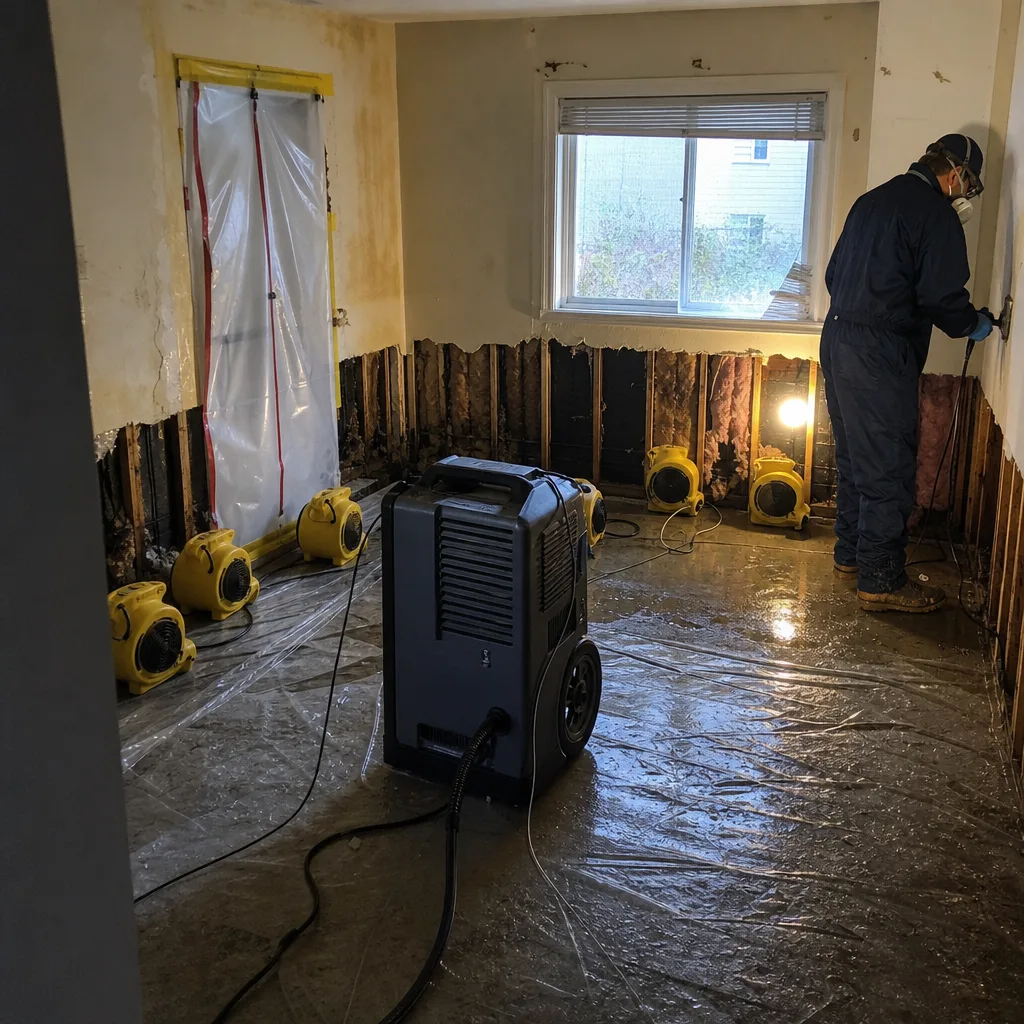
In Fort Lee’s high-rise condos, an unattended death discovered days later means decomposition fluids have moved into subfloor and wall cavities. Odor travels through shared plenums and elevator shafts fast. We set negative-air containment at the unit door before anything is disturbed, then remove affected materials and run HEPA scrubbing until the corridor outside the door tests clean.
Hoarding Cleanup
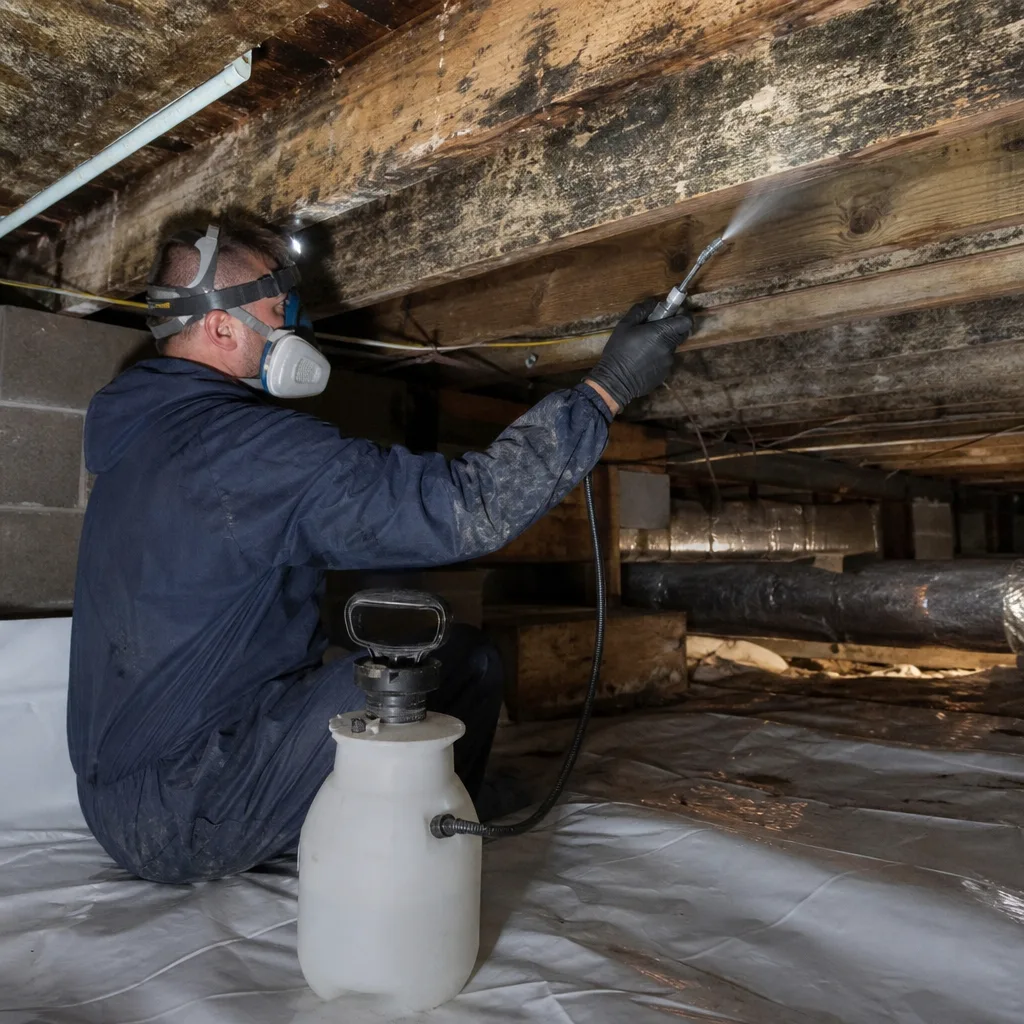
Hoarding in a 12th-floor unit off Gorge Road can block HVAC returns, hide rodent activity in compressed waste, and overload a building’s waste chute. We work floor by floor with management, bagging debris in stages and using service elevators on a schedule. We also screen for asbestos in older drywall and flooring before disturbing built-up layers against walls.
Blood & Bodily Fluid Cleanup
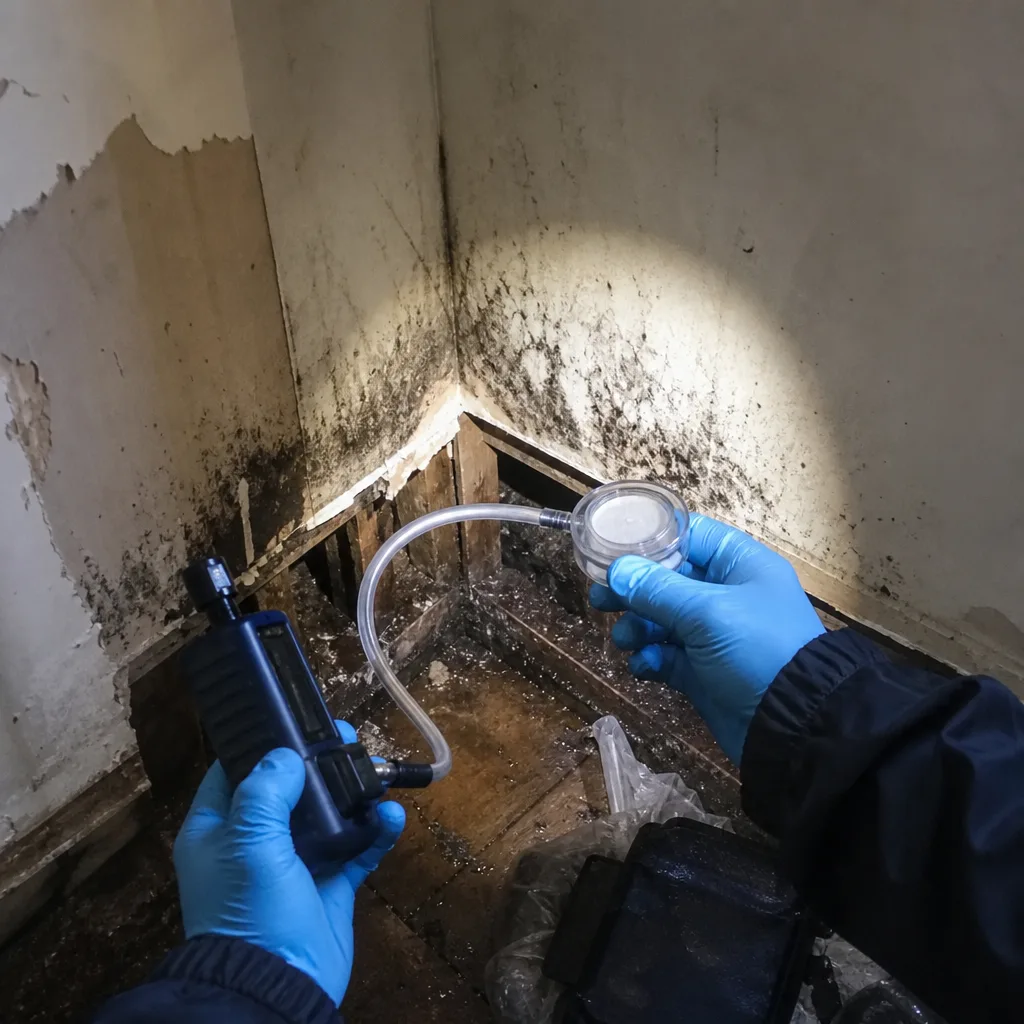
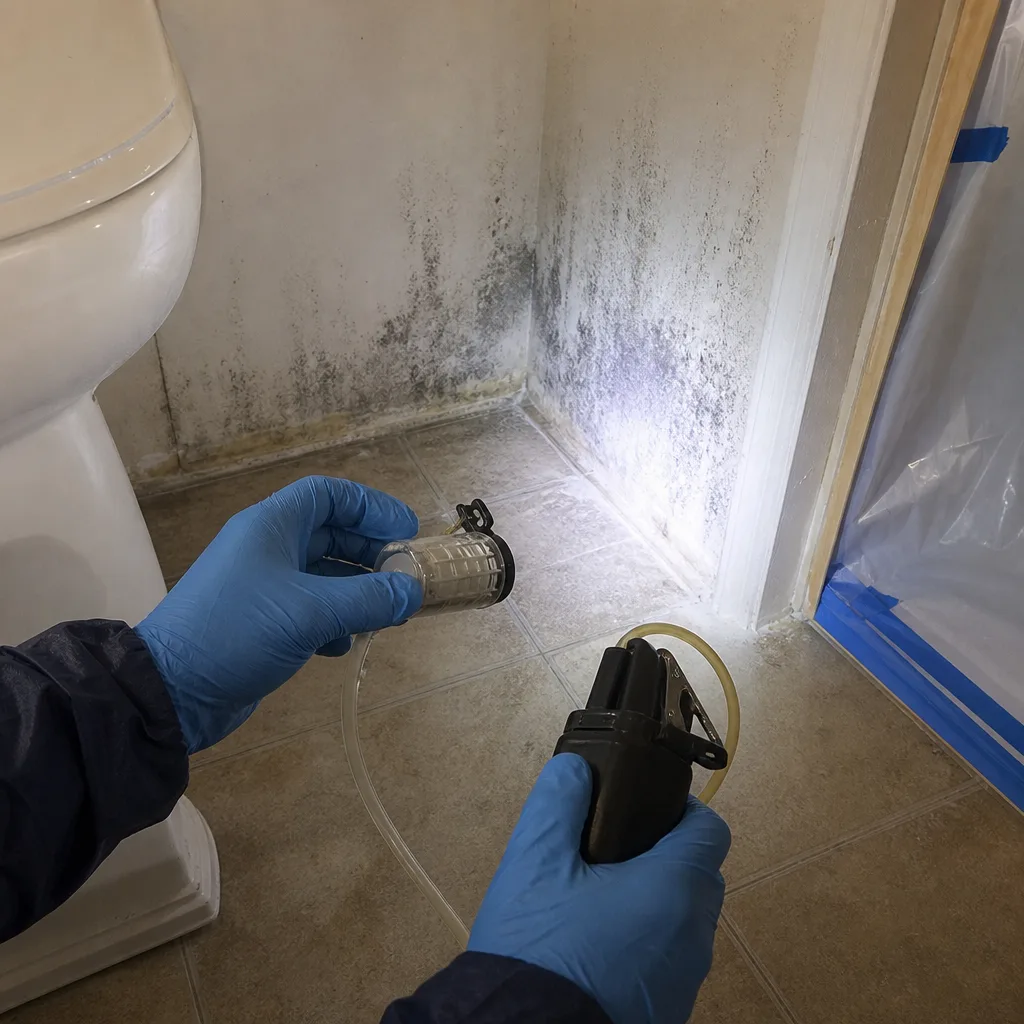
A bathroom blood spill above an occupied condo means treating floor seams, baseboards, and any plumbing penetrations below. We remove porous materials that absorbed blood, not just what’s visible, then apply hospital-grade antimicrobials and run final HEPA air scrubbing. Our Biohazard & Crime Scene Cleanup team documents everything for your carrier.
Infectious Disease Disinfection
When a unit in a Fort Lee tower has been exposed to a serious communicable disease, we follow IICRC and RIA protocols for surface disinfection and air scrubbing. We also treat shared surfaces the resident may have touched, elevator buttons, door hardware, lobby areas, at the building’s request.
What happens when you call
- 1
A real person answersNo phone trees - you reach a local pro.
- 2
You get an upfront price rangeHonest numbers before anyone is dispatched.
- 3
A background-checked tech heads outLicensed & insured, dispatched right away.
- 4
You approve before work beginsNothing starts until you say go.
Biohazard & Crime Scene Cleanup Costs in Fort Lee, NJ
What does biohazard cleanup in Fort Lee actually cost? For a contained blood spill on tile, expect $800 to $1,500. Trauma or unattended death cleanup typically runs $3,000 to $8,000 depending on how long the body was undiscovered and how far fluids penetrated. Full hoarding cleanup in a condo ranges $4,000 to $15,000 or more, driven by volume, asbestos testing, and elevator scheduling. The biggest price movers are square footage of affected porous material, asbestos abatement requirements, floor height and access, and how much common-area containment the building demands. Most homeowners insurance policies cover biohazard remediation after a crime or death, subject to your deductible. The free visual inspection gives you a written, line-item scope before you commit to anything. Call (201) 729-3780 and we’ll come out and price it honestly.
We Also Serve Cities Near Fort Lee
Floodline Restoration Co. runs the same 24/7 dispatch and certified crews to Leonia, Palisades Park, Englewood Cliffs, and Ridgefield Park. If you’re just across the border, call Fort Lee dispatch and we’ll route the nearest available team.
Serving Fort Lee, NJ - Our Local Coverage Area
We’re based in the Fort Lee area and know this community well. Use the map below to see our service coverage - if you’re nearby, we can almost certainly help.
Fort Lee Biohazard & Crime Scene Cleanup Questions, Answered
How fast can you get to a Fort Lee high-rise?
We commit to a 45-minute response to any Fort Lee address, and we plan pickup routes around the George Washington Bridge approach traffic on Routes 4 and 9W. A live dispatcher confirms the address, unit number, and building access requirements while the crew is already moving.
Will my condo insurance cover biohazard cleanup in Fort Lee?
Most condo and homeowners policies cover biohazard remediation after a covered loss like a crime, unattended death, or sudden water event that led to contamination. We document from the first hour, bill the carrier directly, and coordinate with your adjuster so you don’t. Call (201) 729-3780 to discuss your specific policy.
Do you have to stop at the building loading dock or can your crew bring equipment directly up to a unit in a Fort Lee high-rise?
We coordinate service elevator access with building management before we arrive. We bring collapsible carts, bagged equipment, and sealed waste containers designed to move through resident hallways without leaving marks or odors. We never carry open biohazard bags through a residential lobby.
How do you handle blood or bodily fluid contamination in a unit above other occupied condos?
We set negative-air containment at the unit door immediately, so air flows from the common corridor into the contaminated unit, never the reverse. Floor penetrations, plumbing chases, and any shared walls are inspected and sealed if needed. The neighbors below and beside the unit don’t get odors or airborne particles.
If a hoarding situation blocks access to a bathroom or HVAC registers in a Fort Lee condo, can you still decontaminate the unit?
Yes. We stage debris removal so critical systems become accessible early. That means clearing a path to HVAC returns, bathrooms, and any plumbing that needs work. We also check for asbestos in older drywall before making cuts, which matters in 1960s through 1980s towers across Fort Lee.
Does your cleanup work in Fort Lee include coordination with the building’s management office and HOA?
Always. We notify management before work starts, reserve service elevators, confirm loading dock access, and provide whatever documentation the HOA or property manager requires. That’s not extra; it’s standard on every high-rise job we do in Fort Lee.
What happens to biohazard waste from a Fort Lee condo, do you take it through the building?
Waste is double-bagged, sealed, and transported in covered containers labeled per OSHA and DOT requirements. We use service elevators and loading docks, never passenger elevators with residents inside. Waste is taken to a licensed medical or biohazard disposal facility with a manifest you and the building can keep on file.
Can I stay in my Fort Lee unit during cleanup?
During the active containment and removal phase, no. Negative-air pressure and HEPA scrubbing run continuously, and the unit is a controlled work zone. Once clearance testing passes and the space is restored, you can move back in. For shared-building concerns, we’ll tell the HOA exactly when common areas are safe for normal use.
Written by Curt Bowman, Owner at Floodline Restoration Co., serving Fort Lee with 24/7 biohazard and crime scene cleanup since 2010.