

Free visual inspection and a written scope of work before any mitigation begins - photos, moisture readings, and drying logs go in your claim file
The scope we write is the scope we bill. Anything new gets shown to you, in writing, before we touch it.

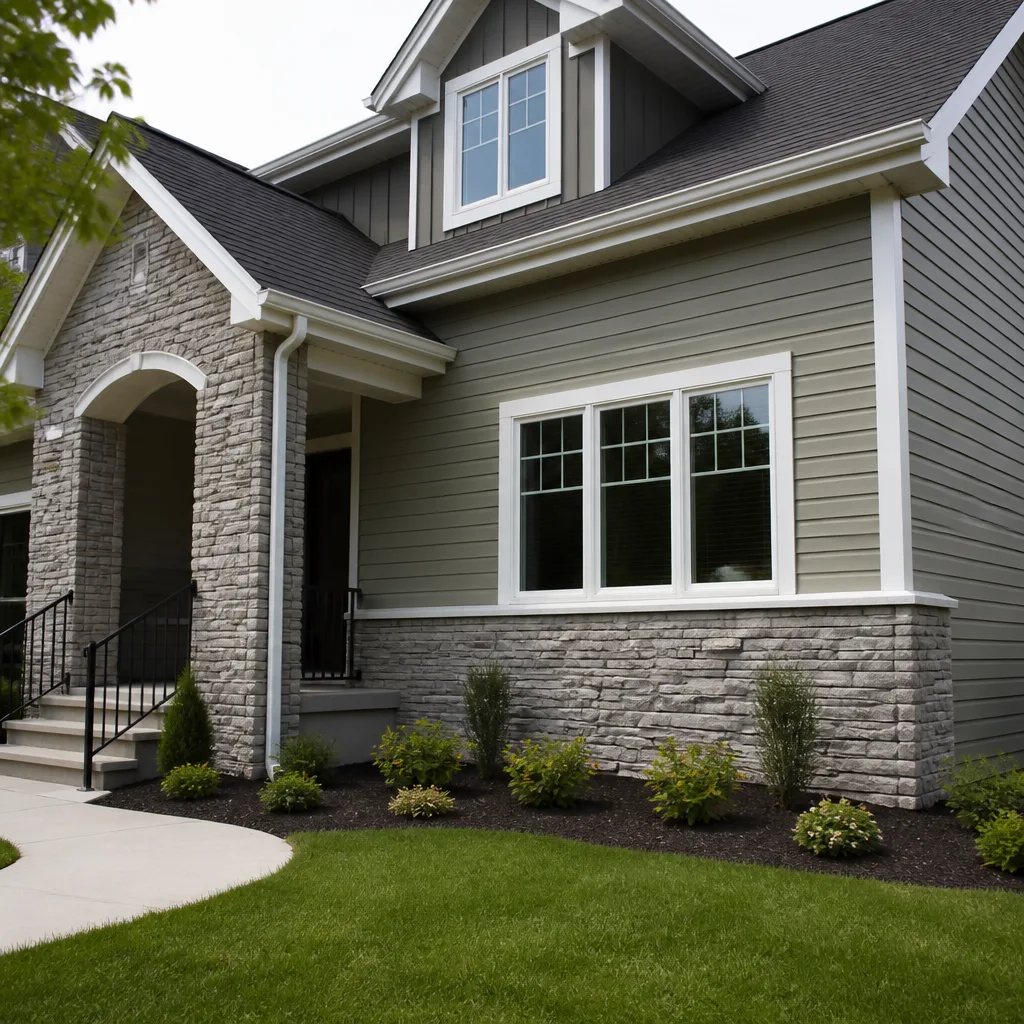
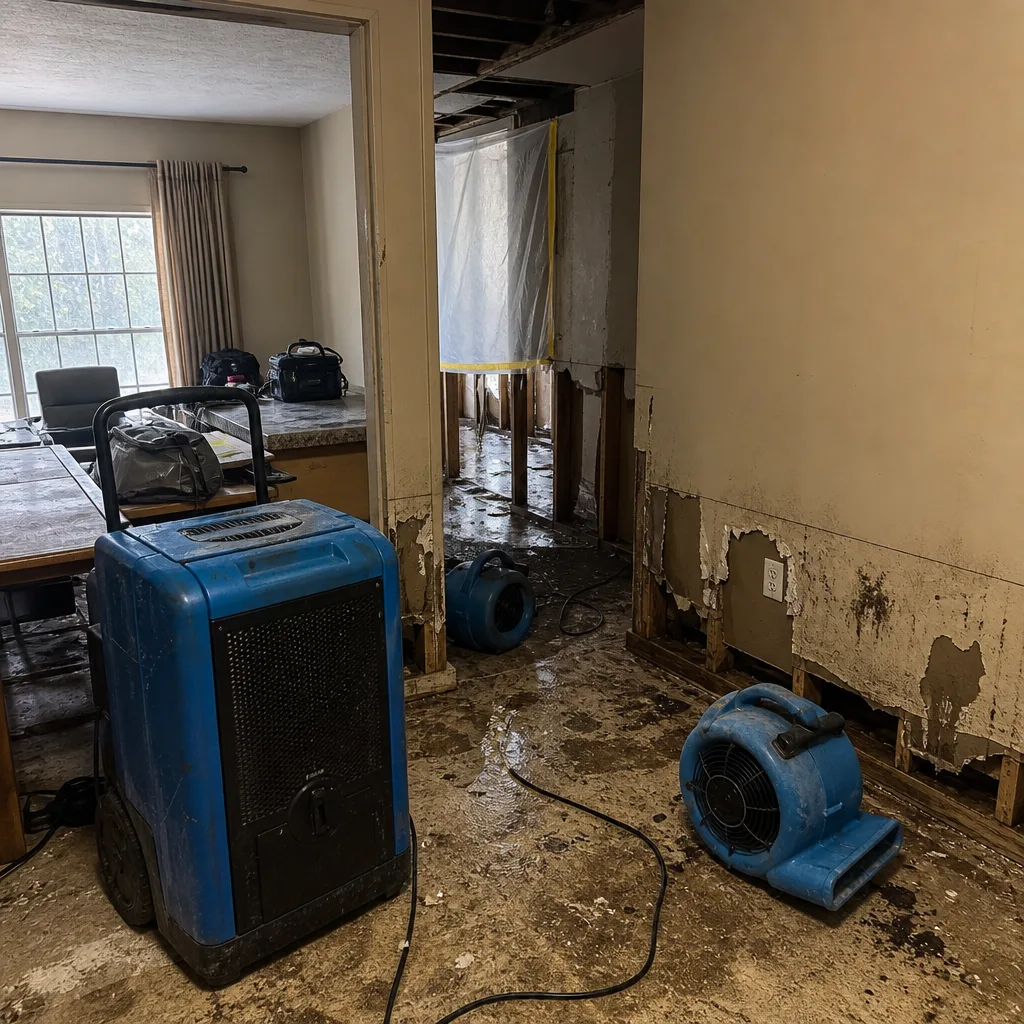 Before
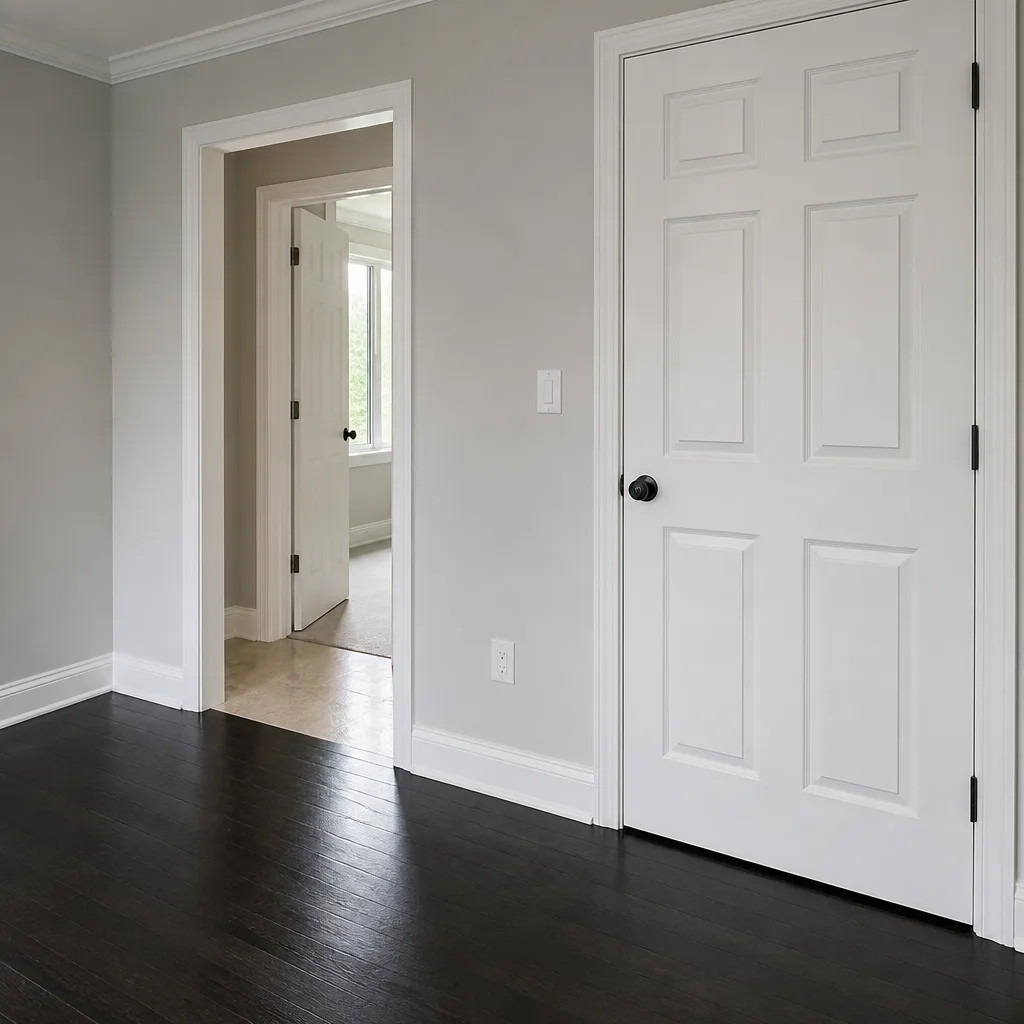 After
After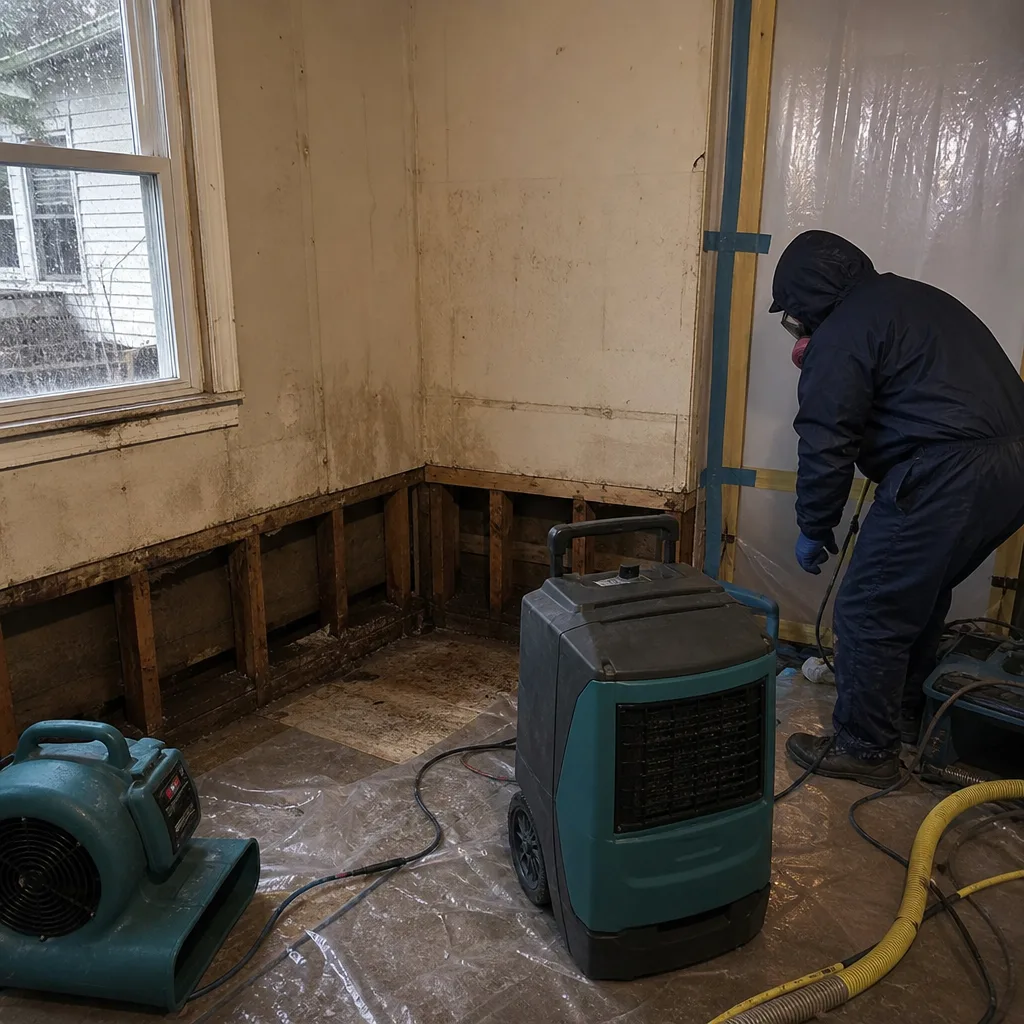 Before
 After
After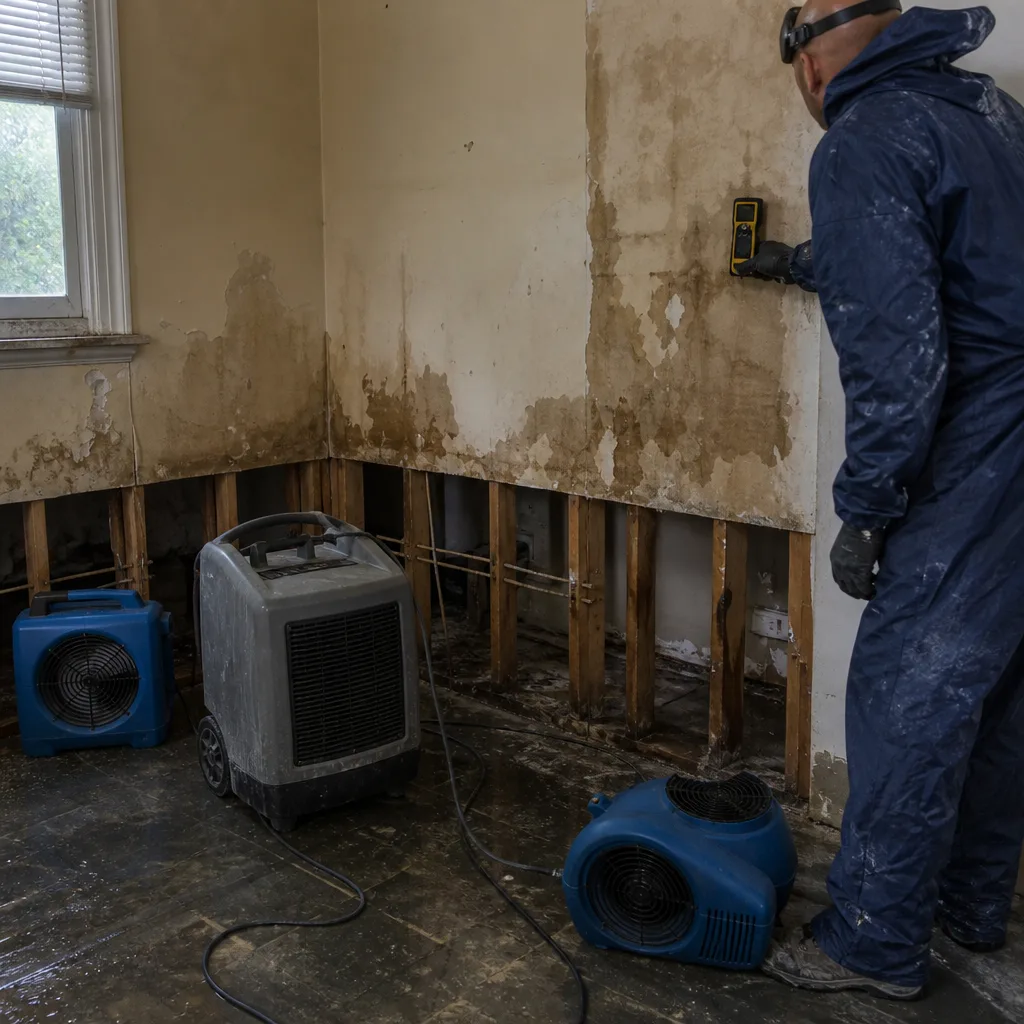 Before
 After
After24/7 Emergency Water Damage Restoration in New Milford
When water is rising in a New Milford basement, the first hour decides how much of the house can be saved. Call (201) 729-3780 and a live dispatcher picks up, no phone tree, no recording, no “leave a message and we’ll get back to you.” Our crews are dispatched from the metro office into New Milford immediately, and extraction equipment starts moving water on the same visit. A free visual inspection tells us what you’re facing: Category 1 clean water from a burst supply line, Category 2 gray water from a washing machine overflow, or Category 3 river water that carries sewage and the Hackensack River’s particular contamination profile. Every hour that contaminated water sits in a 1950s Cape Cod basement, it wicks higher into drywall, soaks deeper into subflooring, and turns what might have been a $3,000 dry-out into a $30,000 rebuild.
Understanding Water Damage Restoration Severity in New Milford Properties
Water damage restoration is not one trade with one price. It breaks down by category and class, and New Milford’s housing stock makes those distinctions sharper than in most Bergen County towns. Category 1 water starts clean, from a supply line or an overflowing tub. Category 2 carries contaminants, from dishwasher discharge or sump pump failure. Category 3 is what the Hackensack River delivers during a nor’easter: silt, fuel residue, sewage, and the accumulated runoff of every town upstream. Class of loss matters too. A Class 1 loss wets a corner of one room. A Class 3 loss means water came through the ceiling and saturated walls, insulation, and flooring across multiple rooms. The post-WWII homes that dominate New Milford, colonials and ranches and Cape Cods built between the late 1940s and the 1970s, were framed with materials that hold water differently than modern construction. Plaster walls over wood lath, minimal subfloor vapor barriers, and original cast-iron drain lines all change the drying math. We factor every one of those variables into moisture mapping before a single air mover runs.
Why New Milford Property Owners Choose Floodline Restoration Co.
- 45-minute response commitment for New Milford calls. When you call (201) 729-3780, a crew is dispatched immediately and we commit to having boots on your property within 45 minutes for emergencies.
- A live person answers, 24 hours a day. At 2 a.m. on a Wednesday, a dispatcher picks up. Not a machine. You’ll speak to someone who can make decisions, not take a message.
- IICRC-certified crews trained to WRT, FSRT, and AMRT standards. Water damage, fire and smoke, and mold remediation certifications mean the crew has passed the industry’s core competency exams, and they carry that certification on the truck.
- Free visual inspection with no obligation. We walk the loss, give you an honest read on category and class, and tell you what can be dried in place and what needs to come out. Then we put it in writing.
- Direct insurance billing. We document from the first hour and bill your carrier directly. You never play messenger between us and an adjuster.
- One team from extraction to reconstruction. The same crew that runs the moisture map on day one handles daily readings, hands you the drying log, and rebuilds what needs rebuilding. No mid-job handoff to a subcontractor you’ve never met.
Our Water Damage Restoration Process
Inspection & Assessment
We trace the water path through the structure, identify the category and class of loss, and use thermal imaging and hygrometers to map moisture that isn’t visible. In New Milford, that means checking whether river water has entered through the foundation cove joint or whether a supply line burst in a finished basement ceiling.
Extraction / Stabilization
Standing water comes out first with truck-mounted and portable extraction units. For a Hackensack River basement flood, we also set up containment immediately, because Category 3 water aerosolizes contaminants as soon as air movement begins.
Drying & Dehumidification
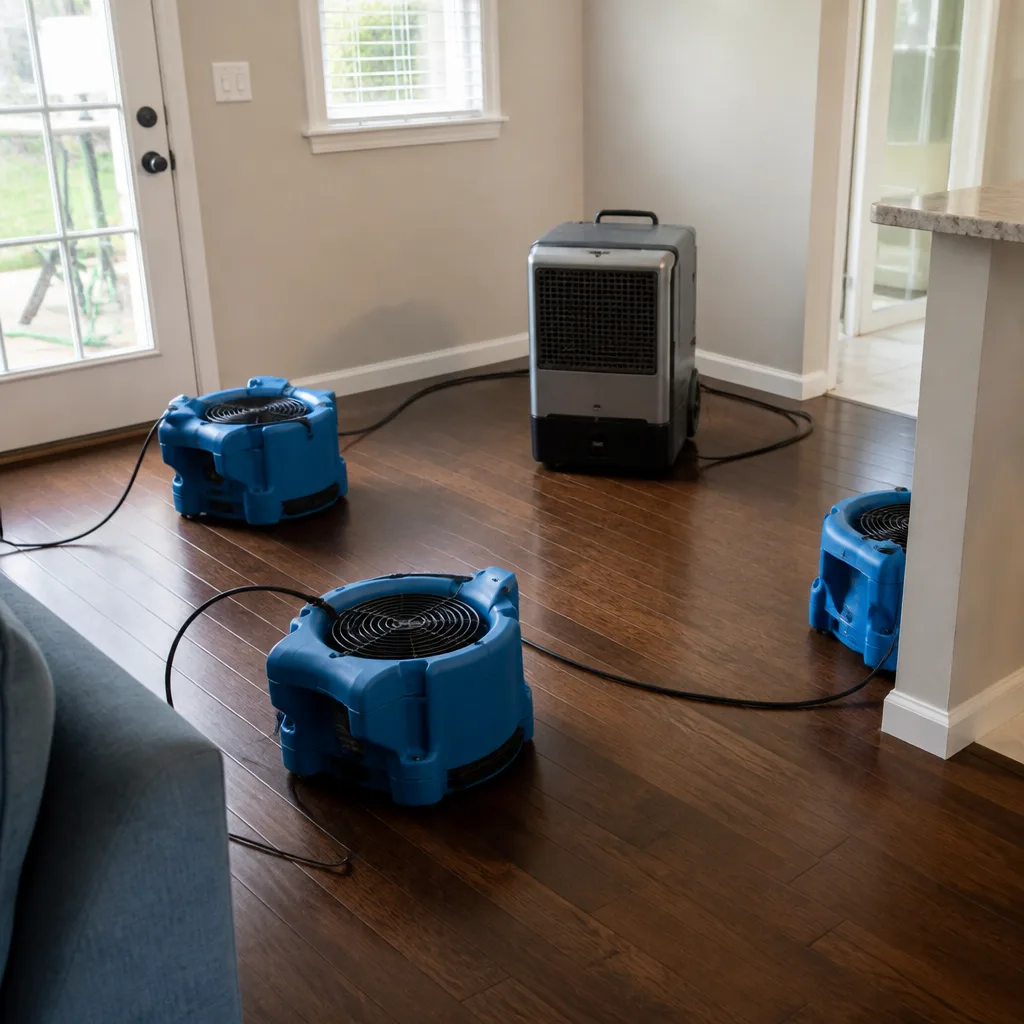
Dri-Eaz air movers and Phoenix dehumidifiers are positioned based on the moisture map, not by guesswork. Daily readings are logged and shared with you and your carrier. Plaster walls in 1950s colonials dry slower than drywall in newer construction, and our drying timelines account for that.
Cleaning & Sanitization
Every affected surface is cleaned with antimicrobial treatments appropriate to the water category. For Category 3 losses, that means full removal of saturated porous materials and aggressive sanitization of remaining structure.
Flood-Specific Treatment
New Milford river flooding introduces silt, fuel residue, and sewage. We scope for drain line integrity, subfloor vapor seal condition, and whether the mechanical systems that sat underwater can be salvaged or need replacement.
Repairs & Restoration
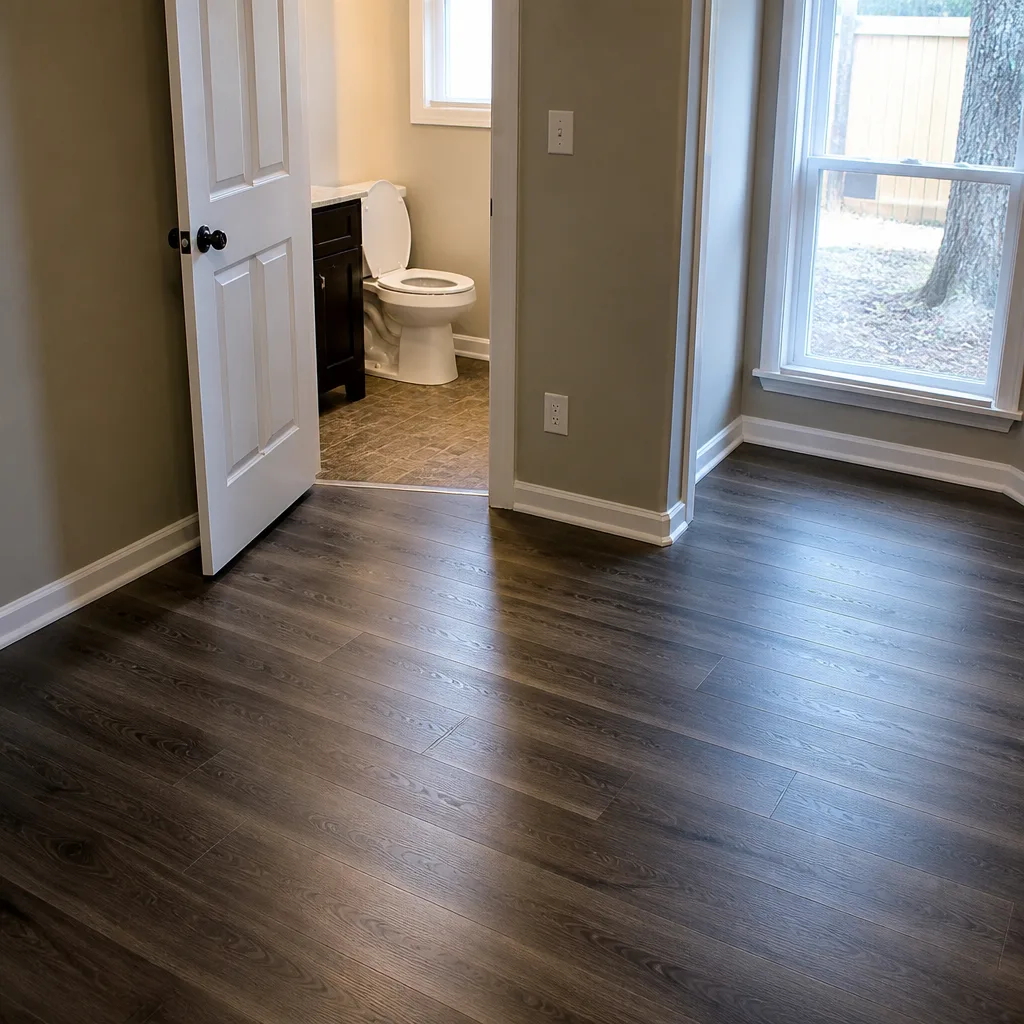
Once the dry standard is met, the same crew rebuilds. Drywall, flooring, trim, paint. The 90-Day Done Right Promise covers the entire scope, in writing, with no fine print about what counts and what doesn’t.
Need Emergency Water Damage Restoration in New Milford Now?
Crews minutes away, answering live 24 hours a day. The sooner we start, the less it costs.
Working With Your Insurance Company
Most New Milford homeowners file a claim for water damage, and the way that claim is documented in the first 48 hours determines how the settlement goes. Our crews photograph everything before we touch it, room by room, including the moisture line the water left on the wall. We log moisture readings daily, keep a running drying log, and submit everything to your adjuster in the format they expect. If the adjuster has questions, they call us directly. You don’t get handed a stack of paperwork and asked to translate it. When the scope changes, as it often does once walls are opened, we document it, communicate it to the carrier, and get the change approved before we proceed. You’ll never open a bill and find a number you didn’t agree to in writing.
What We Provide Your Insurer
- Thorough documentation of the loss
- Photos of all damage, room by room
- Moisture readings and drying logs
- A detailed, line-item scope of work
- Direct coordination with your carrier
Built for New Milford’s Loss Calendar
New Milford’s water damage season runs on a predictable calendar, and we plan our dispatch around it. January and February bring deep freezes that burst supply lines in crawl spaces and uninsulated exterior walls, especially in the 1940s and 1950s ranches that still have original copper or galvanized plumbing. March and April see snowmelt and spring rain pushing the water table up, which seeps through foundation cove joints in basements that have never flooded before. July and August thunderstorms drop two inches of rain in an hour, overwhelming the storm drains near River Road and the low-lying blocks west of the river. September through November is nor’easter season, and that’s when the Hackensack River becomes the threat. Homes that sat dry all summer take on three feet of Category 3 water overnight. Every one of these seasons has a different first-response protocol, and our crews know which one applies before they knock on your door.
Water Damage Restoration Across New Milford’s Neighborhoods
The river is the organizing fact of this borough. Homes west of River Road, in the blocks running down toward the Hackensack, sit lowest and take the worst of it. The 1950s colonials along the streets feeding down to the river corridor flood first when the river tops its banks. Finished basements there are often on their second or third claim. East of River Road, toward the Dumont line, the elevation rises and we see fewer river flood calls but more burst pipes and appliance failures in the older Cape Cods and ranches that fill those blocks. Near the high school and the neighborhoods around David E. Owens Middle School, the housing stock is largely 1950s and 1960s ranches with original drain lines and basements that were finished decades ago, often without vapor barriers under the subfloor. Those homes dry slower, and mold appears faster if the moisture map is wrong. The business district along River Road itself, including the older commercial buildings near the bridge, presents a different profile: mixed construction, older mechanical systems, and tenants who need their doors reopened fast. Our dispatch board routes by elevation and housing age as much as by street address, because a basement on one side of River Road is not the same job as a basement on the other side.
Specialized Water Damage Restoration Services We Offer in New Milford
Emergency Water Extraction
When the Hackensack River rises or a supply line lets go at 3 a.m., the first job is getting water out. We run truck-mounted and portable extraction simultaneously on larger losses, and we get pumping started the same visit. For New Milford’s river-adjacent homes, extraction includes planning for what comes next: contaminated silt deposits, saturated insulation, and drain lines that may have taken in river sediment.
Structural Drying & Dehumidification
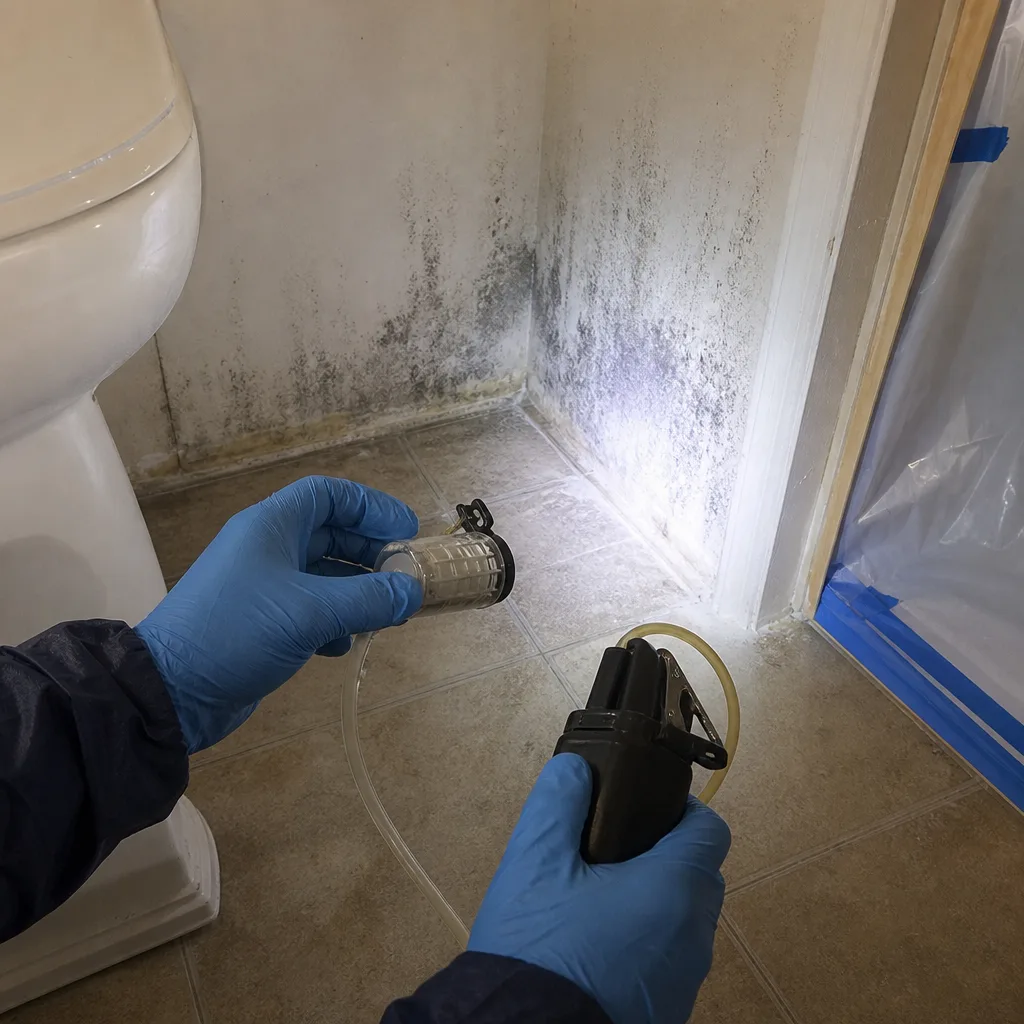
Drying a 1955 colonial with plaster walls and original hardwood is not the same as drying a new townhouse. We set Dri-Eaz air movers and Phoenix dehumidifiers against a moisture map that accounts for the structure’s actual materials, not a generic square-footage chart. Daily readings continue until the dry standard is met, and you get the log. If your adjuster wants it, they get it too.
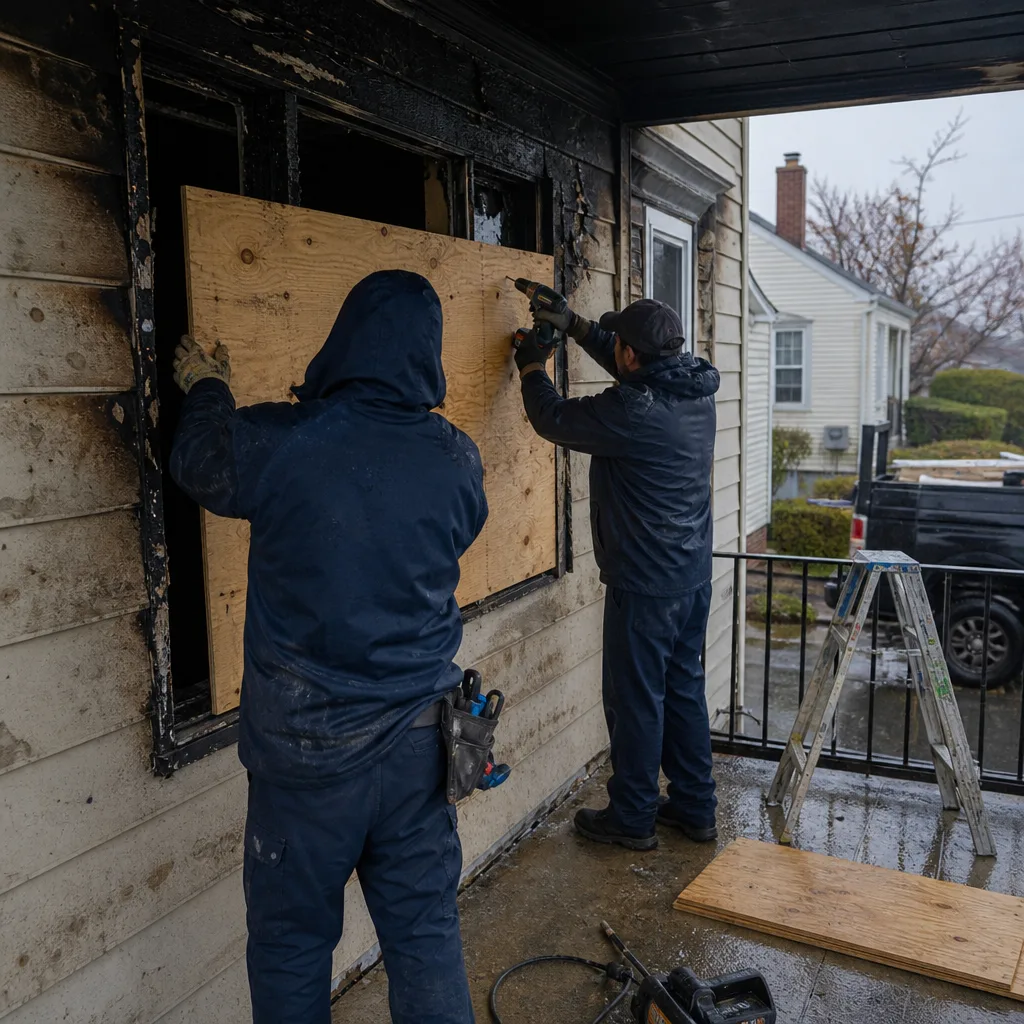
Flood Cleanup
A river flood is not a plumbing leak. The water that enters a New Milford basement during a nor’easter carries everything the Hackensack picked up upstream: sewage, fuel residue, silt, and whatever was in the storm drains when they overflowed. Flood cleanup here means full containment, removal of saturated porous materials, antimicrobial treatment, and a rebuild scope that accounts for the likelihood that this house will flood again. We don’t just dry it out; we make the next event less catastrophic.
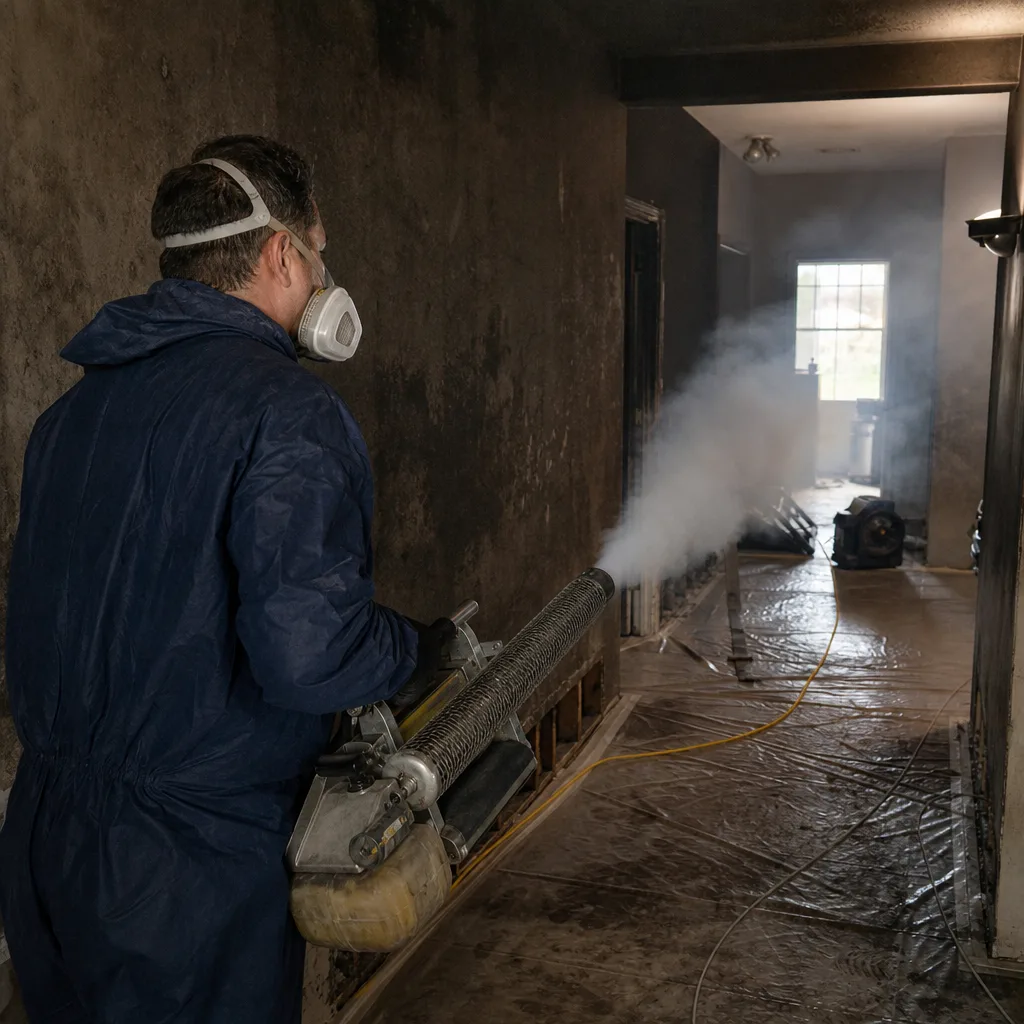
Burst Pipe Restoration
Deep winter freezes hit New Milford’s original plumbing hard, especially in ranches and Cape Cods where supply lines run through crawl spaces or poorly insulated exterior walls. A burst supply line delivers Category 1 or Category 2 water, but in volume. We extract, dry, and rebuild. If the line itself needs repair, our reconstruction side handles it under the same 90-Day Done Right Promise.
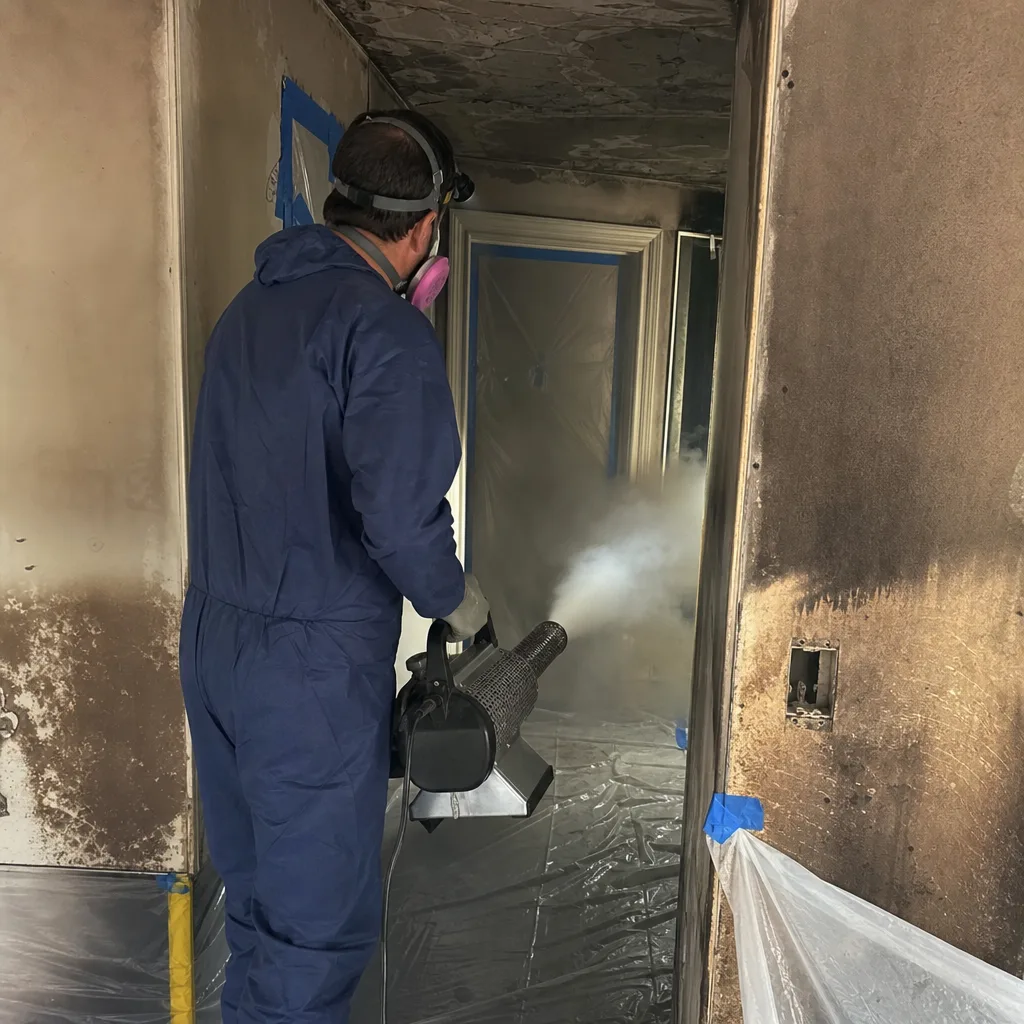
Basement Water Removal
Most finished basements in New Milford were finished years ago, before anyone thought about vapor barriers or flood-resistant materials. When water comes in, the finished layers trap moisture against the foundation. We remove the water, open the walls where the moisture map says to, dry the structure, and then rebuild with materials suited to a basement that sits near the water table. The goal is a room that comes through the next storm with less damage, not just a room that looks fine for a year.
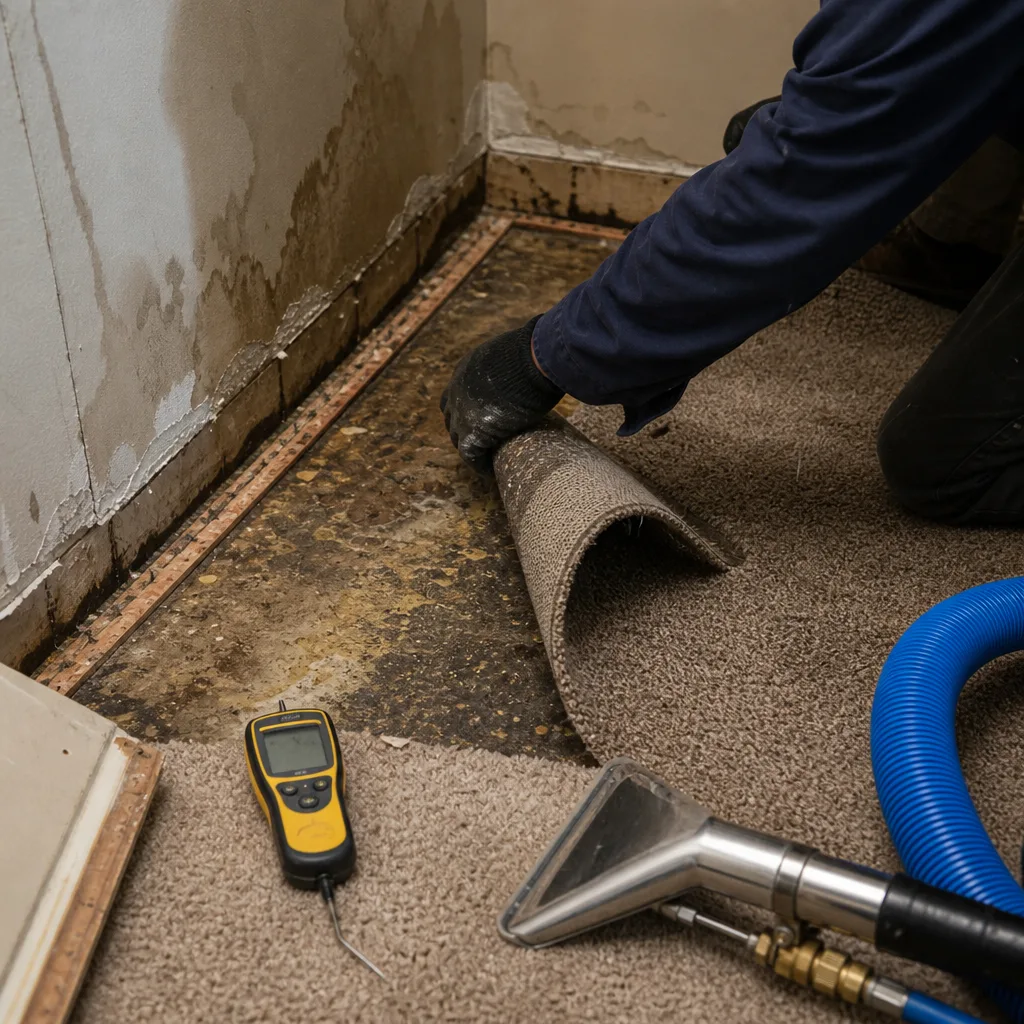
What happens when you call
- 1
A real person answersNo phone trees - you reach a local pro.
- 2
You get an upfront price rangeHonest numbers before anyone is dispatched.
- 3
A background-checked tech heads outLicensed & insured, dispatched right away.
- 4
You approve before work beginsNothing starts until you say go.
Water Damage Restoration Costs in New Milford, NJ
A straight Category 1 water extraction from a New Milford basement, where a supply line burst and water sat for an hour, typically runs $2,200 to $4,500 including drying and dehumidification. A Category 2 loss, say a washing machine discharge that soaked finished walls and carpet, lands between $4,500 and $9,000. A Category 3 river flood in a finished basement is a different animal: $12,000 to $35,000 is the realistic range once you account for containment, full removal of saturated materials, structural drying, and rebuild. What moves the price: whether the basement was finished, whether the water was clean or contaminated, whether plaster walls are involved, and whether the drain lines survived. Insurance covers the covered cause of loss, and we bill your carrier directly for the covered portion. Your out-of-pocket is your deductible, and we’ll tell you honestly what falls outside coverage before we start. The free visual inspection gets you a written scope with line-item pricing, and that scope doesn’t change unless you approve a change in writing first.
We Also Serve Cities Near New Milford
Our crews run calls throughout the Hackensack River valley. Beyond New Milford, we regularly handle water damage restoration in New Milford and the surrounding boroughs: Bergenfield, Dumont, Cresskill, and Teaneck. Same response commitment, same crew standards, same guarantee.
New Milford Water Damage Restoration Questions, Answered
How does New Milford’s position in the Hackensack River valley change the way flood cleanup is scoped?
New Milford sits in a low-elevation funnel where runoff from surrounding upland Bergen County towns concentrates rapidly. A nor’easter that produces nuisance flooding in Woodcliff Lake or Park Ridge can put New Milford basements under several feet of contaminated river water within hours. Our scoping for flood cleanup here starts from a Category 3 assumption until proven otherwise, meaning full containment, porous material removal, and antimicrobial treatment are built into the initial scope, not added later. That’s the opposite of a one-size-fits-all restoration playbook. If you’ve taken river water, call (201) 729-3780 and we’ll tell you straight what the category means for your basement.
Why do some New Milford basements need structural drying longer than newer homes?
The housing stock in New Milford is overwhelmingly post-WWII construction: Cape Cods, colonials, and ranches built from the late 1940s through the 1970s. These homes have plaster walls over wood lath, which holds moisture longer than modern drywall. Many also lack subfloor vapor barriers, meaning water that reaches the floor wicks into the subfloor and framing beneath. If you read the drying log and see a second week of daily readings, that’s not slow work. It’s the structure being honest. A newer home might hit the dry standard in four days. A 1955 colonial can take six to eight. We don’t rush it, because stopping early is how mold appears three weeks later.
What does ‘pre-loss condition’ mean for a New Milford home that has flooded more than once?
Pre-loss condition is the insurance industry standard: we’re obligated to restore your property to the state it was in before the loss, not better. For a New Milford home that has taken river water two or three times, that gets complicated. The first flood may have compromised drain lines, weakened subflooring, or left residual moisture that was never fully addressed. Our documentation includes a note of prior damage where we find it, because an adjuster will look for it anyway. We’re not in the business of pretending a house is new. We’re in the business of restoring what’s restorable and telling you honestly when something should be replaced rather than dried. Call (201) 729-3780 for a straight assessment.
How do you decide whether a flooded finished basement in New Milford should be dried in place or gutted?
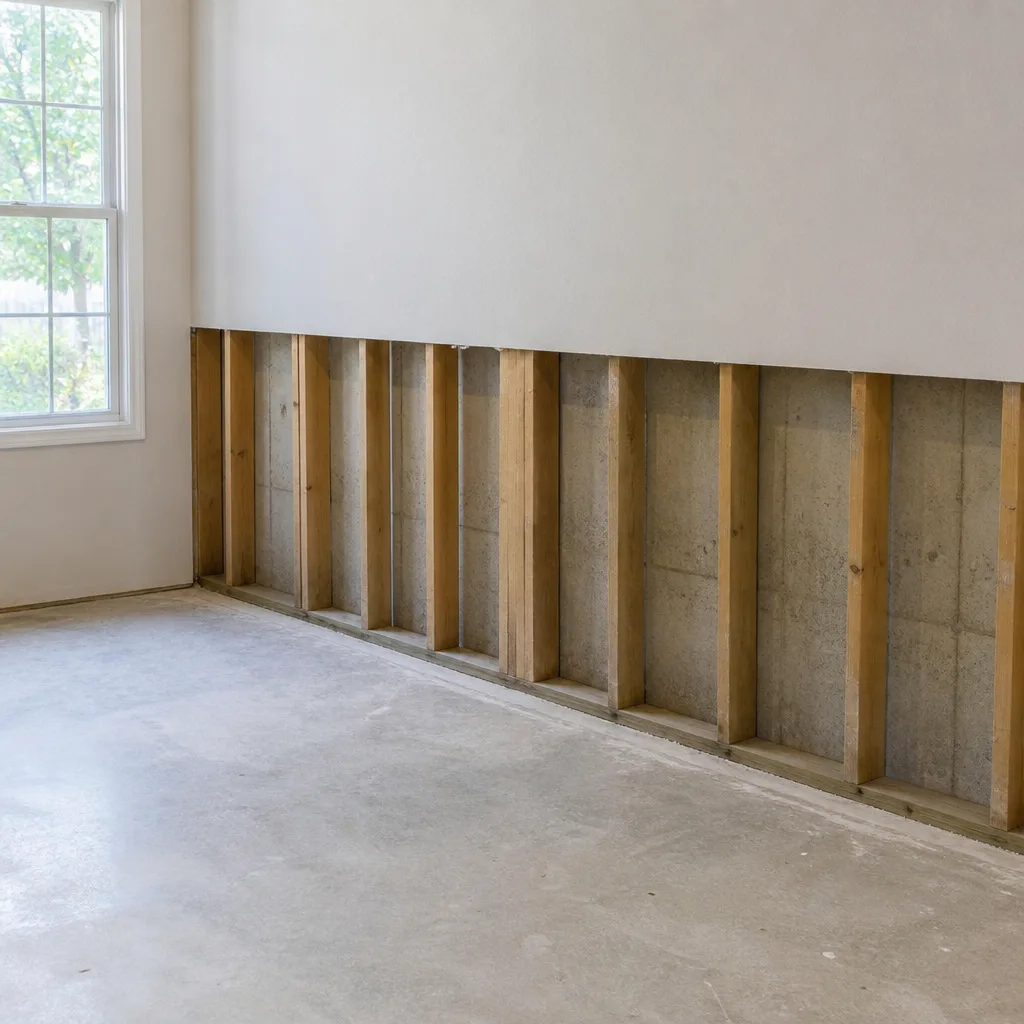
It comes down to water category and the basement’s construction. Category 1 water from a burst supply line can often be dried in place if the drywall is not structurally compromised and the moisture map shows no wicking past the base plate. Category 3 river water almost always triggers a gut on the lower portions of walls, because silt and sewage get behind the drywall and no amount of air movement fixes that. In finished basements built without vapor barriers, which describes most of New Milford’s older homes, the trapped moisture between concrete foundation and wood framing forces removal faster than in modern construction. Our crews make that call with moisture readings in hand, and we show you the map before we open a single wall.
Can you still dry out a New Milford basement if the old cast-iron drain lines are cracked?
Extraction can proceed, but drying won’t reach the dry standard if water is still entering through a cracked or collapsed drain line. Original cast-iron and galvanized lines in 1940s-to-1970s homes corrode from the inside out, and a flood event often finishes what decades of slow corrosion started. If we find a breach, we’ll show you the scope for replacing the line before the dry-out is pronounced done. Otherwise you’re paying to dry a basement that’s still taking on water. The 90-Day Done Right Promise covers the work we do, and we’d rather tell you about a drain line now than have you find out during the next storm. For a free inspection, call (201) 729-3780.
How fast can someone actually get to New Milford?
Our dispatch center is live 24 hours a day, 7 days a week. When you call (201) 729-3780, a real person answers and starts the dispatch immediately. For emergency water damage in New Milford, our commitment is 45 minutes from call to boots on the ground. Extraction equipment goes on the truck with the first crew. We don’t send a salesperson to size you up and then schedule a crew for tomorrow. The first visit includes extraction, containment if the category calls for it, and the start of moisture mapping.
Do I really need full restoration, or just a cleaning?
If the water came from a supply line and you caught it within a few hours, a cleaning and drying pass may be enough. If it sat overnight, soaked into drywall or flooring, or came from the Hackensack River or a sewage backup, you need more than a cleaning. Moisture wicks upward and outward, and visible surface water is usually the smallest part of the problem. A free visual inspection tells us whether you’re looking at a drying job or a full restoration scope. We’ll never sell you a reconstruction you don’t need. That’s a line we don’t cross, and 42 years in this business is built on not crossing it. Call (201) 729-3780 and we’ll give you the straight read.
Who deals with my insurance adjuster?
We do. From the first hour, we document everything: photos room by room, moisture readings, drying logs, a line-item scope. When your adjuster calls, they talk to our team directly. If the adjuster wants to inspect, we’re present. If the scope changes, we document the change and clear it with the carrier before proceeding. You are never the messenger between Floodline Restoration Co. and your insurance company. That’s part of the square deal, and it’s in writing.
Serving New Milford, NJ - Our Local Coverage Area
We’re based in the New Milford area and know this community well. Use the map below to see our service coverage - if you’re nearby, we can almost certainly help.
Floodline Restoration Co. Stands Behind the Work
We start at the floodline, the mark the water left on the wall, and we don’t stop until the extraction, drying, and rebuild are finished by the same certified crew. The 90-Day Done Right Promise, what we call the Keystone Standard, is handed to you in writing. If it’s not done right, we make it right. No paperwork battles, no arguing. That promise is backed by the K.E.Y.S. values code: Krafted right, Every time, Your home first, Standing behind it. Senior and veteran customers receive a 5 percent discount, always. If your repair runs over $250, ask about the $50 credit. For a once-a-year check of your sump pump and basement waterproofing, the $89 Seasonal Tune-Up is the cheapest insurance you’ll buy in Bergen County. This page is about Water Damage Restoration, but the promise applies to everything we do. If water is in your New Milford basement right now, call (201) 729-3780. A live person answers, and the first truck rolls.
Written by Curt Bowman, Owner at Floodline Restoration Co., serving New Milford, NJ and surrounding Bergen County communities.