

Free visual inspection and a written scope of work before any mitigation begins - photos, moisture readings, and drying logs go in your claim file
The scope we write is the scope we bill. Anything new gets shown to you, in writing, before we touch it.

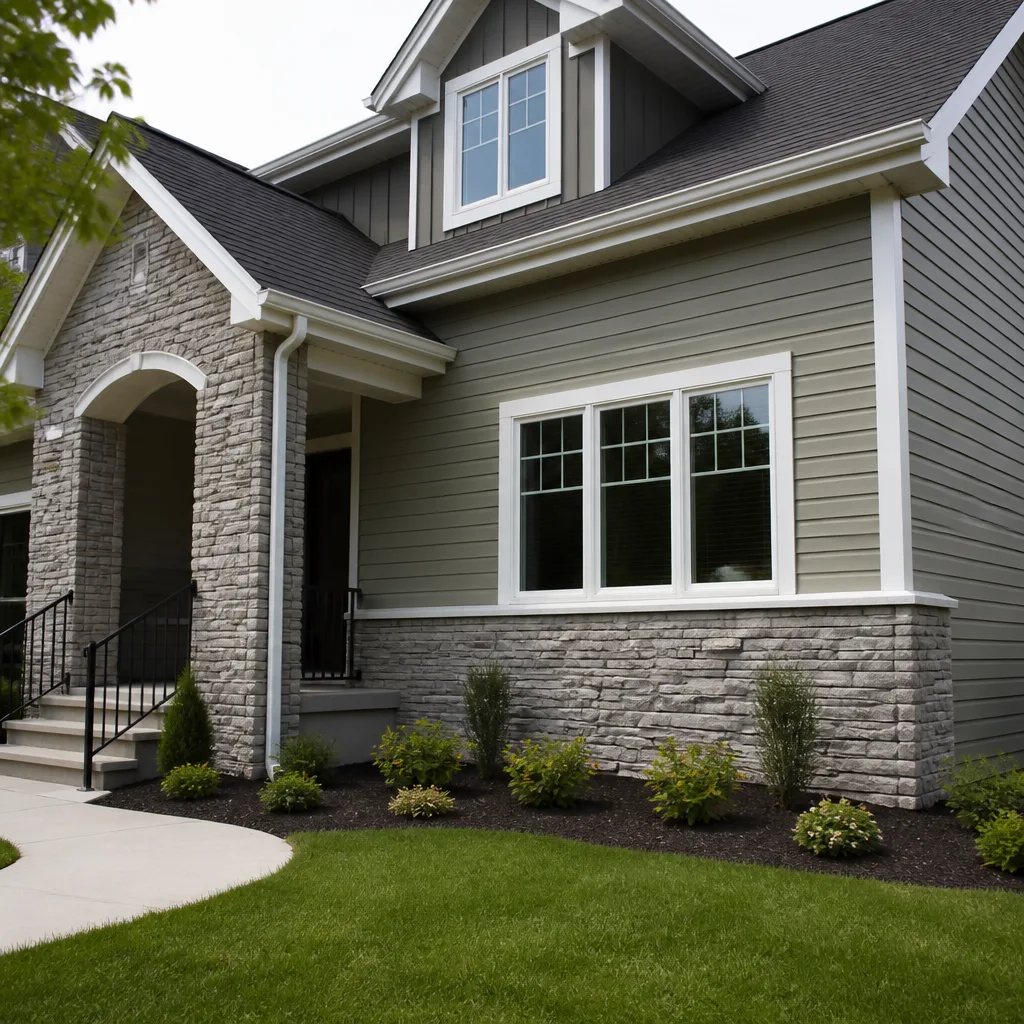
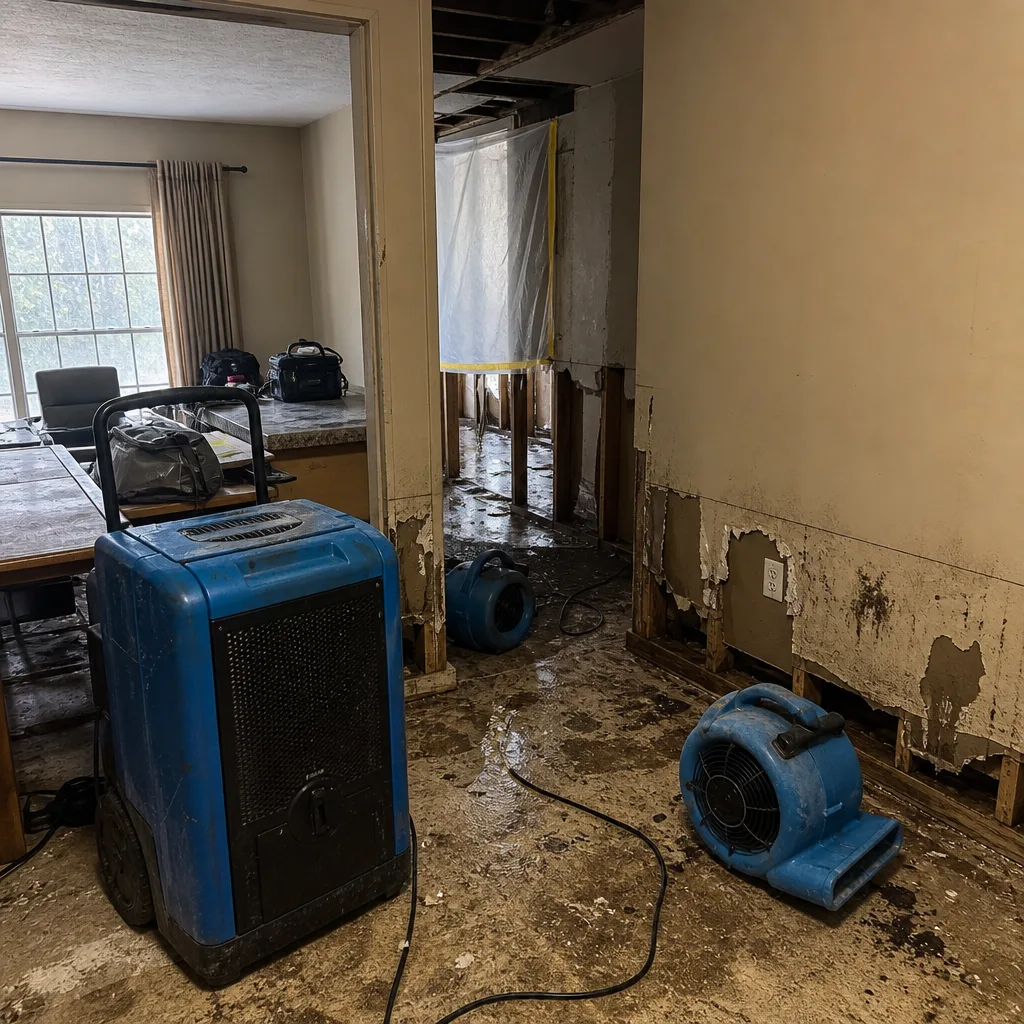 Before
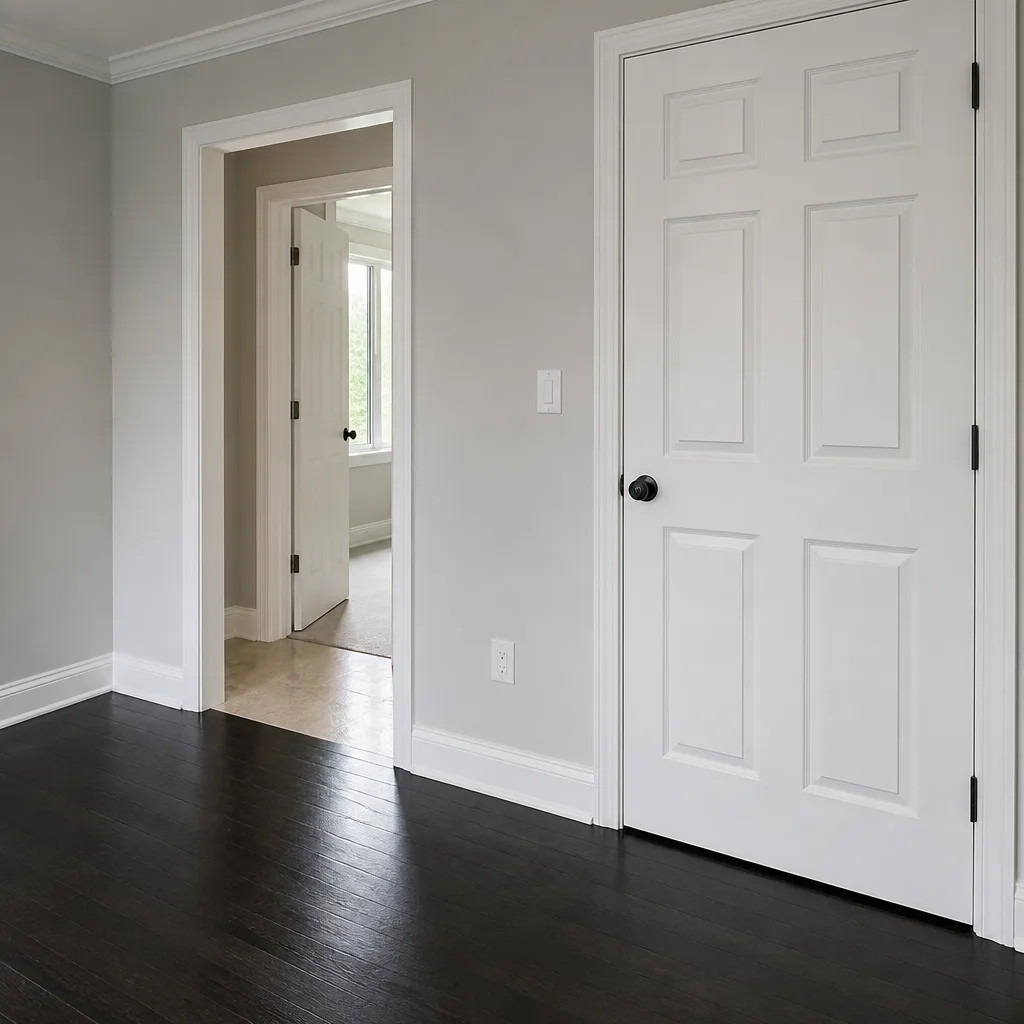 After
After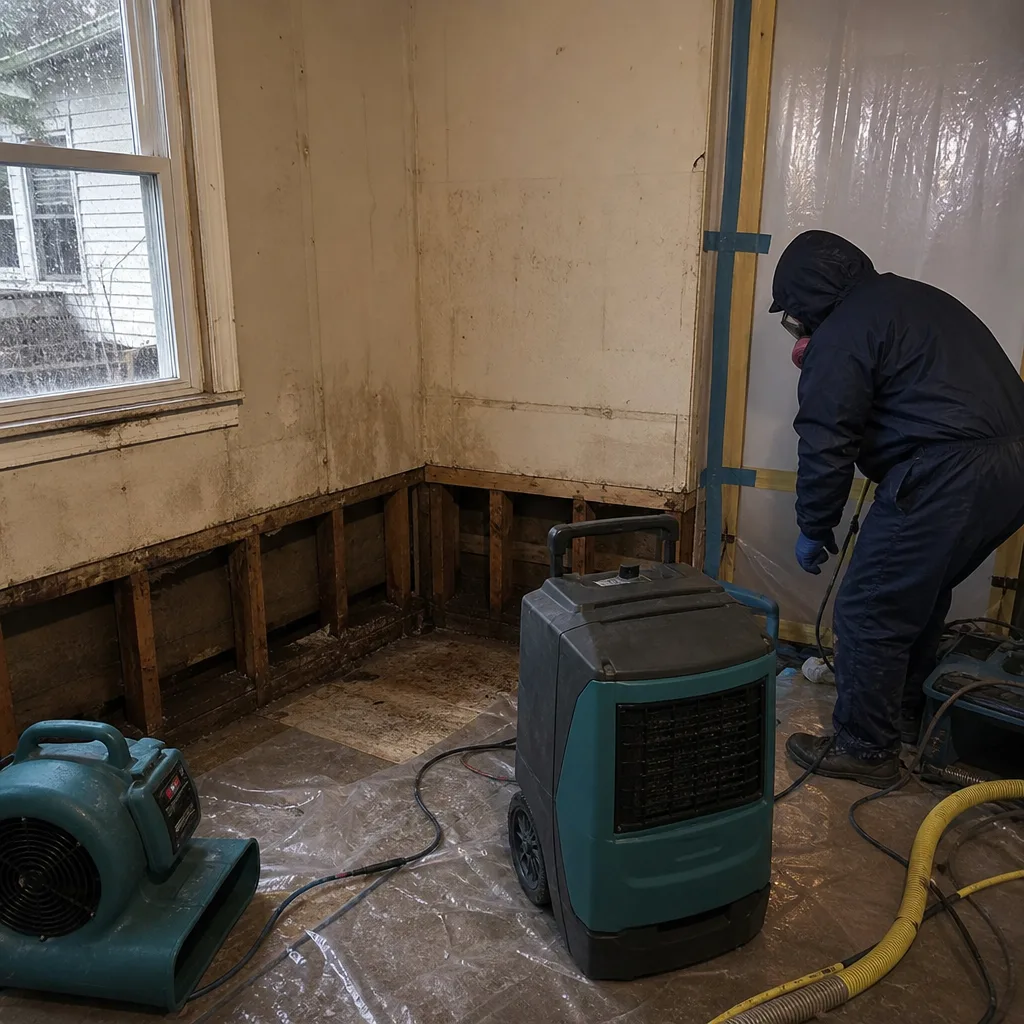 Before
 After
After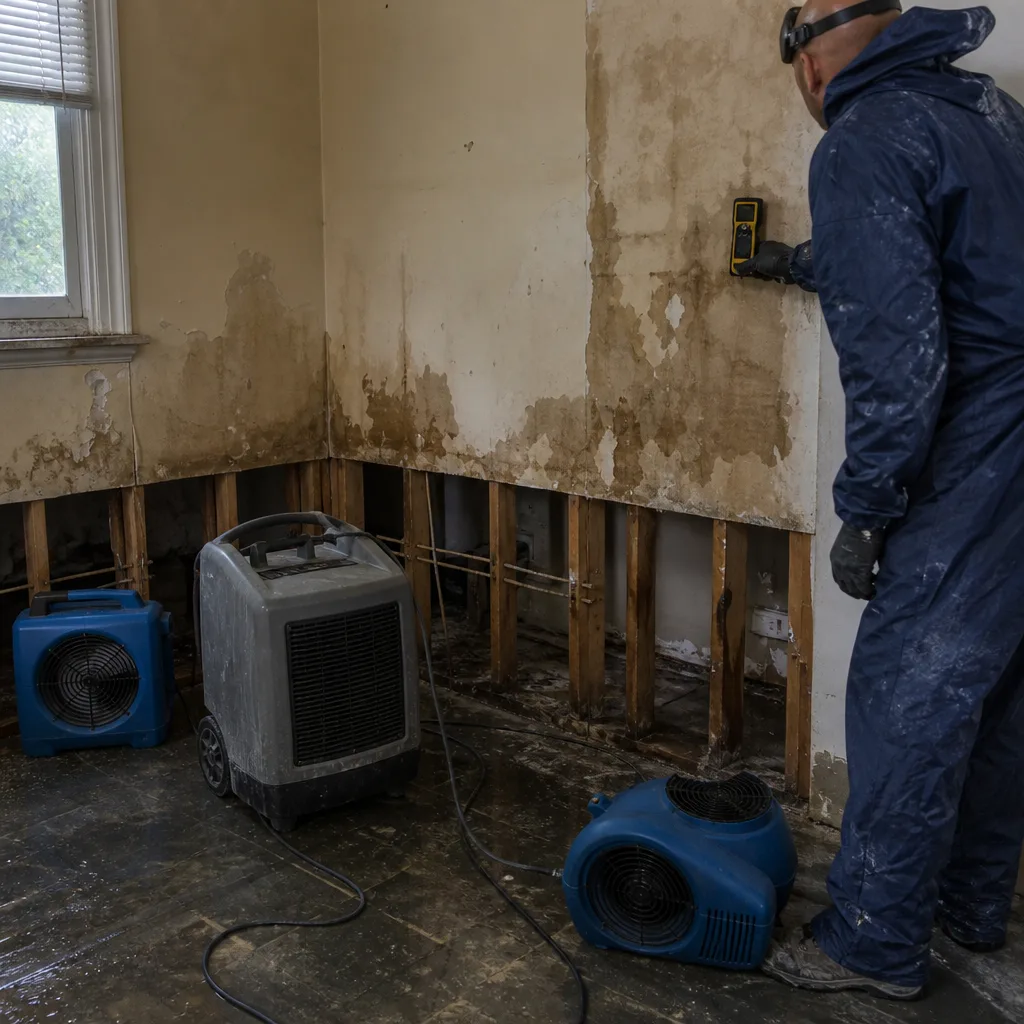 Before
 After
After24/7 Emergency Water Damage Restoration in Teaneck
Water damage restoration in Teaneck typically costs $1,800-$4,600 depending on how far the water traveled and whether the intrusion reached finished walls or flooring. A burst supply line in a 1940s Cape Cod basement runs lower than a full finished-basement loss after a storm-sewer back-surge. Either way, our crews answer live at (201) 729-3780 and can be on site in Teaneck within 45 minutes for emergency extraction. Because Teaneck’s older homes dry slower once water wicks into original plaster and unsealed concrete, the first hour is what separates a two-day drying job from a full gut. We come out, identify the water category, map the moisture, and start pulling water the same visit. The sooner extraction runs, the less demolition follows. That’s not sales language. It’s just how material behaves once water sits.
If you’re standing in water right now, stop reading and call. We’ll walk you through the first thirty minutes on the phone while a crew is already loading equipment for Teaneck. A live dispatcher picks up at two in the morning. Not a recording. Not a callback queue. We answer, we dispatch, we arrive.
Understanding Water Damage Restoration Severity in Teaneck Properties
Water damage gets classified in three categories, and Teaneck’s housing stock makes that classification unusually consequential. Category 1 is clean water from a burst supply line or a failed water heater. Category 2 is grey water, what you get from a washing machine overflow or a sump pump that couldn’t keep up with a heavy rain. Category 3 is black water, and in Teaneck it doesn’t only come from the Hackensack River. It comes from the town’s combined storm and sanitary sewers when they back-surge into basement floor drains during moderate rainfall. That water carries sewage, and it changes the entire scope of work. Drywall that gets wet with Category 3 water gets cut and replaced, not dried in place.
Teaneck’s homes, mostly built between the late 1920s and early 1960s, were framed with full finished basements that predate modern waterproofing. No vapor barriers under the slab. No perimeter drain tile in most original foundations. The concrete wicks moisture upward, and once water breaches a foundation wall, it moves through the masonry and into the finished space faster than most homeowners realize. Our structural drying program uses moisture mapping with thermal imaging and penetrating hygrometers, because on Teaneck’s legacy basements, what looks dry on the surface is often still holding saturation in the wall cavity. If you skip that step, mold gets a second growing season. In the same walls. Twice.
Why Teaneck Property Owners Choose Floodline Restoration Co.
- 45-minute response commitment in Teaneck. We stage equipment locally and dispatch from our metro office, so a crew reaches most Teaneck blocks within 45 minutes of your call. When water is moving through a finished basement, that’s the difference between drying and demolition.
- 24/7 live answer, every hour of every day. You reach a person on the first call. A dispatcher who knows the Teaneck streets, not a voice tree. 2 a.m., Christmas morning, during a nor’easter when every other line rings busy. We answer.
- Certified crews trained to IICRC, RIA, and IFA standards. Our techs hold WRT and ASD certifications and recertify on water damage and structural drying standards annually. They’re background-checked, uniformed, and they’ll tell you their name before they step inside.
- Free visual inspection with a written scope, not a sales pitch. We assess the loss, show you the moisture map, and hand you a line-item scope before any work begins. You decide. No pressure, no bundling, no phantom line items.
- Direct insurance billing with adjuster coordination. We document from the first hour, bill your carrier directly, and communicate with your adjuster so you’re never the middleman relaying messages between two parties. You get a copy of everything.
- One team from extraction to reconstruction. Floodline Restoration Co. doesn’t hand your job to a sub after the drying phase. The same certified crew that pulls the water handles the dry-out, the mold remediation if needed, and the rebuild. No inherited crews, no finger-pointing, no mid-job handoff.
Our Water Damage Restoration Process
Inspection & Assessment
We find the water source, classify it as Category 1, 2, or 3, and run thermal imaging across walls, floors, and ceilings. For Teaneck homes with finished basements, we probe wall cavities with penetrating moisture meters to find hidden saturation. You get a written scope and a firm price before equipment comes off the truck.
Extraction & Stabilization
We pull standing water with truck-mounted extraction and portable units. For Teaneck’s back-surge events, we take appropriate containment measures on Category 3 water. The goal is to stop the water from migrating further into drywall, hardwood, and original subflooring.
Drying & Dehumidification
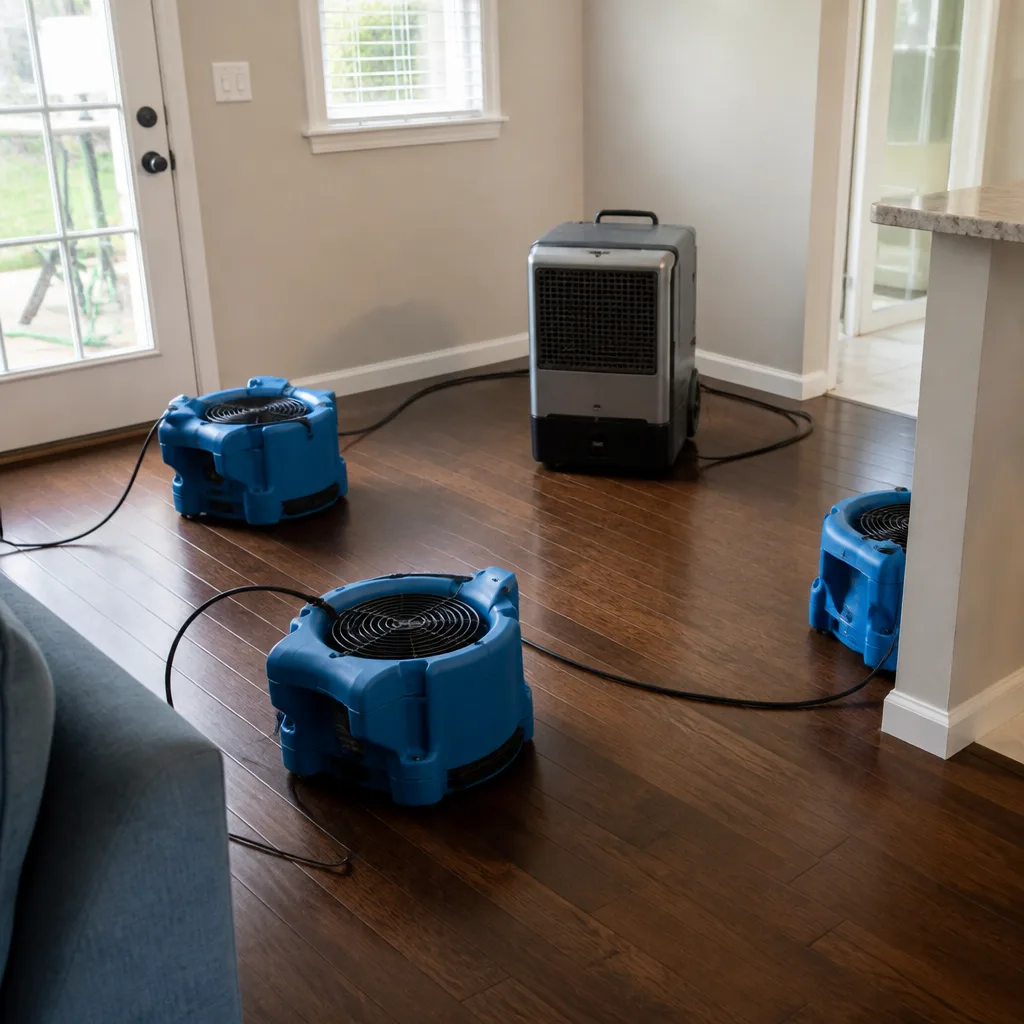
We place air movers, LGR dehumidifiers, and structural drying systems from Dri-Eaz, Phoenix, and XPOWER. In older Teaneck basements with unsealed concrete, we often run drying longer and log daily moisture readings until the dry standard is met, not just until the surface feels dry.
Cleaning & Sanitization
We clean and sanitize all affected materials, including any Category 2 or 3 contamination. This includes antimicrobial application on surfaces that remain and HEPA air scrubbing where mold or bacteria are present, so the air in your home stays safe during the dry-out.
Mold Prevention & Specialty Treatment
For Teaneck’s repeat-intrusion pattern, we run a secondary mold inspection behind baseboards and inside wall cavities in flood-history homes. We treat any active growth we find and document it for your carrier. This step is where our 42 years of local experience shows: we know where mold hides in legacy basements.
Repairs & Restoration
We replace what can’t be saved: lower drywall, flooring, insulation, baseboards. We’re a full-cycle Water Damage Restoration contractor, so the same crew handles the rebuild. You get your home back in one piece, with a moisture log and the 90-Day Done Right Promise in your hands.
Need Emergency Water Damage Restoration in Teaneck Now?
Crews minutes away, answering live 24 hours a day. The sooner we start, the less it costs.
Working With Your Insurance Company
Most Teaneck homeowners have never filed a water damage claim before the night their basement fills up. We have, and we handle the insurance side daily. From the first hour, we photograph every room, log moisture readings, and build a line-item scope using the same estimating software your carrier uses. When your adjuster calls us, they get a complete file, not a story. We coordinate directly with your carrier so you don’t have to sit on hold explaining what a dry standard is to someone who has never set foot in Teaneck. You get copies of everything we send. The 90-Day Done Right Promise stands behind the work: if it’s not done right, we make it right. In writing, no arguing.
What We Provide Your Insurer
- Thorough documentation of the loss
- Photos of all damage, room by room
- Moisture readings and drying logs
- A detailed, line-item scope of work
- Direct coordination with your carrier
Built for Teaneck’s Loss Calendar
Water doesn’t follow a calendar in Teaneck, but its patterns are predictable to anyone who’s been answering the phone here long enough. January and February bring deep freezes that split supply lines in unheated crawl spaces and exterior wall plumbing in the older Capes and Colonials along the township. March’s thaw saturates the ground, and the water table pushes upward into basements that haven’t had a proper perimeter drain since the Truman administration. Summer thunderstorms drop an inch of rain in forty minutes, and Teaneck’s aging combined storm sewers back-surge into basements across the interior blocks, far from the river. Then come the nor’easters, which bring the river up and push the township drainage system beyond capacity, triggering our Storm & Disaster Restoration in Teaneck response. None of this is new. But the pattern is getting more intense, and the homes are getting older, which means the restoration calls keep coming. We staff crews and equipment year-round, not just when a named storm is in the forecast. Because in Teaneck, the call comes every season.
Water Damage Restoration Across Teaneck’s Neighborhoods
Teaneck isn’t one kind of neighborhood, and water doesn’t behave the same way everywhere in town. The blocks closest to the Hackensack River flood plain, along the township’s eastern edge and around the Teaneck Creek corridor, see the river come over its banks during major events. Homes there have flood histories going back years, sometimes decades. Our crews know which blocks on the northeast side tend to catch back-surge from the municipal storm system before the river even rises. We’ve worked basements off Teaneck Road, near Route 4, and in the residential streets running north from Cedar Lane.
Around Votee Park and Tilden Avenue, the pattern is different. Nor’easters overwhelm the storm sewer, and black water comes up through the floor drains. We responded to a Cape Cod on Tilden Avenue near Votee Park after that exact failure. We ran moisture mapping across the finished basement, confirmed saturation behind the baseboards, and set up containment with air movers and dehumidifiers while removing the lower drywall. That’s where we found a second mold colony thriving behind drywall that had been replaced just two years earlier after Ida. The homeowner thought the basement had been fully restored. The mold never left.
Up toward the northwest corner and the neighborhoods bordering Bergen County’s higher ground, the homes are newer in feel but the foundations are still original. Slab-on-grade construction from the 1960s, finished basements with wood paneling over drywall. Water moves slower there, but it hides longer. The Teaneck housing stock is not uniform, and neither is our response. We adjust drying plans by block, by foundation type, by flood history.
Specialized Water Damage Restoration Services We Offer in Teaneck
Flood Cleanup in Teaneck
When the Hackensack River rises or a nor’easter pushes the storm sewer backwards, Teaneck basements take on water that is rarely clean. Flood cleanup here means more than pumping out water. It means identifying the water category, removing contaminated drywall and flooring, sanitizing what remains, and setting up drying equipment before mold gets a foothold. In Teaneck’s flood-plain homes, we treat every flood event as a mold-prevention event. Because in this town, the water comes back, and what you didn’t fix the first time becomes the second loss.
Basement Water Removal in Teaneck
Legacy Teaneck basements hold water the way old concrete does: slowly, thoroughly, and in places you can’t see from the top. Basement water removal on these homes means extraction, then deep structural drying of the concrete itself. Our techs use low-grain refrigerant dehumidifiers and penetrating moisture meters to pull water out of the slab and the foundation walls, not just off the floor. For original 1940s basements without vapor barriers, we extend drying and keep daily logs so you and your carrier know exactly when the materials are dry, not just when they look dry.
Structural Drying & Dehumidification in Teaneck
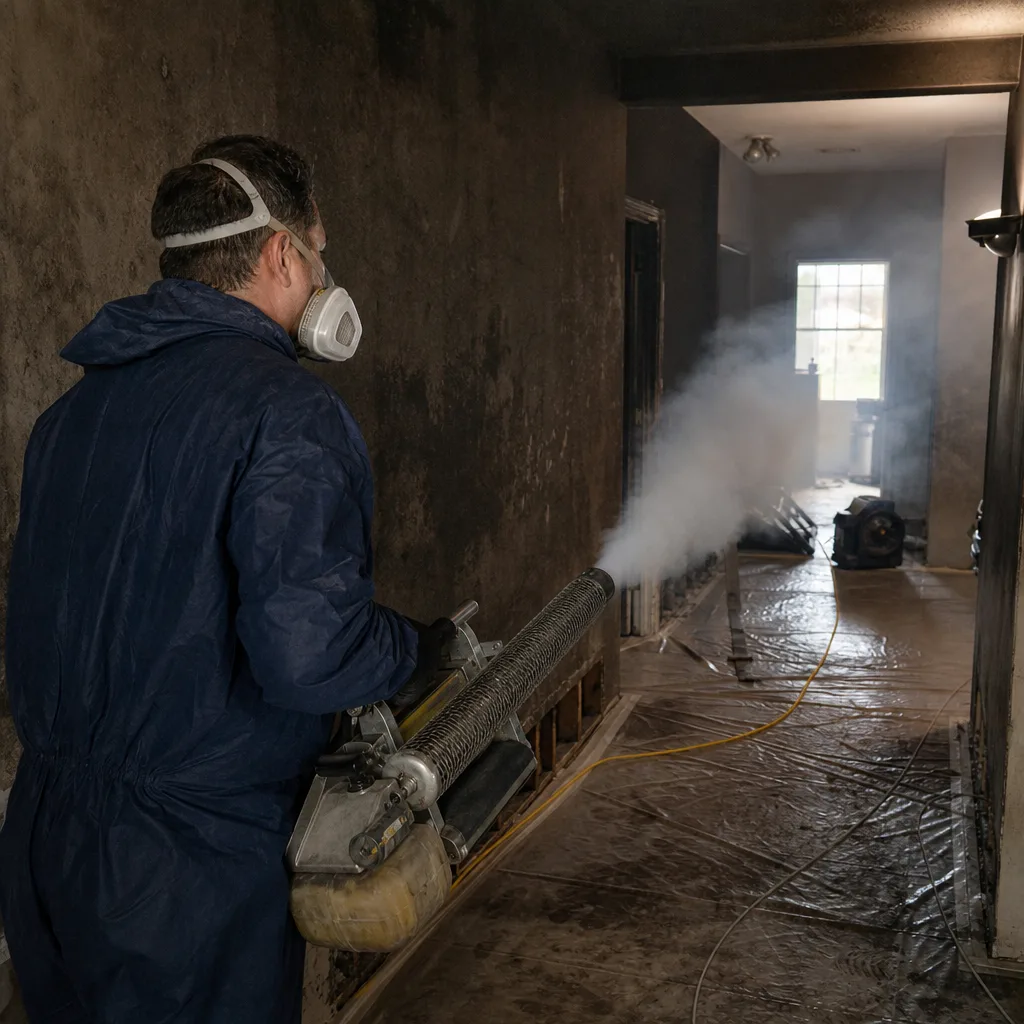
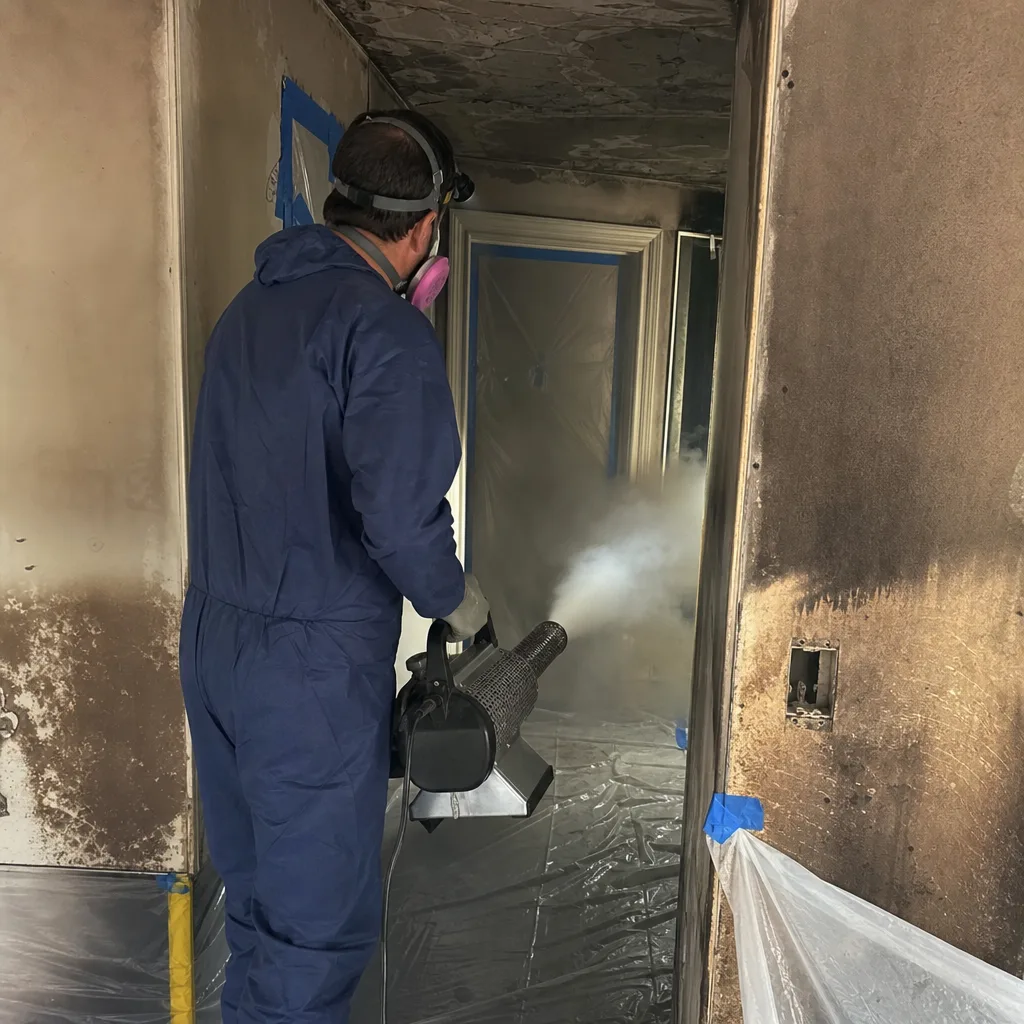
Drying a Teaneck home properly takes longer than drying a newer house in a newer development. The materials are different. Plaster instead of drywall in many originals. Hardwood over unsealed subfloor. Concrete slabs without vapor barriers. We run structural drying programs with Dri-Eaz and Phoenix equipment sized to the actual cubic footage of each room, and we adjust daily based on the readings. If a wall cavity isn’t drying, we don’t wait three days to react. We cut a small access point, inspect, and adapt. That’s what keeps a two-day dry-out from becoming a full basement gut two weeks later.
What happens when you call
- 1
A real person answersNo phone trees - you reach a local pro.
- 2
You get an upfront price rangeHonest numbers before anyone is dispatched.
- 3
A background-checked tech heads outLicensed & insured, dispatched right away.
- 4
You approve before work beginsNothing starts until you say go.
Water Damage Restoration Costs in Teaneck, NJ
Real numbers for Teaneck’s market, because vague pricing doesn’t help anyone plan. A straightforward Category 1 extraction with drying in an unfinished basement runs $1,200-$2,400. Add finished walls and flooring, and the range moves to $2,800-$5,500 depending on how much lower drywall and flooring gets cut and replaced. A Category 3 back-surge event in a finished Teaneck basement typically lands between $4,500 and $9,000 because contaminated materials get removed, the space gets sanitized, and the rebuild happens after drying. Mold remediation layered onto a repeat-intrusion loss adds $2,000-$6,000, and in Teaneck’s flood-history homes, that line item appears more often than homeowners expect. The free visual inspection is how you get from these ranges to a firm number. We show you the moisture map, explain the scope, and put it in writing before work starts. No surprises on the bill, and we bill your carrier directly when the claim is covered.
We Also Serve Cities Near Teaneck
Our crews work throughout Bergen County, including Teaneck and the neighboring towns of Englewood, Hackensack, Bergenfield, and Leonia. If you’re in one of these communities and dealing with water intrusion, the same live dispatch, certified crews, and 90-Day Done Right Promise apply. Call the number on this page and we’ll route a crew to you directly.
Teaneck Water Damage Restoration Questions, Answered
Why does my Teaneck basement flood even when the Hackensack River hasn’t overflowed?
Because Teaneck’s combined storm and sanitary sewer system back-surges into basement floor drains during moderate and heavy rainfall, not just when the river crests. The town’s flat, low-lying topography and aging municipal pipes mean stormwater has nowhere to drain quickly, and the system pushes water backwards into the lowest point in your home: the basement. You don’t need a named storm to get a flooded basement in Teaneck. You need forty minutes of heavy rain and a drain that can’t keep up.
What should I do immediately after a sewage back-surge in my finished Teaneck basement?
Stay out of the water, shut off electricity to the affected area if you can do so safely from the panel, and call a restoration crew that treats Category 3 water as a contamination event. Don’t run a shop vac or household fan. Don’t try to save the lower drywall. In Teaneck back-surge events, the water often mixes storm and sanitary flow, which means it carries bacteria and pathogens. The first thirty minutes determine how much gets cut and how much can be dried in place. Call (201) 729-3780 and we’ll walk you through the shutdown while a crew is already heading your way.
Why does mold keep coming back in the same spot behind my basement drywall in Teaneck?
Because the original water event was never fully dried, or the mold was only surface-treated without checking the wall cavity behind it. In Teaneck’s flood-plain homes near Teaneck Creek and the Hackensack River, we consistently discover secondary mold colonies growing behind drywall that was replaced after an earlier event. The previous contractor either didn’t pull the baseboards to check for hidden saturation, or they sealed up the wall before it was fully dry. Mold doesn’t need much: a wet stud, a little humidity, a dark cavity. If you don’t address the cavity, you’ll keep repainting the same wall.
Can my 1950s Teaneck Cape Cod basement be properly dried without removing the original finished walls?
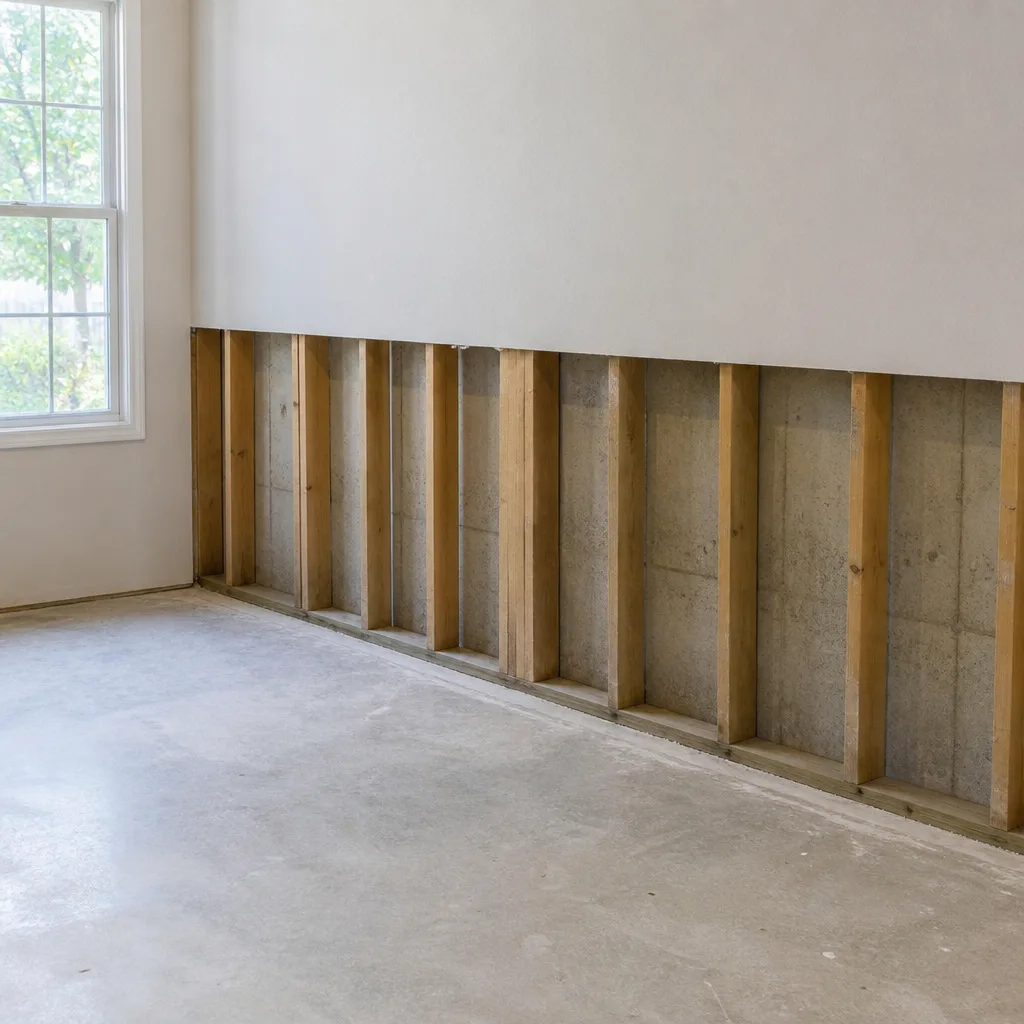
Sometimes, if the water was Category 1 and the intrusion was caught within the first few hours. But on Teaneck’s original finished basements, the wall assembly usually traps moisture between the paneling or drywall and the unsealed concrete foundation. We use penetrating moisture meters to determine whether the cavity is dry enough to save. If it’s not, cutting the lower two feet of wall is faster and cheaper than ignoring it and paying for mold remediation plus a rebuild later. We’ll show you the readings and explain which path makes sense before we cut anything.
How long does water damage restoration take in a Teaneck home with repeated flood history?
A typical Category 1 drying job runs two to four days. A Category 3 back-surge event with finished basement demolition and rebuild often takes two to three weeks including drying and reconstruction. For Teaneck homes with documented repeat flood history, the schedule often stretches because we run secondary mold inspections behind baseboards and inside wall cavities. We’d rather add two days of inspection now than hand you back a basement that’s growing mold again in six months. You’ll get a written timeline at the inspection.
Does my homeowner’s insurance cover water damage in Teaneck?
Most standard policies cover sudden and accidental water damage, like a burst supply line or a failed water heater. Flood damage from the Hackensack River or from surface water entering through foundation walls is typically excluded unless you hold a separate flood insurance policy through the NFIP or a private carrier. Sewer back-surge coverage depends on your specific policy and whether you carry a water backup endorsement. We photograph everything, log every reading, and work directly with your adjuster regardless of the claim type. Call us and we’ll help you understand what your policy likely covers before you file.
Are your technicians certified for water damage restoration in Teaneck?
Yes. Our crews are certified to IICRC, RIA, and IFA standards, including WRT (Water Damage Restoration Technician) and ASD (Applied Structural Drying) certifications. Every technician is background-checked and uniformed. We train on the specific failure modes of Bergen County’s older housing stock, not just generic drying procedures. That means our techs understand how water moves through a 1940s unsealed concrete foundation differently than it moves through a modern slab-on-grade with a vapor barrier.
How fast can someone actually get to my Teaneck home?
We commit to 45 minutes or less for most Teaneck locations, day or night. A live dispatcher answers every call and starts routing a crew immediately. Because we stage equipment for Bergen County and our crews know Teaneck’s streets, we’re not mapping the route while your basement keeps filling. Call (201) 729-3780 and we’ll tell you exactly when a crew will arrive.
Serving Teaneck, NJ - Our Local Coverage Area
We’re based in the Teaneck area and know this community well. Use the map below to see our service coverage - if you’re nearby, we can almost certainly help.
Get a Free Teaneck Water Damage Assessment Today
If water is where it shouldn’t be in your Teaneck home, call Floodline Restoration Co. at (201) 729-3780. You’ll reach a live person who knows the town, understands the housing stock, and can send a certified crew to your door within 45 minutes. We’ll assess the damage, show you the moisture map, and hand you a written scope before any work begins. Done right, and backed in writing. That’s the way Curt Bowman has run this company since 2010, and that’s the standard we bring to every Teaneck basement, every call, every time.
Written by Curt Bowman, Owner at Floodline Restoration Co., providing Water Damage Restoration to Teaneck, NJ.