

Free visual inspection and a written scope of work before any mitigation begins - photos, moisture readings, and drying logs go in your claim file
The scope we write is the scope we bill. Anything new gets shown to you, in writing, before we touch it.
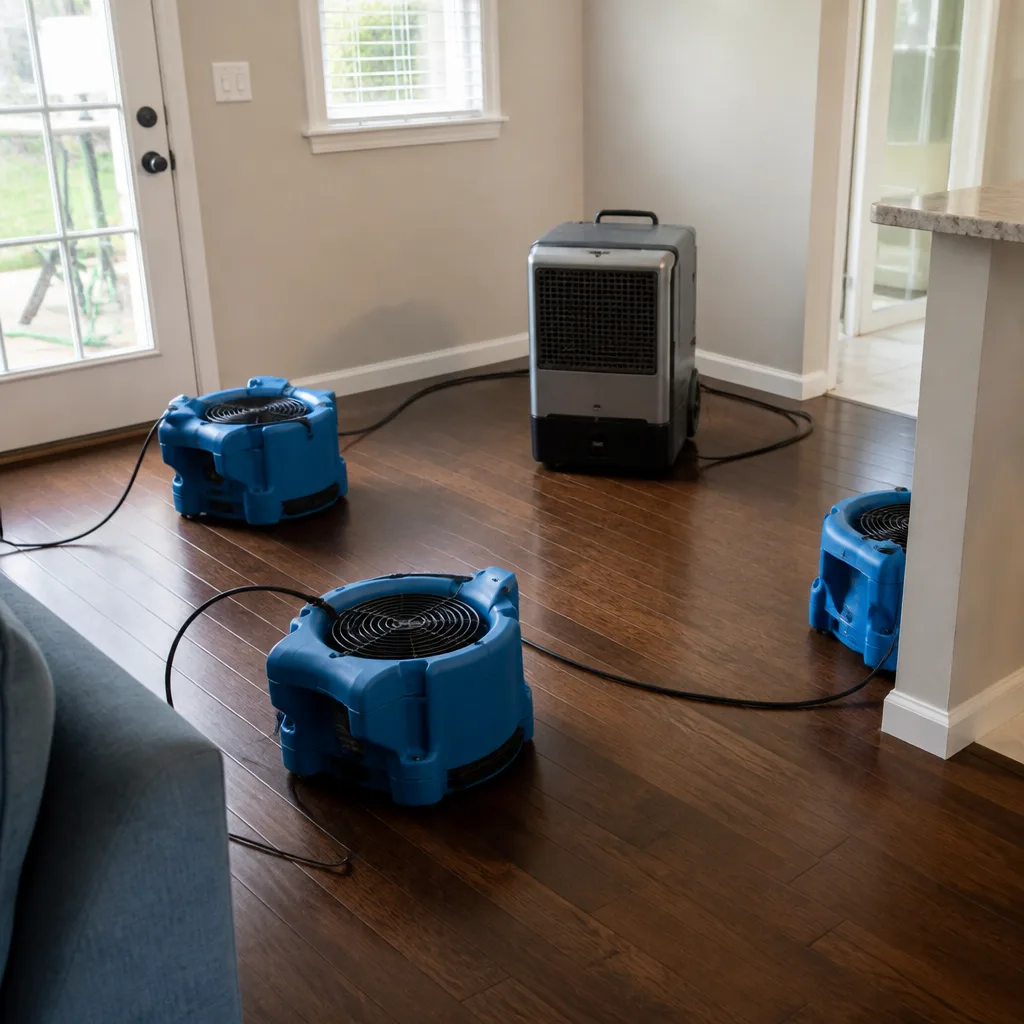

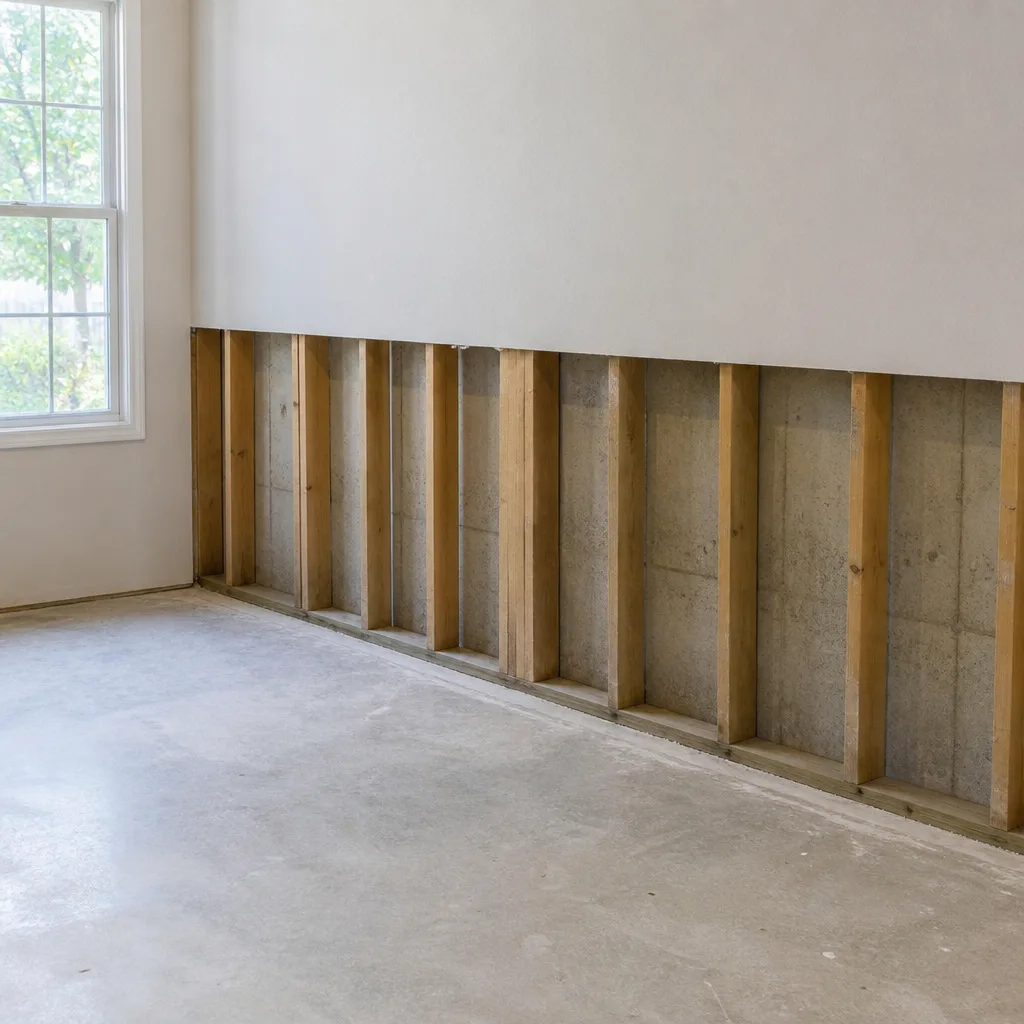
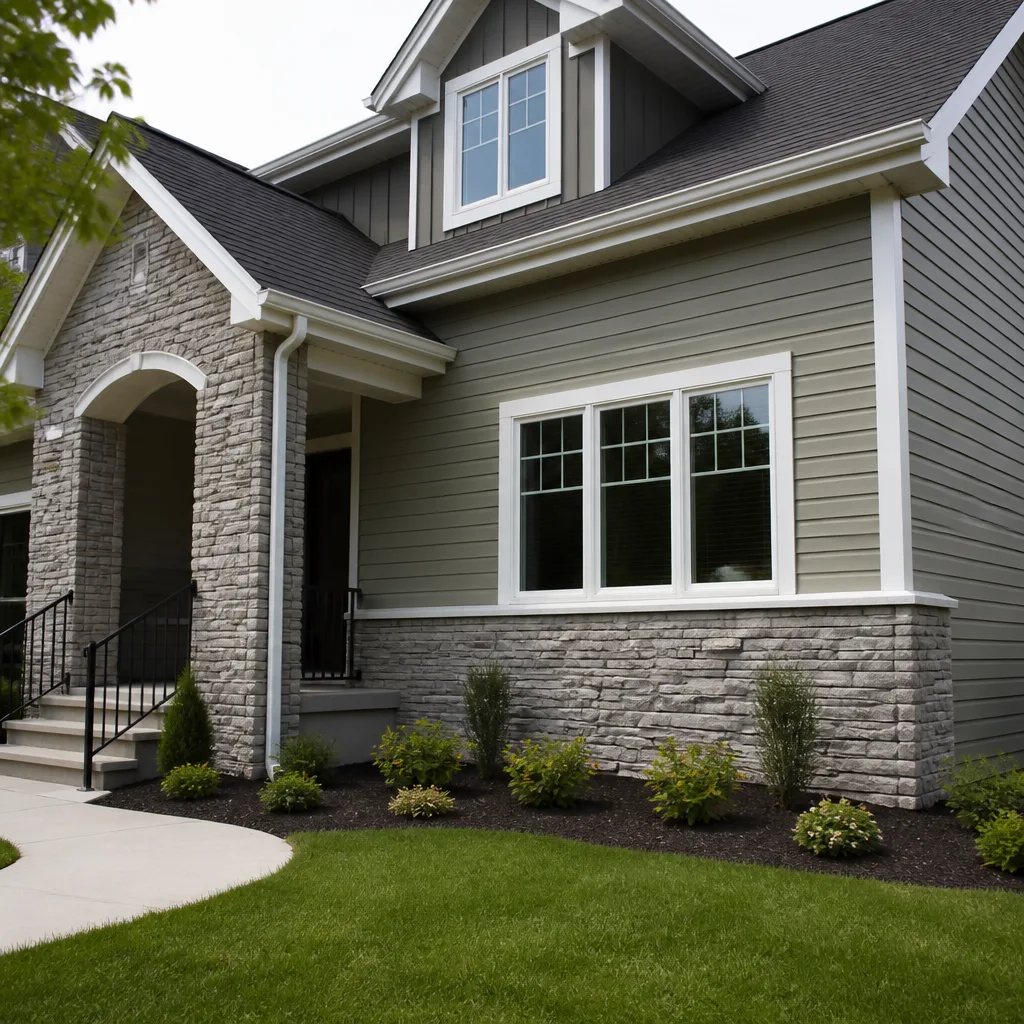
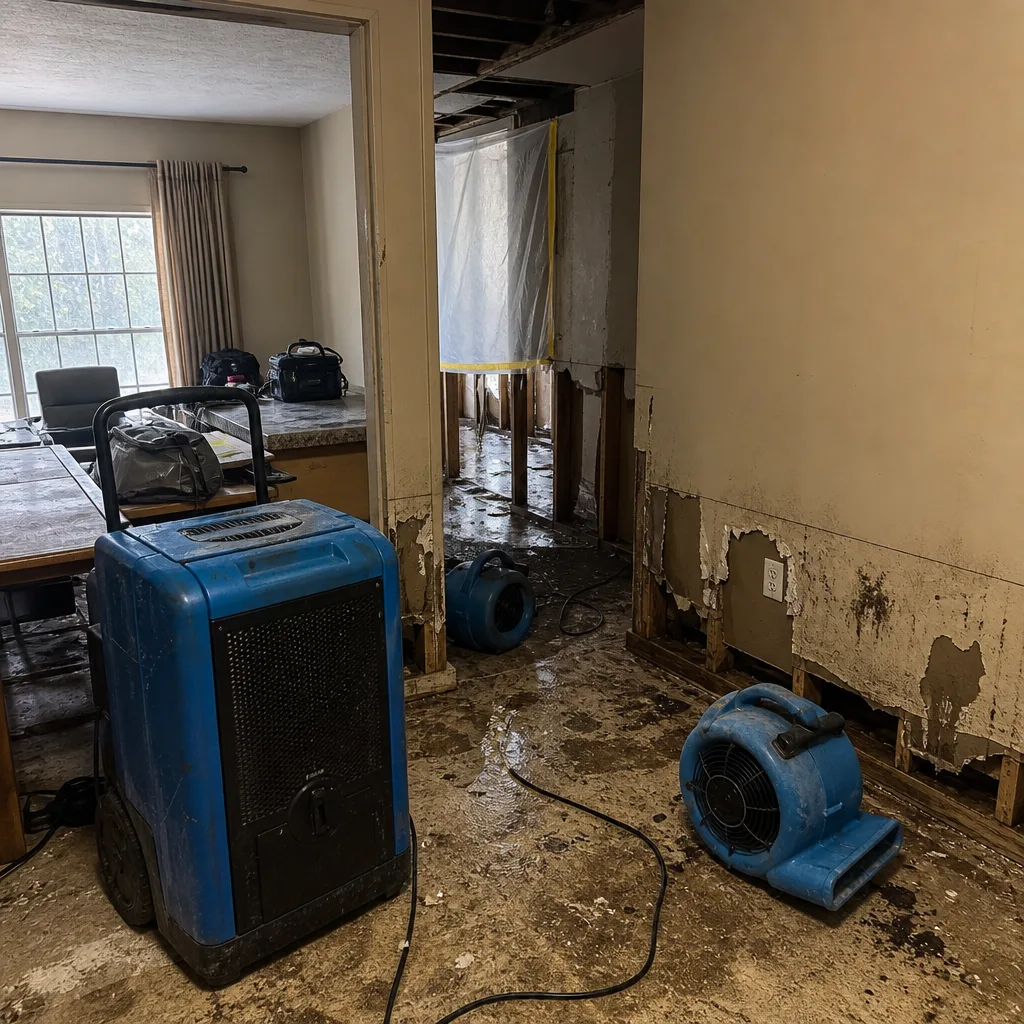 Before
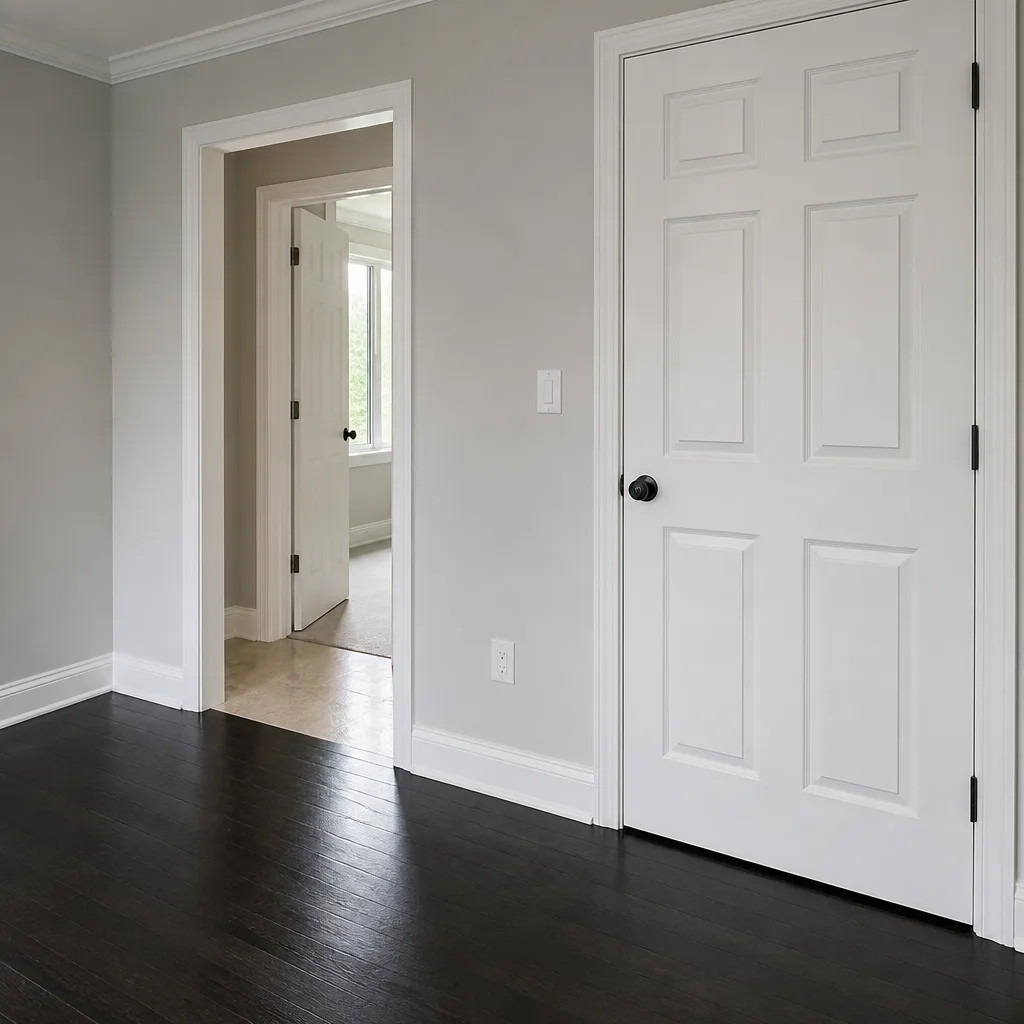 After
After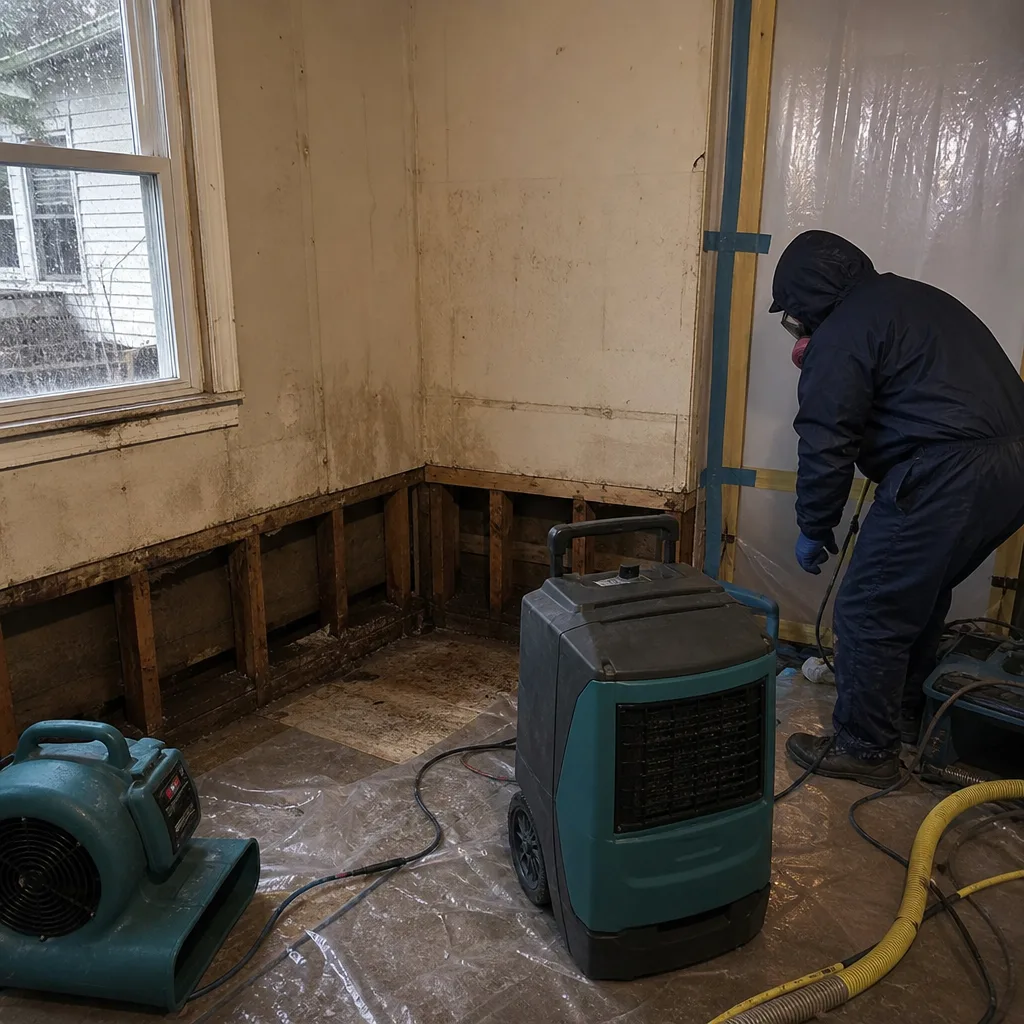 Before
 After
After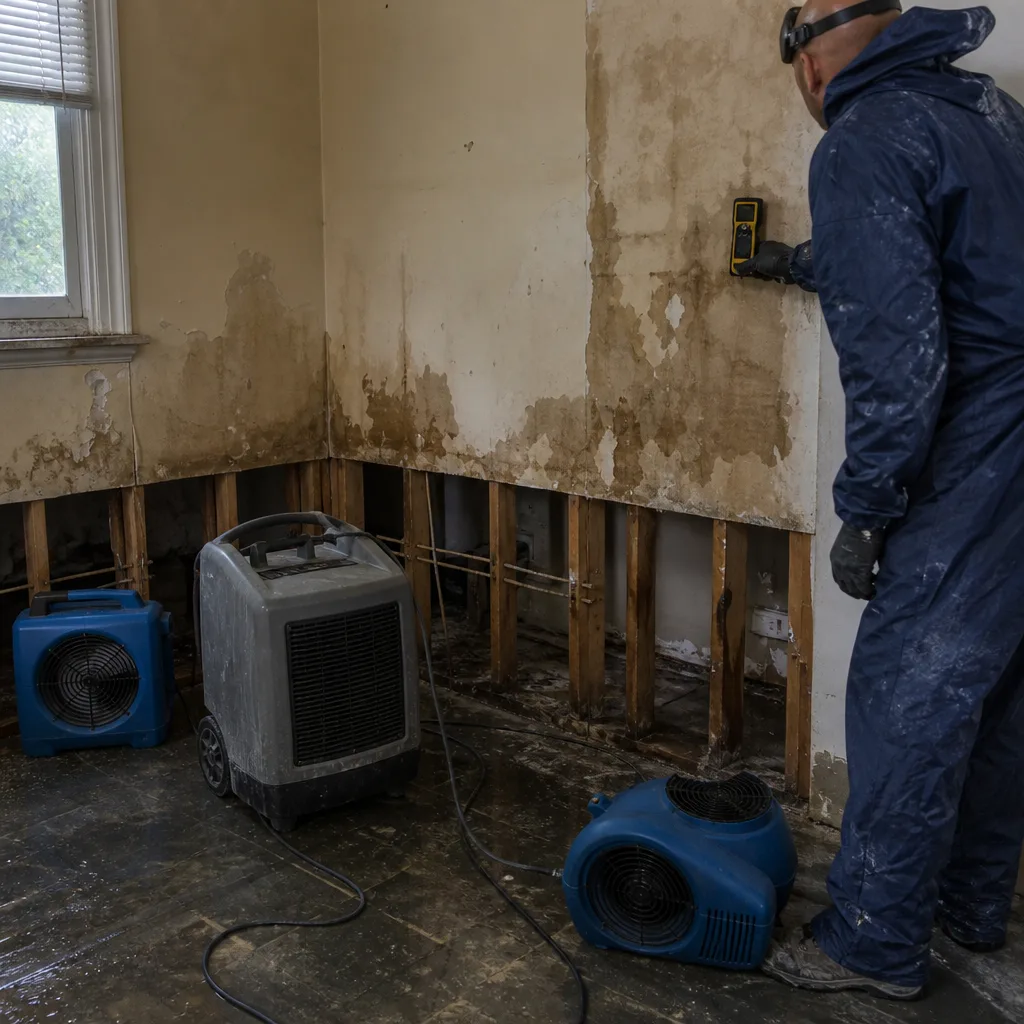 Before
 After
After24/7 Emergency Storm & Disaster Restoration in Ridgefield Park
Storm damage in Ridgefield Park moves fast, and so do we. When a nor’easter pushes the Hackensack River over its banks or a summer squall drops a tree through your roof, the first hour determines how much of your home can be saved. Floodline Restoration Co. answers live at (201) 729-3780 around the clock, every day of the year. A real dispatcher picks up, not a recording, and a crew is dispatched to your Ridgefield Park address immediately. We arrive for a free visual inspection, establish the scope of loss, and start extraction the same visit. The longer standing water sits against 1920s-1950s wood framing and plaster walls, the deeper the damage travels into balloon-frame cavities where it hides. That’s why our 45-minute response commitment for Ridgefield Park isn’t marketing. It’s the difference between drying a basement and rebuilding one.
Understanding Storm & Disaster Restoration Severity in Ridgefield Park Properties
Ridgefield Park sits directly on the tidal reach of the Hackensack River. That single geographic fact changes what storm restoration means here. Floodwater in this village is not the clean rainwater typical of inland Bergen County. It is brackish, contaminated Hackensack Meadowlands water carrying fine grey-black silt, sewage overflows, and Category 3 black-water pathogens. Restoration jobs here frequently escalate from a simple pump-out to full Category 3 remediation with containment, HEPA air scrubbing, and antimicrobial treatment on every affected surface. Our crews classify water on arrival: Category 1 is clean supply water, Category 2 carries significant contamination, and Category 3 is grossly contaminated and requires PPE, containment chambers, and disposal of exposed porous materials. The village’s older balloon-frame construction compounds the problem. Floodwater wicks up behind plaster walls, saturating untreated lath and stud cavities where infrared-only moisture mapping can miss it. We use penetrating moisture meters, thermal imaging cameras, and hygrometers to map every affected cavity before we set drying equipment. Daily readings continue until the dry standard is met, not estimated. The result is a moisture log your insurer can audit and you can hold in your hand.
Why Ridgefield Park Property Owners Choose Floodline Restoration Co.
- 45-minute response commitment. When you call with storm damage in Ridgefield Park, a crew is moving toward your address within 45 minutes. No waiting on a call-back from a sales desk.
- Live answer, 24 hours a day. A real person answers at 2 a.m. Not an automated system. Not a message that gets checked at 8. We dispatch around the clock because storms do not keep office hours.
- IICRC-certified crews. Our technicians hold WRT, FSRT, and AMRT certifications and work to IICRC, RIA, and IFA standards. They are background-checked, uniformed, and trained for Category 3 water and storm-related structural loss.
- Free visual inspection. We walk the entire affected area, map the moisture, and hand you a written scope before any work begins. You know the plan and the price before we pull a single board.
- Direct insurance billing. We document the loss from the first hour, bill your carrier directly, and speak with your adjuster ourselves. You are not the messenger between us and your insurance company.
- One team from extraction to reconstruction. The same certified crew that extracts water and runs drying equipment is the crew that rebuilds. No mid-job handoff, no inherited subcontractors, no one to chase.
Our Storm & Disaster Restoration Process
Inspection & Assessment
We arrive, walk the property, and classify the water while documenting everything photographically. Penetrating moisture meters and thermal imaging locate hidden water in balloon-frame walls and under finished floors before we touch a thing.
Extraction & Stabilization
Submersible and truck-mounted extraction removes standing water immediately. In Ridgefield Park, fine meadowlands silt requires HEPA vacuuming and line flushing so drains and pumps do not clog mid-job. Emergency board-up and roof tarping happen here if the storm opened the envelope.
Drying & Dehumidification
We set professional-grade Dri-Eaz and Phoenix dehumidifiers and air movers to create negative pressure and structural drying. Daily moisture readings are logged until every affected cavity reaches the dry standard.
Cleaning & Sanitization
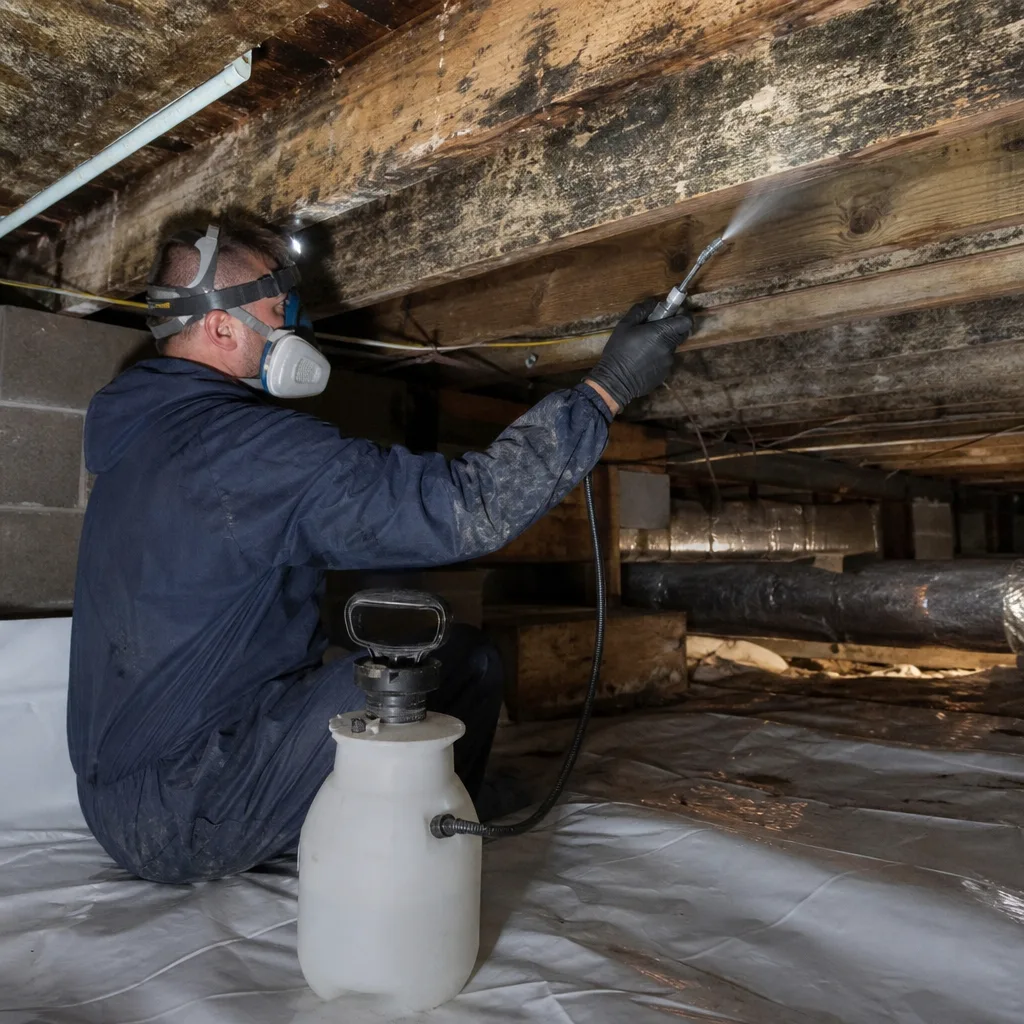
Contaminated surfaces receive HEPA vacuuming and antimicrobial treatment. Category 3 floodwater from the Hackensack requires containment and disposal of exposed porous materials, not just a mop and fan.
Specialty Storm Treatment
Salt-laden tidal surge accelerates corrosion on steel components. We inspect sump pump housings, discharge pipes, and electrical connections for corrosion failure, and flush silt from floor drains before it sets like concrete.
Repairs & Restoration
The same crew that pulled water now rebuilds: drywall, flooring, framing, paint. We finish with a moisture log and the 90-Day Done Right Promise in your hands, in writing.
Need Emergency Storm & Disaster Restoration in Ridgefield Park Now?
Crews minutes away, answering live 24 hours a day. The sooner we start, the less it costs.
Working With Your Insurance Company
Storm and flood claims in Ridgefield Park involve documentation from the first hour. Insurance carriers want proof of loss, proof of causation, and proof of mitigation. We have done this for four decades across the Hackensack corridor, and we bill your carrier directly so you are not advancing thousands of dollars out of pocket while you wait. Our team communicates with your adjuster directly, providing industry-standard estimates, photo documentation room by room, and suction-and-moisture logs that meet carrier standards. If your adjuster questions a line item, our estimator explains it. You get a square deal: a written scope before work starts, direct billing to the carrier, and the 90-Day Done Right Promise standing behind every repair.
What We Provide Your Insurer
- Thorough documentation of the loss
- Photos of all damage, room by room
- Moisture readings and drying logs
- A detailed, line-item scope of work
- Direct coordination with your carrier
Built for Ridgefield Park’s Loss Calendar
Ridgefield Park’s storm losses follow a rhythm that locals know. January and February bring deep freezes that burst supply lines in unheated basements and crawl spaces. March and April thaw saturated ground, pushing groundwater through the cracks in 1920s-1950s foundations until basements soak from below. Summer thunderstorms drop two inches of rain in an hour, overwhelming the village’s drainage and backing water up through floor drains. And from September through November, nor’easters push the tidal Hackensack River over its banks, flooding river-side blocks even when rainfall totals are modest. Each season demands a different response, and our crews run the same playbook year-round: get there fast, classify the water, map the moisture, dry it properly, and document everything. Superstorm Sandy taught this village that coastal surge is not an if. The question is how fast you can get a certified crew inside when it happens again. Call (201) 729-3780 and we’ll be there within 45 minutes.
Storm & Disaster Restoration Across Ridgefield Park’s Neighborhoods
Ridgefield Park’s blocks each have their own storm profile. The river-side streets near the Hackensack corridor, down by the village dock and over along Teaneck Road toward the south end, flood first and flood worst during nor’easters, when tidal surge overcomes drainage before a drop of rain falls. Homes here, mostly 1920s-1930s wood-frame with full basements, take Category 3 water with that grey-black meadowlands silt embedded in concrete block foundations. Up toward the center of the village near Main Street and Euclid Avenue, older balloon-frame homes on tighter lots face a quieter but insidious threat: groundwater that seeps up through basement slabs during spring thaw and saturates plaster walls from below. The industrial edge along Route 46 deals with wind-driven debris and roof damage more than flooding, but when a summer storm drops a limb through a roof, the water finds every balloon-frame cavity from attic to basement in under an hour. Further north near the Leonia border and the Overpeck Creek flats, stormwater sheets across low-lying lawns and finds its way through foundation cracks by afternoon. The 07660 zip code covers all of it, and our crews know which blocks need silt removal before drying can even start.
Specialized Storm & Disaster Restoration Services We Offer in Ridgefield Park
Flood Damage Restoration
When the Hackensack backs up into a Ridgefield Park basement, you are not dealing with clean water. Our crews classify the flood immediately, set containment where needed, extract with truck-mounted and submersible equipment, and HEPA-vacuum the meadowlands silt that clogs every drain, every sump pit, every crack in the concrete block. Antimicrobial treatment follows, and daily moisture logs track the dry-down until your basement reaches the standard that lets us hand it back to you. Storm & Disaster Restoration teams like ours exist because water here is never just water.
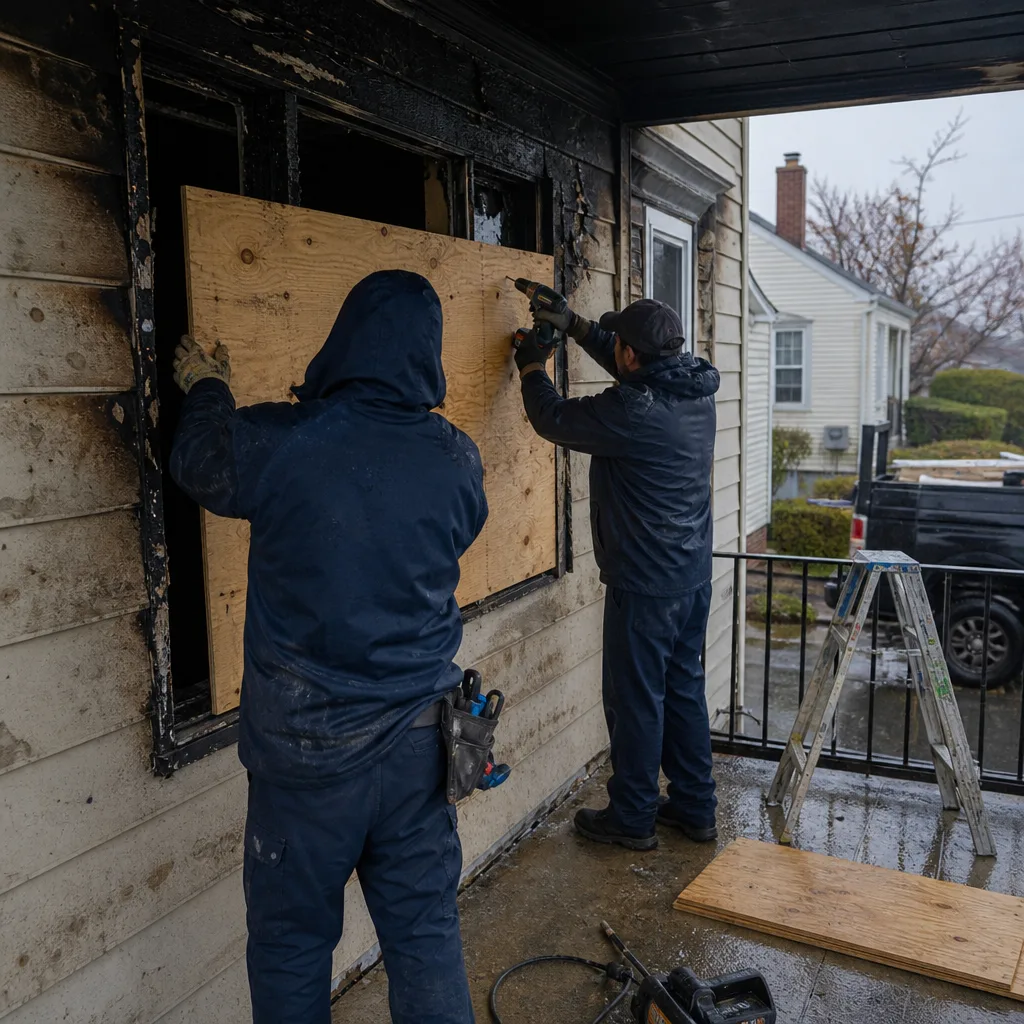
Emergency Board-Up
A broken window or storm-punched wall turns an already damaged home into an open invitation for water, animals, and worse. We board up Ridgefield Park homes from the Ridgefield Park side of the river all the way to the Teaneck border, securing openings with plywood and fasteners until permanent repairs are scheduled. Board-up is almost always a same-day job after a nor’easter or severe thunderstorm has passed, because every hour of exposure adds to the claim and the rebuild.
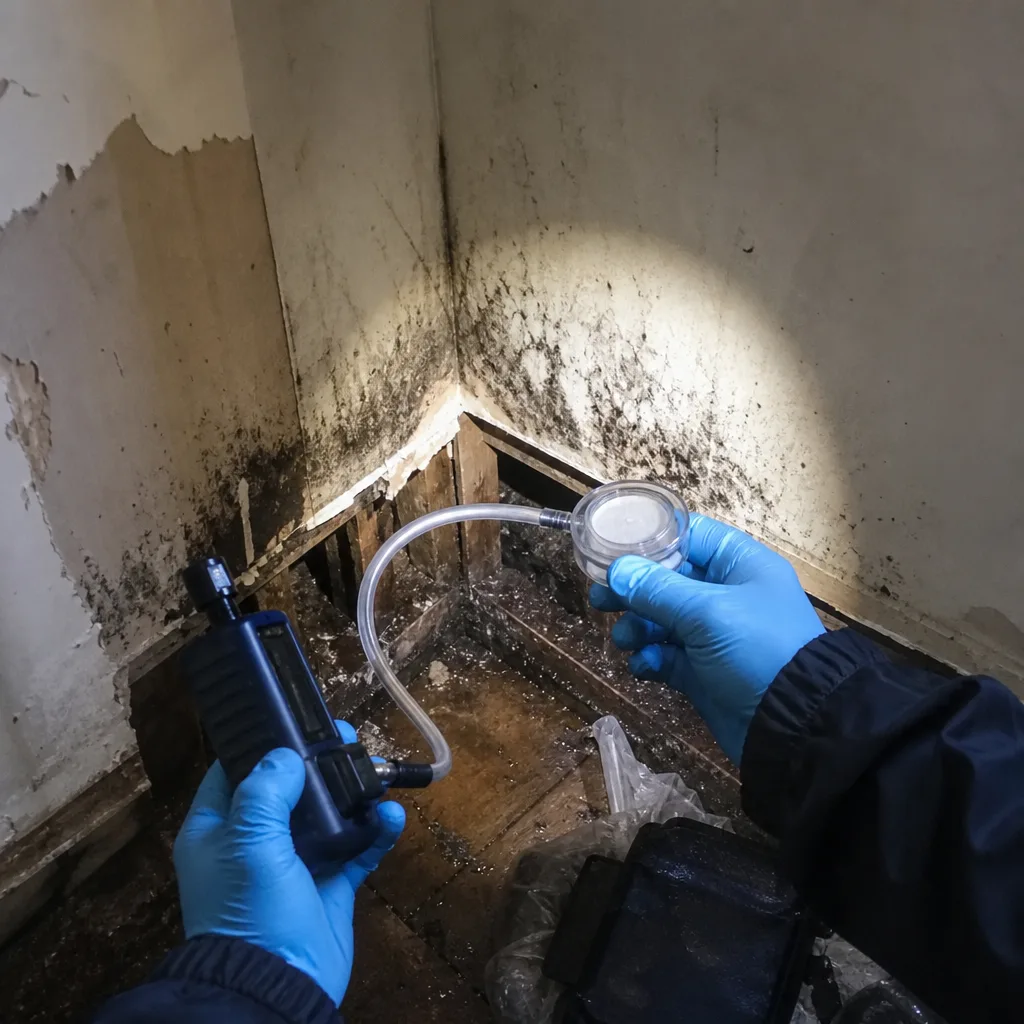
Storm Damage Cleanup
Wind rips shingles off, drives rain sideways under eaves, and throws branches. Storm Damage Cleanup in Ridgefield Park means debris removal, water extraction from wherever the storm put it, structural assessment of rafters and sheathing, and documentation for your insurer. We do not just pick up the branches. We find where the branch punctured, where the water followed, and what needs drying before it becomes a mold problem in a stone foundation or old lath-and-plaster wall.
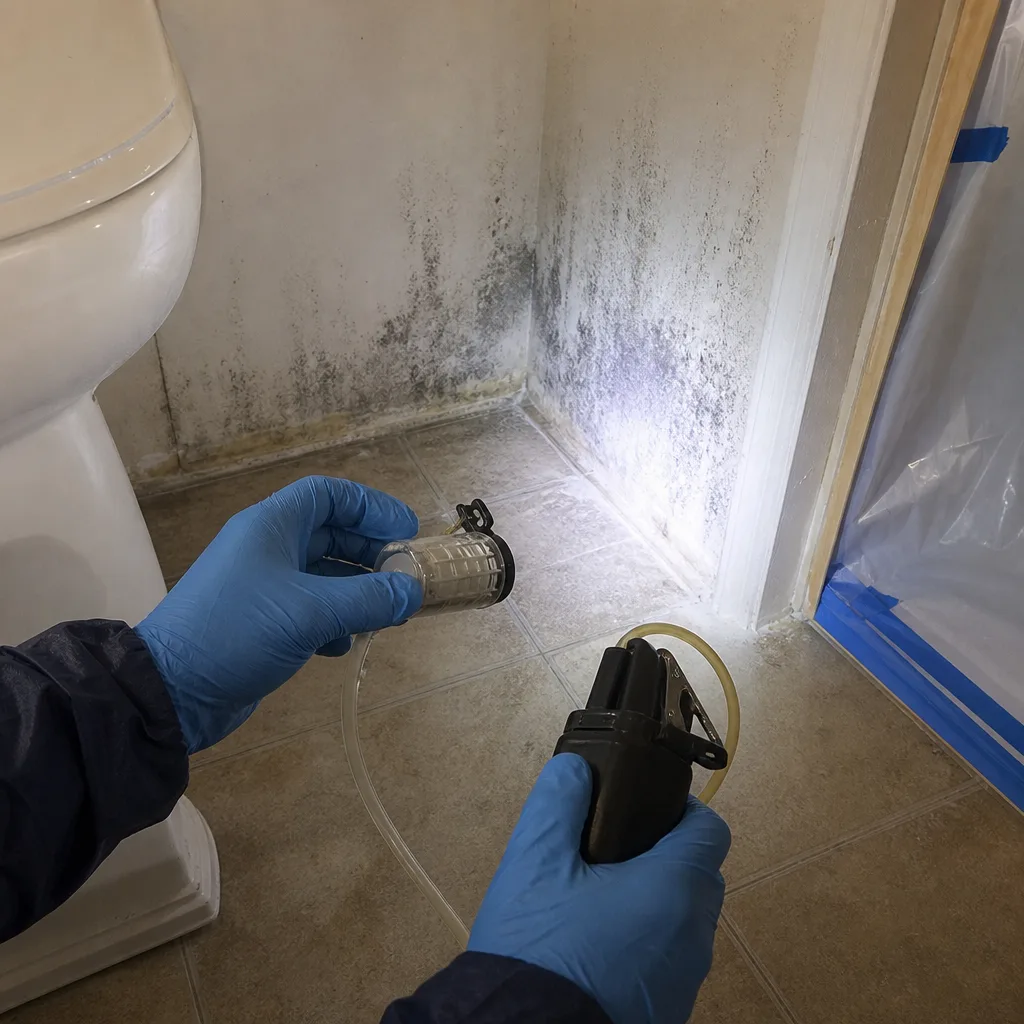
Roof Tarping
A tarp is not a repair, but it stops a damaged roof from becoming a gutted interior. We tarp roofs across Ridgefield Park after wind and tree damage, securing sheathing and vent openings against the next storm in the forecast. The tarp buys time for a proper scope and a written estimate, without the rain running through your second floor tonight.
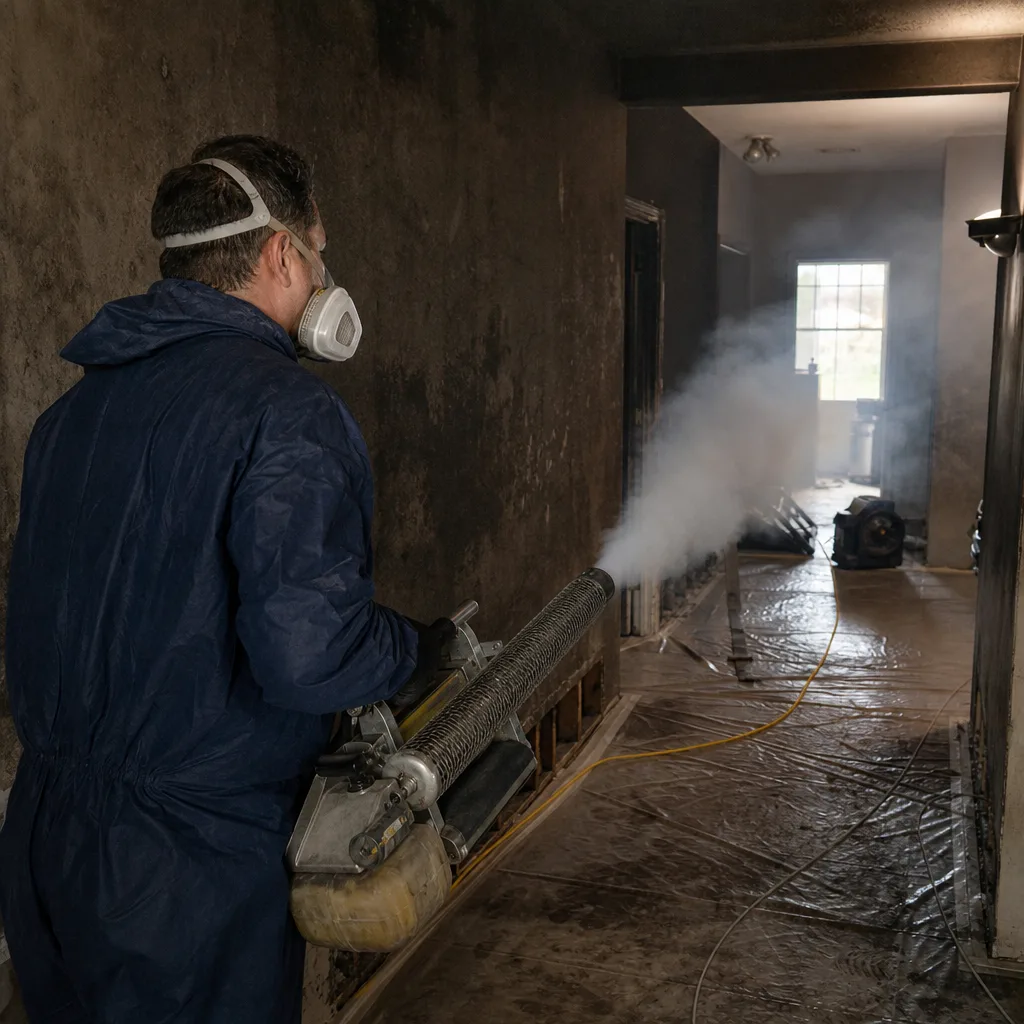
Debris Removal
Nor’easters leave more than water: shingles in the yard, limbs in the gutters, sometimes a section of someone else’s fence in your driveway. We haul storm debris from Ridgefield Park properties, separate what can be documented for the claim, and clear the way for structural work to begin. Debris sits on saturated ground and hides damage. We remove it as part of the restoration scope, not as an afterthought.
What happens when you call
- 1
A real person answersNo phone trees - you reach a local pro.
- 2
You get an upfront price rangeHonest numbers before anyone is dispatched.
- 3
A background-checked tech heads outLicensed & insured, dispatched right away.
- 4
You approve before work beginsNothing starts until you say go.
Storm & Disaster Restoration Costs in Ridgefield Park, NJ
Storm and flood restoration in Ridgefield Park is priced by scope, not by square foot. A Category 1 basement pump-out with drying on a clean-water loss typically runs $2,800 to $5,200 in this market. Category 3 black-water jobs, which are the norm here, run higher: $6,000 to $15,000 or more once containment, silt HEPA removal, antimicrobial treatment, disposal of porous materials, and structural drying are properly scoped. Emergency board-up runs $450 to $900 depending on openings. Roof tarping runs $350 to $700 for a standard two-story home. Debris removal adds $300 to $1,200 depending on volume. What moves the price most in Ridgefield Park is the water category and how far the water wicked before we arrived. The free visual inspection gives you a firm, line-item scope before any work is authorized. You never approve a dollar you have not seen in writing.
We Also Serve Cities Near Ridgefield Park
Our crews serve Ridgefield Park and the surrounding Bergen County communities daily: Palisades Park, Leonia, Hackensack, and Teaneck. The same 45-minute response commitment, the same live 24/7 dispatch, and the same written 90-Day Done Right Promise follow us across every city line. If you are in a neighboring town and water is rising, call (201) 729-3780 now.
Ridgefield Park Storm & Disaster Restoration Questions, Answered
Why does Ridgefield Park often get basement flooding during nor’easters even when there’s little rain?
Ridgefield Park sits on the tidal Hackensack River, so nor’easters push a storm surge upriver that backs up drainage and overwhelms the village from below, not just from above. Coastal surge travels up the tidal Hackensack and overcomes storm drains even when rainfall totals are modest. The water that arrives is brackish and contaminated, not clean rainwater. If your basement is wet after a nor’easter with little rain, call (201) 729-3780 for a free inspection and moisture mapping.
Is the floodwater from the Hackensack River more dangerous than typical stormwater in Ridgefield Park?
Yes. Hackensack River floodwater in Ridgefield Park is Category 3 black water: brackish, carrying sewage, industrial residue, and contaminated meadowlands sediment. It requires containment, HEPA air scrubbing, and antimicrobial treatment on every affected surface. Standard stormwater from rain is typically Category 1 or 2. Never treat Hackensack floodwater as clean. Our crews are certified for Category 3 remediation and arrive with full PPE ready to work. Call (201) 729-3780 before you touch anything.
How quickly can moisture mapping detect hidden water in a 1920s-1950s Ridgefield Park home after a storm?
Immediately, with the right tools. Balloon-frame homes from the 1920s-1950s hide water in wall cavities where infrared alone cannot see it. Our crews use penetrating moisture meters and thermal imaging cameras on arrival, so hidden pockets behind plaster and under flooring show up within the first hour of inspection. The mapping happens during the free visual inspection before any drying equipment is placed. Call (201) 729-3780 and a certified tech will be there within 45 minutes.
Does the fine grey-black silt from floodwater require special cleanup in Ridgefield Park basements?
It does. The fine meadowlands silt left by tidal Hackensack floodwater embeds in porous concrete block foundations, clogs standard pumps and floor drains, and carries contaminants from river sediment. It requires HEPA vacuuming, drain line flushing, and antimicrobial treatment on the masonry itself. Many out-of-area contractors underestimate this on initial scopes, then hit moisture readings that will not drop. Floodline Restoration Co. has handled this exact silt profile in Ridgefield Park since Curt Bowman founded the company in 2010. Call (201) 729-3780 for a scope that accounts for it from day one.
Should I board up my Ridgefield Park home before a nor’easter arrives, even if I’m not in a flood zone?
If you have an opening, yes. Board-up is not about flood zones. It is about stopping wind-driven rain from entering through broken glass, damaged eaves, or a punctured roof before the worst of the storm hits. High winds throw branches and debris across all of Ridgefield Park, including blocks nowhere near the river. Boarding up takes our crew under an hour for most openings. Call (201) 729-3780 and we will secure the opening before the next band of weather arrives.
What should I do in the first 30 minutes after storm flooding in my Ridgefield Park basement?
Shut off power to the affected area if you can do so without standing in water, then call (201) 729-3780. Do not walk through Hackensack floodwater barefoot or in street shoes; it is contaminated. Do not use a shop vac on standing black water. Move anything you value to higher ground if you can do so safely. Then let our crew do the rest. A live dispatcher answers and a certified crew is en route to your Ridgefield Park address within 45 minutes.
Will my insurance cover storm and flood damage in Ridgefield Park, New Jersey?
Most homeowner policies cover wind-driven storm damage, including board-up, tarping, and the resulting water intrusion from a storm-opened roof or window. Flood damage from rising water, including tidal surge from the Hackensack, typically requires a separate flood policy through the NFIP or a private carrier. We document every loss thoroughly, bill your carrier directly, and work with your adjuster so the claim is handled properly regardless of which policy applies. Call (201) 729-3780 for help sorting out coverage from the first hour.
How long does storm restoration and drying take in a Ridgefield Park home?
Structural drying in Ridgefield Park’s older wood-frame homes typically takes three to five days with professional-grade Dri-Eaz and Phoenix equipment running continuously. Category 3 black-water jobs with silt removal, containment, and antimicrobial treatment extend that to seven to fourteen days including reconstruction of removed porous materials. Moisture readings drive the timeline, not a calendar. We hand you daily logs until the dry standard is met. Call (201) 729-3780 for an exact answer on your specific loss after a free inspection.
Serving Ridgefield Park, NJ - Our Local Coverage Area
We’re based in the Ridgefield Park area and know this community well. Use the map below to see our service coverage - if you’re nearby, we can almost certainly help.
Call Floodline Restoration Co. for Storm & Disaster Restoration in Ridgefield Park
When the Hackensack rises and your basement is under Category 3 black water, you need a crew that knows exactly what kind of water this is, exactly how deep it travels in a 1930s balloon-frame house, and exactly how to dry it so it stays dry. Floodline Restoration Co. has been doing this work since 2010 under founder Curt Bowman, with the same team from first extraction to finished rebuild, direct insurance billing, and the 90-Day Done Right Promise in writing. Call (201) 729-3780 now for a free estimate. A real person answers, and a crew is minutes away from Ridgefield Park.
Written by Curt Bowman, Owner at Floodline Restoration Co., serving Ridgefield Park and Bergen County.