

Free visual inspection and a written scope of work before any mitigation begins - photos, moisture readings, and drying logs go in your claim file
The scope we write is the scope we bill. Anything new gets shown to you, in writing, before we touch it.
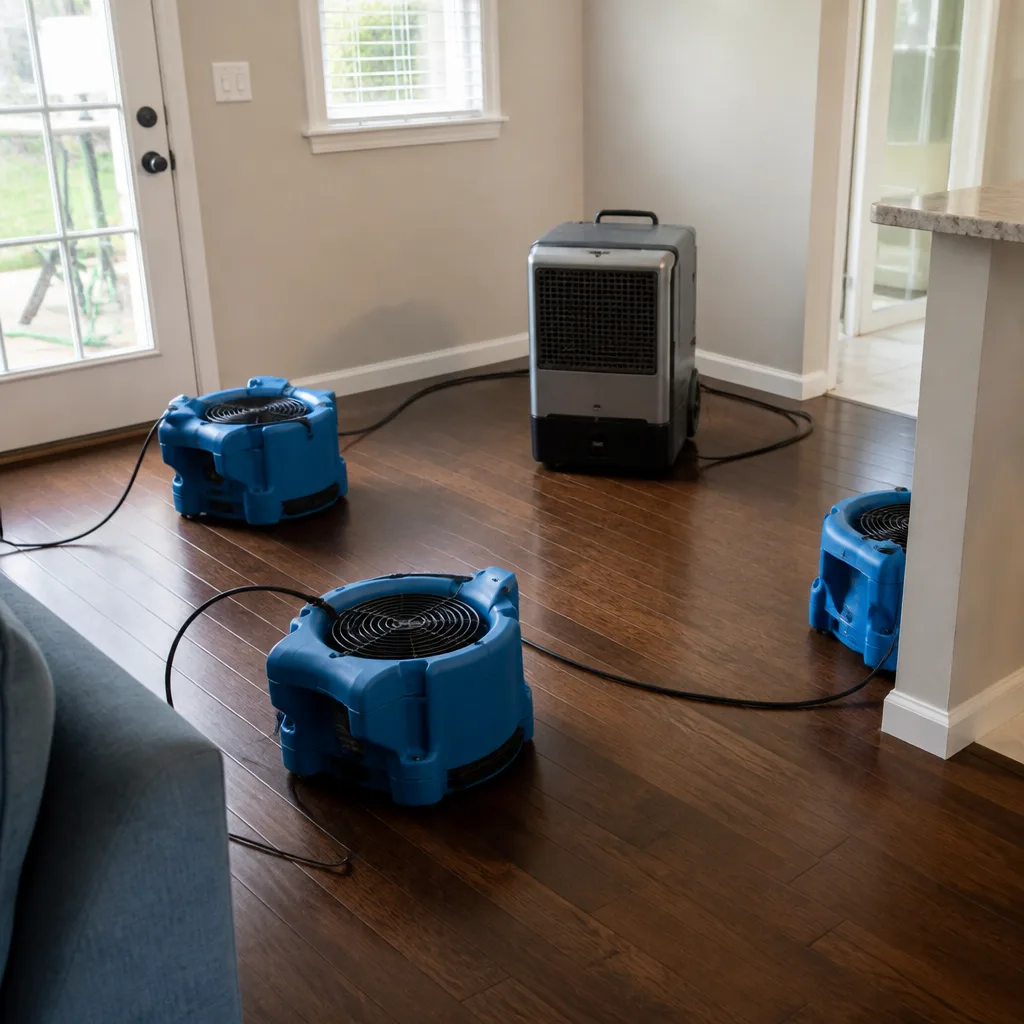
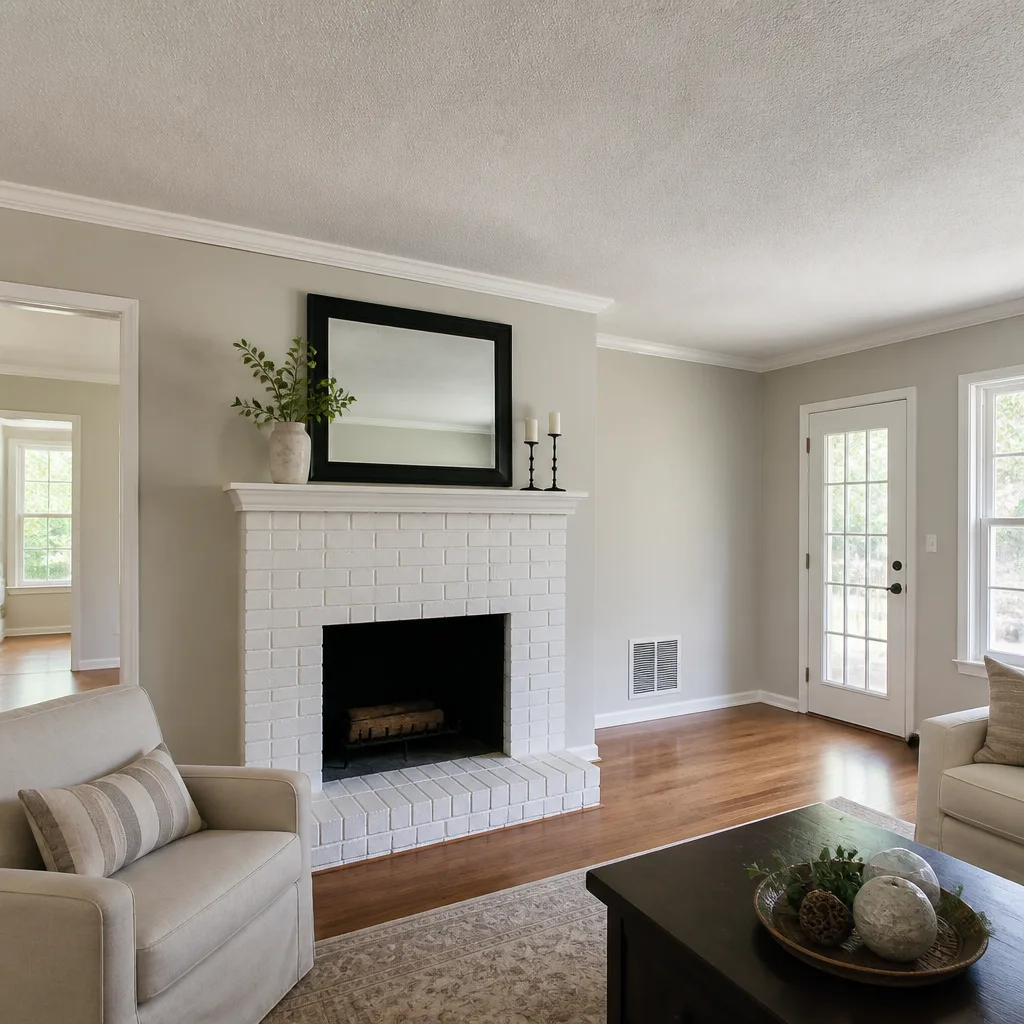
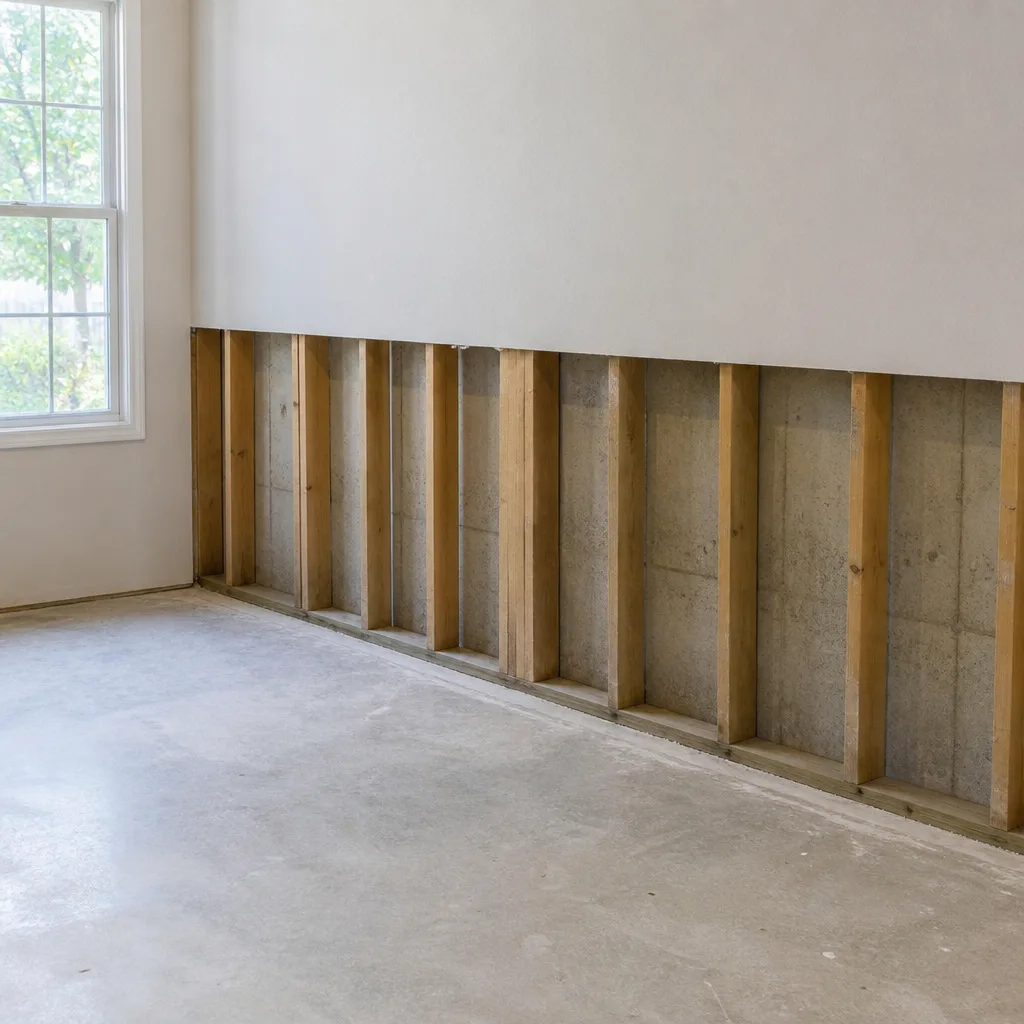
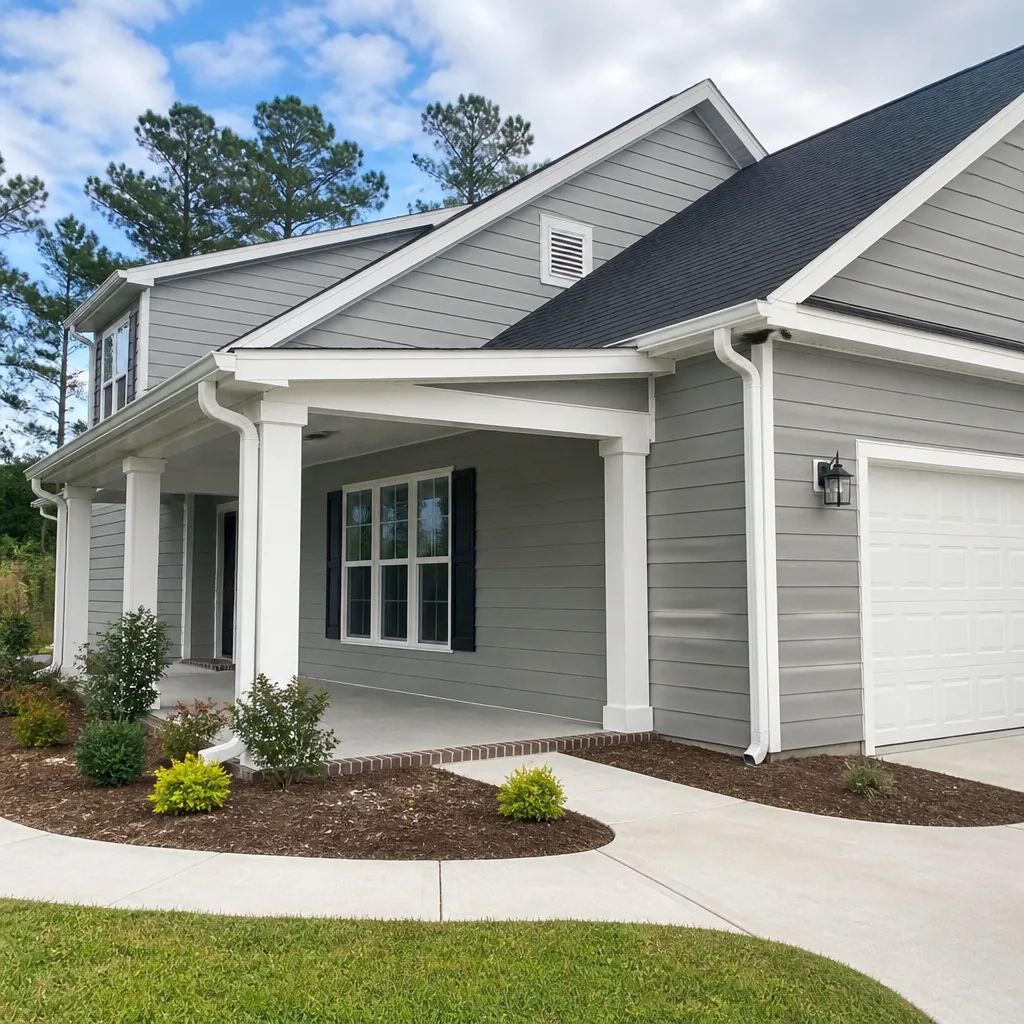
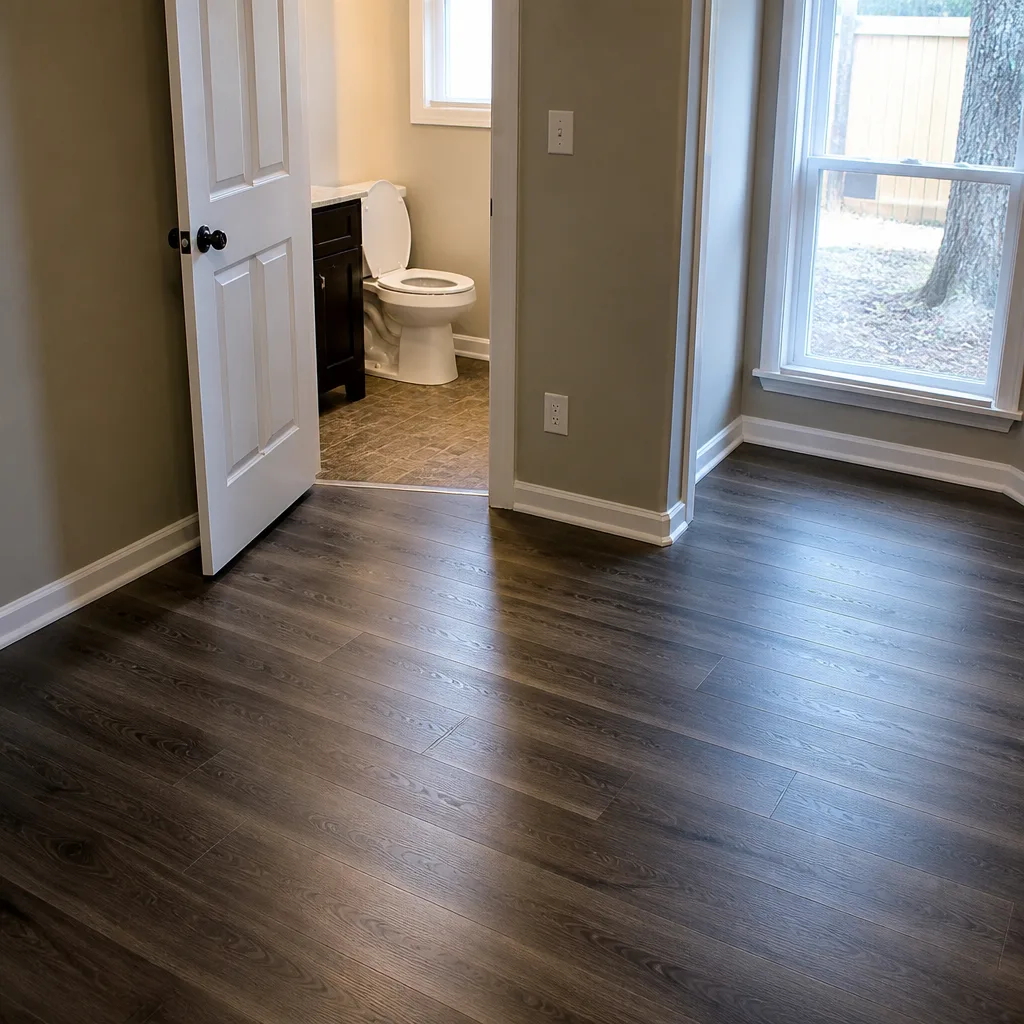
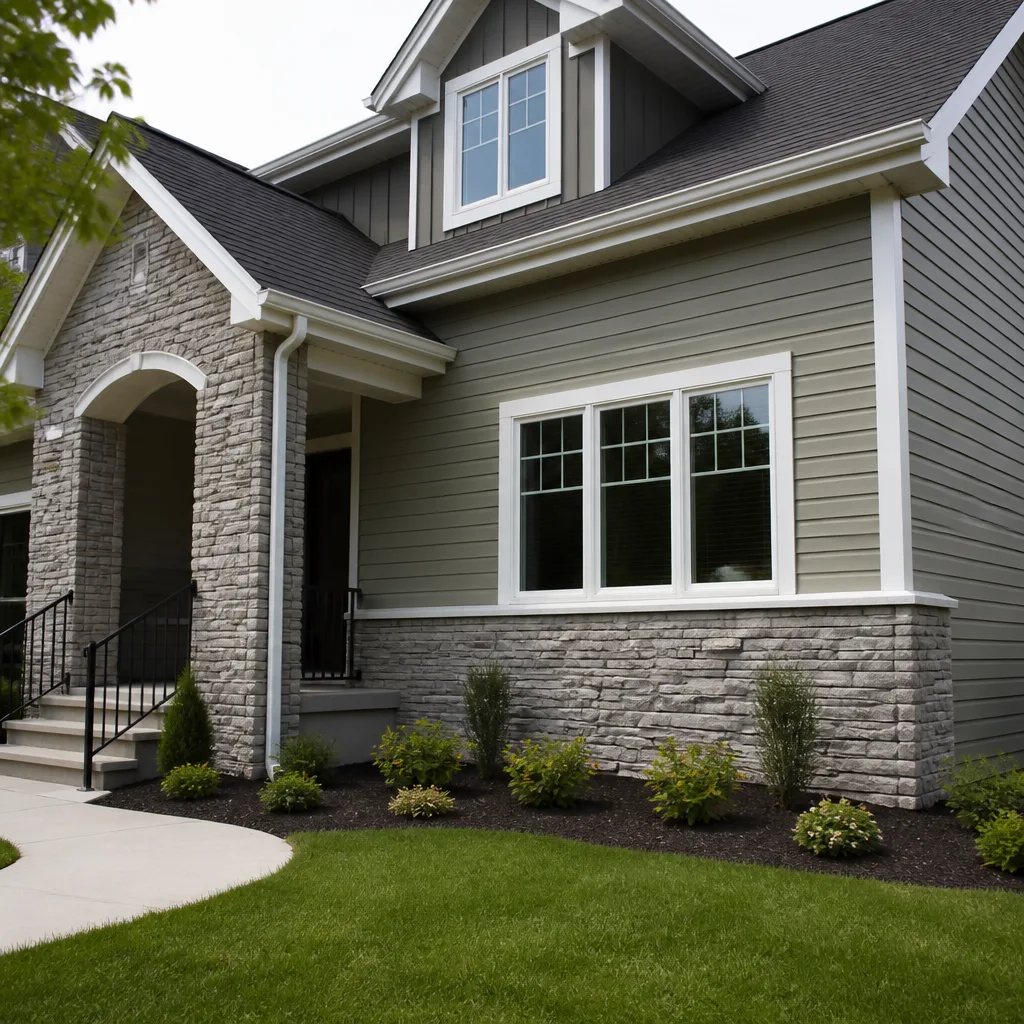
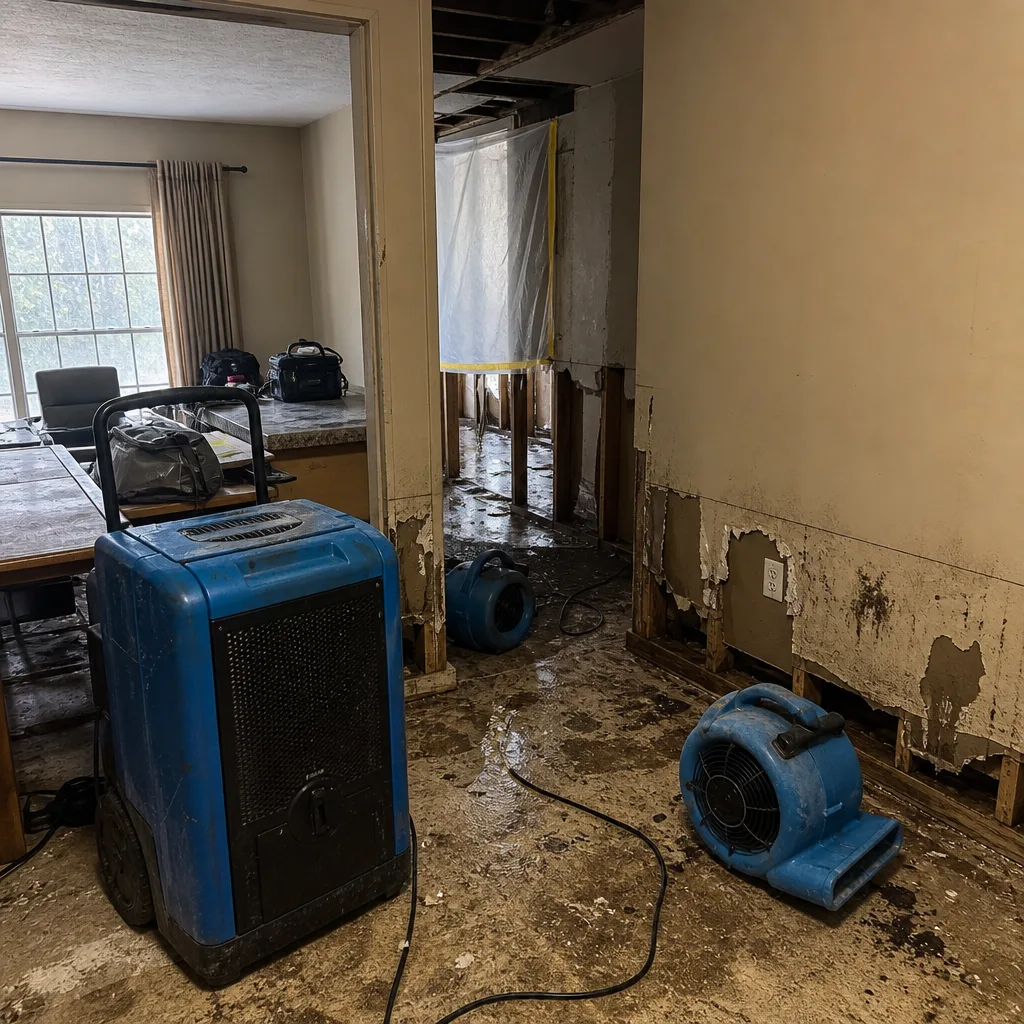 Before
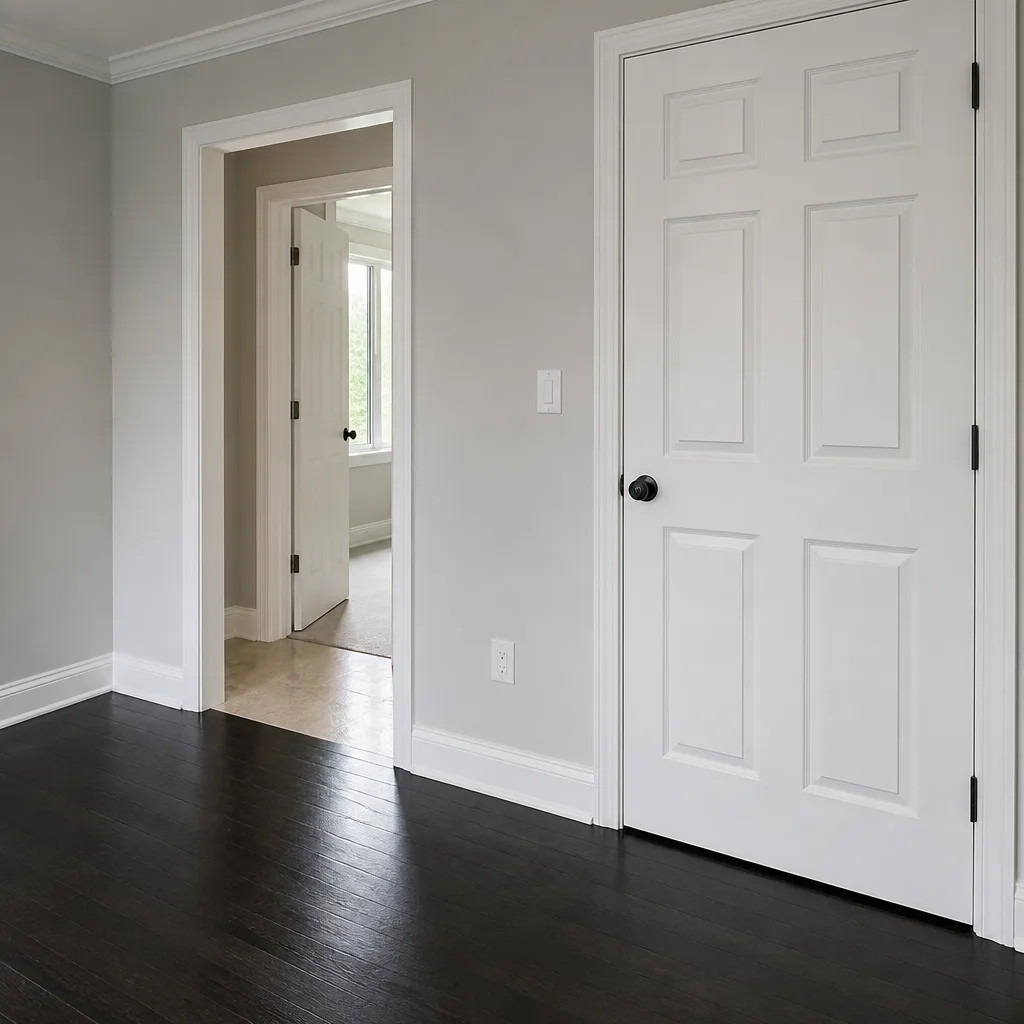 After
After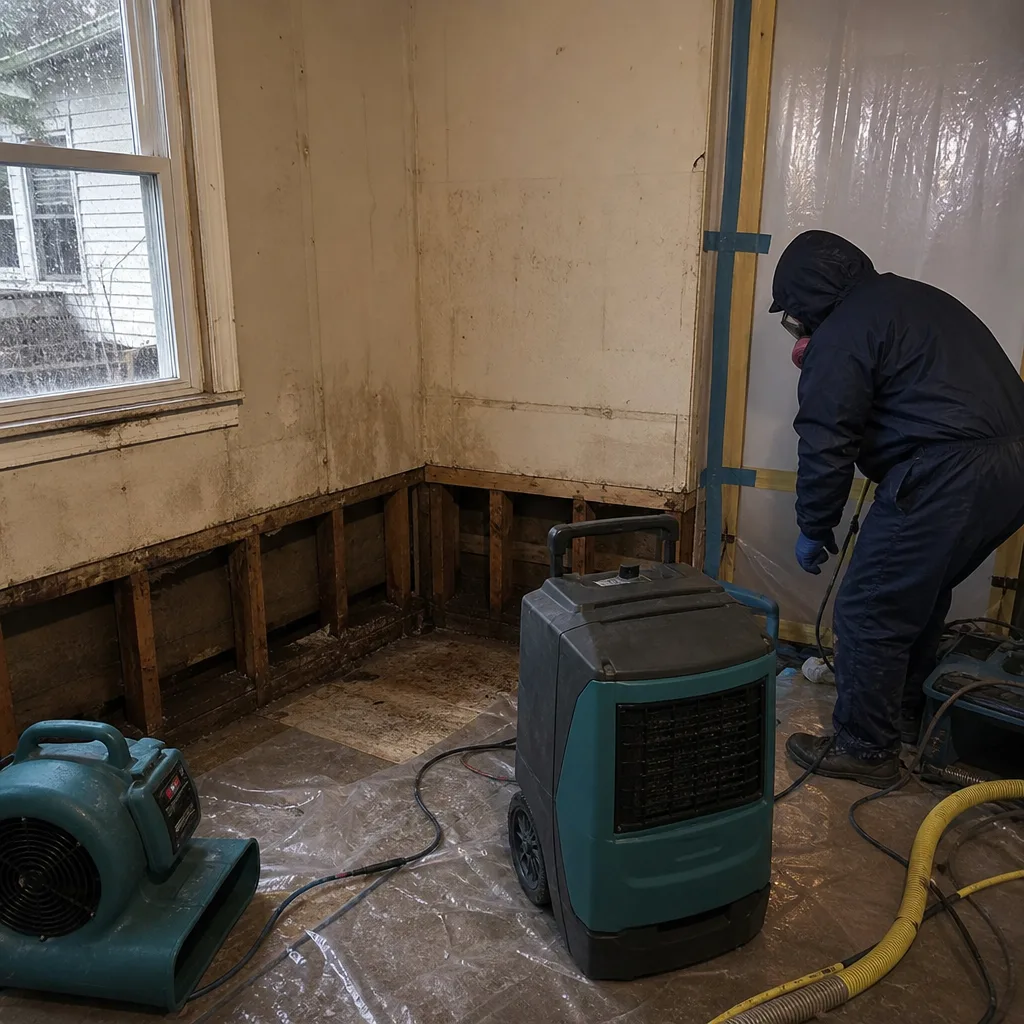 Before
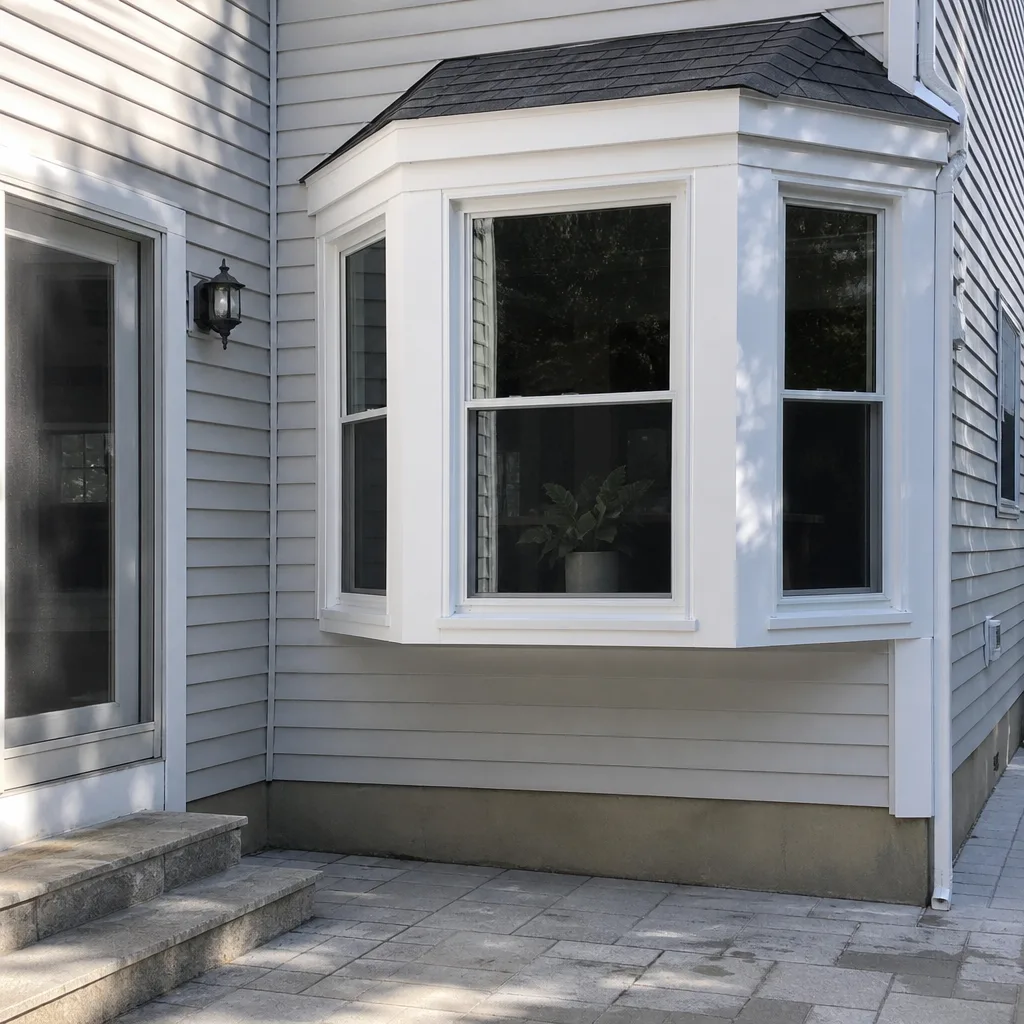 After
After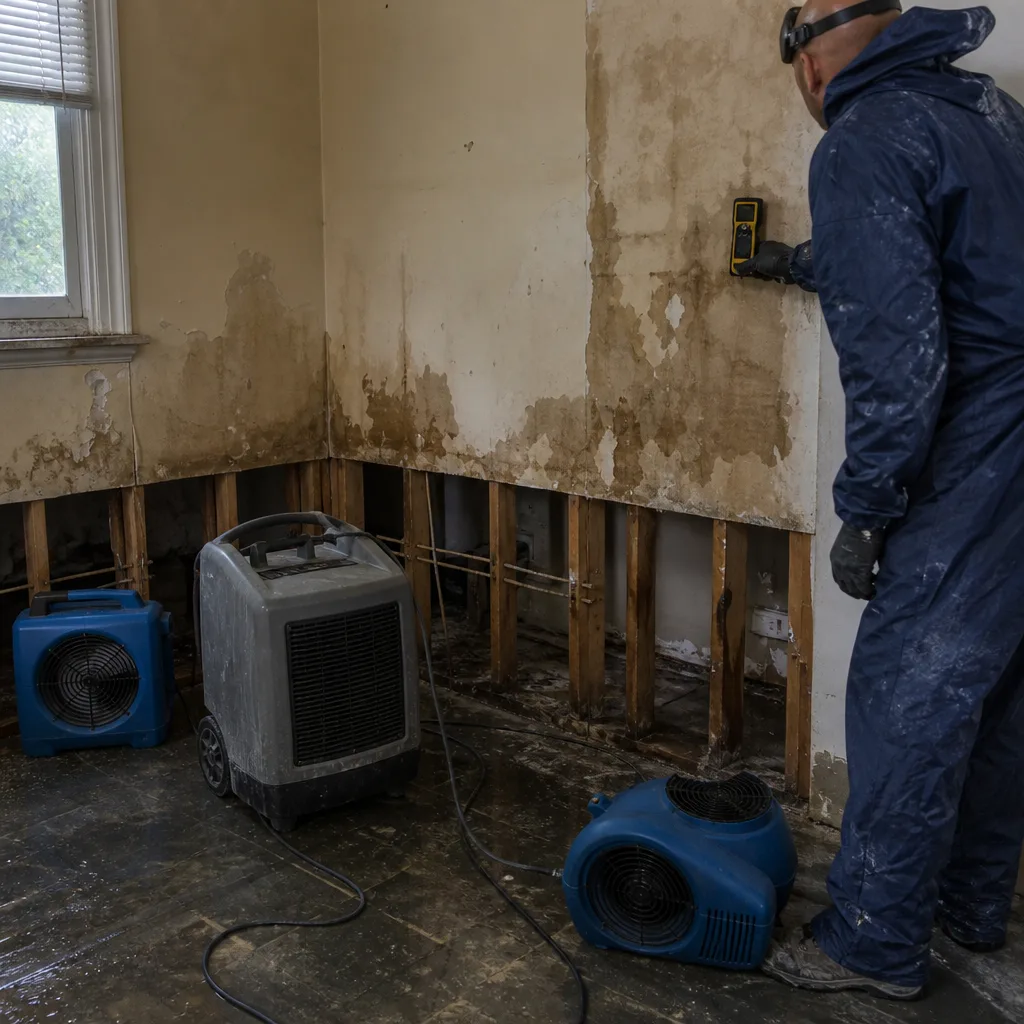 Before
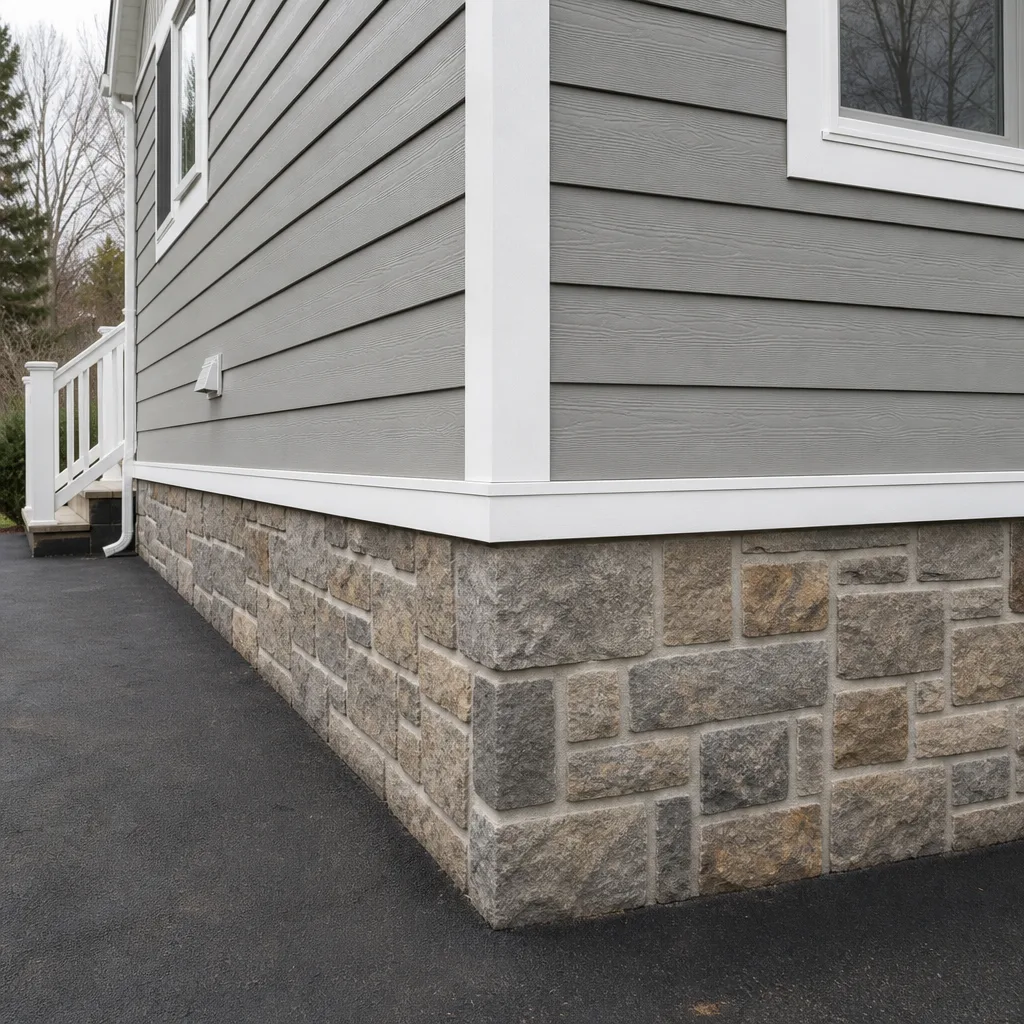 After
After24/7 Emergency Storm & Disaster Restoration in Englewood Cliffs
Storm damage in Englewood Cliffs moves fast, and so do we. A live dispatcher answers at (201) 729-3780 any hour, any day, and a certified crew can be on-site in the borough within 45 minutes. Whether it’s a nor’easter that punched through your soffits or wind-driven rain that found every gap in your envelope, the first hour determines how much we can save. We do a free visual inspection, start extraction on the same visit, and document everything your carrier will need before the adjuster ever calls back.
Understanding Storm & Disaster Restoration Severity in Englewood Cliffs Properties
Storm water in this borough doesn’t behave the way it does in Teaneck or Hackensack. Englewood Cliffs sits on the Palisades basalt, a volcanic shelf that refuses to absorb rainwater. Instead, storm water sheets laterally along the plateau and presses against foundation walls from the outside, hour after hour, until it finds a seam. That’s hydrostatic pressure, and it changes how we classify the water inside your home. Category 1 water comes from a broken supply line and starts clean but degrades within 48 hours. Category 2 carries soaps, detergents, or soil and requires biocide treatment and partial material removal. Category 3, what we commonly see after a storm in Englewood Cliffs, is grossly contaminated runoff. Think gutter overflow, ground-level surge, and the stew that accumulates in window wells and stairwells during a heavy rain event. In a finished basement with hardwood floors, custom millwork, and a home theater, Category 3 means the carpet and pad come out no exceptions. The hardwood might be salvageable if we get to it fast enough; the drywall below the flood line is not. We use moisture mapping and thermal imaging to find water that hasn’t shown itself yet, because on this rock, the water keeps coming long after the rain stops.
Why Englewood Cliffs Property Owners Choose Floodline Restoration Co.
- Live answer, 24/7: A real dispatcher picks up at two in the morning. You’ll never hear a recording when your basement is filling.
- 45-minute response commitment: We dispatch crews from the Englewood Cliffs area immediately, not after a callback from a sales office.
- IICRC-certified technicians: WRT, FSRT, and AMRT trained. The codes matter when your carrier is reviewing the scope.
- Free visual inspection: We walk the property, thermal-map the water, and explain what we found before any work is approved.
- Direct insurance billing: We bill your carrier directly and speak with your adjuster on your behalf. You don’t play messenger.
- One team, start to finish: Extraction, drying, and rebuild are handled by the same certified crew. No mid-job handoff to strangers.
Our Storm & Disaster Restoration Process
Inspection & Assessment
We start with thermal imaging and moisture mapping across every affected surface, including below-grade foundation walls where hydrostatic pressure hides. The scope is written from real readings, not guesses.
Extraction & Stabilization
Commercial extraction units pull standing water from floors, window wells, and wall cavities. We also stabilize the source where possible, including emergency roof tarping and board-up for breached openings.
Drying & Dehumidification
Dri-Eaz LGR dehumidifiers paired with XPOWER air movers create controlled airflow across every wet surface. We log daily moisture readings until your structure reaches the dry standard, and the log goes to you and your carrier.
Cleaning & Sanitization
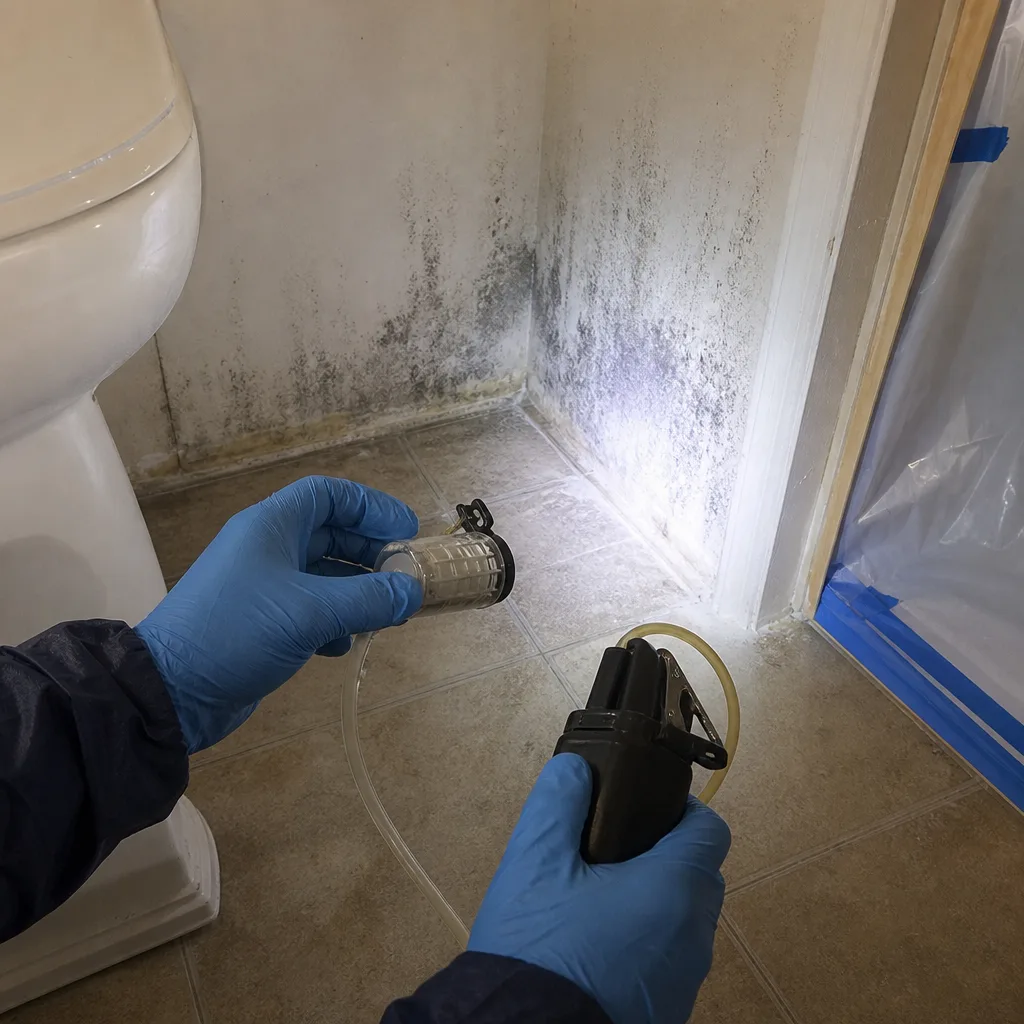
Category 3 water carries contamination. We use HEPA filtration and EPA-registered antimicrobials on affected surfaces, and air scrubbing where mold spores have already mobilized.
Contents & Materials Salvage
Custom millwork, Black Label hardwood, and built-in cabinetry get precision disassembly, not gut-and-toss. We dry what can be saved in place and document what can’t, with photos for your claim.
Repairs & Restoration
The same crew that extracted your basement rebuilds it. Trim matches, hardwood transitions are seamless, and the paint line doesn’t tell a story. Done right, and backed in writing.
Need Emergency Storm & Disaster Restoration in Englewood Cliffs Now?
Crews minutes away, answering live 24 hours a day. The sooner we start, the less it costs.
Working With Your Insurance Company
The claim starts the moment we arrive. Our first-hour documentation includes photos of every affected room, moisture readings from day one, and a written scope that follows industry-standard estimating. We coordinate directly with your adjuster and carrier, so you’re not translating technical findings into insurance language. For Englewood Cliffs homeowners, the basalt-driven hydrostatic pressure pattern is a claim nuance adjusters from out of state often don’t understand. We do, and we document it so the claim reflects the actual condition of your foundation, not just the water on the floor.
What We Provide Your Insurer
- Thorough documentation of the loss
- Photos of all damage, room by room
- Moisture readings and drying logs
- A detailed, line-item scope of work
- Direct coordination with your carrier
Built for Englewood Cliffs’s Loss Calendar
January and February bring deep freezes that split supply lines inside exterior walls, sometimes inside homes that have never had a leak before. March and April are thaw season on Palisades basalt. Freeze-thaw cycling opens hairline cracks in foundations, and spring rain finds them immediately. Summer is thunderstorm season. The short, violent downpours overwhelm the borough’s storm drains on the plateau, and runoff sheets across finished lower levels and garage slabs before landscaping can divert it. Fall and early winter bring nor’easters. These are the events that do the most damage in Englewood Cliffs. Sustained east winds drive rain horizontally into soffit vents, attic gable ends, and the eastern-facing foundation walls closest to the cliff edge. We see water enter through ridge vents and chimney flashing in November storms that wouldn’t have touched the house in July. Each season has a signature, and the crews answering our phones know which one you’re calling about just by the date.
Storm & Disaster Restoration Across Englewood Cliffs’s Neighborhoods
The east side of the borough, closest to the Palisades cliff edge, is where we see chronic seepage along the lower third of foundation walls during any multi-day rain event. That includes homes along East Palisade Avenue and the streets running off it toward the Hudson. The basalt sheet-drain pools against footings there in a way crews trained on flat-terrain work in Teaneck or Hackensack often miss. The interior streets west of Route 9W but still on the plateau deal with a different pattern: envelope failures during nor’easters. Wind-driven rain finds soffit vents, attic gable seams, and chimney flashing on homes that sit high and exposed on the ridge. Finished basements throughout the borough share the same vulnerability, but the east-side homes closest to the cliff edge push water through foundation walls even when the roof is intact. On West Hudson Avenue and the winding streets around the Englewood Field Club, we see more pre-war and early-postwar construction with aging clay tile drain systems. Those homes don’t just take on storm water; their old drains back up and send it inside through floor drains and sumps. Our response routes for Englewood Cliffs run from Palisade Avenue up to the northern borough line, and we dispatch accordingly. The address tells us what failure mode to expect before the truck ever leaves.
Specialized Storm & Disaster Restoration Services We Offer in Englewood Cliffs
Flood Damage Restoration
Storm runoff in Englewood Cliffs is not the same as a clean-water pipe break. This is Category 3 water carrying soil, lawn chemicals, and whatever came off the Palisades slope. We pull contaminated materials, treat the cavity, and dry the structure to standard. In finished basements with custom built-ins, we disassemble precisely and salvage what can be saved.
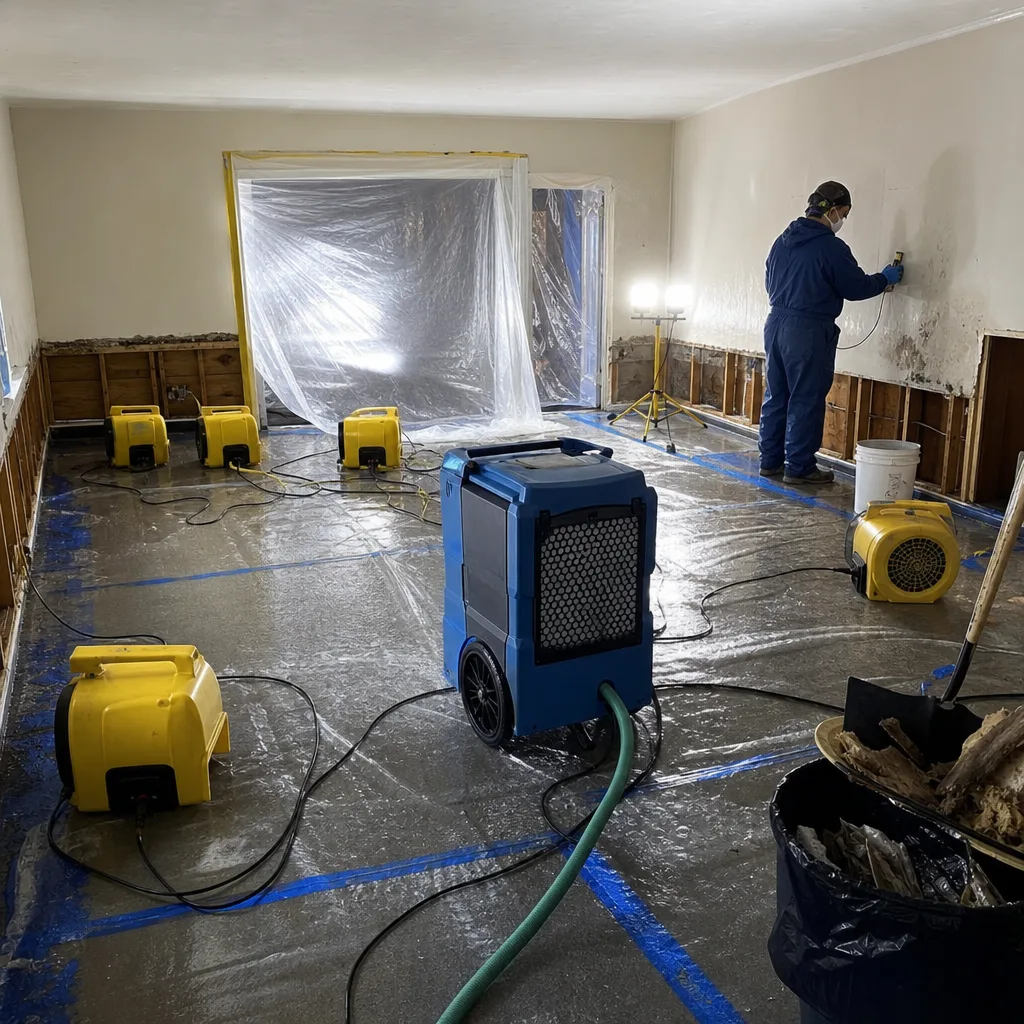
Storm Damage Cleanup
Nor’easters deposit tree limbs, roofing material, and insulation across Englewood Cliffs yards and driveways. We remove storm debris, document the damage for your claim, and get the property safe and accessible the same day we’re called.
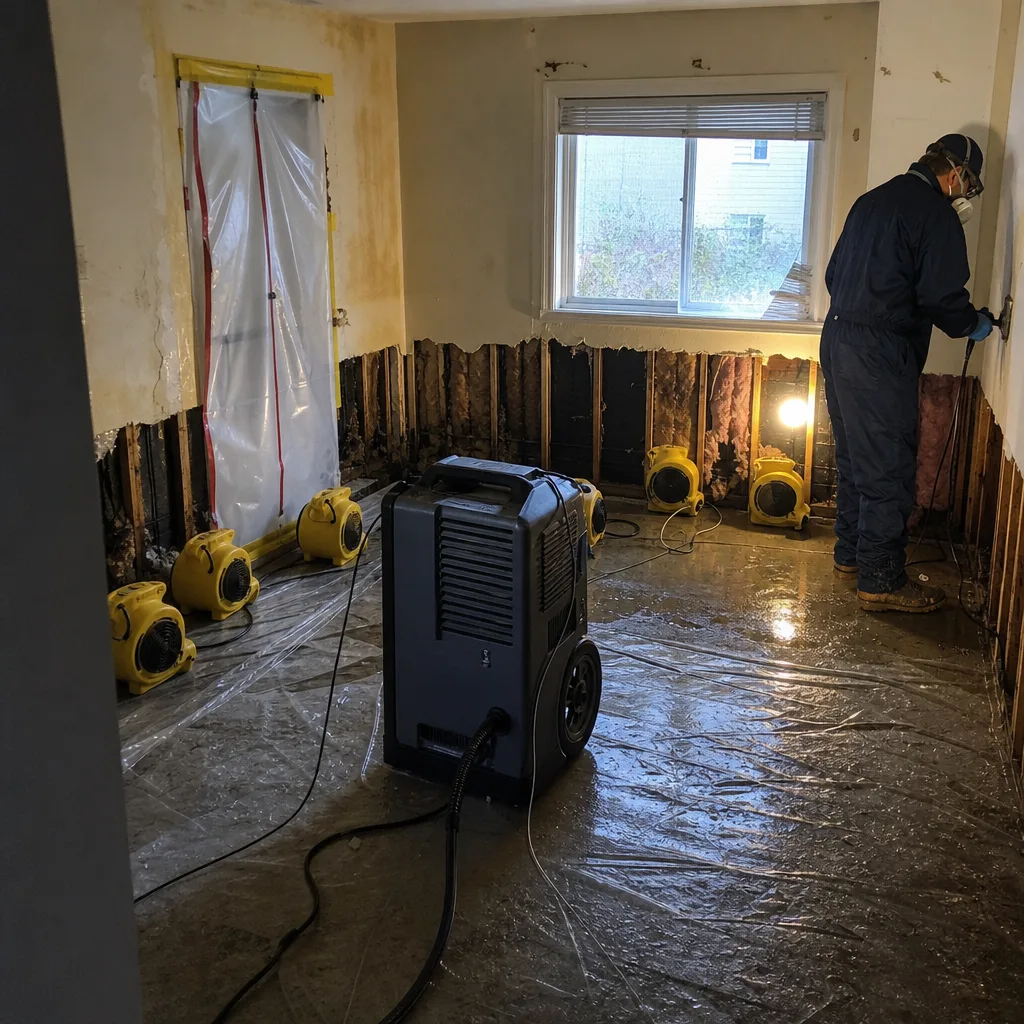
Emergency Board-Up
A breached window or missing section of siding during a storm leaves your home open to rain, animals, and worse. We board up openings with plywood cut to the opening and secured properly, then photograph everything for the insurance file.
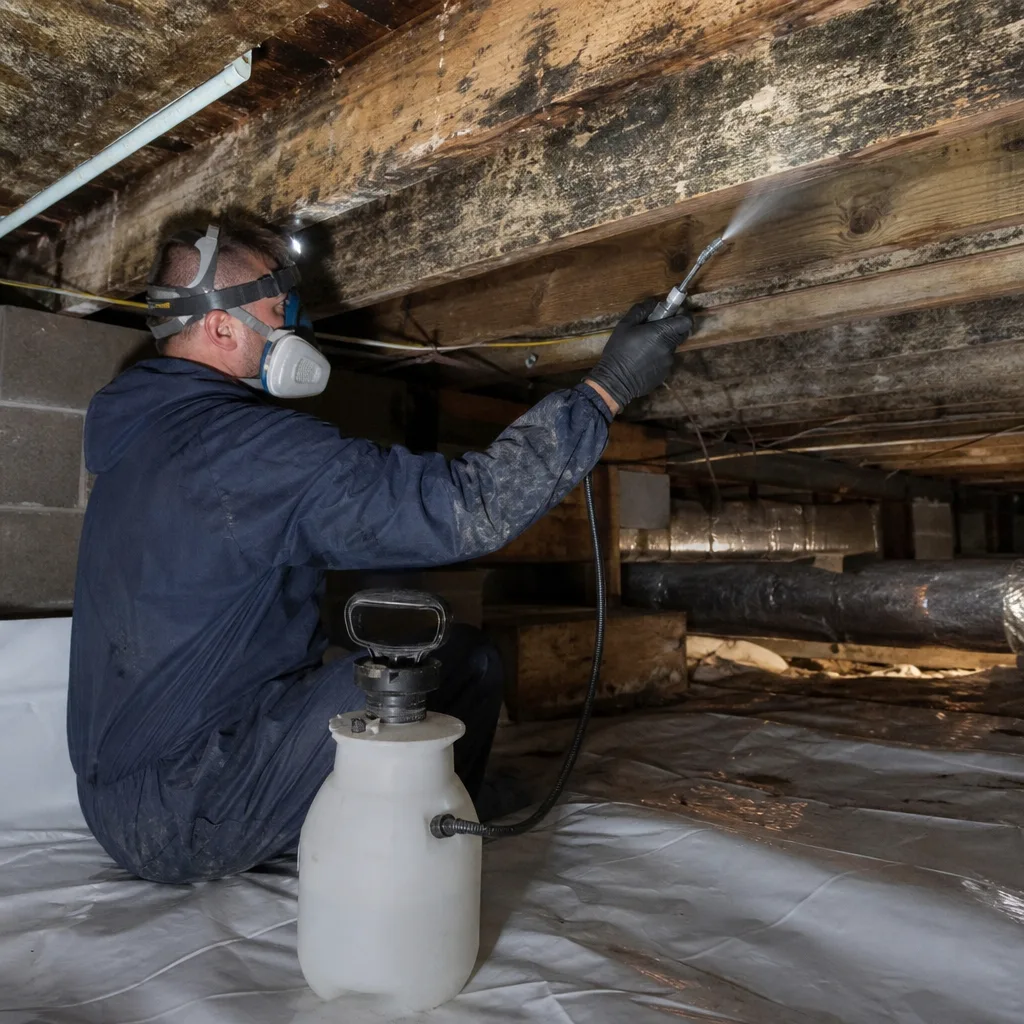
Roof Tarping
When wind tears shingles off or a branch punctures the deck, we tarp the affected area to stop further water inflow. Englewood Cliffs’s exposure on the Palisades ridge means the east-facing roof planes take the worst of the wind-driven rain, and we inspect those planes first.
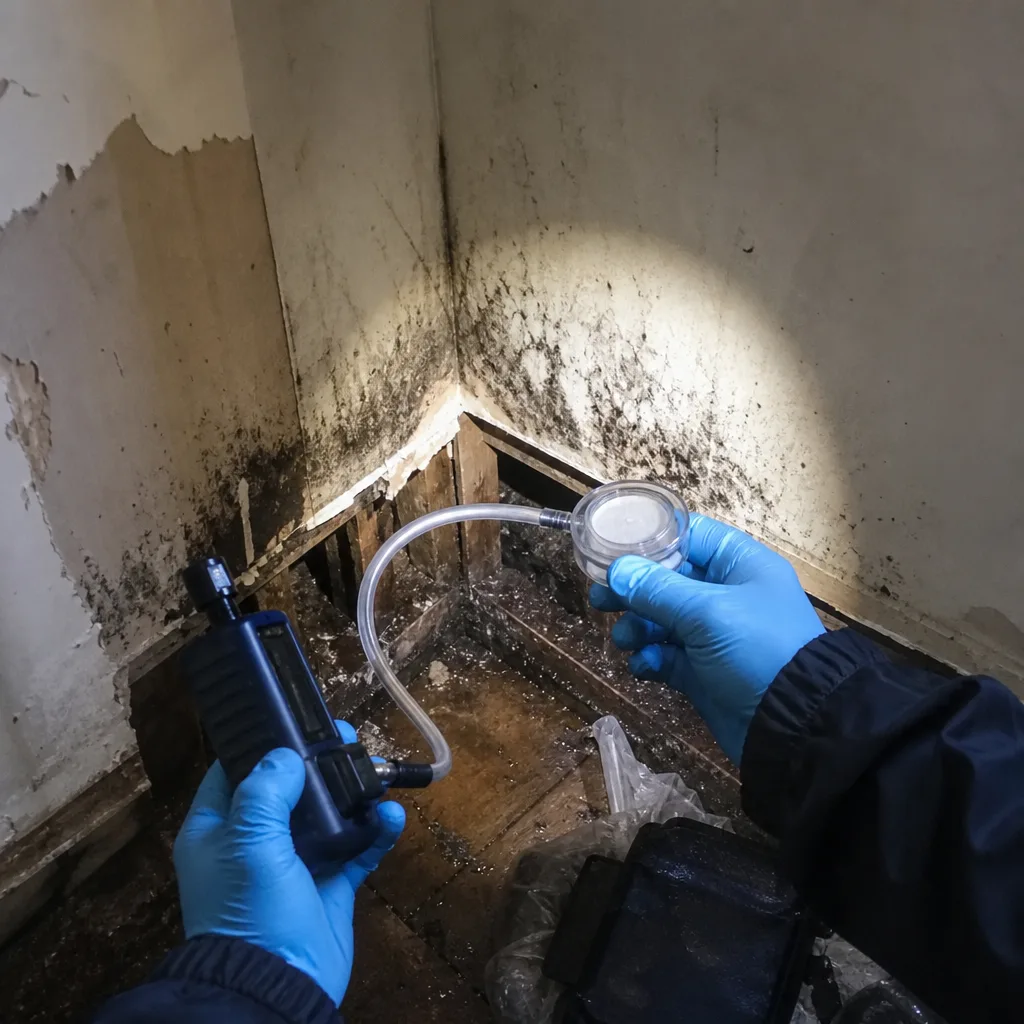
Debris Removal
After the storm passes, the cleanup is part of restoration. We haul away storm debris, wet drywall, and ruined insulation, and we don’t leave the curb pile for the homeowner to handle.
What happens when you call
- 1
A real person answersNo phone trees - you reach a local pro.
- 2
You get an upfront price rangeHonest numbers before anyone is dispatched.
- 3
A background-checked tech heads outLicensed & insured, dispatched right away.
- 4
You approve before work beginsNothing starts until you say go.
Storm & Disaster Restoration Costs in Englewood Cliffs, NJ
A typical storm damage cleanup in Englewood Cliffs runs $1,800 to $5,500 depending on the extent of debris and the number of affected rooms. Flood damage restoration in a finished basement usually runs $4,000 to $14,000, with custom millwork and hardwood drying pushing the higher end. Emergency board-up runs $450 to $1,200 per opening. Roof tarping typically runs $600 to $1,800 depending on roof pitch and access. Here’s the line-item reality: the first $3,000 to $6,000 of a flood loss is usually extraction, containment, and the first three days of drying equipment. Every additional day of drying adds $400 to $700. Custom built-in salvage work adds $1,500 to $6,000 depending on what we can save in place. The fastest way to a firm number is the free visual inspection. We walk the property, produce a written scope, and you approve the work before anything starts. No pressure, no surprises.
We Also Serve Cities Near Englewood Cliffs
Our Englewood Cliffs crews also answer calls in Storm & Disaster Restoration in Englewood Cliffs and the surrounding communities. We regularly work in Englewood, Leonia, Fort Lee, and Tenafly, and our whole Storm & Disaster Restoration team carries the same certifications and equipment into every one of those towns.
Englewood Cliffs Storm & Disaster Restoration Questions, Answered
Why does my Englewood Cliffs basement keep getting water after every heavy rain, even on the ridge side?
Because the Palisades basalt under your street doesn’t absorb water. Rain that falls on the plateau travels sideways through the soil until it hits your foundation, then pools against it. Even homes on the ridge side deal with this hydrostatic pressure, and the only fix is a drainage system that relieves it, not just a sump pump. Call (201) 729-3780 and we’ll thermal-map your foundation to show exactly where the water is intruding.
What does Category 3 water mean for a finished basement in Englewood Cliffs after a storm?
Category 3 water is grossly contaminated, and it’s what we find after most Englewood Cliffs storm floods. Carpet and pad come out no exceptions. Drywall below the flood line gets cut. Hardwood and custom millwork may survive with rapid professional drying. The sooner we start, the more we salvage.
Can you dry my custom hardwood floors and built-in millwork in place after a storm, or do they always have to come out?
Often they can be dried in place. We use thermal imaging to map the moisture, then set Dri-Eaz LGR dehumidifiers and XPOWER air movers to pull water from the wood without warping it. Built-in cabinetry sometimes needs partial disassembly, but precision disassembly beats gut-and-toss every time. We document what gets salvaged in writing for your carrier.
Why do roof leaks and attic moisture show up more often on the east side of Englewood Cliffs during nor’easters?
The east side faces the Hudson and the Palisades cliff edge. Nor’easter winds drive rain almost horizontally into the east-facing soffits and gable ends. Homes on that side of the borough get moisture events during storms that wouldn’t touch a west-side roof. We inspect east planes and flashing first when we arrive after a nor’easter.
How does the freeze-thaw cycle on the Palisades basalt affect my foundation after a storm?
Water seeps into small cracks in your foundation over years, then freezes and expands during winter, opening those cracks wider. When spring rain arrives, the cracks accept more water than before. It’s a slow loop that gets worse every season. Our moisture mapping shows where the damage is active now.
How fast can someone get to my Englewood Cliffs home?
Within 45 minutes. Our dispatchers are live 24/7 at (201) 729-3780, and crews are staged in the Englewood Cliffs area. In a storm loss, the first hour determines what dries and what gets replaced.
Will my insurance cover storm damage restoration in Englewood Cliffs?
Most standard homeowner policies cover storm-related water, wind, and flood damage, with the exception of surface-water flooding, which typically requires a separate flood policy. We document everything from the first hour and bill your carrier directly, and we’ll tell you honestly if your specific loss looks covered before you commit.
What should I do in the first 30 minutes after I see storm water in my house?
Shut off power to the affected area if you can do so safely, move small electronics and valuables to higher ground, and call us. Don’t run fans or use a household vacuum on wet carpet. Don’t enter the space if the water is above the outlets. The single most valuable thing you can do is call (201) 729-3780 so extraction starts immediately.
Why Basalt Changes Everything: Storm Water on the Palisades
Most people assume water drains down. In Englewood Cliffs, it doesn’t. The Palisades basalt is an impermeable volcanic shelf that underlays the entire borough. Rain falling on the plateau can’t percolate into bedrock, so it moves sideways through the soil, following the slope of the rock until it hits your foundation wall. Then it pools. This is why finished basements in Englewood Cliffs take on water during storms even when the roof is new and the gutters are clean. It’s also why crews trained on flat-terrain Bergen County jobs sometimes fail here. They extract the water, dry the surfaces, and leave. But the hydrostatic pressure behind your foundation wall is still there, and the same basement is wet within weeks. We learned this pattern the hard way on a custom mid-century home off East Palisade Avenue. A nor’easter drove wind-blown rain through the soffit vents and saturated a finished basement with Black Label hardwood, custom millwork, and a home theater. We set containment, mapped the moisture with thermal imaging, and ran Dri-Eaz LGR dehumidifiers plus XPOWER air movers for five days. The lower-third foundation wall and built-in cabinetry came back to pre-loss condition. But the basalt kept pressing against the footing the entire time. In Englewood Cliffs, the job isn’t done until the structural drying is documented against an ongoing water source. That’s the difference between restoration and a callback.
Serving Englewood Cliffs, NJ - Our Local Coverage Area
We’re based in the Englewood Cliffs area and know this community well. Use the map below to see our service coverage - if you’re nearby, we can almost certainly help.
The Done Right Promise in Writing
Floodline Restoration Co. has been running a dispatch board since 2010, built by Curt Bowman around live phone answers and crews that finish what they start. The 90-Day Done Right Promise, our Keystone Standard, goes in writing on every job. If it’s not done right, we make it right. No paperwork battles, no arguing. That promise applies to storm restoration in Englewood Cliffs the same way it applies to our flood and fire work elsewhere in Bergen County. We also honor three standing offers: $50 off any repair over $250, an $89 seasonal tune-up, and a senior and veteran discount of 5 percent, always. Ask about them when you call. You’ll reach a live dispatcher, not a menu.
Written by Curt Bowman, Owner at Floodline Restoration Co., serving Englewood Cliffs and Bergen County since 2010.