

Free visual inspection and a written scope of work before any mitigation begins - photos, moisture readings, and drying logs go in your claim file
The scope we write is the scope we bill. Anything new gets shown to you, in writing, before we touch it.
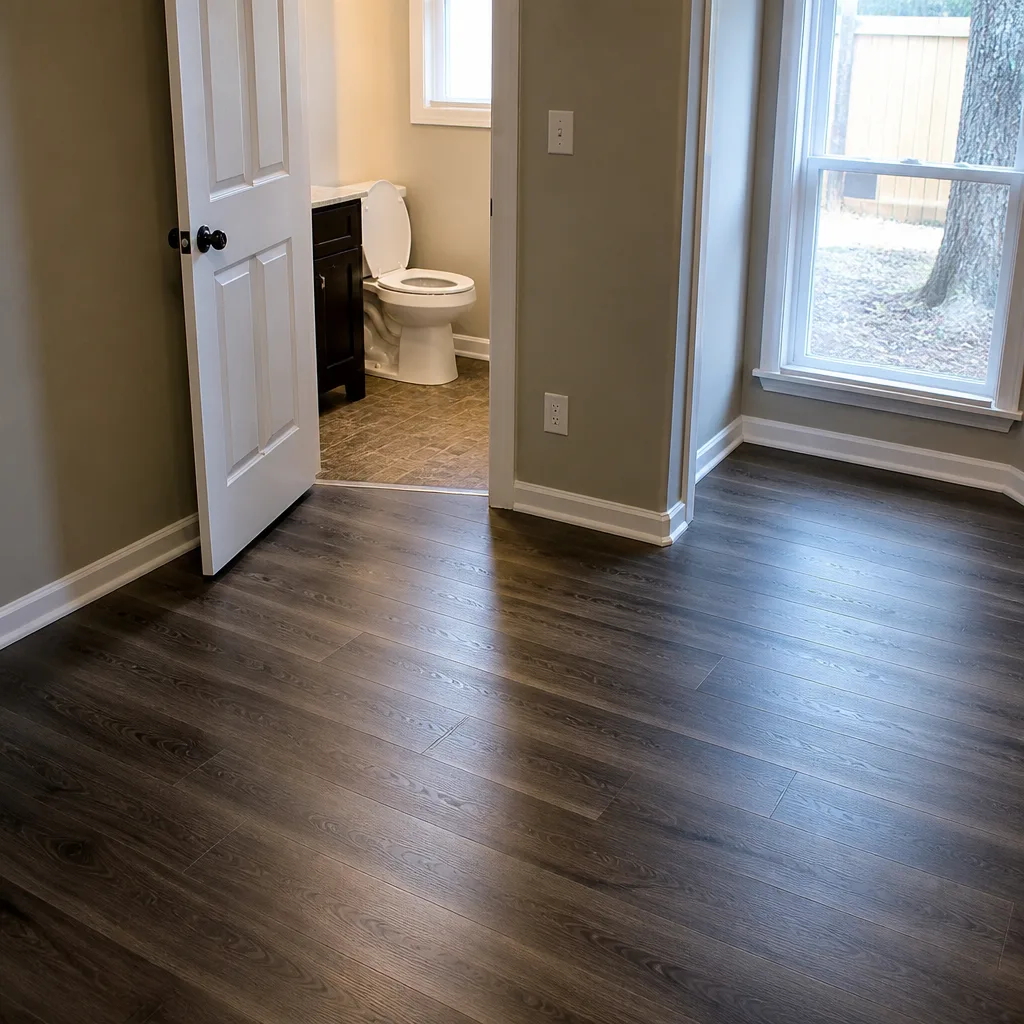
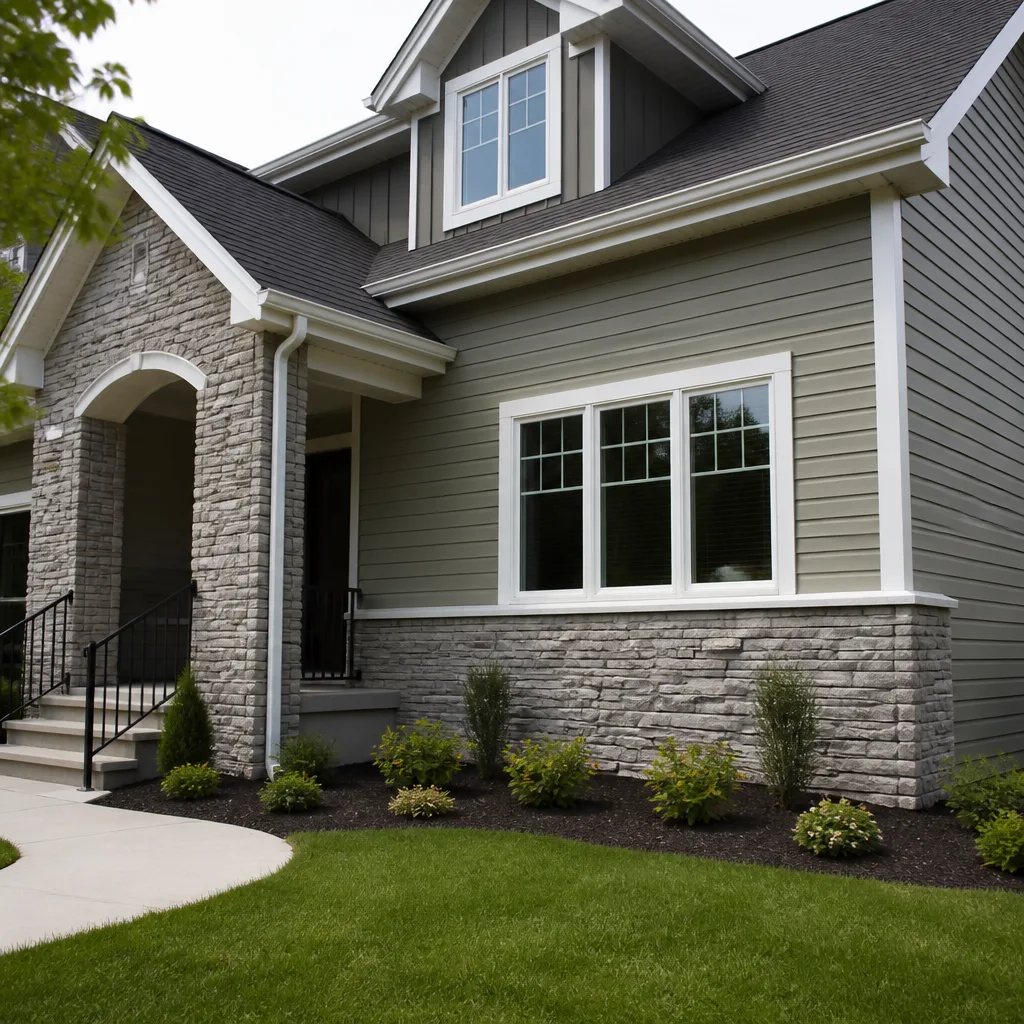
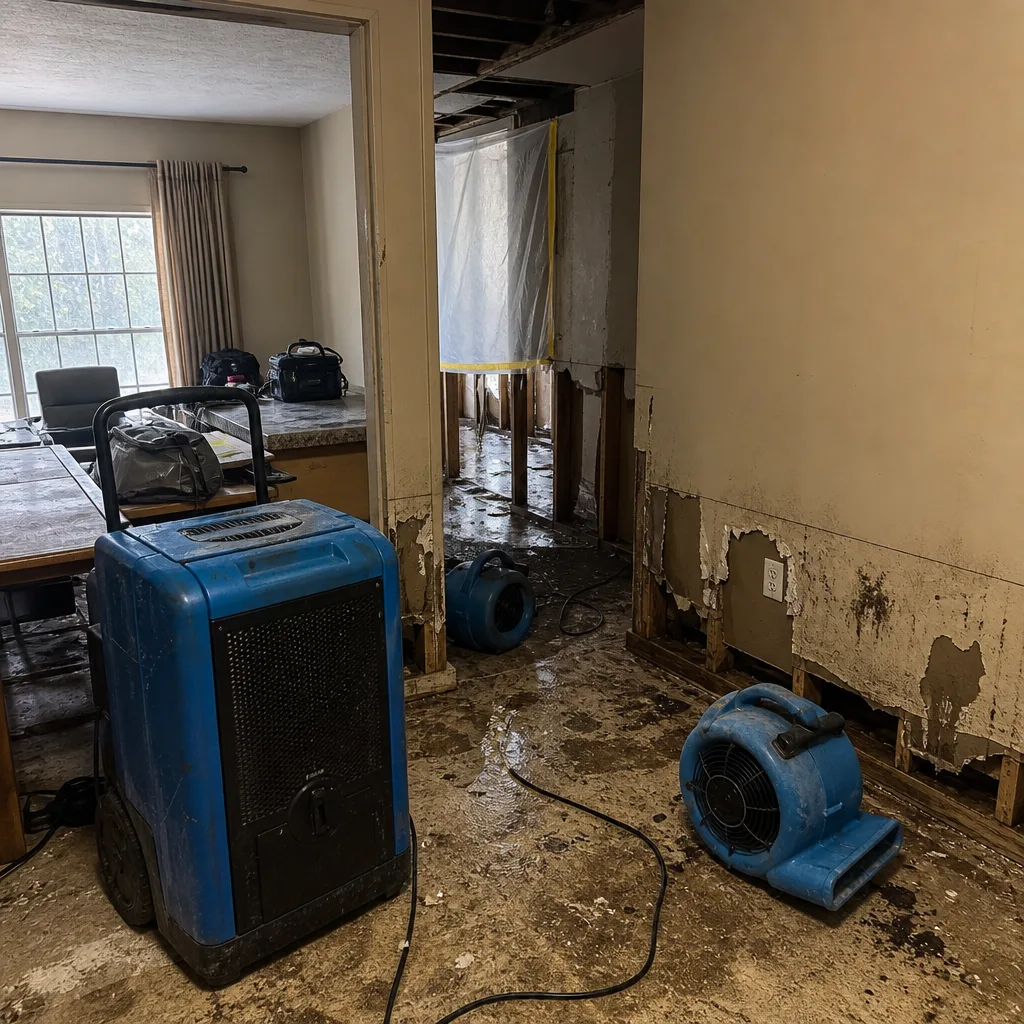 Before
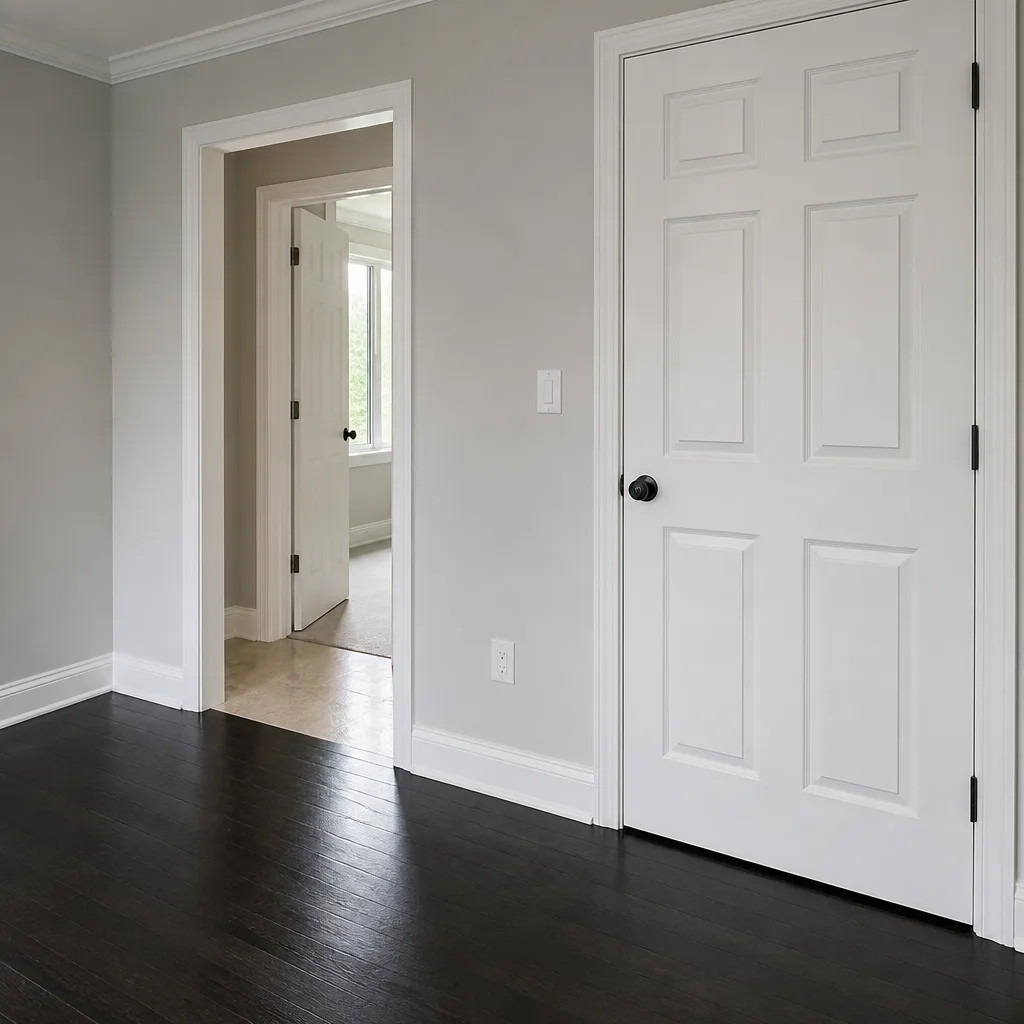 After
After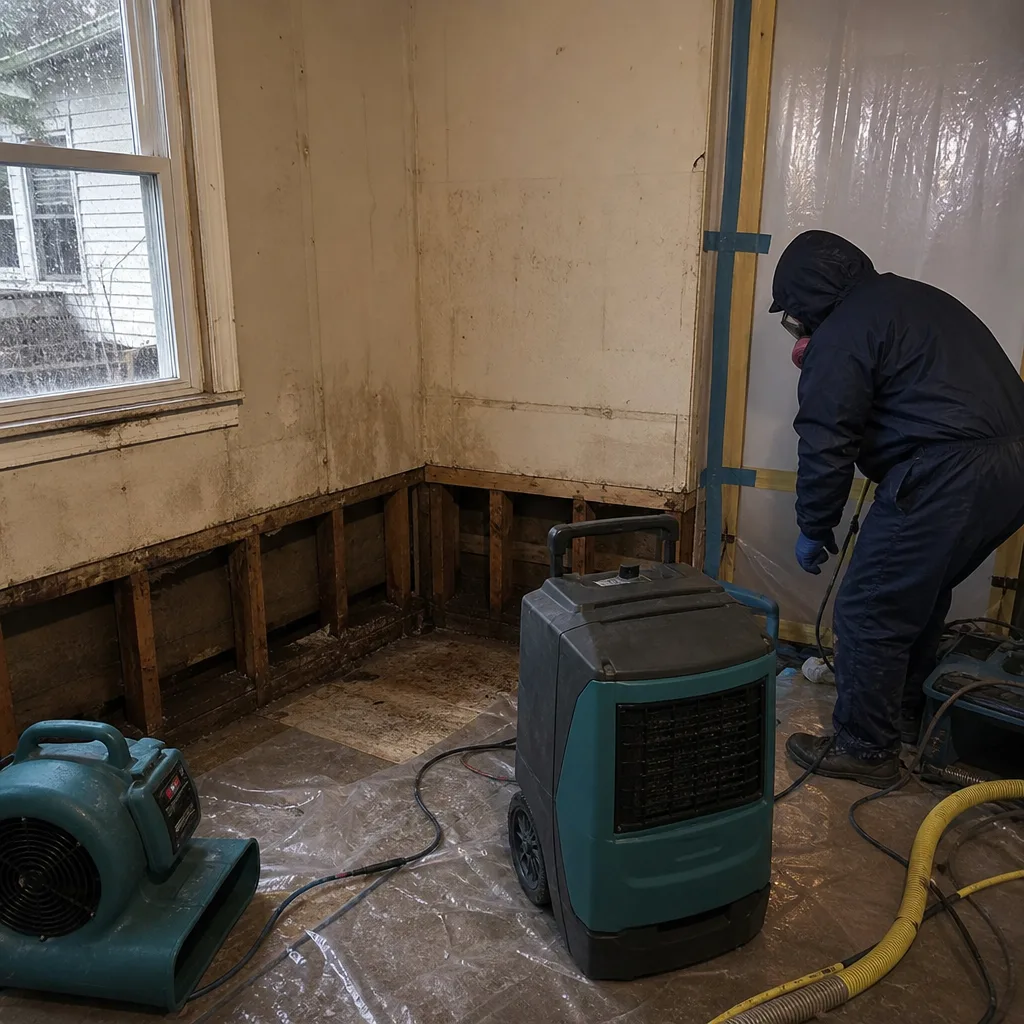 Before
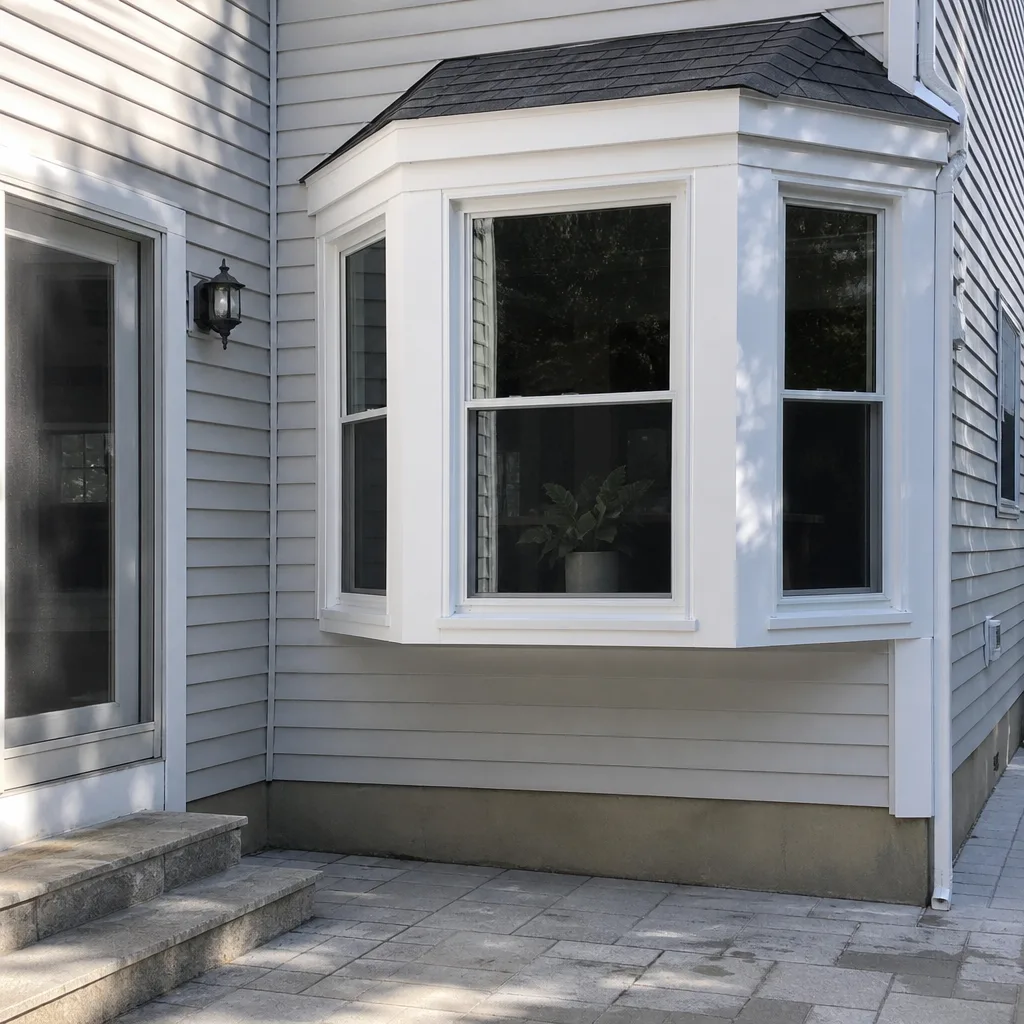 After
After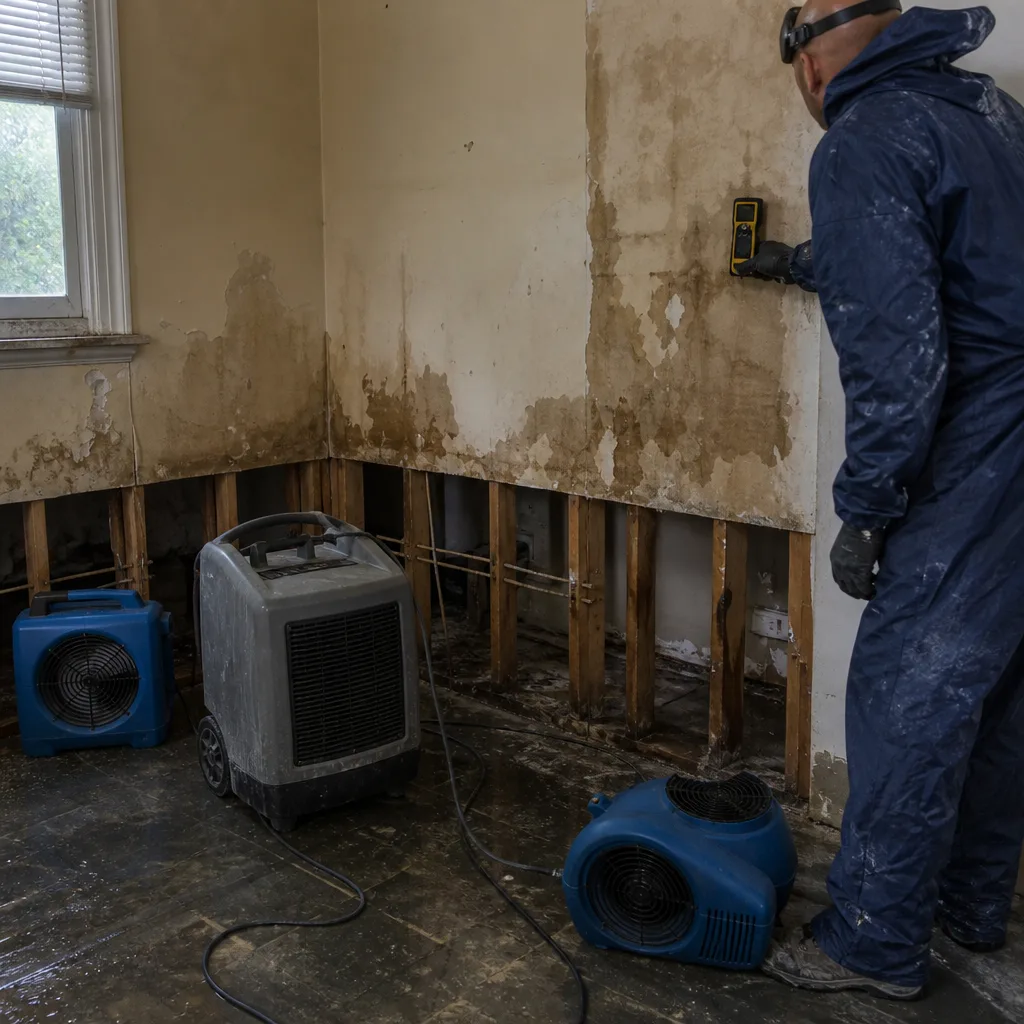 Before
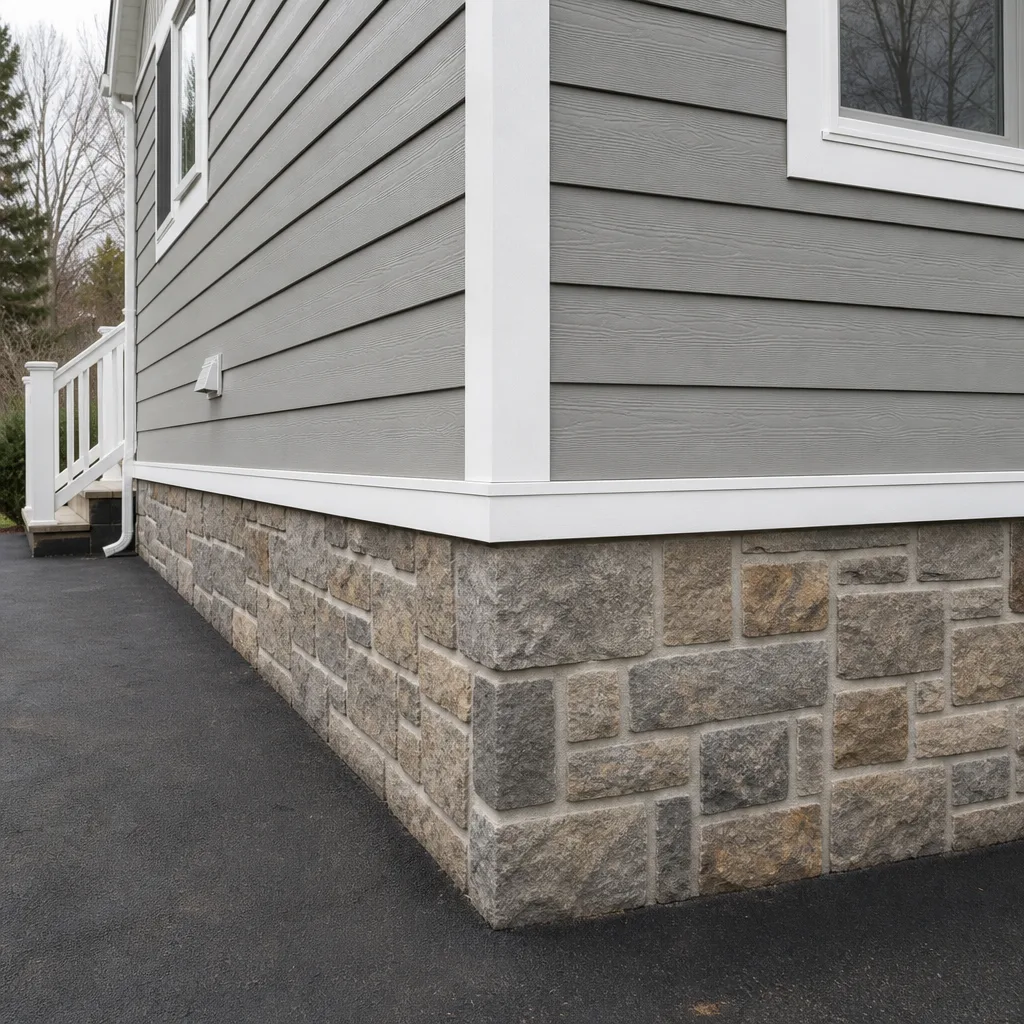 After
After24/7 Emergency Mold Remediation in Dumont
Mold remediation in Dumont typically runs $1,800 to $6,500 depending on how far the colony has spread and whether asbestos abatement gets pulled into the job. That’s the honest range for this borough, and we’ll explain exactly why it’s wider here than in neighboring towns. If you’ve found mold in a Dumont basement, call (201) 729-3780 now. A live person answers. We’ll have a certified crew at your door, usually within 45 minutes, and we start with a free visual inspection before any work is quoted.
Mold in a 1950s Dumont Cape Cod or split-level doesn’t wait politely. It spreads through original plaster walls, behind single-pane windows, and into the cavities those walls were never designed to seal. The first hour matters because spores move through a home’s air pathways fast, and every HVAC cycle pushes them further. We’re on call 24 hours a day, 7 days a week. Not an answering service. A dispatcher who knows Dumont’s streets and can route a crew to your block while you’re still on the phone.
Understanding Mold Remediation Severity in Dumont Properties
Mold jobs break into three rough categories, and Dumont’s housing stock pushes more of them into the serious column than you’d see in a newer Bergen County town. A Category 1 water loss is clean water, say a supply line to a washing machine. Category 2 carries contaminants, like a sump pump overflow. Category 3 is sewage or outside floodwater. In a 1960s split-level off New York Avenue, even a Category 1 loss that’s been sitting more than 48 hours becomes a mold event, because those basements were finished with materials that hold moisture: original plaster over wood lath, asphalt floor tile, and fiberboard ceiling panels that wick water like a sponge.
Severity also depends on containment. A small isolated patch behind a basement stair can often be remediated with HEPA air scrubbing and localized antimicrobial treatment, no pack-out required. But once mold reaches an HVAC return or the open joist bays under a first-floor bathroom, we’re looking at full containment. That means 6-mil poly sheeting, negative air pressure, and air scrubbing with HEPA filtration running continuously until clearance testing passes. In Dumont, the question is rarely “is there mold” and more often “how far did it ride the return ducts before you saw it on the wall.”
Why Dumont Property Owners Choose Floodline Restoration Co.
- 45-minute response commitment. When you call with visible mold, we don’t schedule you for Thursday. A crew rolls toward Dumont immediately, because every hour of open air means more spores.
- Live answer, 24 hours a day. Not a recording. Not a callback queue. A person picks up at 3 a.m. and starts dispatching. That’s been true since Curt Bowman founded this company in 2010 around a dispatch board, not a sales desk.
- IICRC-certified crews. Our technicians hold WRT, FSRT, and AMRT certifications from the IICRC, plus RIA and IFA training. They’re background-checked and uniformed when they knock on your door.
- Free visual inspection. We look before we quote. You’ll know what you’re dealing with before any dollar figure is attached to it.
- Direct insurance billing. We bill your carrier directly and send them the same documentation we send you. You never carry a message between Floodline and an adjuster.
- One team from start to finish. The same crew that sets containment handles the daily moisture readings and the rebuild. No mid-job handoff. No inherited crew you’ve never met.
Our Mold Remediation Process
Inspection & Assessment
We start with a visual walkthrough, then moisture-map the affected area using thermal imaging and hygrometers. Every reading is logged from day one and shared with you and your carrier. That moisture log is the difference between a job done right and a job that looks right until spring.
Containment & Stabilization
Before any material is disturbed, we seal the affected area with 6-mil poly and set up negative air pressure. HEPA air scrubbers run continuously. This keeps spores from migrating into return ducts or the original single-pane window cavities common in Dumont homes built between 1945 and 1965.
Drying & Dehumidification
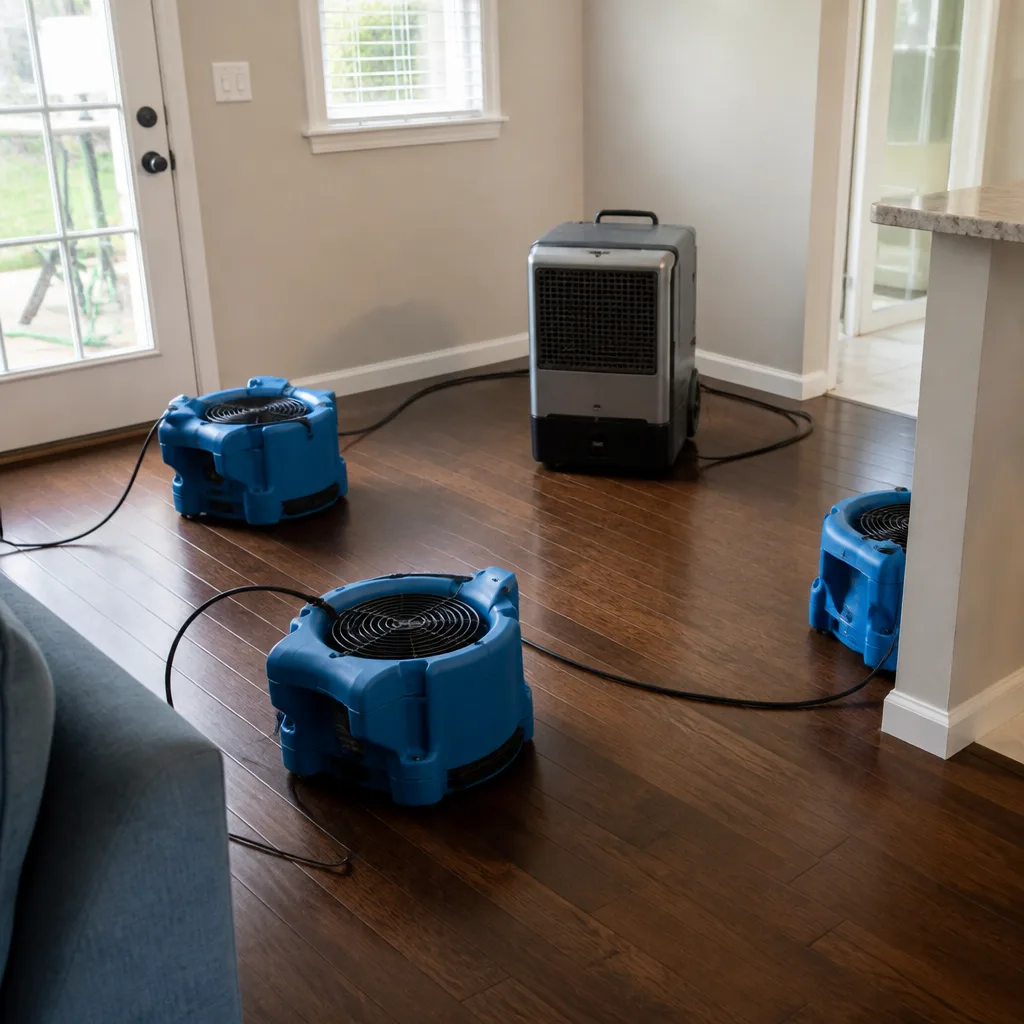
We use Dri-Eaz and Phoenix dehumidifiers alongside XPOWER air movers to bring materials to the dry standard. Daily readings go into the log until the structure is verified dry. In Dumont basements with plaster walls, this phase takes patience. Plaster releases moisture slowly, and rushing it is how you get recurring mold blooms.
Cleaning & Sanitization
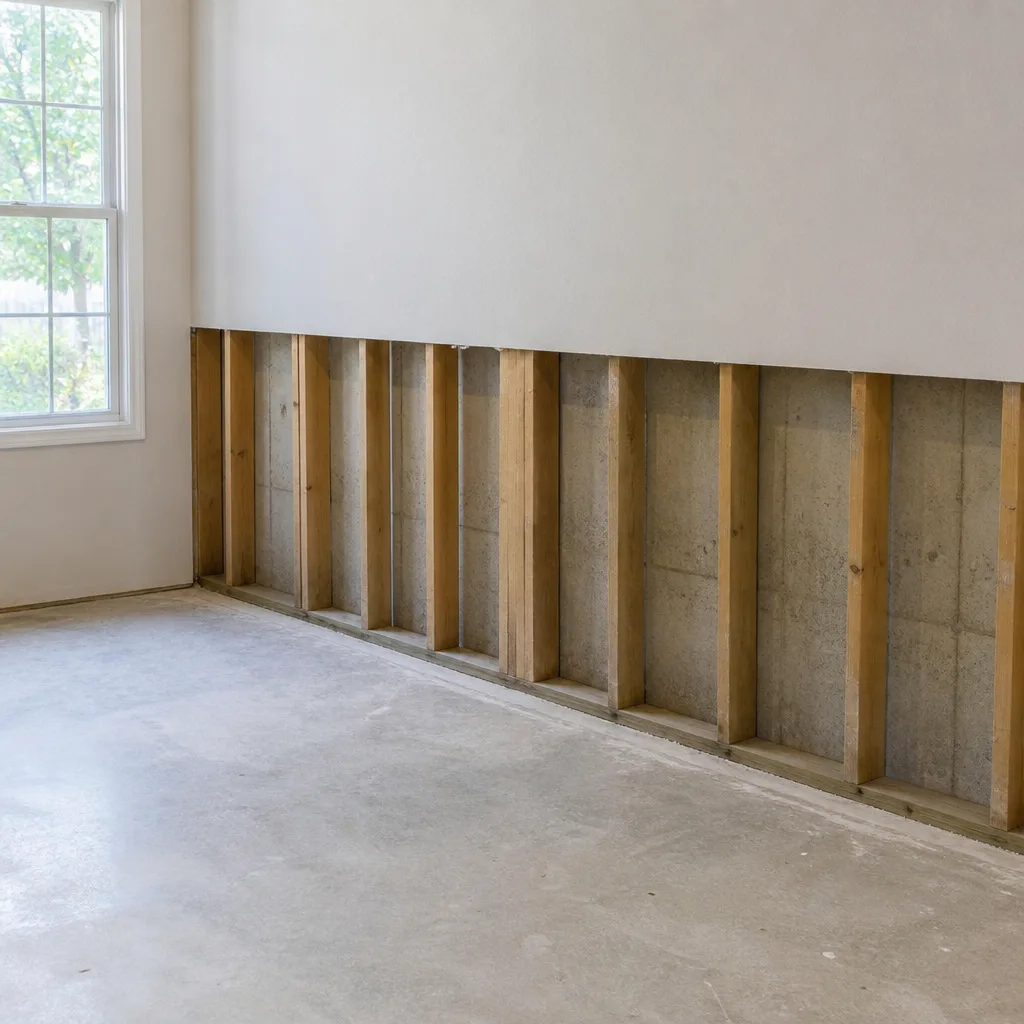
Affected surfaces get HEPA vacuuming and antimicrobial treatment. We clean what can be saved and remove what can’t. If original plaster can be dried and treated, we save it. If it’s saturated beyond structural integrity, we cut it out cleanly and set up for repair.
Specialty Treatment: Asbestos Coordination
In Dumont’s older finished basements, the 9×9 asphalt floor tiles from the 1950s and 60s are presumed asbestos-containing under NJ DEP guidance. If those tiles sit under a mold-damaged floor, we coordinate abatement before removal. We don’t pull them ourselves, and we don’t ignore them. We bring in a licensed abatement contractor, handle the sequence, and keep the job moving.
Repairs & Restoration
Once the structure is dry and the air clears clearance testing, we rebuild. Drywall, flooring, trim, paint. The same Floodline crew that extracted and dried now puts your basement back together. And everything we do carries the 90-Day Done Right Promise, in writing.
Need Emergency Mold Remediation in Dumont Now?
Crews minutes away, answering live 24 hours a day. The sooner we start, the less it costs.
Working With Your Insurance Company
Mold coverage in Dumont depends almost entirely on the source of the water. If a sudden, accidental discharge, like a burst supply line, caused the mold, most policies cover remediation as part of the water loss claim. If the moisture is from long-term seepage or poor drainage, they often don’t. Either way, we document everything from the first hour. Photos, room by room. Moisture readings on a dated log. A line-item scope of work that your adjuster can match line by line. We speak directly with the carrier, so you don’t get stuck in a three-way game of telephone. That’s a square deal, and it’s how we’ve handled thousands of Bergen County claims.
What We Provide Your Insurer
- Thorough documentation of the loss
- Photos of all damage, room by room
- Moisture readings and drying logs
- A detailed, line-item scope of work
- Direct coordination with your carrier
Built for Dumont’s Loss Calendar
Dumont’s mold season runs on a schedule, and it’s not the one most people assume. Spring brings the worst of it. Bergen County’s heavy nor’easter precipitation, combined with the clay-heavy glacial till soils under this part of the Hackensack River watershed, means basement water infiltration repeats year after year. The borough’s storm-sewer infrastructure was sized for mid-century development density. Back-to-back rain events overwhelm it, and groundwater finds the path of least resistance: through a 1955 foundation wall and across a 1960s finished basement floor.
Summer thunderstorms flash-flood quickly, but the real mold driver in Dumont is the prolonged damp of late winter into spring. Freeze-thaw cycling opens hairline cracks in foundation walls. Snowmelt saturates the clay soils. Then the first warm week of April heats a basement that’s been holding moisture for two months. That’s when Dumont homeowners open the basement door and smell it. We respond to more first-time mold calls in April and May than any other stretch of the year. The pattern is so consistent we staff extra dispatch hours through the spring thaw.
Mold Remediation Across Dumont’s Neighborhoods
The housing stock shifts a little as you move through the borough, and so do the mold patterns. West of Washington Avenue, the split-levels and colonials near New York Avenue tend to have finished basements with original materials still in place. Those homes are where the 9×9 asbestos tile question comes up most often. We treat it as a routine part of the job, not a surprise.
Up in the northeast section toward the Tenafly border, homes from the late 1940s have shallower foundations and smaller basement windows. Moisture lingers longer there because natural ventilation was never part of the design. The Cape Cods clustered near the high school and along the streets feeding into New Milford have similar issues: original single-pane windows, undersized drainage, and basements that were never meant to be finished but got finished anyway in the 1970s. Toward the south end near Cresskill and Bergenfield, the pattern repeats. What matters isn’t the neighborhood name. It’s the era. And nearly all of Dumont was built in the same twenty-year window, so the challenges are consistent across the borough.
Specialized Mold Remediation Services We Offer in Dumont
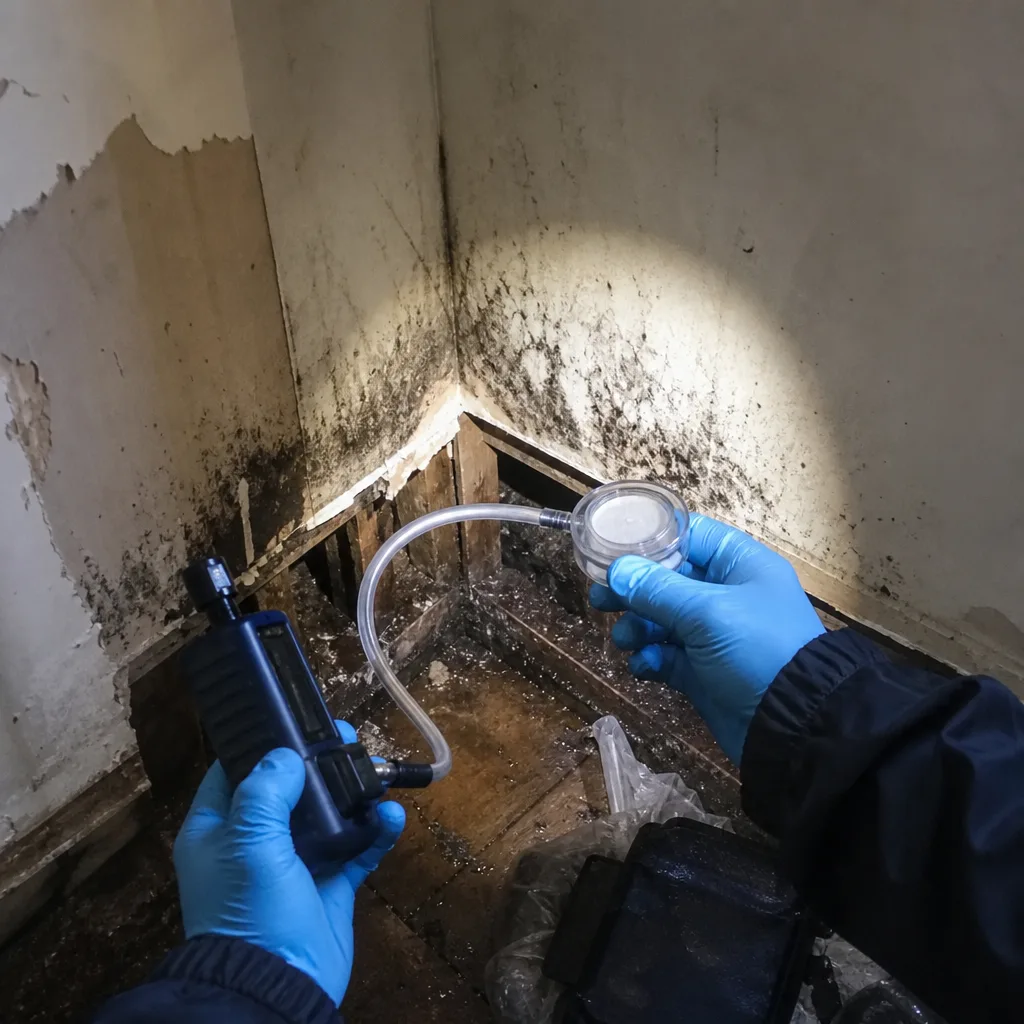
Mold Inspection & Testing
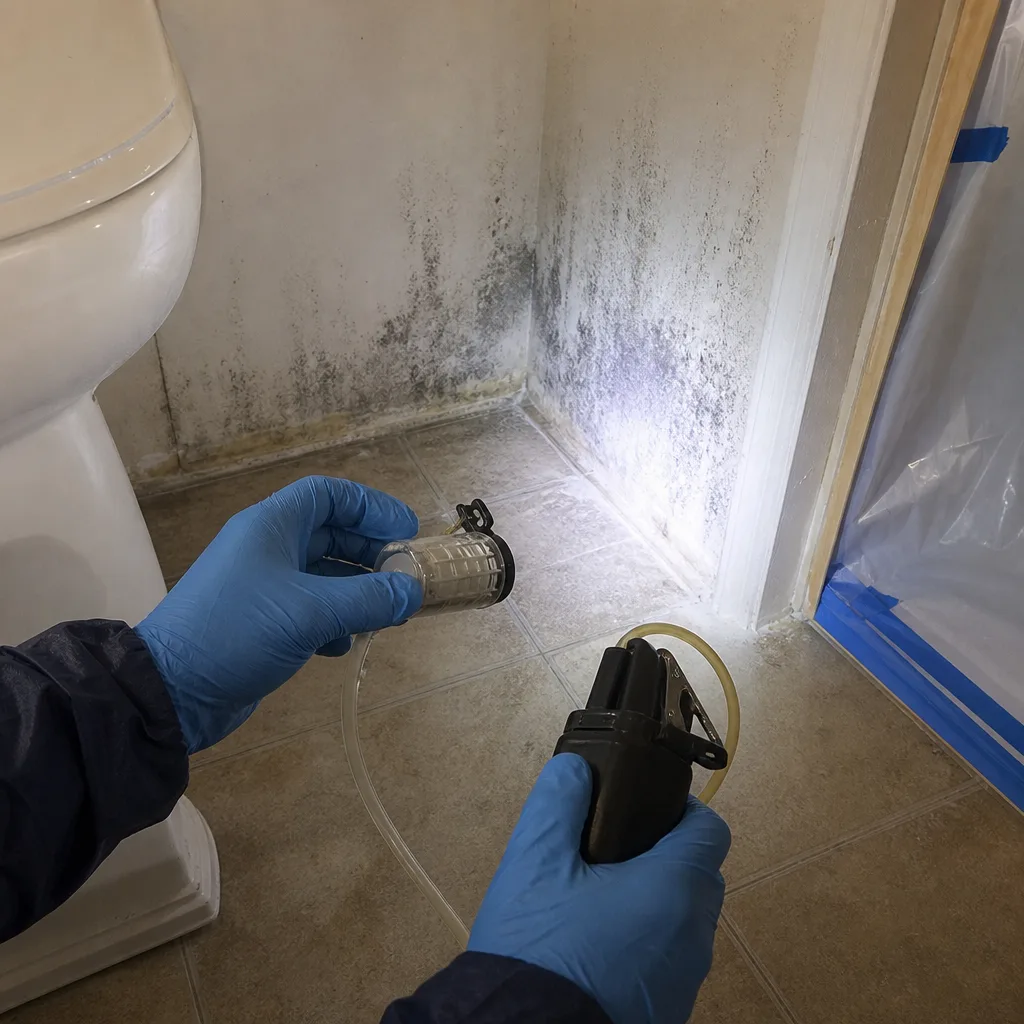
Before any mold is removed, we need to know what we’re dealing with and how far it goes. Our inspectors use moisture meters, thermal imaging, and air sampling where the situation calls for it. In a Dumont basement with plaster walls and original framing, hidden mold behind a finished wall is common. We find it before we quote removal, not after.
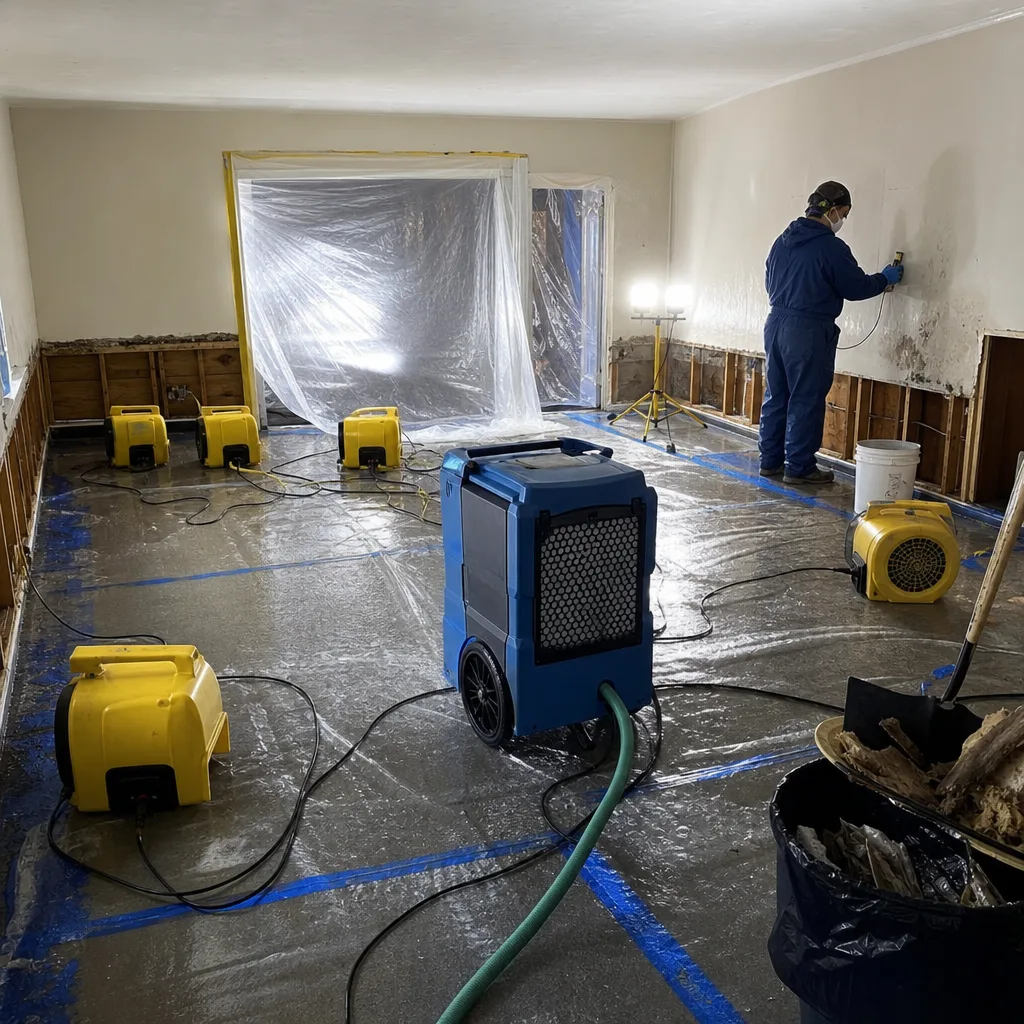
Mold Removal
We remove mold-damaged materials under full containment, not by spraying bleach on a wall and hoping. That means cutting out saturated drywall, treating what can be saved, and disposing of what can’t according to NJ DEP rules. If the job sits in a finished basement with 9×9 tile, abatement coordination is part of our scope.
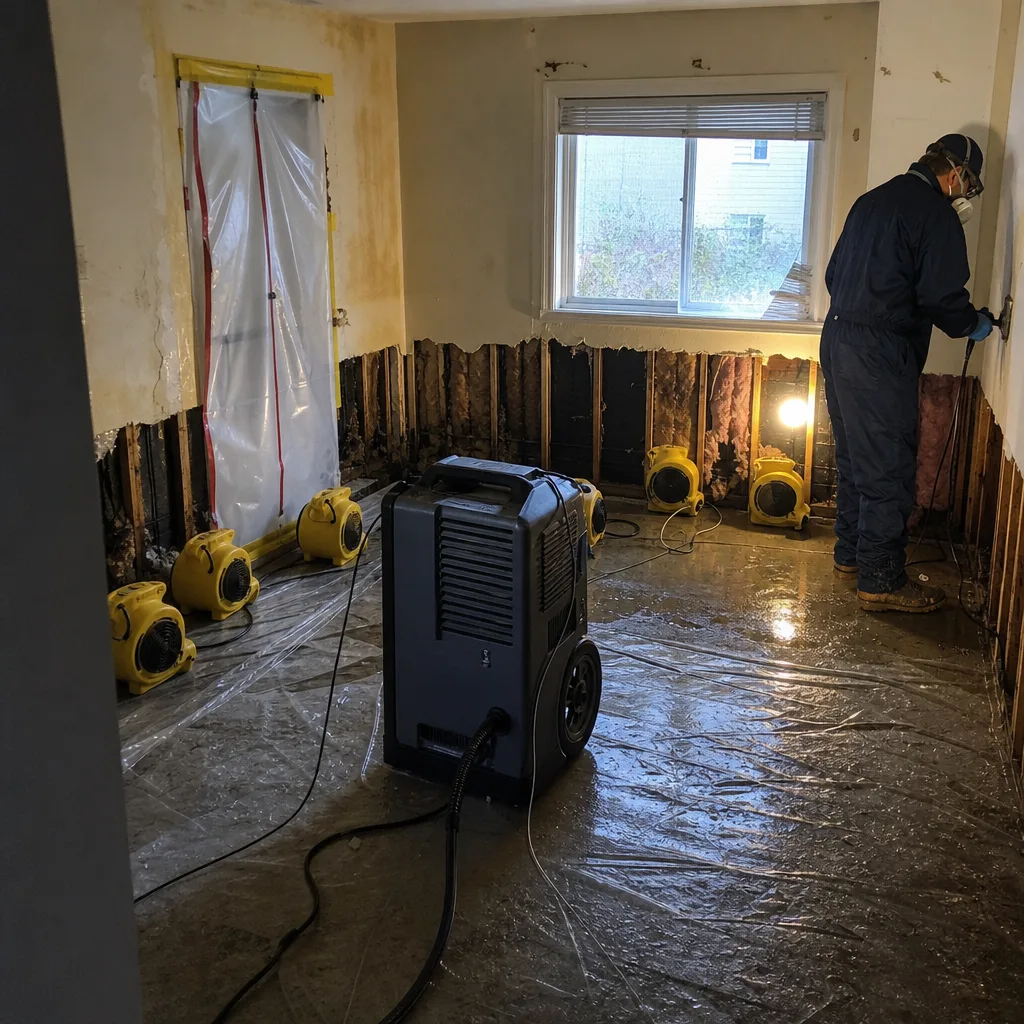
Black Mold Remediation
Nobody should tell you “black mold” is one particular species without lab testing. What we can tell you is that dark-colored mold in a Dumont basement is a serious health and structural issue. We run air scrubbers, set containment, and remove affected materials under negative pressure. Clearance air testing confirms the indoor air is clean before we lift the poly.
Air Quality Restoration
Mold doesn’t have to be visible to be in your air. We run HEPA air scrubbers throughout remediation, and if your HVAC system pulled spores into the return ducts, we clean the accessible ductwork and replace filters. For Dumont homes with original 1960s duct systems, this step matters more than in newer construction with sealed returns.
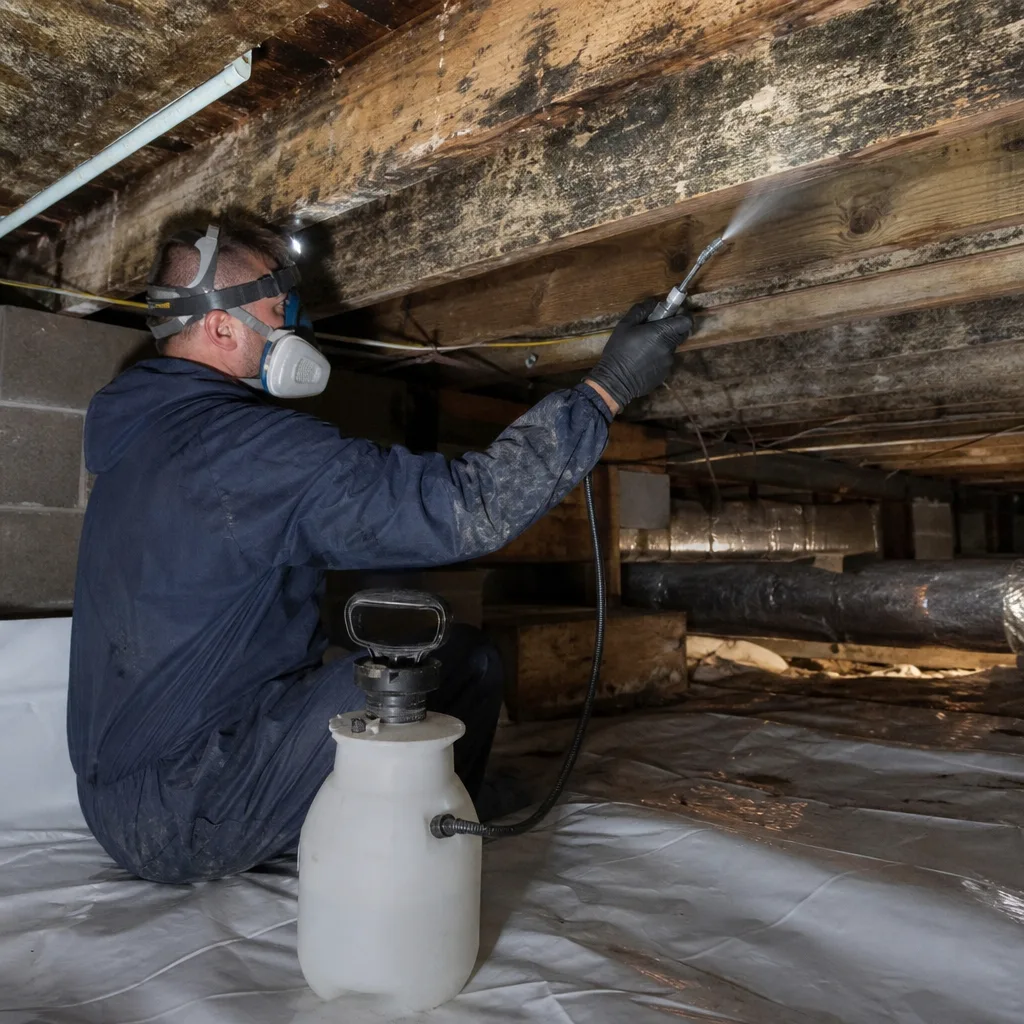
Crawl Space Treatment
Dumont has plenty of crawl spaces under those 1950s ranches, and most of them were never properly vented or vapor-sealed. We treat mold on exposed joists, install or repair vapor barriers, and in many cases recommend moisture control improvements so the mold doesn’t come back next spring. A crawl space that breathes into a home’s floor cavities is a mold factory that never shuts down.
Moisture & Humidity Control
If we remediate mold but leave the source, we haven’t done our job. That’s why our scope for Dumont basements almost always includes a humidity control plan: dehumidification, drainage correction where feasible, and sealing entry points where groundwater gets in. Done right, a mold job becomes a mold-prevention job. And it’s backed by the 90-Day Done Right Promise.
What happens when you call
- 1
A real person answersNo phone trees - you reach a local pro.
- 2
You get an upfront price rangeHonest numbers before anyone is dispatched.
- 3
A background-checked tech heads outLicensed & insured, dispatched right away.
- 4
You approve before work beginsNothing starts until you say go.
Mold Remediation Costs in Dumont, NJ
Here’s what you can expect to pay in Dumont, based on the jobs we’ve scoped in this borough over the years. A small isolated mold patch, like a closet wall or a single joist bay, typically runs $1,800 to $3,000. Standard remediation for a moderate basement mold issue, with containment and 3 to 4 days of drying, lands between $3,500 and $6,500. If asbestos abatement gets pulled in because of original 9×9 tile, add $1,500 to $4,000, depending on square footage. A full basement remediation with pack-out, extensive drywall removal, and rebuild work starts around $8,000.
What moves the price: whether asbestos is present, whether your HVAC system got contaminated, how much of the finished space must be removed, and whether the source of moisture requires repair. The free visual inspection gives you a firm scope in writing before any work starts. Call (201) 729-3780 and we’ll walk the space with you. No pressure. Just numbers on a page.
We Also Serve Cities Near Dumont
Beyond Dumont, our Mold Remediation crews regularly work in Cresskill, Bergenfield, New Milford, and Tenafly. The housing stock is similar across these boroughs, built in that same post-war window, which means the mold challenges are similar too. If you’re a few blocks over the line, call us. We’ll be there.
Dumont Mold Remediation Questions, Answered
Does Dumont require testing for asbestos before mold remediation in an older finished basement?
Yes, in virtually every case where original 9×9-inch asphalt floor tile is present. Those tiles are presumed asbestos-containing under NJ DEP guidance, and disturbing them without testing is a violation that stops the job. Our crews identify the tile during inspection and coordinate with a licensed abatement contractor before any removal happens.
How do you dry out a Dumont split-level basement after a sewer backup without spreading mold?
We set containment first, then run negative air pressure with HEPA air scrubbers before any drying equipment is turned on. On a split-level off New York Avenue with a Category 2 loss, we sealed the basement with 6-mil poly, coordinated asbestos abatement on the original tile, then ran Dri-Eaz dehumidifiers and XPOWER air movers until moisture readings hit pre-loss levels. Daily logs are kept the whole way through, and the homeowner sees them any time.
Why does my Dumont Cape Cod basement get mold every spring even after cleanup?
Because the moisture source was never addressed. Dumont sits on clay-heavy glacial till with storm sewers sized for mid-century development. Snowmelt and spring rains saturate the soil, and water finds its way through 1950s foundation walls. If remediation removes the mold but nobody installs a drainage correction or humidity control, the same conditions return every April. We scope the source, not just the symptom.
Can you remove black mold from original plaster walls in a 1950s Dumont home without tearing them out?
Sometimes, yes. Plaster holds up better than drywall under moisture exposure, and if the mold is on the surface and the plaster is structurally sound, we can HEPA-clean and treat it without demolition. But if the mold extends behind the plaster into the lath or joist cavities, removal is the honest option. We read moisture levels first, then make the call.
How soon should I call after finding mold in a Dumont basement with only single-pane windows?
Today. Single-pane windows and original 1960s duct systems mean your basement already has poor air sealing, which lets spores spread faster than in a newer home. The quicker we set containment, the smaller the containment zone stays, and the lower your final cost. Call (201) 729-3780 now and a live person will start dispatching. Estimates are free.
Will my insurance cover mold remediation in Dumont?
It depends on the source. If a sudden and accidental water discharge, like a burst pipe or a washing machine supply line failure, caused the mold, most policies cover the remediation as part of the water claim. If the moisture is from long-term seepage or poor drainage, coverage is less likely. We document everything from the first hour and work directly with your adjuster. Call us and we’ll help you understand your specific policy.
How long does mold remediation take in a typical Dumont home?
Small isolated jobs can be done in 2 to 3 days. Moderate basement remediations with containment and drying typically run 4 to 7 days. Jobs that require asbestos abatement coordination or significant rebuild work can stretch to two weeks or more. Most Dumont jobs are completed in a single visit sequence from our crew, with no handoff to a different team.
What certifications should a mold remediation company in Dumont have?
Look for IICRC certification, specifically WRT for water restoration, FSRT for fire and smoke, and AMRT for applied microbial remediation. Our technicians hold those certifications plus RIA and IFA training. Every Floodline crew member is background-checked and uniformed. Never let an uncertified contractor cut into a Dumont basement: the asbestos risk in this borough’s housing stock makes it a dangerous shortcut.
Serving Dumont, NJ - Our Local Coverage Area
We’re based in the Dumont area and know this community well. Use the map below to see our service coverage - if you’re nearby, we can almost certainly help.
Contact Floodline Restoration Co. for Mold Remediation in Dumont
If you’ve found mold in your Dumont home, or if you smell it every spring and you’re tired of chasing it, call us. We’ll come look. Free. We’ll tell you what you’re dealing with, what it costs, and what we’d do about it. No pressure, no sales desk, no runaround. Call (201) 729-3780 now. A live person picks up. And every job we do in Dumont is done right, and backed in writing.
Written by Curt Bowman, Owner at Floodline Restoration Co., serving Dumont since 2010.