
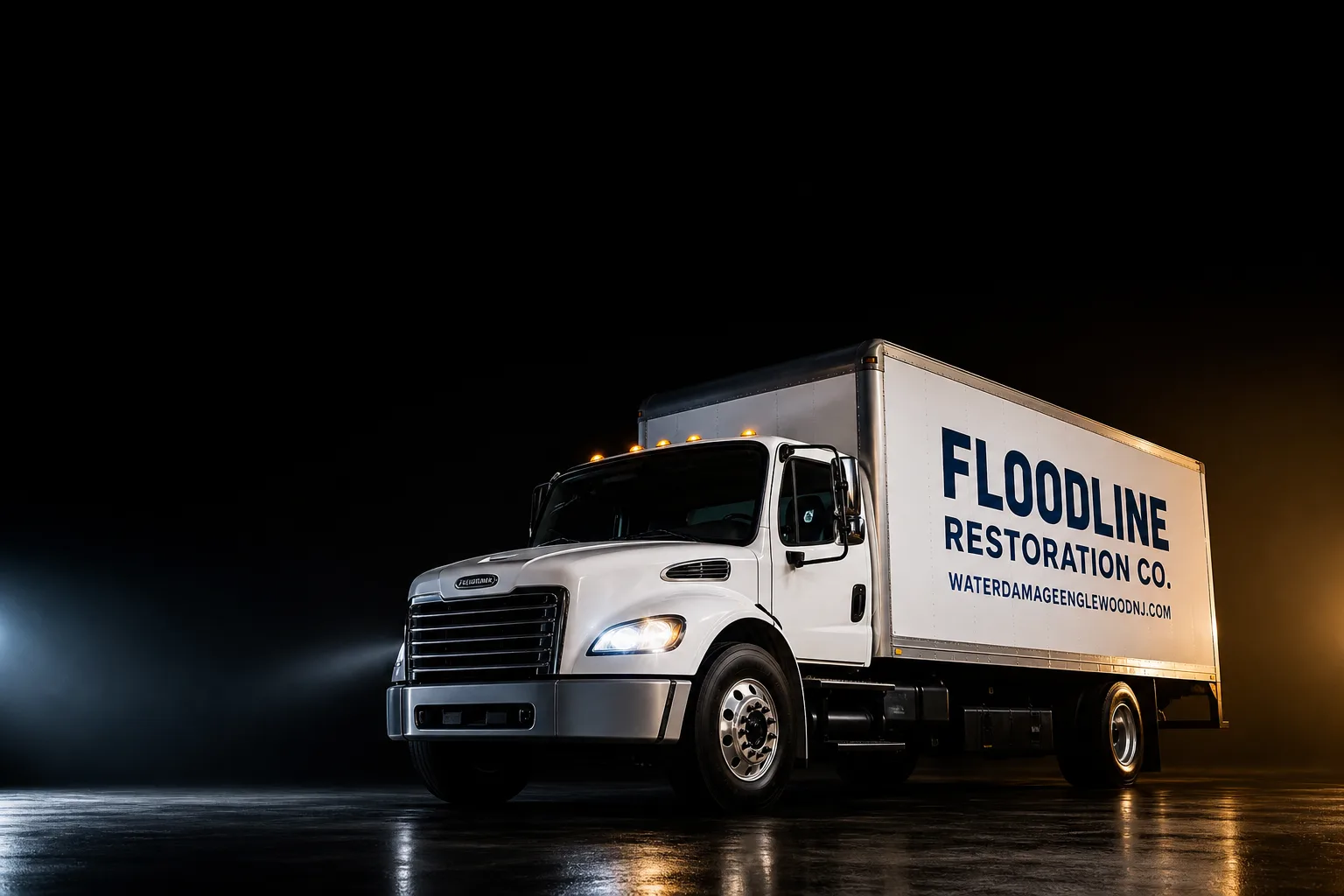
Free visual inspection and a written scope of work before any mitigation begins - photos, moisture readings, and drying logs go in your claim file
The scope we write is the scope we bill. Anything new gets shown to you, in writing, before we touch it.
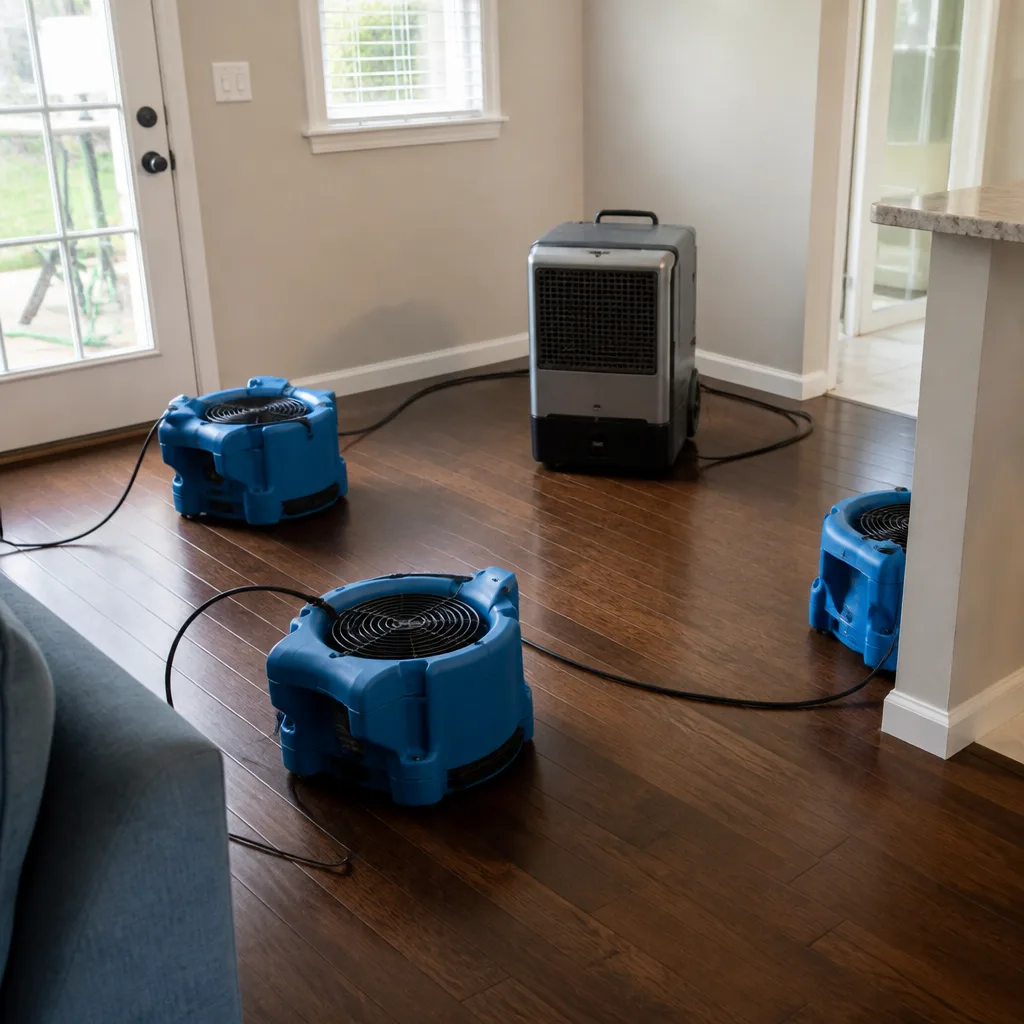
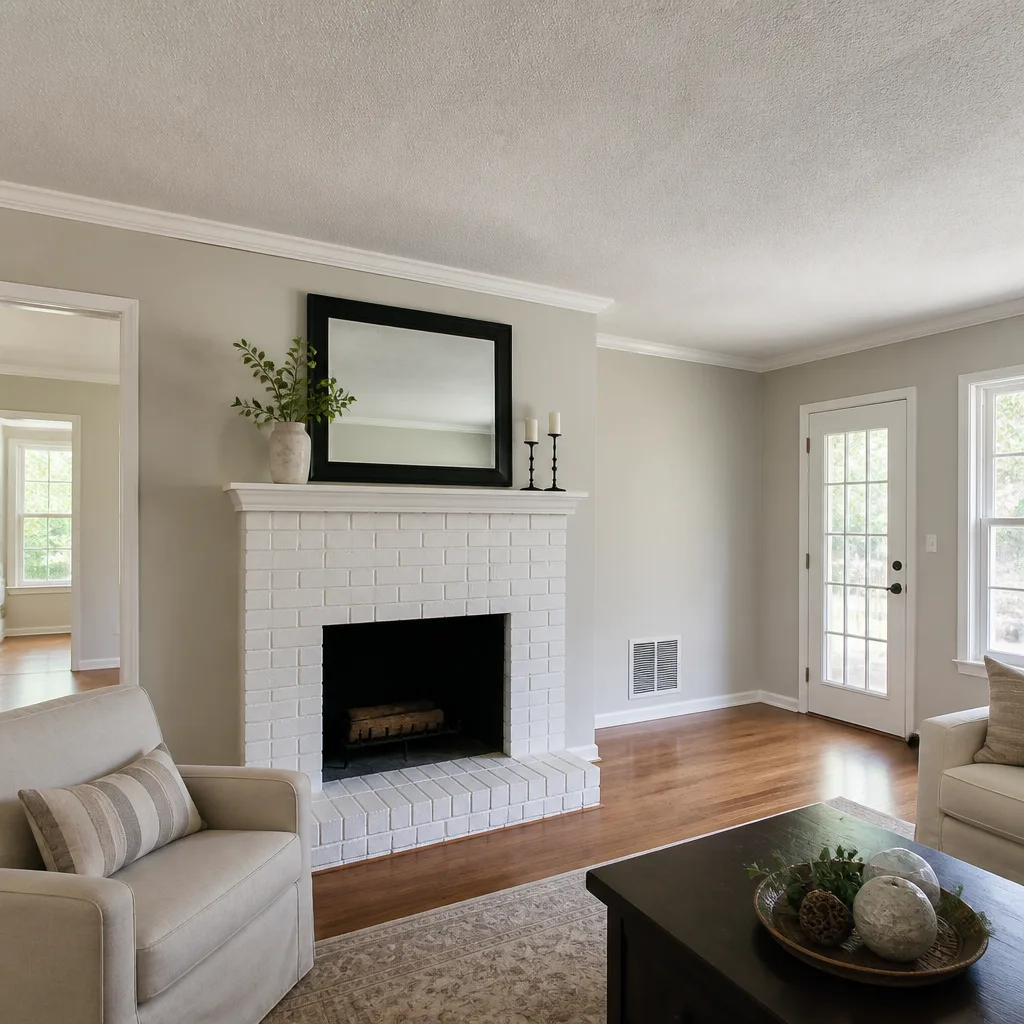
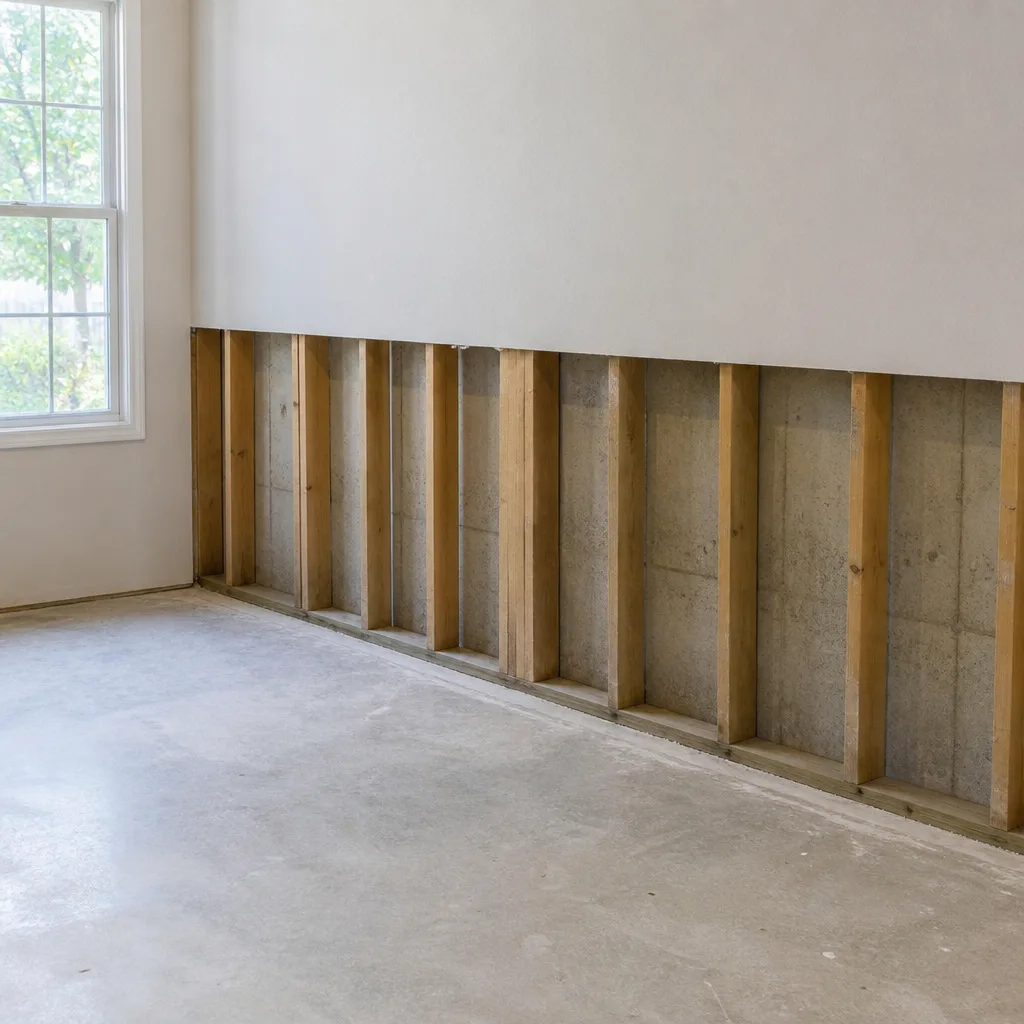
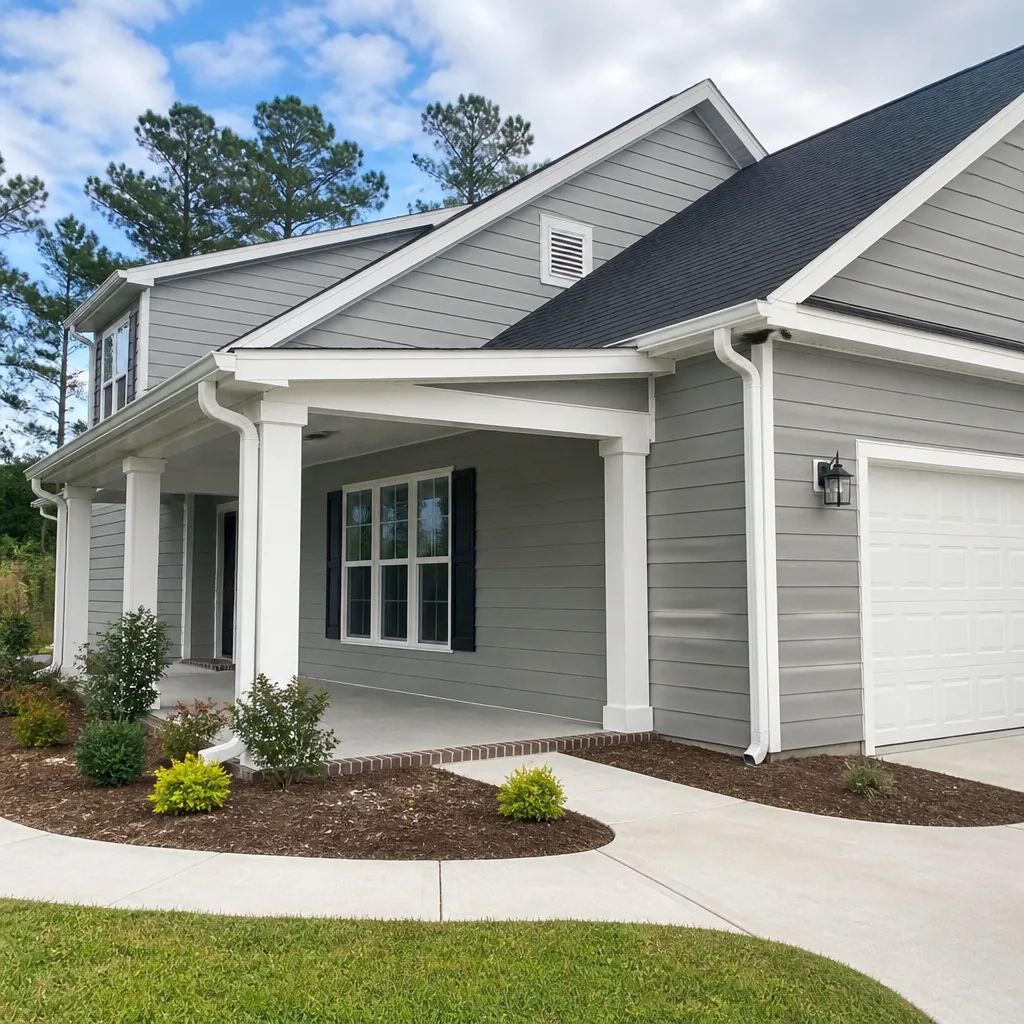
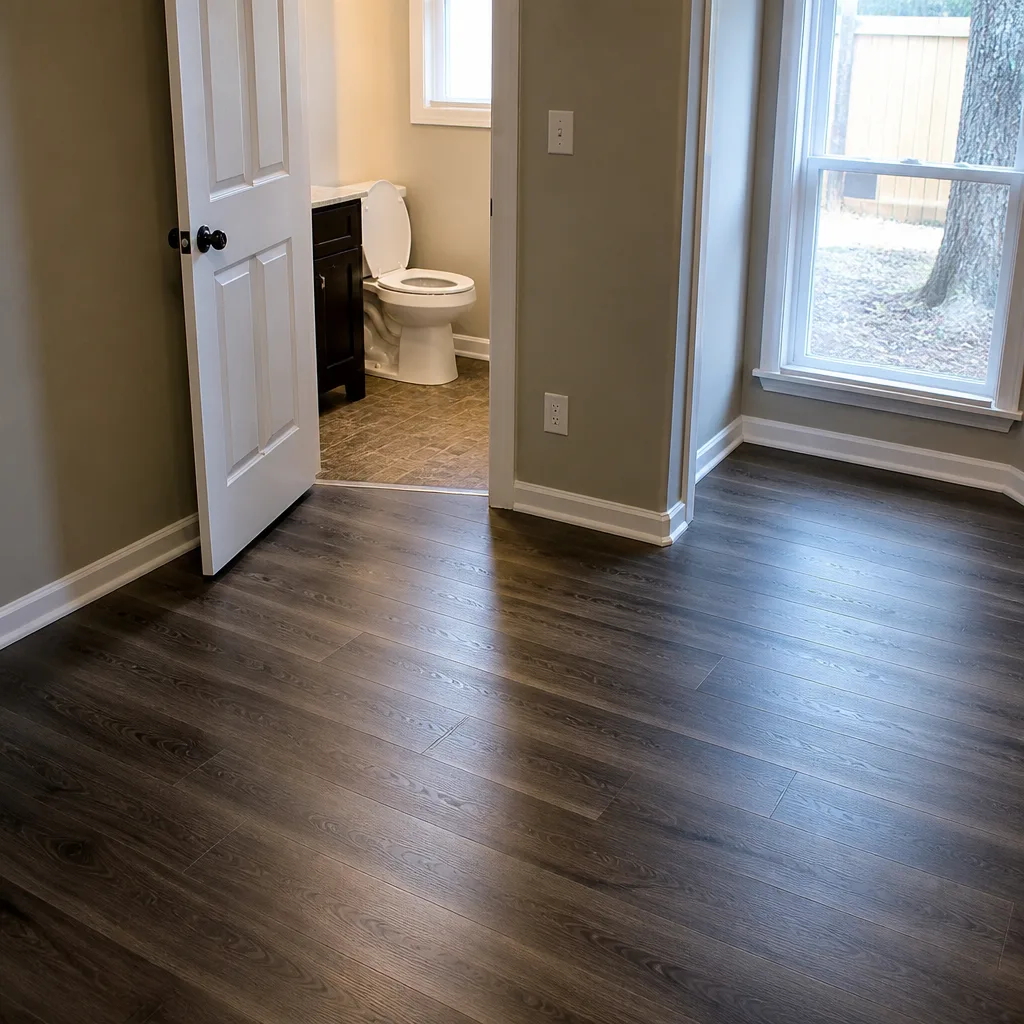
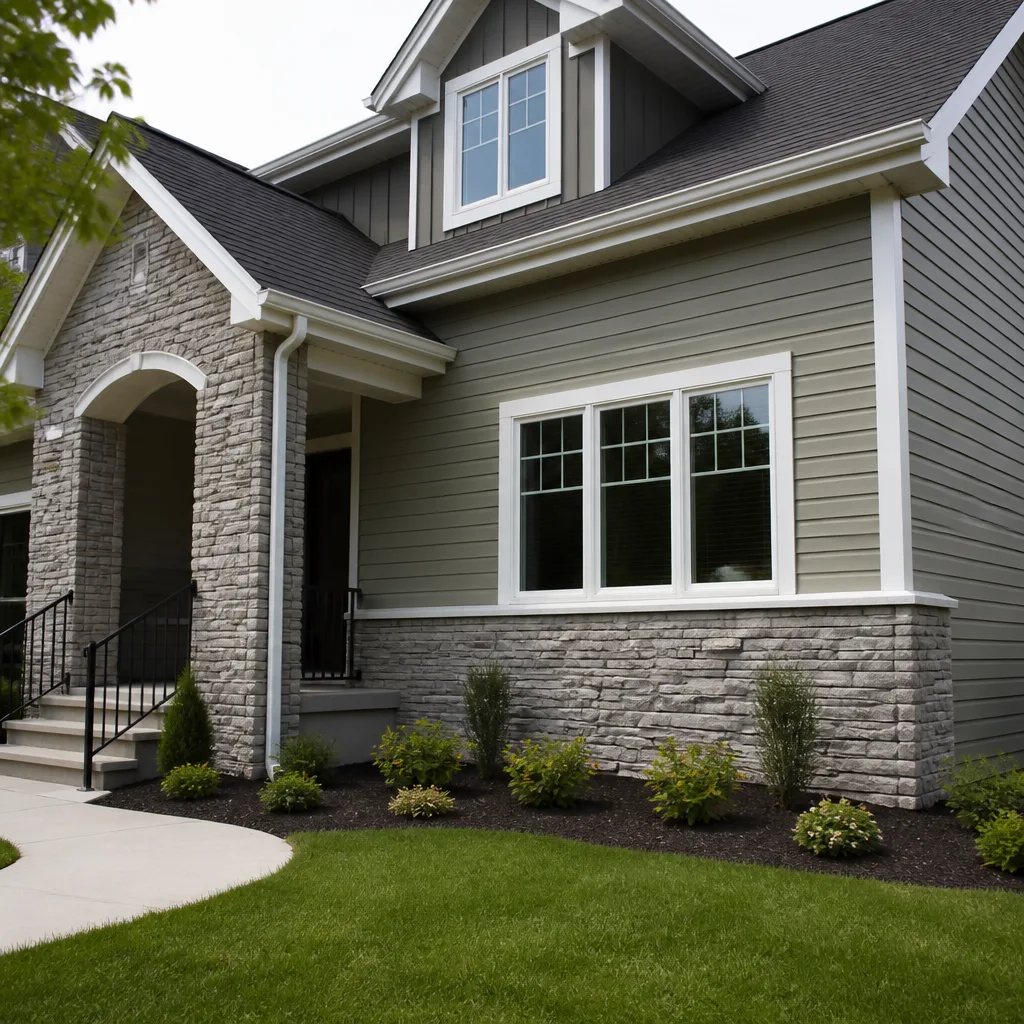
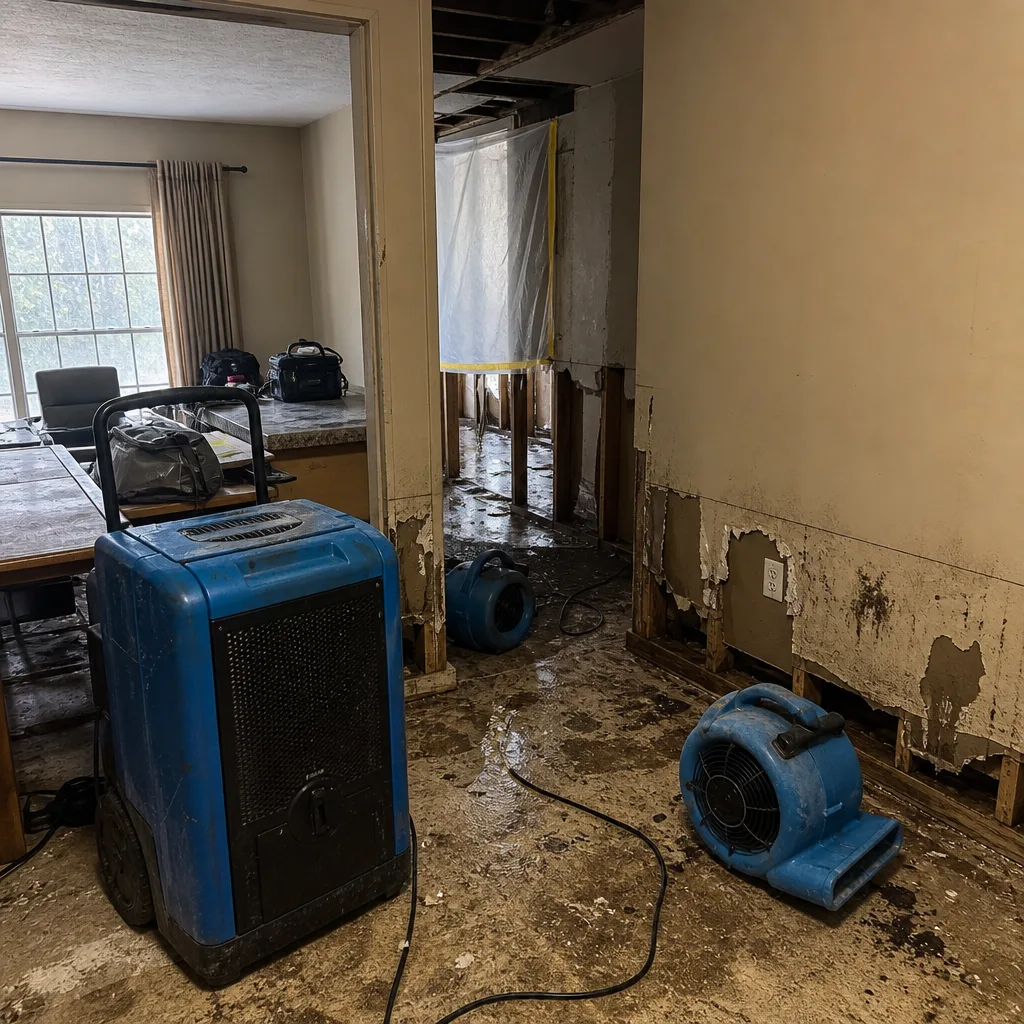 Before
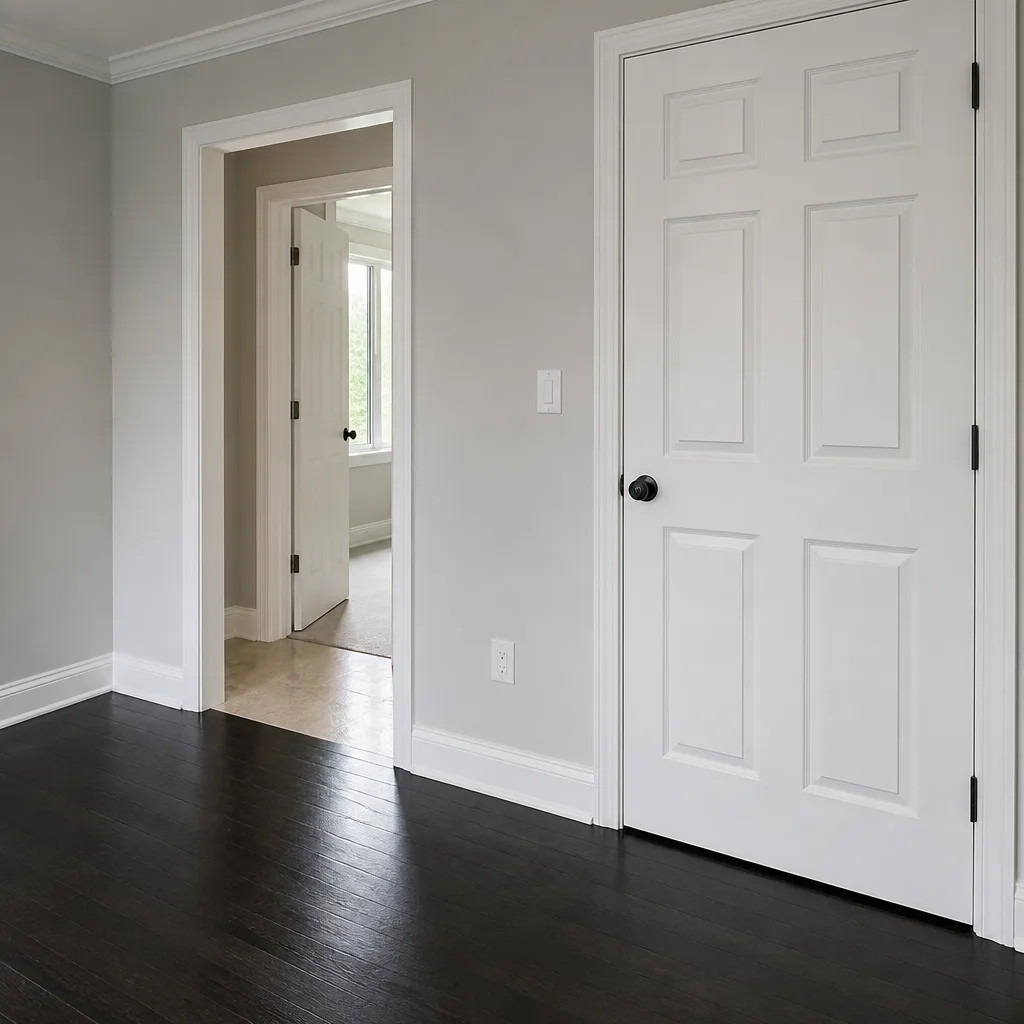 After
After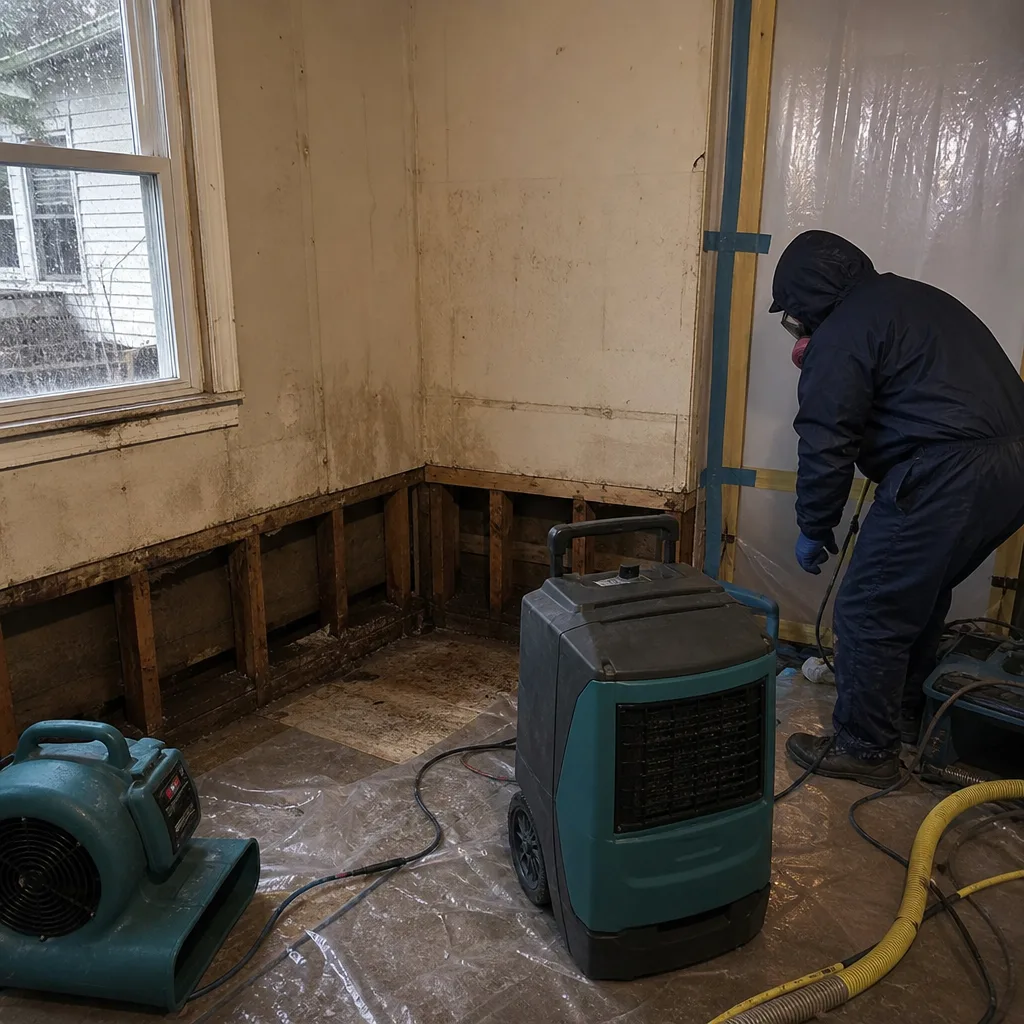 Before
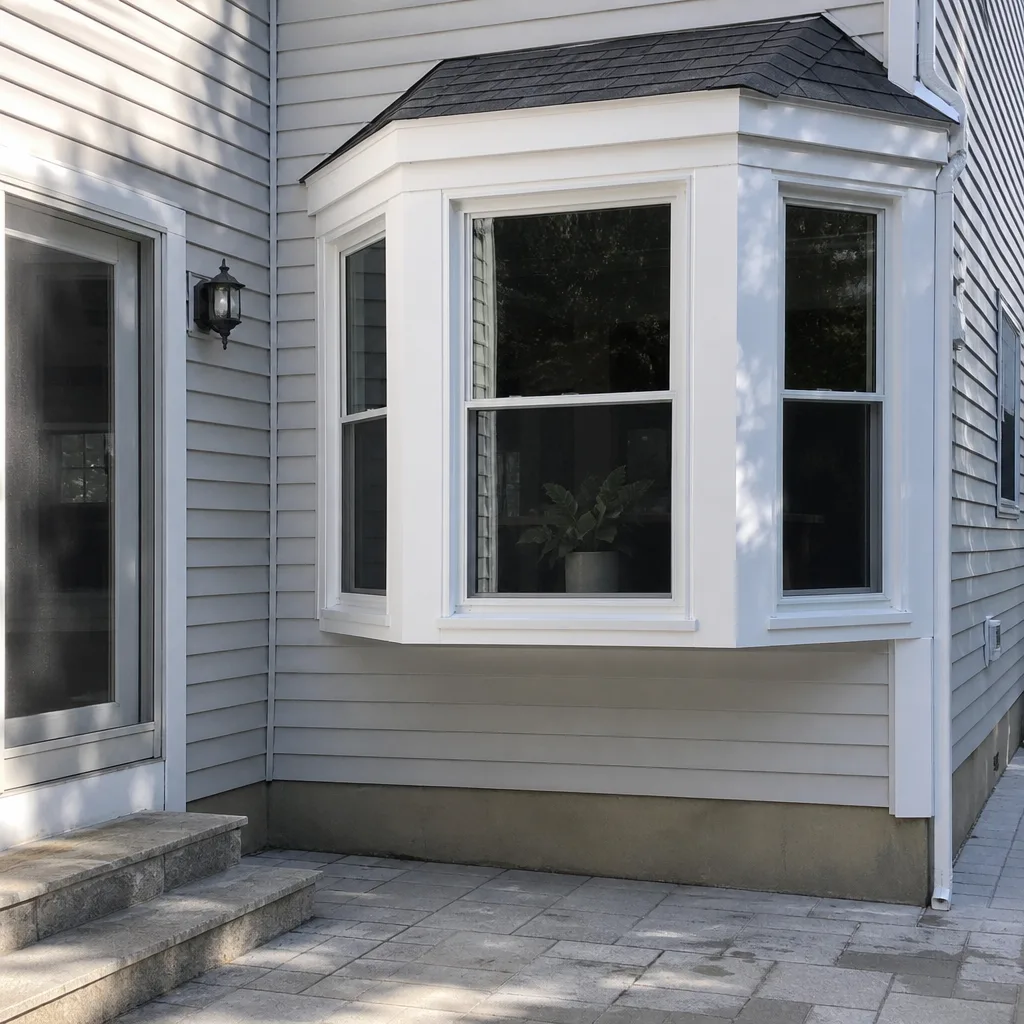 After
After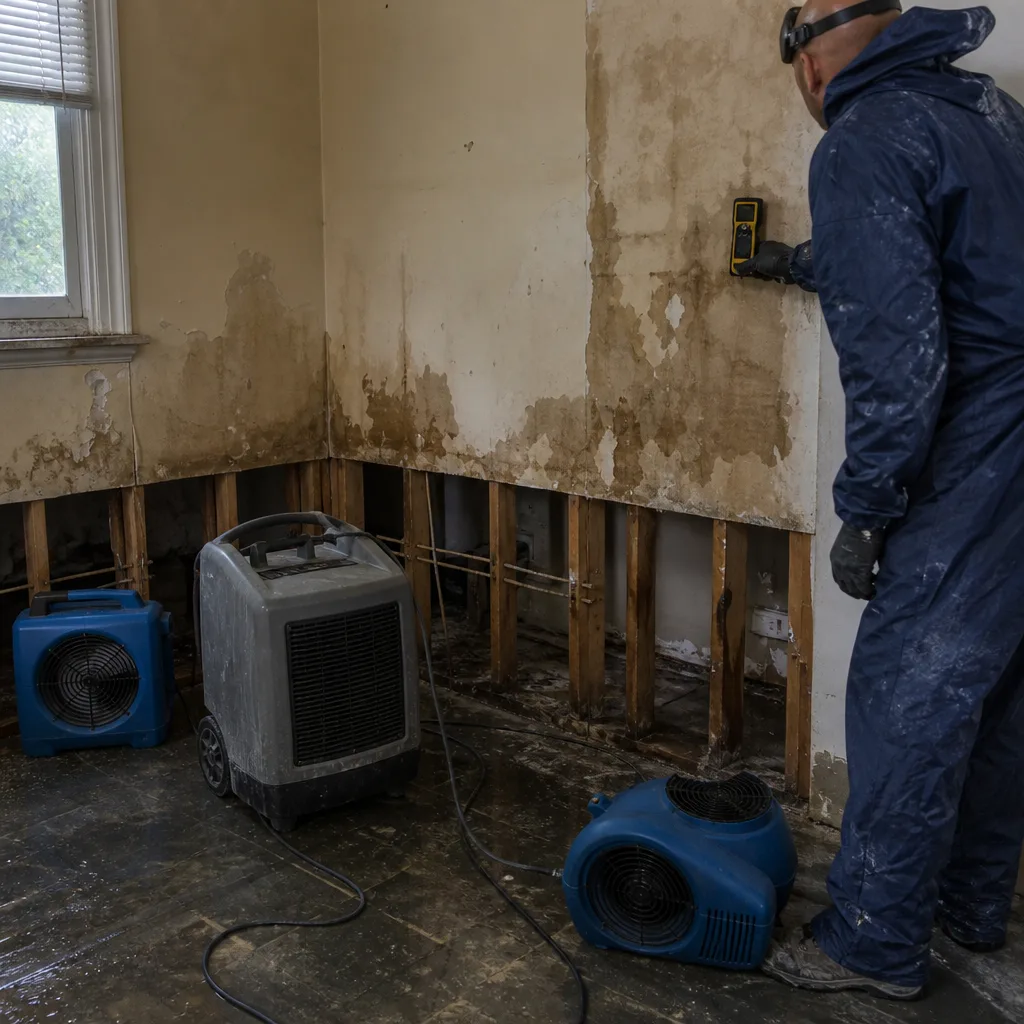 Before
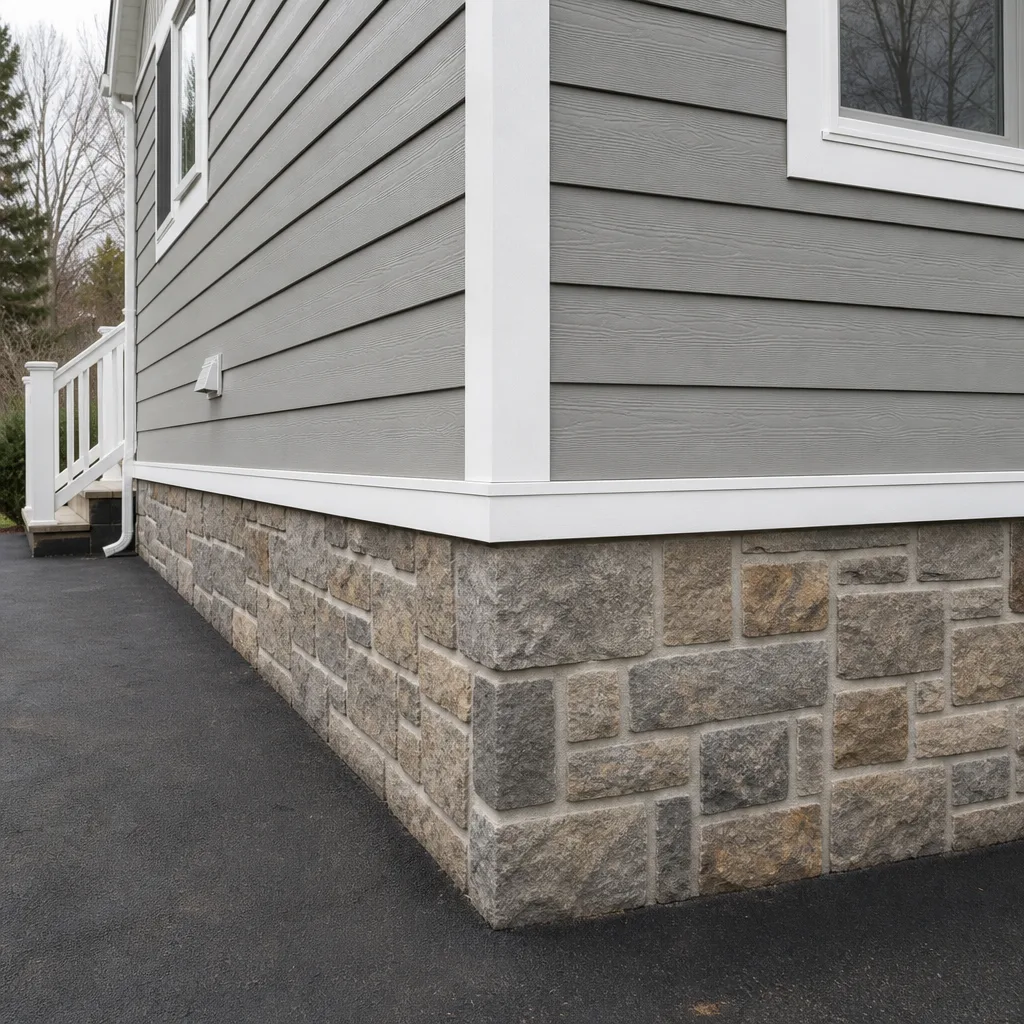 After
After24/7 Emergency Storm & Disaster Restoration in Fort Lee
Storm and disaster restoration in Fort Lee usually starts with water where it shouldn’t be, wind that found a gap in a 40-year-old window seal, or a tree branch through a kitchen window on Lemoine Avenue. Our crews answer live around the clock and can typically reach most Fort Lee addresses within 45 minutes, because we stage vehicles on this side of the George Washington Bridge instead of fighting approach traffic from across Bergen County. Call (201) 729-3780 the moment you see water or wind damage. The first hour determines whether you’re drying drywall or replacing it, and whether wet ceiling tile triggers asbestos testing before we can even set up containment.
Understanding Storm & Disaster Restoration Severity in Fort Lee Properties
Not all storm damage is equal, and Fort Lee’s housing stock makes severity calls different from a single-family home in the suburbs. Wind-driven rain through a failed curtain-wall seal on the 12th floor of a 1970s tower produces Category 1 water initially, but if it’s been tracking down an interior chase wall for two days before you notice the stain on your ceiling, that water is Category 2 by the time we arrive. Moisture mapping matters here more than most places, because water moves vertically through stacked units. We use thermal imaging and hygrometers to find what’s wet behind drywall and inside flooring cavities before demolition starts, so we’re cutting exactly what needs cutting and nothing more. In pre-1990 construction, wet pipe insulation and ceiling tile also trigger asbestos testing requirements, which changes the containment and sequencing of the entire job. This is not a basement-flood scenario. This is high-rise storm restoration, and it follows a different playbook.
Why Fort Lee Property Owners Choose Floodline Restoration Co.
- 45-minute response commitment - we stage locally near Fort Lee’s approach corridors, so a nor’easter doesn’t strand us in GWB traffic while your 10th-floor unit keeps taking water.
- Live answer at 2 a.m., every time - a dispatcher picks up, not an answering service. The same dispatcher who took the call can tell you which crew is en route and what they’re driving.
- IICRC-certified crews with WRT and ASD codes - our technicians hold Water Damage Restoration and Applied Structural Drying certifications, and they’ve worked high-rise chases, elevator-shaft water tracking, and HOA-required containment before.
- Free visual inspection before you commit - we tell you what we see, what it costs to fix, and what can wait. A square deal, in writing, before work starts.
- Direct insurance billing, no messenger role for you - we document everything, talk to your adjuster, and bill the carrier directly wherever your policy allows.
- One team from first extraction to final paint - Curt Bowman built Floodline around a dispatch board, not a sales desk. The crew that reads the moisture map on day one is the same crew that rebuilds the wall on day ten.
Our Storm & Disaster Restoration Process
Inspection & Assessment
We walk the affected unit and any adjacent spaces, including the hallway, the unit below, and mechanical rooms. Thermal imaging finds water behind walls and under flooring. We check for pre-1990 materials that will require asbestos testing before demolition. You get a written scope, not a verbal estimate.
Extraction & Stabilization
Standing water comes out first. On high floors, we use truck-mounted extraction where building access allows, and portable Dri-Eaz units where it doesn’t, because a 14th-floor condo doesn’t have a driveway for a truck-mount. If wind blew out a window or a tree branch breached the roof, we board up and tarp before anything else.
Drying & Dehumidification
Air movers and Phoenix dehumidifiers go in after containment is set, not before, and not at all if asbestos testing hasn’t cleared the materials we need to open. We log moisture readings every four hours and hand you and the carrier the drying log. The dry standard is measurable, not a feeling.
Cleaning & Sanitization
Category 2 and 3 water carry contaminants. Storm water that ran through a roof drain or a backed-up sewer line needs antimicrobial treatment, not just drying. We clean what can be saved and remove what can’t, with HEPA air scrubbers running during demolition.
Specialty Treatment for Storm Damage
Fort Lee’s high-rises have specific failure modes: window perimeter seal failures, parapet flashing gaps, clogged roof drains, wind-driven rain through exhaust vents. Each one gets a targeted repair, not a generic patch. We treat the cause, not just the wet drywall.
Repairs & Restoration
The same crew that extracted and dried your unit rebuilds it. Drywall, paint, flooring, trim, whatever came out goes back in. You don’t get a handoff to a sub you’ve never met. You get the 90-Day Done Right Promise in writing, so if something isn’t right, we make it right.
Need Emergency Storm & Disaster Restoration in Fort Lee Now?
Crews minutes away, answering live 24 hours a day. The sooner we start, the less it costs.
Working With Your Insurance Company
Most Fort Lee storm and water losses are covered under standard condo or homeowner policies, but high-rise claims get complicated fast. Is it the HOA’s master policy or your unit owner’s policy? Who pays for the asbestos testing? What about the neighbor below? We’ve handled hundreds of these claims in Fort Lee’s towers, and we document from the first hour because adjusters trust line-item scopes, dated photos, and moisture logs more than they trust a contractor’s word. You won’t play messenger between us and your carrier. We coordinate directly, explain the difference between sudden water damage and long-term seepage in terms your policy actually uses, and bill the carrier directly wherever allowed. A photo-documented loss with a linear, defensible scope settles faster and with fewer back-and-forth denials.
What We Provide Your Insurer
- Thorough documentation of the loss
- Photos of all damage, room by room
- Moisture readings and drying logs
- A detailed, line-item scope of work
- Direct coordination with your carrier
Built for Fort Lee’s Loss Calendar
Fort Lee’s storm damage follows a pattern that anyone who’s lived here a few years recognizes. January and February deep freezes burst supply lines in unheated mechanical rooms and along exterior walls, and in a 15-story building on Palisade Avenue that means water running down into 14 other units. Spring brings nor’easters that drive rain horizontally into upper-floor window seals and parapet flashings; the wind here comes off the Hudson unobstructed and hits the cliffside towers at full force. Summer thunderstorms overwhelm aging municipal sewers in the lower streets near the GWB approach, backing up into below-grade parking garages and mechanical rooms. Fall is the quietest season, but it’s when we see the damage that’s been sitting all summer, the slow leak that finally stained the ceiling. We plan crews around this calendar, because Fort Lee’s loss pattern doesn’t look like the rest of Bergen County’s.
Storm & Disaster Restoration Across Fort Lee’s Neighborhoods
Response routes matter in Fort Lee. The Palisade Avenue corridor runs north-south along the cliff edge, and the towers there, mostly built between 1965 and 1985, have the most window-seal and parapet failures because they take the full force of river wind. Center Avenue runs parallel inland, and its mid-rise buildings deal with more sewer backup and pipe failure than wind damage. The lower streets near Lemoine Avenue and the Bridge Plaza sit tight against the GWB approach, where access for a box truck means coordinating with building staff, sometimes the police detail, and always the parking situation. Main Street’s older commercial buildings have flat roofs and aging drains, so ponding water after a heavy storm is common. Across the borough, the pattern holds: high-rise concrete and steel means water travels down, not across, and every job touches more than one unit. We know which buildings have freight elevators, which loading docks can take a truck-mount, and which management offices require COI paperwork before we can park.
Specialized Storm & Disaster Restoration Services We Offer in Fort Lee
Emergency Board-Up
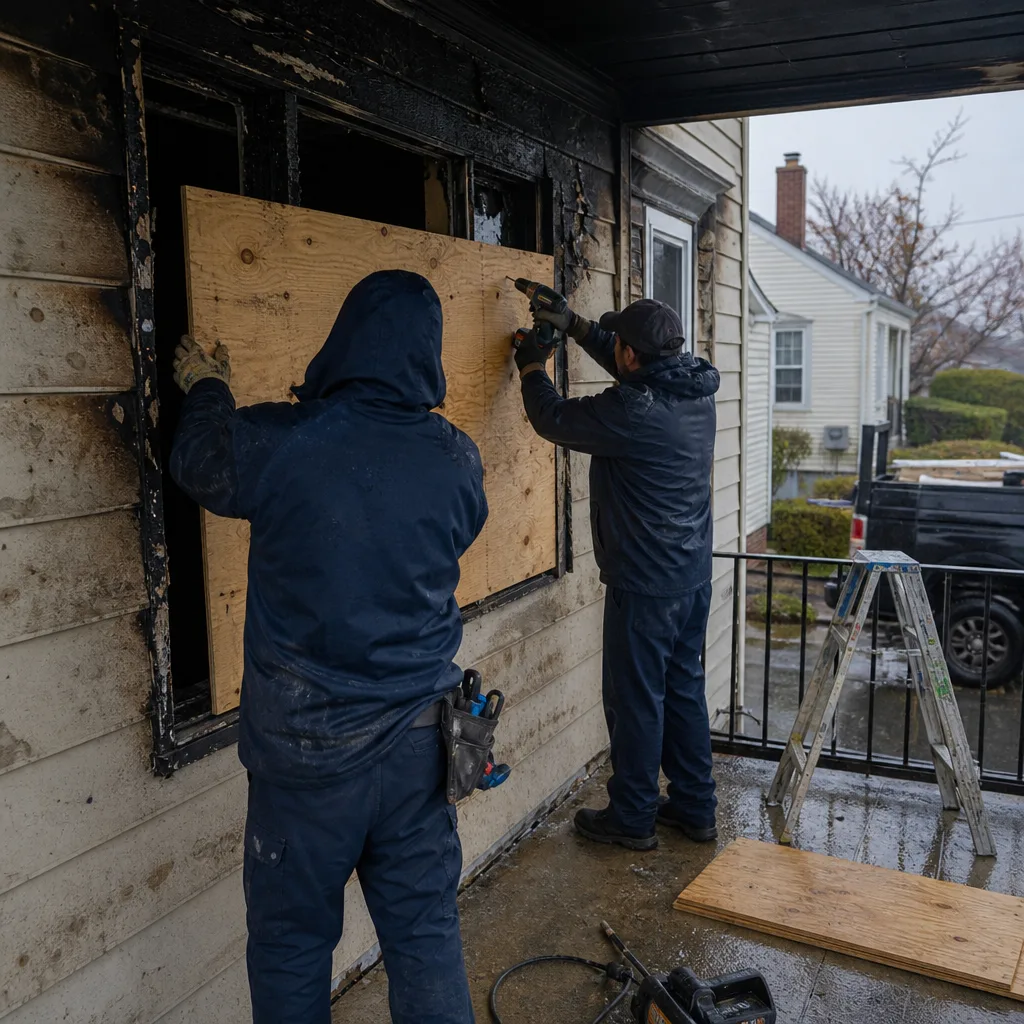
When wind blows out a sliding door on the 9th floor or a branch smashes a bedroom window, the opening has to be secured before rain gets in, before birds get in, before the building’s insurance asks why nobody boarded it up. We board up with plywood cut to fit, secured properly, and photographed for the claim. In Fort Lee’s towers, board-up often involves working from inside the unit because exterior access from a lift isn’t practical above the sixth floor. We handle that.
Roof Tarping
Parapet flashing failures and clogged roof drains are the two most common roof-level storm problems we see in Fort Lee. A tarp buys you time, but it has to be anchored properly or the next nor’easter turns it into a sail. We tarp with multiple anchor points, then document the repair need for the HOA or the owner. On a 1970s tower roof, that often means coordinating rigging and safety tie-offs with building management.
Storm Damage Cleanup
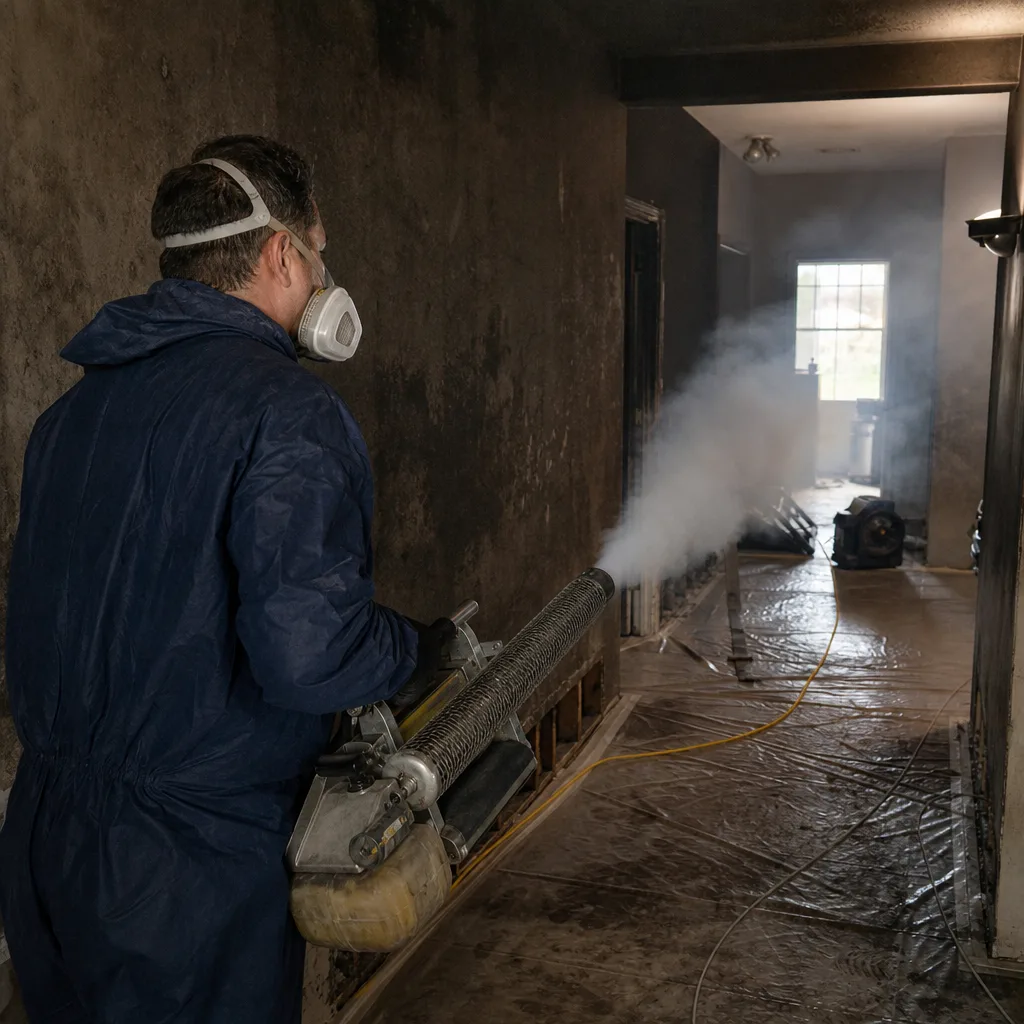
Wind-driven debris, broken glass, soaked carpet pad, water-stained drywall, and the smell that follows if anything sat wet for more than 48 hours. We remove the damaged material, set containment before demolition, and run HEPA air scrubbers so the dust from cutting wet drywall doesn’t end up in the hallway. In a stacked condo building, containment is not optional. It’s the difference between one unit being restored and three units being restored.
Flood Damage Restoration
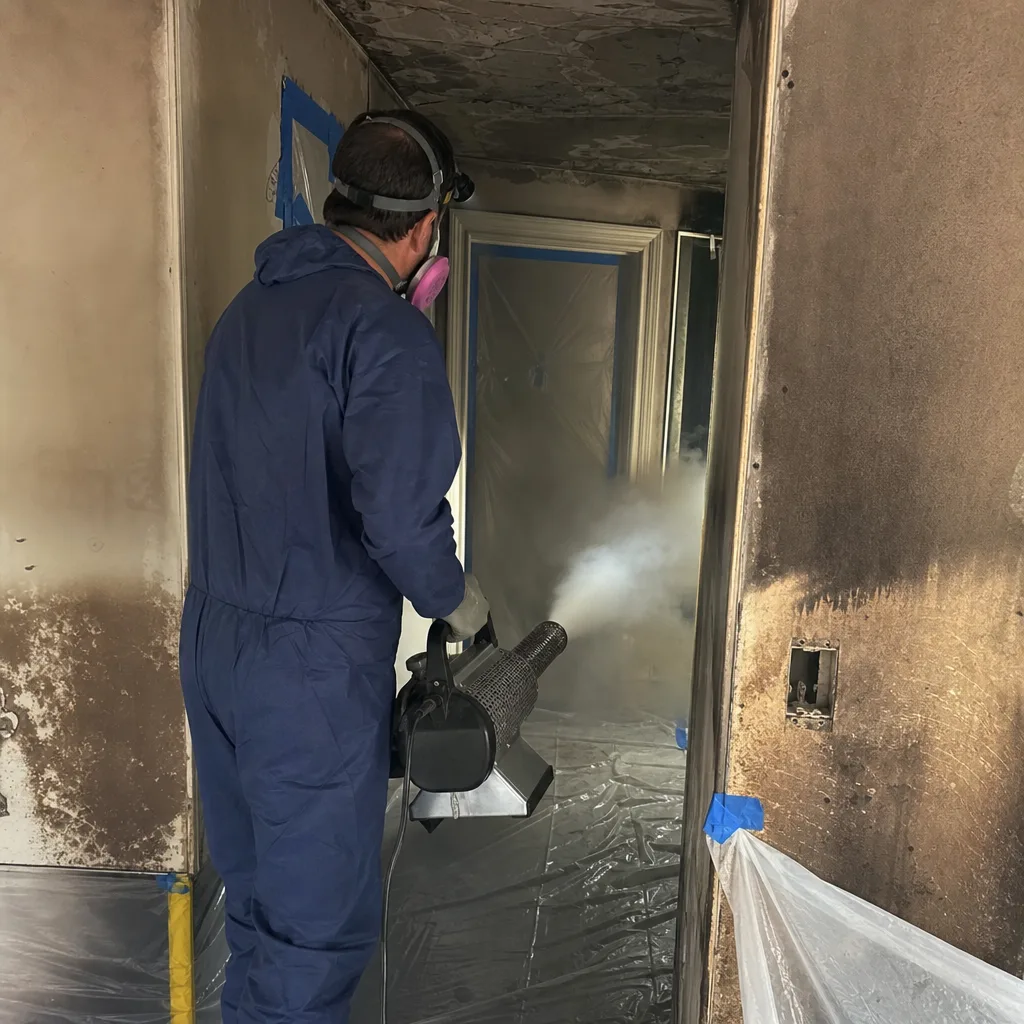
Fort Lee’s elevation up on the Palisades means river flooding isn’t the issue here. The flooding that hits this borough comes from sewer backup in the lower streets, burst risers in high-rises, and storm water that’s been traveling down a chase wall for days. We extract, dry, sanitize, and rebuild, and we know which scenario we’re dealing with before we cut anything.
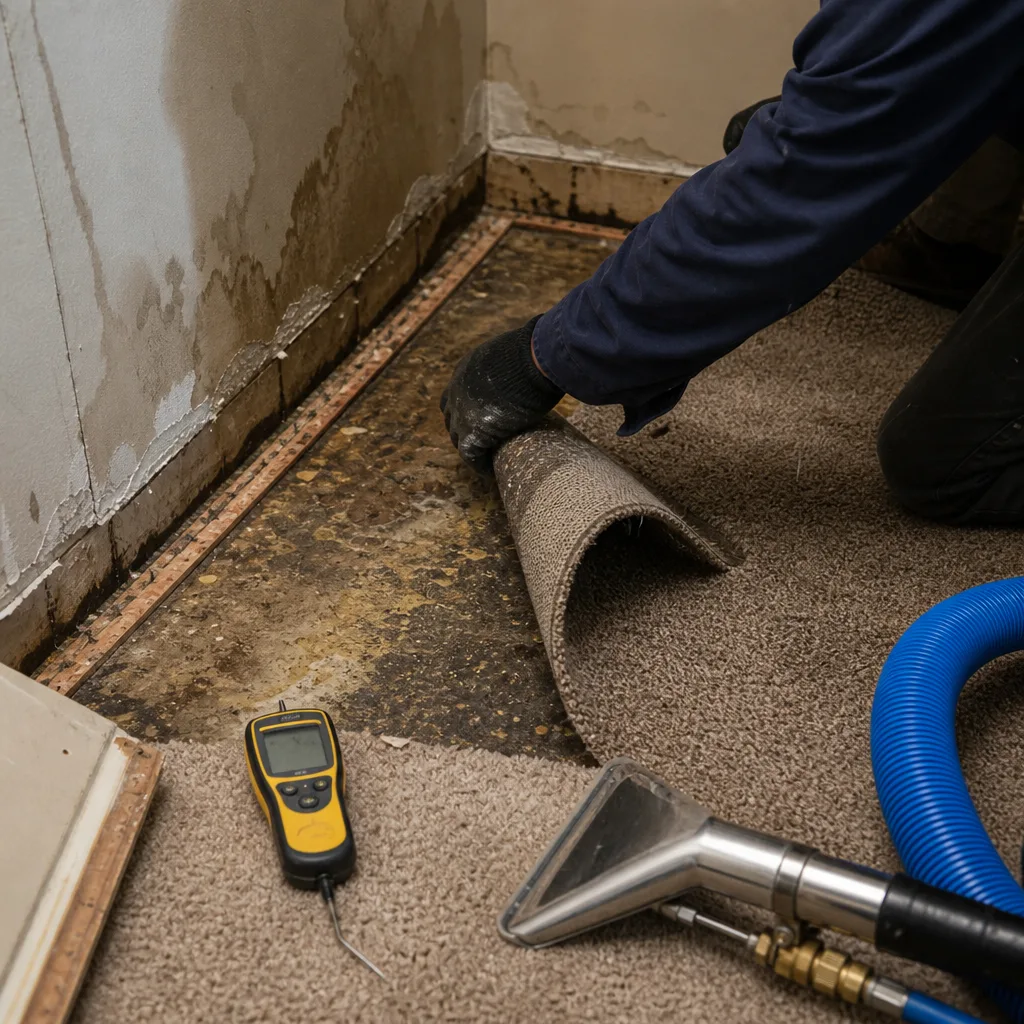
Debris Removal
After a storm, Fort Lee’s narrow alleys and loading docks fill up with broken branches, roofing material, and whatever the wind pulled off a balcony. We haul it, legally, with the right disposal paperwork. If it’s storm debris that touched Category 3 water, that’s a different disposal class, and we handle that too.
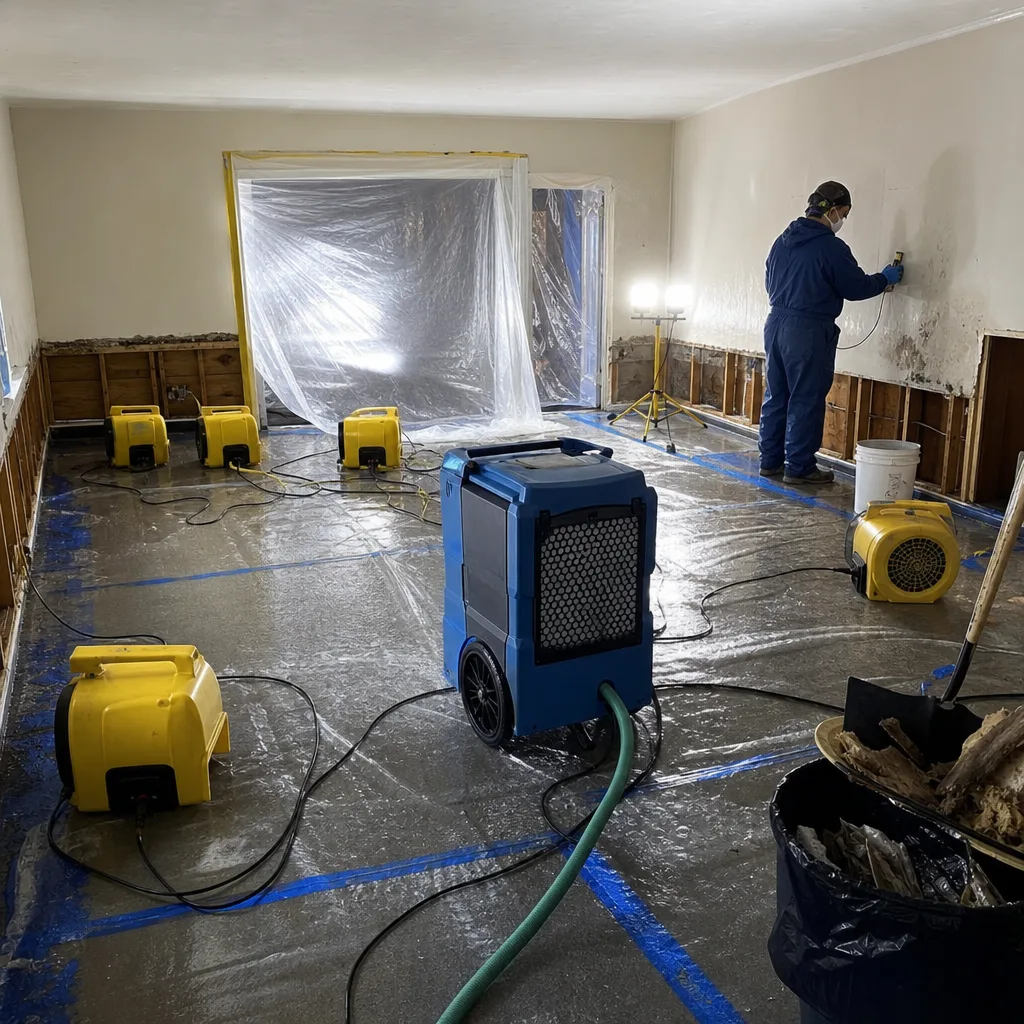
Wind Damage Repair
Wind in Fort Lee does specific things: it lifts parapet caps, it drives rain through window gaskets, it pulls exhaust vent covers off, and it turns balconies into collection points for debris that then blocks drains. Each one is a targeted repair, not a guess. We find the actual entry point, seal it, and restore what got wet behind it.
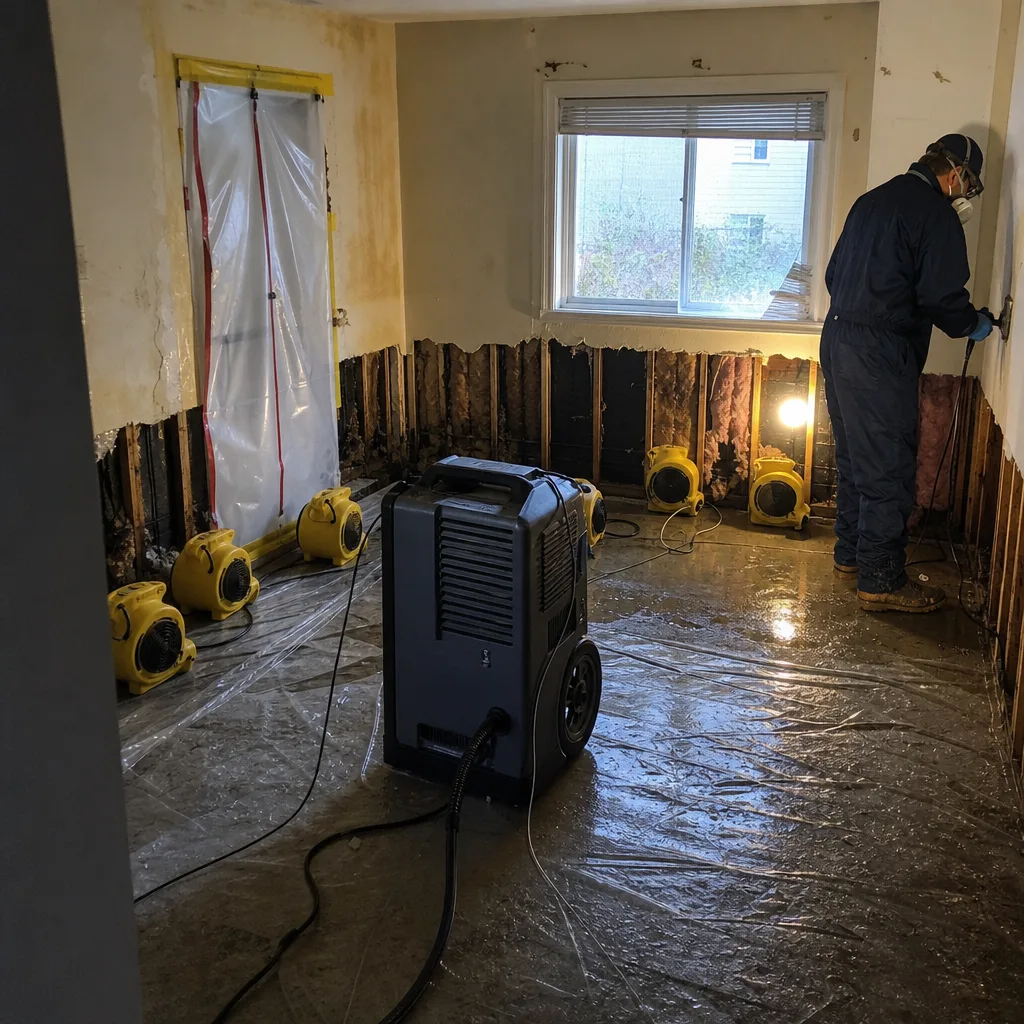
What happens when you call
- 1
A real person answersNo phone trees - you reach a local pro.
- 2
You get an upfront price rangeHonest numbers before anyone is dispatched.
- 3
A background-checked tech heads outLicensed & insured, dispatched right away.
- 4
You approve before work beginsNothing starts until you say go.
Storm & Disaster Restoration Costs in Fort Lee, NJ
Honest numbers help you plan, so here’s what we typically see in Fort Lee’s market. Emergency board-up for a standard window or door runs $250 to $600, depending on size and floor level. Roof tarping on a mid-rise section runs $800 to $2,200, with parapet access adding cost. Storm water extraction and drying for a single high-rise unit starts around $1,800 and goes to $5,000 when multiple rooms are wet and containment is required. Full storm damage restoration, meaning demo, drying, and rebuild in a Fort Lee condo unit, typically lands between $6,000 and $18,000, with multi-unit vertical spread pushing higher. What moves the number: asbestos testing and abatement if pre-1990 materials are wet, HOA coordination requirements, freight elevator access, and whether we’re drying a 600-square-foot one-bedroom or a 2,000-square-foot corner unit with three exposures. The free visual inspection gives you a firm written scope, so you know the number before we start. Call (201) 729-3780 and we’ll walk you through it.
We also offer a Senior & Veteran 5% discount, always, plus $50 off any repair over $250. These stack with your insurance-covered work where applicable.
We Also Serve Cities Near Fort Lee
Our crews regularly work in Leonia, Palisades Park, Englewood Cliffs, and Ridgefield Park. Same live 24/7 answer, same 45-minute response commitment, same team from extraction to rebuild. If your property is in one of those towns, call (201) 729-3780 and ask for dispatch.
Serving Fort Lee, NJ - Our Local Coverage Area
We’re based in the Fort Lee area and know this community well. Use the map below to see our service coverage - if you’re nearby, we can almost certainly help.
Fort Lee Storm & Disaster Restoration Questions, Answered
How does Fort Lee’s high-rise construction affect storm water intrusion on upper floors?
High-rises built from the 1960s through the 1980s along the Palisades face full Hudson River wind exposure, and the weak points are window perimeter seals, parapet flashings, and aging curtain-wall joints. Water enters through these gaps and travels down inside the wall cavity, often showing up one or two floors below the actual entry point. That’s why we moisture-map the entire vertical path, not just the wet spot on your ceiling.
Why does a burst pipe in a Fort Lee condo building often require coordination with the HOA and multiple unit owners?
Because water from a burst pipe in one unit drops into the unit below through floor penetrations, and often tracks into the shared hallway chase or elevator shaft. In a 20-story building, a 10th-floor supply line failure can wet 5 to 12 units. The HOA’s master policy may cover common areas while each unit owner’s policy covers interior finishes, so restoration often means working with multiple adjusters, multiple sets of permissions, and the building manager simultaneously. We handle that coordination daily in Fort Lee.
What is the typical response time advantage for a locally staged restoration crew during a Fort Lee nor’easter?
We can usually be on site within 45 minutes of your call, because our crews stage on the Fort Lee side of the George Washington Bridge instead of crossing from Bergen County in storm traffic. During a nor’easter, that 45 minutes of local staging is often the difference between drying drywall and replacing it. The sooner extraction starts, the less demolition you’re paying for.
Does Fort Lee’s elevation protect against basement flooding during heavy rain?
Mostly, yes. Sitting on top of the Palisades means river flooding doesn’t reach Fort Lee. But the lower streets near the GWB approach sit lower than the surrounding grid, and aging municipal sewer lines there can back up during heavy sustained rain. Below-grade parking garages and mechanical rooms in those buildings are the typical flood points. We see this pattern every summer.
When should emergency board-up be requested for a Fort Lee apartment after storm damage?
Immediately after the opening happens, for two reasons. Rain gets in faster than you think, and an open window or door on an upper floor is a liability for the whole building. We board up as soon as we arrive, even before extraction starts on the wet areas, because securing the envelope stops the loss from growing while the moisture map is being built.
Will insurance cover storm damage restoration in Fort Lee?
Most condo unit policies cover sudden storm damage, but the HOA’s master policy might be primary for the building envelope failures like window seals and parapet flashing. We document everything, coordinate with all relevant carriers, and bill them directly wherever your policy allows. The faster the documentation is thorough, the fewer questions the adjuster has later.
Do I need to leave my unit during storm restoration?
It depends on the extent. A single-room dry-out with containment often allows you to stay, especially in a larger unit. If asbestos testing triggers abatement, or if we’re doing full demolition across multiple rooms with negative air pressure running, you’ll want to be out for a few days. We tell you straight on the first visit what’s safe and what isn’t.
What should I do in the first 30 minutes after storm damage?
Call us at (201) 729-3780. If it’s safe to do so, shut off the water if a pipe burst, move valuables out of the wet area, and close interior doors to limit airflow. Don’t run a household fan on wet drywall, and don’t touch any wet material in a pre-1990 building until testing clears it. We handle the rest, from first extraction to final rebuild.
Written by Curt Bowman, Owner at Floodline Restoration Co., providing Storm & Disaster Restoration in Fort Lee with a live 24/7 crew answering every call.