

Free visual inspection and a written scope of work before any mitigation begins - photos, moisture readings, and drying logs go in your claim file
The scope we write is the scope we bill. Anything new gets shown to you, in writing, before we touch it.
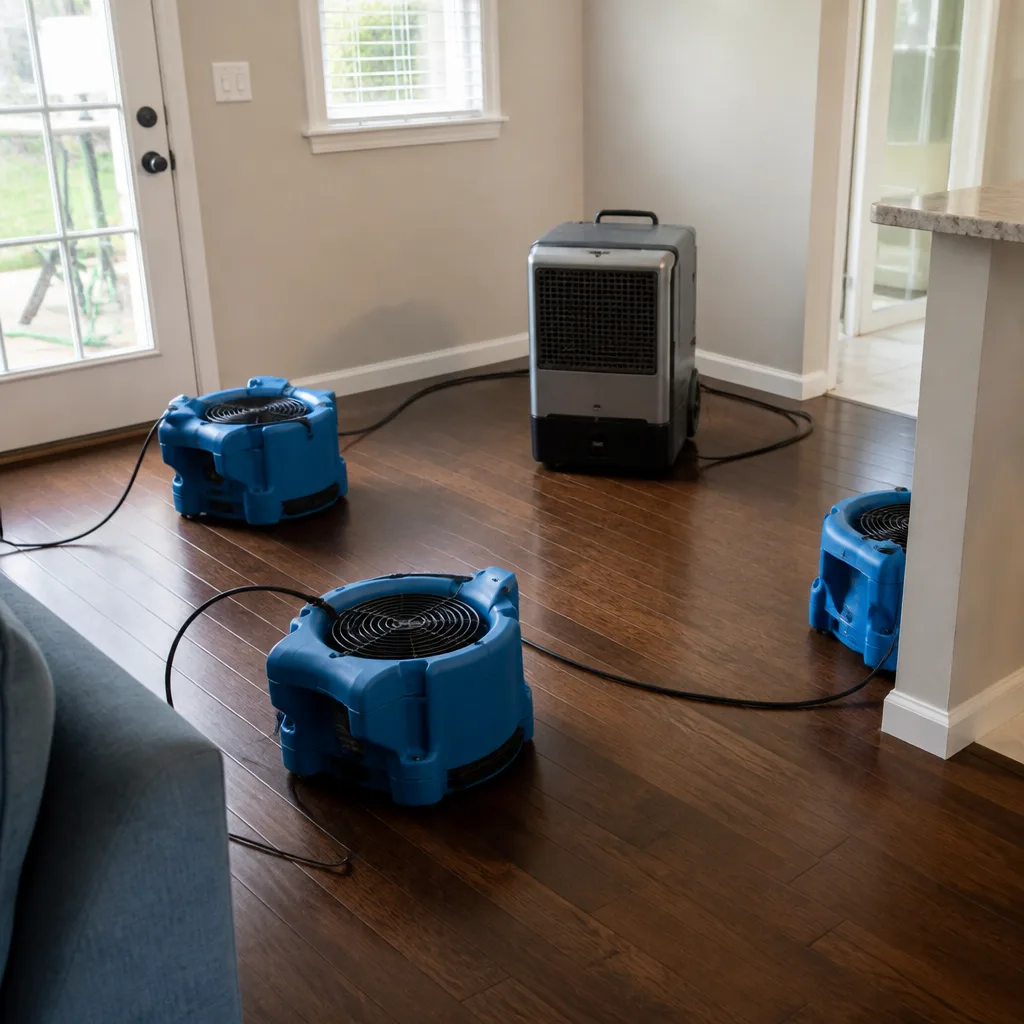
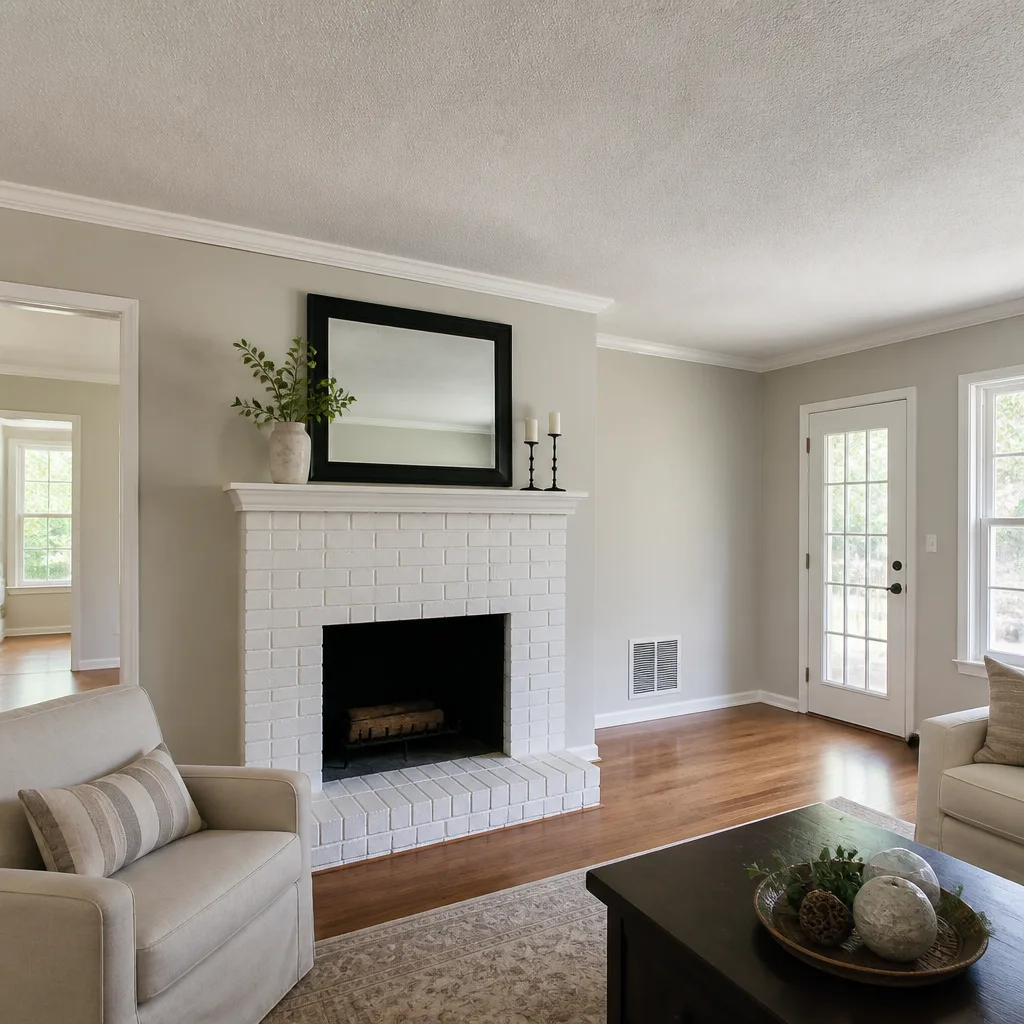
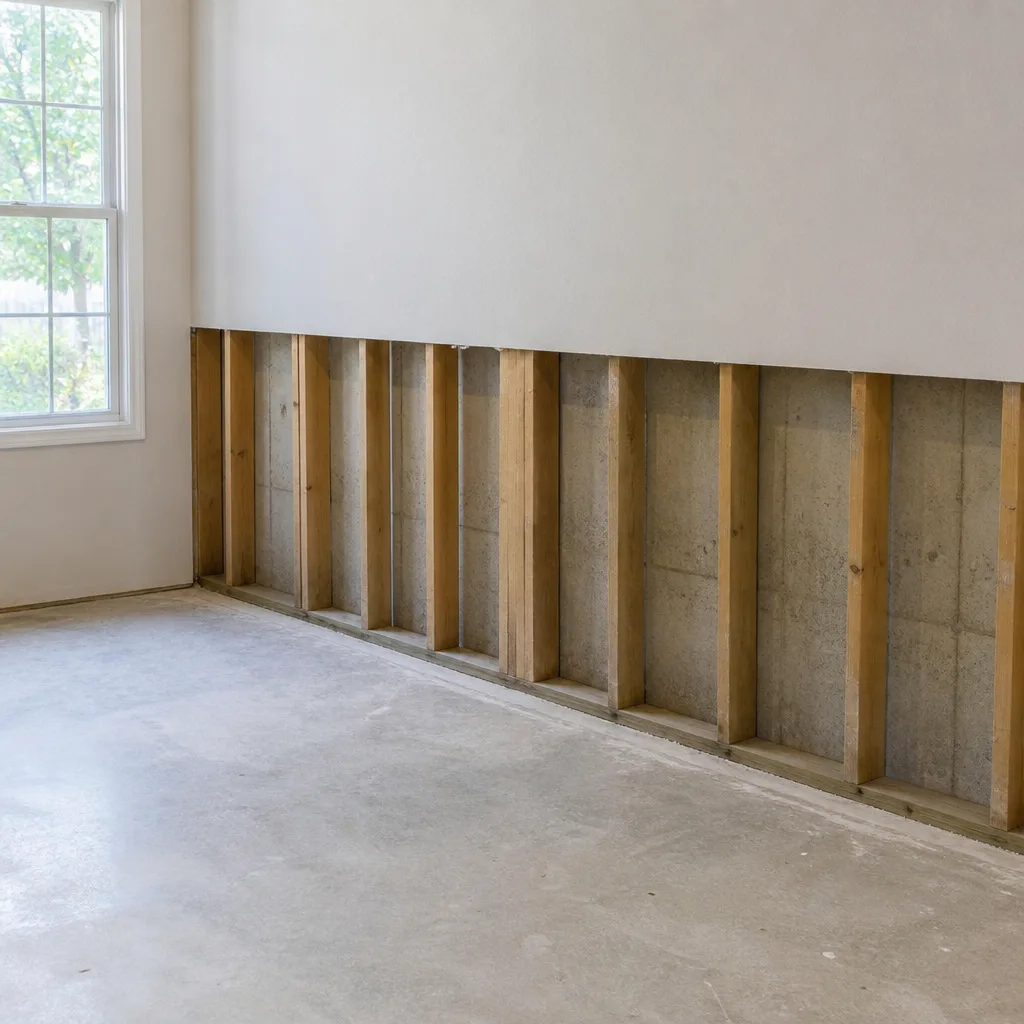
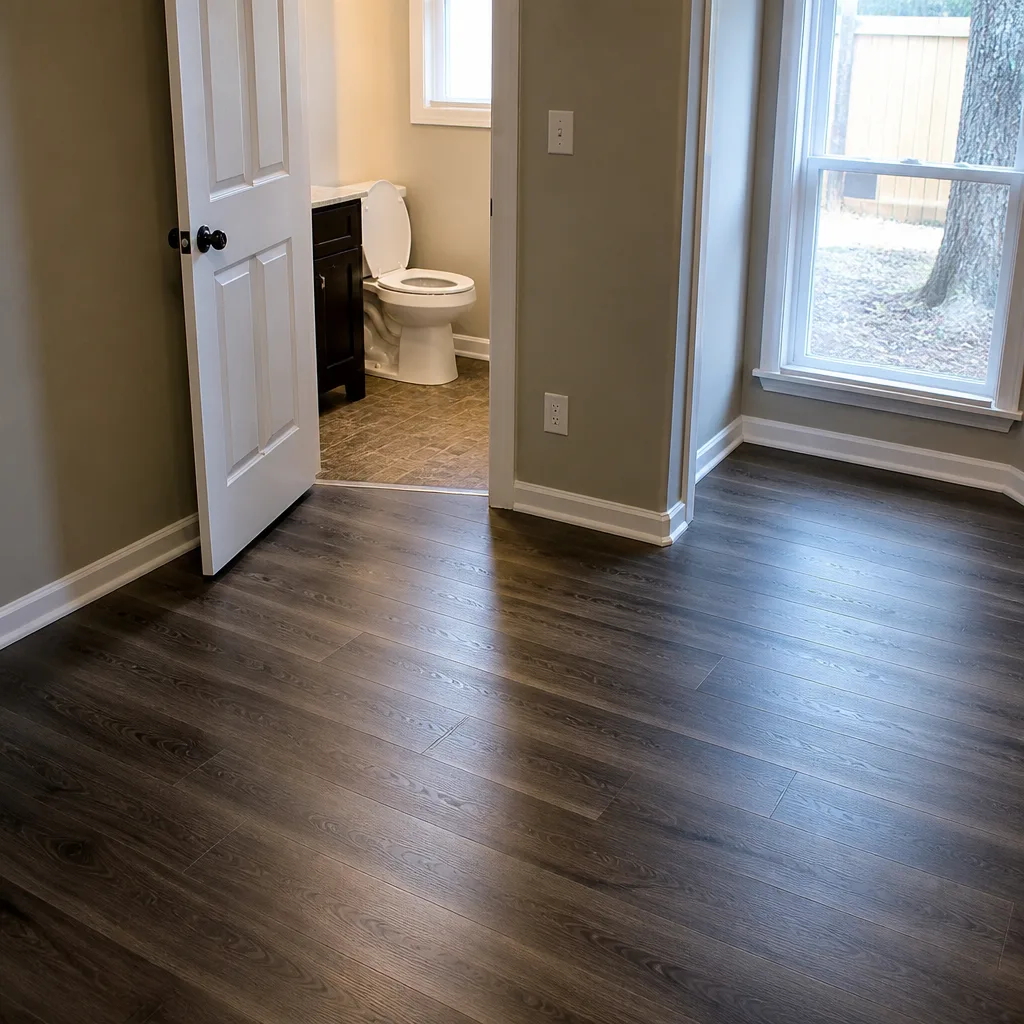
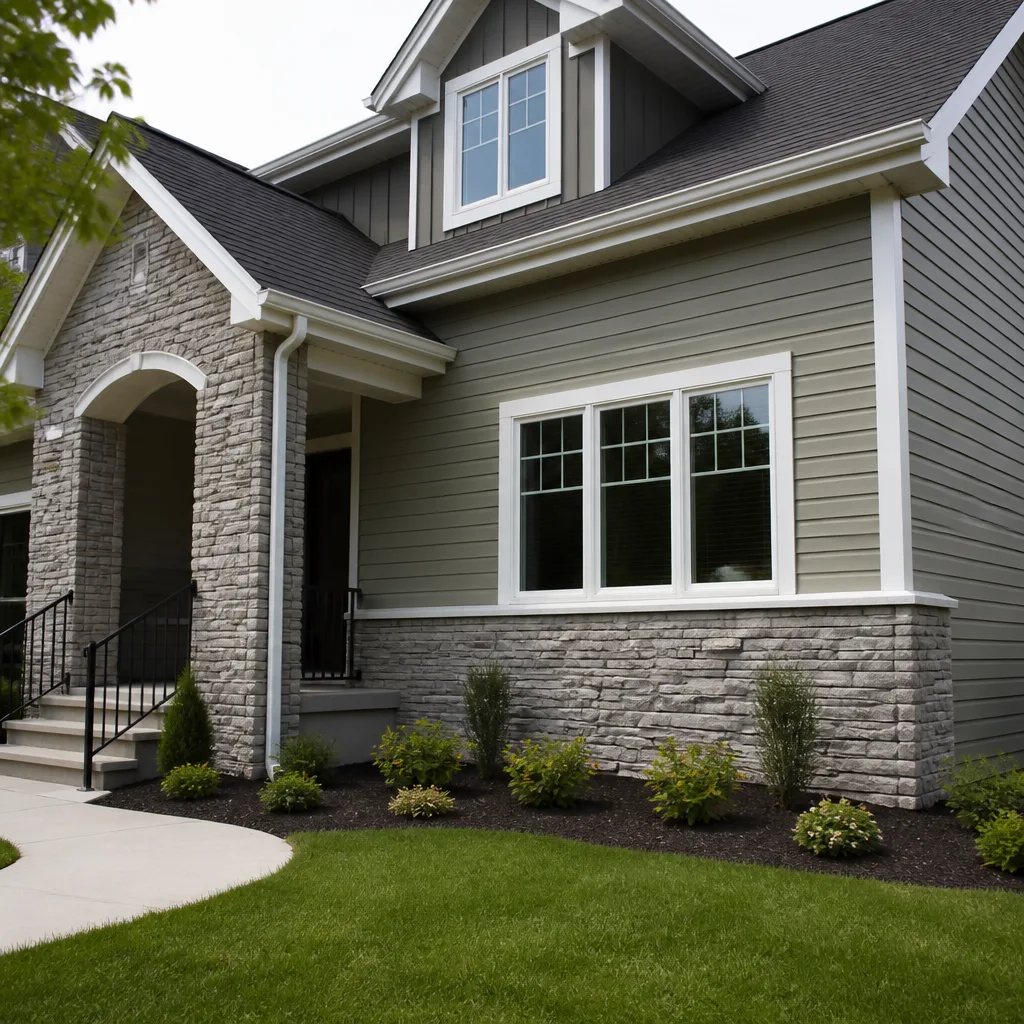
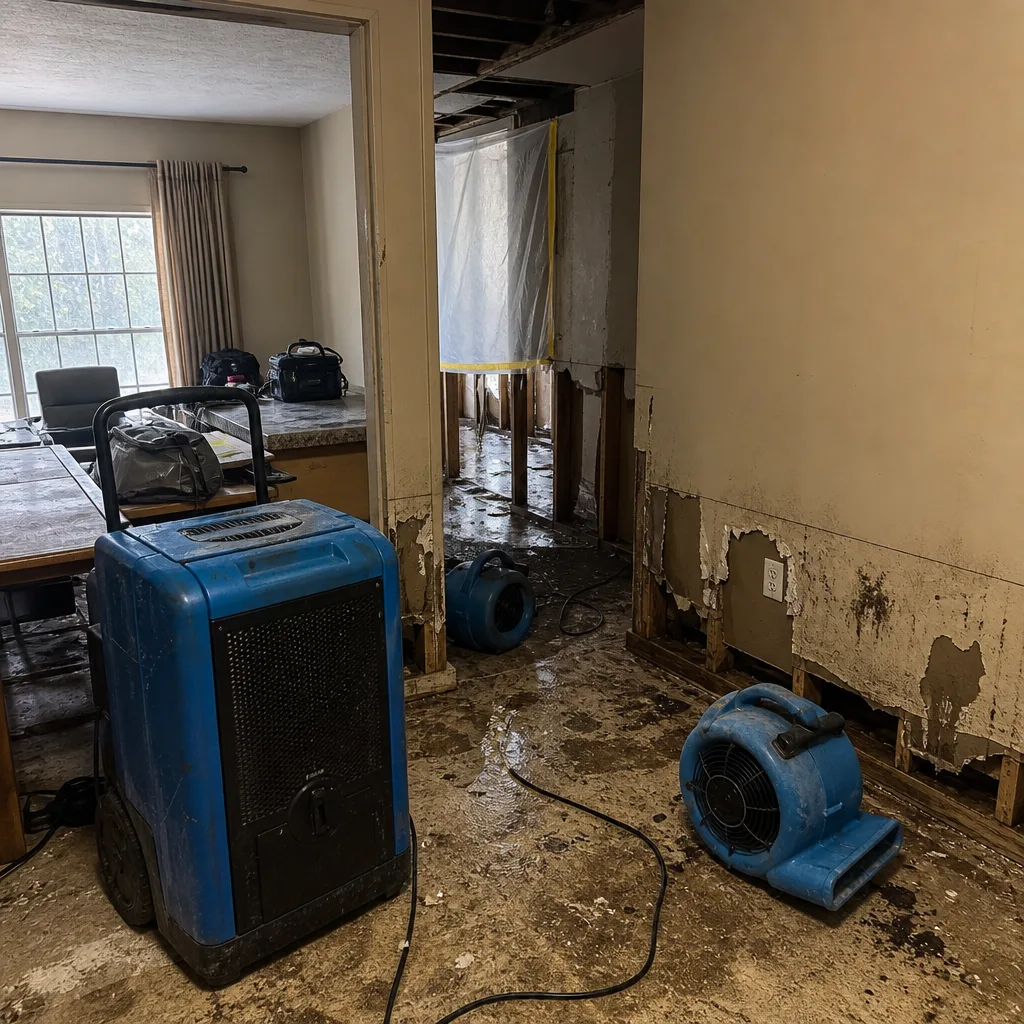 Before
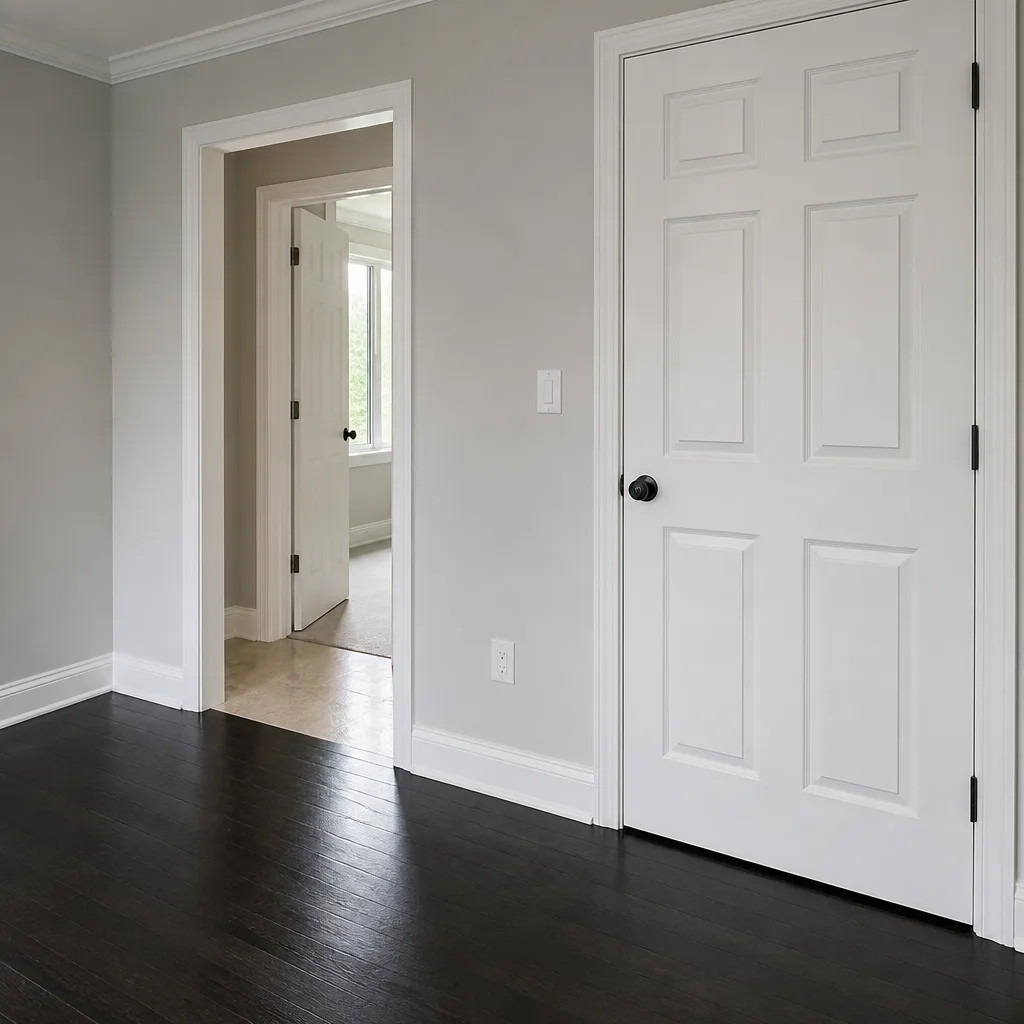 After
After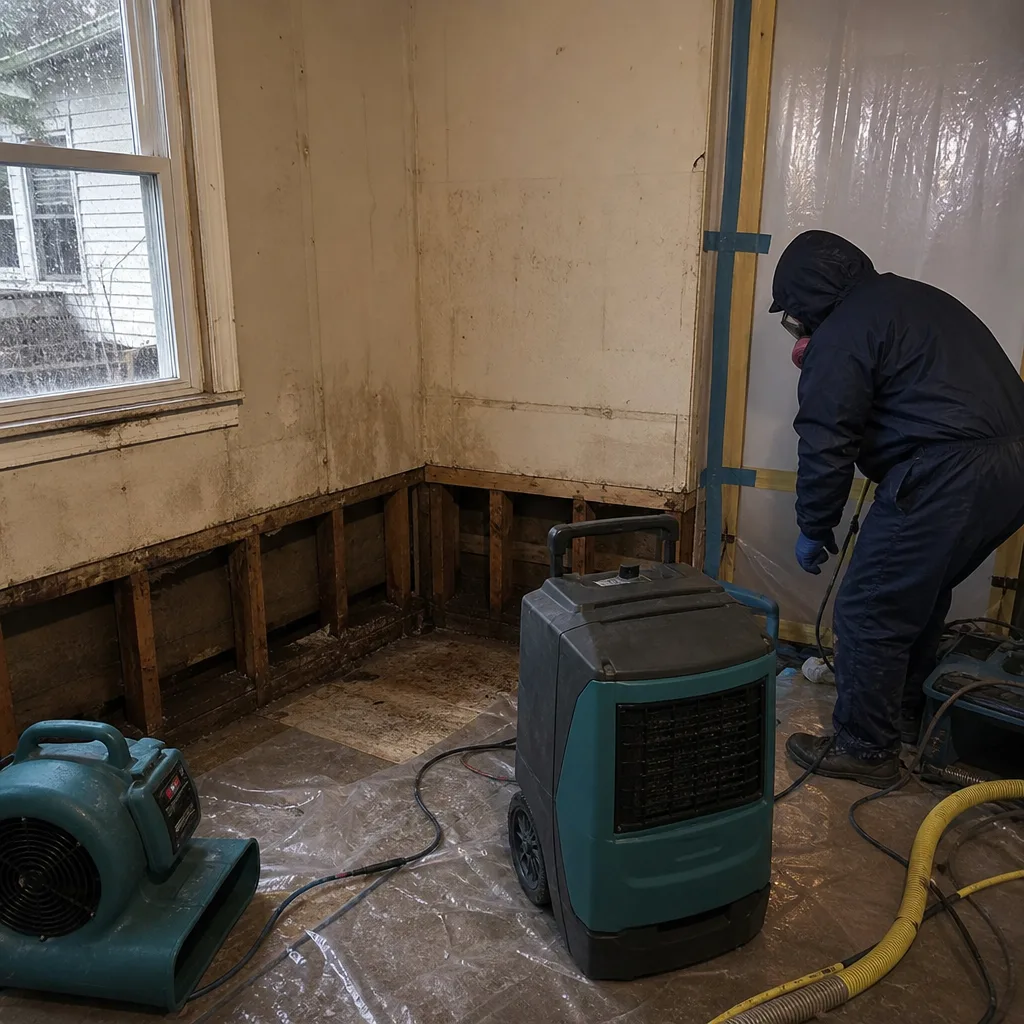 Before
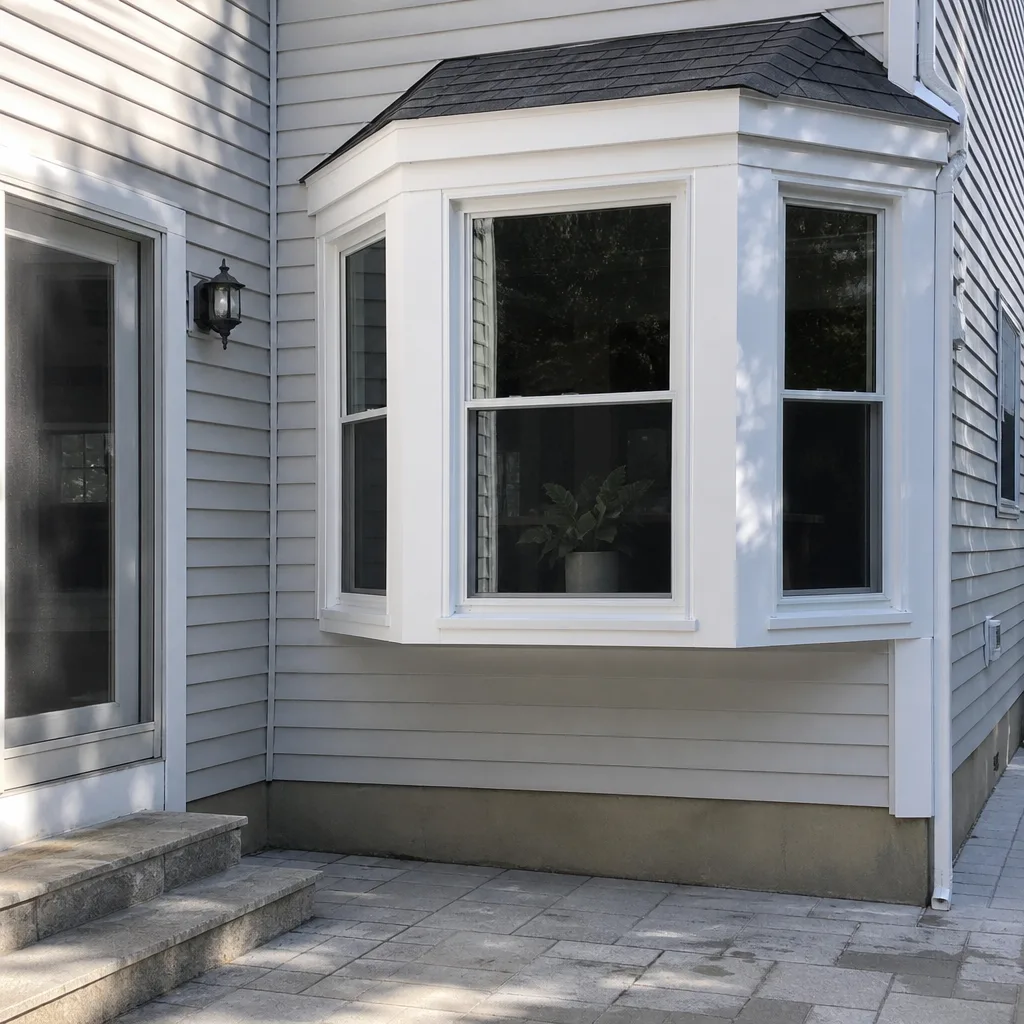 After
After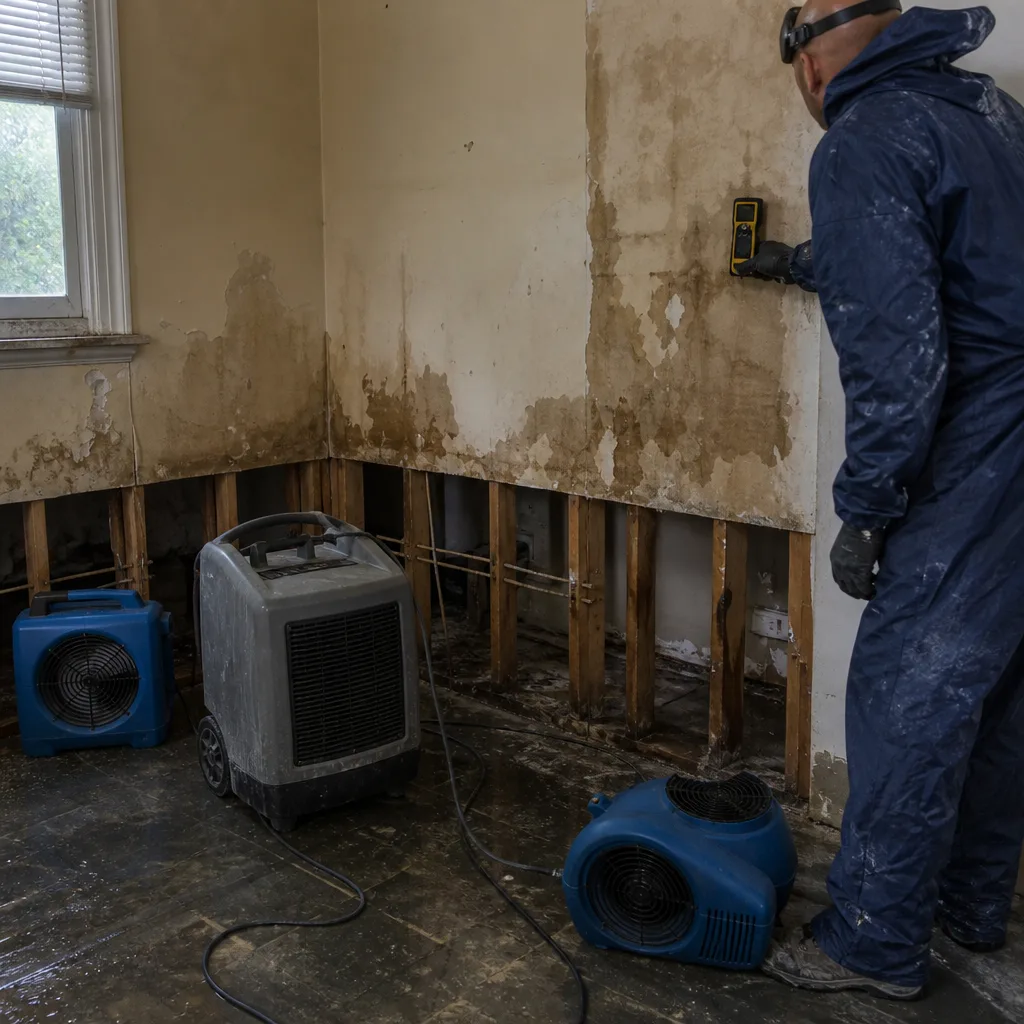 Before
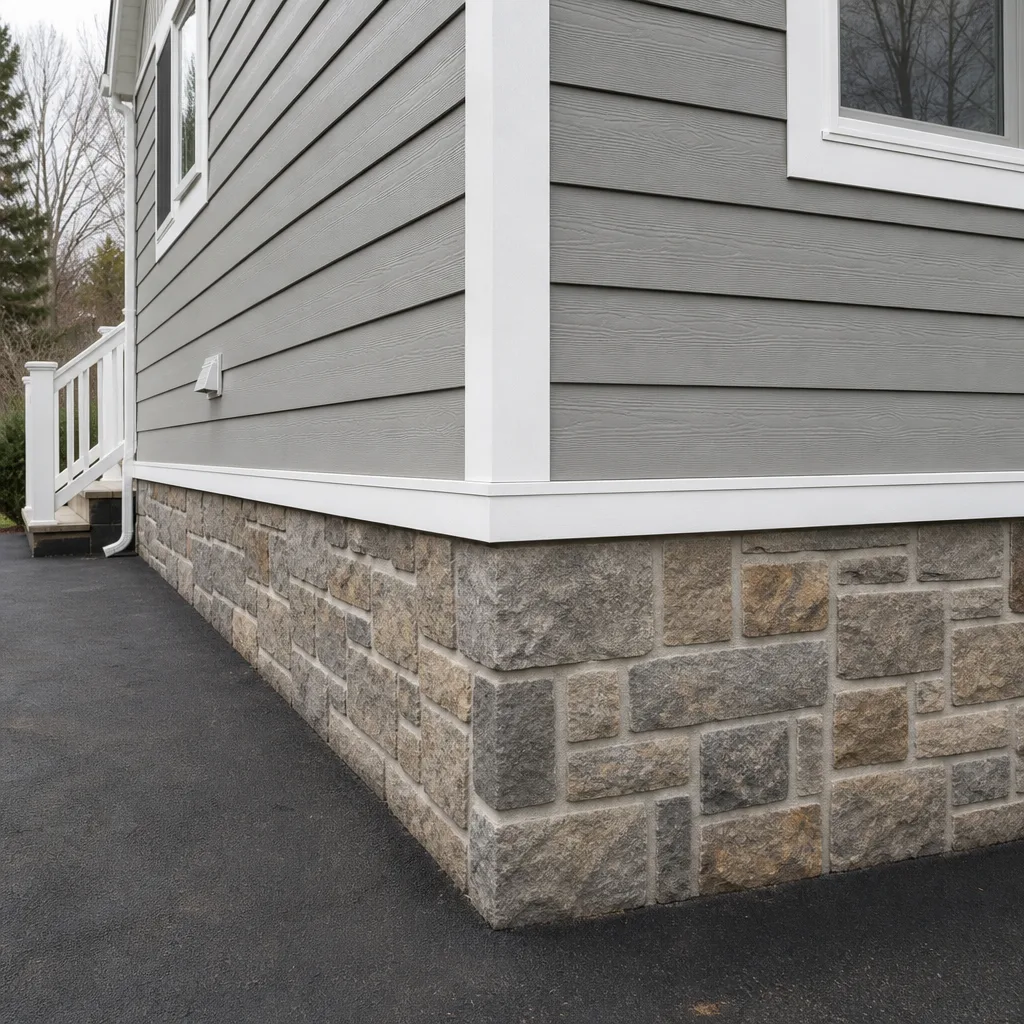 After
After24/7 Emergency Mold Remediation in Hackensack
Mold remediation in Hackensack typically costs between $1,800 and $6,500 for a contained basement or crawl space job, with inspection and testing running $350 to $700. Our crews answer live at (201) 729-3780 around the clock and can usually have a certified technician at your door within 45 minutes for a free visual assessment. Mold that follows a tidal backup or combined-sewer overflow doesn’t wait, and neither do we. The first hour matters because Category 3 water from the Hackensack River carries bacteria and sewage residue that feeds mold colonies fast, often within 24 to 48 hours in the humid air near the river.
If you’re seeing dark staining on baseboards, catching a musty smell in the basement, or noticing paint bubbling along a wall after heavy rain, call (201) 729-3780. A live dispatcher picks up. Not a recording. We’ll get a background-checked, uniformed technician to your Hackensack home the same day.
Understanding Mold Remediation Severity in Hackensack Properties
Not all mold jobs are the same, and Hackensack’s housing stock makes severity assessment more complicated than in newer suburban developments. The city’s dense blocks of 1920s through 1950s wood-frame two- and three-family homes feature horsehair plaster walls, galvanized supply lines, and finished basements that have absorbed decades of moisture. When mold takes hold in these structures, it often spreads behind plaster and lath rather than across visible drywall, so the colony is larger than what you can see.
We classify remediation by the water source behind it. A slow supply-line leak inside a wall is one thing. But in Hackensack, the recurring problem is Category 3 water: tidal backflow from the Hackensack River, combined-sewer backups, and stormwater that pushes sewage into basement drains. That water carries organic matter and pathogens, and the mold that follows requires full containment, antimicrobial treatment, and clearance testing, not just bleach and a fan. Pre-1978 buildings add another layer: disturbing plaster, trim, or insulation during mold removal can release lead dust and asbestos fibers unless testing and abatement protocols are followed first. We test before we tear into anything.
Why Hackensack Property Owners Choose Floodline Restoration Co.
- 45-minute response commitment for emergency mold calls in the 07601 and 07602 ZIP codes, with crews dispatched from our local operations desk the moment you hang up.
- 24/7 live answer, every single call. A real person picks up at 2 a.m. Not a phone tree, not a callback service. You’ll know who’s coming and when.
- IICRC-certified remediation technicians trained to the WRT and AMRT standards, plus RIA and IFA protocols, so containment and drying meet the industry’s written benchmarks.
- Free visual inspection before any work begins, with a written scope and a firm price. No surprises on the bill, and no work you didn’t approve.
- Direct insurance billing. We document the loss, talk to your adjuster, and bill the carrier directly so you’re not playing messenger.
- One team from first assessment to final rebuild. The same certified crew that sets containment handles the daily moisture readings and the reconstruction. No handoffs to strangers.
Our Mold Remediation Process
Inspection & Assessment
We start with a full visual inspection plus thermal imaging and moisture mapping to find hidden colonies behind walls and under flooring. In Hackensack homes near the river, that means checking at least 24 inches above the visible waterline, because prior flood damage almost always reaches higher than the current stain suggests.
Containment & Source Control
We seal the affected area with 6-mil polyethylene containment and run HEPA-filtered negative air scrubbers to keep spores from moving through the house. The source of the moisture gets addressed at the same time, whether it’s a failed sump, a cracked foundation wall, or seasonal tidal seepage.
Drying & Dehumidification
Professional-grade Dri-Eaz and Phoenix dehumidifiers plus high-velocity air movers pull moisture from plaster, framing, and flooring. In Hackensack’s older plaster walls, we run slower, controlled drying cycles because forcing plaster dry too fast causes cracking and delamination.
Cleaning & Antimicrobial Treatment
All affected surfaces get HEPA vacuuming, wire brushing where needed, and EPA-registered antimicrobial application. For Category 3 contamination from tidal or sewer sources, we remove porous materials like carpet pad and drywall that cannot be properly sanitized.
Air Quality Restoration
After physical removal and treatment, we run HEPA air scrubbers for 24 to 72 hours and take air samples to confirm spore counts have returned to normal background levels for the Hackensack area.
Repairs & Moisture Prevention
We rebuild what we removed and address the conditions that caused the mold. Crawl space encapsulation, dehumidifier installation, improved drainage, and foundation sealing all fall under the same crew’s scope, and everything we do is backed in writing by the 90-Day Done Right Promise.
Need Emergency Mold Remediation in Hackensack Now?
Crews minutes away, answering live 24 hours a day. The sooner we start, the less it costs.
Working With Your Insurance Company
Mold claims are scrutinized harder than most water damage claims, and the difference between approval and denial often comes down to documentation from the first hour. We photograph every affected area before we touch anything. We log moisture readings daily and keep a written record of drying progress. When your adjuster calls, we hand them a line-item scope of work that matches industry estimating standards, with every containment, removal, and treatment step accounted for. We talk to your carrier directly and bill them directly. You never have to translate remediation technicalities into adjuster language, and you never have to chase a check on our behalf. That’s how a square deal works.
What We Provide Your Insurer
- Thorough documentation of the loss
- Photos of all damage, room by room
- Moisture readings and drying logs
- A detailed, line-item scope of work
- Direct coordination with your carrier
Built for Hackensack’s Loss Calendar
Mold doesn’t arrive on a schedule, but Hackensack’s does follow a pattern. January and February bring deep freezes that burst galvanized supply lines in the 1920s-era plumbing under Summit Avenue and Anderson Street basements. Spring thaw saturates the ground around the city’s dense residential blocks, and groundwater pushes through old fieldstone foundations in the Fairmount section. Summer thunderstorms drop two inches of rain in an hour, and because Hackensack is nearly 100% impervious surface, runoff overwhelms the combined sewer system fast. Basement drains back up with Category 3 water, and mold follows within days. Nor’easters in the fall drive tidal backflow up the Hackensack River from Newark Bay, flooding basements along the river side of town, from the area near Foschini Park up to the Fairleigh Dickinson campus. The mold calls come in waves after each event, but the houses that need the most work are the ones that got a quick cosmetic fix after the last flood. We see it on Clinton Place, on Union Street, on the blocks near Johnson Park. We fix it right, and we back it in writing.
Mold Remediation Across Hackensack’s Neighborhoods
The type of mold problem we find depends a lot on where in Hackensack the house sits. Along the river side of the city, from the Fairmount section down through the blocks near Foschini Park, remediation work is dominated by tidal backflow and combined-sewer overflows. These are Category 3 jobs with contamination that requires full containment and antimicrobial treatment, and the homes here, many of them pre-war wood-frame two-families, hide layered mold colonies behind finished basement walls. Near the Hackensack University Medical Center campus and the older residential streets off Essex Street, we see more supply-line and roof-drain failures: older galvanized pipes letting go inside walls, flat-roof drainage overflowing into top-floor ceilings. The Summit Park and Prospect Avenue corridor has a run of 1950s-era split-levels and ranches where crawl space humidity, not flooding, is the recurring culprit. Crawl space treatment and encapsulation solve those. Downtown and the blocks near Main Street bring mid-rise apartment and commercial buildings where mold from a single unit’s slow leak spreads through shared wall cavities into adjacent apartments. Those jobs demand coordination with building owners and tenants, and our team handles that without drama. Dispatch and scheduling for all Hackensack work is coordinated from our New York City office; crews are stationed locally and reach any part of Hackensack quickly.
Specialized Mold Remediation Services We Offer in Hackensack
Mold Inspection & Testing
Before any remediation begins, you need an honest read on what’s actually growing. Our inspection includes thermal imaging, moisture mapping, and surface and air sampling where indicated. In Hackensack homes near the river, we specifically look for hidden colonies behind drywall and paneling, because repeated flood events layer mold growth in places a basic visual check misses. Testing stays independent: if the sample shows elevated spore counts, the report tells you that; if it doesn’t, we tell you that too. A typical inspection with air sampling in Hackensack runs $400 to $700.
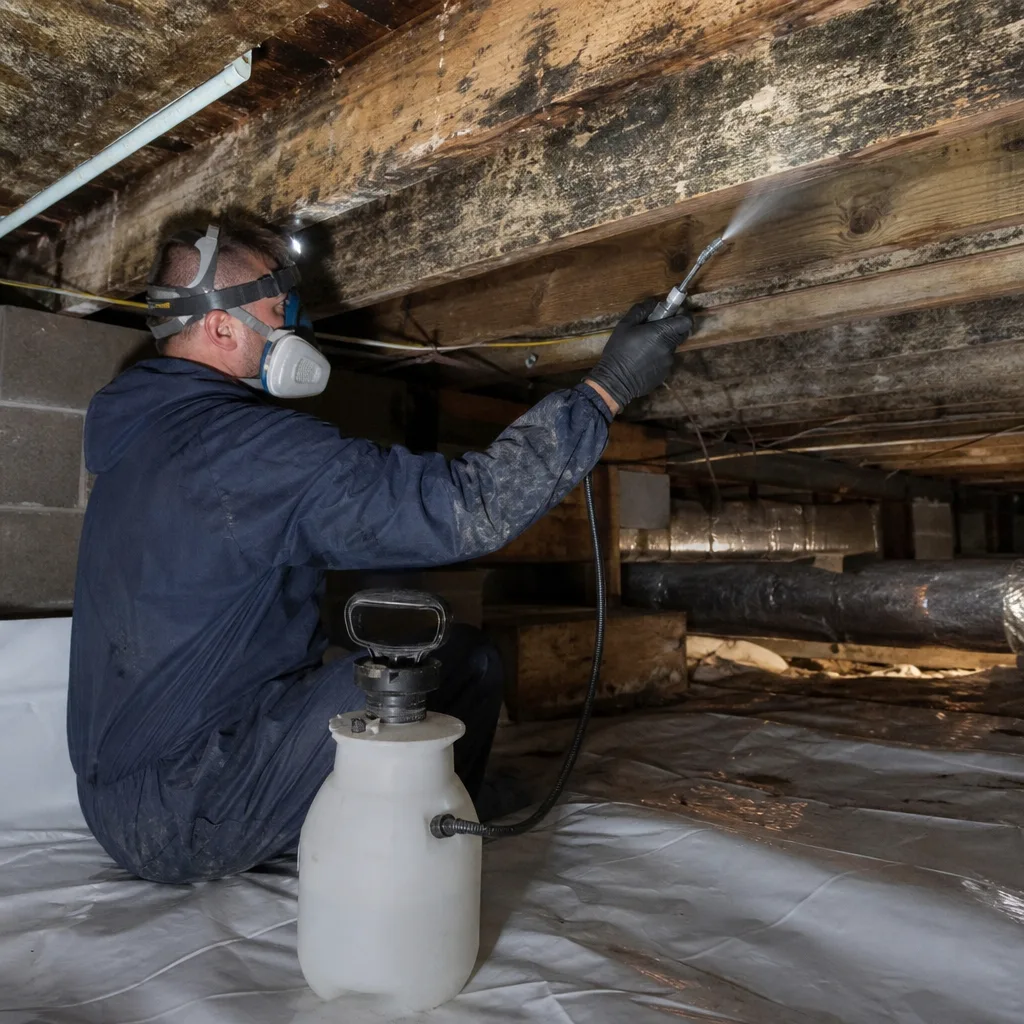
Mold Removal
Physical removal beats encapsulation. We remove mold from framing, sheathing, and subflooring using HEPA vacuums, wire brushes, and controlled demolition of unsalvageable materials. On Hackensack’s older plaster walls, we’re careful to test for lead and asbestos before disturbing anything, then remove only what’s necessary, preserving as much of the original plaster profile as possible. Removal includes treating the surrounding area to prevent regrowth and documenting the work for your insurer.
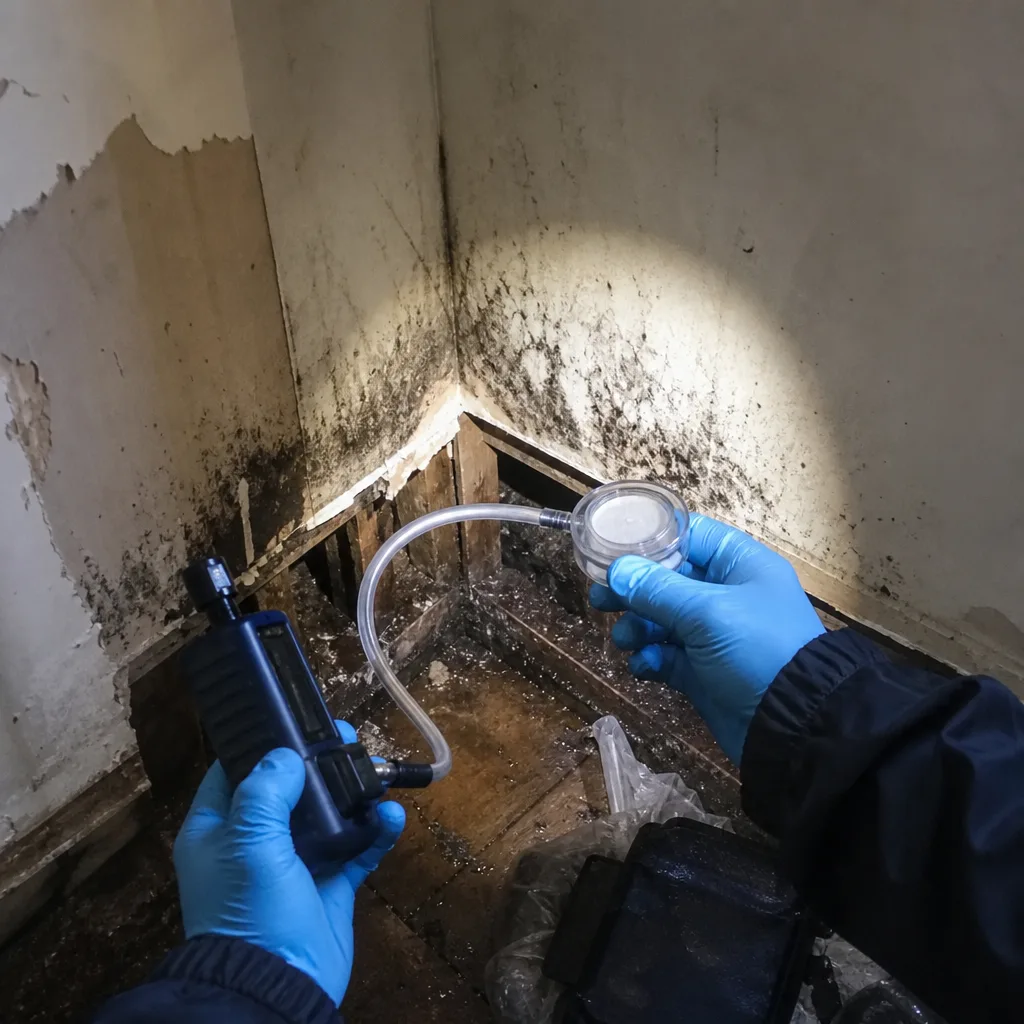
Black Mold Remediation
Black mold, or Stachybotrys, gets the most attention and the most misinformation. It likes chronically wet cellulose: drywall, carpet backing, ceiling tile, and the paper facing on insulation. Homes in Hackensack that get repeated basement water from the river or the combined sewer are prime environments for it. When we find Stachybotrys, we follow the same containment and removal protocol as any toxic mold, which means full sealing, negative air pressure, HEPA filtration, and clearance testing before we call the job done. The 90-Day Done Right Promise applies here exactly as it does to every other job: if it’s not done right, we make it right, in writing.
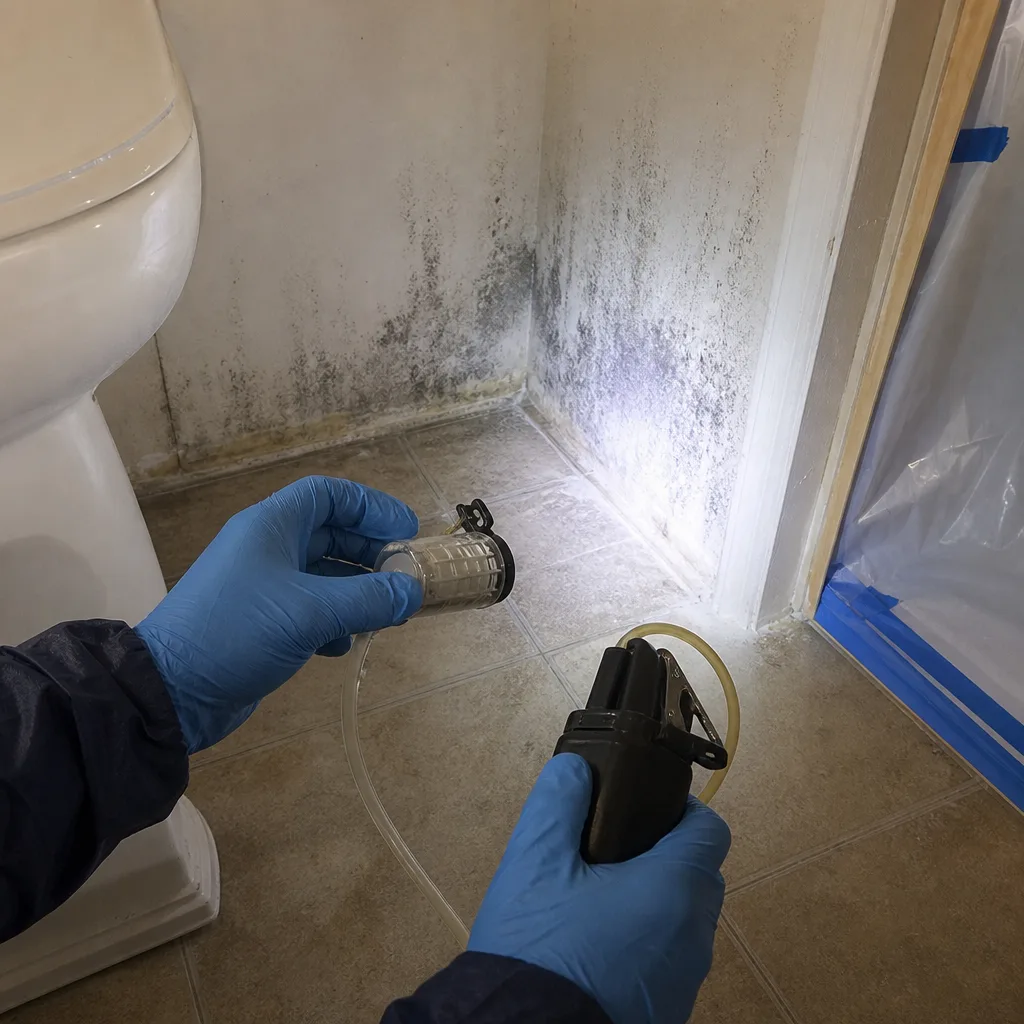
Air Quality Restoration
Mold doesn’t have to be visible to be in the air. Spores circulate through forced-air systems, get pulled into return ducts, and settle in rooms far from the original colony. After removal work, we run HEPA air scrubbers and clean affected duct runs, then take clearance samples to verify spore counts match normal Hackensack outdoor background levels. Homes near the river consistently show higher baseline humidity, so we also check that your HVAC system is moving enough air to keep indoor humidity below 55% through the summer.
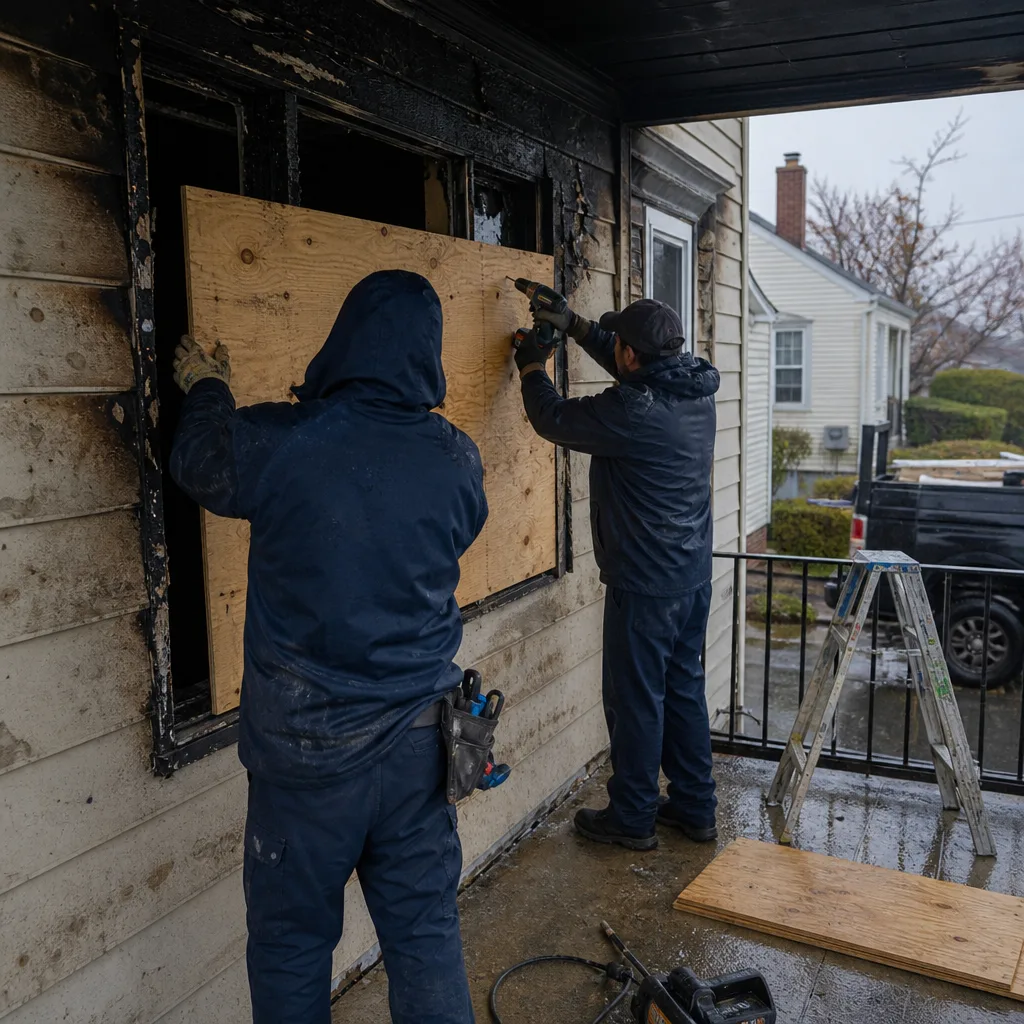
Crawl Space Treatment
Hackensack’s older homes, particularly the 1950s stock in the Summit Park and Prospect Avenue corridors, put a lot of square footage over dirt crawl spaces. High groundwater from the low-lying basin keeps those spaces damp year-round, and that damp air rises into the house. We treat crawl spaces with encapsulation, vapor barriers, drainage improvements where needed, and dehumidification sized to the actual cubic footage. A crawl space treatment in Hackensack typically runs $3,000 to $9,000 depending on size and access, and it’s one of the most direct ways to stop recurring mold in these homes.
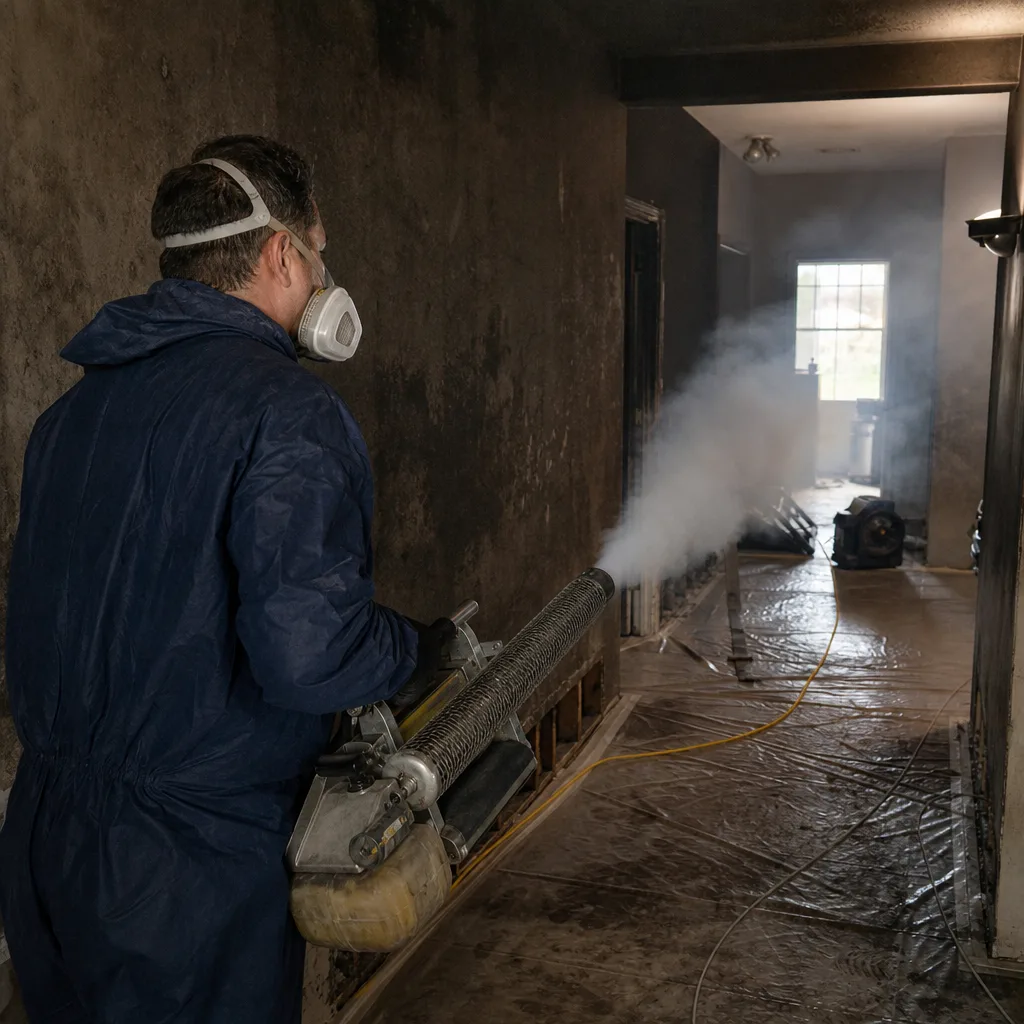
Moisture & Humidity Control
Every mold job ends with the question: what allowed the moisture in, and what’s going to keep it out? For Hackensack homes, the answers usually involve grading corrections, downspout extensions, sump pump upgrades with battery backup, dehumidifiers tied to the HVAC system, and sometimes foundation sealing. We address these as part of the remediation scope, not as an add-on pitch. If your basement has taken water twice in three years, the mold will come back unless the water is dealt with. We deal with it.
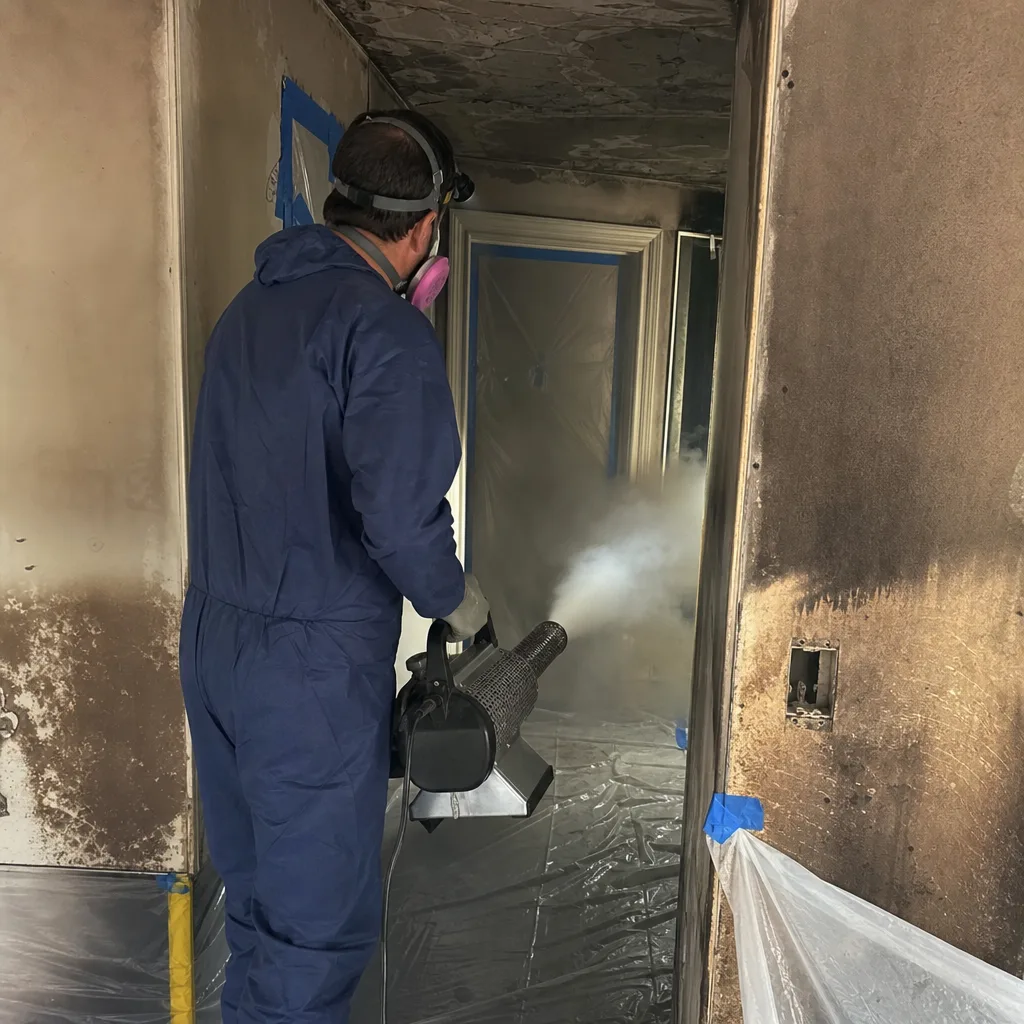
What happens when you call
- 1
A real person answersNo phone trees - you reach a local pro.
- 2
You get an upfront price rangeHonest numbers before anyone is dispatched.
- 3
A background-checked tech heads outLicensed & insured, dispatched right away.
- 4
You approve before work beginsNothing starts until you say go.
Mold Remediation Costs in Hackensack, NJ
Here’s what you can expect to pay in the Hackensack market. A contained basement mold removal in a typical 800-square-foot basement runs $2,500 to $5,500, including containment, removal, antimicrobial treatment, and clearance testing. Small jobs, like a closet wall or a bathroom ceiling from a slow leak, run $800 to $1,800. Crawl space mold remediation with encapsulation starts around $4,000 and goes up with square footage and access difficulty. Black mold remediation adds 20% to 30% over standard removal because of the more stringent containment and clearance requirements. If the water source was Category 3 from a sewer or tidal backup, expect the upper end of these ranges: porous materials must be removed rather than cleaned, and that removal work drives the price. Insurance covers many of these jobs, especially when the mold follows a covered water event like a burst pipe or a sewer backup. Our free inspection gives you a firm written scope before any work starts, so you’ll know the number before you commit. Call (201) 729-3780 for an exact quote, or read more about how our Mold Remediation team approaches every job.
We Also Serve Cities Near Hackensack
Our crews regularly work in Teaneck, Ridgefield Park, New Milford, and Leonia, and the same 45-minute response commitment applies across those communities. If you’re in any of these towns and need mold remediation, the number is the same: (201) 729-3780. You can also learn more about our work in the area on the Mold Remediation in Hackensack page.
Hackensack Mold Remediation Questions, Answered
In Hackensack, does the tidal Hackensack River make mold contamination worse than a regular leak?
Yes, and the reason is the water category. Tidal backflow from the Hackensack River isn’t clean rainwater, it’s Category 3 water carrying sewage, river sediment, and organic matter. Mold that follows this water grows faster and more aggressively, and it requires full containment, antimicrobial treatment, and removal of porous materials rather than a simple cleaning. River-adjacent homes also deal with persistently higher humidity that keeps mold colonies active between flood events.
How quickly can mold start growing in a Hackensack basement after a sewer backup?
Within 24 to 48 hours in most Hackensack basements. The combination of organic matter in the backup water, basement temperatures that stay above 60 degrees most of the year, and high ambient humidity near the river creates ideal growth conditions. Visible colonies often appear within three days. The best response is to call (201) 729-3780 immediately and get extraction and drying started the same day.
Do I need lead or asbestos testing before mold remediation in an older Hackensack home?
Yes, if your home was built before 1978. Hackensack’s residential stock is heavily pre-war and early post-war, with horsehair plaster, old trim, and insulation materials that can contain lead and asbestos. Contractors who skip testing and start tearing into walls are putting residents and workers at risk and can trigger stop-work orders from code enforcement. We test before any controlled demolition begins.
Why do crews pull back wall finishes at least 24 inches above the visible waterline in Hackensack?
Because repeated flood and backup events leave layered mold colonies that climb higher than the most recent water mark. In neighborhoods along the Hackensack River, we consistently find active mold 24 to 30 inches above the visible stain. If you only remove the visibly wet area, you leave the older, hidden colony behind to spread again. Removing past that line is the only way to actually finish the job. In fact, last March on Clinton Place near the Hackensack River, our crew responded to a 1920s two-family where repeated tidal backflow had soaked the basement. Moisture mapping found elevated readings 30 inches up the horsehair plaster walls, well past the visible waterline. We set containment, removed the finished paneling, and treated the Category 3 contamination with antimicrobial application before structural drying with Dri-Eaz dehumidifiers and air movers, remediating what two prior contractors had missed.
Does your mold remediation work in Hackensack account for humidity from the river even outside flood events?
Yes. Homes within a few blocks of the Hackensack River run higher baseline humidity than inland Hackensack blocks, especially from June through September. We size dehumidification to the actual moisture load and monitor humidity during and after remediation. For recurring cases, we recommend permanent humidity control, either a standalone dehumidifier for the basement or a whole-home solution tied to the HVAC system.
How fast can you actually get to a Hackensack mold emergency?
Our commitment is a 45-minute response for emergency mold calls in the 07601 and 07602 ZIP codes. Crews are stationed locally and the dispatch desk is live around the clock. Most Hackensack jobs get a first assessment and start of containment the same visit.
Will my insurance cover mold remediation in Hackensack?
It depends on the source. Mold following a covered water event, such as a burst pipe or a sewer backup, is often covered, with sub-limits that vary by policy. Mold from long-standing humidity or slow seepage is less likely to be covered. We document everything from the first hour, talk to your adjuster directly, and bill the carrier on your behalf. Call (201) 729-3780 and we’ll help you sort through what your policy covers.
Can we stay in our Hackensack home during mold remediation?
Usually yes, with containment in place. The affected area gets sealed with polyethylene and kept under negative air pressure, so spores don’t move into living spaces. For large jobs, particularly Category 3 contamination or when residents have respiratory conditions, we may recommend temporary relocation. We’ll tell you honestly either way, and you’ll have that answer during the free inspection, before any work starts.
Serving Hackensack, NJ - Our Local Coverage Area
We’re based in the Hackensack area and know this community well. Use the map below to see our service coverage - if you’re nearby, we can almost certainly help.
Call Floodline Restoration Co. for Mold Remediation in Hackensack
If you’ve got mold in your Hackensack home, the job needs to be done right the first time, and it needs to be backed in writing. That’s what we do. Floodline Restoration Co. has served local communities for over 42 years with the same steady approach: a live person on the phone at any hour, a certified crew in uniform, a written scope before work starts, and the 90-Day Done Right Promise on every job. We answer 24/7. The call is free. The inspection is free. And the quote is firm before any work begins.
Current offers: $50 off any repair over $250, an $89 seasonal tune-up, and a 5% senior and veteran discount, always. Call (201) 729-3780 now and talk to a real person.
Written by Curt Bowman, Owner at Floodline Restoration Co., serving Hackensack and surrounding Bergen County communities since 2010.