
Last updated August 25, 2026
Free visual inspection and a written scope of work before any mitigation begins - photos, moisture readings, and drying logs go in your claim file
The scope we write is the scope we bill. Anything new gets shown to you, in writing, before we touch it.


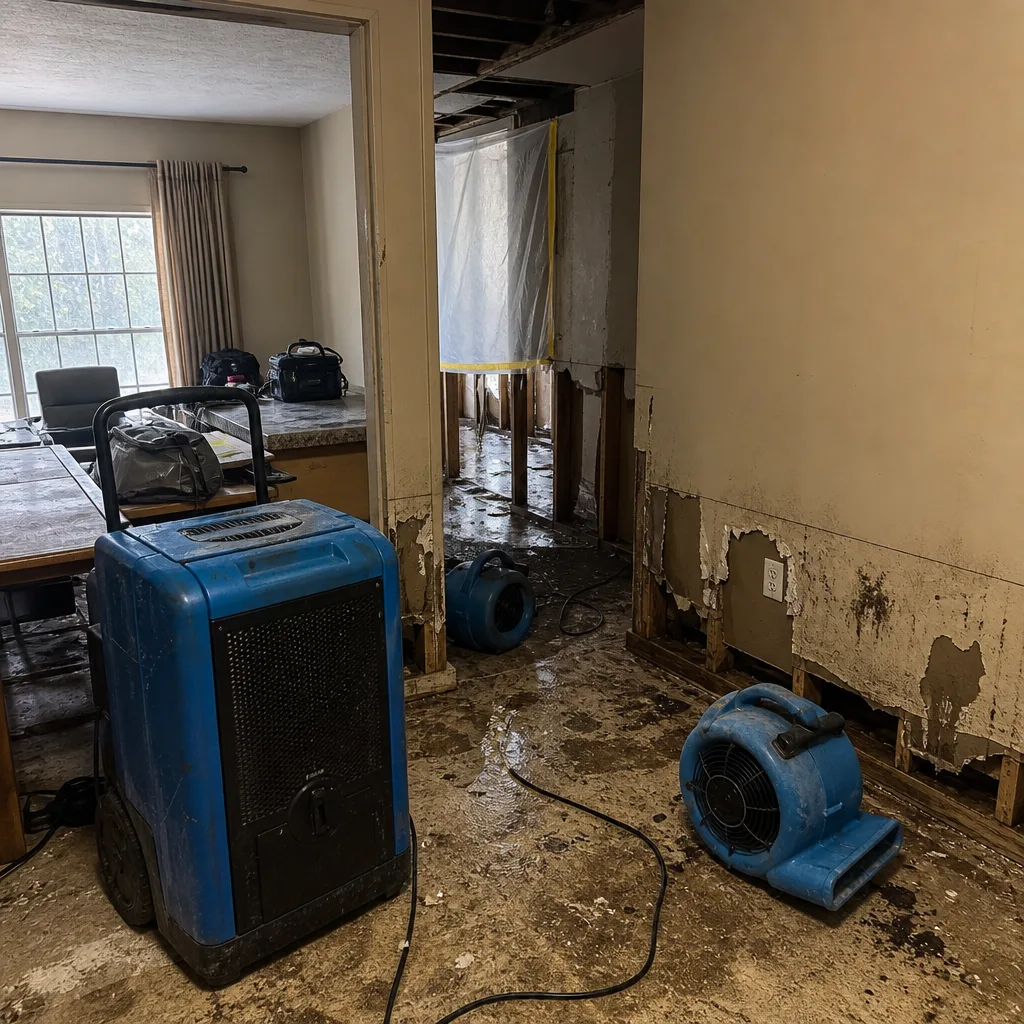 Before
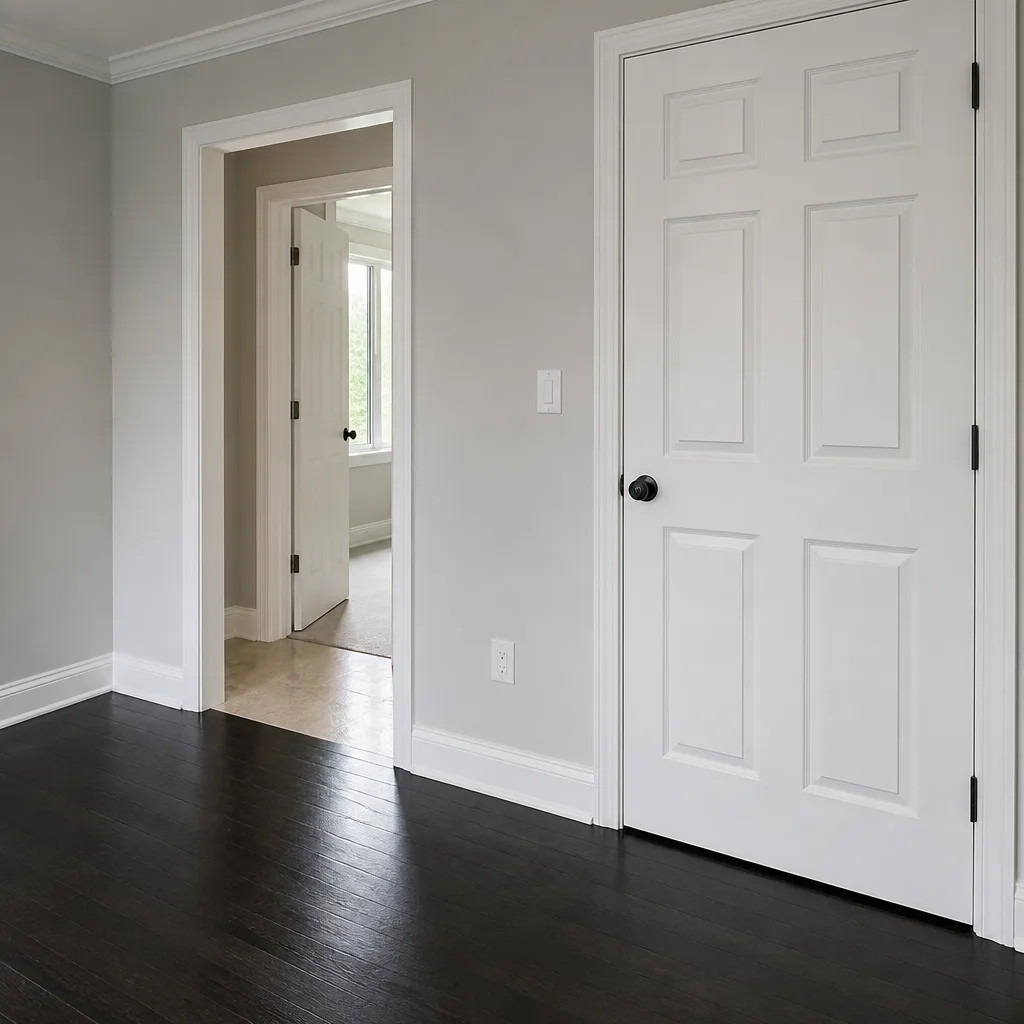 After
After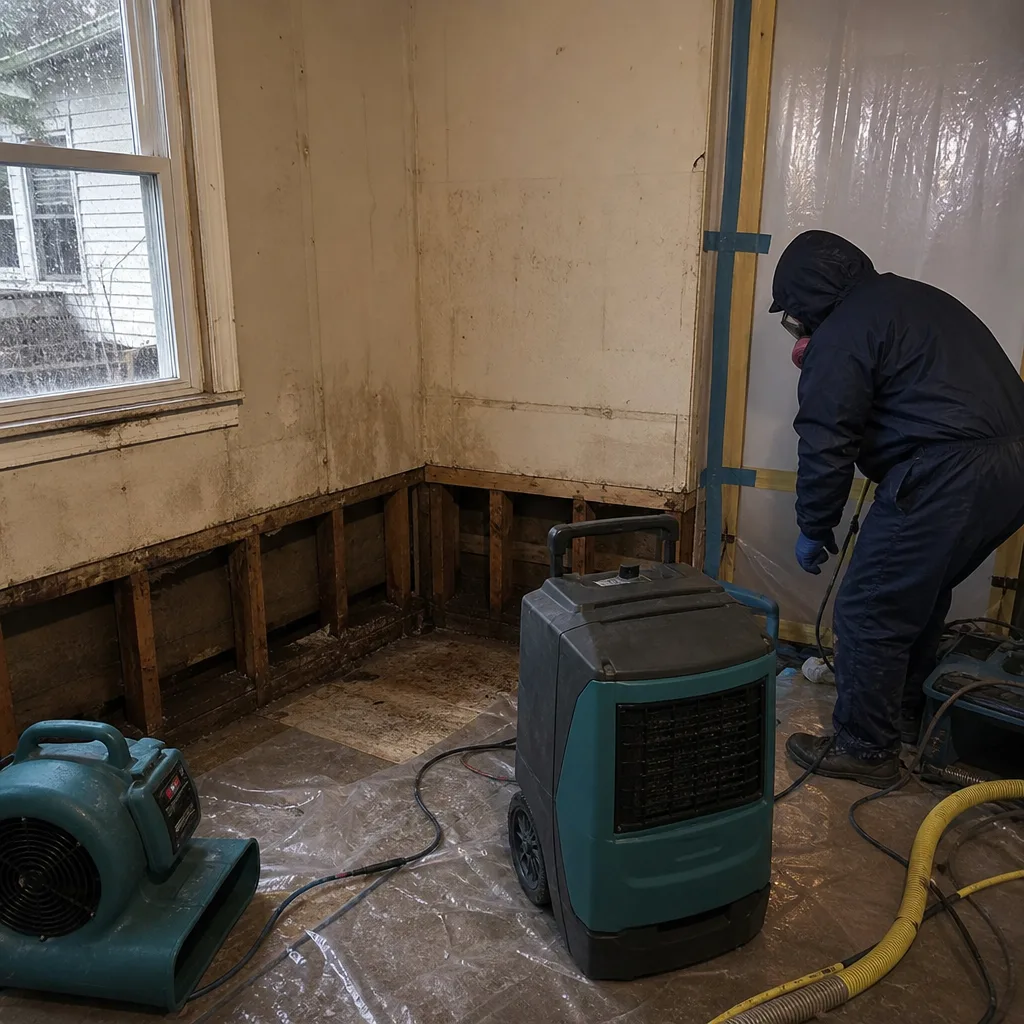 Before
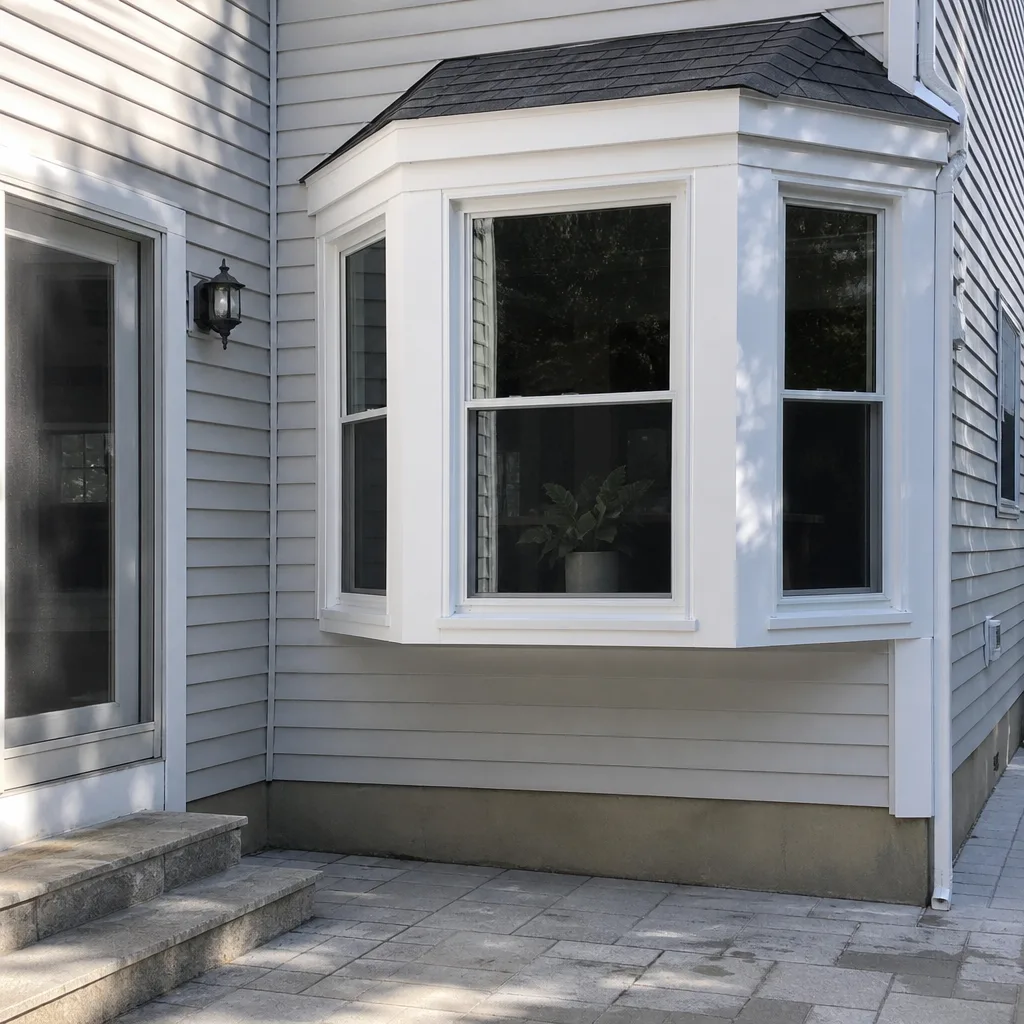 After
After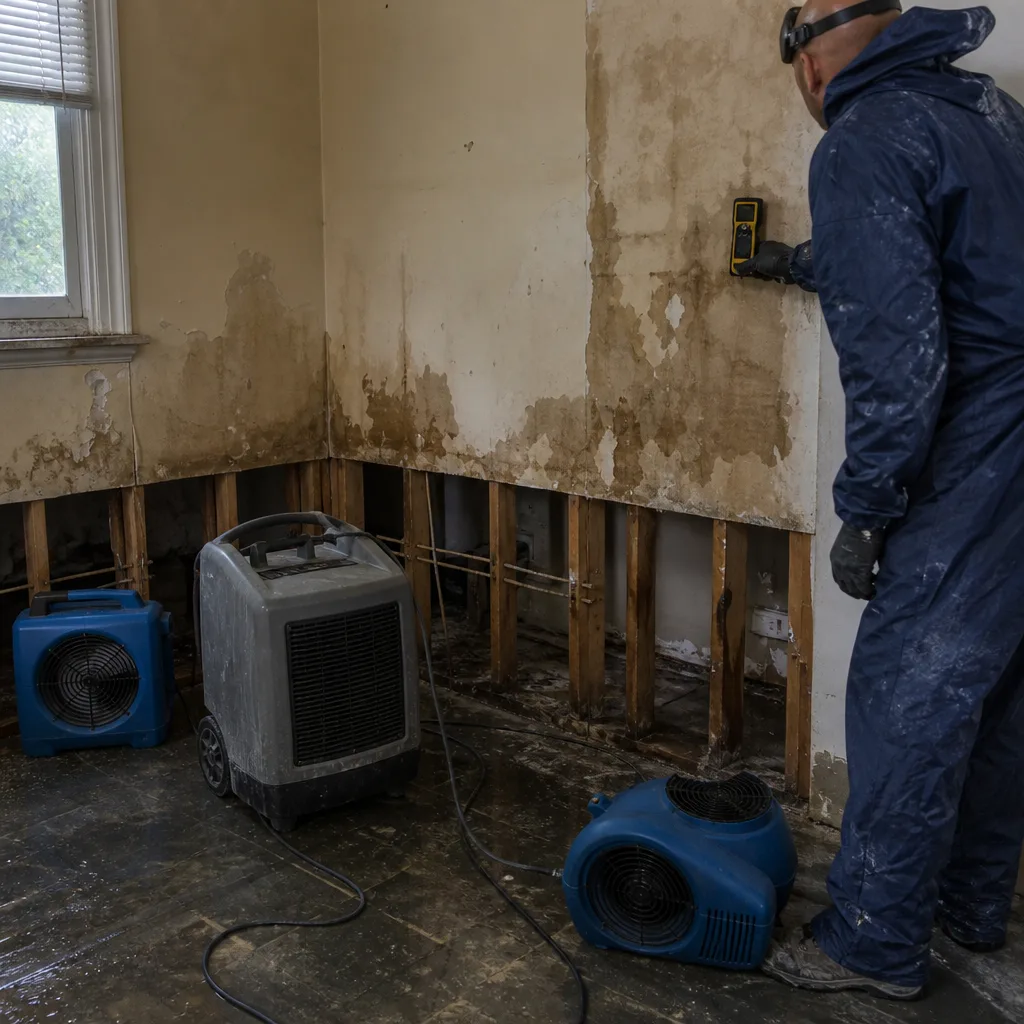 Before
 After
AfterThe Complete Guide to Damage Restoration in Englewood
Most Englewood homeowners discover their damage problem about three days after it actually started. A supply line behind the washing machine drips into drywall. A roof flashing lets April rain into the attic, where it soaks insulation and framing before the first ceiling stain appears. By the time you see it, the moisture has already wicked upward through drywall, settled into subfloor, and created the warm, dark conditions mold needs. This guide walks through every phase of damage restoration in Englewood, from the first phone call to the finished rebuild, so you’ll know what should happen, what it should cost, and who should do it.
Quick Answer
Damage restoration in Englewood means stopping the source, extracting standing water or soot, drying the structure to a measured standard, removing anything that can’t be saved, and rebuilding what was torn out. The work runs anywhere from a few hundred dollars for a small contained leak to tens of thousands for a full fire or storm rebuild. Most insurance policies cover the restoration portion; Floodline Restoration Co. handles direct insurance billing and finishes extraction, drying, and rebuild with the same certified crew.
Table of Contents
- Water Damage: The Clock Starts the Moment Water Touches Drywall
- Mold Remediation: When It’s Remediation and When It’s Just a Cleaning
- Fire and Smoke Damage: Soot Is Corrosive, Not Just Dirty
- Storm and Disaster Restoration in Englewood
- Sewage Cleanup: The Category 3 Line
- Biohazard and Crime Scene Cleanup
- Reconstruction and Cleanup: From Floodline to Finished Wall
- Common Mistakes to Avoid
- When to Call a Professional
- Frequently Asked Questions
- The Bottom Line
Water Damage: The Clock Starts the Moment Water Touches Drywall
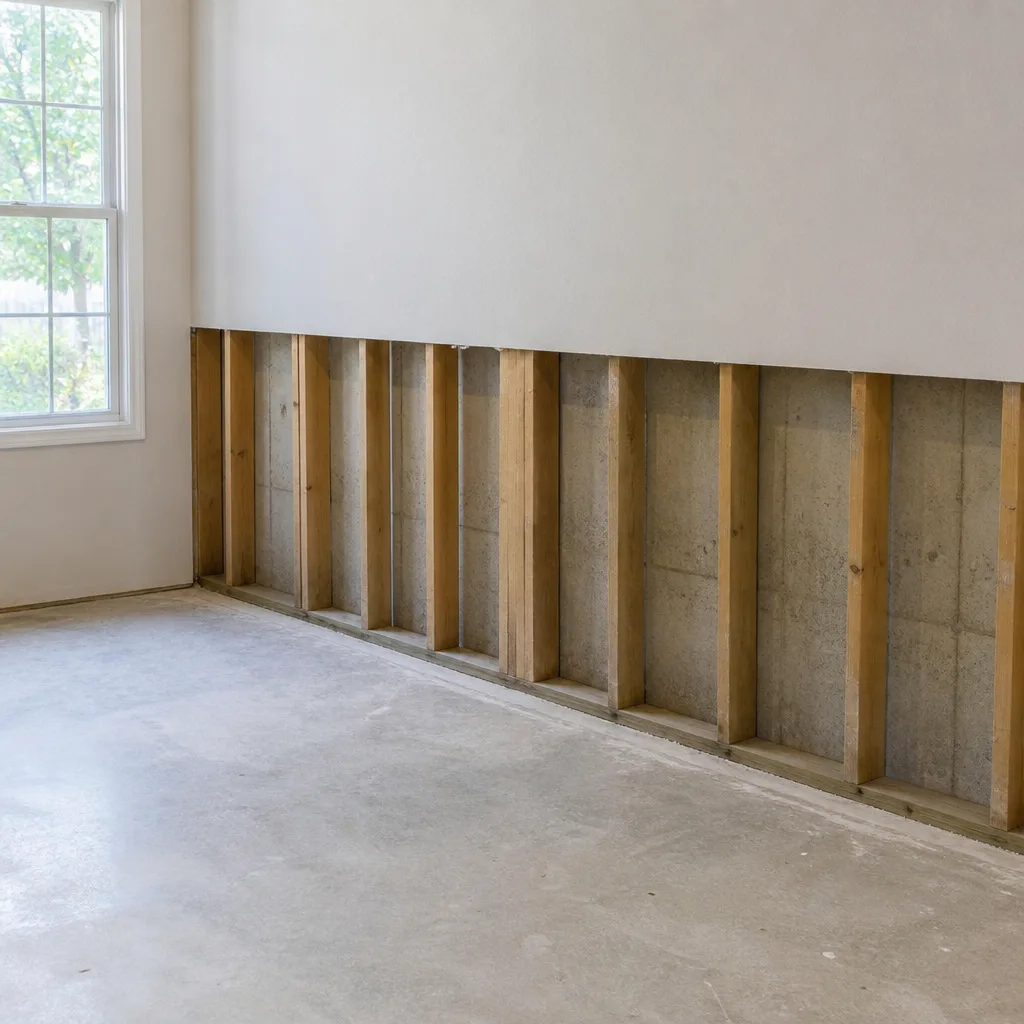
Water damage in Englewood moves fast. Gypsum drywall absorbs moisture through capillary action at roughly an inch per hour in the first 24 hours, which means a morning leak at the baseboard level is a knee-high wet wall by dinner. What you can’t see is the bigger problem: the cavity between the drywall and the studs stays dark and humid long after the visible surface feels dry to the touch. That hidden moisture is what turns a $700 drying job into a $7,000 mold remediation.
Professional restoration follows a sequence that starts with source control, not cleanup. The water must stop entering the space before any drying means anything. Then extraction: standing water collected with truck-mounted or portable extraction units. In our experience on Englewood basements, a typical finished basement with two inches of water takes 40 to 90 minutes to extract completely. After extraction comes drying, and this is where professional-grade equipment earns its cost.
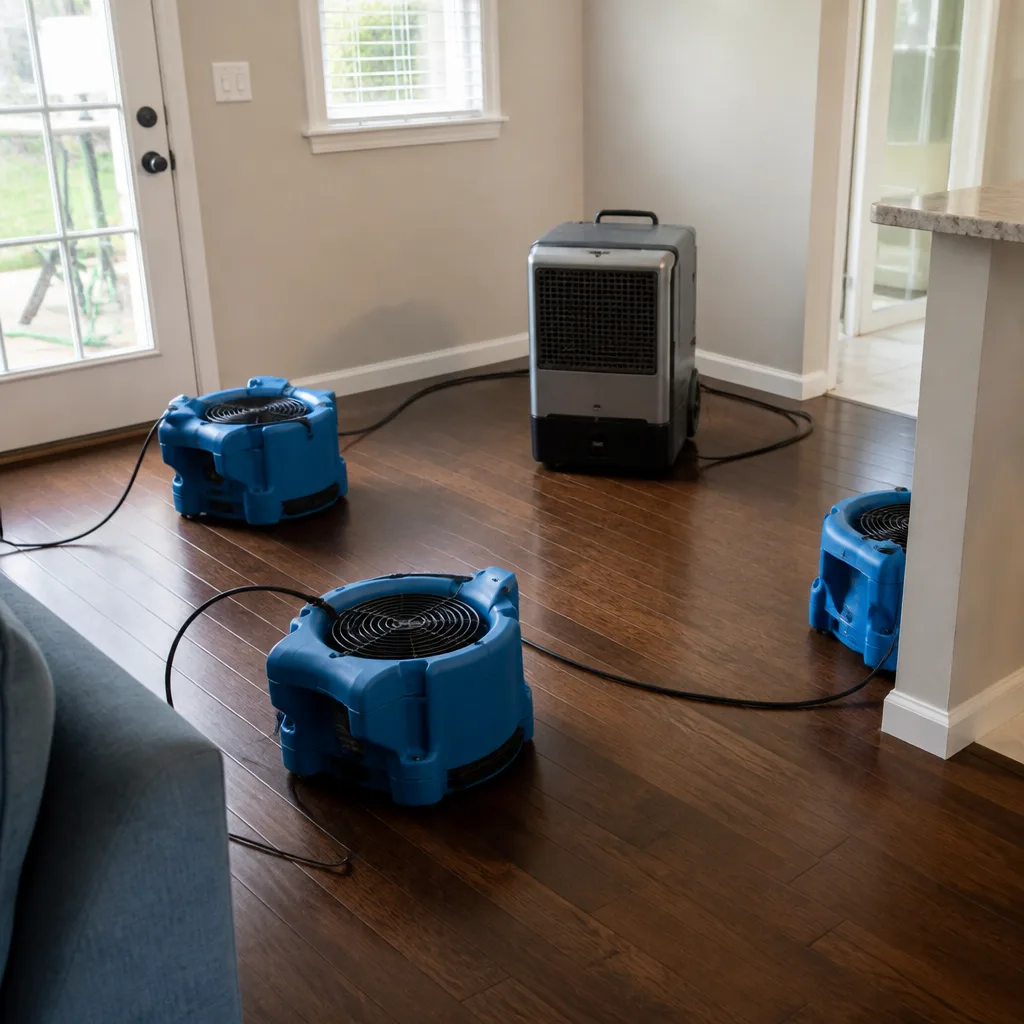
We use Dri-Eaz and Phoenix air movers, XPOWER axial fans, and B-Air and Injectidry systems, with dehumidifiers sized to the cubic footage and moisture load of the affected room. A restoration-grade dehumidifier removes 20 to 70 pints per day depending on conditions; the residential unit from a hardware store might pull 10 pints on a good day. The difference is a structure that reaches dry standard in 3 to 5 days versus one that stays damp for weeks.
Englewood homes built before 1970 often have plaster over wood lath, which behaves differently than modern drywall. Plaster is more resistant to water than gypsum board, but the lath behind it holds moisture against studs and joists for longer. Moisture mapping with penetrating meters tells us whether the plaster can be saved or whether the wall cavity needs to be opened and dried from inside. The line the water left is where we start.
Mold Remediation: When It’s Remediation and When It’s Just a Cleaning
Mold appears in Englewood homes for one reason: moisture was not stopped. Mold spores exist in every home in Bergen County; they only colonize when a surface stays wet or consistently damp for 48 to 72 hours. That’s why mold remediation and water damage restoration are really one trade. You cannot remediate mold correctly and ignore the moisture source, because the mold returns, and no amount of bleach changes that.
A professional mold assessment starts with finding the moisture, then determining the extent of colonization. Surface mold on a bathroom ceiling caused by shower steam is often a cleaning situation: the drywall is sound, the mold is superficial, and the fix is cleaning followed by better ventilation. Mold inside a wall cavity or growing on the back side of drywall after a leak is remediation: containment, air scrubbing, removal of affected materials, and replacement of what was cut out.
In Englewood attics, we regularly find mold on the north-facing roof sheathing, caused by inadequate ventilation trapping moisture from the living space below. Repairing that often means adding baffle vents and a ridge vent after the affected sheathing is treated or replaced. Homeowners who try a spray-and-paint approach on attic mold get a second bloom within a year, because the thermal and moisture conditions never changed. A written scope of work following industry standards, trained to IICRC, RIA, and IFA guidelines, is what separates real remediation from a cosmetic fix.
The honest answer on mold versus moisture: if a surface stayed wet for less than 48 hours and the material was dried quickly, mold is unlikely. If the material stayed damp for days or you can smell something earthy behind a wall, assume mold until proven otherwise. Testing can identify spore types, but the remediation process is the same: stop the water, contain the area, remove damaged material, dry the structure, and rebuild. Done right, and backed in writing.
Fire and Smoke Damage: Soot Is Corrosive, Not Just Dirty
Fire damage in Englewood homes involves three separate categories of contamination. The first is fire itself: charred framing, melted wiring, collapsed drywall. The second is smoke, which travels through wall cavities, ducts, and attic spaces far beyond the fire room. The third is soot, a fine acidic residue that etches glass, corrodes metal fixtures within days, and carries odor into every porous surface it touches: drywall, carpet, upholstery, clothing.
The timeline matters. Soot residue from a protein fire or a synthetic-material fire is acidic. Left on chrome fixtures for a week, it pits the finish permanently. Left on electronics, it invades circuit boards and causes failures months later. Professional fire restoration starts with an assessment of what can be cleaned, what must be replaced, and what’s beyond saving. Upholstered furniture and carpet that absorbed heavy smoke are usually replacement items, because the odor lives in the foam and padding, not just the fabric surface.
Odor removal after a fire requires more than airing the house out. Thermal fogging and ozone treatment are common tools, but the real work is mechanical: removing the materials that store the odor. Drywall that took direct smoke exposure holds particulate in the paper facing. Trimming, baseboards, and door casings trap soot in corners and behind edges. A proper fire restoration includes cleaning HVAC ducts, because any soot that entered the system recirculates through the whole house every time the heat or air conditioning runs.
For Englewood homeowners with older construction, one detail gets overlooked: balloon framing. Homes built before the 1940s sometimes have open stud cavities running from basement to attic with no fire blocking. A small kitchen fire can send smoke straight up these channels into second-floor bedrooms that never saw flame. We check for that pattern on every fire job in older Englewood stock, because missing it means a house that still smells like smoke three months later.
Storm and Disaster Restoration in Englewood
Englewood sits inland enough that hurricanes weaken before they arrive, but the storm threats here are real: nor’easters, summer thunderstorms, ice storms, and the occasional microburst. The damage pattern we see most often is wind-driven rain entering through aging roof flashing, followed by basement flooding from saturated ground and overwhelmed drains. New Jersey’s freeze-thaw cycle creates another seasonal problem: ice dams that back water under shingles and into soffits.
Storm restoration is triage first. Tarps on roofs within hours, board-up on broken windows that same day, extraction running the same visit if water came in. Then a full damage assessment is documented for the insurance claim, with photographs and written scope agreed before heavy work begins. This is the phase where homeowners get taken advantage of. One crew boards up and walks away with a deposit. Another shows up six weeks later, argues about what the first crew did, and starts over. The homeowner is left holding two partially-finished scopes and a check they can’t match to either one.
Floodline Restoration Co. was built around a dispatch board, not a sales desk. The crew that answers the call does the extraction. The same crew runs moisture readings every day until the structure hits dry standard, hands that log to the homeowner, and rebuilds what needs rebuilding. No mid-job handoff, no inherited crew, no relitigating the scope with a new face. That matters in storm season, when every contractor in Bergen County is booked and homeowners are waiting three weeks for a tarp.
Englewood’s storm history over the last forty years includes repeated basement flooding events, heavy snow loads on flat-roof homes near the plateau, and tree failures that bring limbs through roofs on the older tree-lined streets off Palisade Avenue. Houses at the bottom of long grades, where storm sewers are older and capacity gets exceeded, flood more often than homes up the hill. If your house has flooded once, prepare for it again: battery backup on the sump pump, check valves on the floor drains, and a restoration company’s number saved in your phone.
Sewage Cleanup: The Category 3 Line
Sewage backup in Englewood is a health hazard, not a cleanup inconvenience. Restoration professionals categorize water by contamination level. Category 1 is clean water from supply lines. Category 2 is significantly contaminated, like washing machine overflow or dishwasher discharge. Category 3 is grossly contaminated: sewage, flood water from outside, or any standing water that has begun to support bacterial growth. Englewood’s older sewer lines, many installed before 1960, back up more often than newer systems, especially in wet weather when storm water infiltrates aging joints.
The rule on Category 3 water is simple and strict: any porous material it touches is removed. Carpet, carpet pad, upholstery, mattresses, and most drywall below the water line are disposed of, not dried. Attempting to dry sewage-soaked materials saves nothing and creates a lingering biohazard. Non-porous surfaces can be cleaned with professional disinfectants, but the structure underneath must be dried to standard, not just wiped down.
Personal protective equipment is essential on sewage jobs. Our crew wears full PPE, uses containment where the job allows, and double-bags all removed material before it leaves the house. The air scrubber runs during demolition and for a period after, because aerosolized sewage particles are the real hazard. A homeowner who smells sewage and starts pulling drywall without a respirator and gloves is taking a risk that isn’t worth the savings.
After sewage removal, the area is treated with an EPA-registered disinfectant appropriate for the surfaces involved, and the framing is dried to the same standard as any clean-water job before new drywall goes in. Insurance coverage for sewage backup depends on the policy; coverage often requires a specific rider. We photograph everything and coordinate directly with your adjuster, so the claim documents match the work that actually happened. No surprises on the bill.
Biohazard and Crime Scene Cleanup
Biohazard cleanup is the least discussed part of damage restoration in Englewood, and the one homeowners are least prepared for. Blood, bodily fluids, and decomposition require protocols that go far beyond commercial cleaning. Bloodborne pathogens can survive on surfaces for days or weeks depending on temperature, humidity, and the volume involved. The cleaning process involves removing all affected porous materials, sanitizing non-porous surfaces with hospital-grade disinfectants, and disposing of all waste as regulated medical material through licensed channels.
This work is physically demanding and emotionally raw. Families should not be the ones cleaning up after a traumatic event, an unattended death, or a crime scene. A professional crew handles the removal, sanitization, and coordination with law enforcement and property managers, and does it in a way that respects the family’s presence. The work happens discreetly, with unmarked vehicles where possible, and the focus stays on returning the space to usable condition without re-traumatizing anyone.
Englewood has a mix of single-family homes, apartments, and senior living facilities; unattended deaths happen more frequently than most people realize, often with days or weeks before discovery. In those cases, decomposition fluids have penetrated flooring and subfloor, and drywall in the immediate area may need removal. The job is restoration work like any other damage job: stop the source, remove the affected material, sanitize what remains, and rebuild. The difference is the stakes: this has to be done correctly the first time, because no family should reopen this process.
Curt Bowman founded Floodline Restoration Co. to keep jobs whole: one certified crew, one scope, one name accountable. That matters most on biohazard calls, where a handoff to a subcontracted specialty crew is the last thing a homeowner needs. Our technicians are background-checked, uniformed, and trained to IICRC, RIA, and IFA standards.
Reconstruction and Cleanup: From Floodline to Finished Wall
Reconstruction is where most restoration companies bow out. They extract, they dry, they collect a check, and the homeowner calls a general contractor for the rebuild. That handoff is where budgets explode, timelines stretch, and the two trades point at each other when something goes wrong. The drywall crew blames the drying crew. The drying crew says the structure was dry when they left. The homeowner is in the middle with a half-finished basement and no clear answer.
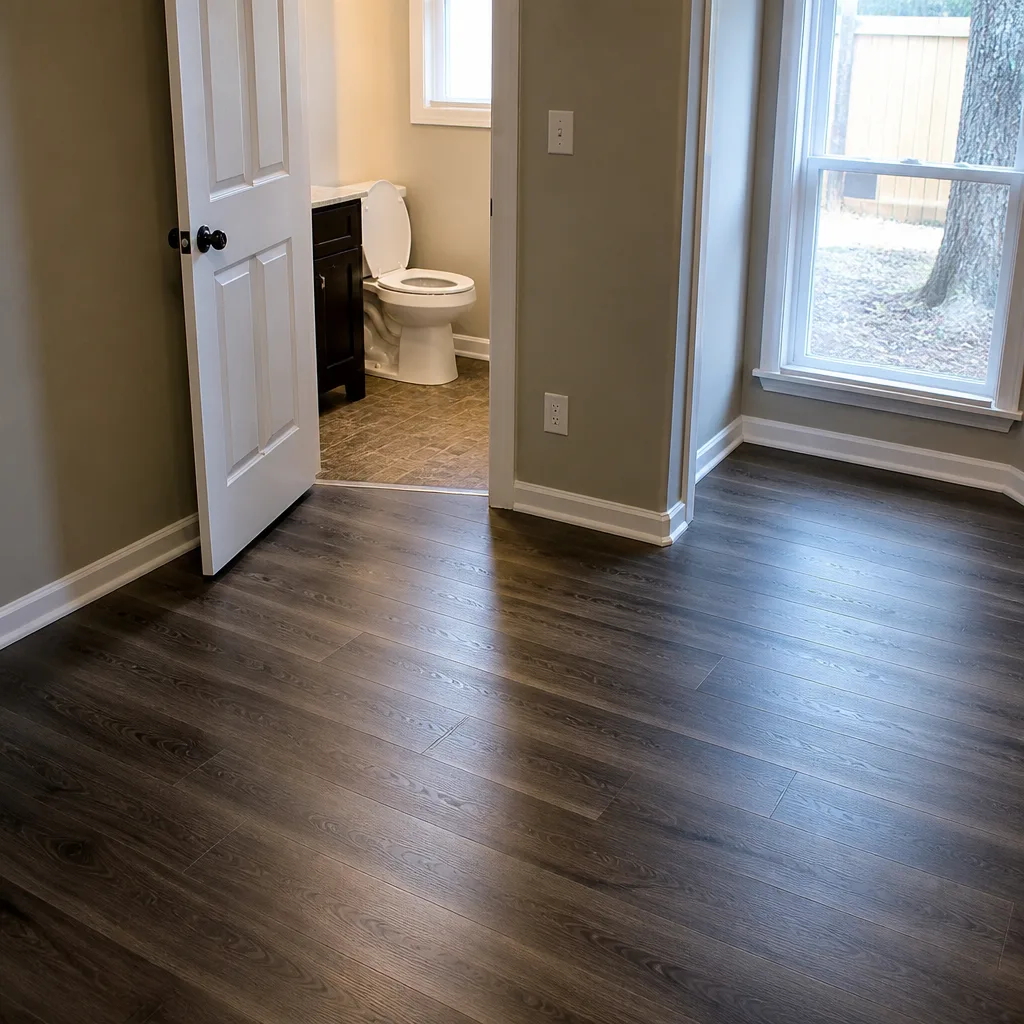
Floodline Restoration Co. keeps reconstruction in-house. The same crew that read the moisture map on day one runs the daily readings, hits the dry standard faster, and rebuilds after. Baseboards go back once the drywall is dry, not before, so there’s no trapped moisture behind new trim. Floors go in when the subfloor reads at the right moisture content for the material. Paint goes on last, and the final walkthrough includes a written documentation package: photos, moisture readings, and the scope delivered against the original estimate.
Reconstruction work is not emergency work. It’s scoped, scheduled, and priced in writing, like a remodel. Homeowners should expect a detailed estimate with line items, not an hourly-rate guess that balloons. The 90-Day Done Right Promise applies to rebuild work the same way it applies to emergency extraction: if it’s not done right, we make it right. Given in writing, no paperwork battles, no arguing. That’s the Keystone Standard.
Englewood’s housing stock includes Victorians near the downtown core, mid-century ranches on the plateau, and newer construction in the Four Corners area. Each rebuild requires different trim profiles, different drywall techniques, different flooring matching. A crew that has worked the neighborhood for years knows the local suppliers, the typical floor plans, and what the building department expects. We’ve been doing this in Englewood since 2010, and we plan to be here in thirty years. We hire local, we train apprentices into journeymen, and we answer the phone with a person.
Common Mistakes to Avoid
- Waiting to call about water. Every hour of water contact moves material from salvageable to replacement. After 72 hours, drywall that could have been dried is mold food. The line the water left is where the cost starts climbing.
- Using a household dehumidifier and fan on a real water loss. A residential dehumidifier pulls 10 to 20 pints a day; a restoration-grade Dri-Eaz or Phoenix unit pulls two to three times that. The DIY approach dries the surface and leaves the cavity wet. In Englewood’s humid summers, that’s a mold colony in progress.
- Bleaching mold. Bleach kills surface mold on non-porous materials. It does not penetrate drywall, wood, or insulation, and it adds moisture to the environment mold needs. The mold comes back, and now you’ve inhaled bleach fumes for nothing.
- Letting a stranger on the property after a storm. After every big storm, out-of-state crews show up in Englewood with ladders and tarps and a handshake. Some are legitimate; some take deposits and disappear. Demand a written scope, proof of insurance, and a local address.
- Ripping out drywall without containment. Mold and sewage particles aerosolize during demolition. Without negative air pressure and a containment barrier, you spread contamination through the whole house, including the HVAC system.
- Accepting a verbal estimate. In Englewood’s older homes, surprises hide behind walls: knob-and-tube wiring, asbestos in old flooring, plaster over unexpected framing. A verbal estimate has no accountability. A written scope agreed before work starts protects both sides.
- Letting damage linger between trades. Restoration and rebuild split between two companies means a gap where nothing happens. Moisture reads one day, demolition the next, but the rebuild crew can’t schedule for three weeks. Dust and damp settle back in. One crew doing both avoids that gap entirely.
When to Call a Professional
Call a professional the moment you see water coming from something other than a clean supply line, or the moment you smell smoke, sewage, or mold. Water behind drywall is a professional situation. Water touching electrical outlets is a professional situation. A sewage backup needs a pro with PPE, containment, and disposal protocols. A fire requires professional odor and soot treatment, not a coat of paint. When in doubt, call sooner. The consultation costs a phone call, and waiting turns small problems into large ones. Floodline Restoration Co. offers free estimates in Englewood: call (201) 729-3780, any hour, any day. A live dispatcher picks up, and a certified crew reaches the job the same visit.
Frequently Asked Questions
Water damage restoration in Englewood typically runs $400 to $4,000 for a contained leak with drying, $2,000 to $8,000 for Category 3 water or extensive drywall removal, and $10,000 to $50,000 or more for a full fire rebuild or storm reconstruction. Mold remediation generally ranges $500 to $6,000 depending on the affected square footage. The only way to know is a written, line-item scope, and Floodline Restoration Co. gives written estimates before work starts. Call (201) 729-3780 for a free estimate.
Most standard homeowners policies in New Jersey cover sudden and accidental water damage, fire damage, and wind storm damage. Sewage backup often requires a separate rider, and gradual leaks (a slow pipe drip over months) are frequently excluded. The practical answer is that direct adjuster communication makes the claim smoother. We photograph the damage, document our scope, and bill the carrier directly, so you’re never the messenger between us and the insurance company.
In Englewood, same day, most cases. Floodline Restoration Co. answers the phone with a live dispatcher 24/7, and a certified crew reaches the job and starts extraction the same visit we arrive. The first 24 hours after water damage determine how much material can be saved, so speed is structural, not just convenient.
If the affected area is small, the moisture was stopped quickly, and the material stayed wet less than 48 hours, a cleaning and drying plan may be enough. If you see mold, smell it, or the water was Category 3, professional assessment is warranted before any decision. A reputable company tells you when remediation is not necessary; that honesty is itself a signal of a company worth calling. We’ll give you a straight answer.
Floodline Restoration Co. coordinates directly with your insurance adjuster. We document the damage in the adjuster’s language, provide moisture logs and photos, and bill the carrier directly. You are never asked to translate restoration scope into insurance paperwork or to play middleman between two offices that don’t talk to each other.
Mold affects people differently. Some occupants have no reaction; others experience respiratory irritation, asthma exacerbation, or allergic responses. Children, the elderly, and people with compromised immune systems are more vulnerable. The conservative path is to treat any visible mold growth behind materials as a moisture problem that needs professional assessment. Englewood’s humid summer climate makes basement mold more common here than in drier regions, and the same conditions that grow mold also attract dust mites and other moisture-dependent irritants. Call (201) 729-3780 for an honest assessment.
The Bottom Line
Damage restoration in Englewood follows one sequence: stop the source, remove the water or contamination, dry the structure to a measured standard, remove what can’t be saved, and rebuild what was torn out. Speed matters most in the first 24 hours. The right equipment matters more than most homeowners realize. The written scope matters before work starts. And the company that does all of it, start to finish, answers to one name. Floodline Restoration Co. has served Englewood since 2010, with live 24/7 dispatch, direct insurance billing, professional-grade Dri-Eaz, Phoenix, Injectidry, XPOWER, and B-Air equipment, and the 90-Day Done Right Promise in writing. Call (201) 729-3780 for a free estimate. Done right, and backed in writing.
Written by Curt Bowman, Owner at Floodline Restoration Co., serving Englewood since 2010.