
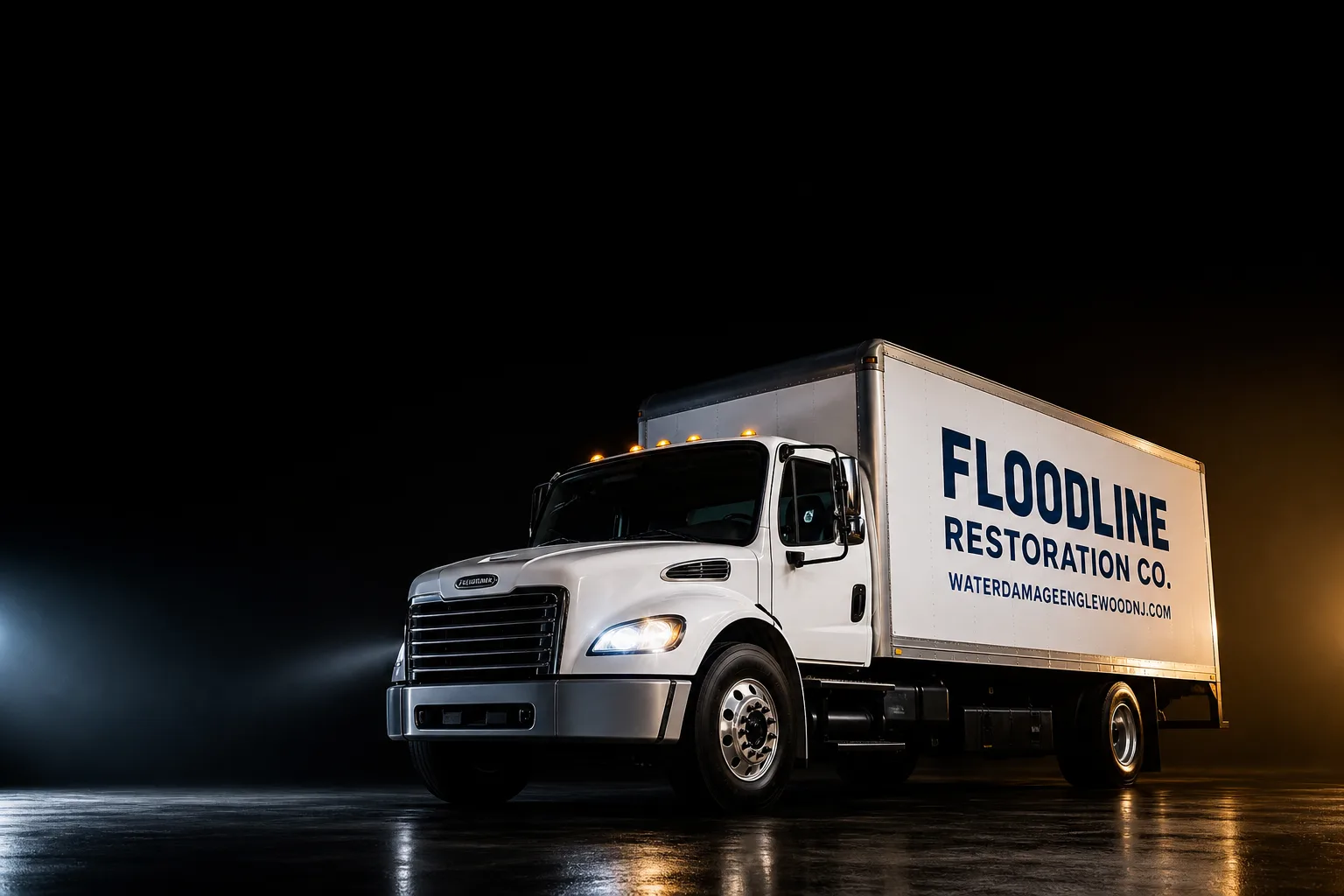
Free visual inspection and a written scope of work before any mitigation begins - photos, moisture readings, and drying logs go in your claim file
The scope we write is the scope we bill. Anything new gets shown to you, in writing, before we touch it.
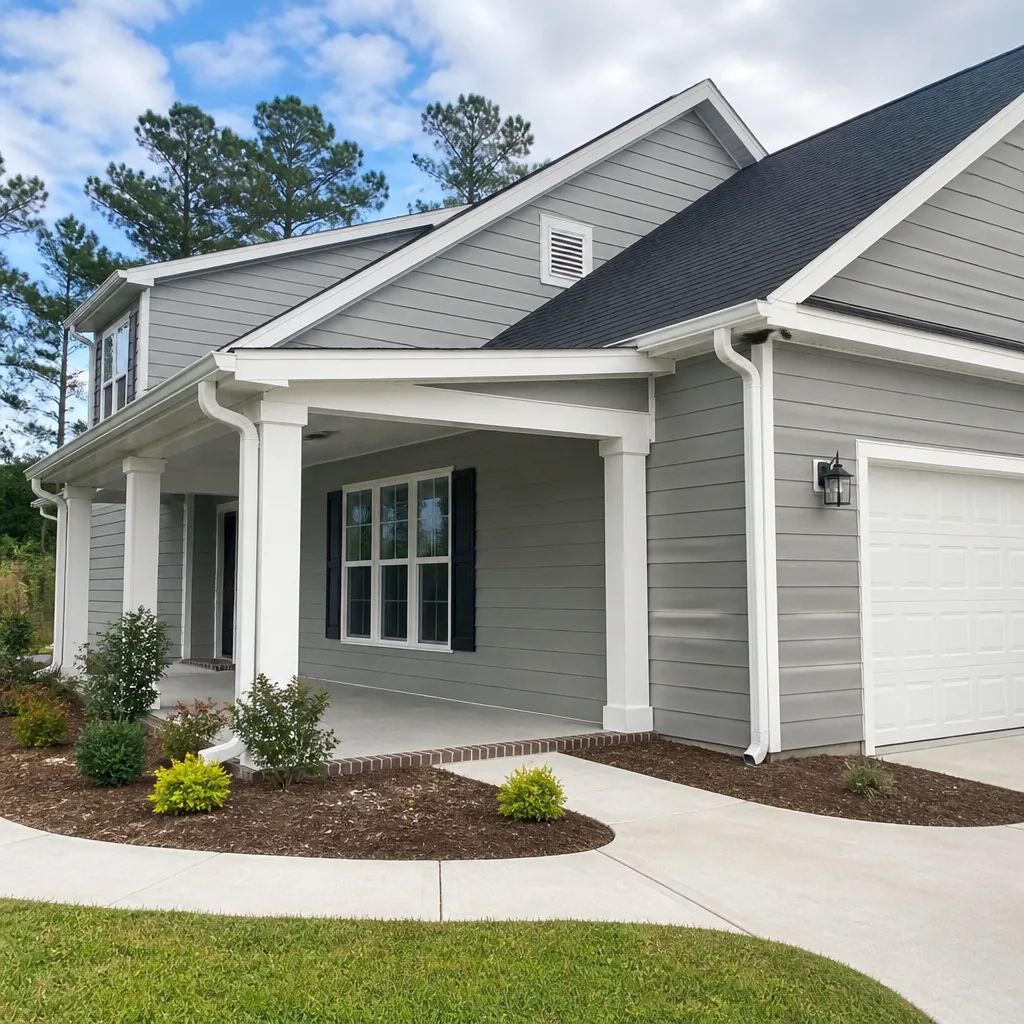
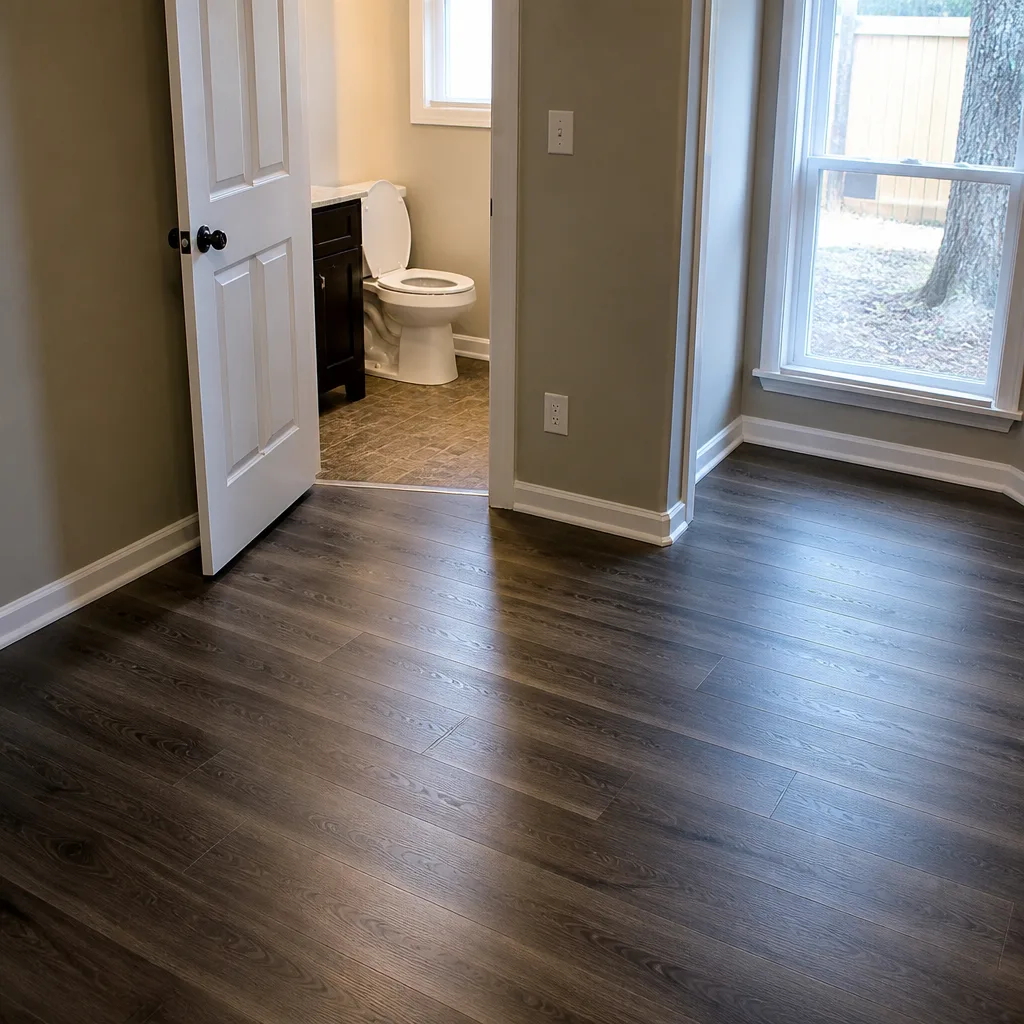
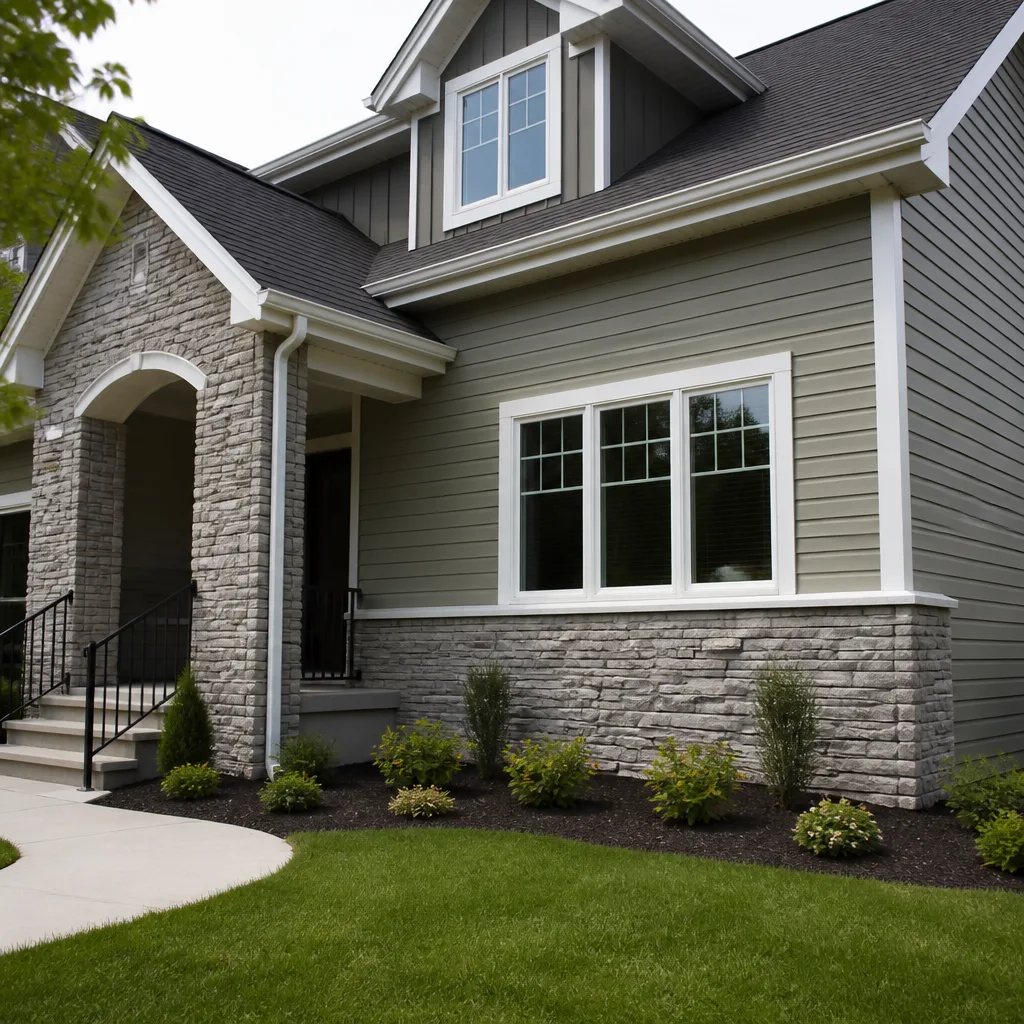
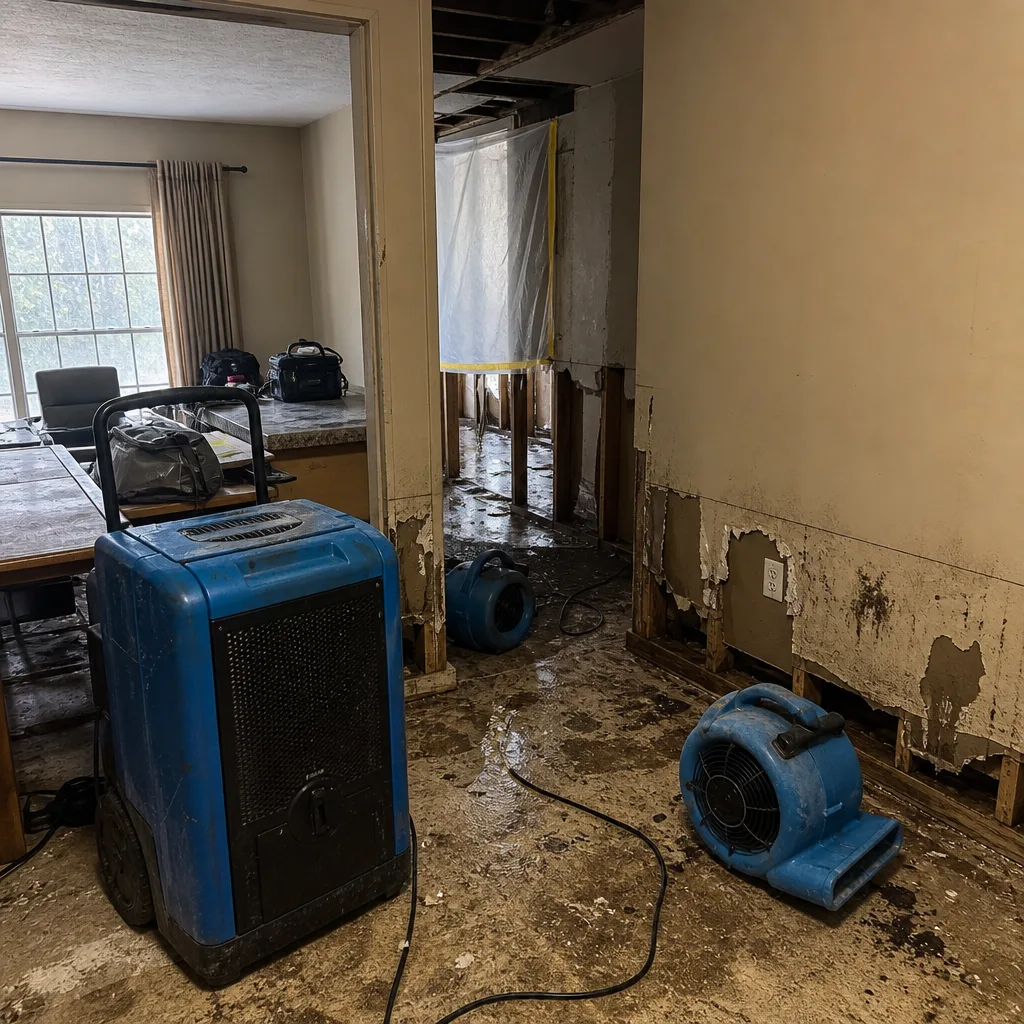 Before
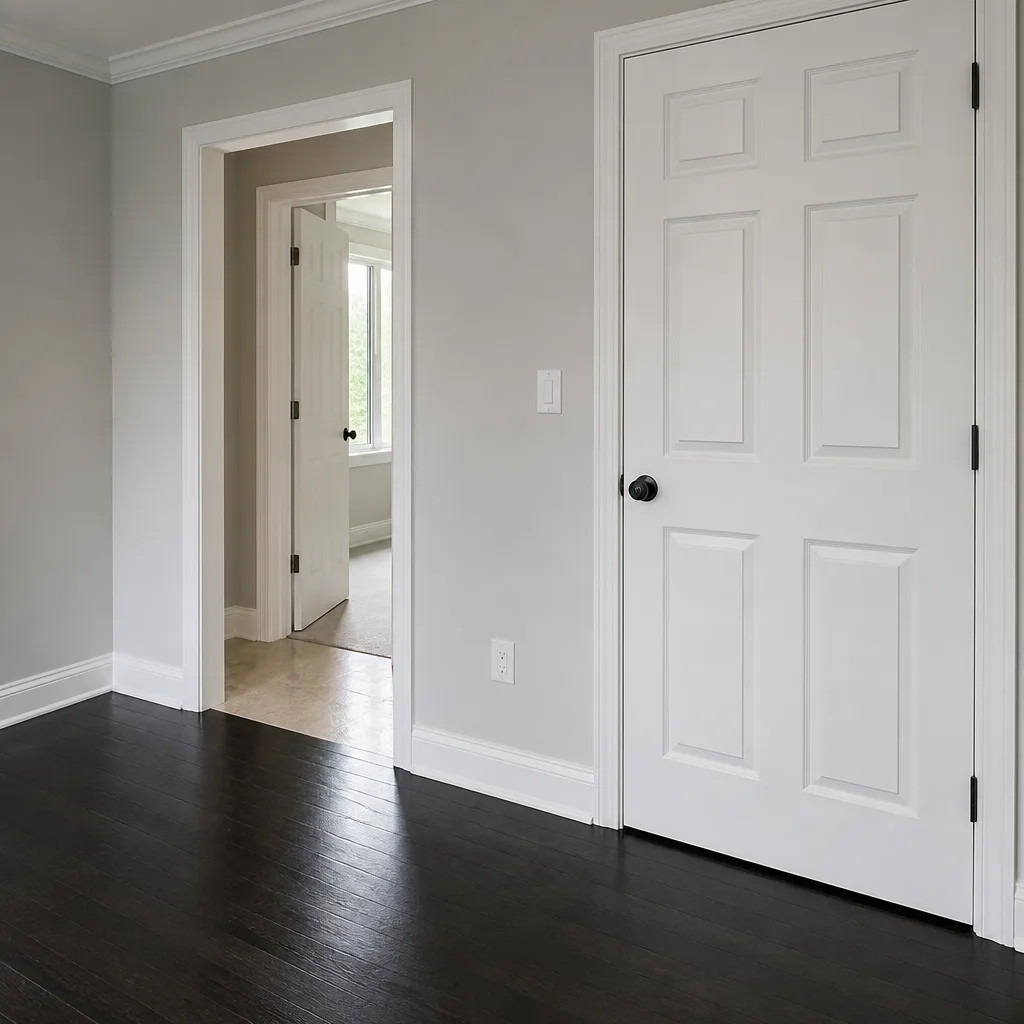 After
After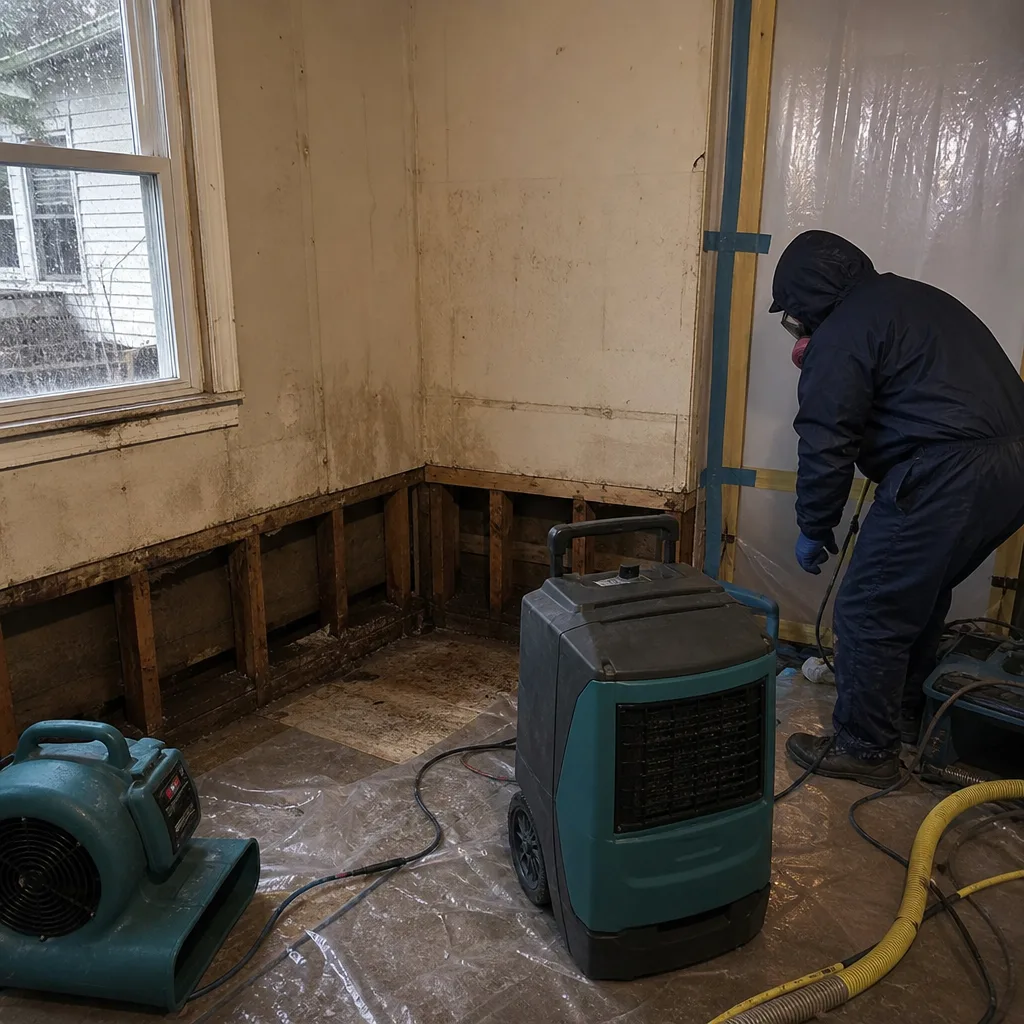 Before
 After
After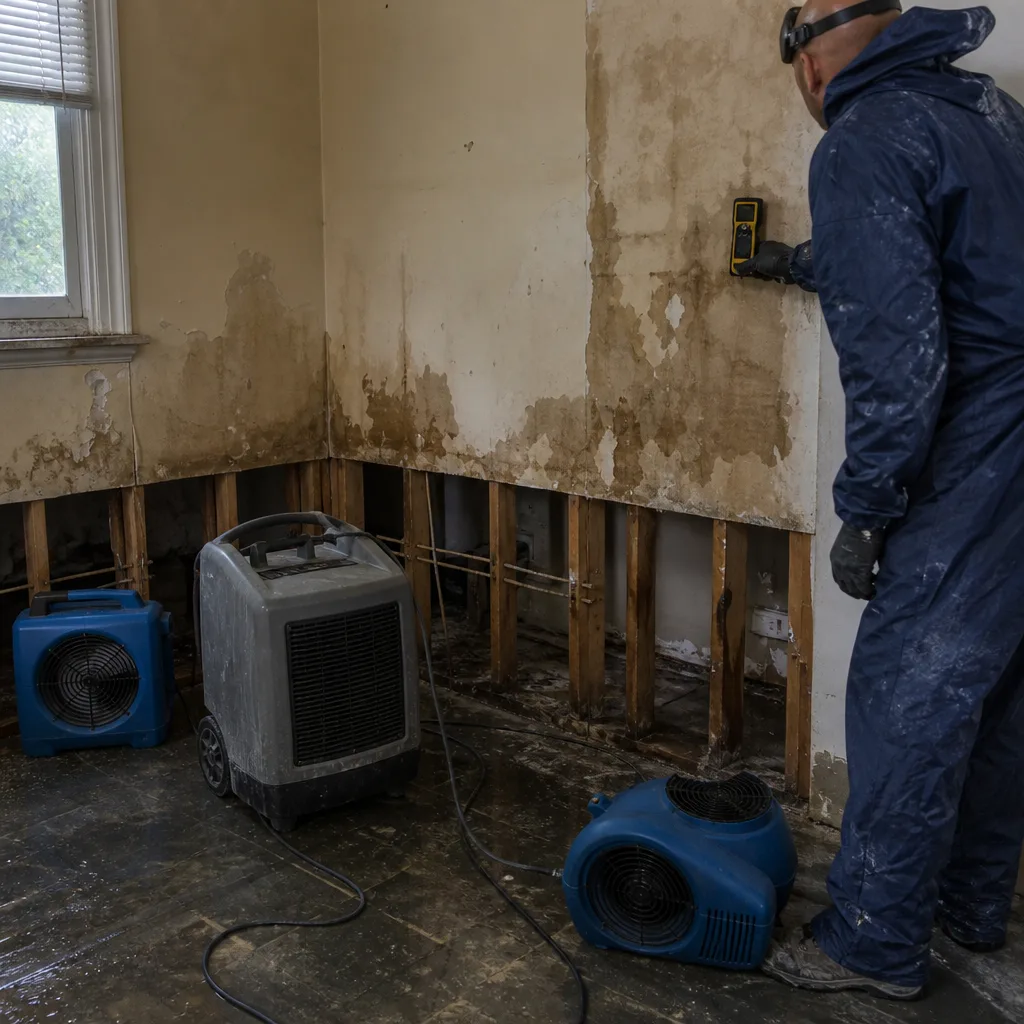 Before
 After
After24/7 Emergency Biohazard & Crime Scene Cleanup in Cresskill
A biohazard or crime scene in your Cresskill home is not a job for a regular cleaning crew. Blood, bodily fluids, and decomposition release pathogens that soak into plaster, hardwood, and cinder block within hours, and once they reach a sill plate or stud cavity, you’re looking at a structural issue, not a surface wipe-down. Floodline Restoration Co. answers the phone with a live dispatcher around the clock, and we can have a certified crew in Cresskill the same hour you call. If you’re standing in the middle of something you never expected to see in your own house, call (201) 729-3780 now. We’ll walk you through the first steps before the truck even rolls.
Understanding Biohazard & Crime Scene Cleanup Severity in Cresskill Properties
Cresskill’s housing stock makes biohazard work different here than in neighboring towns. Most homes along Madison Avenue, Brookside Avenue, and Knickerbocker Road were built between the 1940s and 1960s, which means original plaster over cinder-block foundations. Plaster wicks. Blood and bodily fluids don’t sit on the surface the way they do on modern drywall; they travel downward through the plaster keys and into the block, then follow the mortar joints sideways along the foundation. By the time a homeowner notices a stain or odor, the contamination has usually moved three to six feet beyond the visible area. We don’t chase stains in Cresskill. We map moisture and protein residue through the full assembly because a trauma scene in a Cape on a granite-and-cinder foundation behaves nothing like the same event in a newer drywall home in Tenafly. This is the difference between cleaning what you can see and removing what’s actually there.
Why Cresskill Property Owners Choose Floodline Restoration Co.
- 45-minute response commitment: From the moment a live dispatcher takes your call, our nearest Cresskill-area crew is rolling. The first hour determines whether that scene stays contained or spreads.
- 24/7 live answer, never a recording: The person who picks up at two in the morning is a real dispatcher who can send help, not a voicemail box.
- IICRC-certified technicians: Our crews hold WRT, FSRT, and AMRT certifications and have handled trauma, unattended death, and infectious disease scenes across Bergen County for years.
- Free visual inspection: We’ll assess the scene, identify what’s contaminated, and give you a written scope before any work begins. You decide with facts, not pressure.
- Direct insurance billing: We document from the first hour, photograph everything, and coordinate with your adjuster so you’re never the messenger between two parties.
- One team from first extraction to final reconstruction: No mid-job handoff. The crew that sets containment is the crew that finishes the trim.
Our Biohazard & Crime Scene Cleanup Process
Inspection & Assessment
We start with a full visual and moisture assessment. In Cresskill homes, that means checking plaster saturation above and below grade, tracing how far fluids have traveled through the cinder-block foundation, and identifying any hidden cavities in kneewalls or under finished floors. We use thermal imaging and hygrometers to find what eyes miss.
Extraction & Stabilization
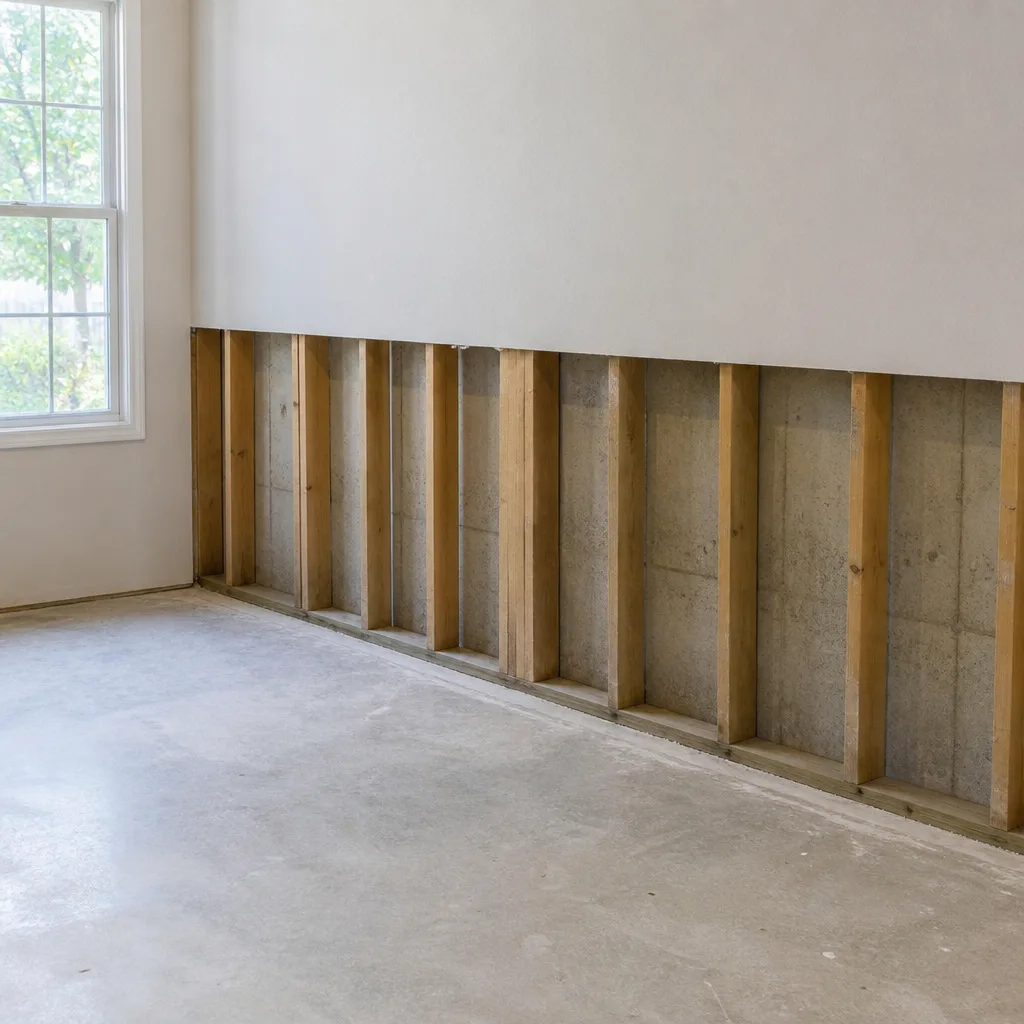
Any blood, bodily fluid, or decomposition residue is removed using hospital-grade extraction methods. We cut out saturated plaster and flooring in a controlled manner, not a blind demo, so we preserve what can stay and remove what cannot. Everything removed is bagged and disposed of as regulated medical waste.
Drying & Dehumidification
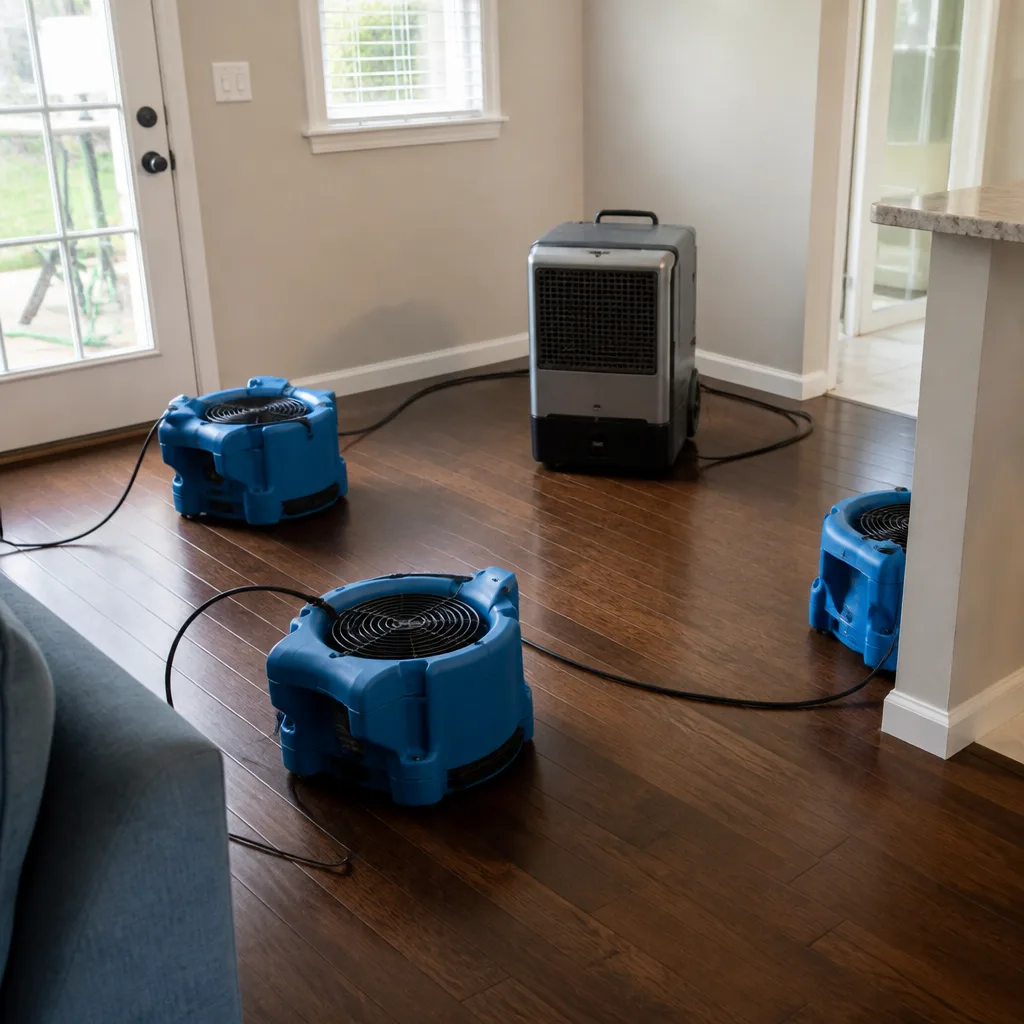
Once the source material is out, we run professional-grade drying. In Cresskill’s finished basements, that means Dri-Eaz desiccant dehumidifiers and high-velocity air movers positioned to pull moisture from cinder block and sill plates. We log readings daily until the dry standard is met.
Cleaning & Sanitization
We use EPA-registered, hospital-grade disinfectants rated for bloodborne pathogens including HIV, hepatitis B, and hepatitis C. Every affected surface is cleaned, then disinfected, then tested. Original plaster walls in Cresskill Colonials often require multiple passes because the material holds contaminants deeper than drywall.
Specialty Treatment
For trauma and unattended death scenes, we run HEPA air scrubbers to capture airborne particulates and odor molecules. For infectious disease disinfection, we follow an ATP meter protocol to verify biological loads are below threshold before we declare the area clear. Tear gas and chemical cleanup get a different chemistry matched to the residue type.
Repairs & Restoration
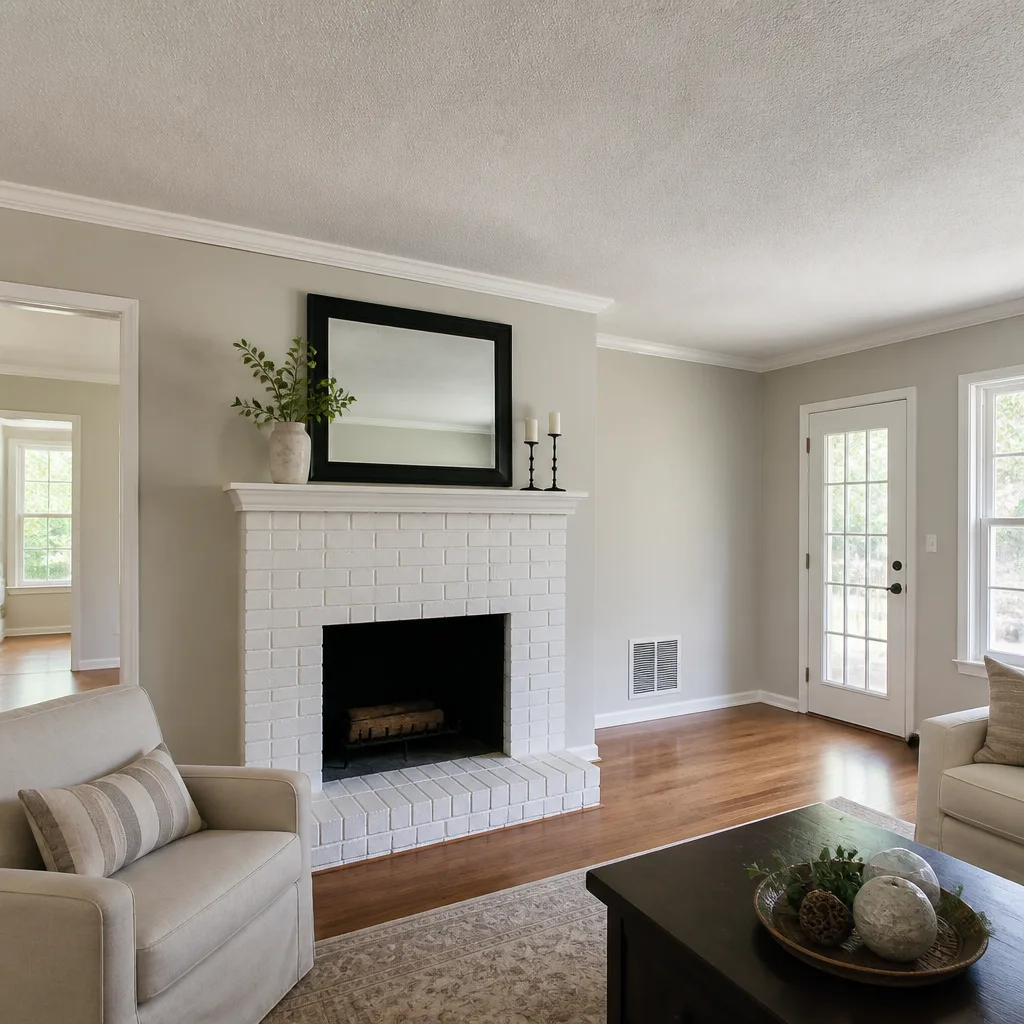
When the space is clean and verified, we rebuild. Because Floodline handles reconstruction in-house, the same certified crew restores plaster, flooring, trim, and paint. We leave you with a finished room and a written confirmation of what was done, not a construction site and a referral list.
Need Emergency Biohazard & Crime Scene Cleanup in Cresskill Now?
Crews minutes away, answering live 24 hours a day. The sooner we start, the less it costs.
Working With Your Insurance Company
Most Cresskill homeowners policies cover biohazard and trauma scene cleanup, but the claim’s success depends on documentation. We send your adjuster room-by-room photos, moisture readings, line-item scopes, and a day-by-day log of work performed. Our estimators know how carriers in New Jersey process these claims, and we handle the back-and-forth directly. You’ll get a clear answer on what’s covered before we start tearing out material, and if anything is out-of-pocket, you’ll see it in writing first. No surprises after the fact.
What We Provide Your Insurer
- Thorough documentation of the loss
- Photos of all damage, room by room
- Moisture readings and drying logs
- A detailed, line-item scope of work
- Direct coordination with your carrier
Built for Cresskill’s Loss Calendar
Cresskill’s biohazard calls follow a seasonal pattern that anyone who’s lived here twenty years will recognize. January and February bring the deep-freeze burst pipes that send category 3 water through finished basements. March and April’s nor’easters and the freeze-thaw cycle on low-pitch Cape roofs create hidden ice damming, and the saturated plaster ceilings that follow are exactly where a trauma scene or unattended death gets complicated fast. Summer thunderstorms dump inches of rain in an hour, and Cresskill’s topography, sitting low just west of the Palisades ridge, sends runoff directly into basements on flat lots. By the time a remediation job in Cresskill gets underway, our crews are usually dealing with a layered loss: water intrusion, microbial growth, and trauma contamination stacked in the same foundation. That’s the call we’re built for.
Biohazard & Crime Scene Cleanup Across Cresskill’s Neighborhoods
Cresskill’s layout means response routes and loss patterns shift block by block. On the east side, homes along Brookside Avenue and up toward the Palisades see the steep-grade runoff and finished basements with custom millwork that turn a small seep into a large biohazard scope. Over by the Knickerbocker Road corridor, the mid-century Colonials on cinder-block foundations wick groundwater quietly for months, and that’s where we find trauma contamination that’s spread far beyond the visible scene. In the neighborhoods around Madison Avenue, original plaster walls and finished attic bedrooms on Cape Cod homes create isolated contamination pockets behind kneewalls, areas a standard cleaning never reaches. And off Hillside Avenue, the split-levels from the 1950s and 1960s have multiple half-levels, which means fluids can track downward through three or four floor assemblies before they stop. We route through all of it daily, and we know the houses.
Specialized Biohazard & Crime Scene Cleanup Services We Offer in Cresskill
Crime Scene Cleanup
We respond to Cresskill crime scenes after law enforcement releases the property. Blood, fingerprints dust, and evidence chemicals all require different treatment, and we’re trained to handle each. We work quickly but never cut corners on containment or disposal.
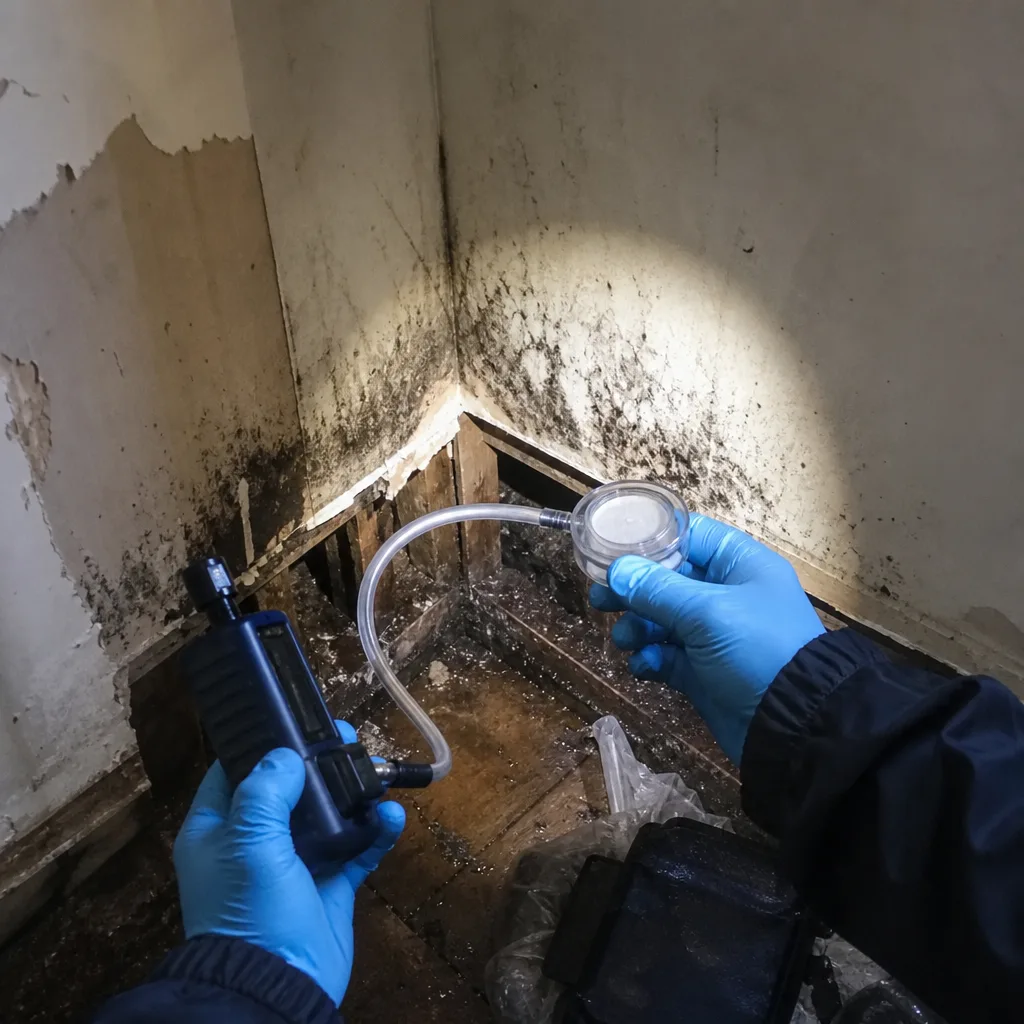
Trauma & Unattended Death Cleanup
An unattended death in a Cresskill home often means days or weeks of decomposition settling into plaster and flooring before anyone knows. We handle the full cleanup with compassion and discretion, including odor removal that actually works. Our Brookside Avenue response showed us exactly how a nor’easter leak can combine with a trauma scene and turn a roof claim into a three-floor remediation. We’ve seen this borough’s worst, and we’ve brought those houses back.
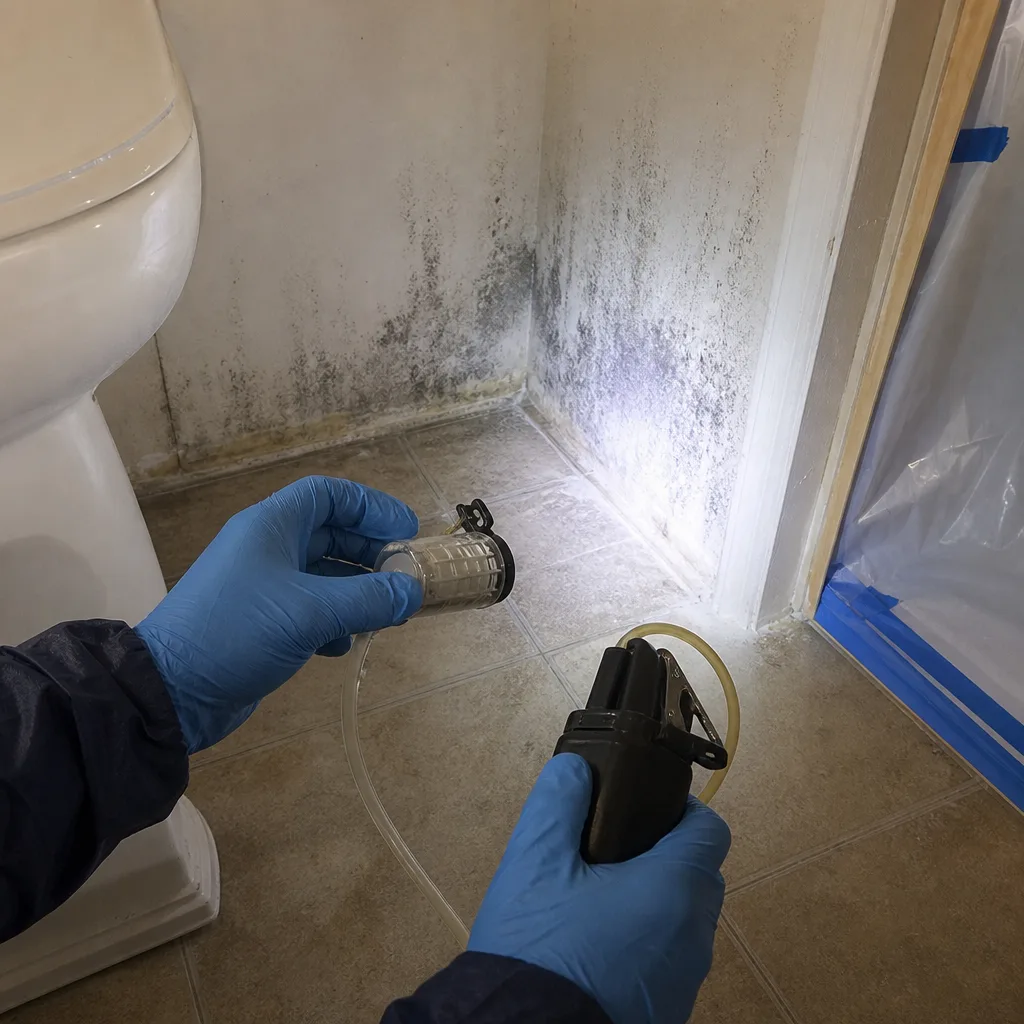
Hoarding Cleanup
Hoarding situations in Cresskill’s older homes present unique biohazard risks because the accumulated material traps moisture against original plaster and cinder block. We sort, remove, and disinfect while respecting that this is someone’s home and history. We’re methodical, not judgmental.
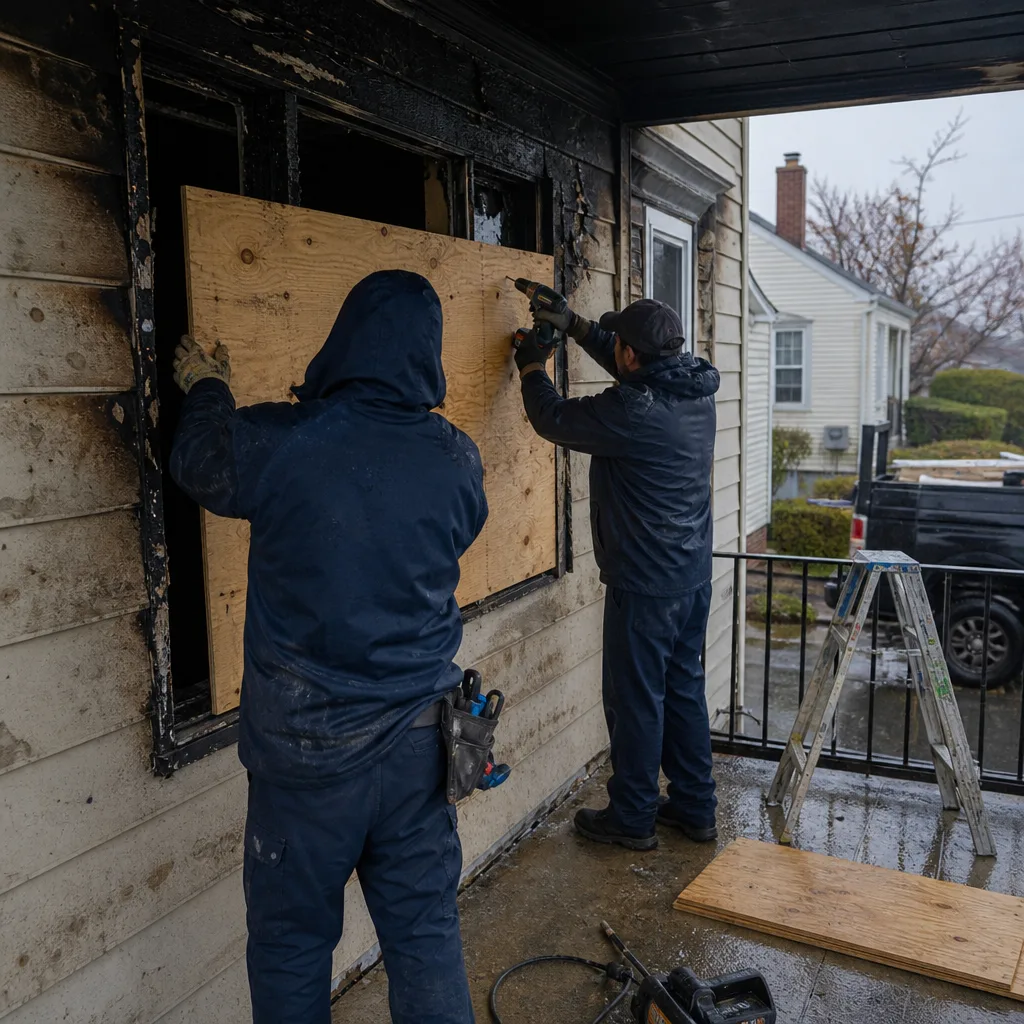
Blood & Bodily Fluid Cleanup
Blood that soaked into a Cresskill plaster wall hours ago has already begun its downward migration into the foundation. We remove affected material to the point of clean substrate, which often means cutting back further than the visible stain suggests. That’s not overcutting; that’s removing what’s actually contaminated.
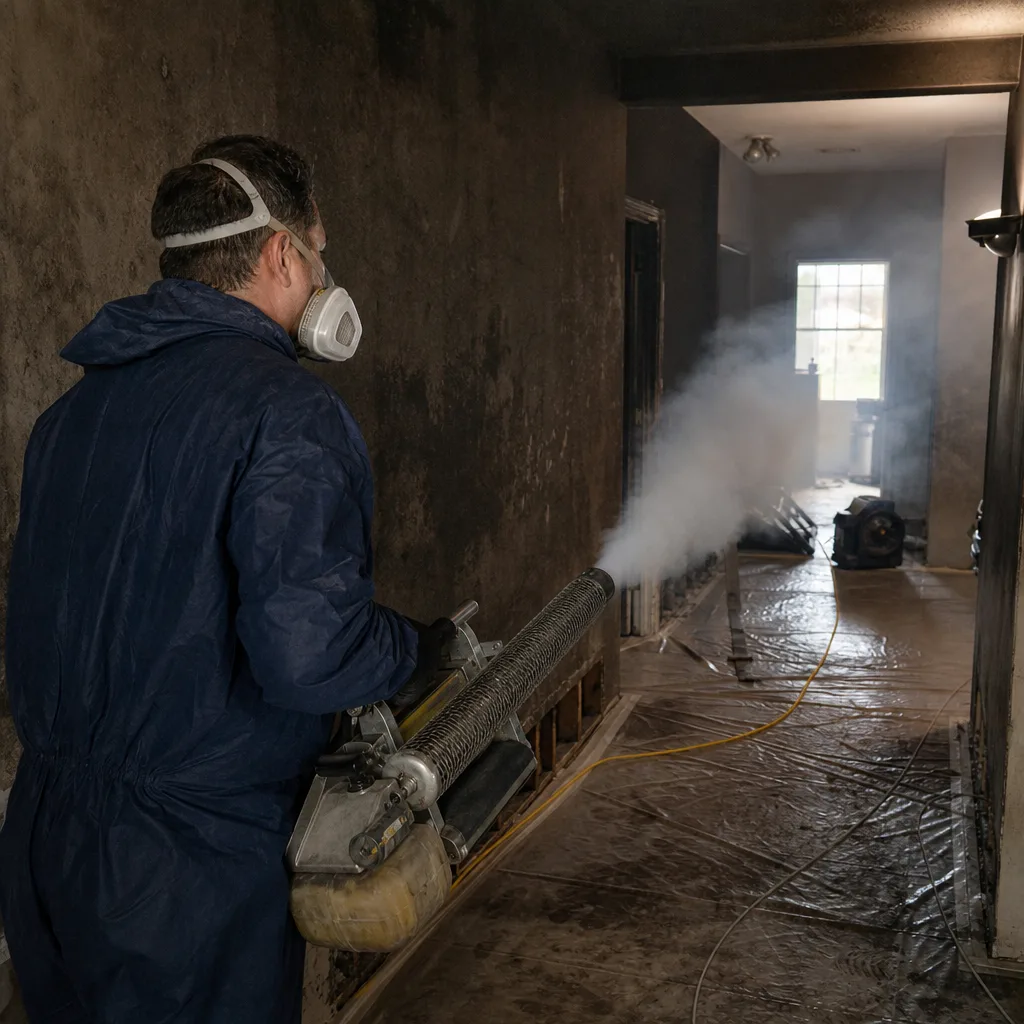
Infectious Disease Disinfection
When a Cresskill home has been exposed to MRSA, C. diff, COVID-19, or other pathogens, we use EPA-registered disinfectants with dwell times verified by our ATP meter protocol. Every surface gets treatment, including the custom millwork and original plaster that standard cleaners can’t properly sanitize.
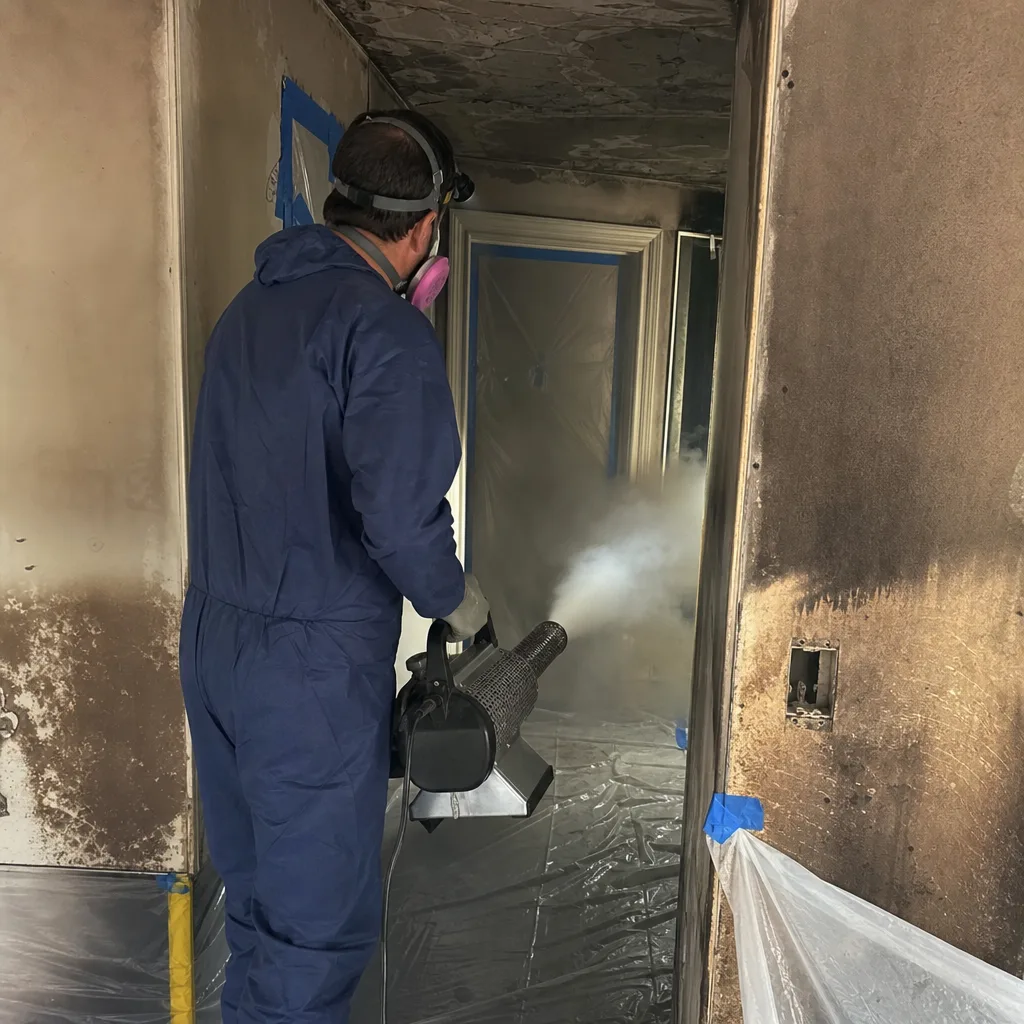
Tear Gas & Chemical Cleanup
Tear gas residue clings to walls and HVAC systems and reactivates with humidity. In Cresskill’s humid summers, that means a lingering problem if not fully neutralized. We identify the chemical, match the agent, and clean the entire affected envelope, including ductwork.
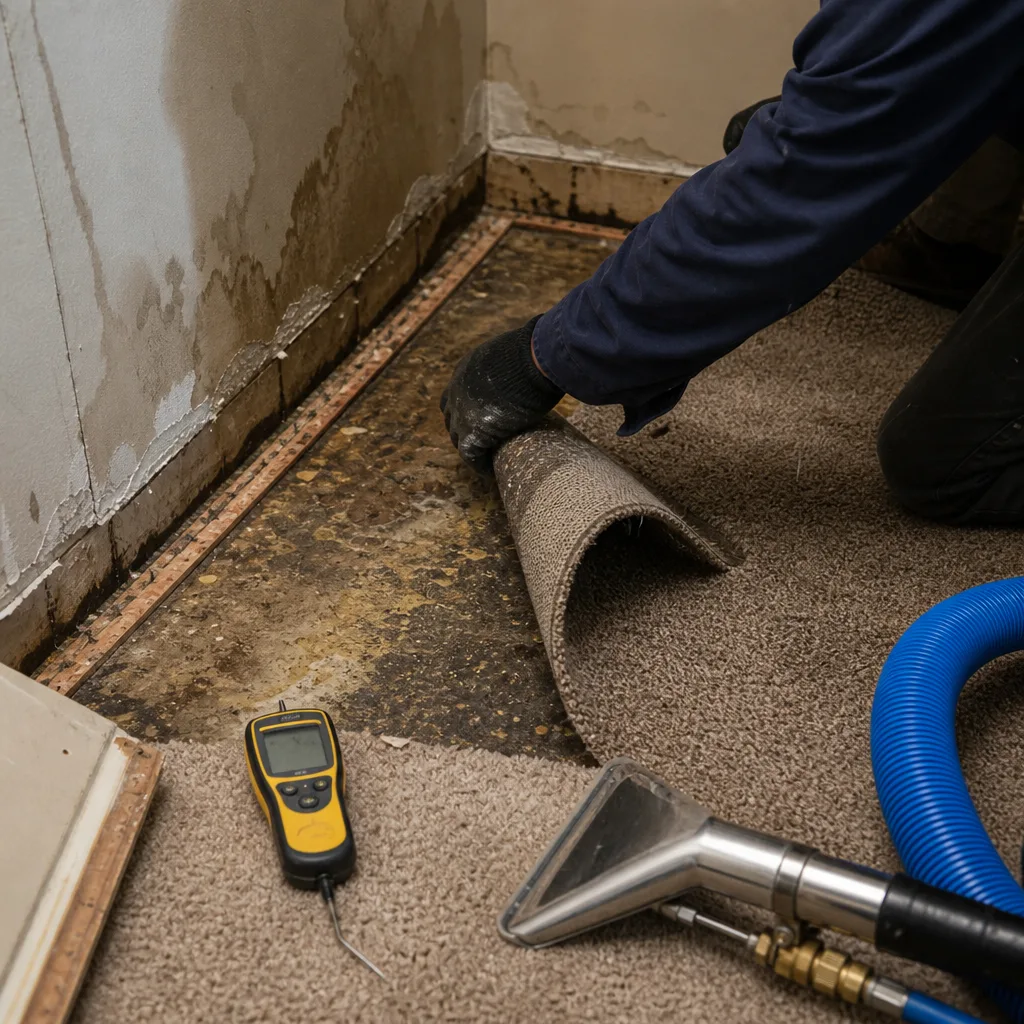
What happens when you call
- 1
A real person answersNo phone trees - you reach a local pro.
- 2
You get an upfront price rangeHonest numbers before anyone is dispatched.
- 3
A background-checked tech heads outLicensed & insured, dispatched right away.
- 4
You approve before work beginsNothing starts until you say go.
Biohazard & Crime Scene Cleanup Costs in Cresskill, NJ
Cresskill biohazard jobs run higher than neighboring towns for a simple reason: the houses are older, the basements are finished, and the foundations are cinder block. Here’s what you can expect:
- Crime scene cleanup: $1,800-$5,500 depending on the area affected and whether fluids reached the foundation or subfloor.
- Trauma or unattended death cleanup: $2,500-$8,000. A decomposition scene in a finished Cresskill basement with custom millwork will always land at the higher end.
- Blood cleanup, single room: $800-$2,200 if the contamination is caught early and confined to drywall or flooring.
- Infectious disease disinfection: $1,200-$3,500 for a whole-home treatment with ATP verification.
- Hoarding cleanup: $2,000-$10,000+ depending on volume and how long moisture has been trapped against the structure.
Most Cresskill homeowners have coverage for these losses. We’ll confirm scope, document everything, and bill your carrier directly. If your policy doesn’t cover it, you’ll know the full number before we cut anything. Call (201) 729-3780 for a free visual inspection and a written estimate.
We Also Serve Cities Near Cresskill
Our crews cover Cresskill and the surrounding Bergen County boroughs daily, including Tenafly, Dumont, Bergenfield, and New Milford. Same live dispatch, same 45-minute response commitment, same written guarantee.
Serving Cresskill, NJ - Our Local Coverage Area
We’re based in the Cresskill area and know this community well. Use the map below to see our service coverage - if you’re nearby, we can almost certainly help.
Cresskill Biohazard & Crime Scene Cleanup Questions, Answered
How does Cresskill’s older plaster construction affect biohazard cleanup in a finished basement?
Original plaster over cinder block wicks blood and bodily fluids downward and sideways through the foundation, far beyond the visible stain. That means cleanup in a Cresskill finished basement almost always requires cutting back plaster, drilling test holes in the cinder block, and moisture-mapping the assembly to confirm we’ve reached clean substrate. A surface wipe-down is not enough.
Why might a crime scene cleanup on a Cresskill street require drying equipment?
Because Cresskill’s topography funnels stormwater into basement foundations, and many trauma scenes are complicated by pre-existing water intrusion. Once we remove contaminated material, the cinder block and sill plates often hold moisture that would feed mold within days. We run Dri-Eaz dehumidifiers and air movers to hit the dry standard before any rebuild begins.
Does Cresskill’s stormwater runoff pattern make biohazard jobs worse than neighboring towns?
Yes. Cresskill sits in a low bowl west of the Palisades ridge, so heavy rain concentrates in the borough’s tight residential blocks. Finished basements here hide category 3 water intrusion behind original plaster and cinder block for months. When a biohazard event occurs in that environment, we’re almost always dealing with long-standing microbial contamination in addition to the immediate scene.
How do you handle infectious disease disinfection in a Cresskill home with original plaster and custom millwork?
We use EPA-registered, hospital-grade disinfectants with the correct dwell time for the pathogen, then verify with ATP testing. Custom millwork gets hand-cleaned because we won’t strip a built-in with harsh chemicals. Plaster needs multiple passes because it’s porous, and we cover any surface that can’t be safely disinfected with a barrier until we can replace it.
Will your crew need to cut into my Cresskill foundation wall after a trauma scene?
If fluids reached the foundation, likely yes. We drill access holes into the cinder block to test for contamination and moisture. If the block is contaminated, we open the wall to the point where the material is clean. Leaving contaminated block behind means odor and pathogens will return. We’ll show you exactly what we found before we cut.
How fast can you actually get to a Cresskill address?
Our live dispatcher answers 24/7, and we target 45 minutes from call to crew on-site anywhere in Cresskill. For active biohazard scenes, that speed matters because contamination spreads through plaster and subfloor with every hour that passes.