
Last updated August 25, 2026
Free visual inspection and a written scope of work before any mitigation begins - photos, moisture readings, and drying logs go in your claim file
The scope we write is the scope we bill. Anything new gets shown to you, in writing, before we touch it.


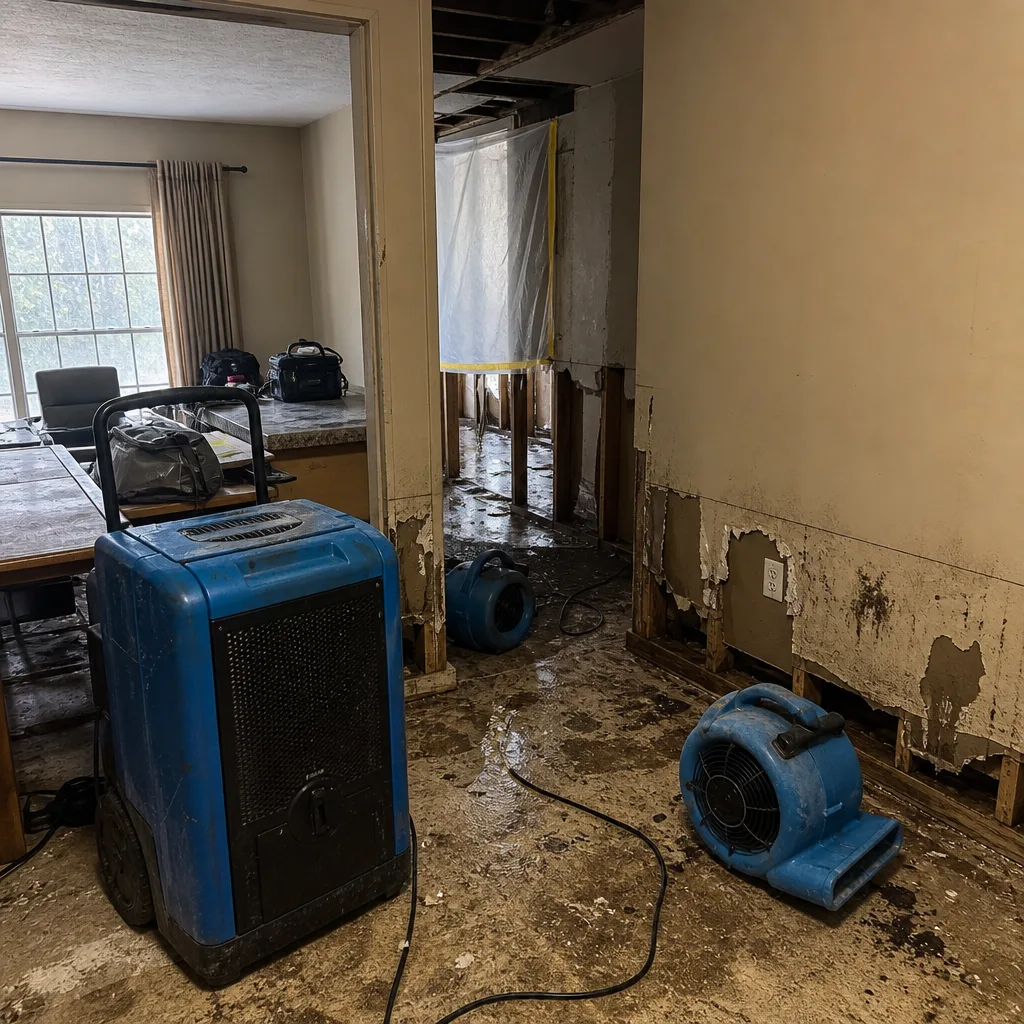 Before
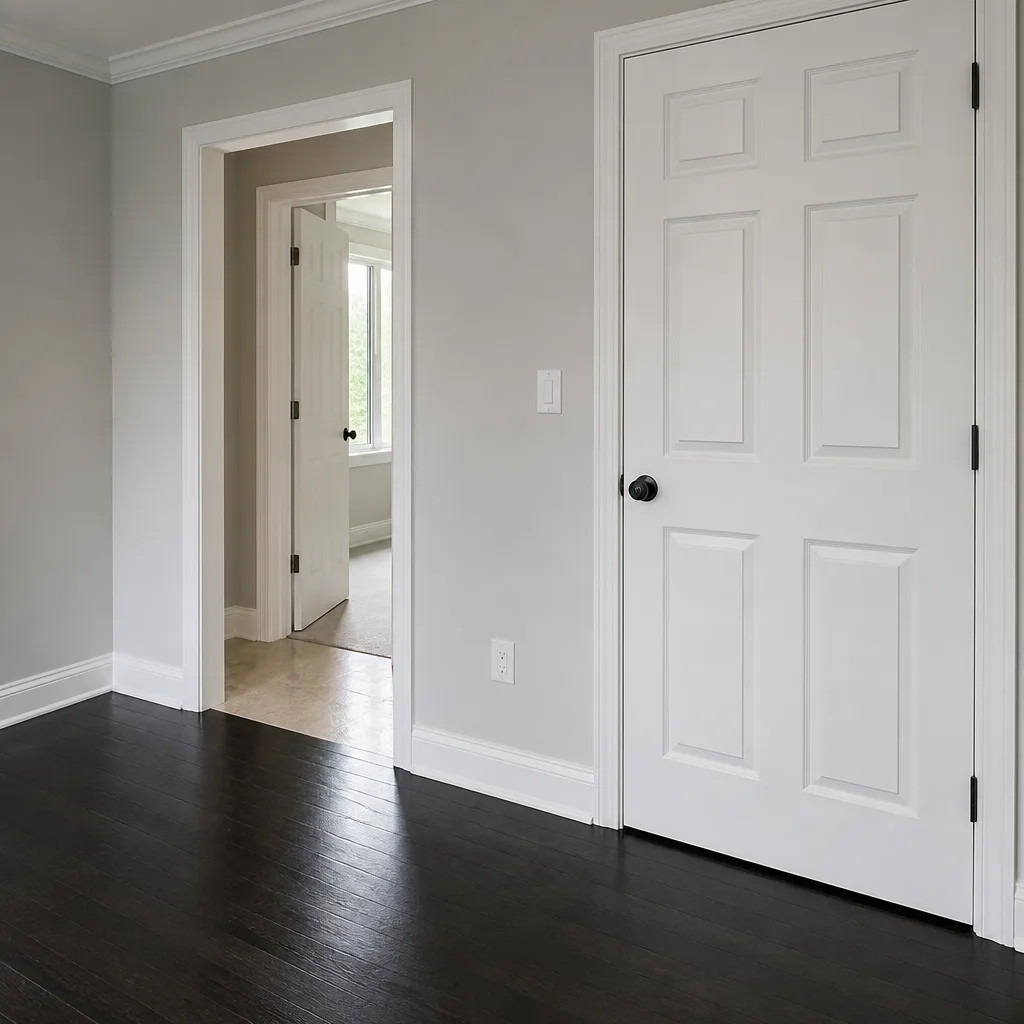 After
After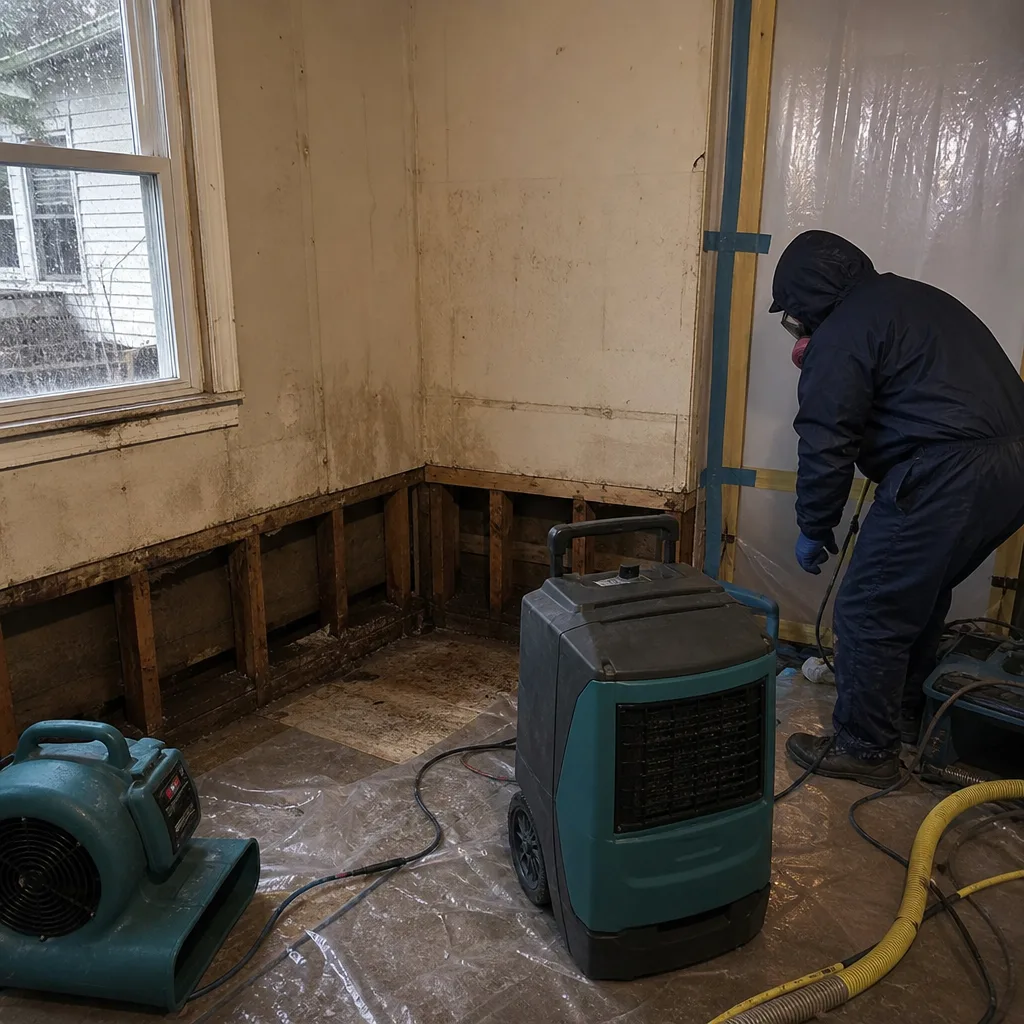 Before
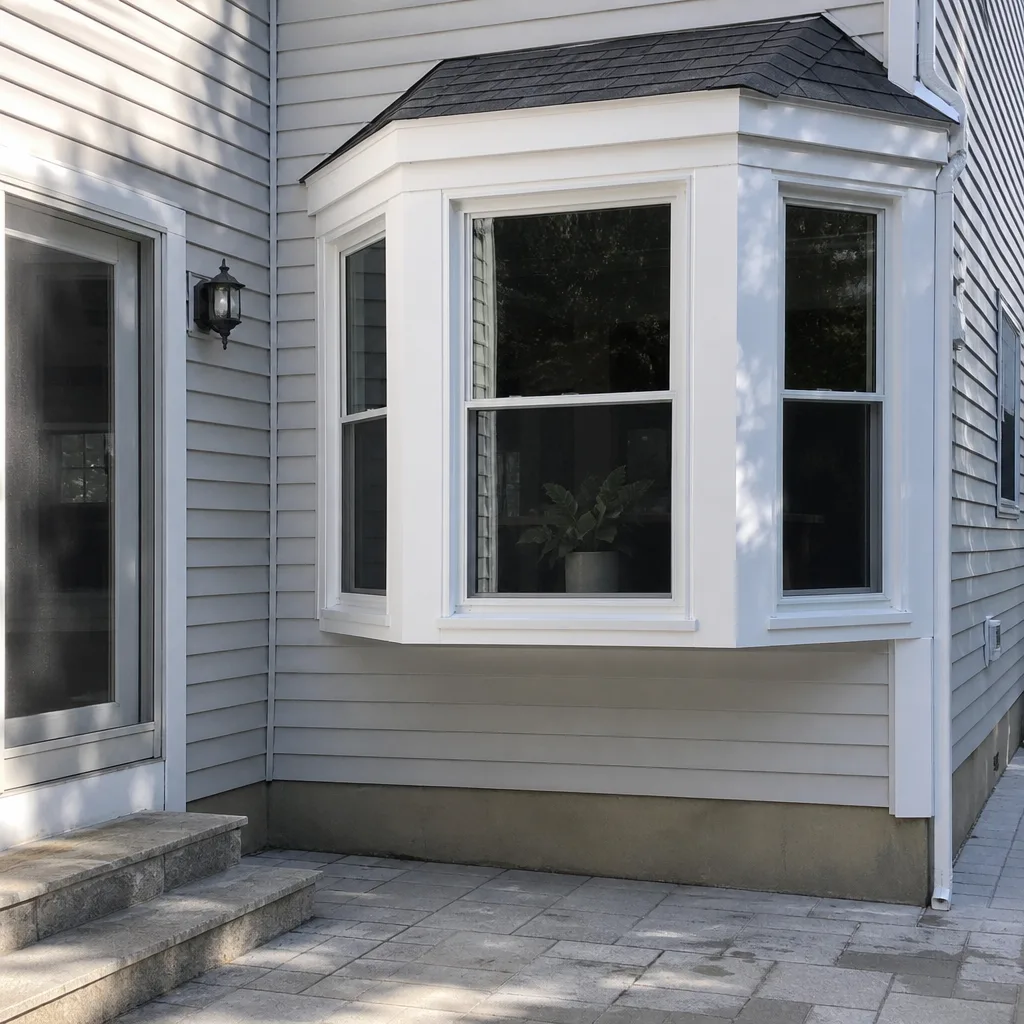 After
After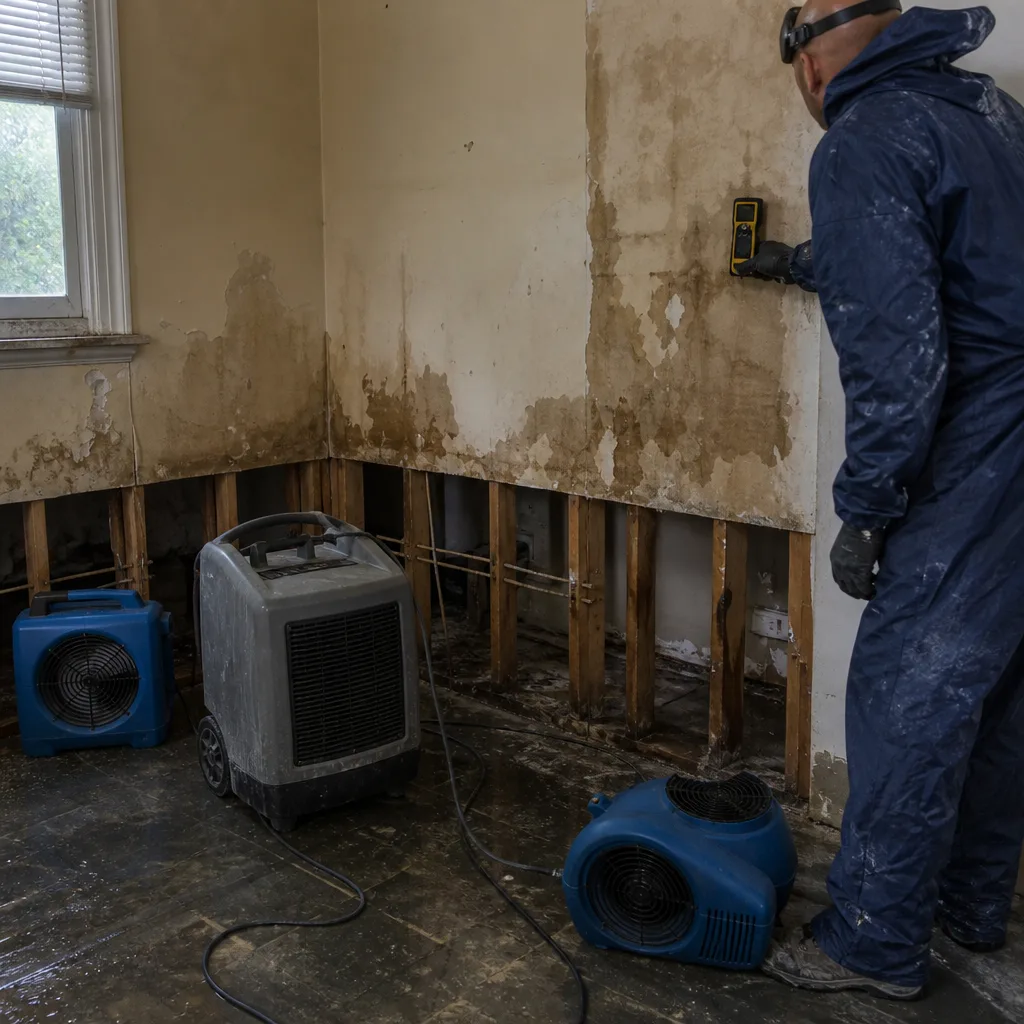 Before
 After
AfterDamage Restoration Warning Signs: A Englewood Homeowner’s Reference Guide
Most Englewood homeowners don’t lose their homes to a single catastrophic flood. They lose them slowly, over months or years, to the quiet damage that happens after a small leak, a humid summer, or a storm that seemed minor at the time. Water is patient. Mold is patient. By the time you see the stain on the ceiling or smell the mustiness in the basement, the real damage has usually been working for weeks beneath the surface. This guide is written for Englewood homeowners who want to catch trouble before it becomes a claim, a rebuild, or a health problem. We’ve worked in homes from the east hill to the flatlands near Route 4, and we know exactly where Englewood houses hide their damage and what to do before it spreads.
Quick Answer
The most common early warning signs of damage in a Englewood home are water stains on ceilings or walls, a musty smell that won’t go away, peeling paint or bubbling wallpaper, floors that feel soft or springy, and a water bill that jumps for no reason. Any one of these means damage is already active and spreading, even if the house still looks fine. Contact a restoration professional immediately for a moisture assessment: in Englewood, Floodline Restoration Co. offers free estimates and answers live 24/7 at (201) 729-3780.
Table of Contents
- Water Stains and What They Mean About Your Englewood Home
- Why a Musty Smell Is a Warning You Can’t Ignore
- Peeling Paint, Bubbling Wallpaper, and What They Hide
- Soft Floors, Sagging Ceilings, and Structural Red Flags
- Water Bill Spikes and Hidden Plumbing Leaks
- Englewood Basement Warning Signs
- How Moisture Damages Framing and Drywall in Englewood’s Climate
- Mold Growth and Health Warning Signs
Water Stains and What They Mean About Your Englewood Home
A water stain on a Englewood ceiling or wall is never just a stain. It’s a record of water that has already moved through your building materials, carrying minerals and sediment with it. The color of the stain tells you something: brown or coffee-colored rings mean slow, repeated leaks that have been evaporating and re-wetting. Dark or black stains usually mean the area has been wet for a long time and often points to mold starting to establish. Yellowish stains with a white, chalky edge mean water has carried minerals through the drywall and left them behind as it dried. All of them mean the material behind the paint is no longer dry, and drywall that has been wet once rarely returns to its original strength.
In older Englewood homes, ceiling stains often come from roof flashing failures around chimneys, vent pipes, and skylights, or from ice dams that form along the eaves during hard winters. In homes built during the 1950s and 1960s housing boom, copper plumbing was common, and pinhole leaks in copper lines inside walls are a frequent culprit. We’ve tracked a single copper pinhole leak in a Englewood wall that ran for six weeks before the homeowner noticed the stain. By then the interior of the wall cavity was at 98% relative humidity, and the repair involved cutting out a four-foot section of drywall and replacing a stud that had begun to wick moisture upward from the base plate.
Here’s what to do when you spot a stain:
- Stop using water in that area if the stain grows after running a shower, flushing a toilet, or using a sink. That tells you the source is an active plumbing line, not a one-time spill.
- Check the stain’s location against your roof line. Stains near exterior walls on the top floor are more often roof-related. Stains on ceilings below bathrooms or kitchens are usually plumbing.
- Mark the edges of the stain with a pencil in light pencil lines and check it every 24 hours. A mark that quickly disappears behind new staining means active water movement.
- Don’t wait for the stain to dry or “clear up.” Drying is not the end of the problem. The moisture that caused the stain has already saturated the framing and insulation behind the surface.
Englewood’s older housing stock makes stains particularly important. Homes along streets like Walnut, Booth, and Chestnut often have original plaster walls over wood lath, and plaster will hide a leak far longer than modern drywall because it doesn’t show moisture as quickly. By the time the stain appears on plaster, the damage behind it is usually significant.
Why a Musty Smell Is a Warning You Can’t Ignore
That musty, earthy smell in a Englewood basement or closed-up room is not just an odor. It’s the smell of mold, mildew, or bacteria actively metabolizing and releasing gases. A musty smell means there is an ongoing moisture source somewhere that feeds biological growth. The smell itself can cause headaches, nasal irritation, and coughing in some people, and it’s a reliable indicator that the air quality in the home has degraded. Here’s the key fact: if you can smell it, the mold is already established and reproducing. It didn’t just arrive. It has a colony somewhere.
In Englewood, we see recurring pattern with musty smells. Homes built on the west side of town, where the land slopes down toward Overpeck Creek, tend to have higher water tables and more hydrostatic pressure against basement walls. That pressure pushes groundwater through hairline cracks and leaves basement wall cavities, floor joist pockets, and the bottom plates of walls perpetually damp. Damp materials feed mold even when there’s no standing water. The smell concentrates in stairwells, closets, and the seam where the basement wall meets the floor.
Some homeowners try to solve the smell with air fresheners, dehumidifiers, or bleach sprays. Those reduce the symptom for days or weeks but don’t touch the moisture source or the mold colony. The smell returns because the conditions that created it haven’t changed. The only real fix is finding the moisture, removing the microbial growth, and drying the structure to accepted industry standards, which we measure with daily moisture readings until the dry standard is met.
How to Locate the Source of a Musty Smell
- Follow the smell at different times of day. Mold smells stronger in the morning before doors and windows open, and stronger after rain when groundwater rises.
- Inspect the lowest points of the home first: the basement floor-wall seam, the area behind stored boxes, and under stair framing.
- Check for visible mold on wood framing, drywall edges, and insulation batting. Even small patch of mold means a larger area behind the surface is usually involved.
- Look for a coincidence: the smell might appear after running your air conditioning, which means mold is growing in the HVAC system or the condensation pan is overflowing. Or the smell might only appear after rain, which points to outdoor drainage or foundation issues.
If you can smell it but can’t see it, start checking the hidden cavities: behind baseboards, inside wall voids around plumbing penetrations, and under carpet padding in a basement or laundry room. When we find one mold problem in a Englewood home, we usually find a second. The air moves through the house, and the humid air from a damp basement rises into the first floor, carrying spores and creating the same musty smell in rooms far from the original source.
Floodline Restoration Co. home
Peeling Paint, Bubbling Wallpaper, and What They Hide
When paint peels or blisters in a Englewood home, it’s almost never the paint’s fault. Paint is a moisture barrier in its own small way, and when it loses its bond with the surface beneath, it’s because water vapor or liquid water has gotten between the paint film and the substrate. Bubbling wallpaper works the same way: the adhesive releases because the wall’s surface is damp, and the wallpaper itself traps that dampness in place, making the problem worse every day.
The location of peeling paint tells you the source. Peeling paint on a bathroom or kitchen ceiling is almost always poor ventilation combined with steam that condenses on the ceiling. Englishtown’s older homes, especially those with original windows and no exhaust fans, trap that moisture. We see it regularly in second-floor bathrooms where homeowners take long hot showers in winter and the warm, wet air has nowhere to go. Over years, the ceiling drywall absorbs that condensation, the paint blisters, and mold sets up in the drywall’s paper facing.
Peeling paint on walls at heights of one to three feet above the floor often means groundwater wicking upward through masonry or through a wet bottom plate. That pattern is common in Englewood’s older masonry row homes and in homes where the exterior grade slopes toward the foundation. The concrete block or brick wicks water up from the soil, the moisture reaches the wood framing at the top of the foundation wall, and the first visible sign is paint peeling in a horizontal line inside the room.
Peeling paint on window sills and around window frames is a flashing or caulking failure. Water gets behind the trim, soaks into the wood frame, and softens it. If the wood feels spongy when you press it with a fingernail or a small screwdriver, it’s rotten and needs replacement. Rotten wood is a standing invitation to carpenter ants and termites in this part of New Jersey, two problems that compound the water damage.
What looks like a cosmetic issue is actually a structural and air-quality issue. The fix starts with stopping the water source, then removing the wet material, drying the cavity, and only then repainting or re-papering. In our experience, homeowners who repaint over peeling paint without fixing the moisture are repainting again within twelve to eighteen months.
Soft Floors, Sagging Ceilings, and Structural Red Flags
A floor that feels soft underfoot, or a ceiling that dips in one area, is past the warning stage. It’s the point where building material has lost enough physical strength to deform under load. Wood that’s been wet for even a few weeks loses a significant percentage of its load-bearing capacity, and water-damaged plywood delaminates, meaning the glue between the plies fails and the sheet loses cohesion. A soft floor in a Englewood bathroom or kitchen usually means a subfloor that’s been wet from a slow leak under a toilet, dishwasher, or sink supply line. These leaks run under the finished floor, and by the time the floor feels soft, the structural layer below has been deteriorating for months or longer.
Sagging ceilings have a different but equally serious cause. Water pooling on top of a ceiling drywall panel adds weight, and when drywall gets wet, it sags. But the sag sometimes means more than just a drywall problem: the joists above may have already started to rot if the leak has been long-standing. In a Englewood home with balloon framing, which is common in houses built before 1930, a ceiling leak in the kitchen can run down inside the wall cavity all the way to the basement, damaging plaster and framing along the entire path. We’ve opened a Englewood first-floor ceiling to fix a two-foot sag and found rot in three joists and the top plate of an interior wall that required a rebuild, not a patch.
Here’s how to test for structural damage without putting yourself at risk:
- Walk the floors in each room barefoot or in socks. Areas that feel bouncy, especially near a bathtub, toilet, or exterior door, are suspect.
- Inspect the grout lines in tiled floors. Cracked grout or tiles that have shifted indicate the subfloor below is moving, usually from moisture expansion and contraction.
- Look for a slight gap forming between the baseboard and the floor in one section of a room. That can mean the subfloor has swollen and pushed upward or dropped away from the wall.
- Check for nail pops in ceilings and walls. A sudden cluster of nail heads pushing through the drywall means the wood behind them is moving, often because moisture has caused it to swell or shrink.
None of these are fixes you want to put off. A soft floor that isn’t addressed leads to a collapse risk, especially under heavy furniture or foot traffic. We can’t stress this enough: if you can feel movement, stop using the room and start figuring out where the water is coming from. Structural repairs get more expensive and more invasive the longer they wait.
Water Bill Spikes and Hidden Plumbing Leaks
One of the clearest warning signs a Englewood homeowner gets doesn’t show up in the house at all. It shows up in the monthly water bill from Suez. A sudden jump of twenty to fifty percent in your bill, with no change in your household’s water-use habits, is almost always a hidden leak. The water is going somewhere: into a wall, under a slab, or into the ground. None of those places are good.
Englewood has a mix of plumbing systems depending on the age of the house. Homes built before 1960 often have galvanized steel pipes that corrode from the inside and leak at the threaded joints. Homes from the 1970s and 1980s used copper, which develops pinholes as it ages, especially in areas where the water is slightly acidic or the pipes aren’t grounded properly. Newer homes use PEX, which is more forgiving but can still fail at fittings if installed poorly. We’ve responded to slab leaks in Englewood homes on Jerome Avenue and Booth Avenue that ran under the concrete floor for weeks. The first sign was a warm spot on the kitchen floor and a water bill that was suddenly double the previous month’s reading.
Here’s a simple test: turn off every water-using appliance and fixture, take a meter reading from the outside meter, and don’t use any water for two hours. If the meter has moved at the end of that window, you have a leak. If you hear water running faintly through the walls when nothing’s on, you have a leak. If a section of floor feels warm, a hot water line is leaking under the slab.
The reason to act fast on a suspected hidden leak in Englewood is that the local soil doesn’t drain quickly. Clay-rich soils near the Hackensack River floodplain hold water against foundation walls and keep the area around a broken pipe saturated. That means a plumbing leak doesn’t stay a plumbing problem for long. It becomes a foundation moisture problem and a mold problem. The faster you find and stop the water, the less restoration work you’ll need.
Englewood Basement Warning Signs
Basements in Englewood are the front line of water damage. They’re below grade, surrounded by soil that swells and shrinks with every rain and every dry spell, and they’re often finished with materials that weren’t designed for the amount of moisture this area gets. The Englewood climate, with an average of nearly fifty inches of rain per year and a winter freeze-thaw cycle, puts constant pressure on basement walls and floors. We’ve seen finished basements that looked beautiful and dry while the wall cavities behind the drywall were running with condensation and quietly growing mold.
The signature warning signs in a Englewood basement are specific, and you should check for them every season:
- Efflorescence: a white, chalky powder on concrete walls or floors. It means water has been moving through the concrete and leaving dissolved minerals behind. It’s not mold, but it’s proof of water intrusion, and it often appears where mold will follow.
- Damp drywall or paneling: if the bottom edge of a finished basement wall feels cool and damp in the summer, groundwater is wicking up through the floor and into the wall assembly. That area is a mold incubator.
- Rust on metal: rust on furnace legs, water heater tanks, support columns, or shelf brackets in the basement means high humidity is condensing on metal surfaces. Enough rust on a support column can eventually compromise it, but the more urgent issue is the ambient moisture feeding mold and mildew.
- A damp smell after rain: if the basement smells earthy every time it rains, water is finding its way through the walls or the floor, and the soil around your foundation is saturated.
- Rising damp on interior walls: look for a tide line, a horizontal stain on interior basement walls about two feet up from the floor. That’s the height where groundwater has been wicking up through the masonry.
Englewood’s elevation varies widely, and the water table is higher on the west side near the creek. Homes in lower-lying areas deal with more hydrostatic pressure, and sump pumps work harder. If you have a sump pump, test it monthly by pouring water into the pit. A pump that won’t start, or a float switch that’s stuck, is a basement flood waiting for the next heavy rain. We recommend homeowners in flood-prone areas keep a battery backup for their pump. The storms that knock out power are often the same storms that flood basements.
How Moisture Damages Framing and Drywall in Englewood’s Climate
Englewood’s weather works against a house in two ways: heavy seasonal rain and snow that saturate the soil and foundations, and humid summers that keep outdoor air’s moisture content high enough to condense on cool basement walls. The combination means that once a building material in a Englewood home gets wet, it’s slow to dry on its own. A wall cavity in an air-conditioned house in July may hold a relative humidity above 70% for weeks, which is ideal for mold growth and wood rot.
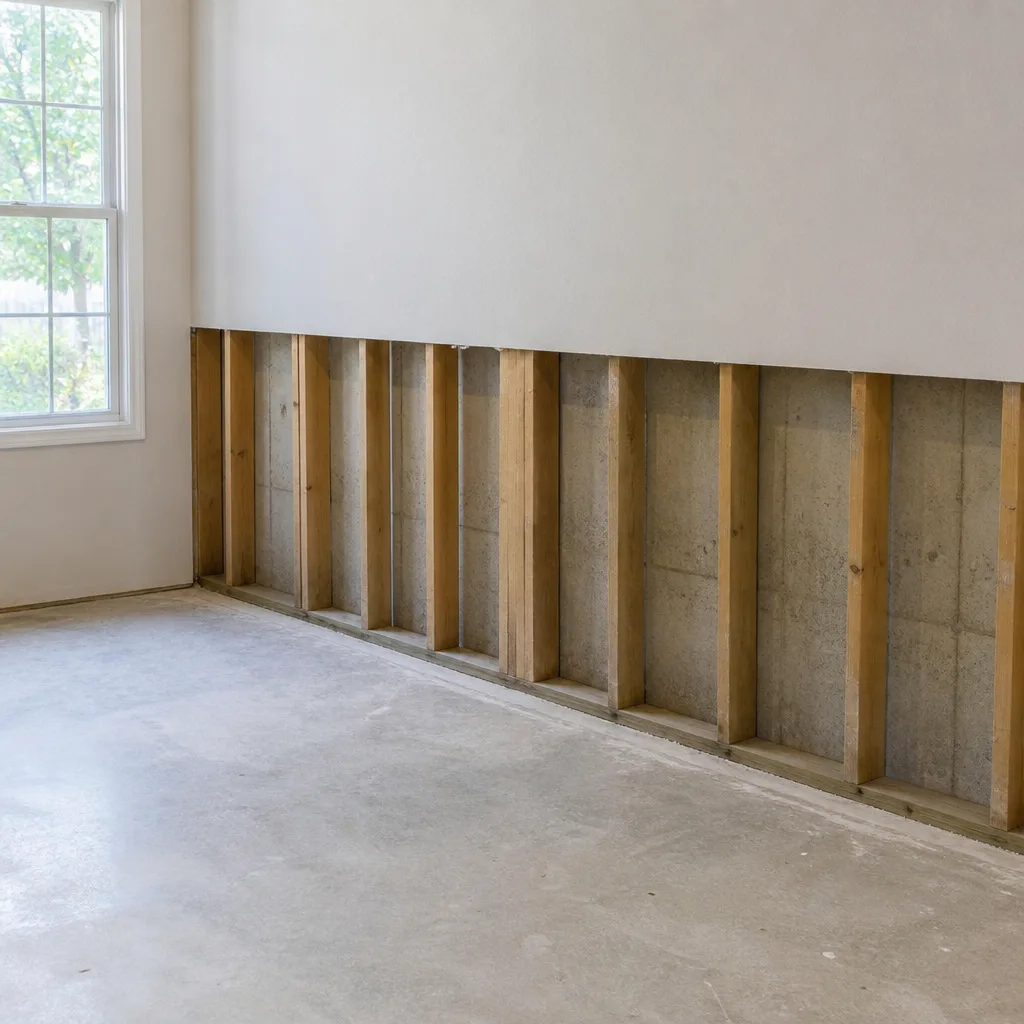
Drywall is hygroscopic. It absorbs moisture from both direct contact and the air around it. A sheet of drywall that’s been exposed to flooding or a long-term leak loses its compressive strength, and the paper facing becomes a food source for mold. In many cases, water-damaged drywall can’t be saved. It has to be cut out, the cavity dried, and new material installed. That’s not a sales pitch. It’s the reality we explain to Englewood homeowners every week. Trying to dry wet drywall in place often leaves hidden mold behind.
Wood framing also absorbs moisture and swells. When wet wood dries, it shrinks and can crack or warp. Repeated wetting and drying cycles degrade the wood’s integrity, loosen the fasteners, and create gaps where new water can enter. The bottom plates of walls, the mudsill that sits on the foundation, and the floor joists nearest the ground are the most vulnerable. In Englewood homes with old-growth framing, the wood is denser and more rot-resistant than modern lumber, but even old-growth heartwood rots eventually if it stays wet.
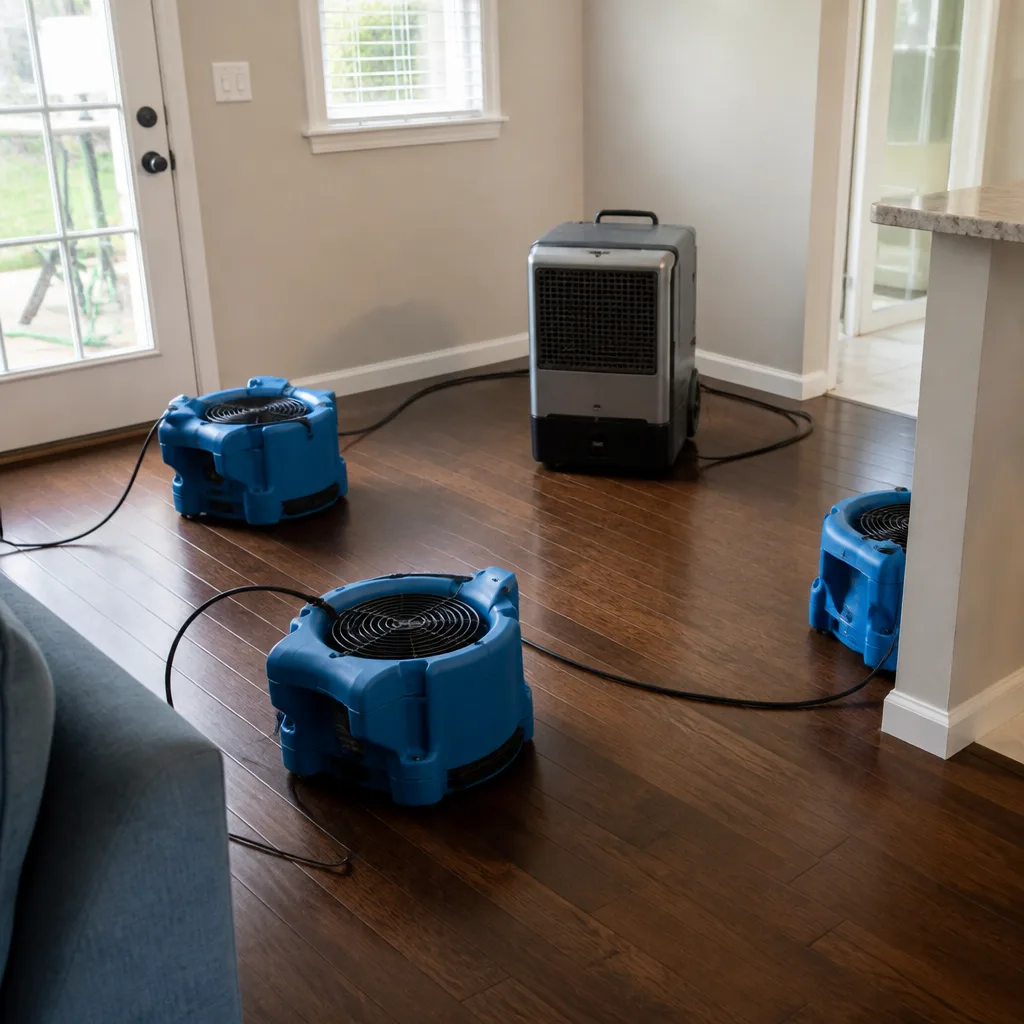
We use professional-grade equipment from Dri-Eaz and Phoenix to dry structures after a water event, and we take daily moisture readings until the material reaches an acceptable dry standard. That log goes to the homeowner and the insurance carrier. It’s not an estimate or a guess. It’s a written record that the framing and drywall were actually dry before reconstruction started. The daily reading habit is what separates a real restoration from a quick extraction and a shrug. If a company can’t tell you what the moisture content of your framing is today, they’re not drying your house. They’re just moving air around.
Water damage in Englewood homes often involves more than one material. A burst pipe in a wall might soak drywall, insulation, and the studs behind it all at once. That’s why we approach every water event the same way: find the source, stop the source, remove the wet materials that can’t be saved, map the moisture, and dry the structure with equipment sized for the job. No step gets skipped, and no step gets handed to a different crew halfway through. The same team that starts extraction finishes the drying and the rebuild.
Mold Growth and Health Warning Signs
Mold is not a separate issue from water damage. It is the direct biological result of water that wasn’t removed fast enough. The EPA’s guidance for mold after water damage is simple: dry everything within 24 to 48 hours, or expect mold to start. It grows on the paper facing of drywall, on wood, on carpet backing, on cardboard boxes, on anything organic in a damp environment. Englewood homes are full of those materials, and our humid summers mean that even a minor leak that stays wet for a few days can start a mold colony.
The health warning signs of mold exposure are worth knowing because they’re easy to miss or misattribute. Some people have no noticeable reaction to mold. Others get sinus congestion that won’t go away, recurring headaches, sneezing fits, a persistent cough, or skin irritation. Children and older adults tend to be more sensitive. In our experience, Englewood homeowners often discover they have a mold problem because someone in the house has had chronic respiratory symptoms that improve when they’re away from home and return when they’re back. That pattern is not proof, but it’s a strong indicator.
Mold remediation isn’t a weekend project with bleach. Bleach kills some surface mold but doesn’t eliminate the colony in porous materials, and it adds moisture to the environment where the mold was living. Proper remediation means containing the affected area to prevent spore spread, removing the contaminated material, cleaning the surrounding surfaces, and drying the space to the correct moisture level. We’re certified to IICRC and RIA standards, and our technicians in Englewood wear full protective gear while doing this work. It’s not a job for a homeowner to tackle without training and equipment.
The rule for mold is: the sooner you address the moisture, the smaller and cheaper the remediation. A small patch of mold on a basement wall that gets fixed the week it appears is a simple job. A mold problem that’s been growing behind a finished wall for six months requires containment, demolition, remediation, and reconstruction. The difference is thousands of dollars and the difference between a weekend’s work and a weeks-long project. If you see mold or smell the must, get a professional assessment. This problem does not get better on its own.
Common Mistakes to Avoid
- Waitng to see if it dries on its own. A leak that stops doesn’t mean the damage stops. Wet drywall, insulation, and wood framing in Englewood’s humid climate will stay wet long enough for mold to take hold. By the time a homeowner notices a problem and waits a few weeks, the restoration job is always bigger than it would have been on day one.
- Repainting over water stains. Paint hides the stain but traps the moisture. The drywall behind the paint stays wet, mold grows in the paper facing, and the problem gets worse while looking better. The stain will return, usually within a year, and it will be bigger.
- Using bleach to clean mold. Bleach doesn’t reach mold roots in porous materials, and it adds moisture to the area. The mold often returns with more vigor. Proper mold removal involves removing contaminated material and drying the structure to standard.
- Ignoring a small increase in the water bill. A modest spike can still mean a leak inside a wall or under a slab. Small leaks do steady, cumulative damage, and by the time they’re visible, the framing and insulation have often been wet for months.
- Running fans without knowing the moisture levels. Blowing air across a wet area without professional-grade dehumidification and daily moisture readings just spreads moisture through the house and can move mold spores into new rooms. Drying requires measurement, not just air movement.
- Assuming the homeowner’s policy covers everything without checking. Most policies cover sudden and accidental water damage, but the specifics vary. Mold coverage, sewer backup, and gradual damage are often limited or excluded. Filing correctly the first time matters, and it’s easier with a restoration company that documents everything and bills the carrier directly.
- Putting off roof and gutter maintenance. In Englewood, autumn leaves clog gutters and ice builds up in winter. Water that overflows a clogged gutter runs down the side of the house and into the foundation, causing basement dampness that’s completely preventable with annual cleaning and repair.
When to Call a Professional
Call a professional when you see a water stain you didn’t have last week, smell a mustiness that doesn’t go away, find peeling paint that keeps coming back in the same spot, or feel a floor give underfoot. Call when your water bill spikes, when your basement smells like the creek after heavy rain, or when someone in the house has sinus problems that improve away from home. All of these are the early warning signs of real damage, and they all get worse with time. A professional restoration company can map the moisture, find the source, and give you a written scope of work before any demolition or repair begins. Floodline Restoration Co. offers free estimates in Englewood, and a certified technician can usually be at your door the same day you call. Reach us 24/7 at (201) 729-3780, and you’ll talk to a live person, not a recording.
Frequently Asked Questions
Mold typically begins to grow on wet drywall, wood, or carpet within 24 to 48 hours, and Englewood’s humid summers accelerate the process, especially in basements where air conditioning keeps surfaces cool and subject to condensation.
Most homeowner’s policies cover sudden and accidental water damage from bursts, overflows, and storms, but coverage for gradual leaks, sewer backup, and mold remediation often depends on the specific policy language. We document every phase of the job with photos and moisture logs and bill the carrier directly, so you don’t have to manage the claim yourself. Call (201) 729-3780 for guidance on your specific situation.
Repainting or patching a water stain before addressing the moisture behind it is one of the most common mistakes we see in Englewood homes, because the stain covers the evidence while the moisture continues to damage the framing and feed mold.
A plumbing leak typically produces a stain that changes with water use, often appears below a bathroom or kitchen, and may grow quickly, while a roof leak usually appears on the top floor’s ceiling after rain and follows the roof’s drainage pattern. A moisture meter and inspection usually settle the question quickly.
Mold in a basement can appear as black, green, gray, or white patches on drywall, wood, or stored items, and it often looks furry or powdery; but the more common sign in Englewood is patchy black staining that appears along the bottom of finished walls or in the corners where the floor and wall meet.
Yes. We are a full-cycle restoration company, meaning our certified crew handles extraction, drying, remediation, and reconstruction without handing the job to a different company, and every job is backed by the 90-Day Done Right Promise. Call (201) 729-3780 for a free estimate in Englewood.
The Bottom Line
Your Englewood house will always talk to you when something is wrong. The stain on the ceiling, the smell in the stairs, the peeling paint, the spring in the floor, the number on the water bill: all of them are signals from the structure, and they’re honest ones. The difference between a simple fix and a major restoration is usually just time. If you take the warning seriously and get a professional on it early, the work is contained and costs less than you feared. If you wait, the moisture moves, the mold spreads, and the framing takes real damage. At Floodline Restoration Co., we’ve been serving Englewood since 2010, and we’ve seen both outcomes many times. The homeowners who call early always come out ahead. The line the water left is where we start, and we stand behind the work in writing. Call us at (201) 729-3780 for a free assessment, any hour, any day.
Written by Curt Bowman, Owner at Floodline Restoration Co., serving Englewood since 2010.