
Last updated August 25, 2026
Free visual inspection and a written scope of work before any mitigation begins - photos, moisture readings, and drying logs go in your claim file
The scope we write is the scope we bill. Anything new gets shown to you, in writing, before we touch it.
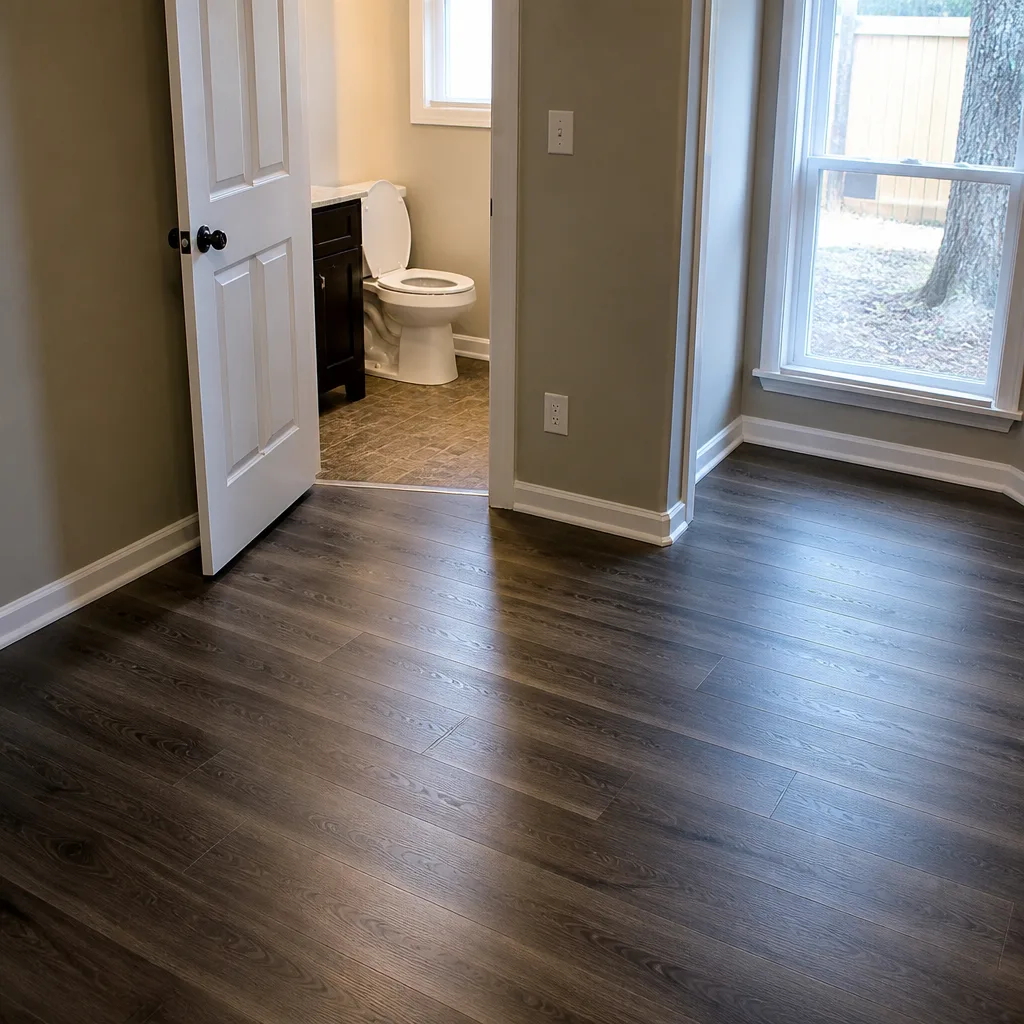
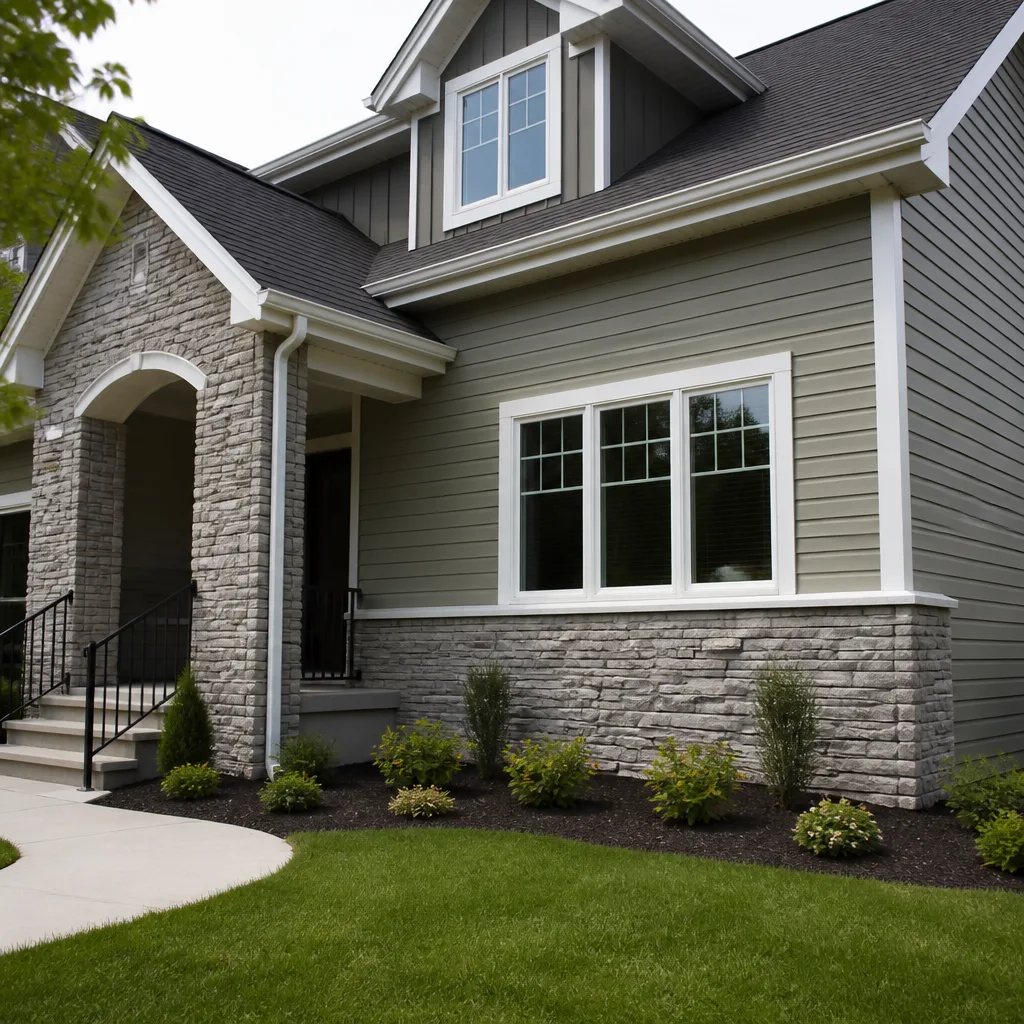
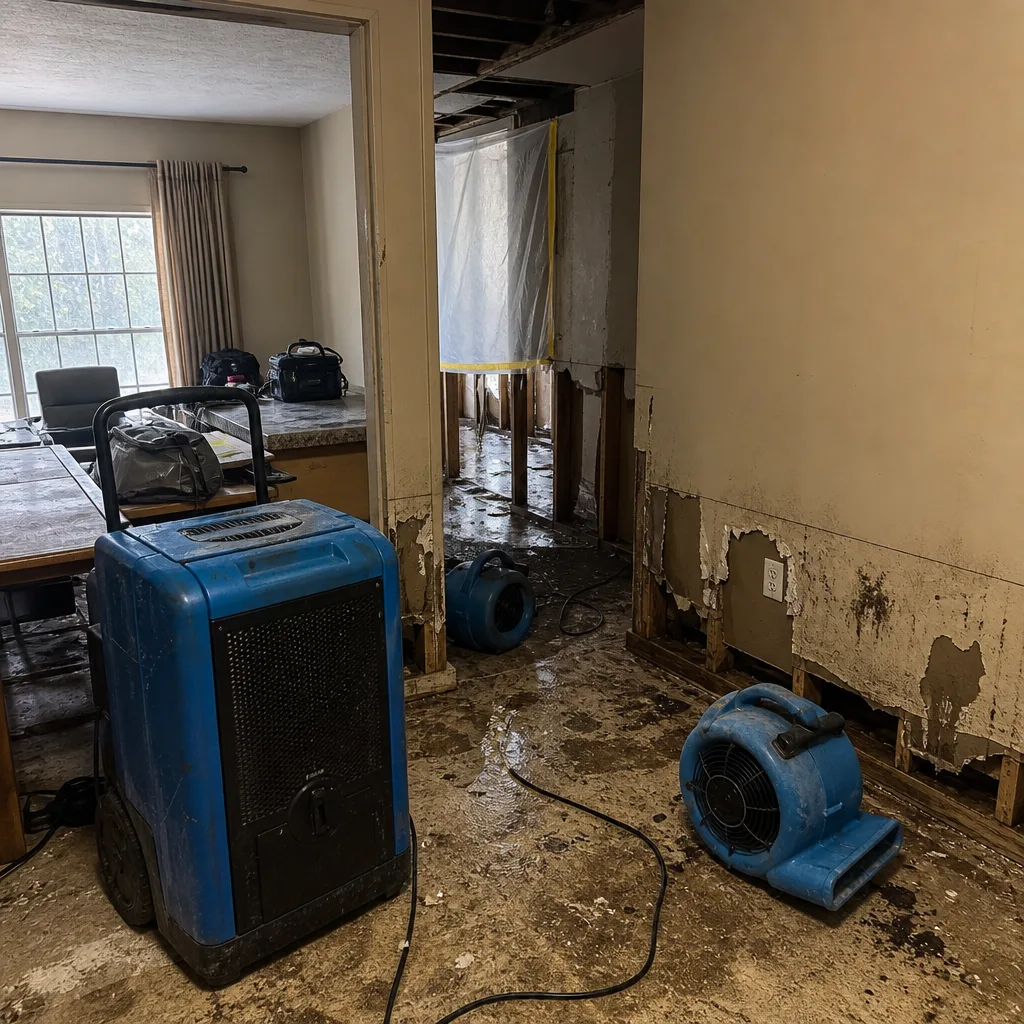 Before
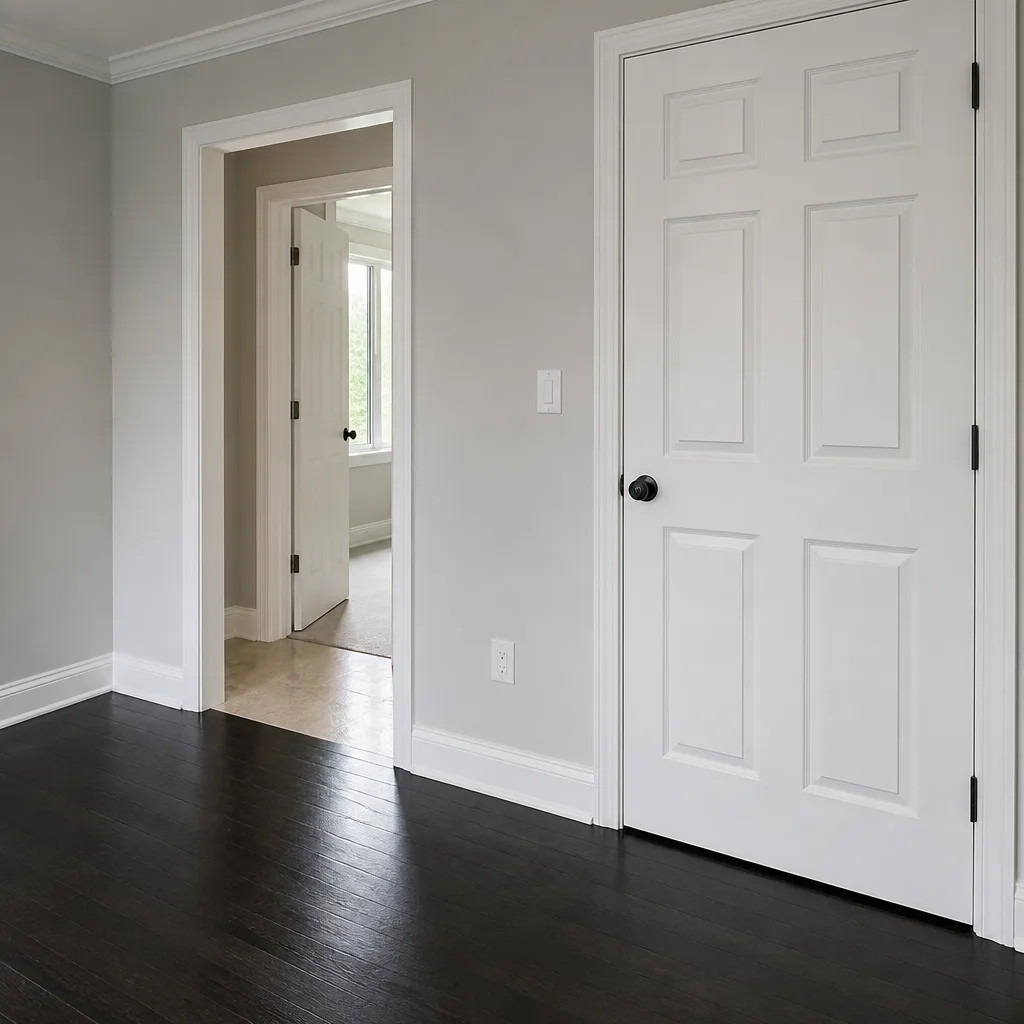 After
After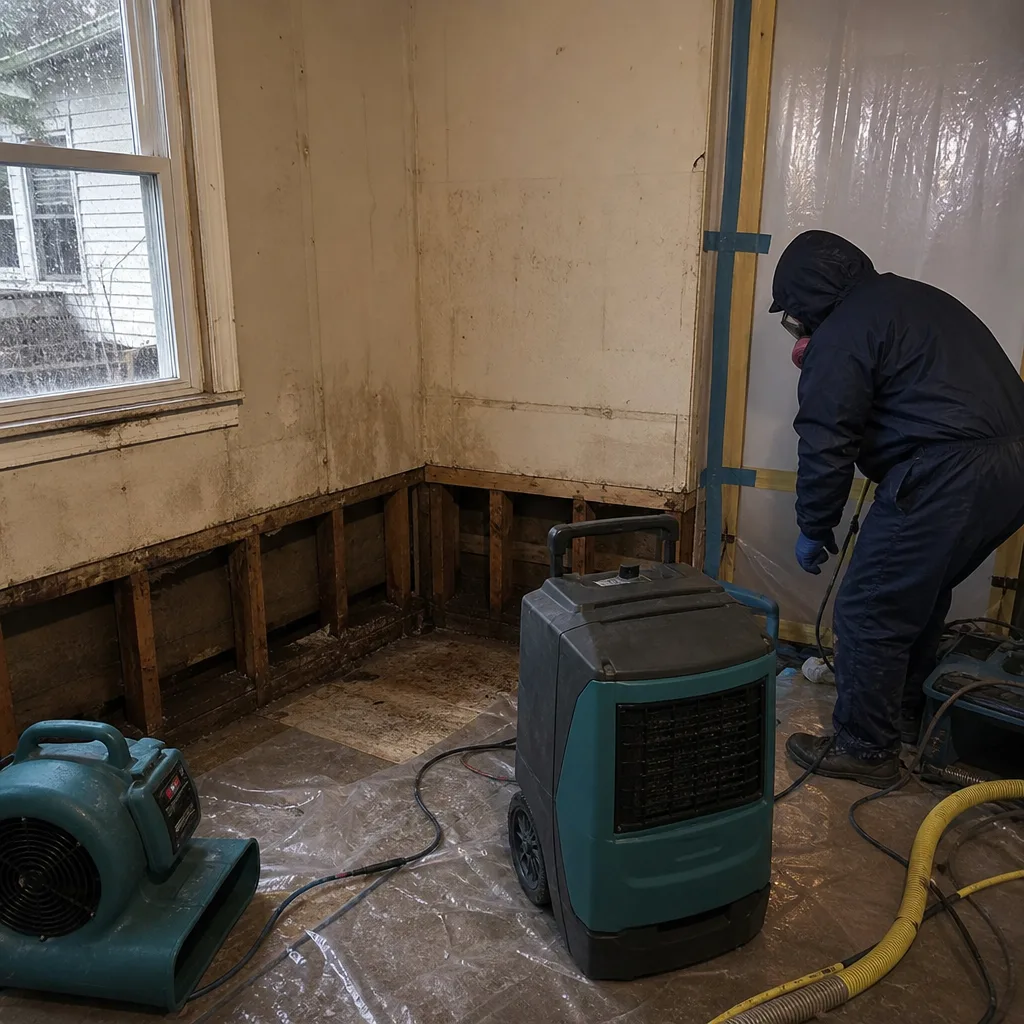 Before
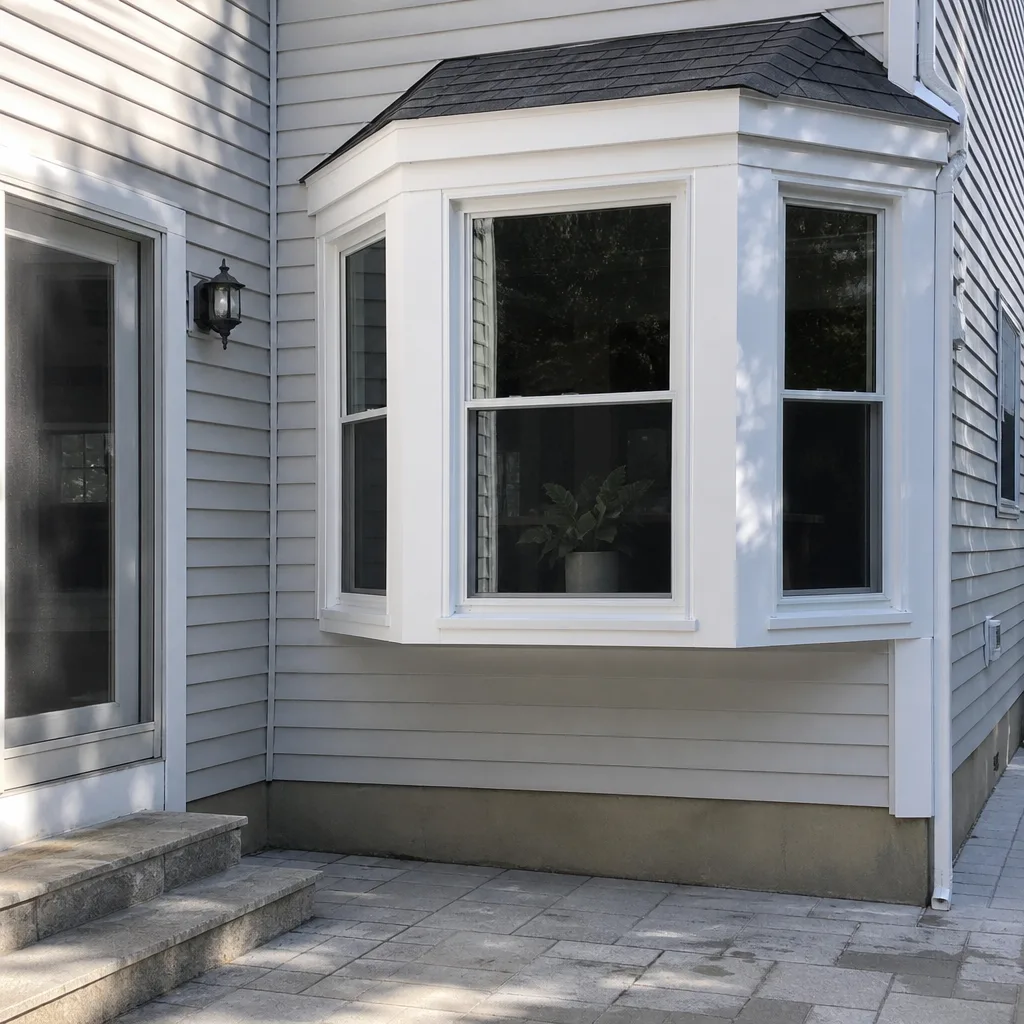 After
After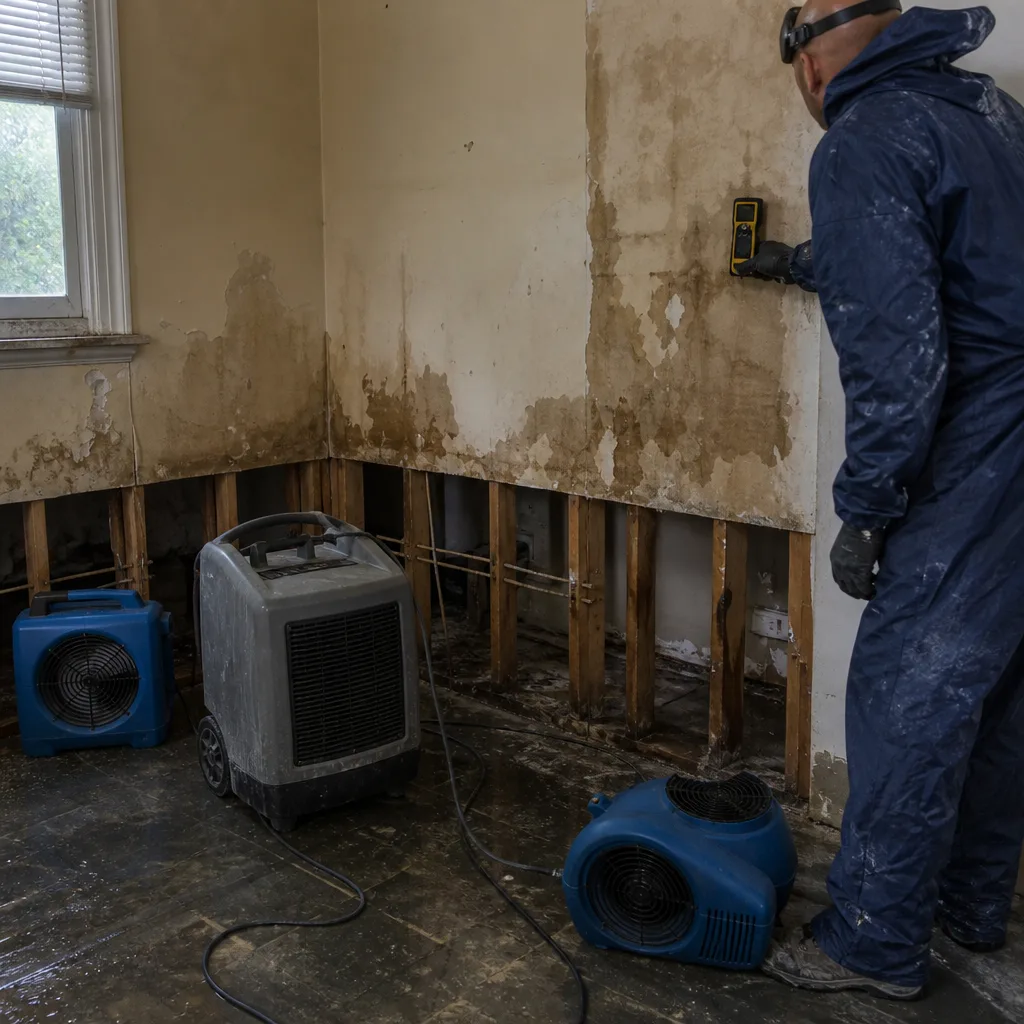 Before
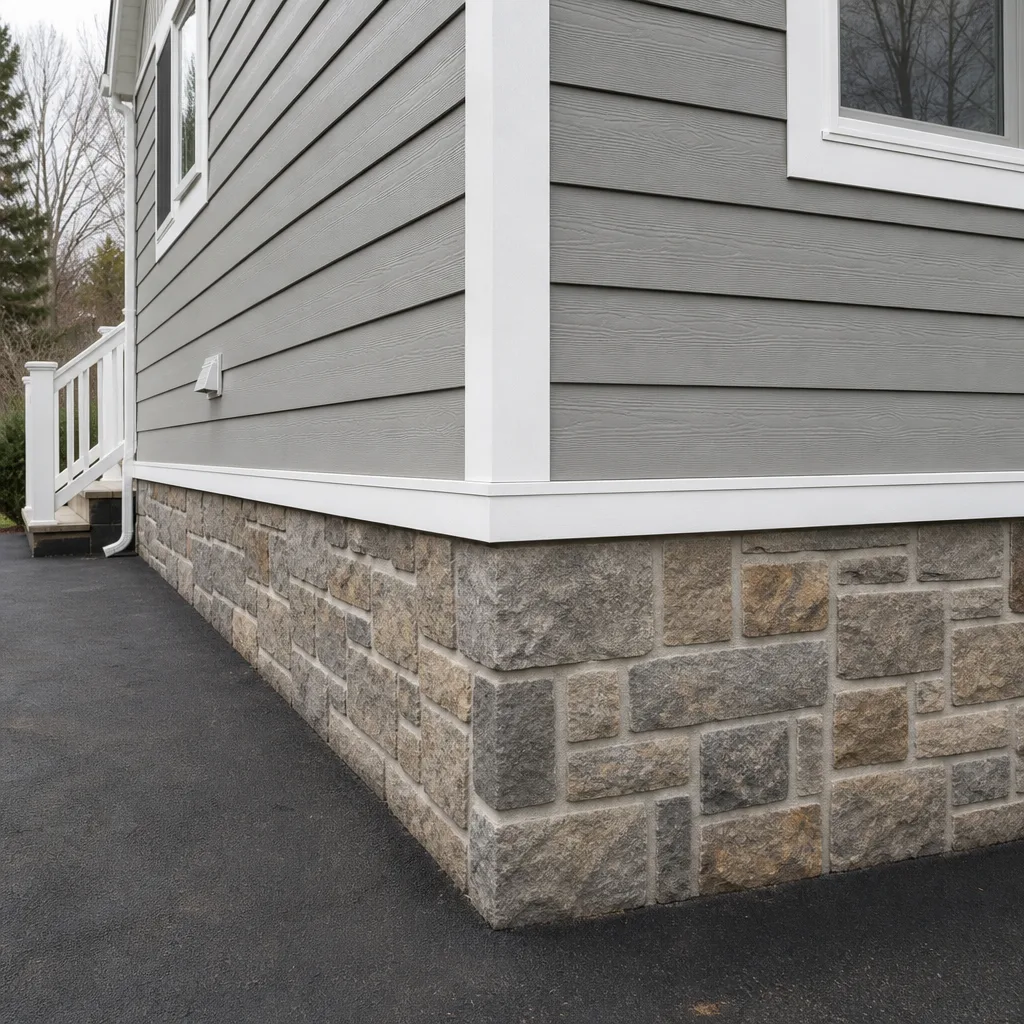 After
AfterDamage Restoration Permits, Codes & Inspections in NJ: What You Need to Know
Here’s a number most New Jersey homeowners never hear until it’s too late: roughly 40% of post-disaster rebuild work in Bergen County gets delayed at some point because a permit was pulled late, pulled wrong, or not pulled at all. The damage itself is rarely the expensive part. The expensive part is what happens when the building inspector finds unpermitted work behind a finished wall and makes you open it back up. This guide walks through what actually requires a permit in New Jersey, how the inspection sequence works after water, fire, or mold damage, which emergency repairs skip the line, and what it all means for a homeowner in Englewood who just wants their house put back together without a second disaster. You’ll learn the difference between an emergency repair and a reconstruction project, where the code book actually has teeth, and how to keep the permit process from becoming the reason your kitchen stays tarped for six months.
Quick Answer
Most structural, electrical, plumbing, and mechanical work done during damage restoration in New Jersey requires a construction permit from the local building department, but true emergency stabilization (water extraction, boarding up, tarping, temporary shoring) generally does not require a permit first. The dividing line is whether the work is mitigation or reconstruction. In Englewood, the Construction Code Department enforces the New Jersey Uniform Construction Code, and restoration work involving load-bearing elements, electrical panels, gas lines, or plumbing changes almost always needs a permit and a subsequent inspection before the wall gets closed back up.
Table of Contents
- How the New Jersey Uniform Construction Code Applies to Restoration Work
- What Work Does NOT Need a Permit After a Flood or Fire
- Structural Repairs, Load-Bearing Walls, and Reroofing Permits
- Electrical Panel, Wiring, and Fixture Permits After Water or Fire Damage
- Plumbing, Gas Line, and Mechanical Repair Permits
- Mold Remediation: The Permitting Gray Area and What Inspectors Actually Check
- How the Inspection Process Works Step by Step in Englewood
- What Insurance Carriers Expect: Permits, Paperwork, and the Adjuster’s File
How the New Jersey Uniform Construction Code Applies to Restoration Work
New Jersey runs one of the strictest state-level building code systems in the country. The New Jersey Uniform Construction Code (UCC) is the law, not a suggestion, and every municipality in the state enforces it through its local construction department. That includes Englewood, where the Construction Code office enforces the UCC with the Floodline Restoration Co. home service area squarely in its jurisdiction. The UCC is built on the International Building Code family (IBC, IRC, IMC, IPC, NEC), but New Jersey adds its own amendments, and local departments add administrative layers on top of that. For a homeowner standing in a flooded kitchen, the relevant question is simple: does the repair I need fall under the UCC’s definition of construction work, or is it ordinary repair and maintenance?
The UCC distinguishes between four categories of work. “Alteration” means any change to a building’s structure or systems and requires a permit. “Reconstruction” means replacing a substantial portion of any system or structural component and also requires a permit. “Renovation” means finishing of an interior space that was previously unfinished and typically requires a permit. “Ordinary repair” means fixing something that exists, in kind, without changing its configuration, and usually does not require a permit. The trouble is that water and fire never damage in kind. A fire-damaged wall isn’t just patched; the studs behind it got compromised. A flooded HVAC unit isn’t just repaired; the logic board is swimming. So restoration work lives in that fuzzy third category, and the local inspector decides case by case. This is why any competent restoration company checks with the building department before demolition, not after.
The Uniform Construction Code positions the local building official as the enforcement arm, but the actual technical standards trace back to state codes and recognized standards organizations. When your contractor pulls an electrical permit, the inspector is checking work against the National Electrical Code as adopted by New Jersey. When a plumbing permit is pulled, it’s the National Standard Plumbing Code. The building official has broad latitude to stop work, issue a notice of violation, or require that work be opened up for inspection if they suspect unpermitted work. In practice, the building official in Englewood wants documentation, a clear scope of work, and a permit for anything structural. The restoration crew that can translate “what the water did” into “what the code requires” is the crew that keeps the job moving.
What Work Does NOT Need a Permit After a Flood or Fire
This is the piece most homeowners need to hear first, because the hours after a flood or fire are when action matters most. New Jersey code and local practice in Englewood allow emergency work to proceed without a permit when the work is temporary stabilization. The reasoning is simple: the building code’s purpose is safety, and the biggest safety risk after a disaster is standing water, exposed wiring, and compromised structure. The permit system wasn’t designed to slow down the pump.
Here is what does not require a permit before you start, as long as the work is temporary and not a final repair:
- Water extraction using pumps, wet vacs, or truck-mounted extraction units
- Bulk water removal from basements, crawlspaces, and floors
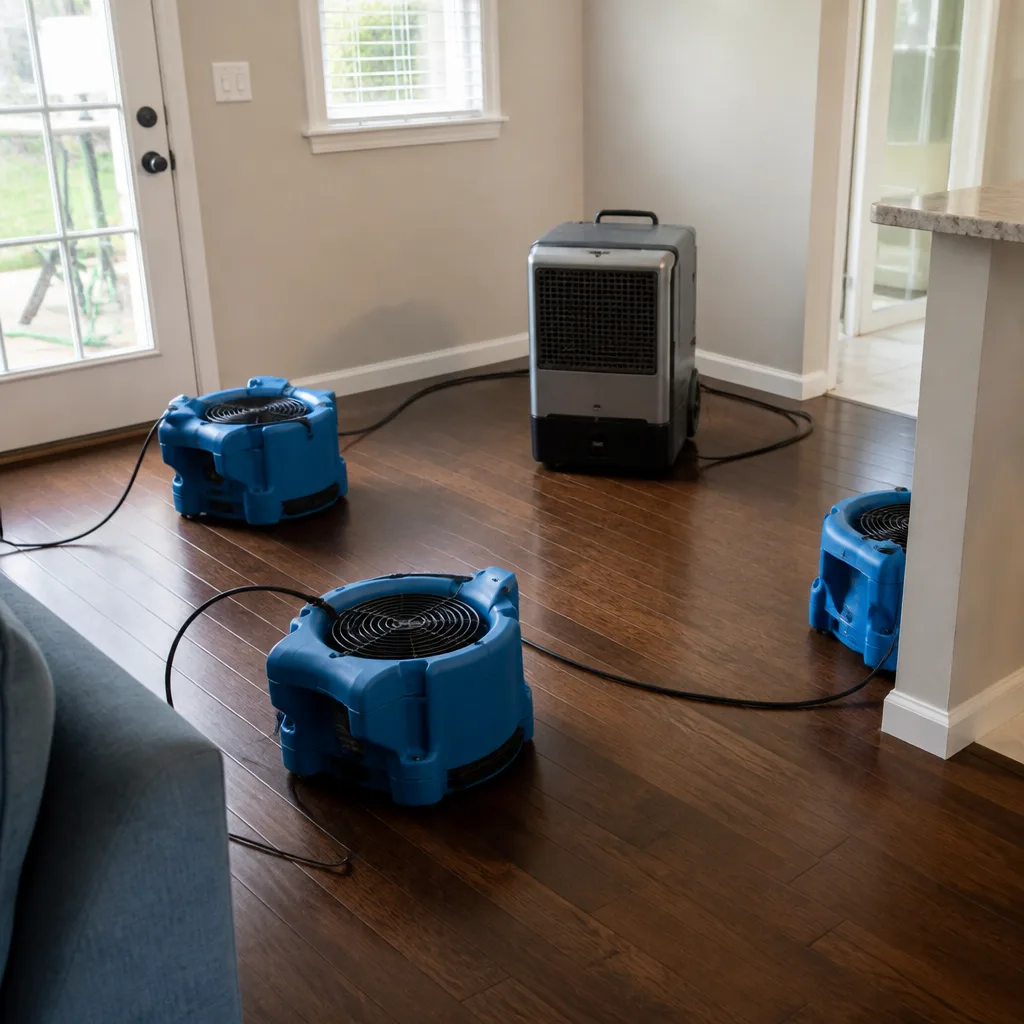
- Setting drying equipment like air movers and dehumidifiers on site
- Boarding up windows and doors after a fire or break-in
- Tarping a damaged roof to prevent further water intrusion
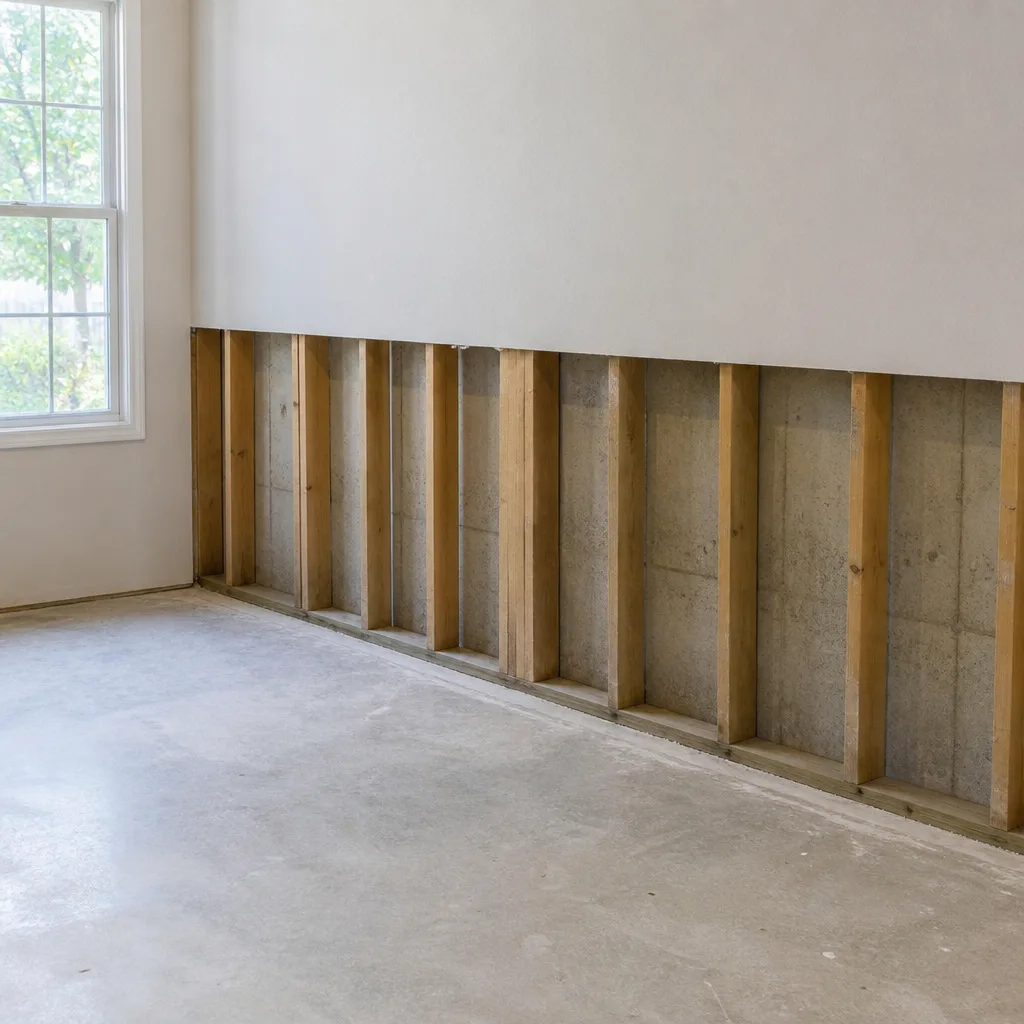
- Removing wet carpets, padding, and damaged drywall (demolition for safety)
- Placing temporary shoring to stabilize a compromised area
- Cutting power or capping a leaking water supply by a licensed pro
- Removing fire-damaged debris that poses a safety hazard
- Cleaning and sanitizing surfaces after sewage or contaminated water
The phrase that matters is “temporary.” You can cut out the flooded drywall between 7 p.m. and midnight with no permit because leaving it would grow mold and spread contamination. You cannot then put new drywall up, tape it, and paint it without a permit if the work involved framing or attached to structure in a way the code deems construction. In our experience in Englewood, the building department is reasonable about emergency work. They want it documented, and they want a permit application on file before the final repair begins. That means the smart sequence is: mitigate now, document everything, file the permit before reconstruction starts. Do it in that order and the inspector becomes a partner in the project, not an obstacle.
A note for homeowners handling the first few hours themselves: if you have to cut drywall or pull carpet before a crew arrives, do it. Pulling wet material is emergency mitigation, not construction. Take photos first, keep a sample of the damaged material for the adjuster, and write down the time and date. That documentation matters later, both for the insurance carrier and the building department.
Structural Repairs, Load-Bearing Walls, and Reroofing Permits
This is where the permit requirement has zero flexibility in New Jersey. Any repair that alters, rebuilds, or replaces a structural component of your home requires a building permit before the work begins. That means load-bearing walls, floor joists, roof trusses, foundation walls, beams, columns, and any connection between them. When a tree comes through a garage or a fire burns through a bearing wall, the repair is structural by definition. The local building official in Englewood will require a permit, plans describing the scope of the repair, and an inspection before that framing gets covered.
Here is the specific structural work that triggers a permit in New Jersey after restoration:
- Repairing or replacing a load-bearing wall, including installing a temporary support wall during construction
- Replacing floor joists or sill plates damaged by water, fire, or rot
- Repairing a damaged foundation wall, including crack injection, carbon fiber reinforcement, or partial replacement
- Rebuilding roof structure, including trusses, rafters, and roof sheathing where the roof meets exterior walls
- Removing or changing any section of a load-bearing wall or header
- Modifying the floor plan during reconstruction, even if the project started as a damage repair
- Cutting or drilling any structural member for plumbing, electrical, or HVAC routing
Reroofing is a special case, and New Jersey treats it separately from structural roof repair. A straight teardown and reroof over the same structure typically requires a building permit in Englewood and most of Bergen County. The permit requirement covers the entire roofing assembly: sheathing repair, underlayment, flashing, and the finished roof. A repair of a small section, typically under 100 square feet, is a judgment call. The practical rule we follow is that if the roof repair involves more than a few shingles or any of the sheathing, we pull the permit. It costs the homeowner less than a stop-work order, and it gives the insurance company exactly what they need for the claim.
The other structural trigger is demolition. If water or fire damage requires demolishing more than a small section of framing, the building official may classify the project as an alteration or reconstruction rather than a repair. That requires architectural drawings, potentially a structural engineer’s review, and a separate demolition permit. The irony is painful: the worst damage often becomes the most bureaucratic, which is exactly when the homeowner needs the process to move. A restoration contractor who pulls structural permits in Bergen County weekly knows how to sequence it so demolition and permit review happen in parallel, not in sequence.
Electrical Panel, Wiring, and Fixture Permits After Water or Fire Damage
Water and electricity are the two ingredients no homeowner wants mixing. The electrical section of a restoration project is the one place where the code’s intent, the insurance carrier’s position, and common sense all align cleanly: flooded electrical equipment is a replace, not a repair. That replacement requires an electrical permit in New Jersey. Here is what triggers an electrical permit after water, fire, or smoke damage in Englewood:
- Replacing or relocating an electrical panel that was submerged, burned, or damaged by smoke
- Replacing wiring that was exposed to water, especially any wire that was submerged
- Replacing outlets, switches, and light fixtures damaged by water or fire
- Installing new circuits during reconstruction
- Running new wiring for appliances, HVAC, or lighting changes
- Reconnecting any disconnected electrical service after an emergency shutoff
- Installing temporary power during reconstruction, including generator hookups
The rule of thumb on flooded electrical is uncompromising: any breaker, panel, outlet, or wiring that was submerged in water, even briefly, must be replaced. This is not a contractor trying to run up a bill. The National Electrical Manufacturers Association’s guidance is that water-damaged electrical distribution equipment should generally be replaced, not rebuilt. A breaker that got wet can arc internally months later. An outlet that was underwater can function for weeks before it becomes a fire source. The building inspector in Englewood will ask which components were replaced, and the permit documents the answer.
The electrical permit sequence works like this: the contractor pulls the permit before replacing the panel or running wire. The electrical inspector performs a rough-in inspection after the new wiring or panel is installed but before it is concealed. The inspector checks for proper conductor sizing, breaker ratings, grounding, bonding, and box fill. Once the rough-in passes, the walls can be closed. A final electrical inspection happens before the building receives its certificate of approval or certificate of occupancy. The entire sequence might happen inside a week on a straightforward panel replacement, or across several weeks on a whole-house rewiring after a fire.
A separate caution worth stating plainly: do not let anyone other than a licensed electrical contractor touch the panel, the wiring, or the meter. In New Jersey, electrical work requires a licensed electrical contractor, and the permit is tied to that licensee’s name. A handyman who offers to “swap out the panel” without a permit is creating two problems: a code violation and a potential insurance denial later. The carrier will ask for the permit documentation, and if it doesn’t exist, the claim gets complicated.
Plumbing, Gas Line, and Mechanical Repair Permits
Water restoration and plumbing repairs are inseparable, and New Jersey requires a plumbing permit for any plumbing work beyond simple fixture replacement. The distinction is subtle, and homeowners often miss it. Replacing a faucet cartridge is ordinary repair and needs no permit. Replacing a section of pipe, relocating a water line, or installing a new water heater requires a permit and an inspection. After water damage, the typical plumbing permit triggers are:
- Replacing any section of copper, PEX, PVC, or cast iron piping that was damaged or that needs rerouting
- Repairing or replacing a water heater that was flooded, including tankless units
- Replacing drains, traps, or waste lines affected by sewage backup or water damage
- Replacing or relocating gas lines that serve furnaces, boilers, water heaters, stoves, or dryers
- Installing a new sump pump or drainage system in a basement or crawlspace
- Replacing any plumbing fixture where the installation changes the rough-in location
Gas lines deserve their own paragraph because they are the most dangerous component on the list. Smoke, fire, or even a major flood can compromise a gas line’s fittings, solder joints, or mechanical connections. Any work involving natural gas or propane lines falls under the plumbing or mechanical permit in New Jersey, and the inspector will require a pressure test before the line is put back in service. This is not a place for shortcuts. A pressurized gas line test is done with an inspector on site, and the failure of that test means the line must be corrected and retested. When we see gas leaks after a fire in Englewood, the insurance carrier almost always accepts the replacement cost without real argument because the alternative, a gas explosion, is unthinkable.
Mechanical work covers heating, cooling, and ventilation. A furnace or boiler that sat in floodwater, or that pulled smoke and soot through its air handler, generally needs replacement rather than repair. The mechanical permit covers the installation, and the inspector checks combustion air, flue venting, gas connection, and the equipment’s clearance from combustibles. A flooded HVAC system that is “dried out and turned back on” without a proper inspection is one of the most dangerous situations in restoration, because the damage may not be visible until a heat exchanger cracks or a combustion chamber fails mid-winter.
Mold Remediation: The Permitting Gray Area and What Inspectors Actually Check
New Jersey does not have a single, clear statute that says “mold remediation requires a building permit.” That absence creates confusion, and some contractors exploit it. The truth is more complicated: the permit requirement depends on what the mold did and what the remediation requires. If mold is on the surface of the drywall and the remediation is cleaning, sealing, and repainting, no permit is required. If the mold penetrated the drywall and the remediation includes cutting out and replacing wallboard, the replacement is construction work and the permit rules apply. Here is the practical breakdown for Englewood homeowners:
- Surface mold on painted drywall, tile, or framing: treat with antimicrobial, clean, repaint. No permit.
- Penetrative mold requiring drywall removal and replacement: the replacement is a construction activity. A permit may be required, especially if the removed drywall exposes wiring, plumbing, or insulation.
- Structural mold affecting floor joists, wall studs, or roof sheathing: any structural repair requires a building permit, full stop.
- HVAC system mold: cleaning ductwork and replacing contaminated insulation is not typically a permit item, but replacing any mechanical component inside the HVAC system is.
- Whole-house mold after flooding: the scope usually includes multiple permit categories, and the building department may want to inspect the underlying moisture source.
Mold remediation itself is governed in New Jersey by the state’s mold standards, which were codified in the New Jersey A-1588 legislation and administered by the Department of Community Affairs. The statute established training requirements and work standards for mold professionals. The building inspector’s interest is not mold spores; it’s the structural and mechanical work done during the remediation. When we do mold remediation in Englewood that involves opening walls, we photograph everything before, during, and after. Those photos go to the homeowner, the adjuster, and the building department. The moisture log, which documents daily readings from our Dri-Eaz and Phoenix equipment until the dry standard is met, becomes part of the permit record. That documentation has ended more arguments with both inspectors and insurance carriers than any verbal explanation we could give.
The permit question for mold work is best resolved by a single phone call to the Englewood Construction Code Department. Describe the scope honestly. If the answer is “no permit needed,” write down the name of the person who told you and keep it in the claim file. If the answer is “you need a building permit,” file it before the replacement work begins. The call costs five minutes and removes the ambiguity.
How the Inspection Process Works Step by Step in Englewood
The inspection sequence in Englewood follows the same structure as most of Bergen County, and understanding the order saves weeks of waiting. Here is the standard sequence for a restoration project that involves structural, electrical, or plumbing work:
- Permit application filed by the licensed contractor with the Englewood Construction Code Department. The application includes a scope of work, a description of the damage, and the contractor’s license information.
- Permit issued after review. For straightforward repairs, same-day approval is common. For structural work, the review may take several days to two weeks depending on complexity.
- Rough-in inspections scheduled for each trade: building, electrical, plumbing, and mechanical. The contractor calls the inspection line with the permit number, and the inspector typically arrives within one to three business days.
- Rough-in inspections completed before any work is concealed. The electrical inspector checks wiring before drywall goes up. The plumbing inspector checks the pressure test before walls close. The building inspector checks framing, fire blocking, and structural connections.
- Concealment approval. Once the rough-in passes, the contractor proceeds with insulation, drywall, and finishing. This is the point where the project visibly changes from “construction site” to “almost home.”
- Final inspections scheduled for all trades after finish work is done. The inspector verifies that everything that was permitted was actually done, and that the finished condition matches the scope.
- Certificate of Approval issued by the building department. This document is proof that the work passed inspection, and it is the only document that closes the permit. Without it, the permit remains open, which complicates any future sale or refinance.
Here is the detail that surprises most homeowners: the permit is not closed until the final inspection passes, and many restoration projects stall because someone forgot to schedule the final. The rough-in passed, the walls closed, the paint went up, and everyone moved on. Months later, the homeowner tries to refinance and discovers an open permit. The fix is usually a simple phone call and a re-inspection, but it’s avoidable. A restoration contractor who manages permits as part of the job, not as an afterthought, keeps the timeline moving to that certificate of approval.
The other surprise is the re-inspection fee. If a rough-in inspection fails, the contractor must fix the issue and schedule a re-inspection, and the department charges a fee for the second visit. In practice, failures happen when a contractor skips a detail or rushes. It’s another argument for hiring a restoration company whose crew has seen enough inspections to know exactly what the Englewood inspector checks.
What Insurance Carriers Expect: Permits, Paperwork, and the Adjuster’s File
Insurance carriers have become stricter about permits in the last decade, and the reason is simple: unpermitted work creates liability. A claim that was settled based on unpermitted work can be reopened if the work later fails. The adjuster’s file is the first place a carrier looks when a second claim is filed on the same address, and open permits are a red flag. Here is what the carrier expects to see in the file after a restoration claim:
- The permit application and the permit itself, showing that the work was lawfully authorized
- Inspection records, especially the final approvals for each trade
- Documentation of the damage, including photos, moisture readings, and the scope of repair
- Records showing the work was done by a licensed, insured contractor, not an unlicensed handyman
- The Certificate of Approval, proving the permit was closed
In New Jersey specifically, insurance law and building codes overlap in the claim settlement process. The carrier is not obligated to pay for work done without required permits, and if the lack of a permit causes a loss, coverage can be denied on the back end. This is a hard conversation to have with a homeowner who hired a “cheaper” contractor who skipped the permit and then had a fire two years later caused by faulty wiring. The carrier investigated, found no permit on file, and denied the claim. The homeowner thought they saved $800 on the permit. They lost $130,000 in damage coverage.
The photo documentation piece matters more than most homeowners realize. In our experience, adjusters respond to evidence, not narrative. A moisture map showing exactly where the water went, daily readings from our Dri-Eaz and Phoenix drying equipment, photos of the damaged framing before and after, and a written scope of work before we begin are all part of the claim file. That documentation makes the carrier’s job easier, and when the carrier’s job is easier, the claim moves faster. We’ve never had an adjuster complain about too much documentation. We’ve had plenty of adjusters complain about too little.
Common Mistakes to Avoid
- Waiting for the insurance check before pulling the permit. The permit process and the claim process run on different clocks. Pull the permit as soon as the scope is defined, even if the check hasn’t arrived. Waiting pushes the project back weeks.
- Assuming “the contractor will handle it.” Some contractors handle permits cleanly and transparently. Others don’t. Ask the question directly: “Who pulls the permit, when, and what’s the permit number?” Get the number.
- Replacing equipment without understanding the permit trigger. A water heater replacement is not ordinary repair. It needs a permit and an inspection. The homeowner who skips it has created a problem that compounds when the home is sold.
- Closing walls before the rough-in inspection. This is the most expensive mistake in restoration. If the inspector requires opening back up, the drywall, finish work, and painting all come out. The cost is often double the original work.
- Filing a claim for work that was never permitted in the first place. If the original damage was repaired years ago without a permit and that work is now part of the damage, the carrier will ask questions. Honesty is the only policy that works.
- Hiring an unlicensed contractor to save money. In New Jersey, the building department issues permits to licensed contractors. An unlicensed contractor cannot pull a permit, which means the work is either unpermitted or the permit gets pulled by someone else, which creates a legal mess.
- Not keeping a copy of the Certificate of Approval. This one document proves the work was done lawfully. Without it, the permit is open, and the future home sale gets complicated. File it with your property records.
When to Call a Professional
Any restoration project that involves structural repairs, electrical work, plumbing changes, gas lines, or a significant roof repair calls for a licensed professional. The permit application in New Jersey requires the contractor’s license information, so the professional is the gateway to lawful work. More practically, the professional knows what the Englewood inspector checks, how to sequence the project so inspections don’t stall the schedule, and how to document everything for the adjuster. If the damage is limited to a small drywall patch and paint, a competent homeowner can handle it without a permit. If the work involves any system in the walls, above the ceiling, or below the floor, the professional is the only sensible choice. Floodline Restoration Co. offers free estimates in Englewood, call (201) 729-3780 and we’ll walk through what your project actually requires.
Frequently Asked Questions
Water extraction, drying, and demolition of wet materials generally do not require a permit because they are classified as emergency mitigation, but the reconstruction work that follows (replacing drywall, framing, wiring, or plumbing) typically does require a permit. The permit is tied to the reconstruction scope, not the mitigation, so it’s often filed after the drying process is complete.
New Jersey allows homeowners to perform work on their own single-family home without hiring a licensed contractor, but the work still requires a permit and inspection when it is structural, electrical, plumbing, or mechanical. The homeowner permit carries the same inspection requirements as a contractor permit, and the homeowner assumes full liability for the work.
Minor restoration permits in Englewood are often issued same-day or within one business day, while structural permits involving plan review can take one to two weeks. The fastest route is a properly filed application with a clear scope of work. Call (201) 729-3780 and we’ll review your project’s specific timeline.
Mold treatment and cleaning does not require a building permit, but mold remediation that involves removing and replacing drywall, structural members, or mechanical components may require a permit for the replacement work. The building department’s concern is the construction work, not the mold itself.
Most property insurance policies in New Jersey cover the cost of permits and inspection fees as part of the claim when the permit is for covered work. The key is including the permit line item in the written scope of work submitted to the adjuster, so the carrier includes it in the settlement.
The unpermitted work becomes a disclosure item during the sale, and the buyer’s inspector may flag it. The title company may ask for the permit file, and the municipality may require the work to be opened, inspected, and permitted retroactively. The cost of that retroactive permit process is often higher than doing it right the first time.
The Bottom Line
Permits, codes, and inspections are the part of damage restoration that nobody wants to think about at 2 a.m. when the water is rising, and that is exactly when the sequence matters most. The keys are: mitigate immediately without a permit, file the permit before reconstruction starts, schedule rough-in inspections before closing walls, get the final inspection, and keep the Certificate of Approval with your property records. In Englewood, the Construction Code Department enforces the New Jersey Uniform Construction Code consistently, and a restoration contractor who pulls permits weekly knows how to keep the process moving. The permit is not a bureaucratic obstacle. It is the document that proves the work was done right, protects the insurance claim, and keeps the home sale clean when the day comes. Done right, and backed in writing.
Written by Curt Bowman, Owner at Floodline Restoration Co., serving Englewood since 2010.