
Last updated August 25, 2026
Free visual inspection and a written scope of work before any mitigation begins - photos, moisture readings, and drying logs go in your claim file
The scope we write is the scope we bill. Anything new gets shown to you, in writing, before we touch it.


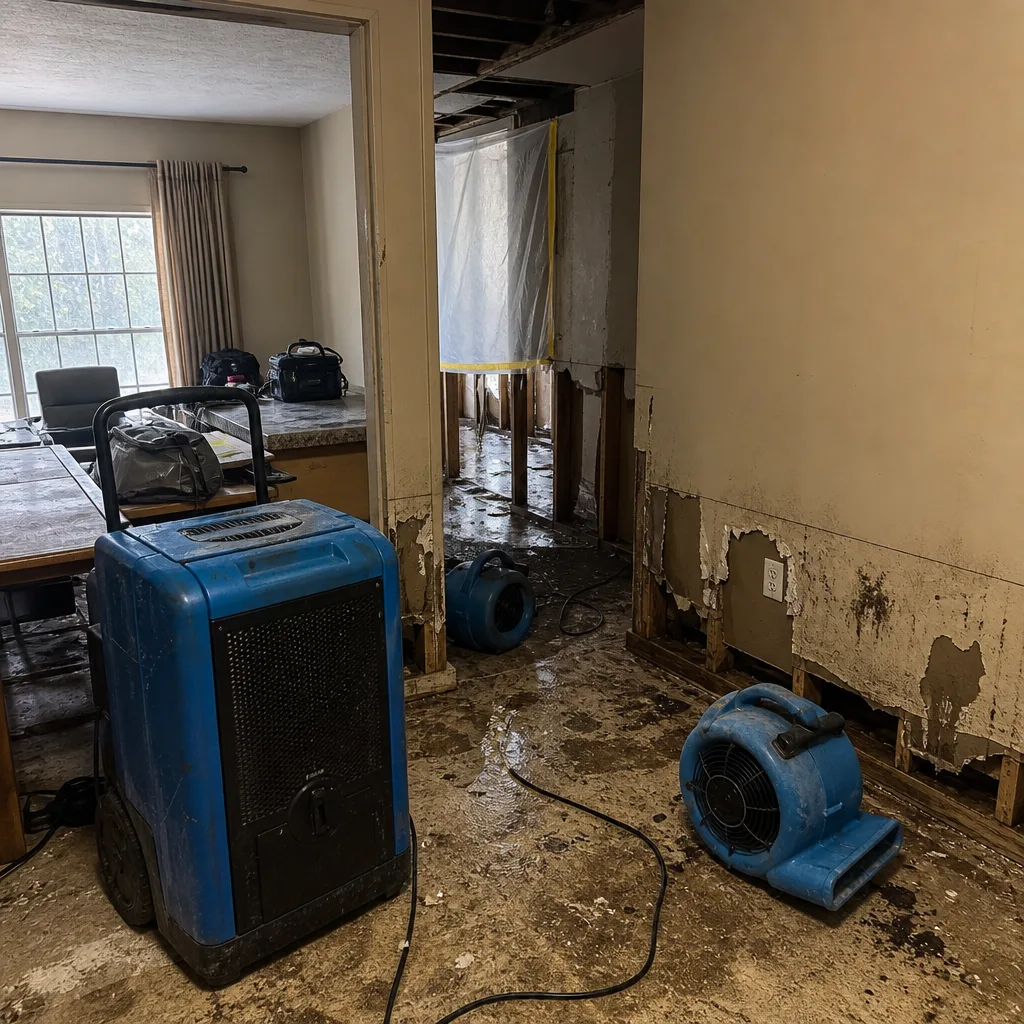 Before
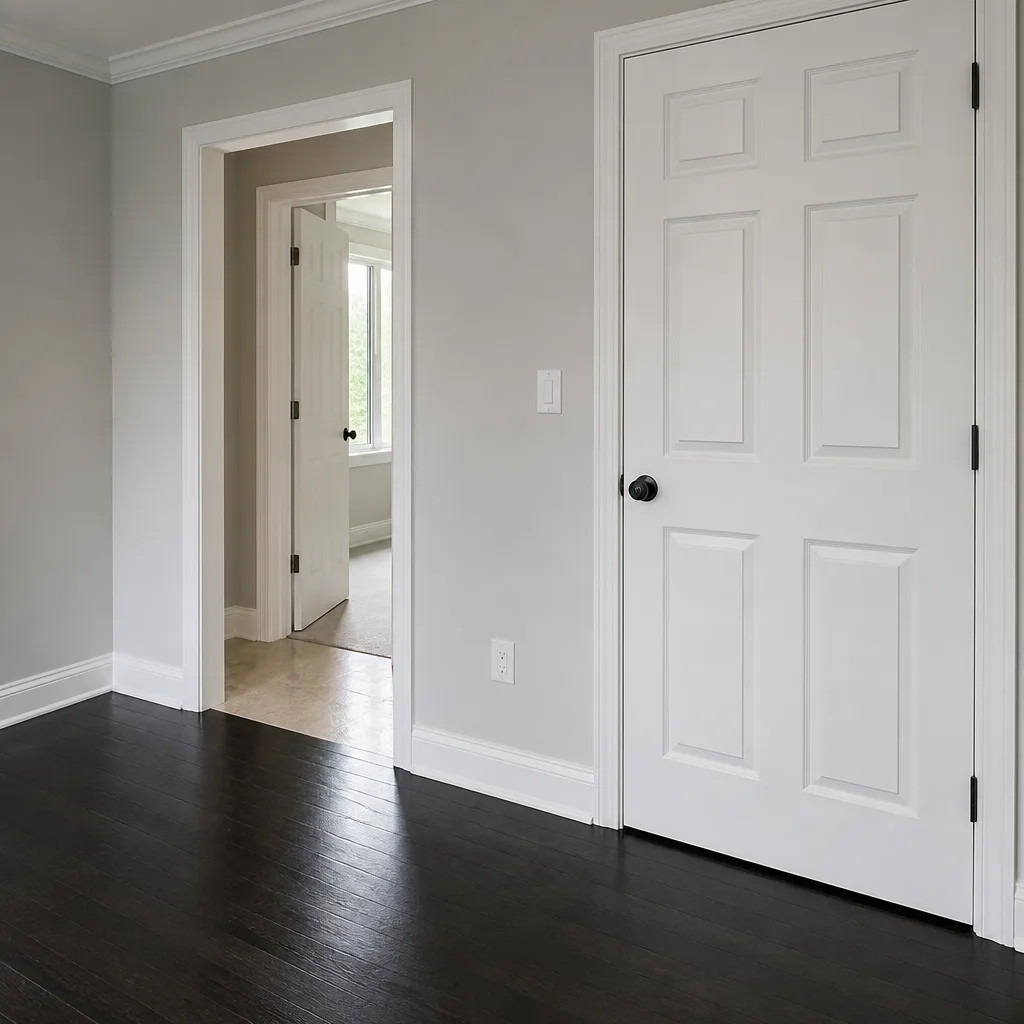 After
After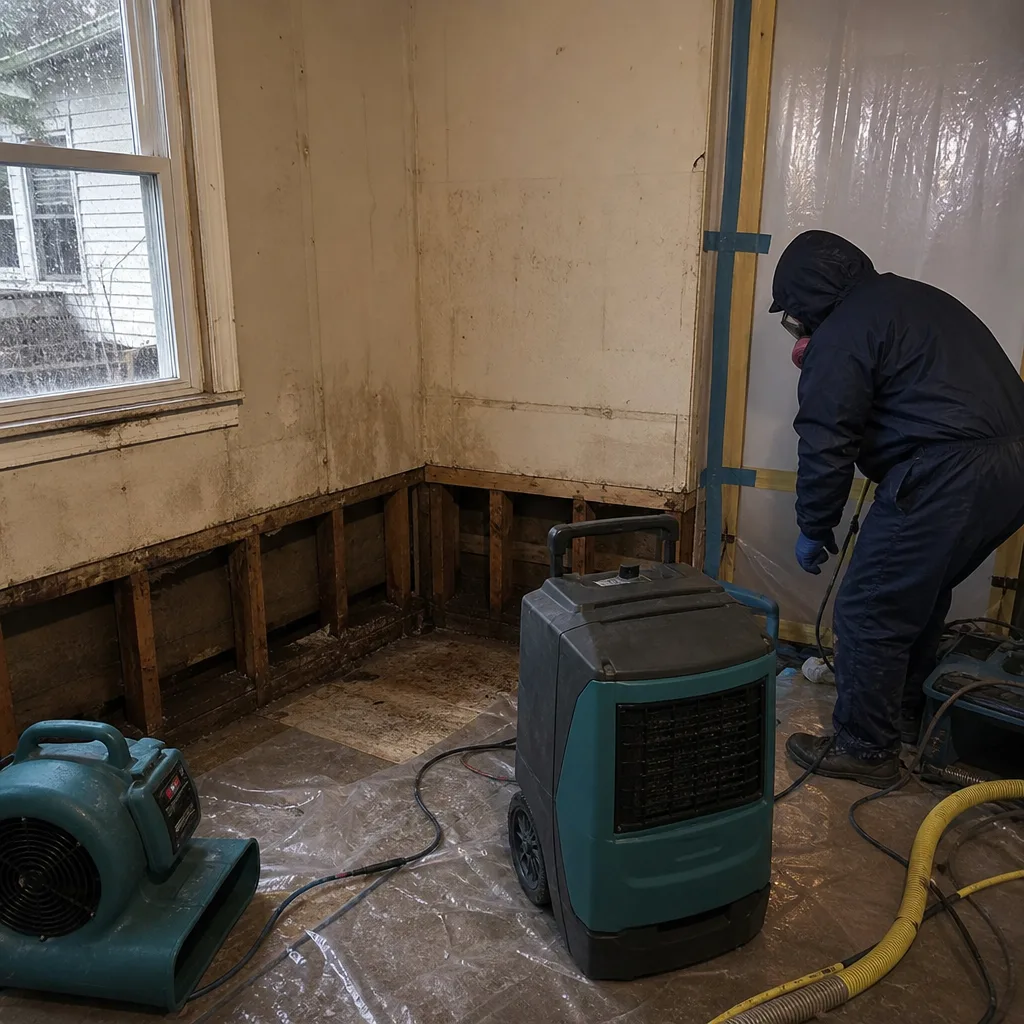 Before
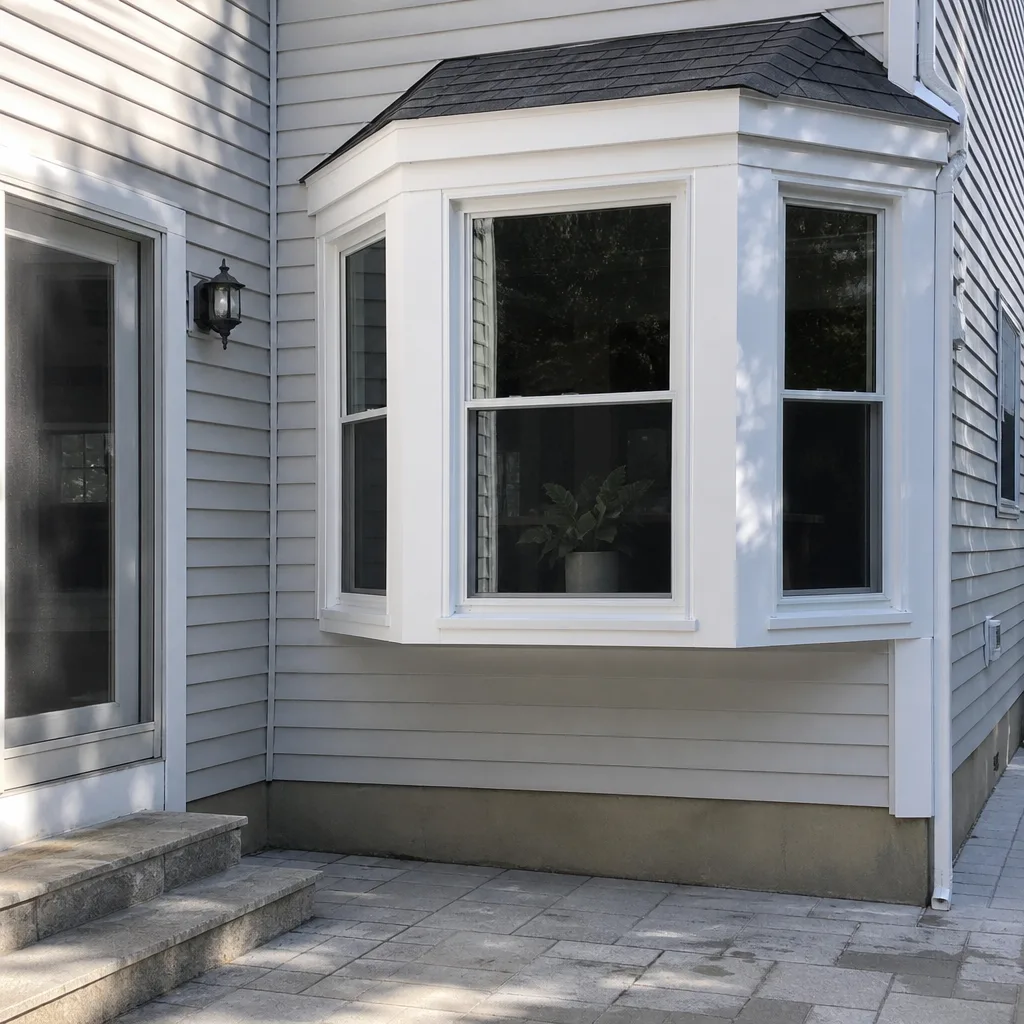 After
After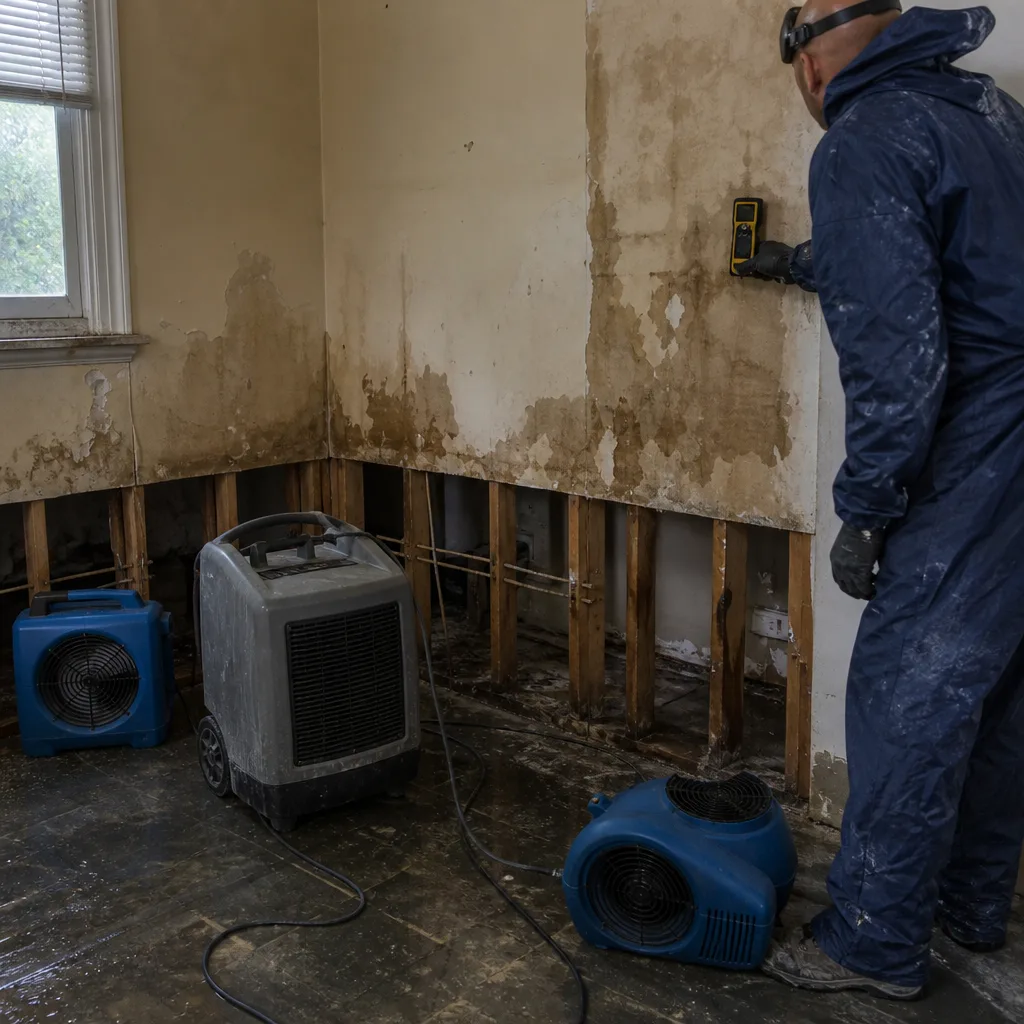 Before
 After
AfterHow to Hire a Damage Restoration Contractor in Englewood: A Step-by-Step Guide
Most Englewood homeowners don’t realize that the first 48 hours after a water event determine whether a house needs a simple dry-out or full structural repair. The contractor you call in that window makes a bigger difference to the final bill and the health of your home than any decision you’ll make afterward. Water moves through plaster, hardwood, and framing at a rate that surprises people who’ve owned their homes for decades. This guide walks you through exactly how to find, vet, and hire a damage restoration contractor in Englewood without getting burned twice - once by the damage, and again by the wrong crew.
Quick Answer
Hiring a damage restoration contractor in Englewood comes down to four steps: confirm the company answers with a live person and can reach your home quickly, verify state licensing plus IICRC, RIA, or IFA training, insist on a written scope of work before equipment goes in, and confirm direct insurance billing so you never play messenger between contractor and carrier. The best time to choose your restoration contractor is before you need one - but if the water is already rising, call (201) 729-3780 and a live dispatcher answers.
Table of Contents
- The Emergency Checklist: What to Do Before the Contractor Arrives
- What Water Damage in Englewood Actually Looks Like
- Licensing, Insurance, and Training: What to Verify
- Questions to Ask Any Contractor Before Signing
- The Written Scope: Why Verbal Estimates Don’t Hold Up
- Why Equipment and Moisture Mapping Matter
- Direct Insurance Billing: How Englewood Homeowners Avoid the Runaround
- Red Flags That Signal a Contractor to Avoid
The Emergency Checklist: What to Do Before the Contractor Arrives
When water enters your Englewood home, the contractor you hire won’t be the first person on the scene - you will. What you do in the hour before the crew arrives either preserves your property or accelerates the damage. We’ve been called to houses where a homeowner’s quick thinking with a shut-off valve saved tens of thousands, and to others where a delayed call turned a minor leak into a gut renovation. Here’s what to do while you wait.
- Shut off the water source. If the water is coming from a burst pipe or failed appliance, close the nearest shut-off valve. The main shut-off for homes in Englewood is typically located in the basement near the front foundation wall or in a utility closet. If you can’t find it quickly, call a plumber or your restoration company’s dispatch line - do not keep searching while water spreads.
- Cut power to affected rooms if water is near outlets or appliances. If the water is rising toward electrical outlets, extension cords, or major appliances, trip the circuit breaker for that area. Standing water and live current don’t mix. If you can’t reach the breaker panel without stepping through water, wait for the professionals.
- Move what you can. Lift furniture, rugs, books, and family photos off wet floors. Elevate furniture legs on blocks, foil, or plastic. Even an hour of contact between water and a wood dresser can delaminate the finish permanently.
- Call a restoration contractor with live dispatch. Not all companies answer at odd hours. At Floodline Restoration Co., a person answers the phone every hour of every day. Call (201) 729-3780 and a certified crew is dispatched while you’re still on the line.
- Document the damage. Take photos and short videos before anything is moved or removed. These are your insurance evidence. Restoration professionals photograph everything again when they arrive, but your own time-stamped photo record from the first minutes establishes what the water affected.
Do not use your home vacuum or a shop vac to remove standing water. Do not run ceiling fans or HVAC systems to “help dry things out” - that spreads moisture and can aerosolize contaminants. The professionals who arrive in Englewood with Dri-Eaz and Phoenix equipment know how water behaves in a 1920s colonial with lathe-and-plaster walls versus a 1980s split-level with gypsum board. Your job before they arrive is simple: stop the water, protect what’s movable, and get the right crew on the road.
What Water Damage in Englewood Actually Looks Like
Englewood homes have their own water behavior. We’ve worked on properties throughout the city from the historic district near the library with its deep basements and stone foundations, to the newer construction on the east side where sump pumps work harder against a high water table. The soil around Englewood holds water after heavy rain, and that water pushes against foundation walls. Basement dampness here is not a one-time event - it’s a seasonal recurring condition in many neighborhoods.
The damage pattern most homeowners see first is not dramatic. It’s a dark line along the baseboard. A musty smell that persists after opening windows. Peeling paint near the floor in a room that was repainted three years ago. These are all signs that water has been present long enough to wick up through porous materials. That dark line - the floodline - is exactly where we start. You can see it in the plaster, the drywall, the baseboards. It tells a story about where the water came from, how long it sat, and what materials it touched.
What homeowners often miss is what’s happening inside the wall cavity. Water wicks upward through drywall and plaster at roughly one inch per hour in the first 24 hours. It travels laterally through the bottom plate of a wall, under baseboard, into adjacent rooms. By the time a visible stain appears on the first floor of an Englewood colonial, the damage often extends several feet in every direction behind the wall. A moisture meter reading tells the real story. That’s why professional restoration starts with a moisture map - not with fans.
Englewood’s housing stock includes a wide mix: pre-war masonry, mid-century wood frame, and contemporary builds. Each responds differently to water. Lath and plaster wicks slower but holds moisture longer and grows mold more readily if not dried properly. Gypsum board fails quickly but can sometimes be salvaged if extraction and drying start the same day. Knowing which wall system you’re dealing with changes the entire drying plan.
Licensing, Insurance, and Training: What to Verify
New Jersey requires licenses or registrations for many contractor categories, and restoration work that includes plumbing, electrical, or structural repair must be performed by properly licensed trades in Englewood. The smart move is to ask any contractor you’re considering to show proof of licensing, general liability insurance, and workers’ compensation coverage before they set foot in your home. A licensed and insured crew protects you from liability if a technician is injured on your property.
Beyond state licensing, look for third-party certifications that signal advanced training. The three that matter in restoration are IICRC (Institute of Inspection, Cleaning and Restoration Certification), RIA (Restoration Industry Association), and IFA (International Fireproofing Association). These organizations set the standards for water extraction, structural drying, and fire restoration. A contractor whose technicians carry these certifications has demonstrated knowledge of the science behind drying - how moisture moves through different materials, how to measure and track drying progress, and when a material is truly dry versus just dry to the touch.
Ask directly: “Are your technicians IICRC, RIA, or IFA certified?” A professional company answers without hesitation. At Floodline Restoration Co., every technician who enters a home is background-checked, uniformed, and trained to these standards. We say it plainly because homeowners in Englewood have the right to know who’s walking through their front door at two in the morning.
Here’s a quick verification list for any contractor in Englewood:
- Proof of state license or registration - relevant to the specific trades being performed
- Certificate of general liability insurance - ask for the declaration page with current dates
- Certificate of workers’ compensation insurance - protects you from injury liability on your property
- IICRC, RIA, or IFA certification - evidence of formal restoration training
- Background-check policy in writing - a company that runs checks says so plainly
If a contractor hesitates on any of these, move on. The companies with nothing to hide present their credentials the way you’d show a driver’s license - quickly, without drama.
Questions to Ask Any Contractor Before Signing
The difference between a good restoration job and a bad one shows up months later, not on day one. A crew that cuts corners on drying leaves moisture behind a wall, and six months later you’re dealing with mold and a secondary insurance claim. These questions, asked before any work starts, are the filter that separates the professionals from the amateurs in Englewood.
- “Who answers the phone at 2 a.m.?” Water does not wait for business hours. A live dispatcher means a crew can be on the road for real while you’re still on the line. A recording means you’re waiting. Ask this question even if it’s daytime when you’re vetting.
- “Will the same crew handle this job from start to finish?” Many restoration companies run one crew for extraction, a different crew for drying, and a third for rebuild. That handoff is where details get lost. A full-cycle company keeps the same people on your job through extraction, drying, and reconstruction.
- “Do you bill my insurance carrier directly?” The homeowner should never be the payment middleman. Direct billing means the contractor and the carrier work out the numbers between themselves, and you’re not advancing money while waiting for reimbursement.
- “Do you provide a written scope of work before equipment goes in?” A verbal estimate is not a commitment. The written scope is the document that protects you from surprise charges and scope creep. If they won’t put it in writing, walk away.
- “How do you know when it’s dry?” The correct answer involves a moisture meter, a drying log, and a specific target reading. “It feels dry to me” is a wrong answer. Professional drying is measured, not guessed.
- “Do you handle reconstruction, or do I need a separate general contractor?” A company that stops at drying leaves you to hire, schedule, and coordinate a builder. A full-cycle restoration company finishes the job.
Listen for specific answers. Vague language is a tell. A contractor who answers “we’ll get to that later” about insurance billing, scope of work, or drying verification is telling you they’re not in control of the job.
The Written Scope: Why Verbal Estimates Don’t Hold Up
Here’s the scenario we see most often in Englewood: a homeowner with water damage gets a verbal price from a contractor, shakes hands, and lets the crew start. Three days later the bill has grown by 40 percent with charges for “unforeseen conditions” and “additional equipment.” The homeowner feels trapped. The contractor shrugs. The insurance adjuster asks for documentation that doesn’t exist.
A written scope of work prevents all of this. The document should spell out exactly what the contractor will do, what equipment will be used, what the homeowner can expect to pay, and what happens if additional damage is discovered. In Englewood, where restoration competitors sometimes price low to win the job and then change the number after work starts, the written scope is your only real protection.
What a legitimate written scope includes:
- Specific areas of the home addressed - room by room, including materials affected
- Extraction method and drying equipment - named brands are a good sign; Dri-Eaz, Phoenix, and XPOWER are professional-grade
- Estimated drying time - can range from 3 to 10 days depending on the extent
- Moisture testing procedure and target dry standard - how “dry” is defined and measured
- Reconstruction scope, if applicable - what gets removed and what gets rebuilt
- Pricing and payment terms - including direct carrier billing if available
- Timeline for daily moisture readings and log availability - the drying log should be shared with you and your carrier
- The contractor asks for a large cash deposit before work starts. Legitimate restoration companies bill through insurance or invoicing. Large upfront cash demands are a common sign of a contractor who doesn’t plan to finish the job.
- The estimate is dramatically lower than everyone else’s. Restoration pricing reflects equipment, labor, and certification. A bid that undercuts the market by half usually means the company will cut corners on drying, use rental-grade equipment, or discover “unforeseen costs” later.
- No proof of insurance on request. If they can’t produce a certificate of liability and workers’ compensation coverage, they’re putting your home and your financial future at risk.
- The crew arrives in an unmarked vehicle with no uniforms. Professional restoration companies send uniformed, background-checked technicians in company vehicles. Unmarked operations are harder to hold accountable.
- They won’t put the scope in writing. A contractor who hedges on a written scope before work starts will argue about the bill after it’s done.
- They insist on doing the work “off the books.” Cash deals, no receipt, no documentation. This leaves you with no insurance claim support and no recourse if the work fails.
- The company has no local presence or history in Englewood. A contractor from another state with a rented van and a cell phone is not a company you can hold accountable when the 90-day guarantee matters.
At Floodline Restoration Co., we hand every Englewood homeowner a written scope before the first piece of equipment leaves the truck. We also include the 90-Day Done Right Promise - our Keystone Standard - in writing. If it’s not done right, we make it right. No arguing, no paperwork battles. That promise is only meaningful because it’s written. Verbal guarantees expire the moment the truck pulls away.
Why Equipment and Moisture Mapping Matter
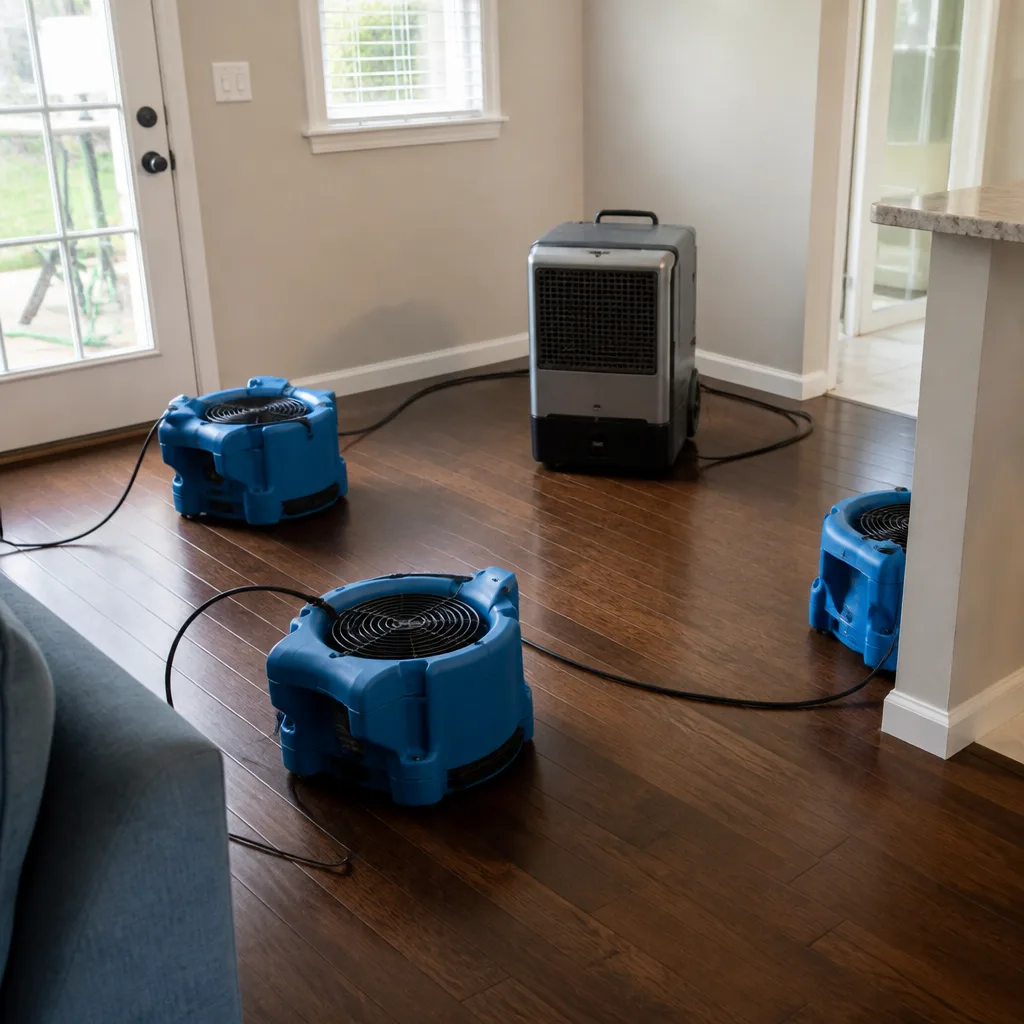
The biggest tell that separates real restoration contractors in Englewood from unqualified opportunists is the equipment they bring. Professional restoration uses commercial-grade dehumidifiers, high-velocity air movers, and specialized drying mats that work on a scale entirely different from the rental fans at a home improvement store. Dri-Eaz and Phoenix are the two brands you’ll see on professional trucks. XPOWER and B-Air also make professional-quality equipment. These units move hundreds of cubic feet of air per minute and extract gallons of water vapor from the air daily.
But equipment alone isn’t enough. The difference between a dry house and a damp one with hidden mold comes down to moisture mapping. A professional technician doesn’t guess where the water went. They use moisture meters to measure the moisture content of drywall, wood, concrete, and insulation - room by room, wall by wall. That map becomes the drying plan. It shows which walls need air movement, which floors need drying mats, and which areas may need to be opened to expose trapped water.
The moisture log is the homeowner’s record of the drying process. Daily readings show the moisture level trending down. When readings plateau or rise, the technician adjusts the plan. When all readings hit the target standard for the materials involved, the job is done. In Englewood, where older homes with plaster and lathe hold moisture stubbornly, this measured approach is essential. Plaster can feel dry on the surface while retaining enough moisture inside to feed mold growth for weeks.
Ask any contractor you’re vetting this: “Will you show me a moisture map of my house, and will you hand me the drying log when the job is done?” A professional says yes without flinching. An amateur starts explaining why that isn’t necessary.
Direct Insurance Billing: How Englewood Homeowners Avoid the Runaround
Insurance is in the room whenever restoration work happens, whether the homeowner says the word or not. Most Englewood homeowner policies cover sudden and accidental water damage, including burst pipes, appliance failures, and storm intrusion. What they cover less generously is gradual damage - the slow leak that has been saturating a wall for months. That’s why the cause of the damage matters as much as the extent.
The conflict most homeowners face is not with their insurance company. It’s with the restoration contractor who sends a bill and expects the homeowner to collect from the carrier. That arrangement puts you in the middle of a negotiation you didn’t ask for. You’re chasing an adjuster, submitting receipts, and waiting for a check while the contractor calls asking about payment.
Direct billing changes that dynamic. The restoration company works directly with the insurance carrier, submits documentation and photos, and negotiates the scope of coverage with the adjuster. The homeowner is kept informed but not put to work as a message carrier. In our experience, direct billing speeds up payment, improves documentation quality, and removes the single biggest source of stress for homeowners in Englewood during restoration.
Photo documentation is a part of every professional restoration job. We photograph everything before work starts, during the process, and after completion. Those photos go to the carrier and become part of the claim record. A contractor who doesn’t document thoroughly is leaving money on the table for the homeowner. The Floodline Restoration Co. home page explains our full-cycle approach: one company, one crew, one written promise, from first extraction to finished rebuild.
Red Flags That Signal a Contractor to Avoid
Some warning signs appear before work begins. Some appear on day three. All of them are avoidable if you know what to look for before you sign. In Englewood, where restoration work is competitive and fast-moving, a few specific red flags appear again and again.
We’ve been operating in Englewood since 2010, founded by Curt Bowman around a dispatch board, not a sales desk. That history means something. A company that plans to be in town in thirty years hires local, trains apprentices into journeymen, and answers the phone with a person. The alternative is a name that disappears when the first problem arises after the invoice is paid.
Common Mistakes to Avoid
- Waiting to call because “it’s not that bad yet.” Water damage compounds hourly. What starts as a small leak behind a wall becomes structural rot and mold in a matter of days. The call costs nothing; the delay costs everything.
- Using household fans and a shop vac to “just dry it out.” Residential fans lack the air movement power to dry wall cavities and subfloors. Trapped moisture becomes mold, and the “savings” evaporate when the real repair bill arrives.
- Hiring a contractor without checking for IICRC, RIA, or IFA training. The restoration industry has standards for a reason. Uncertified crews often miss hidden moisture that certified technicians find on day one with a moisture meter.
- Accepting a verbal estimate. The verbal price is not the final price. In Englewood, where older homes hide surprises behind walls, a written scope is the only document that protects your wallet from scope creep.
- Paying out of pocket because the contractor won’t do direct billing. You pay, you chase the carrier, you wait. Or you choose a contractor who works directly with insurance and avoids the whole mess.
- Assuming the visible stain is the full extent of the damage. Water travels laterally and wicks upward behind finishes. The stain on the wall is often the tip of the damage, not the boundary.
- Choosing the cheapest bid. Restoration is a science, and science has costs. The cheapest bid cuts somewhere - equipment, training, documentation, or follow-through. The final bill for a “cheap” restoration often exceeds the premium quote.
When to Call a Professional
Call a restoration professional when water has touched drywall, hardwood, baseboard, insulation, or any porous surface for more than a few hours. Call when you smell must or see discoloration even if you can’t identify a leak. Call when sewage has entered the home - this is a biohazard, not a cleaning project. Call when an appliance has failed and water has seeped under flooring or behind cabinets. Call when your sump pump fails during an Englewood storm and the basement has standing water. Call when a fire has left smoke, soot, or water from the fire department’s response. In every one of these scenarios, the cost of professional response is lower than the cost of ignoring the problem. Floodline Restoration Co. offers free estimates in Englewood - call (201) 729-3780 and a live dispatcher will get your information to a certified crew.
Frequently Asked Questions
Water damage restoration in Englewood typically ranges from $1,200 to $5,500 depending on the affected square footage, materials, and whether reconstruction is needed - extraction and drying for a single room often runs $1,200 to $2,500, while a full basement with rebuild can exceed $15,000. Your insurance policy may cover most of the cost if the damage was sudden and accidental. Call (201) 729-3780 for an exact quote - estimates are free.
A live-dispatch restoration company can typically reach most Englewood addresses within an hour, with extraction running the same visit. Companies that use answering services or recordings can’t promise that same speed. When you call Floodline Restoration Co., a person answers, a crew is dispatched, and the work starts when they arrive.
Most Englewood homeowner policies cover sudden water damage - burst pipes, appliance failures, storm damage - but exclude gradual leaks and flooding without a separate flood policy. Document everything, call your carrier, and choose a contractor who communicates directly with adjusters. We’ll send photos and moisture logs directly to your carrier.
If water has reached drywall, baseboard, insulation, or subfloor, professional extraction and drying is nearly always necessary - surface cleaning leaves moisture behind walls where mold grows unseen. The visible stain is usually the smallest part of the problem. A moisture meter tells the truth in minutes.
We serve all of Englewood, including the historic district near the library, the east side residential streets, and the neighborhoods along Palisade Avenue - anywhere in the city, any hour, any day. Our local dispatch means we know the streets and can reach your door fast.
We do. Our team communicates with your adjuster directly - submitting photos, moisture logs, and the written scope of work - so you’re not playing middleman between a contractor and a carrier. That’s what direct insurance billing means at Floodline Restoration Co.
The Bottom Line
Hiring a damage restoration contractor in Englewood is about four things: speed, credentials, written scope, and insurance handling. The right contractor answers the phone at two in the morning, sends a certified and uniformed crew, puts the entire job in writing before equipment runs, and bills your carrier directly. The wrong contractor saves you money on day one and costs you on day ninety when the mold appears and the phone number no longer works. We’ve served Englewood since 2010 by winning the first kind - answering every call with a person, doing the work to the dry standard, and standing behind every job with the 90-Day Done Right Promise in writing. When water finds your home, call (201) 729-3780. We’ll be there when we say.
Written by Curt Bowman, Owner at Floodline Restoration Co., serving Englewood since 2010.