
Last updated August 25, 2026
Free visual inspection and a written scope of work before any mitigation begins - photos, moisture readings, and drying logs go in your claim file
The scope we write is the scope we bill. Anything new gets shown to you, in writing, before we touch it.
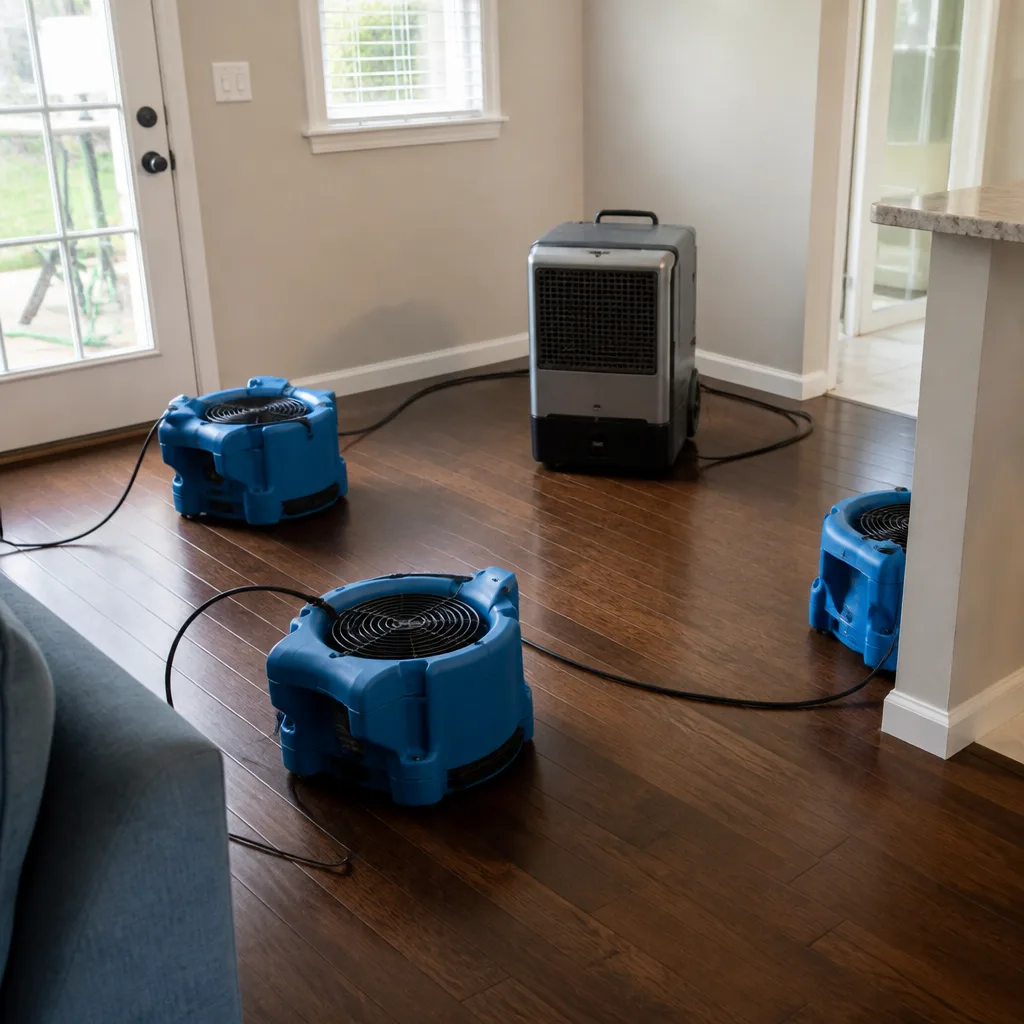

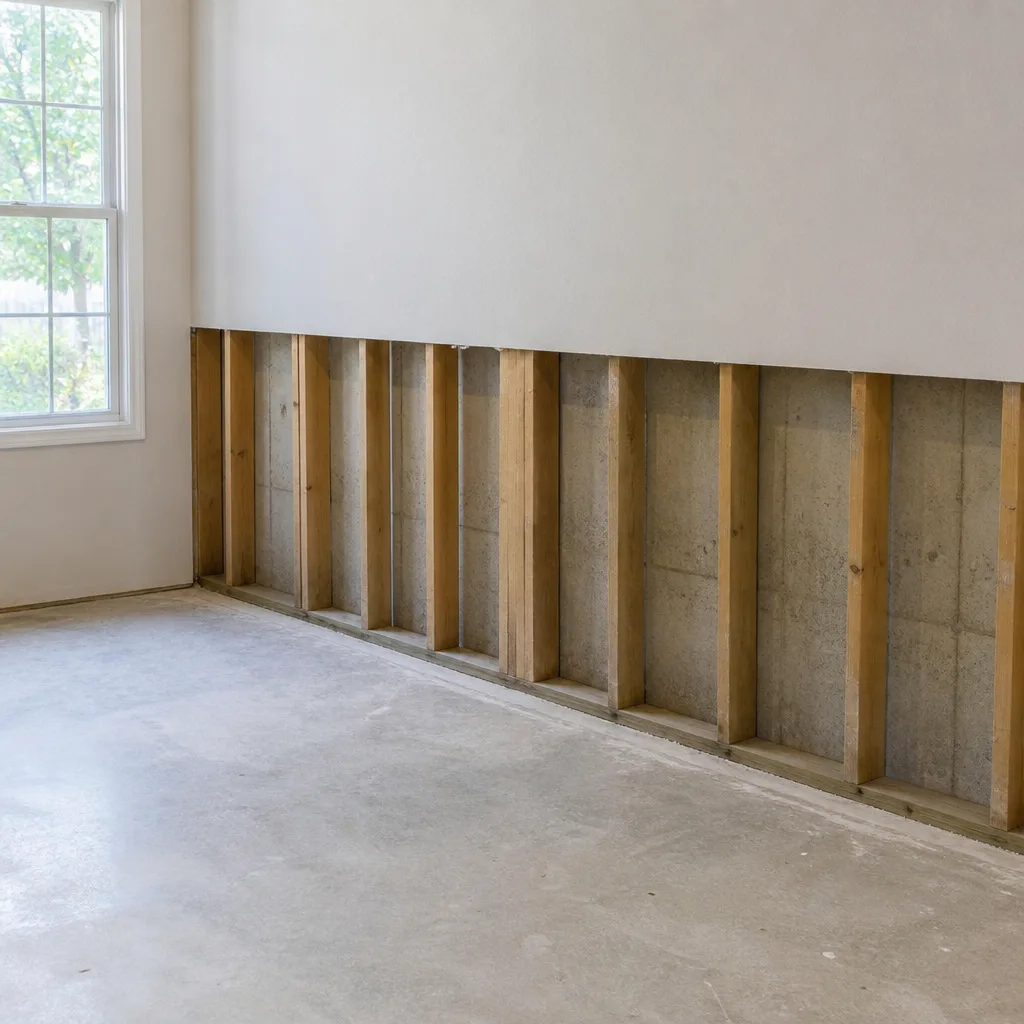

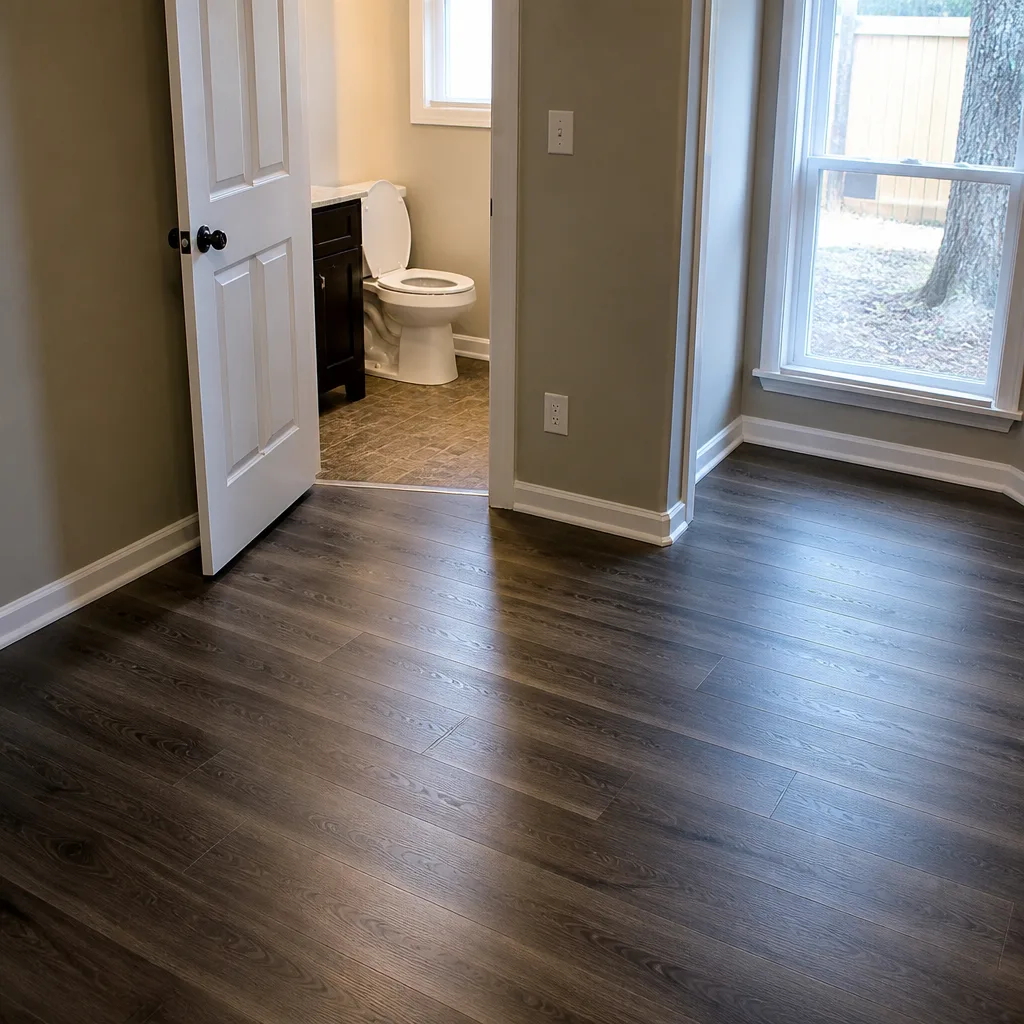

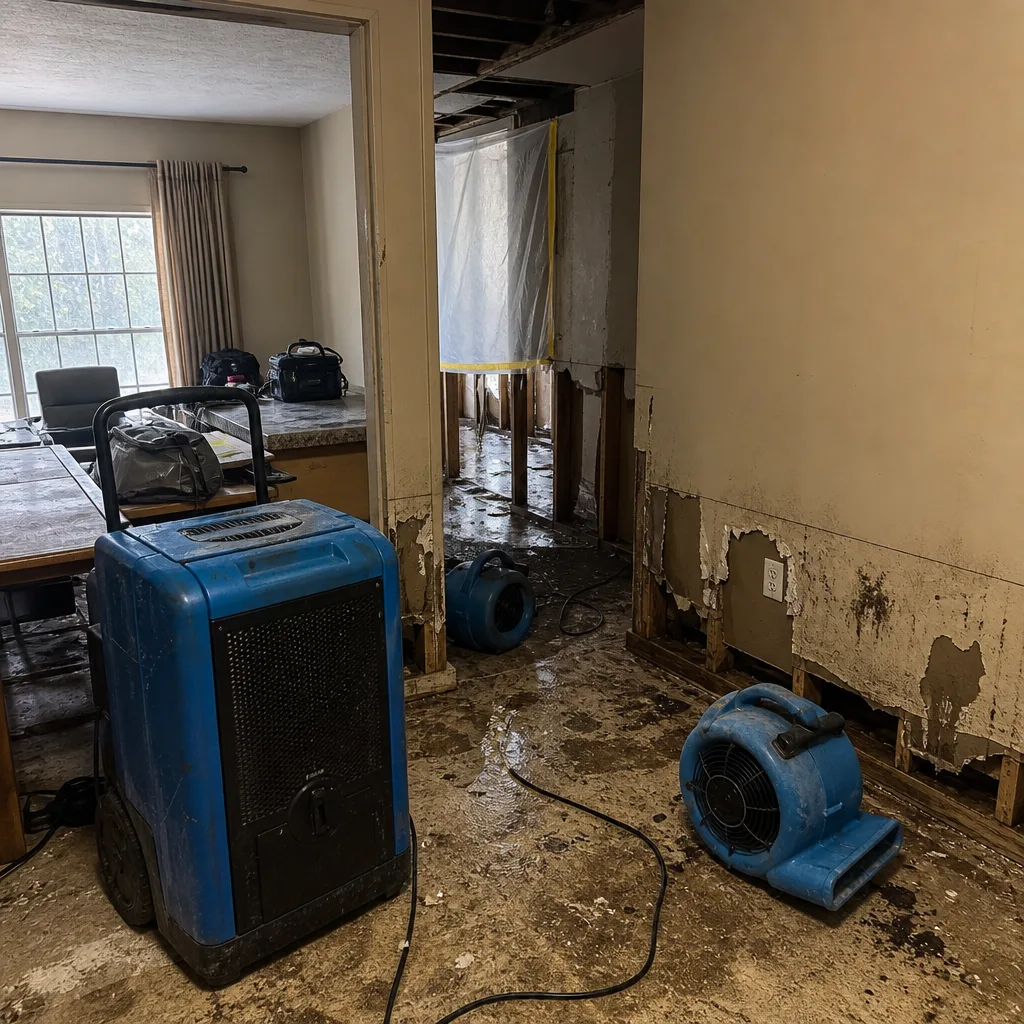 Before
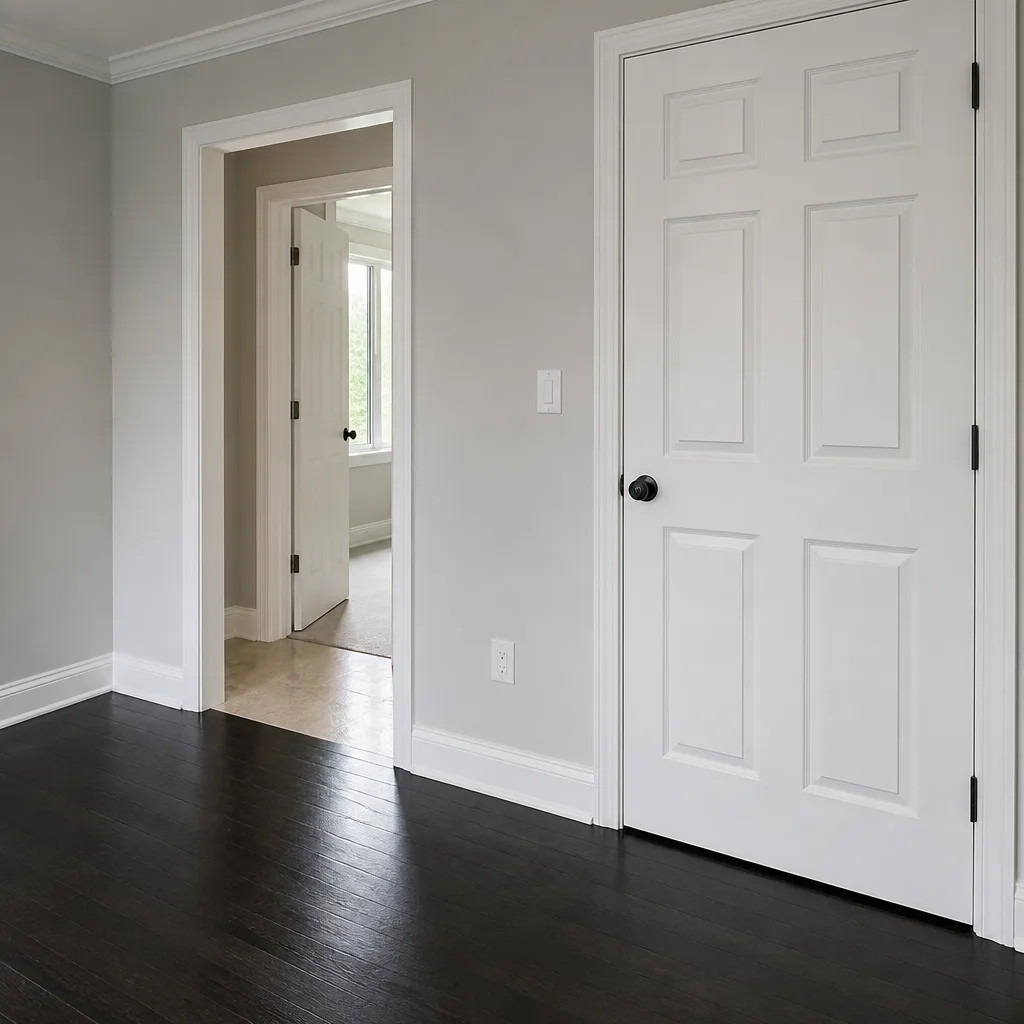 After
After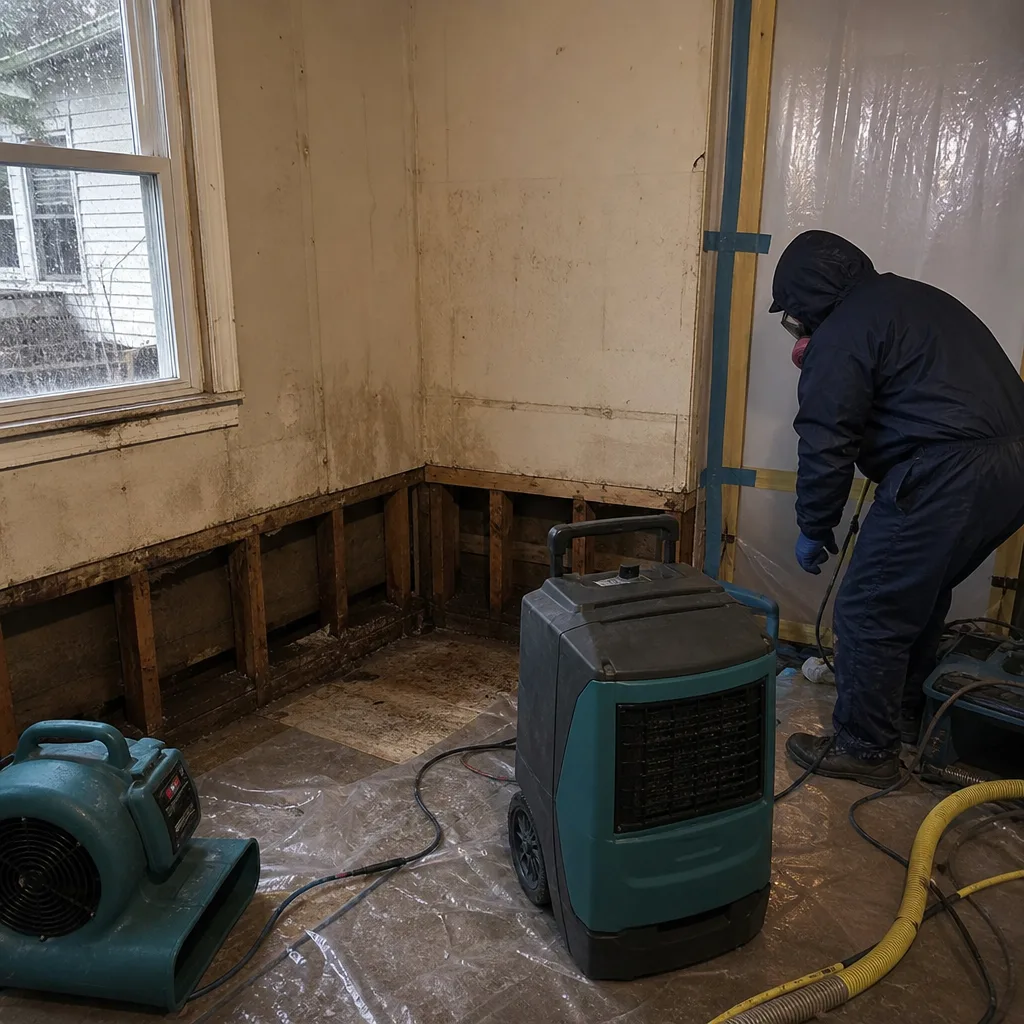 Before
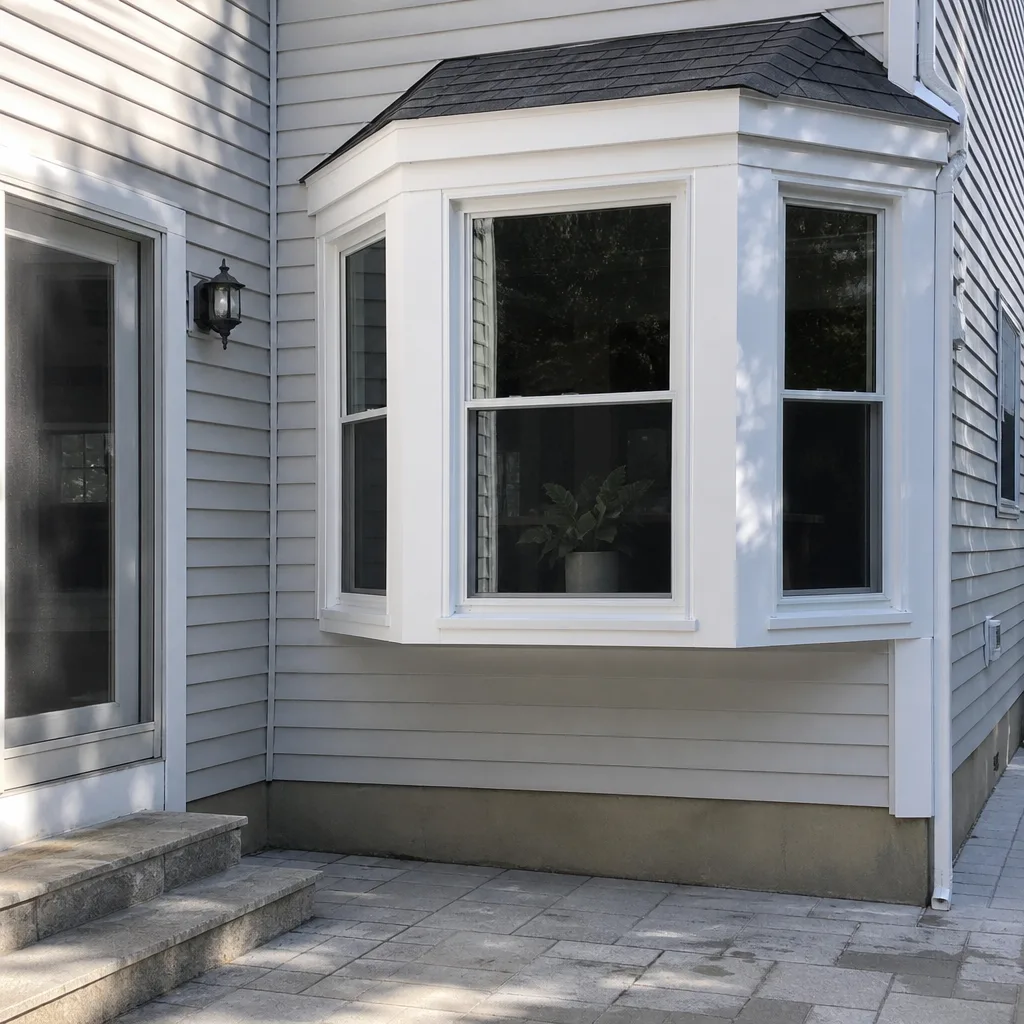 After
After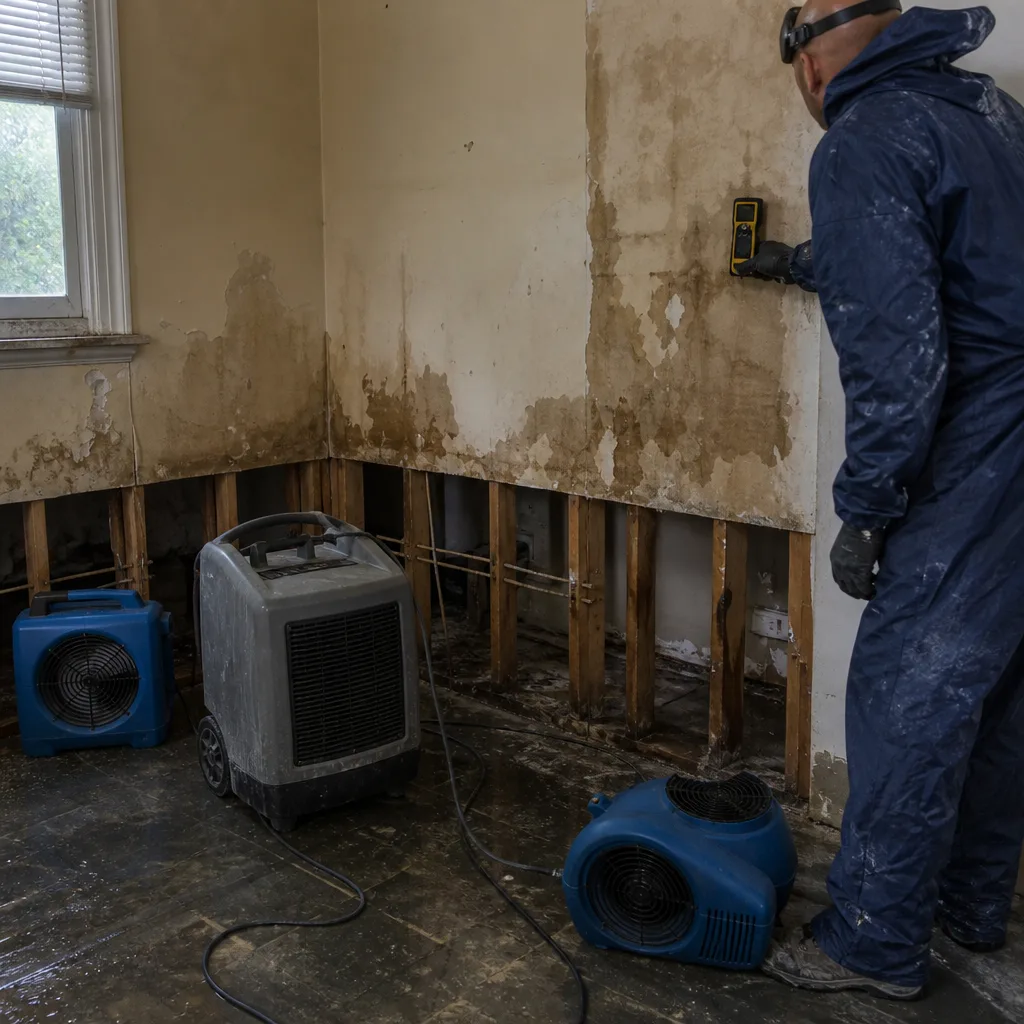 Before
 After
AfterWater Damage Restoration Maintenance Checklist for Englewood Homeowners
Most Englewood homeowners discover water damage the same way: a ceiling stain that wasn’t there last month, a musty smell in the finished basement, or a water bill that jumps $40 with no obvious leak. Here’s what surprises people: by the time you see the stain, the water has usually been at work for two to six weeks. This guide covers the maintenance checklist that catches problems early, what to do when you find active damage, and how Englewood’s specific housing stock and climate make certain checks more urgent here than in neighboring towns.
Quick Answer
A water damage restoration maintenance checklist for Englewood homeowners includes quarterly inspections of basements, attics, and under-sink plumbing; gutter and downspout cleaning twice per year; sump pump testing before heavy rain seasons; and immediate response to any discoloration, warping, or musty odor. Catching water intrusion within the first 48 hours is the single most effective way to prevent mold growth and structural damage that turns a $300 repair into a $9,000 restoration job.
Table of Contents
- The Seasonal Maintenance Checklist That Catches Water Damage Early
- Where Englewood Homes Leak: The Five Most Common Entry Points
- Basement and Crawlspace Moisture Control for Englewood’s Water Table
- Roof, Gutter, and Downspout Maintenance That Prevents Attic and Foundation Damage
- Plumbing and Appliance Checks: What Fails Most Often in Older Englewood Homes
- Sump Pump Testing and Backup Prevention
- The 48-Hour Response Window After a Storm or Leak
- What Professional Inspection Equipment Actually Measures
- Common Mistakes to Avoid
- When to Call a Professional
- Frequently Asked Questions
- The Bottom Line
The Seasonal Maintenance Checklist That Catches Water Damage Early
Water damage prevention is not a one-weekend project. It is a rhythm tied to the seasons, and Englewood’s weather pattern gives you four clear triggers: spring thaw and rain, summer humidity, fall leaf drop, and winter freeze-thaw cycles. We have walked through hundreds of Bergen County homes over 42 years of service, and the pattern is consistent: the homeowners who run a seasonal check find a $12 seal or a clogged downspout. The homeowners who skip it find a buckled hardwood floor in April.
Here is the seasonal checklist we recommend for Englewood homeowners:
Spring (March through May)
- Inspect the roofline for lifted, curled, or missing shingles after winter ice. Englewood gets enough freeze-thaw swings that flashing around chimneys and vent pipes loosens.
- Clean gutters and downspouts once the oak and maple buds drop their casings. Clogged gutters send water straight down the foundation wall.
- Test the sump pump by pouring a five-gallon bucket of water into the pit. The float should rise, the pump should kick on, and the discharge line should push water at least ten feet from the foundation.
- Check basement walls and floors for new efflorescence, a white chalky residue that means water is moving through the masonry.
- Inspect the washing machine hoses. Rubber hoses fail around the five-year mark. Braided stainless lasts longer but still needs a visual once a year.
Summer (June through August)
- Run a dehumidifier in finished basements and keep the relative humidity at or below 55%. Englewood summers push basement humidity into the 70s without mechanical help.
- Check window wells for debris and standing water after thunderstorms. A window well that holds water against the foundation is a slow leak waiting to happen.
- Inspect outdoor hose bibs and irrigation connections. A slow drip at the sill plate will go unnoticed for months if the soil stays damp.
- Look up at the ceiling under bathrooms. Toilet wax rings fail slowly, and a faint ring on the dining room ceiling below is usually the first sign.
Fall (September through November)
- Clean gutters at least twice after leaf drop. Englewood’s street trees drop leaves heavily through November, and a single clogged downspout can overflow onto a walkway or into a window well.
- Disconnect and drain outdoor hoses before the first hard freeze. A frozen hose connection will split the sill cock inside the wall.
- Seal gaps around foundation vents and crawlspace accesses where cold air meets warm, moist air.
- Test the water heater pressure relief valve. A stuck valve is a minor repair now and a flooded utility room later.
Winter (December through February)
- Keep the thermostat at 55°F or higher even when away. Frozen pipes in Englewood split most often in kitchen exteriors walls and unheated mudrooms.
- Check attic insulation for moisture. Frost on the underside of the roof sheathing after a cold snap means warm, moist air is escaping into the attic and condensing.
- Monitor your water bill. A spike in January with no change in usage is almost always an underground or in-wall leak.
Most of these checks take under 20 minutes. The goal is not to become a building inspector. The goal is to see water while it is still a nuisance, before it becomes a restoration project.
Where Englewood Homes Leak: The Five Most Common Entry Points
Every city has a housing profile, and Englewood’s profile shapes its leaks. The housing stock skews older: a significant portion of the single-family homes in neighborhoods like the East Hill and the area around Englewood Hospital were built between 1920 and 1960. Older construction means stone foundations, galvanized supply lines in some cases, original window flashing, and floor joists that have been settling for eighty years. That history, combined with Bergen County’s clay-heavy soil and heavy spring rains, produces a predictable list of entry points.
1. Foundation wall cracks at the mortar joints
Stone and block foundations breathe as the soil around them expands and contracts. Englewood’s clay soil holds water longer than sandy soil, which means hydrostatic pressure builds against the foundation wall after sustained rain. The water finds the path of least resistance: a weakened mortar joint, a cold pour joint, or a crack that has been hairline for decades and finally opened.
2. Basement window wells with no drain or a clogged drain
Window wells in Englewood basements collect leaves, snow, and storm runoff. If the well has no gravel bed and no drain tile, the soil at the base saturates and water seeps through the window frame or the wall below the sill. This is one of the easiest fixes on the list and one of the most ignored.
3. Old flashing around chimneys, skylights, and dormers
Flashing is thin metal, and thin metal does not last forever. On a slate or asphalt roof from the 1980s or earlier, the flashing around a chimney or a dormer is usually the first material to fail. Water enters slowly, travels along a rafter, and drips onto the ceiling of an upstairs bedroom. The stain appears nowhere near the actual hole.
4. Sill plates and rim joists above the foundation
The sill plate is the piece of wood that sits directly on the foundation. When gutters clog or the grade slopes toward the house, water splashes onto the sill plate and wicks upward. Over years, that wood softens and the band joist begins to rot. By the time a window sticks or a floor bounces, the framing damage is usually several feet wide.
5. Supply and drain lines in unheated exterior walls
Kitchen sinks on an exterior wall, laundry rooms in a rear addition, powder rooms tucked under a stair: these are the cold zones. Supply lines run through them, and when Englewood gets a week of single-digit nights, a small gap in the insulation silently freezes the copper or PEX. The split may not show until the ice thaws and the line releases full pressure.
One practical next step is to photograph anything that looks questionable and date the photo. When our crews arrive at an Englewood home, the photos help us reconstruct how long the condition has been present, which matters when you are working with an insurance adjuster.
Basement and Crawlspace Moisture Control for Englewood’s Water Table
Englewood sits on the eastern edge of the Hackensack River watershed, and the water table in much of the city runs high enough that finished basements and crawlspaces stay damp without active management. We have seen basements in the lower section of town, below Palisade Avenue, where the relative humidity sits at 70 percent from May through October unless a dehumidifier is running. That is the threshold where mold begins to colonize drywall paper and wood framing.
The maintenance checklist for a damp Englewood basement or crawlspace looks like this:
- Measure first. A $12 digital hygrometer from the hardware store tells you the exact relative humidity. Write it down weekly for a month. The number, not the feel, is what matters.
- Keep the dehumidifier running in humid months. Set it to 50 percent, empty the bucket or run a condensate line, and check the filter once a month. A dehumidifier that is not pulling water is just a box.
- Check the crawlspace vapor barrier. If your home has a crawlspace, the plastic sheeting over the dirt should be continuous, overlapping at seams by at least 12 inches, and run up the foundation wall six inches. Torn or missing sections let soil moisture evaporate straight into the floor framing.
- Seal rim joist air leaks. The band where the house sits on the foundation leaks air in both directions. Sealing it with rigid foam and spray foam reduces humid outdoor air in summer and condensation in winter.
- Regrade soil that slopes toward the house. The ground outside the foundation should fall away at least six inches over the first ten feet. Decades of settled backfill and mulching often reverse that slope in older Englewood yards.
If a damp smell persists after a month of relative humidity below 55 percent, the source is usually not ambient moisture but active intrusion: a hidden wall leak, a foundation crack, or a plumbing drip inside a partition. That is the point where a professional moisture survey using infrared and penetrating meters earns its cost, because the equipment finds water you cannot see and a moisture log documents it.
Roof, Gutter, and Downspout Maintenance That Prevents Attic and Foundation Damage
Gutters and downspouts are the cheapest water damage insurance a Englewood homeowner has, and the most commonly deferred maintenance item in the county. The geometry is simple: a roof sheds thousands of gallons in a heavy storm. If the gutters carry that water away, the foundation stays dry. If they overflow, all that water lands in a concentrated band right at the wall.
Here is the maintenance rhythm that fits Englewood’s tree cover:
- Clean gutters and downspouts twice per year minimum. If you have mature trees over the roofline, plan for three or four cleanings. A gutter full of wet leaves in October will freeze in January and become a solid ice dam that pushes water under the shingles.
- Confirm downspout discharge points. The end of the downspout should be at least six feet from the foundation, ideally onto a splash block or into a buried drain line that carries water to daylight. A downspout that dumps at the corner of the house is feeding the same soil that presses against the foundation.
- Inspect gutter pitch each fall. Gutters that slope the wrong way hold standing water, breed mosquitoes, and corrode. A level will tell you in two minutes.
- Check for granule loss on asphalt shingles. If you see sand-like granules washing into the gutter or collecting at the downspout elbow, the shingle surface is eroding. That means thinner coverage and eventually exposed matting.
- Watch for ceiling stains under the attic after snowmelt. In Englewood, ice dams form most often on north-facing roof planes and behind unvented additions. A thin, winding stain on an upstairs ceiling is the calling card.
Roof maintenance and gutter maintenance protect two different parts of the house, and skipping either one creates a problem on the other side of the same wall. The roof keeps water out of the attic; the gutters keep water away from the foundation. Both matter.
Plumbing and Appliance Checks: What Fails Most Often in Older Englewood Homes
The single most common emergency call we take in Englewood is a burst washing machine hose. The second is a failed water heater. The third is a toilet supply line or wax ring that has been seeping for weeks before anyone noticed. None of these are exotic failures. All of them are preventable with a ten-minute check.
- Replace washing machine hoses every five years. Rubber hoses fail catastrophically and without warning. Braided stainless steel hoses cost about $20 for a pair and fail far less often. The five-year rule applies to both.
- Inspect the water heater annually. Look for rust at the base, moisture around fittings, and any sign of scale or drips at the pressure relief valve. Water heaters in Englewood basements typically last 10 to 15 years depending on water hardness; Bergen County water runs moderately hard, which shortens that window.
- Check under every sink twice a year. Push on the supply connections, look for green corrosion on copper, and check for swelling or staining on the cabinet floor. A slow drip behind a vanity will rot the cabinet before it stains the ceiling below.
- Know where the main water shutoff is. Find it now, before the emergency. In Englewood homes it is usually in the basement on the street-facing wall or in a utility closet. Tag it, make sure it turns freely, and make sure everyone in the house knows where it is.
- Check toilet bases for movement or dark rings. A toilet that rocks slightly has a failing wax ring beneath it. Water seeps out with each flush and soaks into the subfloor around the flange. The fix is cheap now; the rebuild later is not.
On the appliance side, the pattern we see in Englewood is that the failure is rarely the appliance itself. It is the connection. Hoses, valves, fittings, and rings. A full-cycle restoration company like Floodline Restoration Co. home knows this because we see the aftermath, but the homeowner who checks the connections prevents the call entirely.
Sump Pump Testing and Backup Prevention
If your Englewood home has a sump pump, it is doing a job you will not notice until it stops: fighting groundwater pressure every day. When it fails, the basement fills from the floor up. Sump pumps fail in three predictable ways: the float sticks, the impeller clogs, or the power goes out during the exact storm that is pushing water toward the house.
Here is the test routine and backup plan:
- Test monthly during wet season. Pour a five-gallon bucket of water into the pit slowly. The float should rise, the pump should activate, and the water should discharge visibly outside. If the pump runs but water does not leave the pit, check the discharge line for clogs or freeze damage.
- Clean the pit annually. Silt and gravel accumulate in the bottom and will eventually jam the impeller. Unplug the pump (or shut off the breaker), scoop out debris, and clean the intake screen.
- Check the discharge line twice a year. In winter, make sure the line is pitched to drain completely so it does not freeze solid. In fall, make sure the outside end is not buried under leaves or mulch.
- Install a battery backup or water-powered backup. Englewood loses power during Nor’easters and summer thunderstorms. A battery backup sump pump will run for several hours. A water-powered backup runs indefinitely on municipal water pressure. Either one is better than none.
- Listen for short cycling. If the pump kicks on for five seconds, then off, then on again, the float switch is adjusted wrong or the pit is too small. Short cycling burns out the motor in a single season.
A sump pump that has not been tested in a year is a liability, not protection. The $89 Seasonal Tune-Up from Floodline Restoration Co. includes a sump pump check as part of the seasonal maintenance visit, along with a look at the plumbing, gutters, and foundation line.
The 48-Hour Response Window After a Storm or Leak
The difference between a cleanup and a restoration project in Englewood is almost always measured in hours, not days. Water that sits for 48 hours will begin to wick up drywall, saturate insulation, delaminate flooring, and create the exact warm, damp conditions mold needs to colonize. After 72 hours, the damage has usually spread beyond the visible area and into wall cavities and subflooring.
Here is the response checklist, in order:
- Stop the source. Shut off the main water valve if the leak is plumbing, or tarp the roof if it is a storm opening. Nothing else matters until the water stops.
- Cut power only if safe. If water has reached electrical outlets or the breaker panel, do not stand in water and touch anything. Call the utility or an electrician. A restoration crew will deal with this before extraction starts.
- Photograph everything. Every room, every affected wall, every piece of furniture. These photos become the start of the insurance record.
- Extract standing water. A rented shop vac works for minor incidents. For anything over a few gallons covering carpet and pad, professional extraction with truck-mounted equipment pulls ten times the water a rental unit will.
- Set up drying equipment quickly. Air movers and dehumidifiers (professional-grade units from Dri-Eaz and Phoenix, for example) create air exchange that pulls moisture out of materials. Box fans and opening windows do not accomplish this in a water-logged Englewood basement, especially in humid weather.
- Document the dry-out. Daily moisture readings with a penetrating meter track the decline and prove to an insurance carrier that the structure reached the dry standard. Without that log, you are arguing with an adjuster about whether the drywall was dry enough.
The first 48 hours are when speed is the mitigation itself. The longer water sits, the more material gets cut out and replaced, and the longer you are out of your house or living around a construction zone.
What Professional Inspection Equipment Actually Measures
Homeowners often ask us what the professional equipment actually tells you that a damp hand on a wall does not. The honest answer: it tells you where the water is, how much of it there is, and when it is actually gone. That third point is the one that matters most for preventing mold and for closing out an insurance claim.
The core tools a restoration technician uses look like this:
- Penetrating moisture meters measure moisture content inside wood, drywall, and concrete. A wall can feel dry to the touch and still hold 20 percent moisture inside, which is enough to grow mold behind the baseboard.
- Infrared cameras show temperature differences that indicate wet areas behind finishes. Water evaporates and cools a surface, so a cool patch on a wall or ceiling shows up as a color change on the camera screen.
- Hygrometers and thermo-hygrometers measure ambient temperature and relative humidity, which together tell the technician whether the drying environment is actually pulling moisture out of materials.
- Air scrubbers and HEPA filtration units remove airborne particles and mold spores from the work zone. In an Englewood basement with a sewage backup or discovered mold, air quality during remediation is a safety issue, not an afterthought.
- Professional air movers and refrigerant dehumidifiers from brands like Dri-Eaz and Phoenix create a directed airflow pattern and remove gallons of water per day from the air. The equipment arrangement is calculated from the size of the affected area and the material types, not set up randomly.
We train our technicians to IICRC, RIA, and IFA standards, which means they are measuring against an established dry standard, not a hunch. The written moisture log handed to the homeowner and the adjuster at the end of the job is part of the 90-Day Done Right Promise: if it is not done right, we make it right, in writing, with no arguing.
Common Mistakes to Avoid
- Ignoring a small ceiling stain as “just a one-time thing.” Water stains do not heal. A stain that appeared once and dried means the leak is intermittent, not fixed. Intermittent leaks are the ones that rot framing for years before being discovered.
- Venting a bathroom fan into the attic. Englewood homes with older renovations often have bath fans that terminate inside the attic instead of through the roof. That warm, moist air condenses on the roof sheathing every winter and grows mold by spring.
- Using a household dehumidifier that is too small for the space. A 30-pint unit in a 1,000 square foot basement will run constantly and still not hit 50 percent humidity. Match the unit size to the square footage and ceiling height.
- Painting over water damage without fixing the source. Primer and paint seal the stain, but the moisture behind the wall keeps working. When the stain bleeds back through six months later, the damage is worse than it would have been if you had opened the wall the first time.
- Not testing the sump pump because “it worked last year.” Sump pumps fail when they are needed: during a storm. A pump that worked in July may have a stuck float or a corroded discharge line by the time a Nor’easter hits in March.
- Discarding the moisture log or never having one. If you ever need to sell the house or file a claim for recurring issues, the documentation of the dry-out is your proof that the problem was handled properly. Englewood buyers ask about basements, and a written log is a real answer.
When to Call a Professional
Some water damage is manageable with a mop and a box fan. The line is drawn at standing water in finished space, water that has touched drywall or insulation, any sewage or storm water intrusion, or any leak that has been running for more than 48 hours. If you see the water, but you cannot see the source, a professional inspection is cheaper than cutting exploratory holes in the wrong place.
You should also call when the water has reached baseboards, when flooring is cupping or buckling, when there is a musty odor that persists, or when any electrical outlet or the breaker panel is in the wet zone. These are the situations where a certified crew with proper extraction and drying equipment prevents a secondary mold problem. Floodline Restoration Co. offers free estimates in Englewood – call (201) 729-3780, and a live person will answer, day or night.
Frequently Asked Questions
Water damage restoration in Englewood typically ranges from $450 to $900 for a small, contained leak with extraction and drying, to $4,000 to $12,000 for a finished basement flood requiring drywall removal, drying equipment, and rebuild. Every job is different, which is why we give upfront pricing with a written scope before work starts, and bill your insurance carrier directly when coverage applies. Call (201) 729-3780 for a free estimate specific to your damage.
A Floodline Restoration Co. dispatcher answers the phone 24/7 and a certified crew is typically on the road to Englewood within the hour. The equipment for extraction comes on the first truck, which means water is being pulled out on the same visit, not on a follow-up appointment days later.
Our $89 Seasonal Tune-Up includes a visual check of plumbing, supply lines, the water heater, the sump pump, gutter and downspout function, and basement moisture readings. It is designed for an Englewood homeowner who wants a professional set of eyes without a full restoration project. Senior and veteran discounts (5 percent, always) apply to this service.
Most standard homeowner’s policies cover sudden and accidental water damage, such as a burst pipe or a failed water heater, but not gradual seepage or flooding from groundwater unless you carry a separate flood policy. We photograph everything, document the dry-out with daily moisture readings, and work directly with your adjuster so you do not play messenger.
Fans are not enough for water that has penetrated drywall, subfloor, or insulation. Professional-grade dehumidifiers and air movers from brands like Dri-Eaz and Phoenix are engineered to pull water out of building materials at a rate household equipment cannot match, and the dry standard matters because it is the line between a clean repair and a future mold problem.
Englewood’s housing stock includes many homes built between 1920 and 1960, with stone or block foundations, original flashing, and clay soil that holds groundwater against foundation walls. That combination, plus mature trees that fill gutters quickly, makes routine maintenance and early response more important here than in newer developments with modern drainage systems.
Most water damage jobs are completed in a single visit for extraction and equipment setup, with daily monitoring included until the dry standard is met. The same crew reads the moisture map on day one, handles the readings throughout, hands the moisture log to you and your carrier, and rebuilds what needs rebuilding, so there is no mid-job handoff.
Yes. The 90-Day Done Right Promise, which we call the Keystone Standard, is given in writing with every job. If it is not done right, we make it right, with no paperwork battles and no arguing. It is tied to our K.E.Y.S. values: Krafted right, Every time, Your home first, Standing behind it.
The Bottom Line
Water damage in Englewood is not a question of if, but when, and the maintenance checklist is the difference between a small repair and a full restoration. Check your gutters, test your sump pump, inspect your supply lines, and measure your basement humidity on a schedule. When water shows up anyway, respond within 48 hours with documentation and professional-grade drying equipment. And when you need a crew, call Floodline Restoration Co. home at (201) 729-3780. We have been serving Englewood since 2010, a live person answers the phone every hour of every day, and every job is backed by the 90-Day Done Right Promise in writing. The line the water left is where we start.
Written by Curt Bowman, Owner at Floodline Restoration Co., serving Englewood since 2010.