

Free visual inspection and a written scope of work before any mitigation begins - photos, moisture readings, and drying logs go in your claim file
The scope we write is the scope we bill. Anything new gets shown to you, in writing, before we touch it.
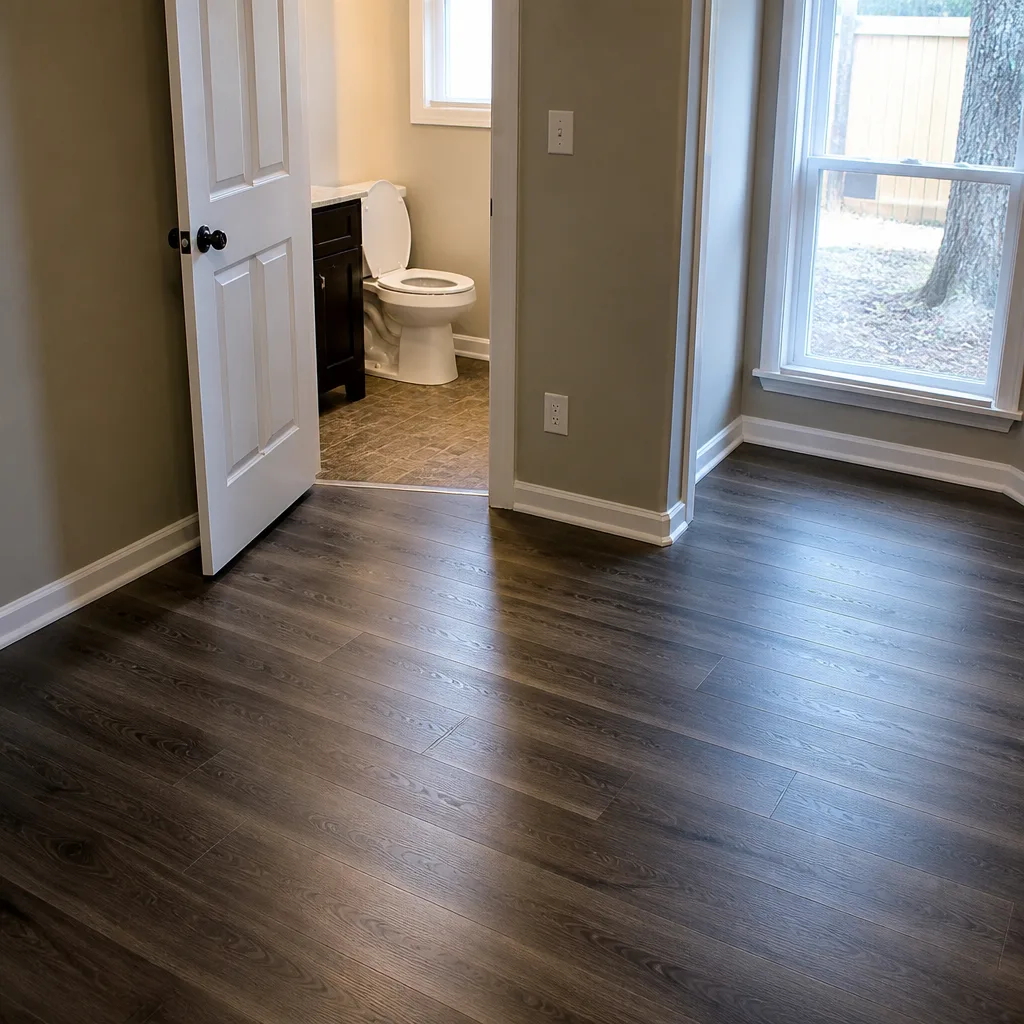
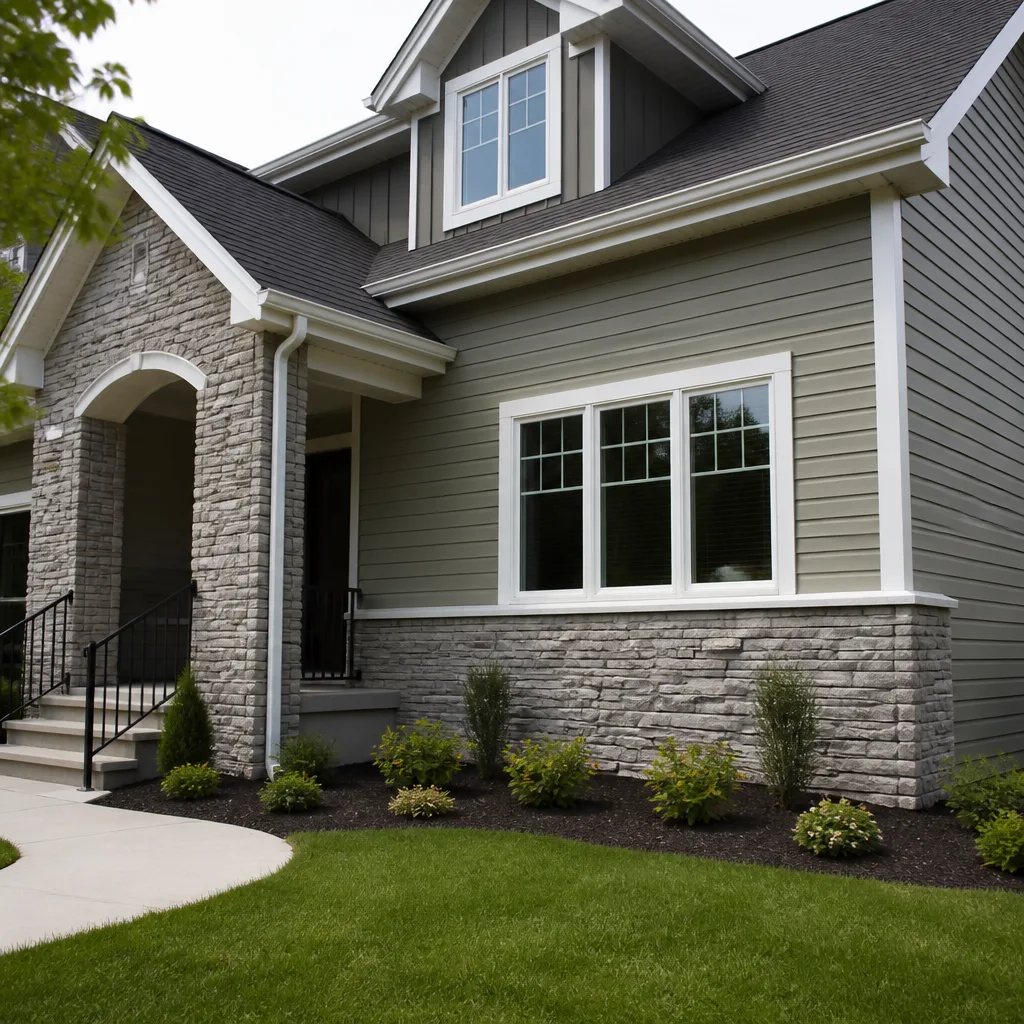
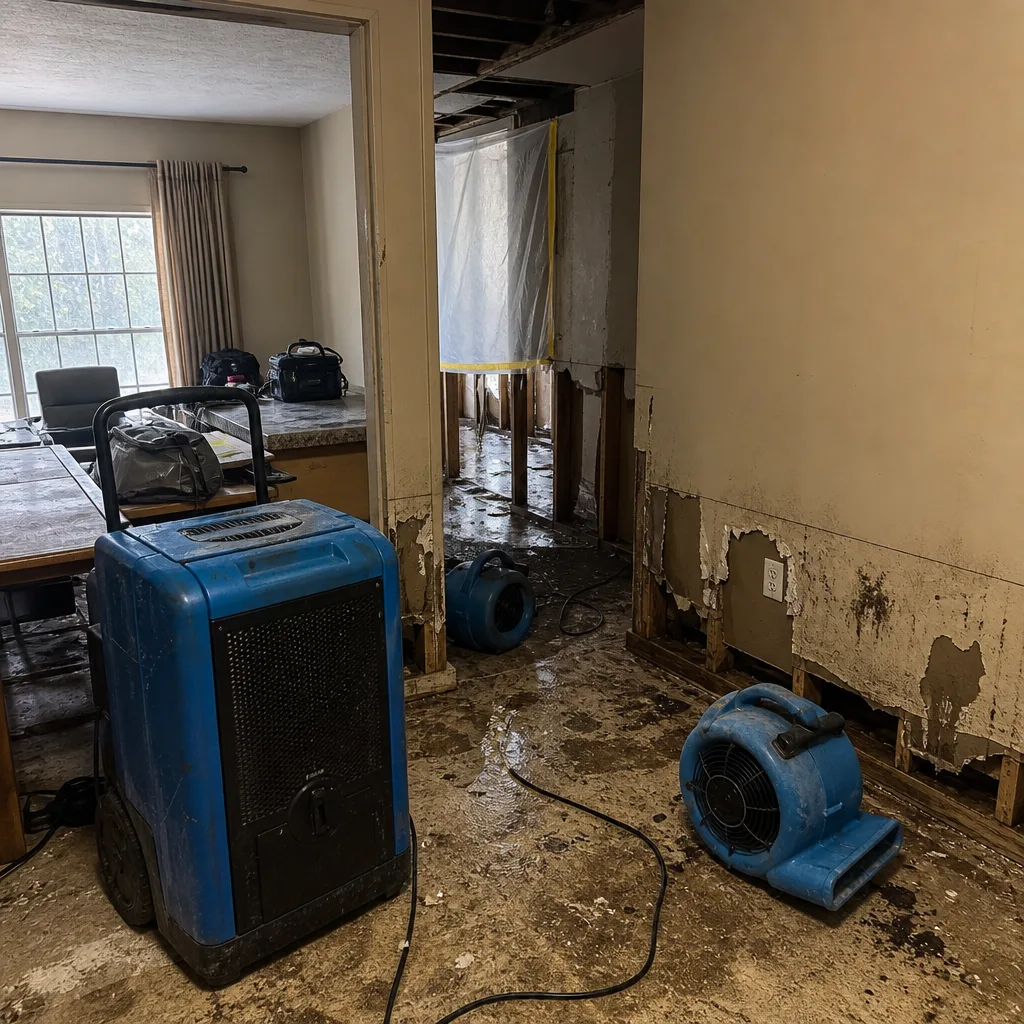 Before
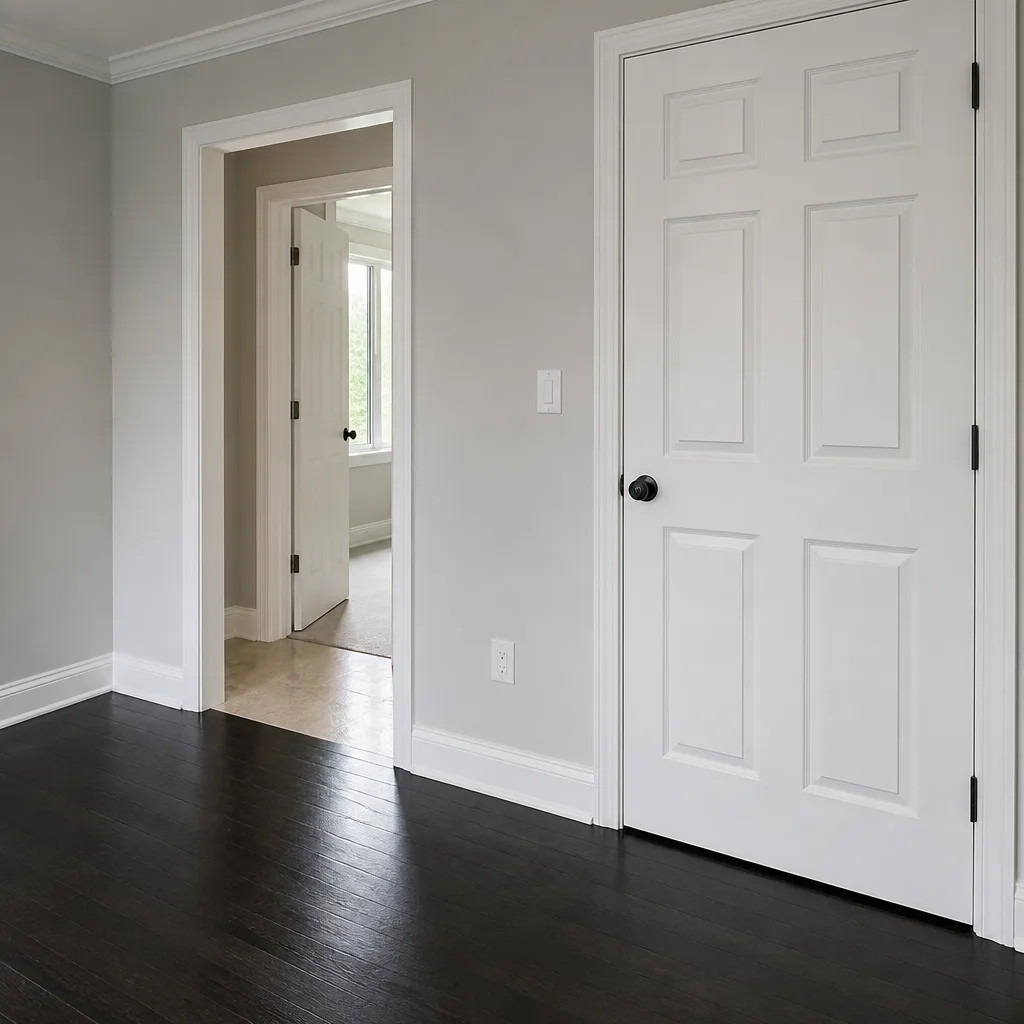 After
After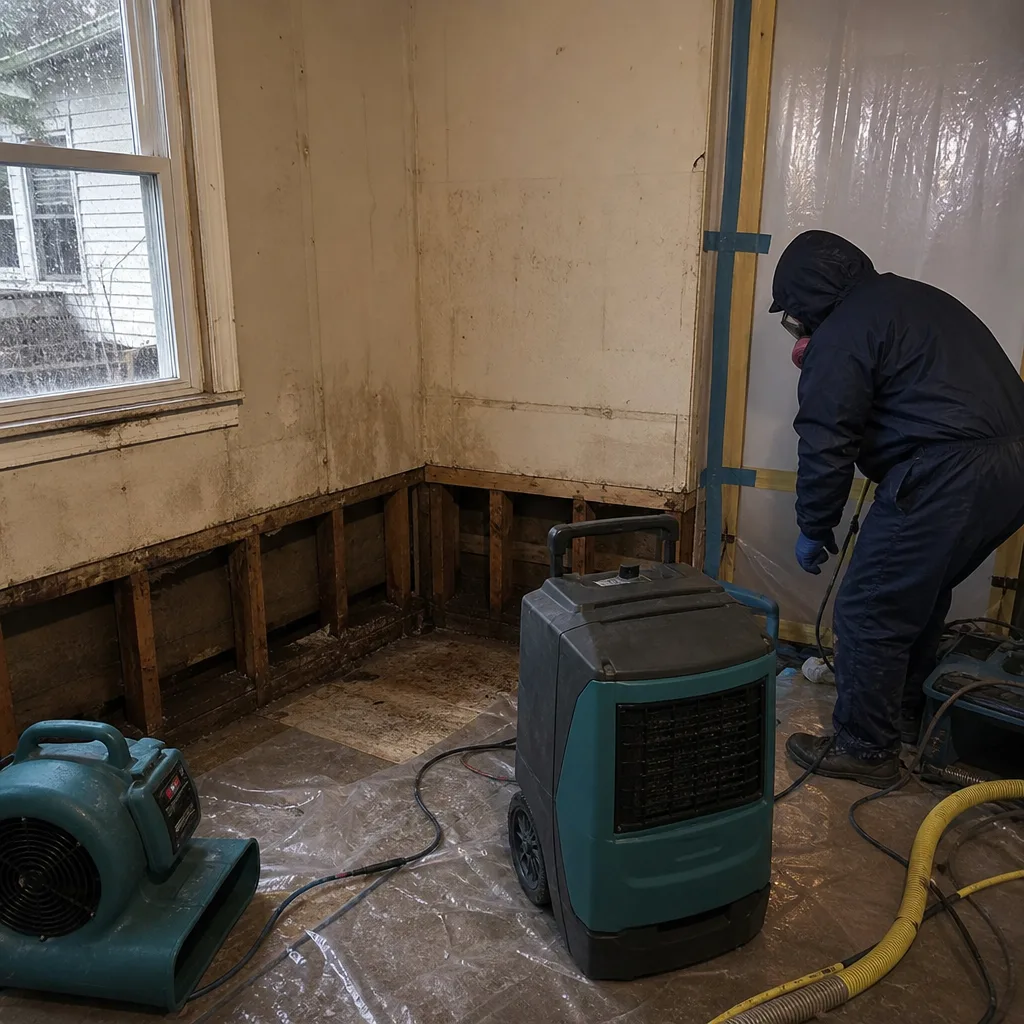 Before
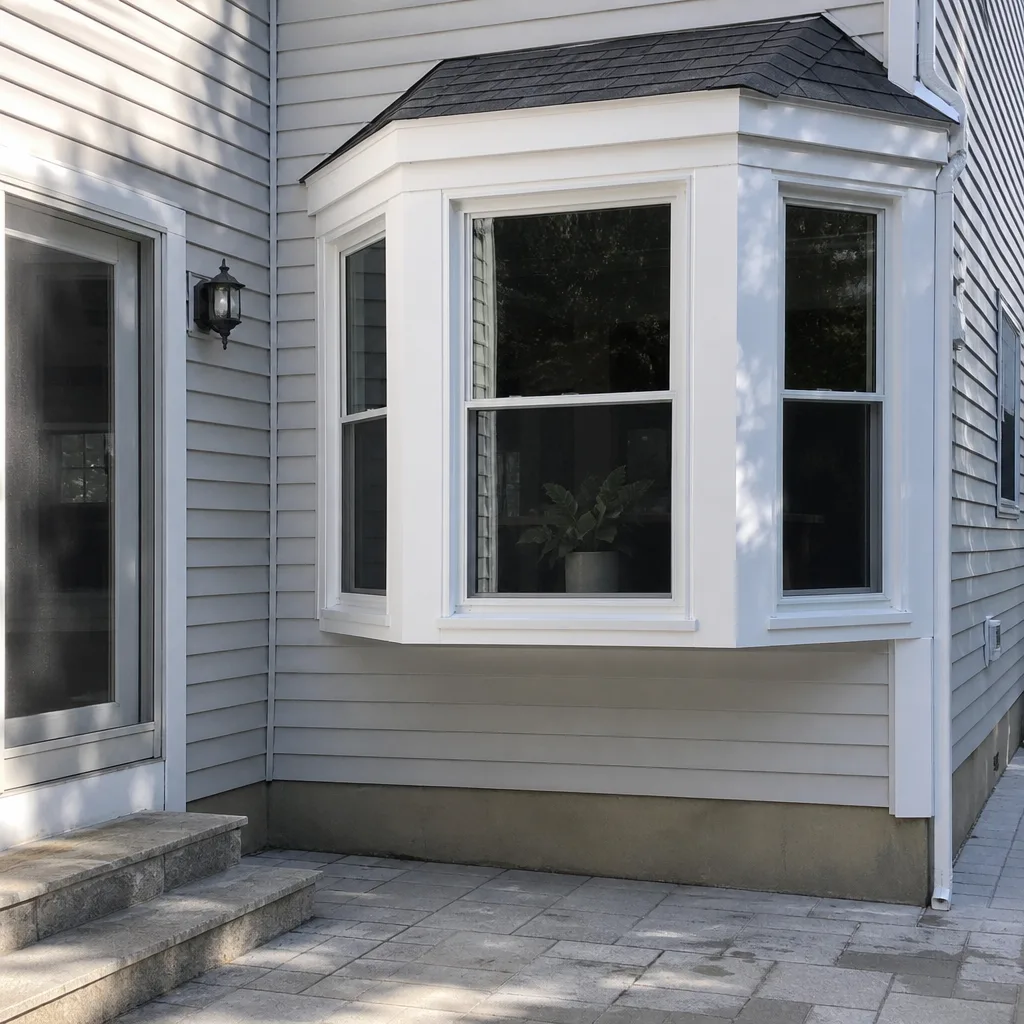 After
After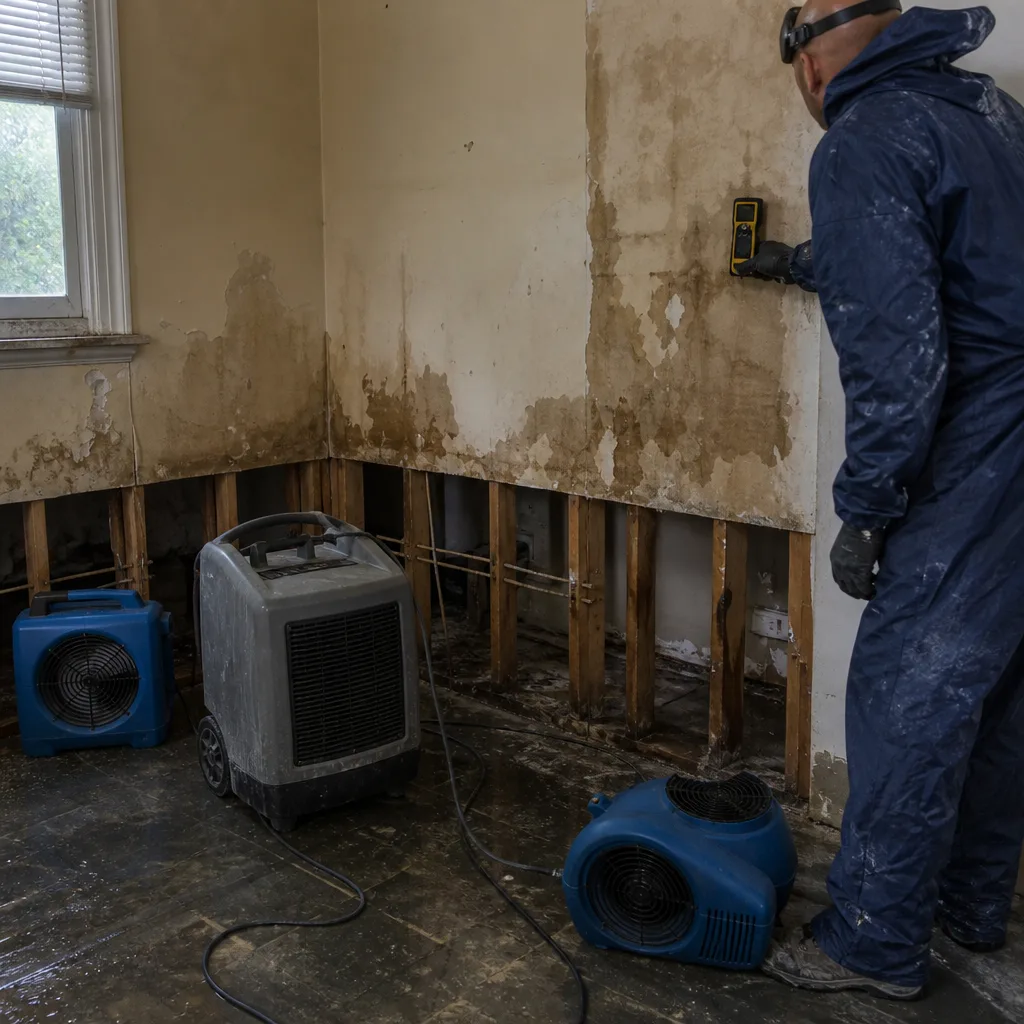 Before
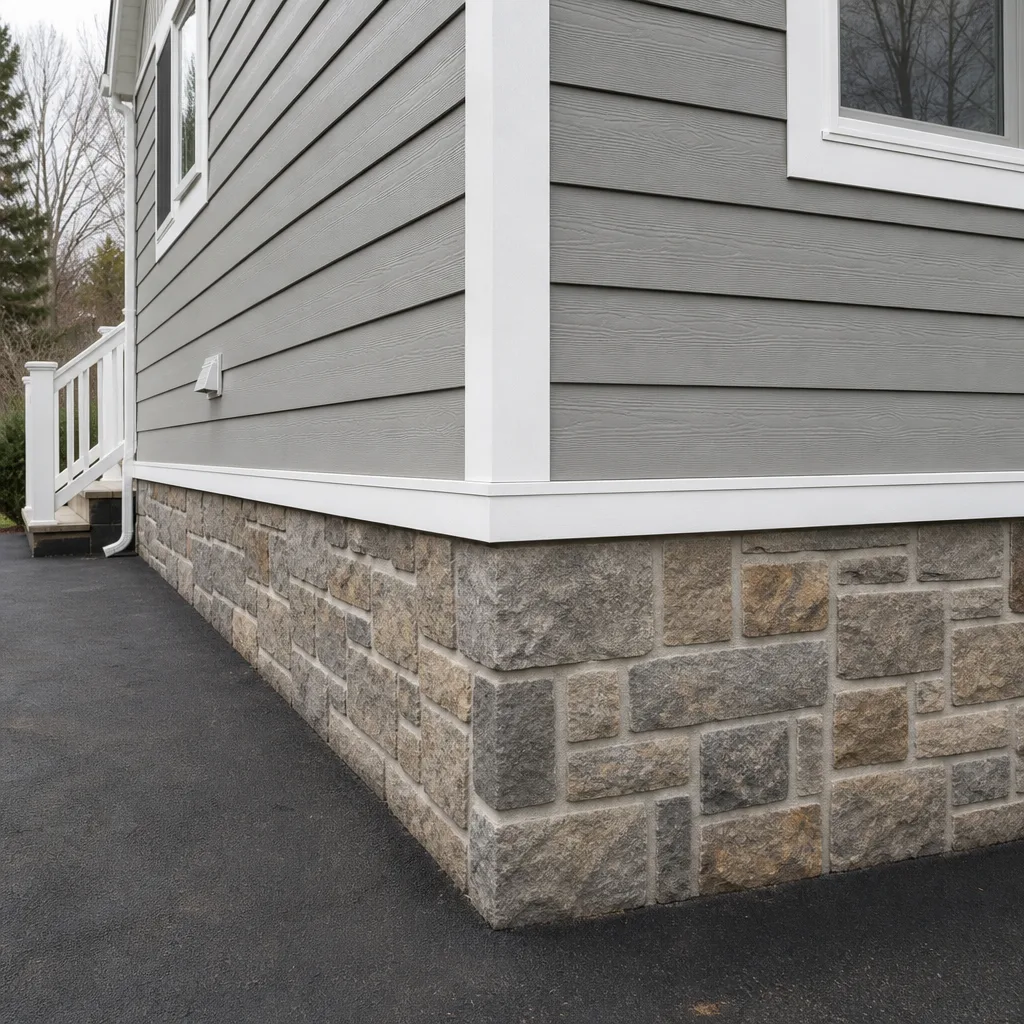 After
After24/7 Emergency Storm & Disaster Restoration in Riverdale
Storm damage in Riverdale doesn’t wait for business hours, and neither do we. Floodline Restoration Co. answers the phone with a live dispatcher at 2 a.m., 2 p.m., and every hour between, every day of the year. When a nor’easter rips a parapet cap off a prewar co-op or a microburst sends a tree limb through a Fieldston Tudor’s roof, our crews are dispatched into the Riverdale area immediately, with professional-grade Dri-Eaz and Phoenix drying equipment on the truck before we know the full scope. The first hour matters most: water moving through a shared riser chase in a 1920s brick co-op can reach five floors below within minutes, turning a roof leak into mold in three building wings. Call (201) 729-3780 now. A background-checked, IICRC-certified crew reaches Riverdale fast, and the visual inspection is free.
Key Takeaways
- Riverdale’s prewar co-ops create a unique restoration gate: co-op board approval often controls access to roofs, parapets, and shared risers before drying can finish.
- West-facing bluff-side buildings take wind-driven rain that inland Bronx neighborhoods never experience, accelerating masonry water infiltration.
- Emergency board-up and roof tarping stabilize the loss fast while the longer co-op approval process plays out.
- Direct insurance billing on every job. We hand your carrier photos, moisture logs, and a line-item scope of work.
- One team from first extraction to finished rebuild. Nobody gets handed off mid-job.
Understanding Storm & Disaster Restoration Severity in Riverdale Properties
Storm damage in Riverdale splits into three technical categories, and the building stock here makes each one act differently than in newer construction. Category 1 water, typically from roof leaks or burst supply lines, is clean at the source but rarely stays that way once it passes through a century-old cast-iron waste stack or a mortar-dusted parapet cavity. Category 2 water, what we call gray water, shows up when wind-driven rain pushes through failed building membranes and picks up decades of accumulated debris inside chase walls. Category 3, black water, arrives with flash flooding and river surge, and in lower-slope Riverdale properties near Riverdale Avenue and the Hudson, it’s contaminated with whatever the hillside runoff carried down from the streets above. In a 1920s Fieldston Colonial or a 1940s co-op on Johnson Avenue, water behind lath-and-plaster travels horizontally before it shows as staining, so the visible damage routinely understates the actual wetted area by a factor of three. That’s why we moisture-map every job with thermal imaging and hygrometers before we touch a wall.
Why Riverdale Property Owners Choose Floodline Restoration Co.
- 45-minute response commitment: live dispatch routes the nearest Riverdale-area crew the moment you call, not after a call center triage.
- 24/7 live answer: a real person picks up at 2 a.m. Not a recording. Not a pager service. A dispatcher who can move a truck.
- IICRC-certified crews: WRT, FSRT, and AMRT certifications mean the techs reading your moisture map trained on the same standards your insurer recognizes.
- Free visual inspection: we walk the loss, document it, and give you a written scope before any reconstruction starts. No surprise billing.
- Direct insurance billing: we coordinate with your adjuster and carrier directly. You don’t play messenger.
- One team, extraction to reconstruction: the same Floodline crew that sets containment on day one rebuilds the wall on day twenty. No handoff.
Our Storm & Disaster Restoration Process
Inspection & Assessment
We arrive, walk the property inside and out, and thermal-image every affected surface. In Riverdale’s older co-ops, this means tracing water from the visible staining back to the actual entry point, which is often a parapet or roof assembly two floors above the unit showing damage.
Extraction/Stabilization
Standing water comes out first with truck-mounted extraction. If the building envelope is compromised, we install emergency board-up and roof tarping immediately, because in Riverdale’s bluff-side exposure, an open roof puncture keeps admitting wind-driven rain until it’s covered.
Drying & Dehumidification
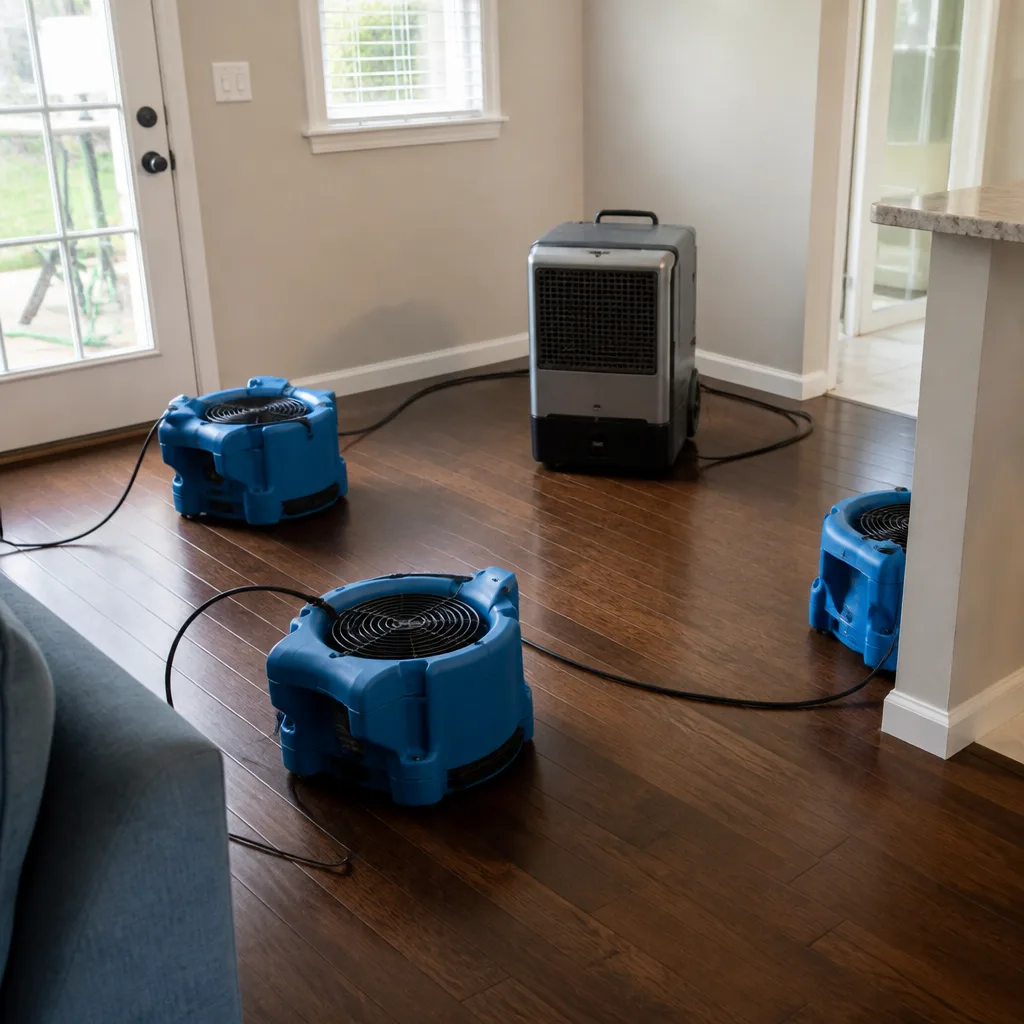
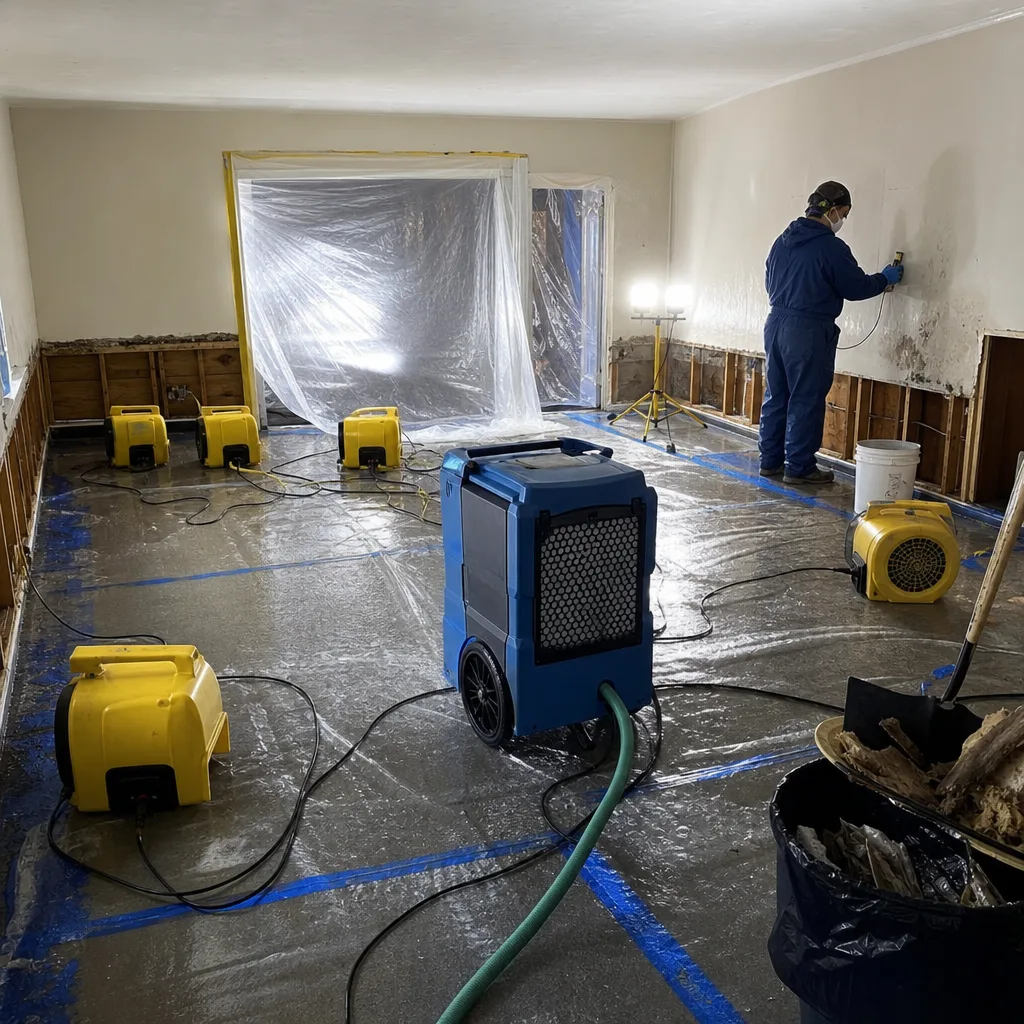
Dri-Eaz and Phoenix air movers with LGR dehumidifiers go in, and we take daily moisture readings until the dry standard is met. In prewar plaster-and-lath assemblies, that takes longer than drywall, and we log every reading for your carrier.
Cleaning & Sanitization
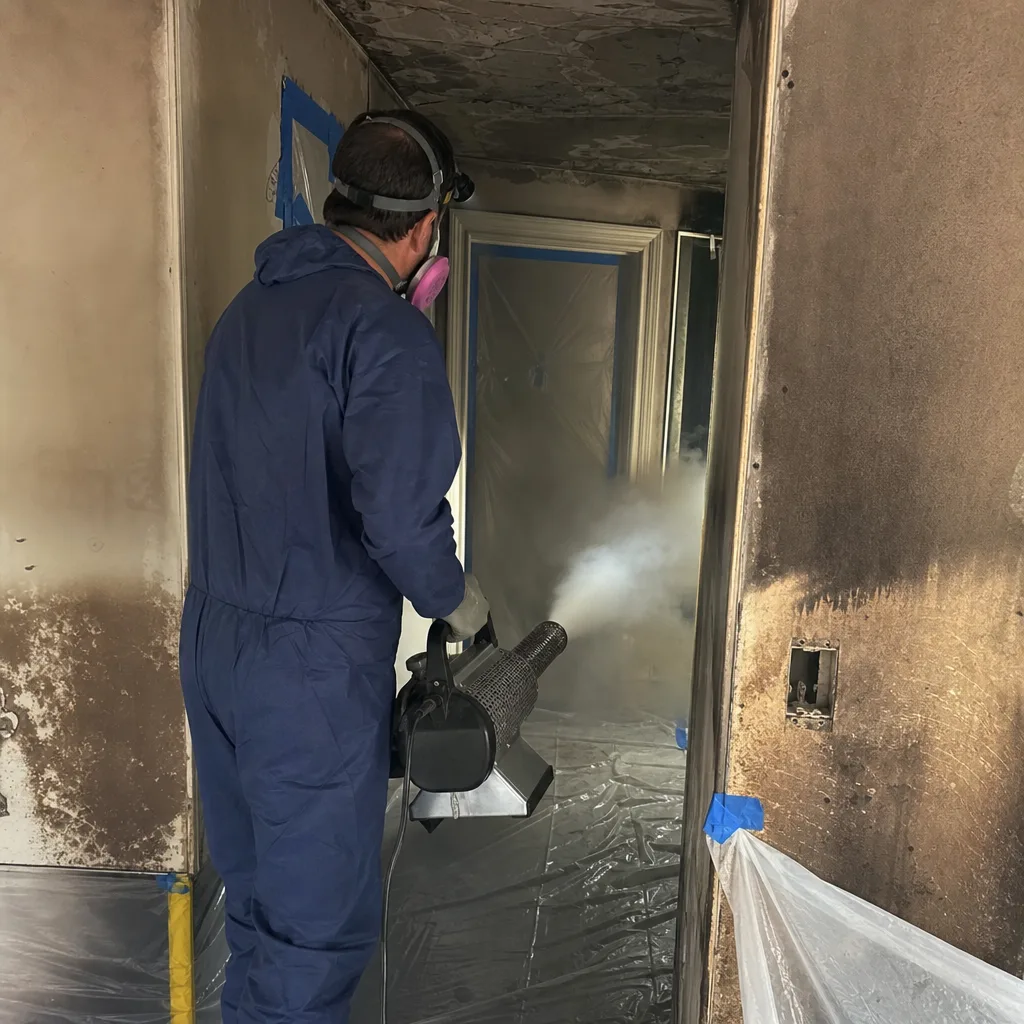
Category 2 and 3 water get antimicrobial treatment, Riverdale Sanitization Services, and HEPA air scrubbing. We contain the affected area so mold doesn’t spread into adjacent units through shared walls or riser chases.
Specialty Treatment: Parapet & Riser Chase Work
This is the Riverdale-specific step most firms skip. If the damage traces to a failed parapet cap or a shared riser, we coordinate with the co-op board, open the chase or roof edge with written authorization, and repair the source before final drying continues.
Repairs & Restoration
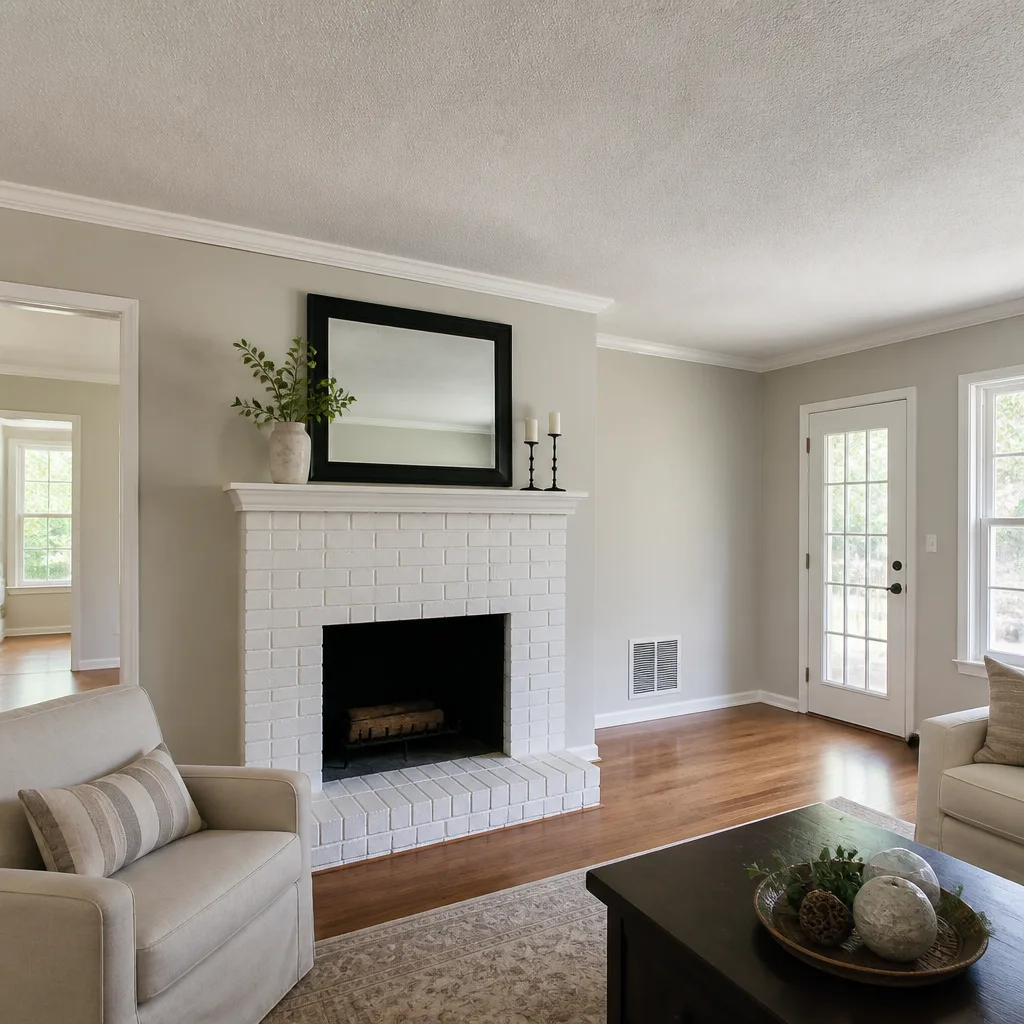
Once moisture readings confirm pre-loss condition, our Reconstruction & Cleanup - Riverdale crew rebuilds. Plaster, flooring, trim, paint - done by the same team that read the moisture map on day one. Backed in writing by the 90-Day Done Right Promise.
Need Emergency Storm & Disaster Restoration in Riverdale Now?
Crews minutes away, answering live 24 hours a day. The sooner we start, the less it costs.
Working With Your Insurance Company
Storm damage in Riverdale co-ops is rarely a single-unit claim. A top-floor leak from a failed parapet on a Johnson Avenue building usually involves the building’s master policy, the shareholder’s own policy, and sometimes the unit below’s carrier. We handle that from the first hour. Our crew documents the loss room by room, logs moisture readings daily, and writes a line-item scope of work that your adjuster can actually price against. We coordinate directly with your carrier so you’re not forwarding emails at midnight. For Fieldston homeowners, the process is more straightforward, but the documentation standard is the same. Photo evidence, drying logs, and a written scope are what turn a denied claim into a paid one.
What We Provide Your Insurer
- Thorough documentation of the loss
- Photos of all damage, room by room
- Moisture readings and drying logs
- A detailed, line-item scope of work
- Direct coordination with your carrier
Built for Riverdale’s Loss Calendar
Riverdale’s damage season runs on its own clock. January and February bring deep freezes that burst original galvanized supply risers in 1920s co-ops along Independence Avenue, flooding units through walls before anyone notices. Spring thaw and heavy March rains saturate the hillside slopes, sending groundwater down toward Riverdale Avenue and overwhelming perimeter drains in lower-level units. Summer thunderstorms arrive fast and hit the west-facing bluffside buildings hardest, with wind-driven rain penetrating parapet assemblies that have been slowly eroding for decades. And then comes nor’easter season, from September through December, when sustained winds off the Hudson strip parapet caps and rip roof membranes off 1940s co-ops along Palisade Avenue. We staff and stage equipment for this calendar, because in Riverdale, the next storm is always a few weeks out. The Storm & Disaster Restoration team at Floodline keeps crews pre-positioned for all of it.
Storm & Disaster Restoration Across Riverdale’s Neighborhoods
Response routes through Riverdale change by neighborhood, and so do the loss patterns. In Fieldston, our crews navigate narrow private roads to reach large Tudor and Colonial homes where tree limbs and wind-driven rain hit roofs directly, and roof tarping has to happen fast because the next storm arrives quickly on the bluff. In Central Riverdale along Riverdale Avenue and West 236th Street, we work inside 6-to-16-story prewar co-ops where a single roof-level breach travels down through multiple units, and board approval dictates which drying steps can proceed when. Along Independence Avenue and the west-facing bluffside, buildings take the full force of Hudson River westerlies, so parapet and facade leaks outnumber interior plumbing failures as the actual source of unit-level damage. In the lower-slope streets near the Henry Hudson Parkway and Spuyten Duyvil, basement flooding from hillside runoff is the dominant storm loss, and sump pump failure is usually the symptom, not the cause. Knowing the neighborhood tells us where to look before we even arrive.
Specialized Storm & Disaster Restoration Services We Offer in Riverdale
Storm Damage Cleanup
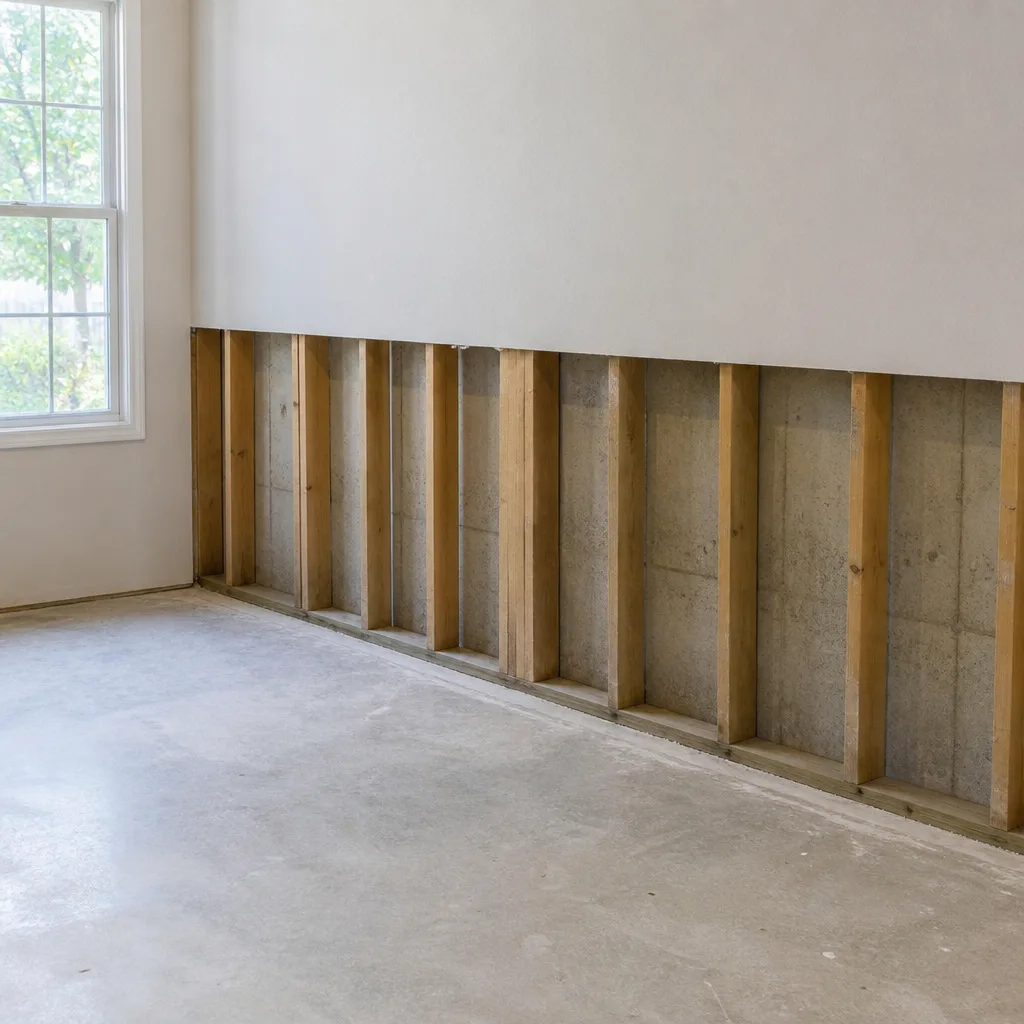
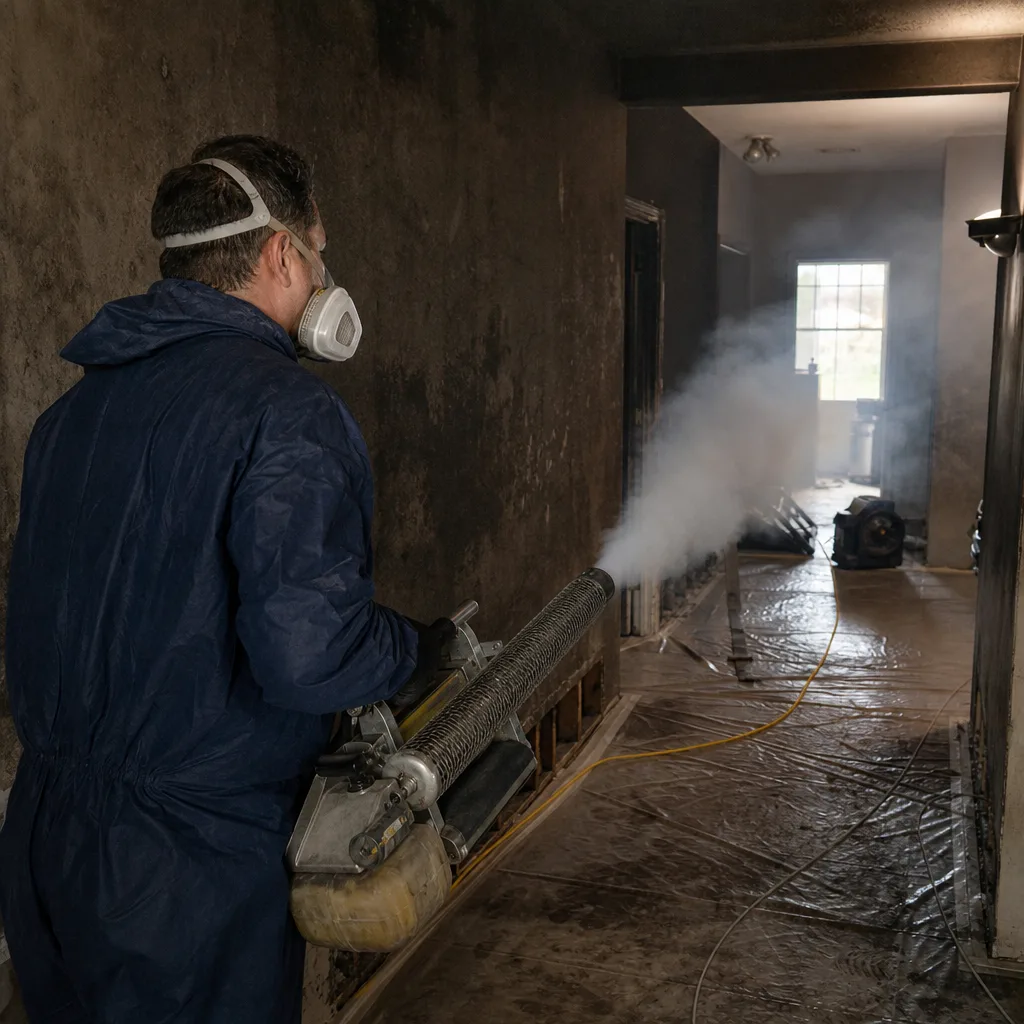
When a storm tears through Riverdale, the first job is stabilization. We clear standing water, cut out unsalvageable drywall and plaster, and set containment so secondary damage stops spreading. In older co-ops, that containment matters more than in any single-family house, because mold moving through a shared wall cavity is a building-wide problem, not a unit problem.
Flood Damage Restoration
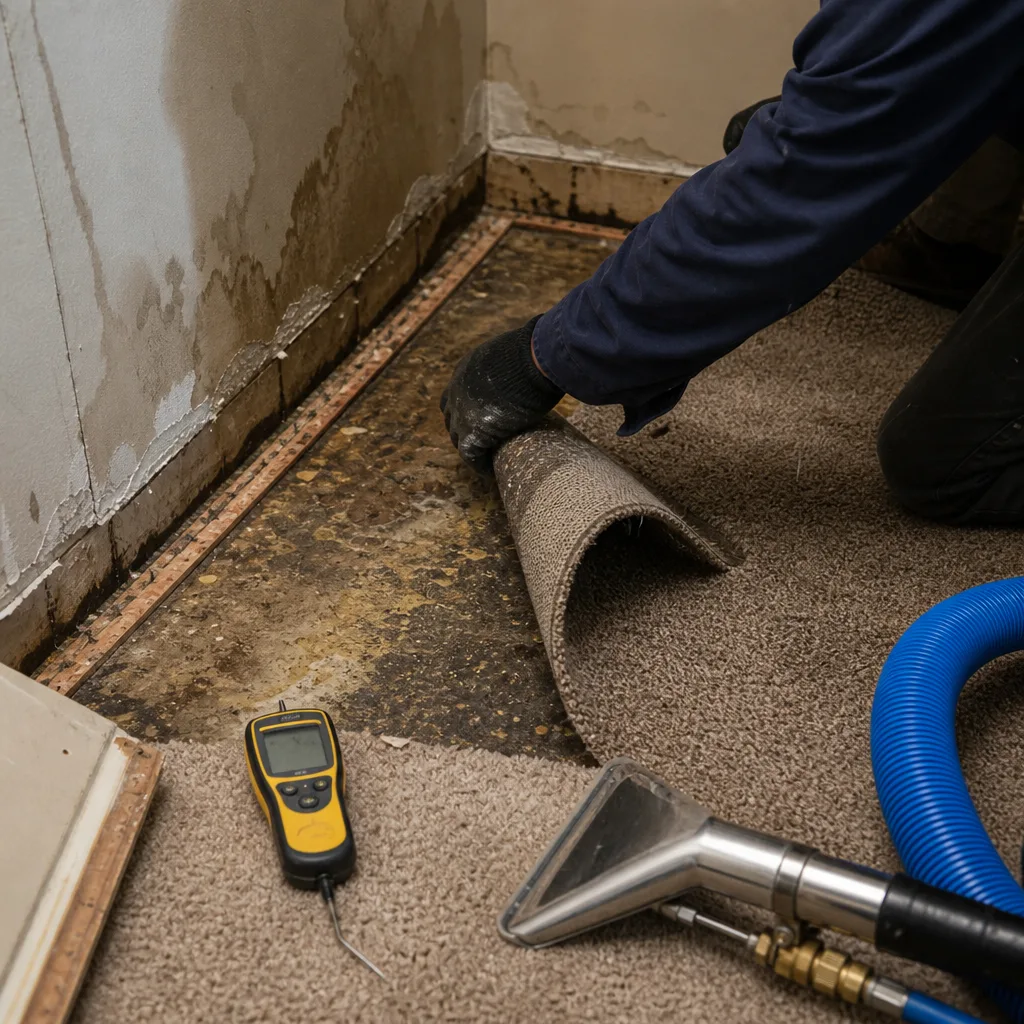
Riverdale’s lower-slope properties flood differently than anywhere else in the Bronx. Hillside groundwater and surface runoff converge toward Riverdale Avenue, and by the time water reaches a basement, it’s Category 3, carrying street debris and whatever the slope picked up along the way. We extract, sanitize, dry, and rebuild, with full moisture logging for your insurer.
Emergency Board-Up
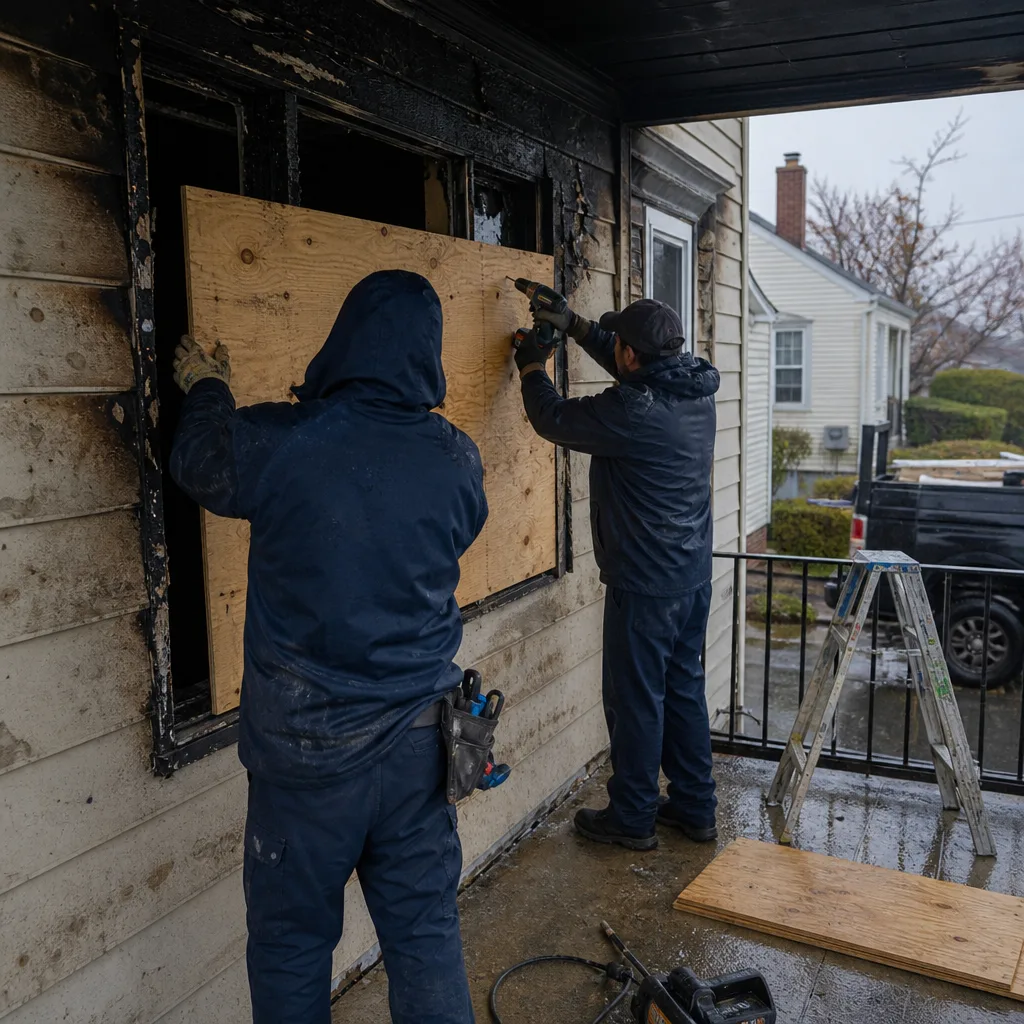
A broken window on a 1930s co-op facing the Hudson isn’t just a security issue. Wind-driven rain keeps entering through every opening until it’s sealed. We board up with plywood and weather barrier, sized to the actual opening, same visit. For Fieldston homes with shattered bay windows or blown-in doors, we secure the envelope before we leave the block.
Roof Tarping
Roof tarping is the single most valuable storm response in Riverdale, because the bluffside wind exposure means a small membrane tear becomes a large one within hours. We tarp with reinforced poly, anchored for 50-mph gusts, and document the installation for your carrier. A tarp is temporary, but it buys the time a co-op board needs to vote on permanent repairs.
Debris Removal
After a storm drops limbs, slate tiles, or parapet bricks across a Riverdale property, the debris itself becomes a secondary hazard. We clear it safely, document what came down where, and separate storm debris from building materials for insurance purposes. We don’t haul anything off until we’ve photographed it.
What happens when you call
- 1
A real person answersNo phone trees - you reach a local pro.
- 2
You get an upfront price rangeHonest numbers before anyone is dispatched.
- 3
A background-checked tech heads outLicensed & insured, dispatched right away.
- 4
You approve before work beginsNothing starts until you say go.
Storm & Disaster Restoration Costs in Riverdale, NY
Honest numbers for Riverdale’s market. Emergency roof tarping on a Fieldston Tudor or Palisade Avenue co-op typically runs $450-$900 depending on roof pitch and accessibility. Emergency board-up for windows and doors lands between $250-$700 per opening. Flood damage restoration in a lower-slope basement near Riverdale Avenue, with extraction, drying, and sanitization, runs $2,800-$7,500 for a typical 600-1,000 square foot space. Full storm cleanup with parapet repair and multiple-unit drying in a prewar co-op starts around $6,000 and can reach $25,000+ when shared risers and multiple floors are involved. What moves the price: co-op access delays, Category of water, plaster-versus-drywall assemblies, and whether the board requires abatement. The free visual inspection gives you a firm written scope before any work starts. Call (201) 729-3780 for specifics on your building.
We Also Serve Cities Near Riverdale
Our crews respond throughout the northwest Bronx and beyond. If you’re in Kingsbridge, or the surrounding communities, we’re close by and dispatch the same live crews. Call (201) 729-3780 from anywhere nearby, and we’ll route the nearest truck.
Riverdale Storm & Disaster Restoration Questions, Answered
How does co-op board approval affect storm damage restoration in Riverdale?
Co-op board approval directly controls access to roofs, parapets, and shared riser chases, which means a single unit’s water damage often cannot be fully dried until the board votes to authorize opening a communal building component. In practice, we stabilize the unit with containment and air movers immediately, then coordinate with the managing agent to get the board authorization needed to fix the actual source. Timelines here run longer than in single-family homes, sometimes by two to five days, and we document every delay in your file for insurance purposes.
Why do west-facing Riverdale buildings have more storm water intrusion than inland Bronx neighborhoods?
Riverdale sits on an elevated ridge directly above the Hudson River, and its west-facing buildings take the full force of prevailing moisture-laden westerlies and wind-driven rain. Over decades, that exposure erodes mortar joints, parapet caps, and pointing on prewar brick facades, creating entry points that don’t exist in flat inland Bronx neighborhoods. The same storm that leaves a Kingsbridge building dry can drive rainwater through a Palisade Avenue parapet in under an hour.
What is the right approach for a prewar co-op unit with water staining on multiple walls?
Multiple-wall staining in a prewar Riverdale co-op almost always means water traveled horizontally inside the wall cavity from a single entry point, not multiple leaks. The right approach is thermal imaging and moisture mapping first, before any drywall or plaster is opened. We trace the wetted area back to the source, which is often a roof parapet or riser chase two floors above, then we coordinate building access before we start cutting. Guessing wrong means opening the wrong walls twice.
Can we dry a plaster-and-lath wall in a 1920s Riverdale co-op, or does it need removal?
It depends on the water category and how long the wall sat wet. Clean Category 1 water that’s caught within 24-48 hours can often be dried in place with containment, air movers, and dehumidifiers, though plaster-and-lath assemblies dry slower than drywall and require daily moisture readings. Category 2 or 3 water, or water that sat more than two days, usually means removal, because the lath and insulation behind plaster hold contamination and mold that drying alone won’t address. We’ll tell you which applies to your wall before we remove anything.
Who is responsible for storm damage inside my unit if the cause is a failing parapet or shared riser?
Responsibility generally falls on the co-op corporation when the source is a building-common element like a parapet, roof membrane, or shared riser. Your own policy typically covers your unit’s interior finishes, belongings, and any betterment improvements you made. But co-op bylaws vary building by building, and we’ve seen shareholder policies and master policies overlap in surprising ways. That’s why we document the source of the loss carefully and coordinate directly with both carriers, so liability gets assigned correctly from the start.
How fast can a Floodline crew actually reach a Riverdale property?
Our response commitment is 45 minutes from your call to a crew on site in the Riverdale area. We maintain crews stationed throughout the northwest Bronx specifically to hit that window, and our live dispatcher routes the nearest truck the moment you call. For storm events where multiple buildings are hit at once, expect some queueing, but we still answer live and tell you honestly when the truck will arrive.
What certifications do your Riverdale restoration technicians hold?
Our technicians are background-checked, uniformed, and certified to IICRC, RIA, and IFA standards. That includes WRT for water damage restoration, FSRT for fire and smoke, and AMRT for mold remediation, as applicable to the job. In Riverdale’s prewar buildings, the IICRC standard matters because your insurer recognizes it, and your co-op board may require certified contractors before authorizing access to shared spaces.
What should I do in the first 30 minutes after storm damage to a Riverdale property?
Shut off the water if the damage involves a burst pipe, and cut power to any affected area if water is near outlets or electrical panels. Move valuables and furniture out of the wet zone. Photograph everything with your phone before anything is moved or cleaned, since that’s your insurance record. Then call (201) 729-3780 and get a live dispatcher on the line, because in Riverdale’s older buildings, water travels fast through wall cavities and chase spaces, and what costs $3,000 in the first hour costs $15,000 the next day.
Storm Damage in Riverdale Prewar Co-ops: The Access Problem No Other Firm Explains
Here’s what actually happens in a Riverdale prewar building that most restoration firms never mention, because most of them don’t work here. A top-floor unit on West 246th Street shows wet plaster at the ceiling line after a storm. The homeowner files a claim. A contractor shows up, sets fans, and cuts out the stained ceiling. But the water is still entering through a failed parapet cap two floors above, and until the co-op board authorizes roof access, no amount of drying inside the unit solves the problem. The board meets on its schedule. The managing agent needs to review the alteration agreement. The super has to badge someone into the roof hatch. Two days pass, sometimes five. Mold starts in the wet plaster. Then the scope expands, the estimate changes, and the shareholder is caught between a carrier that wants a finished claim and a board that wants its process followed.
Our crew saw this on a Fieldston Tudor after a wind-driven rain exposed a failed parapet cap, sending water down a shared riser chase. We set up containment and air movers in the unit, but final structural drying couldn’t begin until the co-op board voted to let us open the roof parapet. Two days of drying logs paused mid-job. Once authorized, we repaired the parapet flashing, extracted Category 2 water from the riser chase, and completed moisture mapping to confirm pre-loss condition before rebuild. The homeowner didn’t play messenger. We did the coordination.
This is the Storm & Disaster Restoration in Riverdale dynamic that cuts across every other page you’ll find: co-op board approval, shared riser accountability, and bluff-side wind-driven rain change the actual sequence of restoration work. A firm that treats your unit like a standalone house will misdiagnose the source, dry the wrong area, and hand you a bill that your carrier disputes. We start at the floodline, and in Riverdale, the floodline often runs through someone else’s wall before it reaches yours.
The 90-Day Done Right Promise
Every storm restoration job in Riverdale, from a Fieldston roof tarp to a seven-unit riser chase drying, is backed by the 90-Day Done Right Promise. It’s in writing. If it’s not done right, we make it right, no paperwork battles and no arguing. That’s the Keystone Standard, and it’s built on the K.E.Y.S. code: Krafted right, Every time, Your home first, Standing behind it. Curt Bowman founded Floodline Restoration Co. on that code in 2010, built around a dispatch board instead of a sales desk. Over 42 years of combined team experience serving local communities, we’ve kept the job whole: extraction, drying, and rebuild by the same certified crew, with a moisture log in your hands. We’ll be there when we say.
Written by Curt Bowman, Owner at Floodline Restoration Co., serving Riverdale, NY.
Serving Riverdale, NY - Our Local Coverage Area
We’re based in the Riverdale area and know this community well. Use the map below to see our service coverage - if you’re nearby, we can almost certainly help.
Contact Floodline Restoration Co. in Riverdale
Storm damage in Riverdale’s older buildings doesn’t wait for co-op meetings, and neither should you. Call (201) 729-3780 any hour, any day. A live dispatcher answers. A background-checked crew reaches your property fast. The visual inspection is free, the scope is in writing before work starts, and we bill your carrier directly. Ask about the Senior & Veteran 5% discount or the $50 Off Any Repair Over $250 offer. Done right, and backed in writing.