

Free visual inspection and a written scope of work before any mitigation begins - photos, moisture readings, and drying logs go in your claim file
The scope we write is the scope we bill. Anything new gets shown to you, in writing, before we touch it.

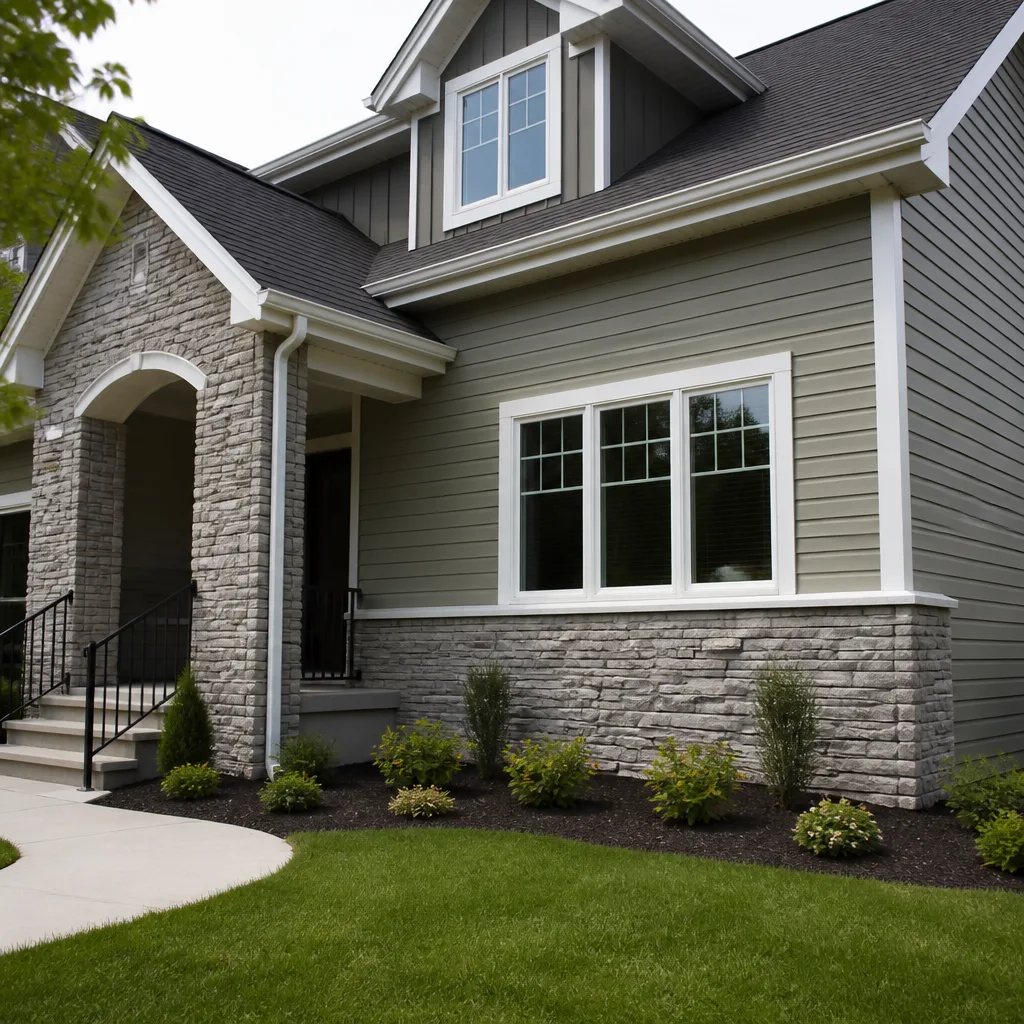
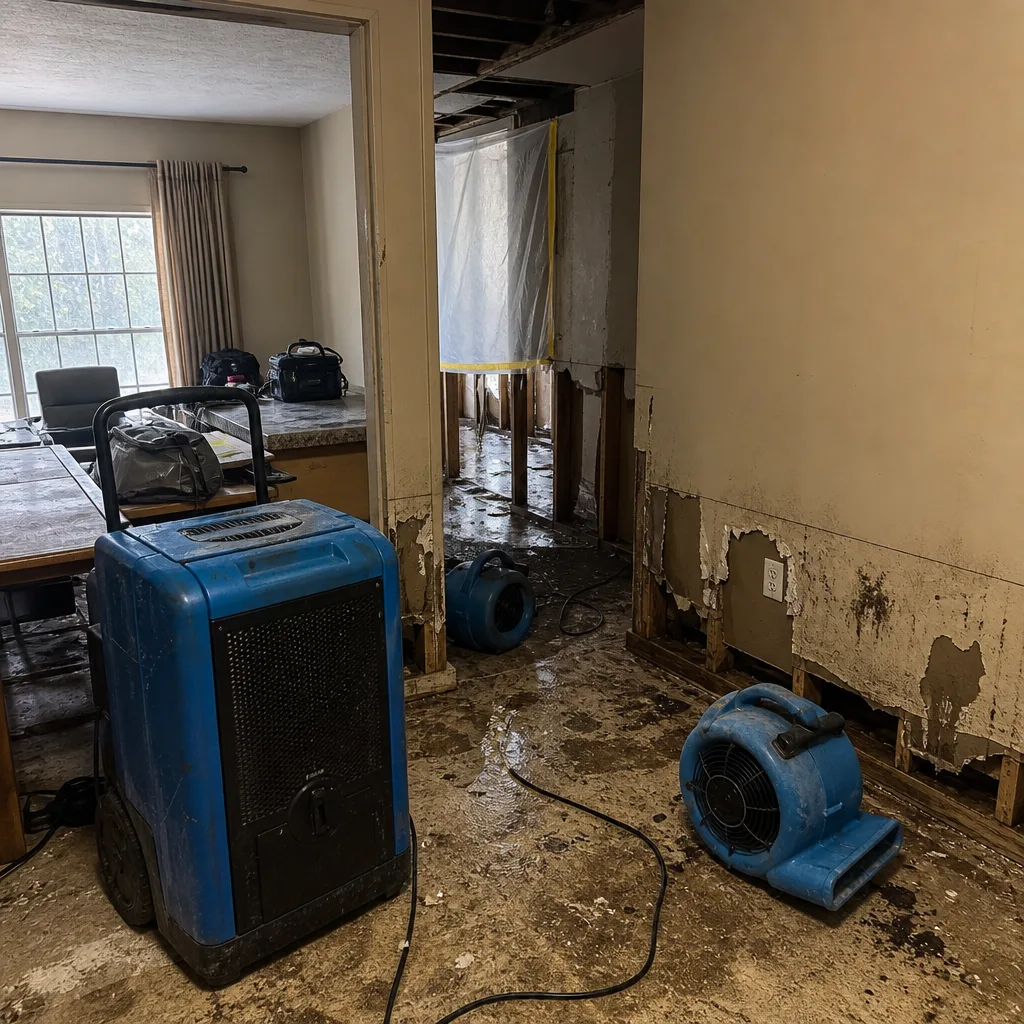 Before
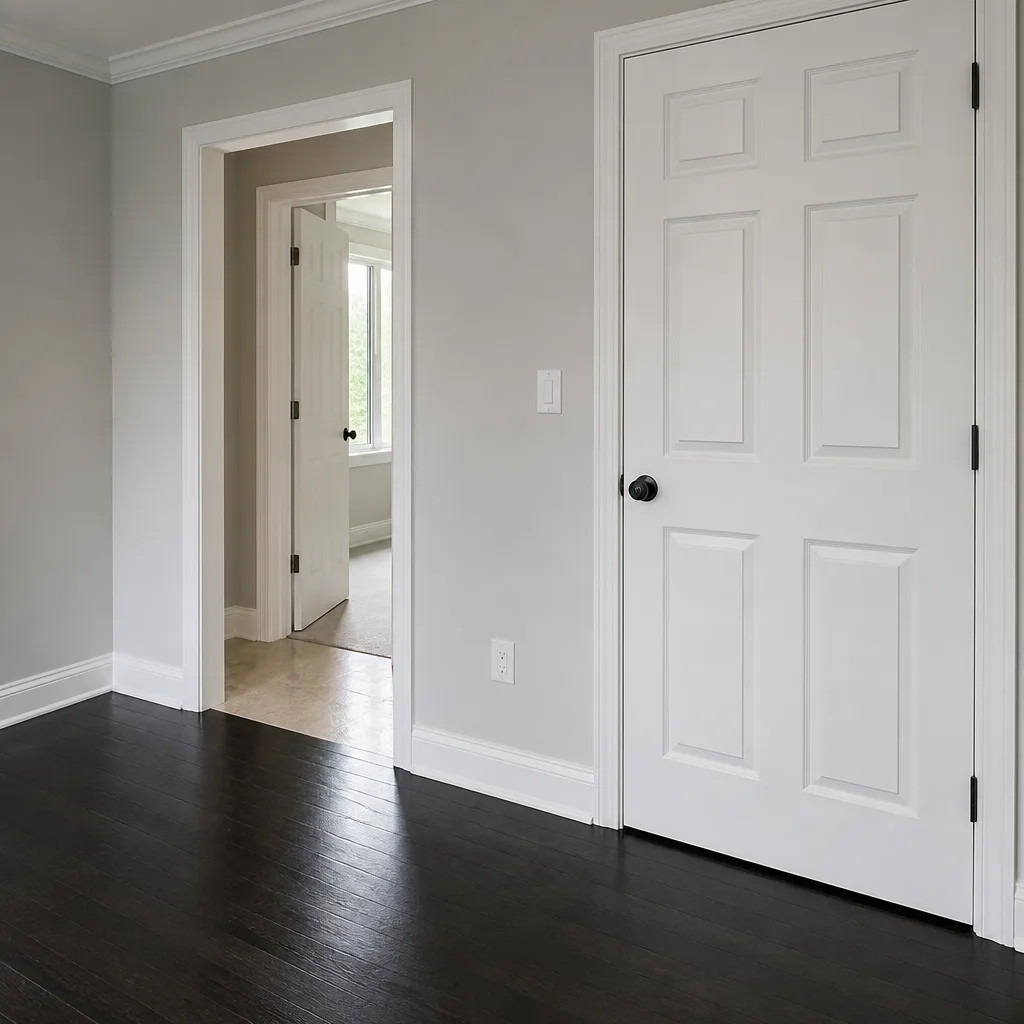 After
After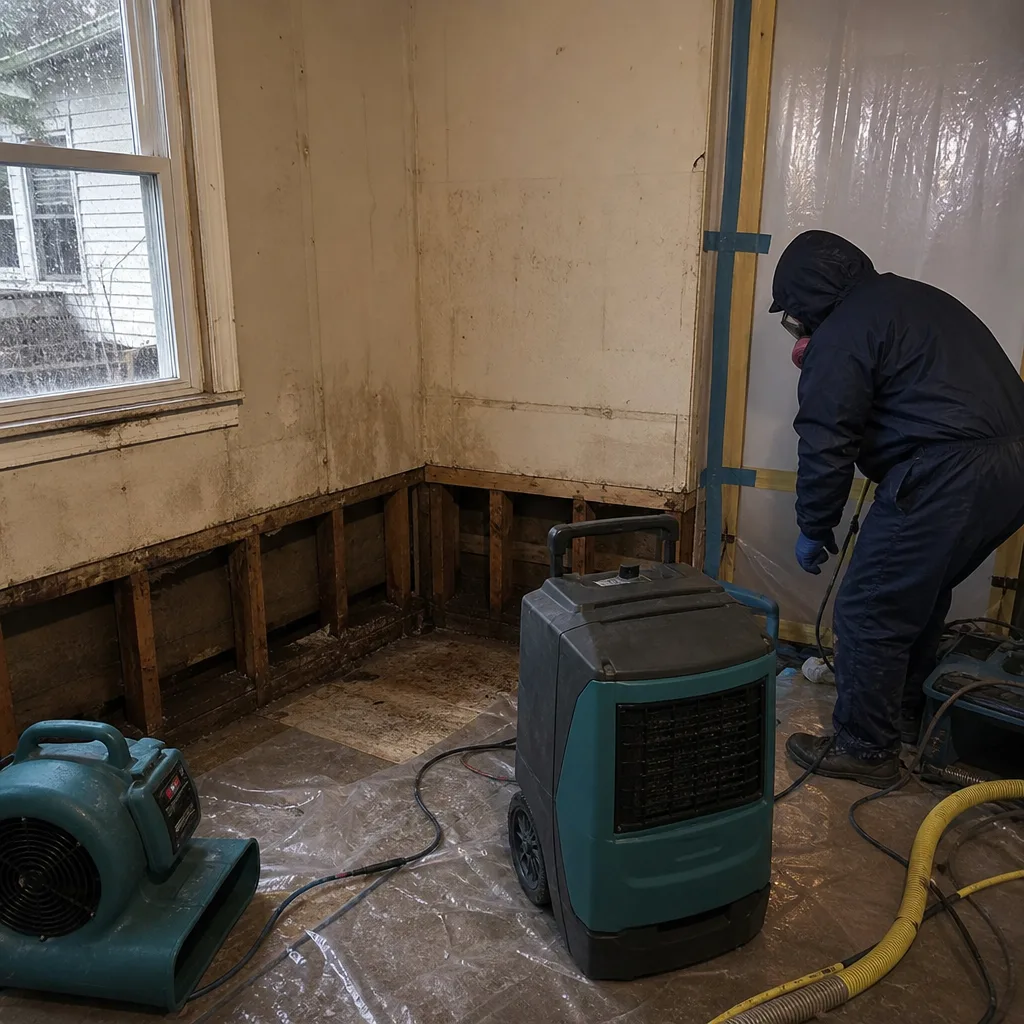 Before
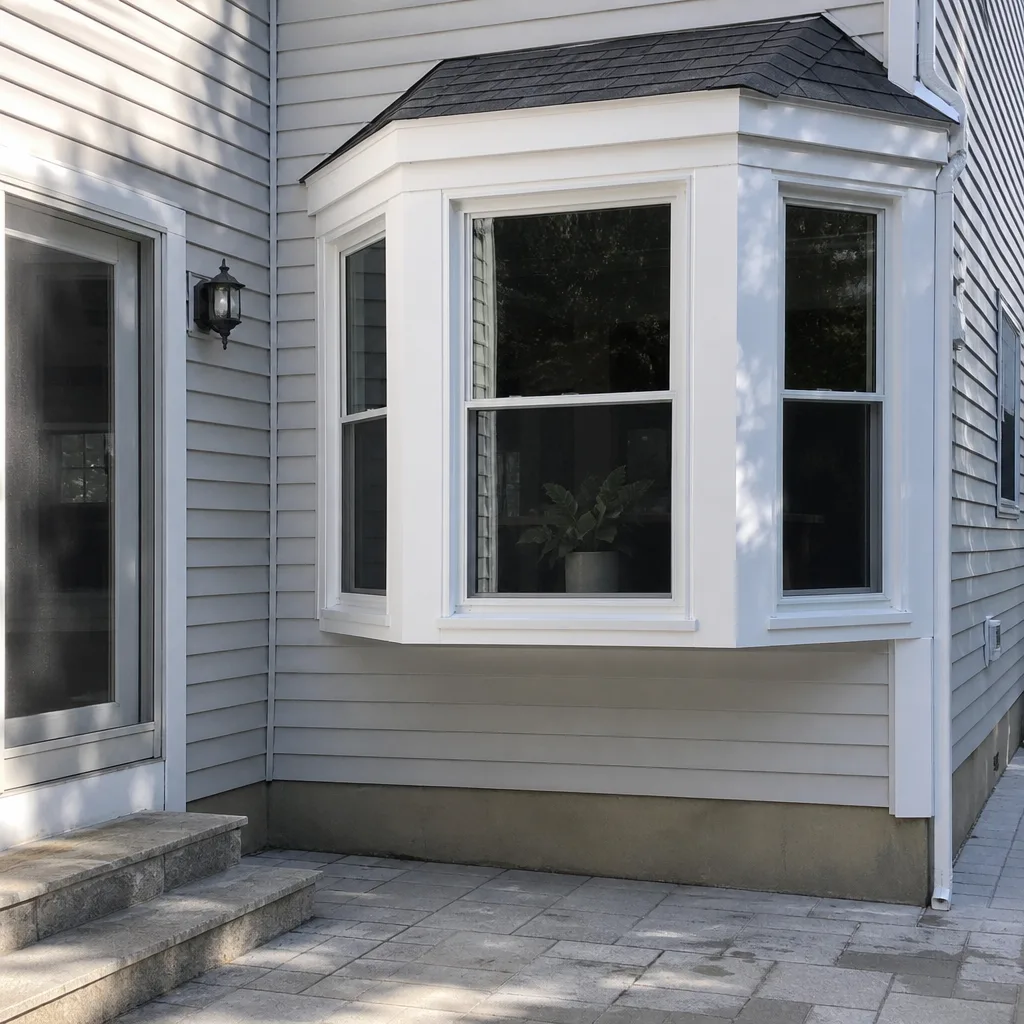 After
After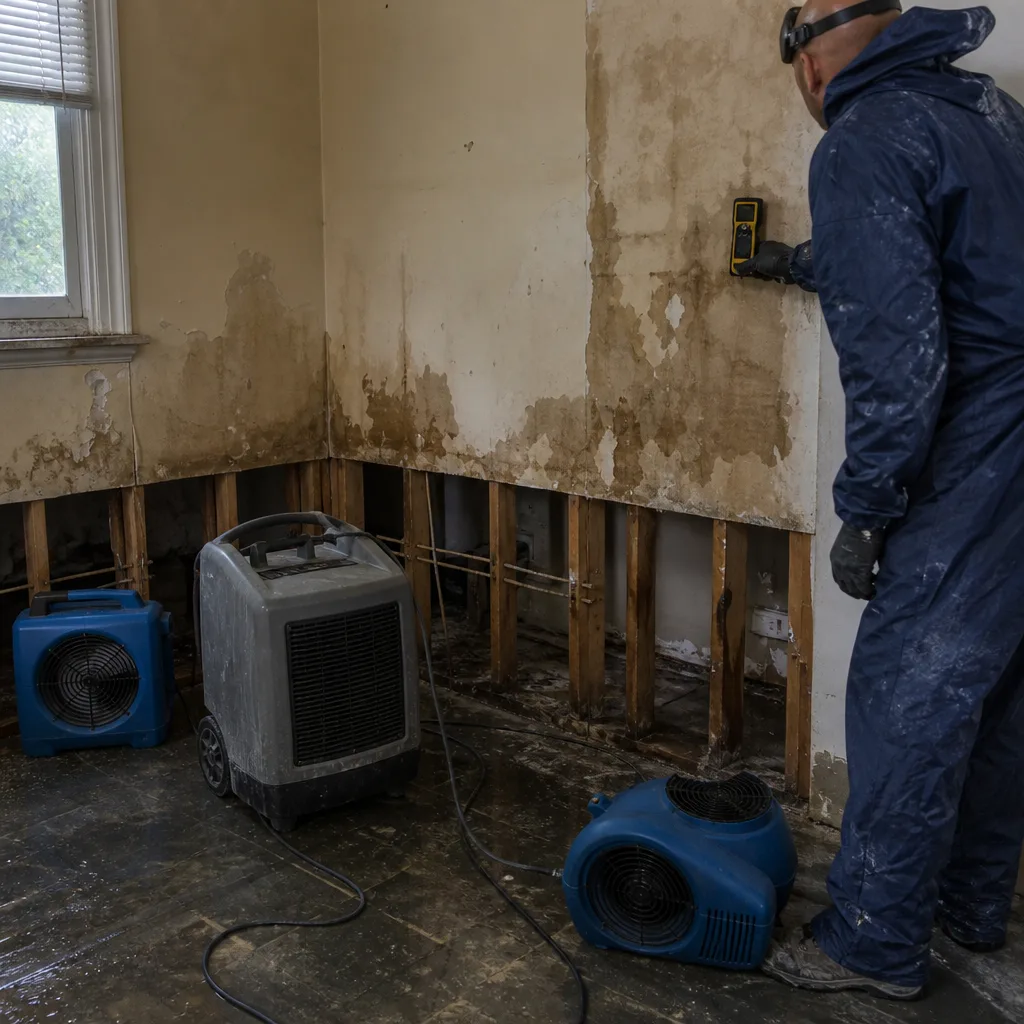 Before
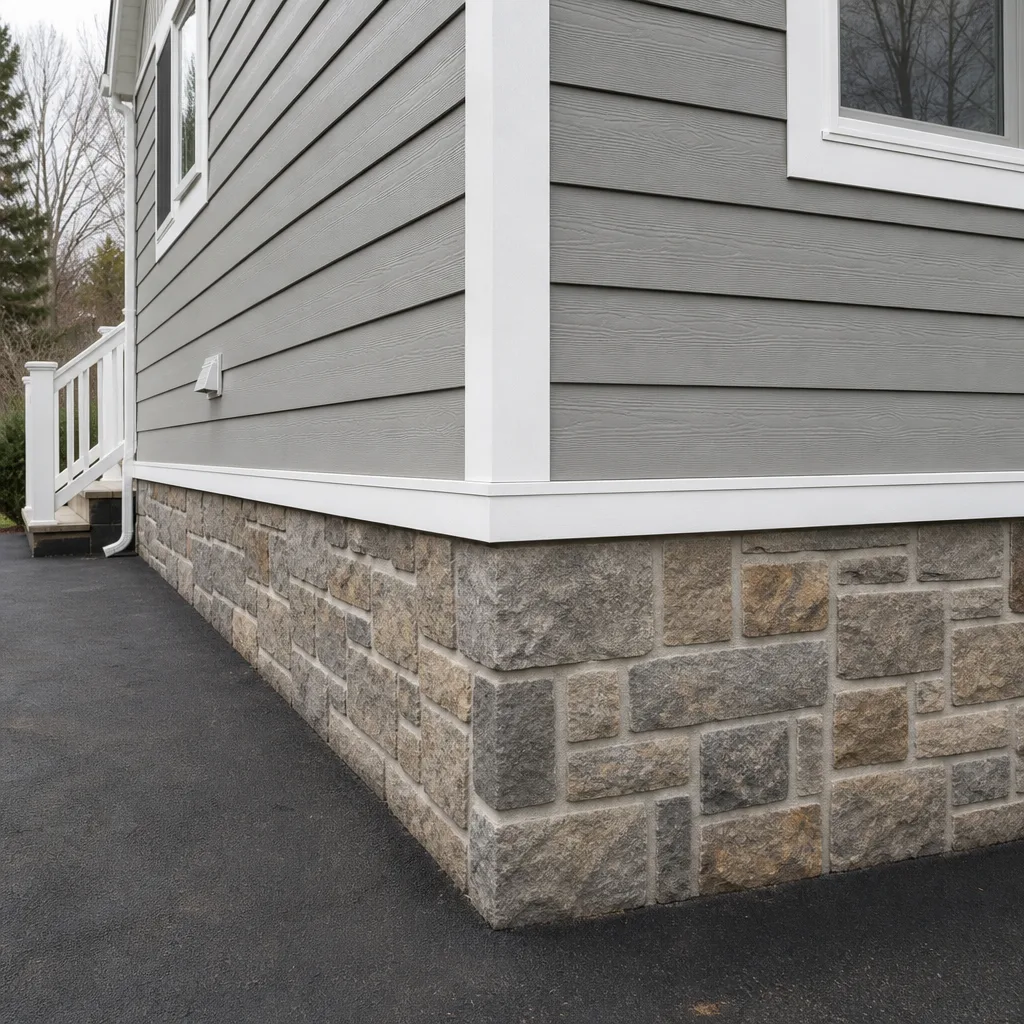 After
After24/7 Emergency Storm & Disaster Restoration in Dumont
Storm damage in Dumont doesn’t wait for business hours, and neither do we. Our crews answer live at (201) 729-3780 around the clock, every day of the year, including the 2 a.m. call when a nor’easter has just pushed three feet of Category 2 water into a Washington Avenue basement. We dispatch storm and disaster restoration crews from within the Dumont area, normally reaching a property within 45 minutes of your call. The first hour matters more than most homeowners realize: water that sits against original 1940s plaster walls feeds mold within 48 hours, and every hour of delay widens the line the water leaves. We start with a free visual inspection, then get extraction running the same visit. No recording, no answering service. A live dispatcher picks up, every time.
Understanding Storm & Disaster Restoration Severity in Dumont Properties
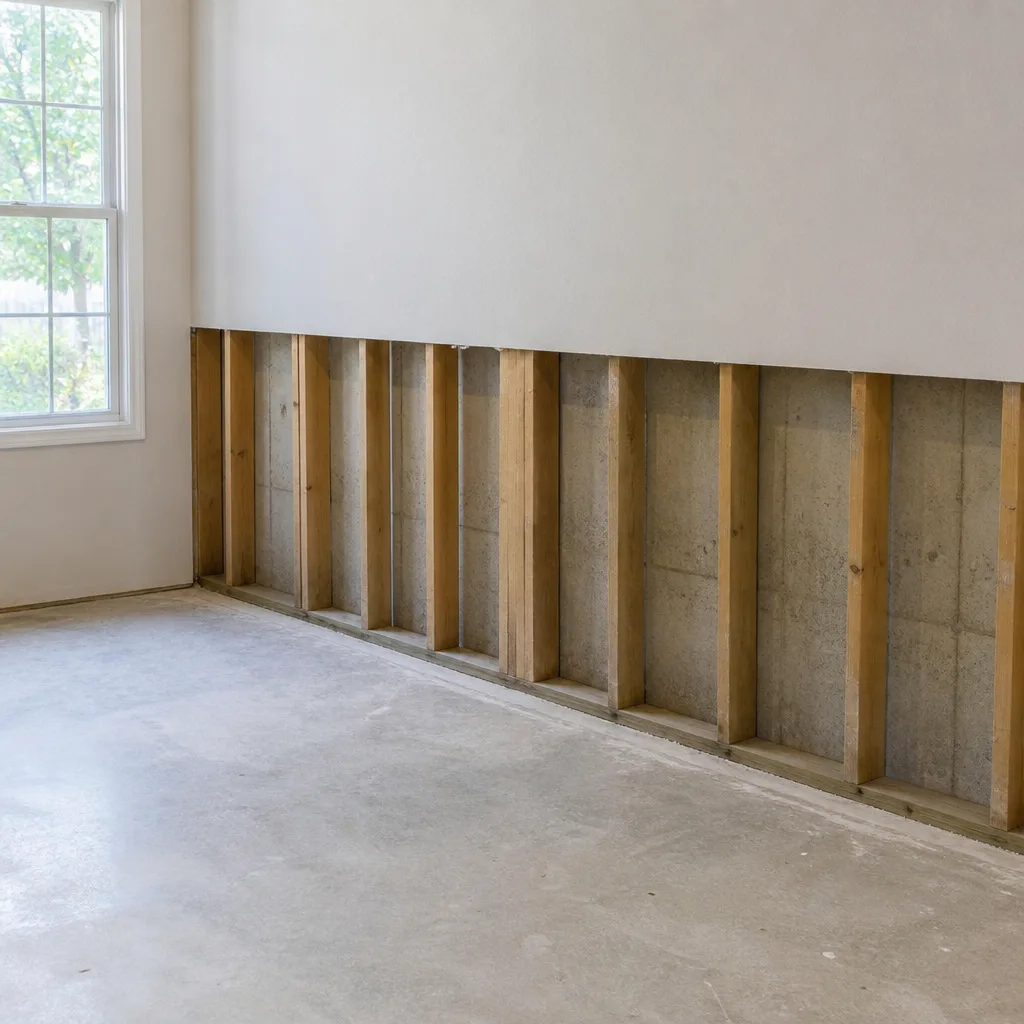
In Dumont we categorize every water loss by its source and contamination level, because the difference changes the whole job. Category 1 water comes from a burst supply line or clean rainwater. Category 2, what we call gray water, carries detergents, soil, or sump overflow, and that’s what typically fills a Dumont basement during a heavy rain event when the mid-century storm sewers back up. Category 3 is black water, sewage, the kind that carries pathogens and requires containment, disinfection, and disposal of porous materials rather than drying. For older Dumont homes, structural drying math can’t rely on the standard assumptions a franchise technician learned in a classroom. Original plaster walls hold moisture far longer than modern drywall. Single-pane windows let condensation collect in wall cavities. We use thermal imaging and penetrating moisture meters to map where water actually sits, then track daily readings with Dri-Eaz hygrometers until the dry standard is met, not just until the surface feels dry. In a 1950s Cape Cod with a finished basement, hidden moisture in the stud bays is the real threat, and it’s the thing most often missed by a rushed crew.
Why Dumont Property Owners Choose Floodline Restoration Co.
- 45-minute response commitment: We tell you when we’ll be on Washington Avenue or New Milford Avenue and we’re there when we say. A live dispatcher tracks the crew’s route and updates you.
- 24/7 live answer: A real person picks up at (201) 729-3780. Not a machine, not a callback queue. At 2 a.m. on a Sunday, you’re talking to someone who can dispatch a crew.
- IICRC-certified crews: Our technicians hold WRT and FSRT certifications through the IICRC, with additional RIA training. The person reading the moisture map is the same person who dries the structure.
- Free visual inspection: We show up, we look, and we tell you what you’re dealing with before any work is authorized. No charge for the assessment.
- Direct insurance billing: We work with your carrier, not against them. Photo documentation, daily drying logs, and a line-item scope go straight to the adjuster.
- One team, start to finish: The same background-checked, uniformed crew that extracts the water handles drying, cleaning, repair, and rebuild. No mid-job handoff, no inherited strangers.
Our Storm & Disaster Restoration Process
Inspection & Assessment
We arrive, walk the property, and document everything. Thermal imaging and moisture meters map the extent of the damage, including what’s hidden in walls and under flooring. You get a written scope before any demolition or extraction begins.
Extraction & Stabilization
Truck-mounted extraction units pull standing water fast. If a section of roof is open or a window is blown out, we board up and tarp immediately to stop additional water from entering. Stabilization comes before drying, always.
Drying & Dehumidification
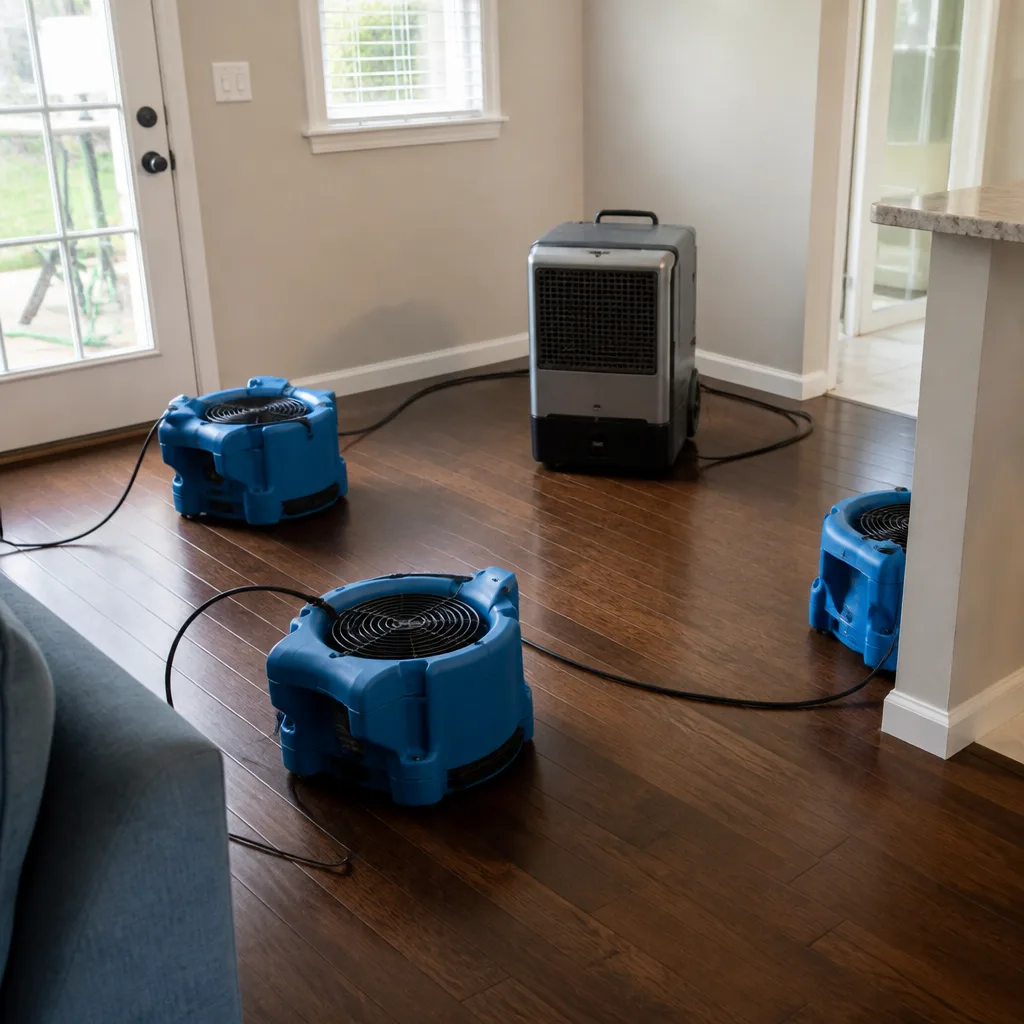
Dri-Eaz LGR dehumidifiers and XPOWER air movers run continuously, positioned according to the moisture map, not guesswork. We log daily readings from every placement until the structure meets the dry standard that the IICRC sets for our region.
Cleaning & Sanitization
Category 2 and Category 3 incidents get antimicrobial treatment, and we use HEPA air scrubbers where contamination is a factor. For Dumont’s older basements, surface cleaning is never enough; we address what’s settled into porous building materials.
Asbestos & Specialty Treatment
In Dumont’s 1940s and 1950s finished basements, that means checking for 9×9 asphalt floor tiles before pulling anything up. We treat those as presumed asbestos-containing under NJ DEP guidance, with containment if any removal is required.
Repairs & Restoration
Once the structure is dry and clean, the same crew rebuilds. Drywall, trim, paint, flooring, electrical, whatever the loss took. The job ends with the 90-Day Done Right Promise in your hands, in writing.
Need Emergency Storm & Disaster Restoration in Dumont Now?
Crews minutes away, answering live 24 hours a day. The sooner we start, the less it costs.
Working With Your Insurance Company
We’ve sat across the table from enough adjusters to know that documentation wins claims. From the first hour on site, we photograph every affected room, catalog damaged materials, and record moisture readings that show the loss and the drying curve. Our estimates follow the same line-item format carriers expect, which means the adjuster isn’t translating our scope into their software. When a Dumont homeowner files a storm damage claim, the carrier wants proof the loss was sudden, accidental, and properly mitigated. We give them that proof. Direct adjuster communication is standard on every job. You don’t play messenger between us and the insurance company. If the carrier calls with a question, we answer it. Curt Bowman, our owner, started this company around a dispatch board in 2010, and that same get-it-right approach carries through to every claim file we touch.
What We Provide Your Insurer
- Thorough documentation of the loss
- Photos of all damage, room by room
- Moisture readings and drying logs
- A detailed, line-item scope of work
- Direct coordination with your carrier
Built for Dumont’s Loss Calendar
Dumont’s storm damage follows a rhythm, and we’ve learned it from years of answering calls in this borough. January and February bring the deep freezes that split galvanized supply lines in unheated crawl spaces, the same original galvanized pipe that’s been in that 1950s split-level since it was built. Spring thaw and the heavy nor’easter rains of March and April push groundwater up through the clay-heavy soils of this part of the Hackensack River watershed, and basements that stayed dry all winter suddenly aren’t. Summer thunderstorms drop an inch in an hour, and Dumont’s mid-century storm sewers, sized for a borough that was already fully built out by 1965, can’t always carry it. September and October bring the remnants of tropical storms, and November through December is when aging roofs and loose flashing get exposed. The pattern is predictable. The fix depends on the house, the age of its systems, and how quickly someone gets there. That’s why we answer the phone at (201) 729-3780 all year, not just after the big storm you saw on the news.
Storm & Disaster Restoration Across Dumont’s Neighborhoods
Dumont is a fully built-out, landlocked Bergen County borough, roughly two square miles, with virtually the entire housing stock dating to the post-WWII building boom. That shapes how we route and how we work. The streets around Washington Avenue, with their rows of 1940s Cape Cods, send us calls for basement seepage and burst supply lines; those shorter side streets put basements close to undersized street drains that spill over during back-to-back rain events. Up near New Milford Avenue and the northern end of town, the split-levels and colonials from the 1950s and early 60s sit on clay-heavy glacial till, and when the water table rises after a nor’easter, hydrostatic pressure pushes water through foundation walls and the cove joint. Near the southern border along the Cresskill and Tenafly lines, we see storm-related roof damage on older colonials with original asphalt shingle roofs and single-pane dormer windows that let wind-driven rain into attic spaces. The homes around the middle of the borough, east of the New York, Susquehanna and Western rail line, tend to be modest colonials with full basements, and the recurring issue there is the same 9×9 asbestos-era floor tile in finished basement rec rooms. In every one of these areas, the crew that arrives has run jobs on similar houses on the same streets. That local repetition isn’t anecdote. It’s what lets us tell you within five minutes of walking the property what we’re likely to find behind the wall.
Specialized Storm & Disaster Restoration Services We Offer in Dumont
Storm Damage Cleanup
A tree limb through a Dumont roof or wind-lashed debris in a yard isn’t just a mess. It’s an entry point for water, and the cleanup sequence matters as much as the cosmetic result. We remove storm debris, document the loss for insurance, and stabilize the structure so the next rain doesn’t make it worse. Dri-Eaz air movers and dehumidifiers go in after the debris comes out, because water follows the path the storm opened.
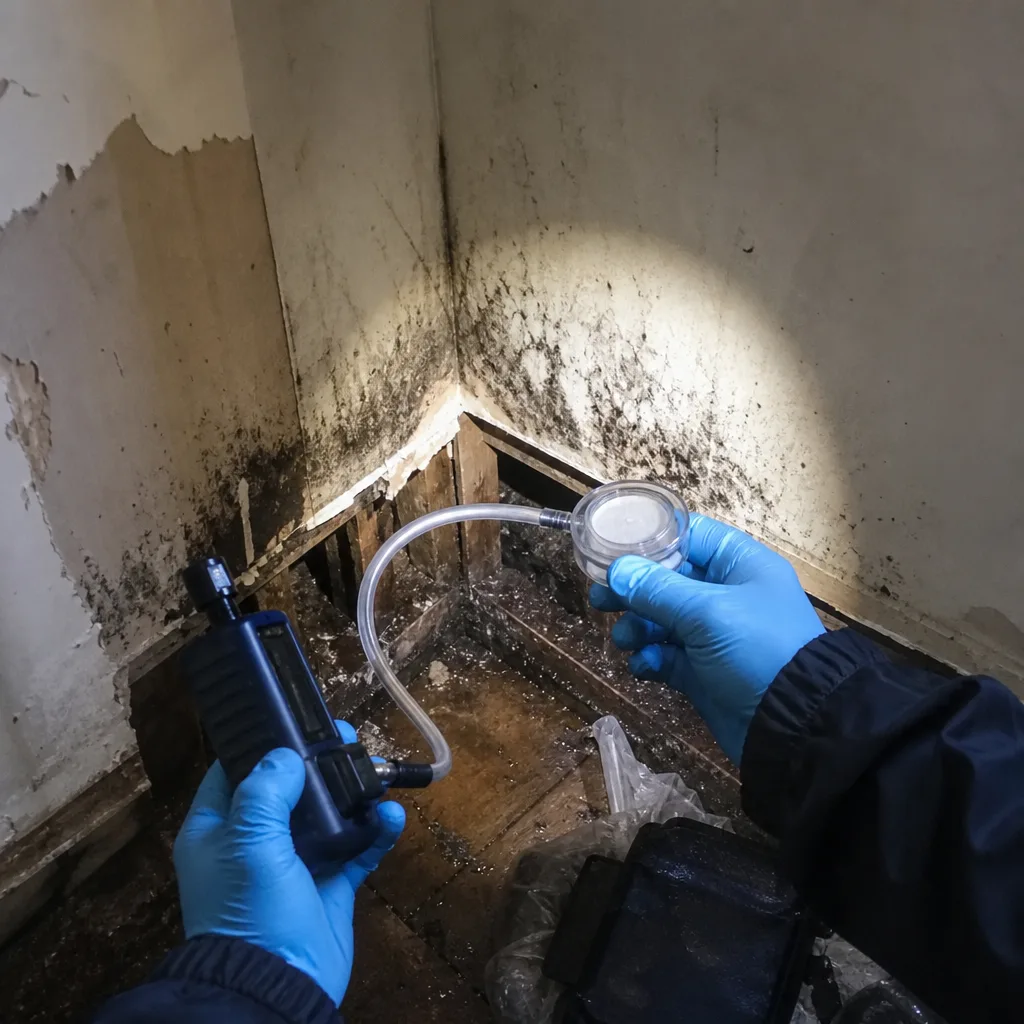
Flood Damage Restoration
When the Hackensack River watershed saturates and Dumont’s storm sewers back up, the water that comes into a basement is usually Category 2 or worse. We extract it, contain the affected area, and dry the structure to the IICRC standard, not just to the touch. For finished basements with original 9×9 tile, that means keeping the flooring in place while drying through and around it, with daily moisture readings logging the progress for you and your carrier.
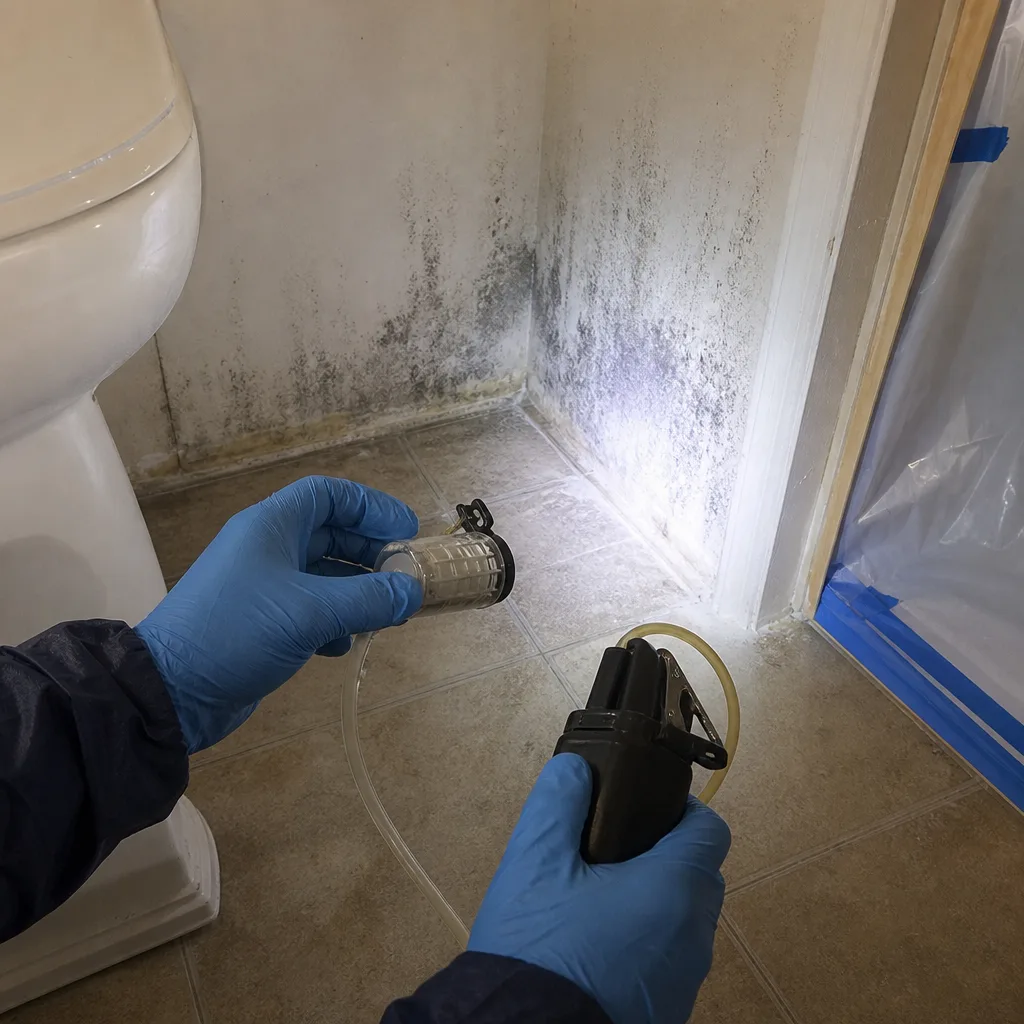
Emergency Board-Up
A broken window or a storm-damaged door leaves a Dumont home open to weather, animals, and worse. We board up with plywood that’s cut and fastened to stay put until permanent repairs are scheduled. Board-up is a same-visit service, not a callback. It’s done before the crew leaves the property, every time.
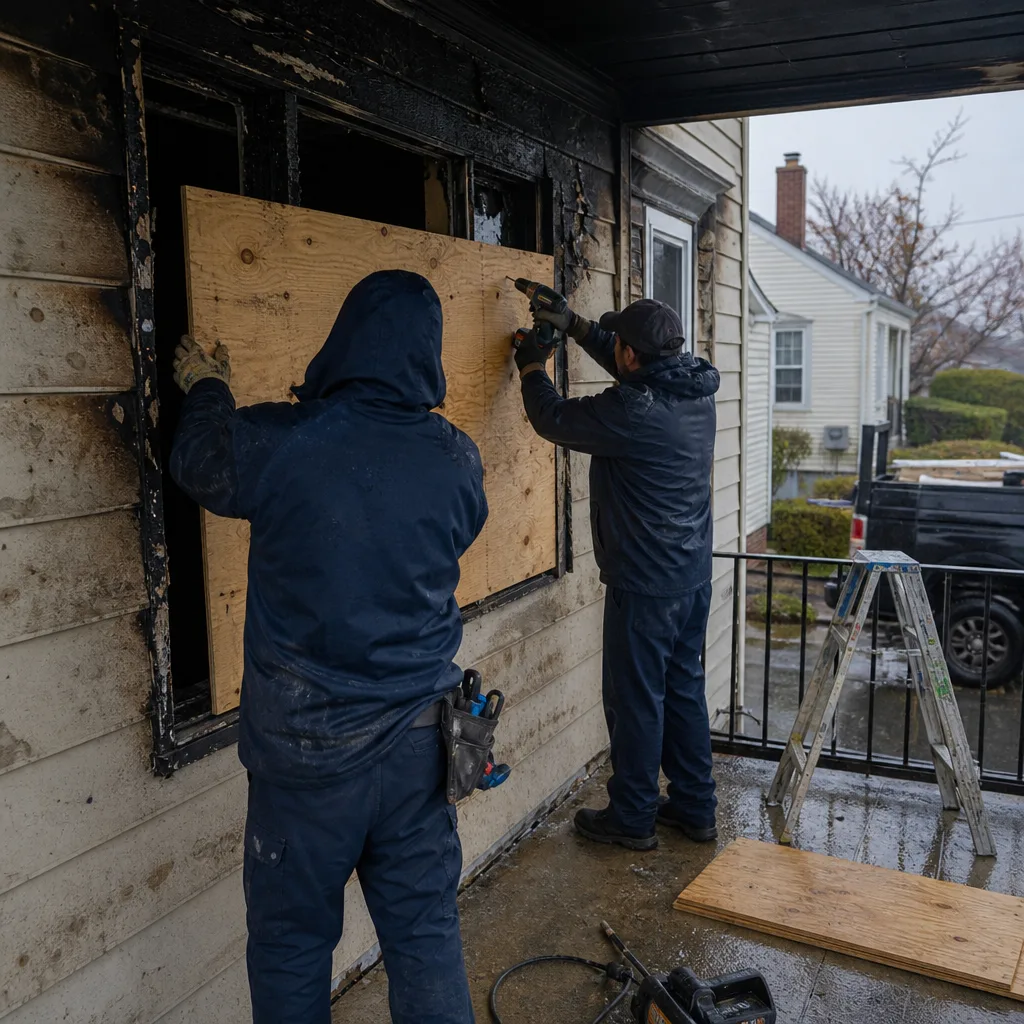
Roof Tarping
A damaged roof needs a tarp that will hold through the next nor’easter, not a blue sheet that lifts in thirty-mile-an-hour winds. We use heavy-duty tarps and secure them to the structure so they shed water the way the roof should. Roof tarping buys you time to work through the insurance claim without the interior taking on more water every time it rains. Our Storm & Disaster Restoration team handles the tarping, the drying, and the eventual roof repair, so there’s no handoff between companies.
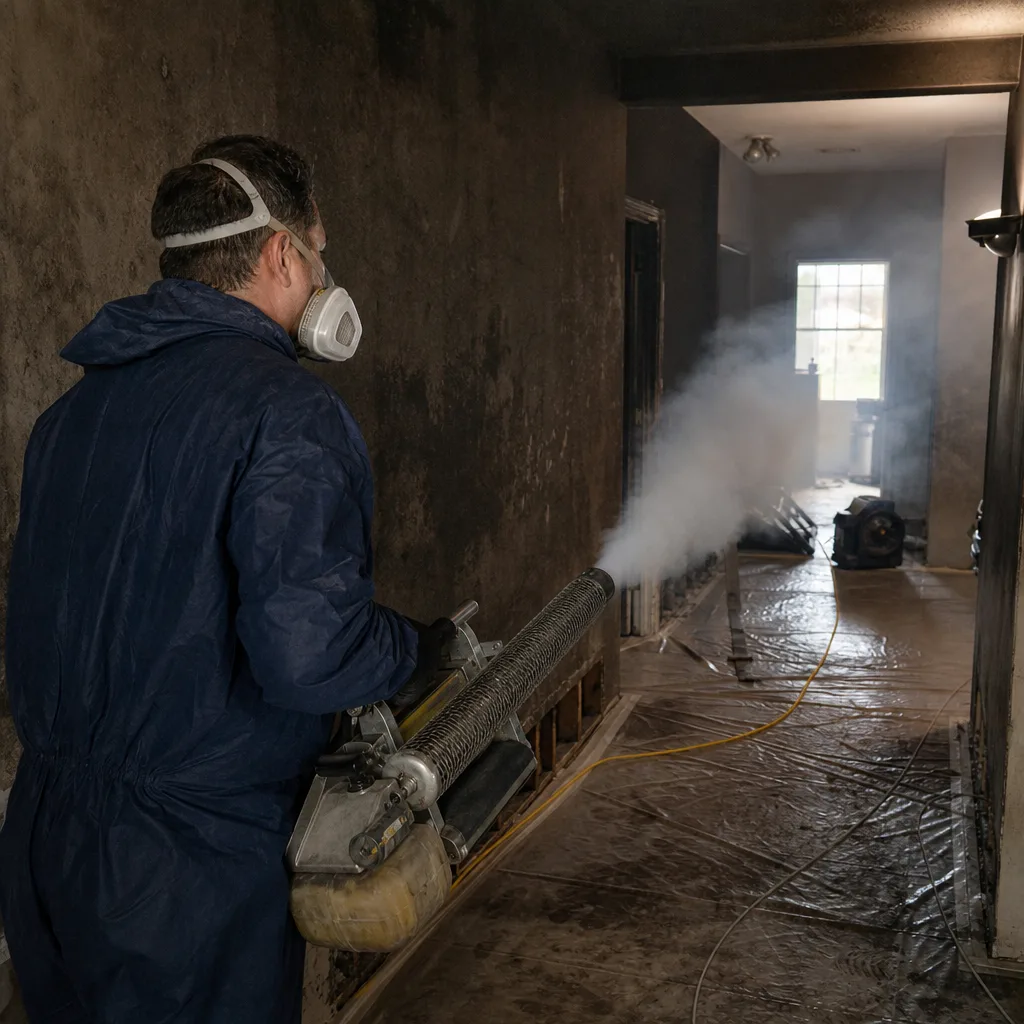
Debris Removal
After a storm, the debris in a Dumont yard or against a foundation holds moisture against the house. Branches, leaves, siding fragments, whatever it is, it needs to go before it does more damage. We remove storm debris and document it for the claim. It’s the unglamorous part of restoration that, done late, turns a clean loss into a bigger one.
What happens when you call
- 1
A real person answersNo phone trees - you reach a local pro.
- 2
You get an upfront price rangeHonest numbers before anyone is dispatched.
- 3
A background-checked tech heads outLicensed & insured, dispatched right away.
- 4
You approve before work beginsNothing starts until you say go.
Storm & Disaster Restoration Costs in Dumont, NJ
In Dumont, emergency storm cleanup and water extraction typically runs $800 to $1,800 for a standard single-basement loss, depending on how much water is present and how long it’s been sitting. Structural drying for a 1950s Cape Cod or split-level with plaster walls usually lands between $1,500 and $3,500, because older building materials dry slower and need longer equipment runtimes. Emergency board-up and roof tarping start around $400 and go up with the size of the opening. A Category 3 sewage backup in a finished Dumont basement, with containment, disposal of porous materials, and rebuild of the damaged areas, commonly runs $8,000 to $25,000, largely driven by what has to be removed and replaced rather than what can be dried in place. Insurance covers most storm and flood losses under standard homeowners policies, though sewer backup coverage varies and is worth checking before you need it. The free visual inspection is how you get a firm number in writing, not a range quoted over the phone. Call (201) 729-3780 and we’ll send a crew for the assessment. The estimate doesn’t cost you anything, and a square deal means the number we give you is the number we stand behind.
We Also Serve Cities Near Dumont
Our crews work the same streets every week in Dumont and the surrounding Bergen County towns. We answer calls in Cresskill, Bergenfield, New Milford, and Tenafly with the same live dispatch and the same 45-minute response commitment. Same local knowledge, same written guarantee, no matter which side of the border the house sits on.
Serving Dumont, NJ - Our Local Coverage Area
We’re based in the Dumont area and know this community well. Use the map below to see our service coverage - if you’re nearby, we can almost certainly help.
Dumont Storm & Disaster Restoration Questions, Answered
Why does my Dumont basement flood during heavy rain even though my sump pump runs constantly?
In most Dumont homes, the sump pump is fighting two problems at once: groundwater pressure from saturated clay-heavy soils and a storm sewer system that was sized in the 1950s for far less runoff than today’s rainfall delivers. When the borough’s mid-century sewers reach capacity during a heavy nor’easter, the water has nowhere to go but into basements. The fix usually involves a larger or second pump, a battery backup, and often regrading or drain repair around the foundation. Call (201) 729-3780 for an assessment and an honest read on what’s actually driving the water.
My finished Dumont basement has old 9×9 floor tiles. Can you dry the floor after a flood without removing them?
Yes, in nearly every case. We treat 9×9 asphalt floor tiles as presumed asbestos-containing under NJ DEP guidance, which means we don’t pull them up without proper containment and abatement protocols. Instead, we extract standing water, set up containment if needed, and position Dri-Eaz LGR dehumidifiers and XPOWER air movers to dry through and around the flooring. Daily moisture readings document the drying curve without disturbing the tiles. The floor stays, the water goes.
How long does it take to dry out plaster walls in a 1950s Dumont split-level after a pipe burst?
Plaster walls in Dumont’s older homes dry significantly slower than modern drywall, often taking five to ten days of continuous dehumidification to reach the dry standard, compared to three to five days for drywall. Plaster is denser, the stud bays are often tighter, and single-pane windows wick condensation into the wall cavity. We log moisture readings daily and keep equipment running until the numbers say the wall is dry, not just until it feels dry to the back of a hand. Cutting that process short is how hidden mold starts, and the 90-Day Done Right Promise means we don’t cut it short.
My Dumont basement has a Category 3 black water backup. What gets thrown out versus what can be dried?
Category 3 water, sewage, means anything porous that absorbed it gets removed: carpet, pad, upholstered furniture, insulation, and often drywall up to the flood line. Materials that can be properly cleaned and disinfected, like concrete, some framing, and non-porous surfaces, can stay. In a Dumont basement with 9×9 asbestos tile, the tile itself can often remain in place if the surface is cleaned and sealed according to protocol; if it must come out, containment and abatement come first. Everything we dispose of is documented for your carrier.
Do I really need emergency board-up for storm damage on my 1960s Dumont colonial, or can I wait for regular business hours?
Waiting turns one problem into three. An open window or roof penetration lets rain, pests, and curious neighbors in, and every additional day of exposure compounds the interior damage. Board-up is a same-visit service, it’s fast, and it’s covered by most insurance claims as part of the loss. We’ll have a crew there, often within 45 minutes, and the board-up is done before the crew leaves. The call is free, and so is the advice on whether it’s urgent for your specific situation.
How fast can you actually get to my Dumont home?
Our commitment is a 45-minute response for emergency storm and flood calls in Dumont and the surrounding Bergen County towns. A live dispatcher answers at (201) 729-3780, takes your address, and routes the nearest available certified crew. In practice, many Dumont calls see a truck within 30 minutes. The dispatcher updates you on the crew’s ETA while they’re en route, so you’re never waiting and wondering.
Will my homeowners insurance cover storm and flood damage in Dumont, NJ?
Most standard homeowners policies cover storm-related damage from wind, fallen trees, and rain entering through a storm-created opening. Sewer backup and groundwater seepage often require a separate endorsement, and not every Dumont homeowner has one. We document the loss thoroughly, deal directly with your adjuster, and structure our scope to match how your policy reads. If coverage is unclear, we’ll tell you what we’re seeing before you authorize work.
What should I do in the first 30 minutes after a storm floods my Dumont basement?
Shut off power to the affected area if you can do so safely, and don’t walk through standing water that might be energized or contaminated. Take photos of the water level and any damage for your carrier. Then call (201) 729-3780. The sooner extraction starts, the less damage spreads through plaster walls, flooring, and the framing. Don’t move wet furniture or pull up flooring yourself, especially if you have older 9×9 tile, you can make the loss worse and complicate the claim.
Written by Curt Bowman, Owner at Floodline Restoration Co., serving Dumont, NJ.