

Free visual inspection and a written scope of work before any mitigation begins - photos, moisture readings, and drying logs go in your claim file
The scope we write is the scope we bill. Anything new gets shown to you, in writing, before we touch it.
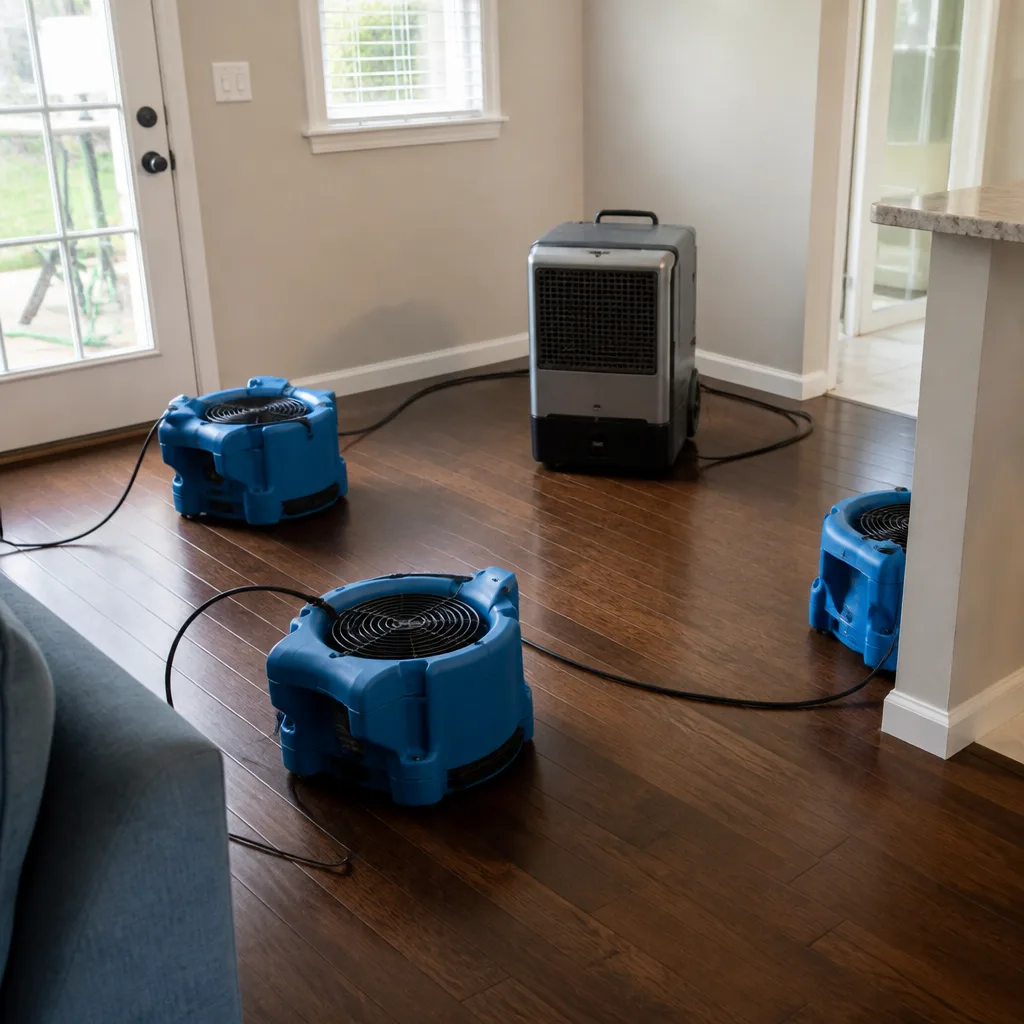
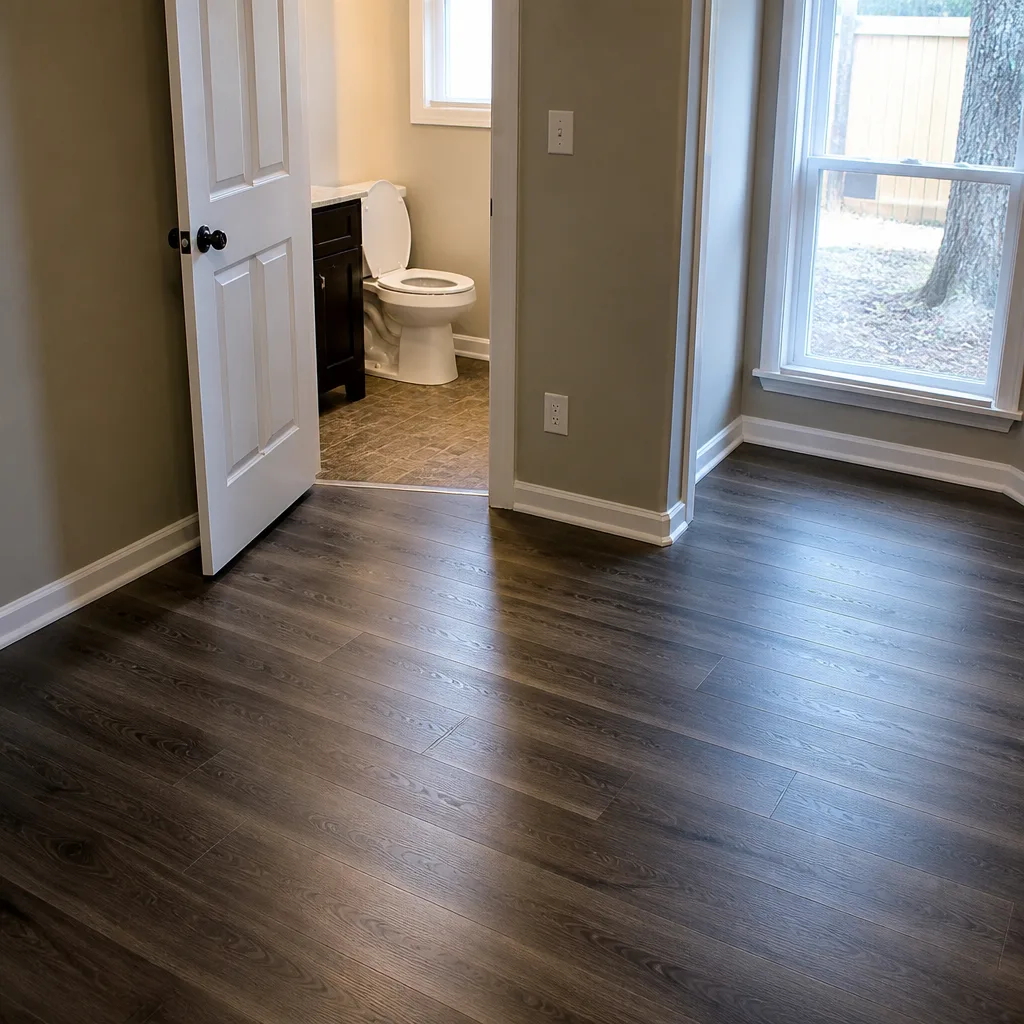
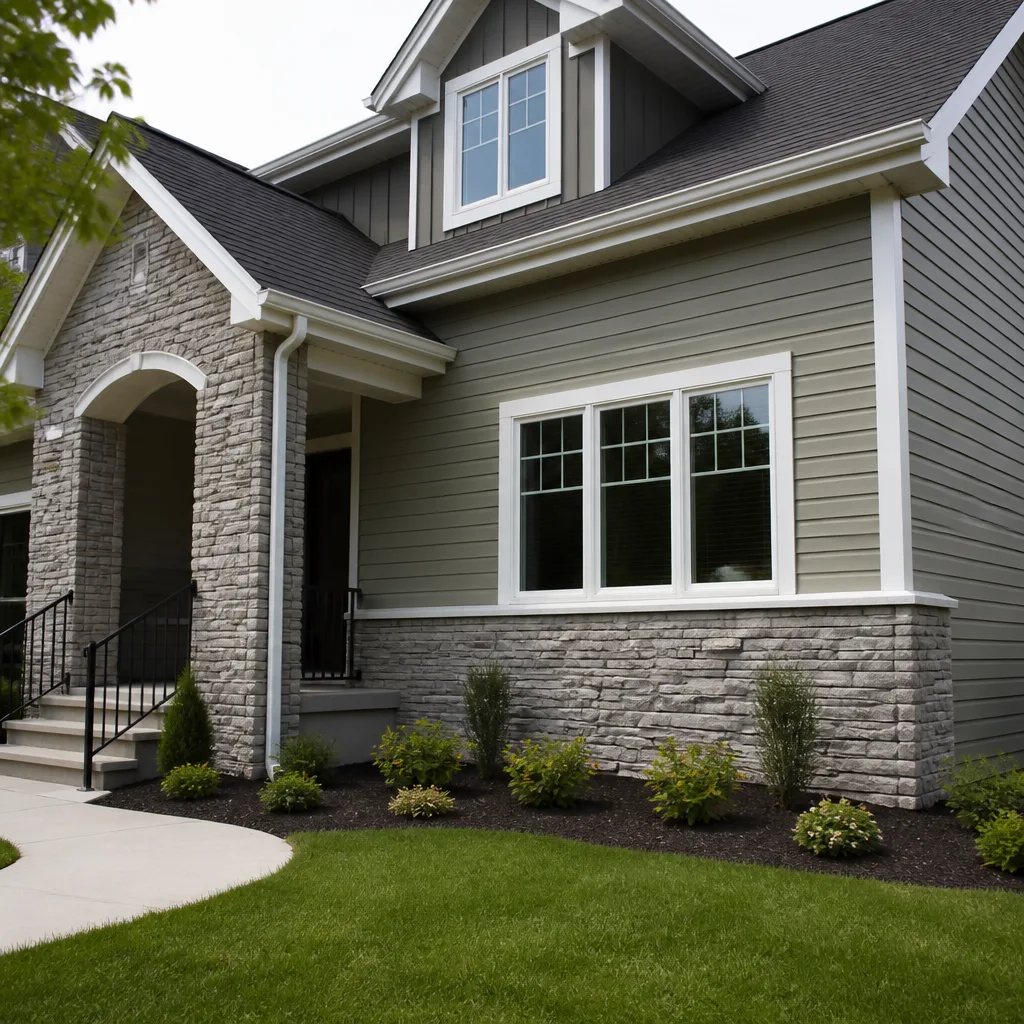
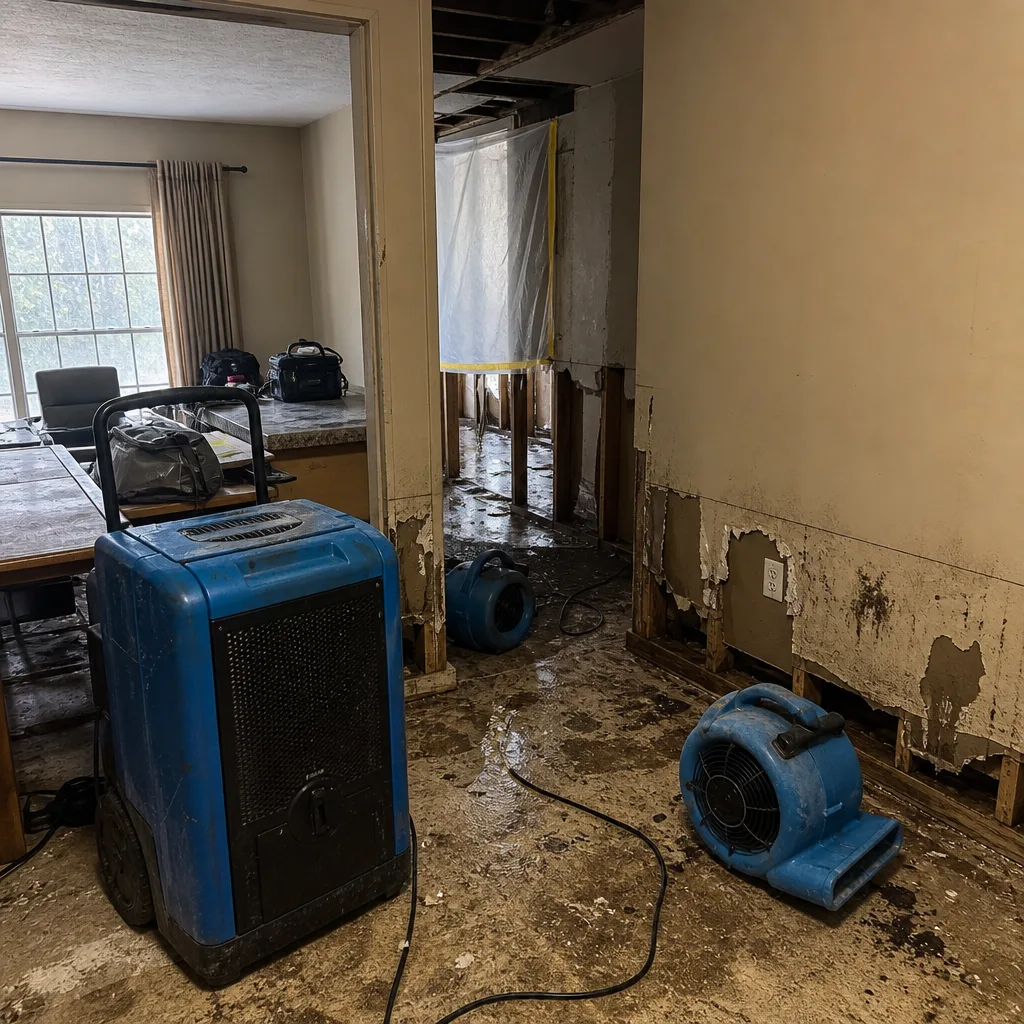 Before
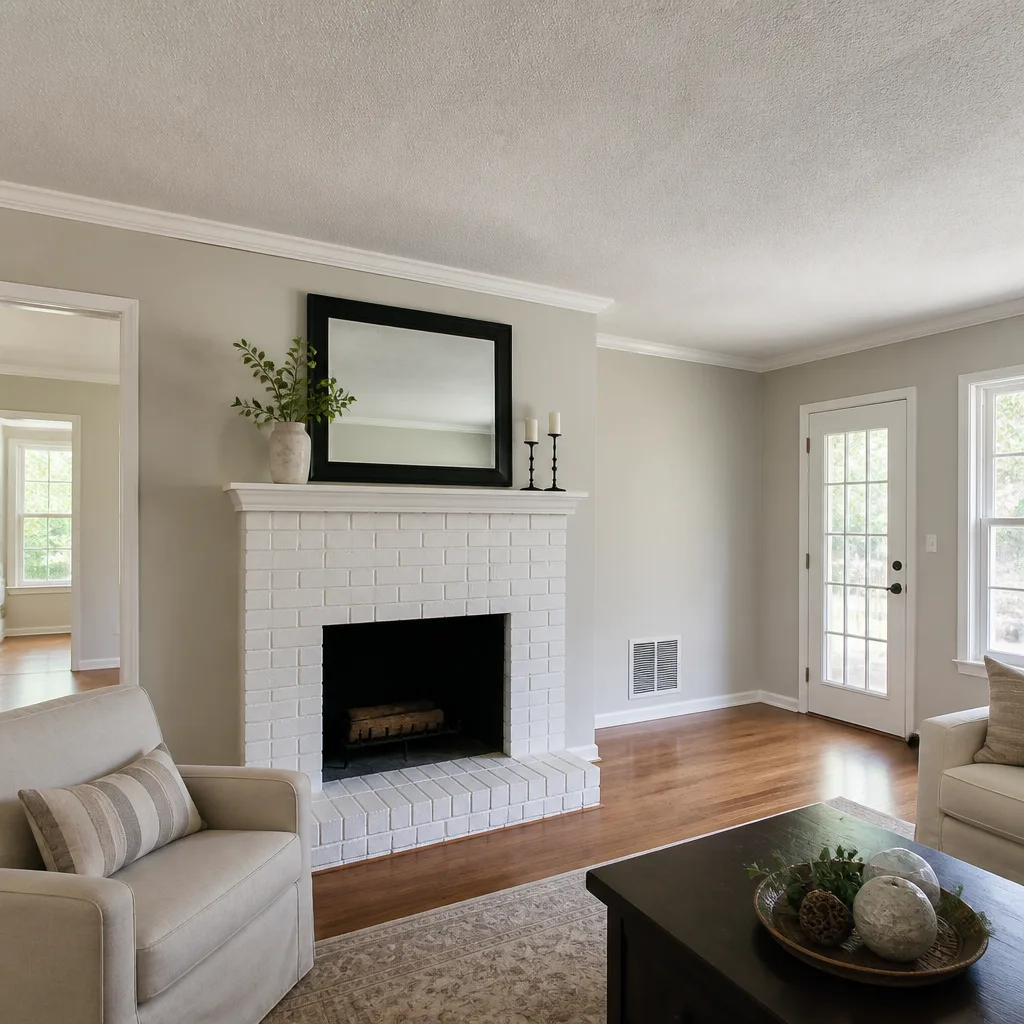
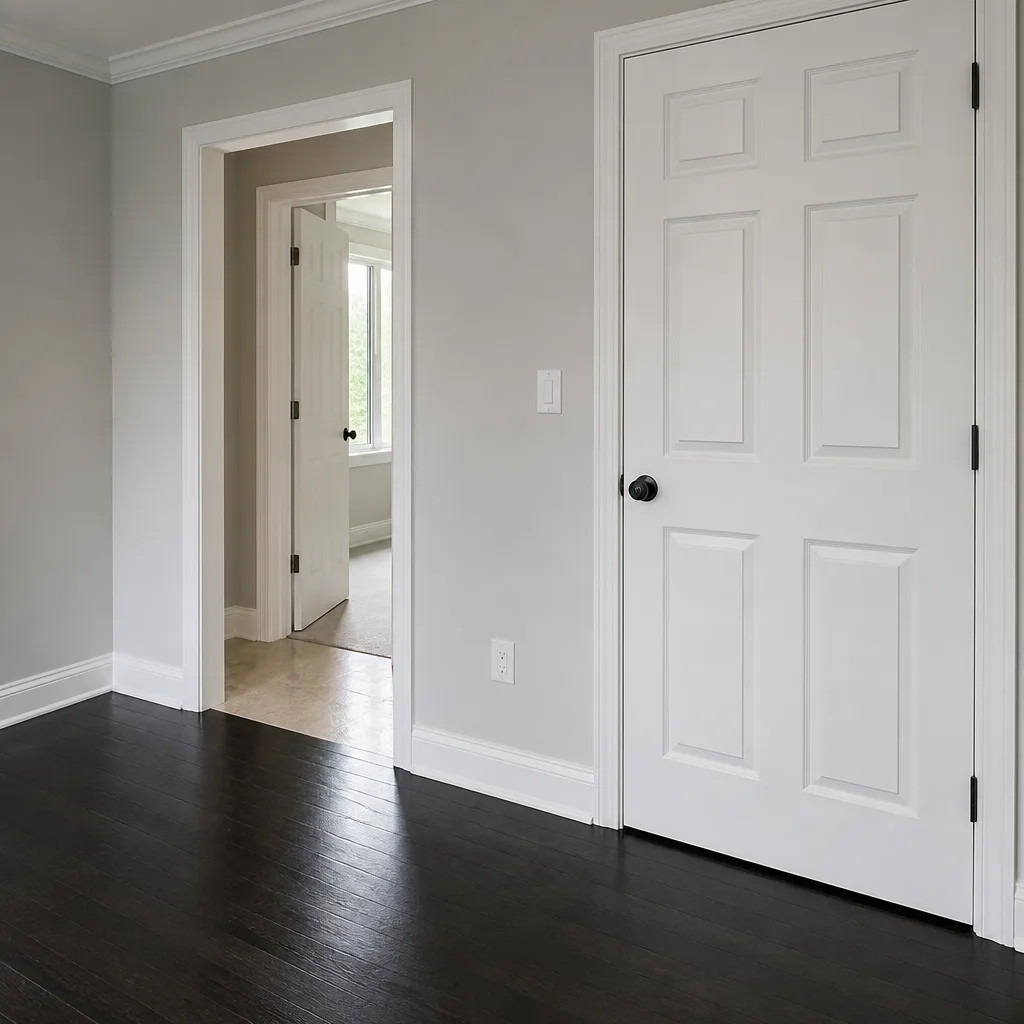 After
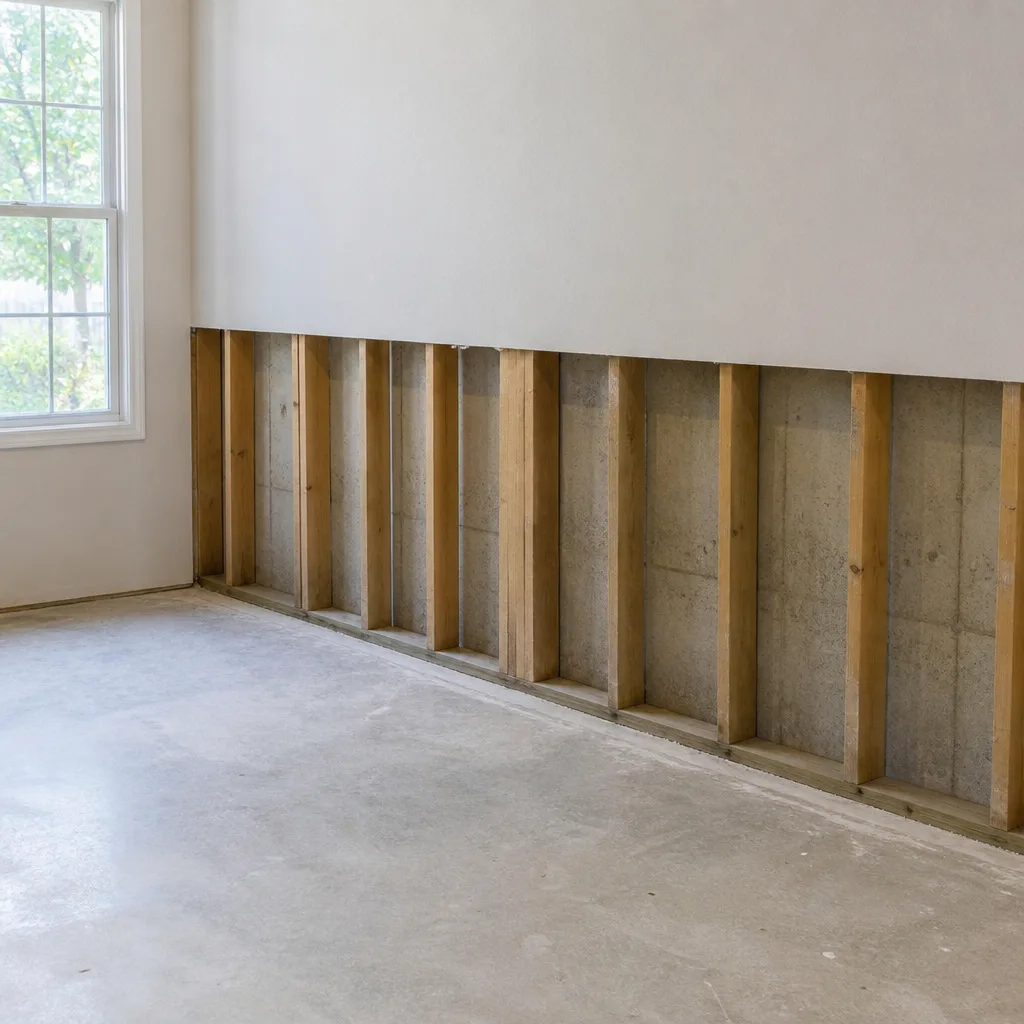
After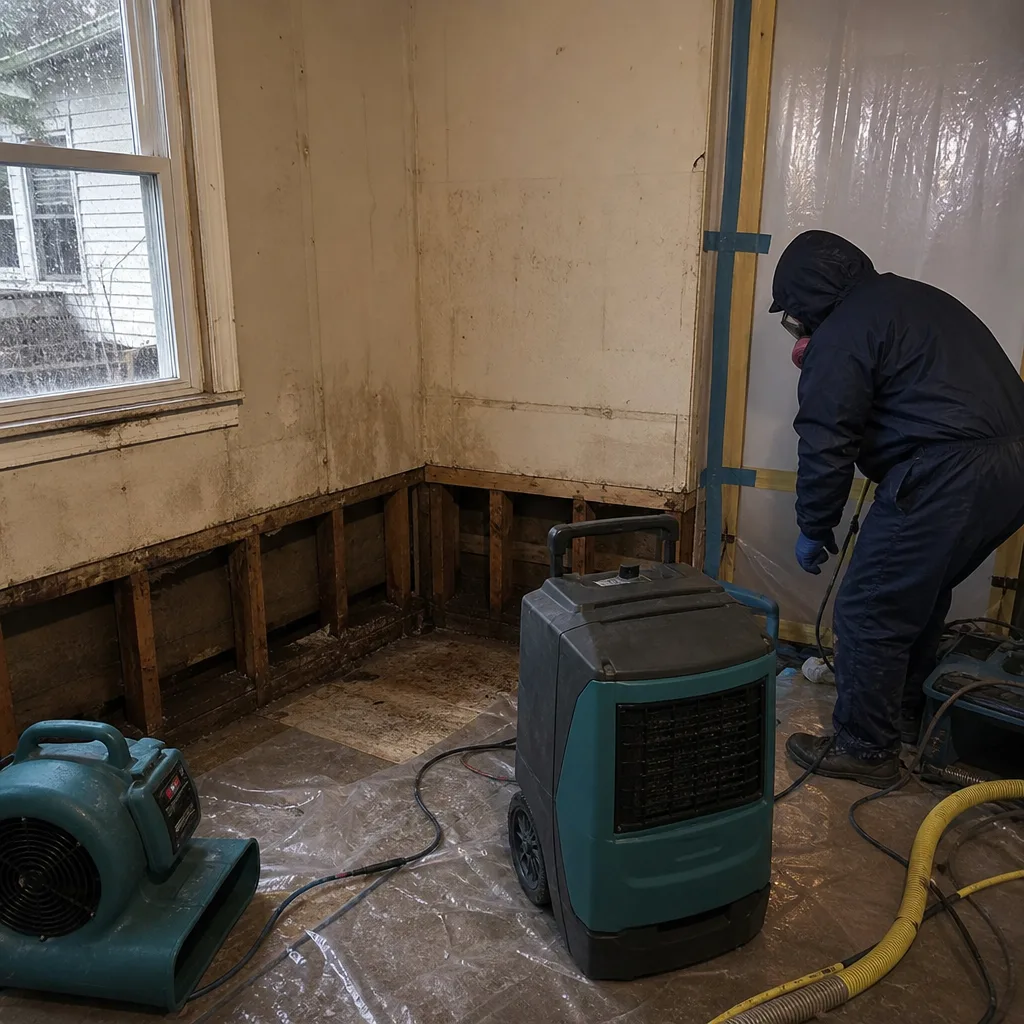 Before
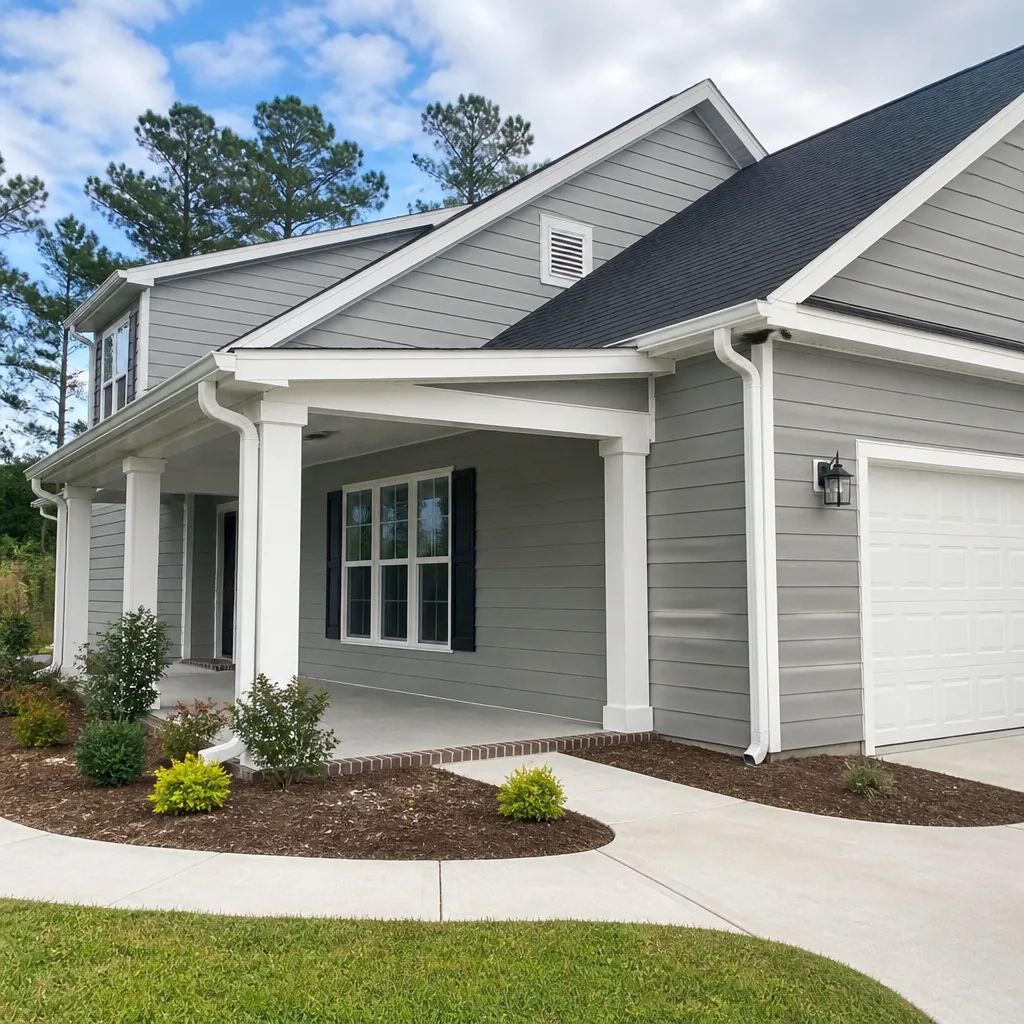
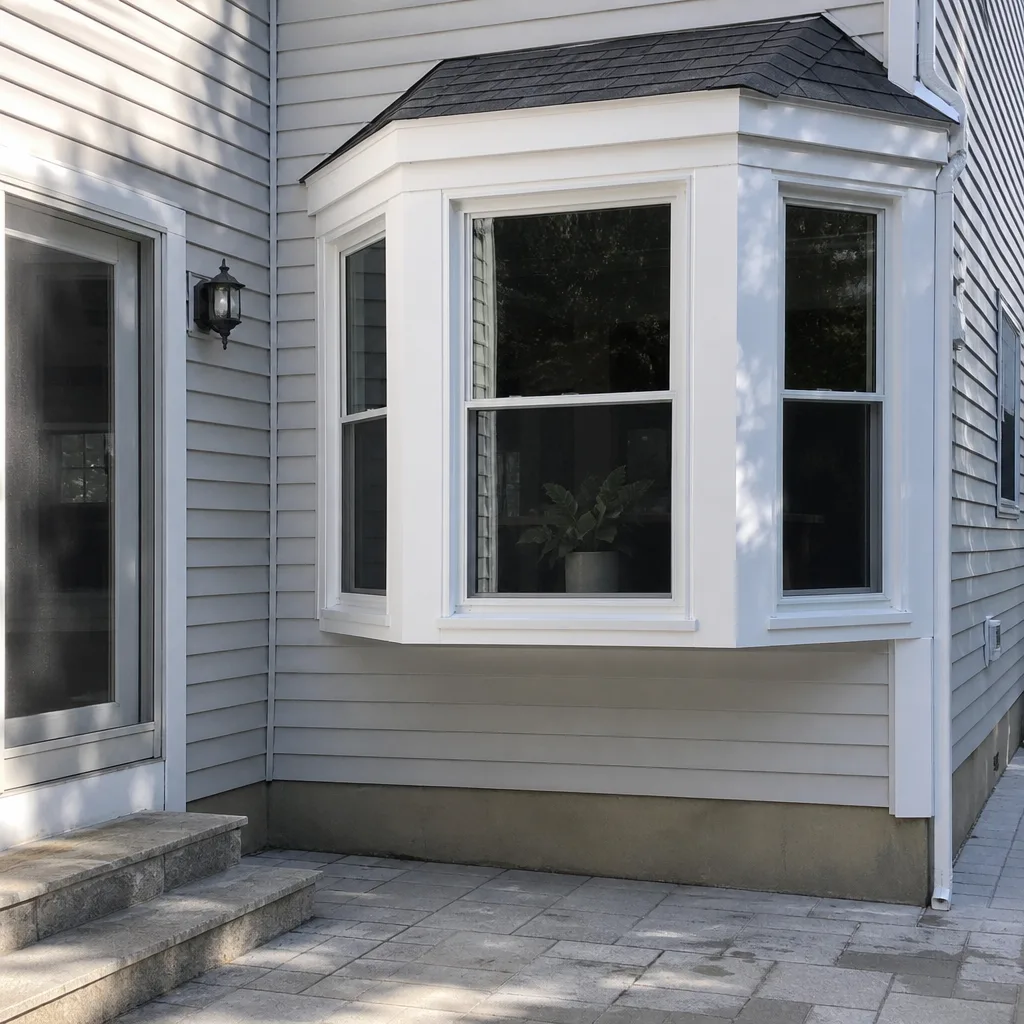 After
After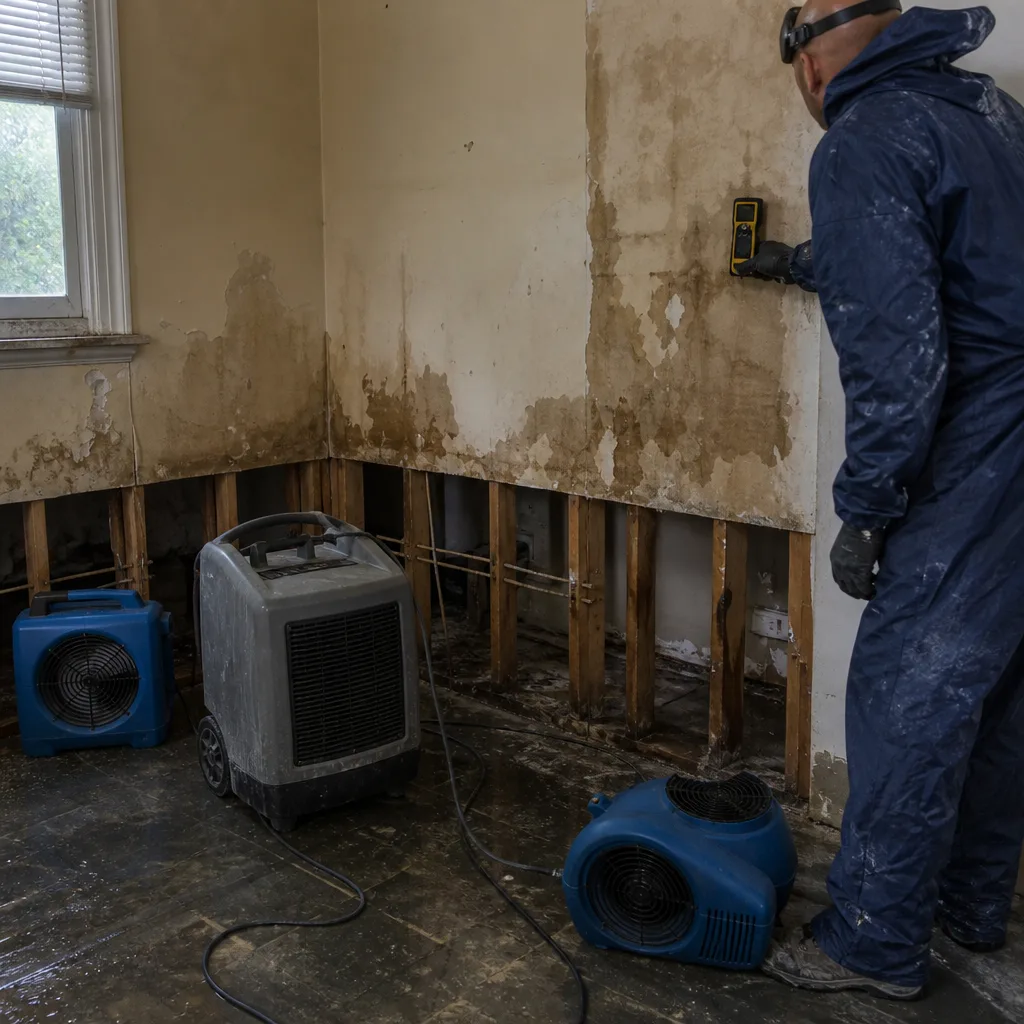 Before
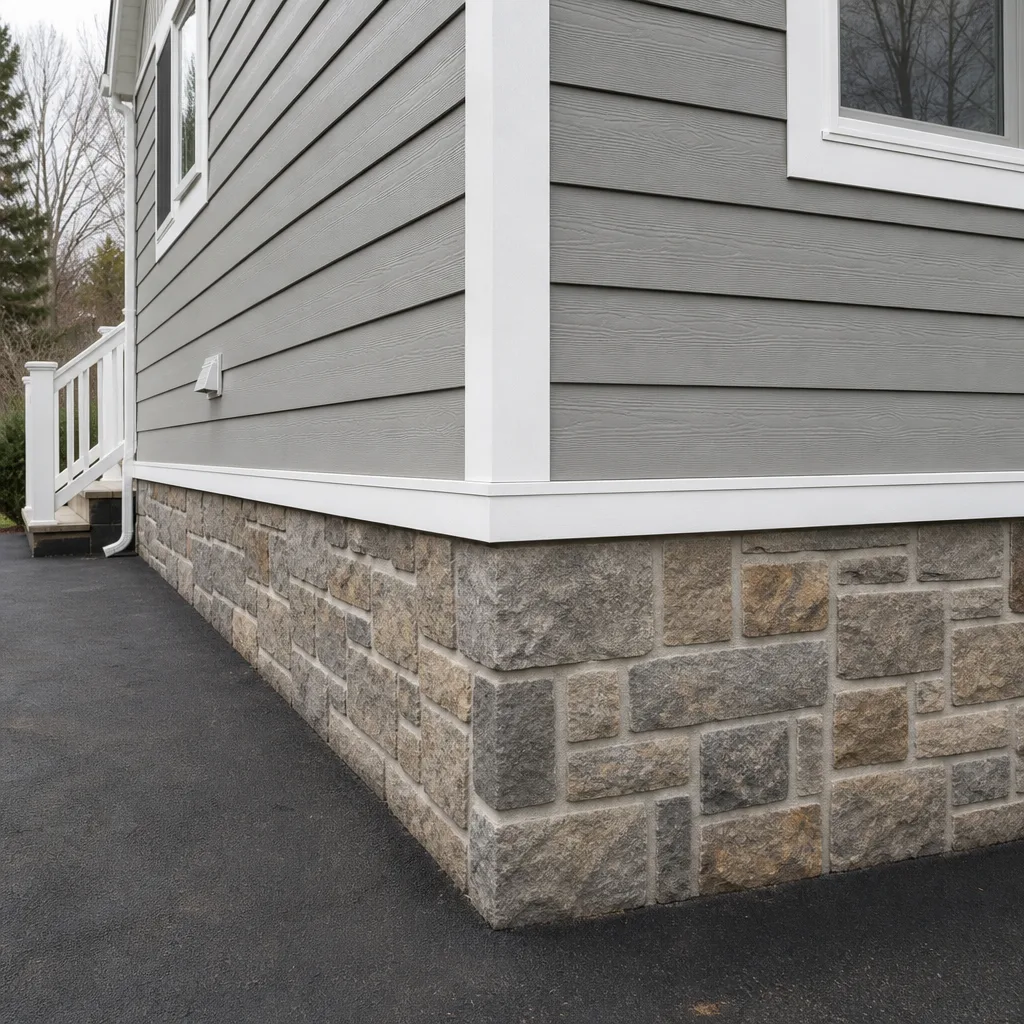 After
After24/7 Emergency Storm & Disaster Restoration in Cresskill
Storm damage in Cresskill doesn’t wait for business hours, and neither do we. Floodline Restoration Co. answers the phone with a live person at 2 a.m. and every hour after, because a nor’easter that rips shingles off a 1950s Cape on Grant Avenue at midnight means water is already moving through the plaster by sunrise. Call (201) 729-3780 the moment you see a stain, smell damp, or hear water where it shouldn’t be. We’ll have a certified crew on the road to your Cresskill home immediately, with a free visual inspection and the equipment loaded before anyone else has even called you back. The first hour after storm damage is when the loss is smallest and cheapest to fix. The longer water sits against original plaster and cinder-block foundation walls, the more it costs to pull everything back to a clean, dry state.
Understanding Storm & Disaster Restoration Severity in Cresskill Properties
Cresskill homes, most built between the 1940s and 1960s, respond to storm water differently than newer construction. We classify water damage by contamination level: Category 1 is clean water from a supply line or roof leak, Category 2 carries significant contamination from groundwater or sump overflow, and Category 3 is grossly unsanitary, typically from sewer backup or street flooding. A finished basement in Cresskill that takes in runoff from a summer deluge is usually Category 2 by the time we arrive, because that water has already moved through soil, mulch, and asphalt before it reaches the foundation. The failure mode that matters here is the stone-and-cinder-block foundation. These walls wick moisture continuously, even when the floor looks dry, and original plaster above them holds that moisture in place for weeks. We use moisture mapping, thermal imaging, and hygrometer readings to find what you can’t see. Soot residue from a furnace puffback or wind-driven fire smoke behaves differently than water, but the same rule applies: untreated damage in a Cresskill home moves from surface stain to structural problem faster than most homeowners expect.
Why Cresskill Property Owners Choose Floodline Restoration Co.
- 45-minute response commitment: We dispatch crews stationed for the Cresskill area immediately, because every hour of delay lets moisture move deeper into plaster, under hardwood, and through finished basement walls.
- A live person answers, 24 hours a day: No answering service, no “press 1 for billing.” You get a real dispatcher who can tell you exactly when the truck rolls, even at three in the morning on a Sunday.
- IICRC-certified crews: Our technicians hold WRT and ASD certifications for water damage and FSRT for fire and smoke, and they carry the full Dri-Eaz and Phoenix drying fleet, not contractor-grade box fans.
- Free visual inspection before any work begins: We document what we find, show you the moisture readings, and hand you a written scope before anyone touches a wall. No open-ended authorizations.
- Direct insurance billing: Our team photographs, logs, and files everything your adjuster needs, then coordinates with the carrier directly so you don’t spend the next eight weeks playing telephone relay.
- One team from first extraction to final coat of paint: The same certified crew that sets containment and runs the dehumidifiers is the crew that rebuilds the millwork. No mid-job handoff to a sub you’ve never met.
Our Storm & Disaster Restoration Process
Inspection & Assessment
We arrive with thermal imaging and moisture meters, mapping every affected surface. In Cresskill homes with original plaster, we check behind walls where water travels invisibly. You receive a written scope with line-item pricing before any work starts.
Extraction & Stabilization
Standing water comes out immediately with truck-mounted extraction. We tarp damaged roofs, board up broken windows, and stop active water entry the same visit. Stabilize first, dry second, rebuild third.
Drying & Dehumidification
Dri-Eaz and Phoenix dehumidifiers run alongside high-volume air movers placed according to the moisture map. Daily readings are logged and shared with you and your insurer until the dry standard is met.
Cleaning & Sanitization
Category 2 and 3 water requires antimicrobial treatment on all affected surfaces. We clean every hard surface, HEPA-vacuum porous materials when salvageable, and dispose of contaminated materials that cannot be sanitized.
Storm-Specific Treatment
For Cresskill’s finished basements, we perform pack-out and content cleaning before structural drying, preserving hardwood, custom millwork, and electronics that would be destroyed by standard dry-in-place methods.
Repairs & Restoration
Reconstruction follows the drying log, not the calendar. We rebuild plaster, replace cinder-block parging, re-set the home theater, and hand you a written 90-Day Done Right Promise before the last truck leaves.
Need Emergency Storm & Disaster Restoration in Cresskill Now?
Crews minutes away, answering live 24 hours a day. The sooner we start, the less it costs.
Working With Your Insurance Company
We’ve handled enough Cresskill storm claims to know exactly what your carrier needs, and we provide it from the first hour. Every photo, moisture reading, and drying log becomes part of the record before adjustors ask for it. Our estimates follow the same line-item format insurance companies use, which means fewer requests for clarification and faster approvals. We bill the carrier directly and keep you informed without making you the messenger. When your adjuster calls, we answer the phone and walk them through the file. Storm & Disaster Restoration claims get paid faster when documentation is complete on day one, not reconstructed after the fact. The 90-Day Done Right Promise stays in writing regardless of how the claim resolves.
What We Provide Your Insurer
- Thorough documentation of the loss
- Photos of all damage, room by room
- Moisture readings and drying logs
- A detailed, line-item scope of work
- Direct coordination with your carrier
Built for Cresskill’s Loss Calendar
Cresskill’s storm losses follow a pattern that repeats every year, and we plan our dispatch around it. January and February bring deep freezes that crack supply lines in unheated crawlspaces and behind exterior walls of 1940s Colonials. March and April deliver the freeze-thaw cycle that ice-dams the low-pitch dormers on local Capes, then pushes meltwater through saturated cinder-block foundations as the ground thaws. June through August brings the sudden thunderstorms that drop two inches of rain in an hour; Cresskill’s topographic bowl channels that water straight into basement window wells and foundation seams, and a finished basement becomes a Category 2 loss before the storm ends. September and October bring the remnants of Atlantic hurricanes, which in this borough mean wind-driven rain against the west-facing walls and window flashing of homes on Tenakill Brook’s slope. November and December are what we call the pre-freeze window, when small roof leaks from last winter’s ice damming finally show themselves as ceiling stains. If your home is anywhere near the Cresskill storm track, which is most of the borough, the calendar matters more than any weather forecast.
Storm & Disaster Restoration Across Cresskill’s Neighborhoods
The emergency calls we answer in Cresskill cluster along specific streets, and the homes there fail in repeatable ways. Along Brookside Avenue and the streets feeding off it, we see the classic 1950s Cape failure: an ice-dammed dormer saturates the attic bedroom ceiling, water tracks inside the kneewalls, and by the time the homeowner notices a stain, the cinder-block foundation in the finished basement has been wicking for months. Near Grant Avenue and the blocks around Cresskill Commons, the Colonials and split-levels sit slightly lower, and summer cloudbursts send runoff against foundation walls where old mortar joints have opened up during winter’s freeze-thaw. Homeowners near Tenakill Brook and the low stretch of Madison Avenue report seepage through cove joints during ordinary storms, not just the big ones. And the larger properties near Brookside Cemetery and the borough’s northern edge, many on generous lots with mature trees, lose branches and sometimes whole trees in high winds, which makes roof tarping and emergency board-up the first call of the day after any nor’easter. The ZIP code 07626 contains all of these streets, and our crews know the drive times and block conditions across all of it.
Specialized Storm & Disaster Restoration Services We Offer in Cresskill
Flood Damage Restoration
Flood water in Cresskill is rarely clean. It comes in through the foundation, carrying soil and street runoff, and it saturates the finished materials that make this borough’s basements expensive to restore. We categorize the water, extract with truck-mounted equipment, and set up structural drying with daily moisture logs. In finished basements with hardwood and custom millwork, we perform a pack-out and dry the structure properly instead of cooking expensive materials with heat and hoping for the best.
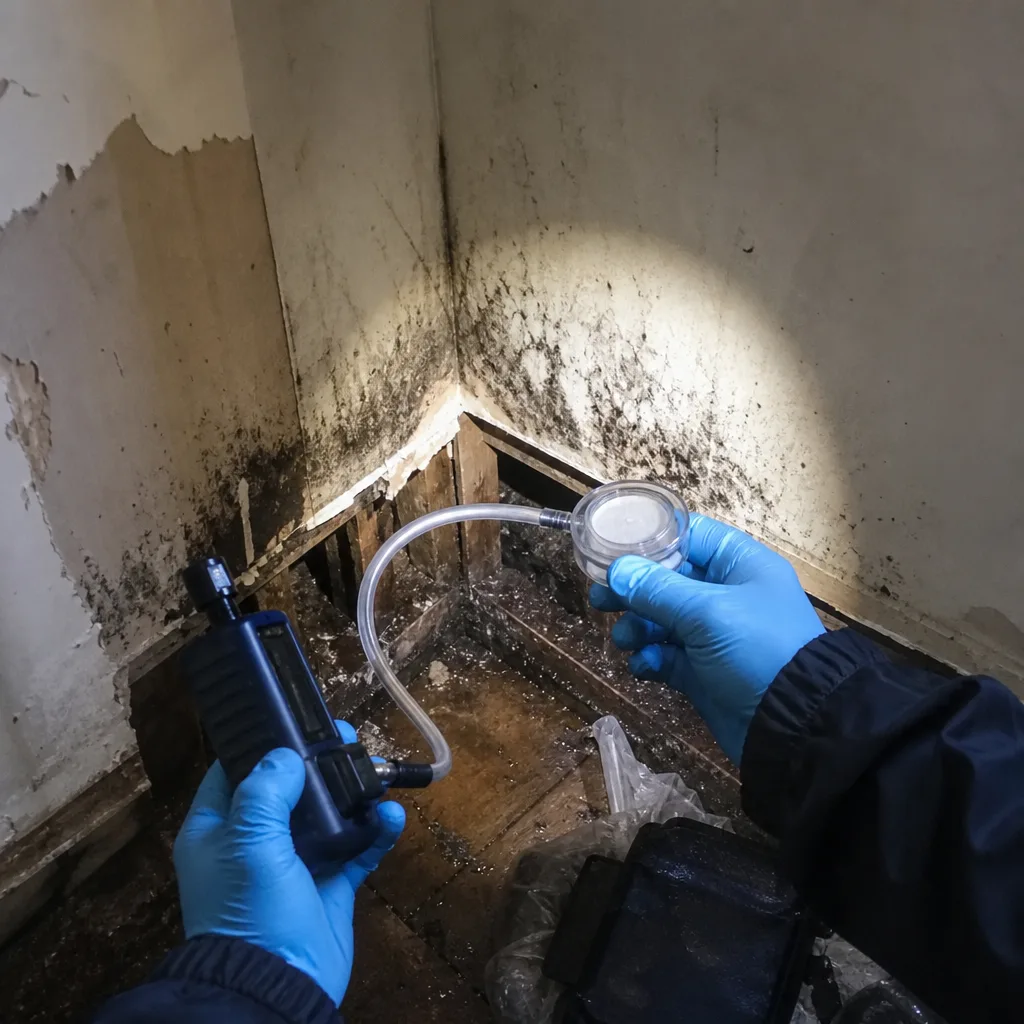
Roof Tarping
When wind rips shingles off a Cape on a stormy night, tarping is the single most important thing you can do in the first hour. We secure a tarp over the damaged section the same visit, even in rain, because every open square foot of roof deck is letting water into the attic and down through plaster ceilings. Our tarps are professionally fastened, not thrown over with a few nails. This is temporary protection that buys you the time to plan a proper repair without watching your ceilings collapse.
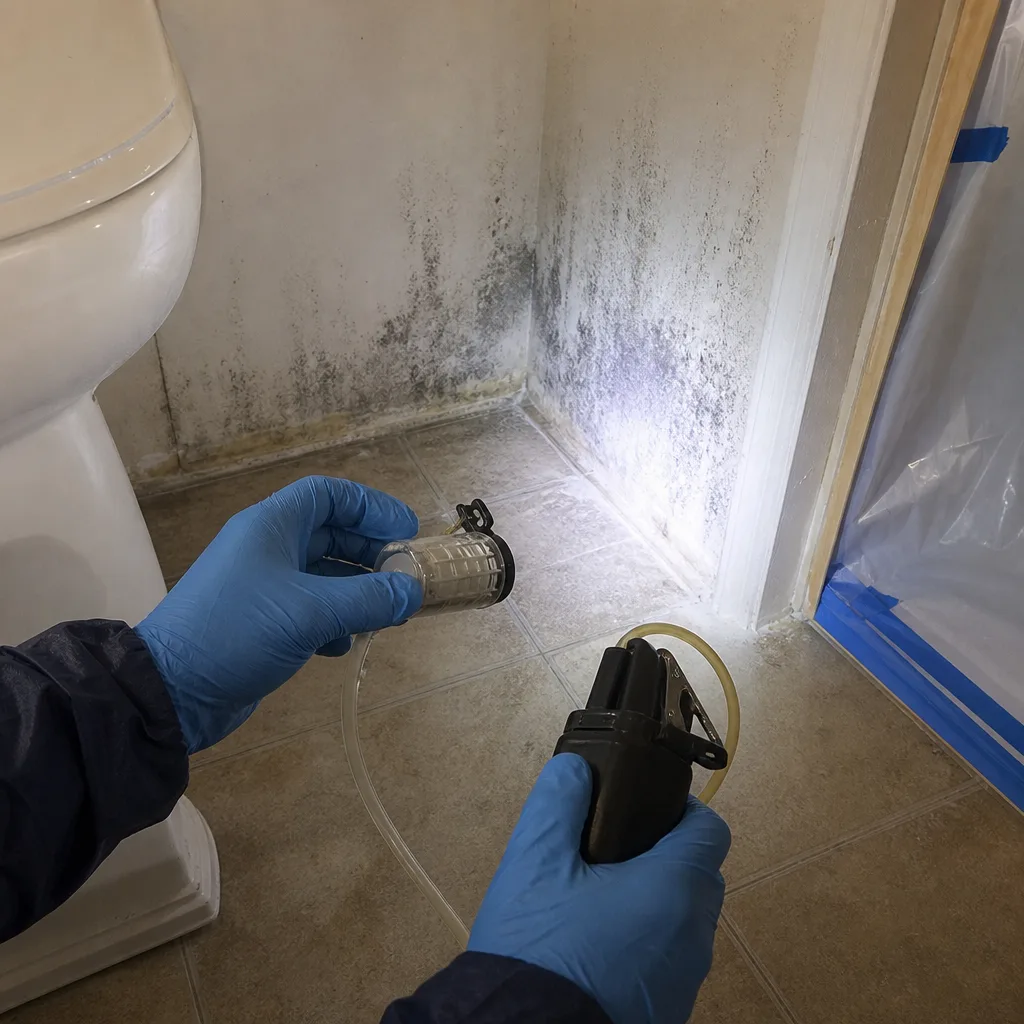
Emergency Board-Up
A blown window or a fallen branch that punctures a wall opens your Cresskill home to two problems: more weather and uninvited entry. We board up openings the same day, with plywood cut and secured to keep out rain, snow, and whatever else comes after a storm. Board-up is always followed by a full inspection of the surrounding structure, because in this borough, a broken window on a 1960s split-level usually means water has already reached the wall cavity behind it.
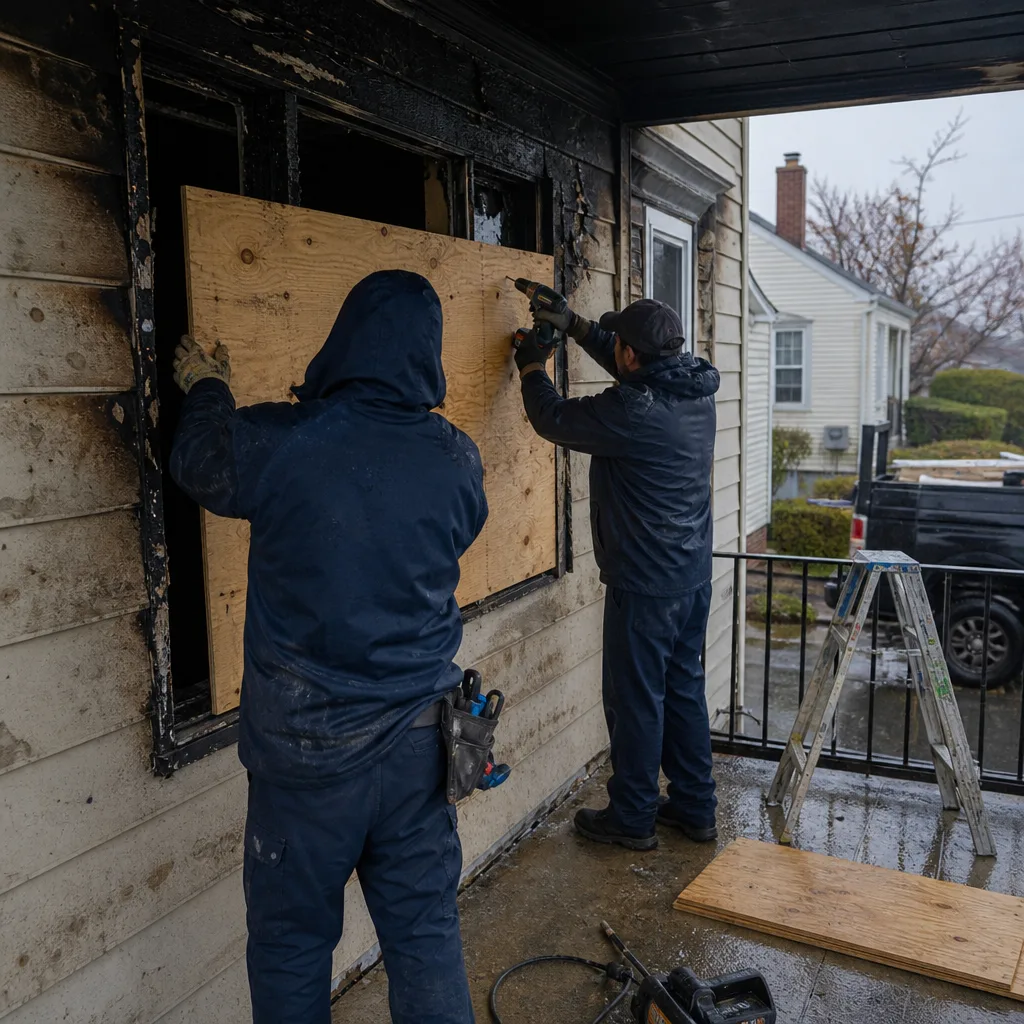
Storm Damage Cleanup
After the storm passes, what remains is debris, saturated insulation, and standing water that’s been sitting. We clear the debris, remove waterlogged materials that can’t be salvaged, and set up drying on everything that can. Cleanup in Cresskill is not a rake-and-bag job. In a borough where basements are finished to a standard most towns would call a living room, every hour of standing water matters, and we treat it that way from the first truck to the last.
What happens when you call
- 1
A real person answersNo phone trees - you reach a local pro.
- 2
You get an upfront price rangeHonest numbers before anyone is dispatched.
- 3
A background-checked tech heads outLicensed & insured, dispatched right away.
- 4
You approve before work beginsNothing starts until you say go.
Storm & Disaster Restoration Costs in Cresskill, NJ
What you’ll pay for storm restoration in Cresskill depends on how far the water moved and what it touched. Roof tarping runs $350 to $750 for most homes in 07626, depending on roof pitch and section size. Emergency board-up runs $250 to $500 per opening. Water extraction and structural drying of a finished basement typically runs $3,500 to $8,000, with the high end reflecting pack-out, content cleaning, and preservation of millwork and hardwood. Full restoration of a storm-damaged finished attic bedroom with plaster ceiling replacement, kneewall drying, and repainting runs $7,000 to $15,000. These are honest ranges for this borough’s housing stock, not national averages. Insurance covers most storm-related damage when the cause is sudden and accidental. Your out-of-pocket is typically the deductible, which is why a free inspection and a written scope before any work begins matters. Call (201) 729-3780 and we’ll come out, assess the damage, and give you real numbers.
We Also Serve Cities Near Cresskill
Floodline Restoration Co. runs the same certified crews into the streets around Cresskill every day. We handle storm damage calls in Tenafly, Dumont, Bergenfield, and New Milford, where the housing stock and storm patterns present many of the same challenges we see in Cresskill’s 1940s and 1950s neighborhoods.
Serving Cresskill, NJ - Our Local Coverage Area
We’re based in the Cresskill area and know this community well. Use the map below to see our service coverage - if you’re nearby, we can almost certainly help.
Cresskill Storm & Disaster Restoration Questions, Answered
How quickly can mold start growing on the original plaster walls in my Cresskill Cape after a roof leak?
Mold colonization begins within 24 to 48 hours of plaster saturation, and Cresskill’s original plaster walls hide that moisture far longer than drywall would. By the time a stain shows on the surface, the mold has typically been growing for days or weeks inside the wall cavity. Call us at (201) 729-3780 the day you notice any discoloration. A free inspection with a moisture meter tells you what’s really behind the plaster.
Why do finished basements in Cresskill flood so easily even during ordinary summer thunderstorms?
Cresskill sits in a topographic low west of the Palisades diabase ridge, and that ridge channels runoff straight into the borough’s residential blocks. A thunderstorm that drops an inch of rain in thirty minutes overwhelms the soil’s absorption capacity, and the water has nowhere to go but through your stone-and-cinder-block foundation. This is not a plumbing failure. It’s geography, and it’s why finished basements on streets like Brookside Avenue take on water during storms that wouldn’t touch a home on the ridge in Tenafly.
What should I do if my Cresskill dormer has ice damming every winter, and I keep repainting the ceiling stain?
Stop repainting. That stain is the visible sign of a failure that’s been happening behind the plaster for months. The ice dam melts, water tracks inside the kneewalls, and the cinder-block foundation below may be wicking the same moisture. Roof tarping and repair stops the active leak, but you also need attic moisture mapping and drying of the walls and ceiling. Our team has handled this exact failure pattern on dozens of Cresskill Capes. Call (201) 729-3780 and we’ll trace the water to where it actually ends.
Is it possible to dry my Cresskill finished basement in place without tearing out the custom millwork?
Sometimes, but not usually if the millwork is solid wood that has been wet for more than a day. The standard dry-in-place approach with high heat works for drywall and framing, but hardwood and custom millwork warp and cup when heat is applied directly. The correct method is a pack-out, where we remove the salvageable materials, dry the structure properly, and then reinstall the millwork once the moisture log says the space is dry. This costs more up front and saves you from rebuilding the basement twice. Our team documented this on an early-spring call on Brookside Avenue where a finished home theater had to be packed out, dried, and rebuilt; the millwork survived because we didn’t cook it.
How do I know if my Cresskill home’s stone foundation is wicking groundwater even when there’s no visible water?
You look for signs that don’t announce themselves: efflorescence (white mineral deposits) on the foundation walls, musty air in the basement even in dry weather, dampness at the cove joint where wall meets floor, and rust on metal legs of basement furniture. High-end finished basements hide all of these behind drywall and millwork, which is why we use moisture meters and thermal imaging to see what’s behind the surfaces. If your Cresskill basement smells like an old cellar in August, there’s groundwater wicking somewhere, and a free inspection will find it.
How fast can you actually get to my Cresskill home after I call?
Our crews are staged for the Cresskill area and commit to a 45-minute response for emergency calls. The dispatcher you speak with is a real person in our office, and they know exactly which truck is closest to your street. Call (201) 729-3780 and you’ll know the arrival time before you hang up.
Will my insurance company cover storm restoration in Cresskill, or am I on my own for the deductible?
Most storm-related damage is covered when the cause is sudden and accidental: a tree through the roof, a nor’easter that rips off shingles, a cloudburst that pushes groundwater into the basement. Your out-of-pocket is typically the deductible, not the full cost. We handle the documentation and direct billing so the claim moves without you chasing the adjuster. Bring your policy to the free inspection and we’ll tell you exactly what’s covered before any work starts.
What should I do in the first 30 minutes after storm damage in Cresskill?
First, call (201) 729-3780. That call gets a crew moving toward your home. Second, if it’s safe, shut off electricity to the affected area. Third, take photos of the damage from a safe distance. Do not enter standing water that may be in contact with electrical outlets. Do not attempt to remove saturated plaster or open walls yourself; that’s how hidden damage spreads and how insurance claims get denied. Let the certified crew do what they’re trained to do. Our first truck is usually on your block before you’ve finished taking photos.
Written by Curt Bowman, Owner at Floodline Restoration Co., serving Cresskill and Bergen County with storm, water, fire, and mold restoration since 2010.