
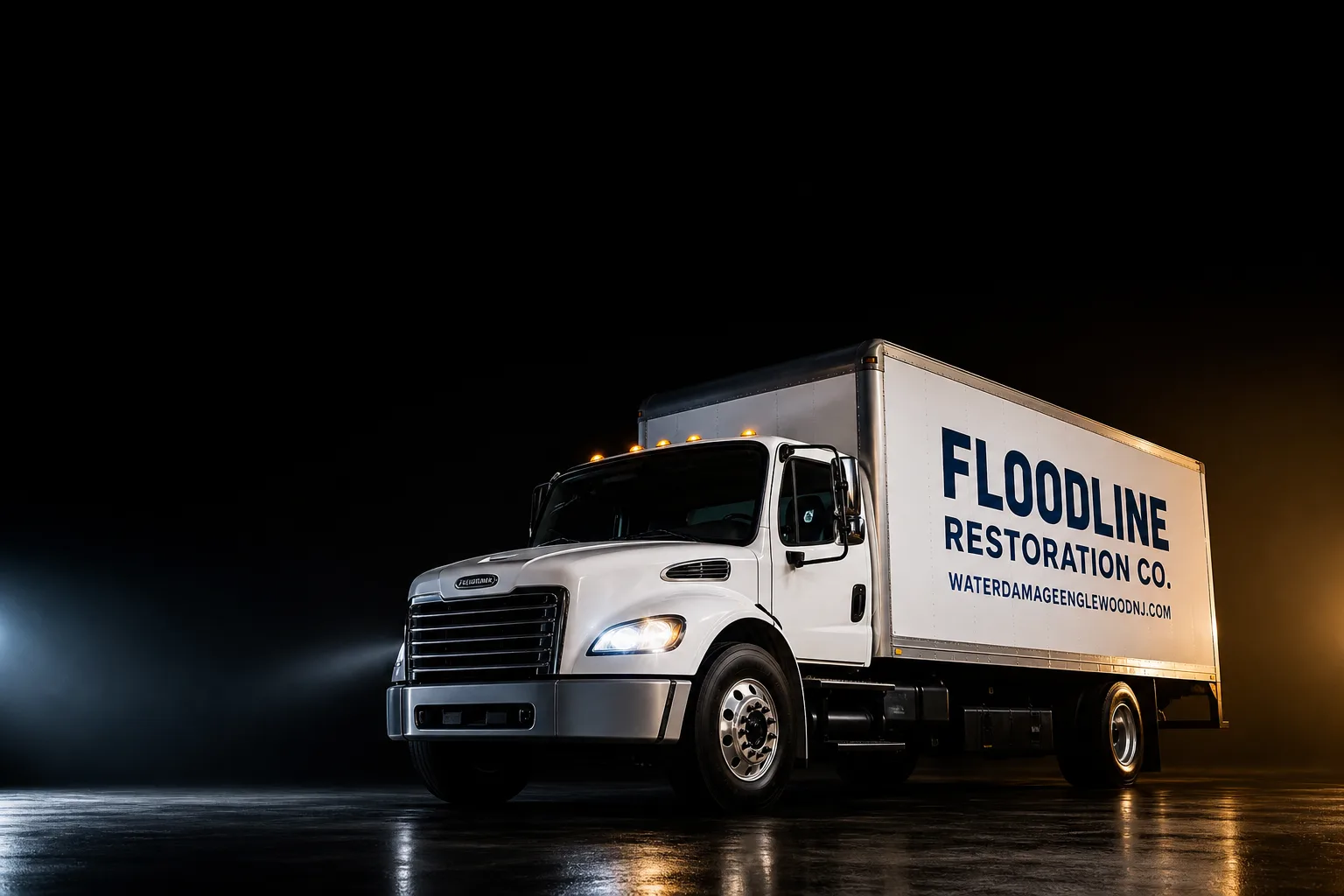
Free visual inspection and a written scope of work before any mitigation begins - photos, moisture readings, and drying logs go in your claim file
The scope we write is the scope we bill. Anything new gets shown to you, in writing, before we touch it.
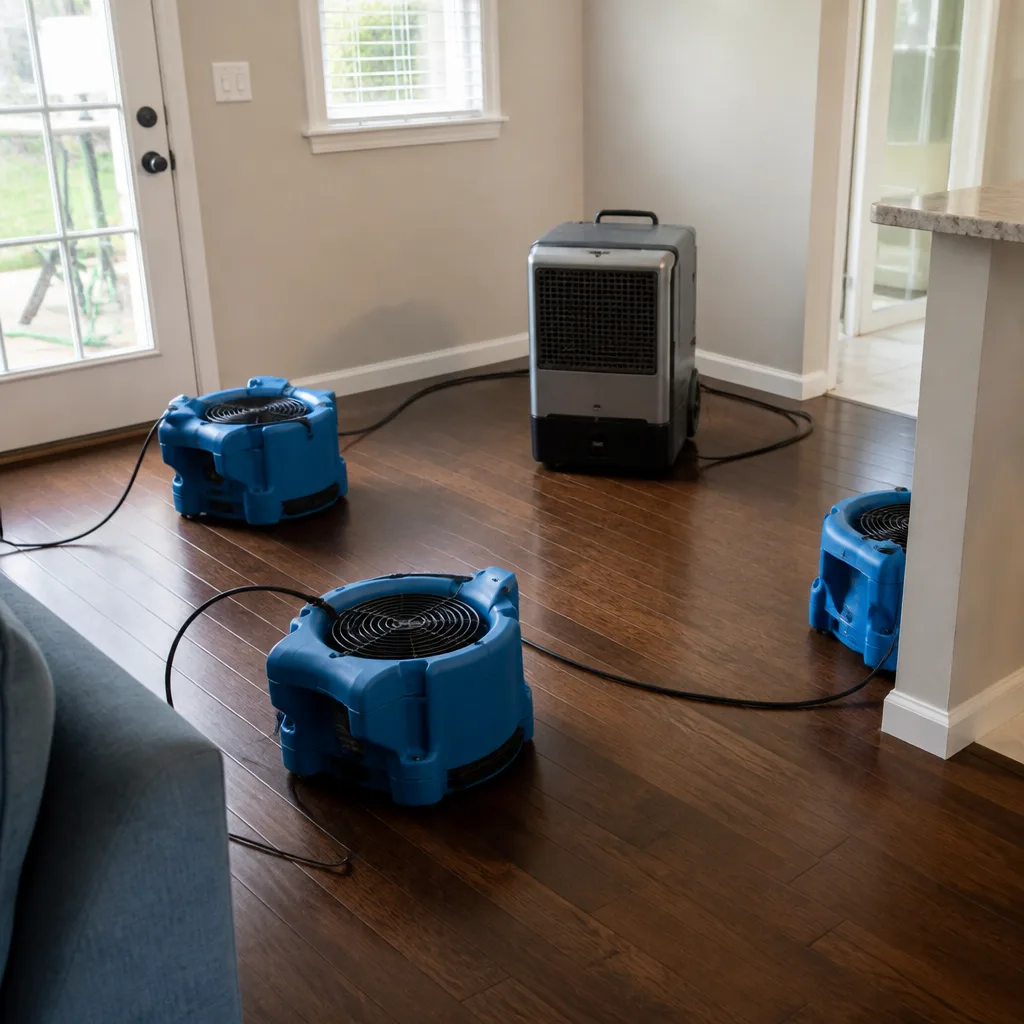
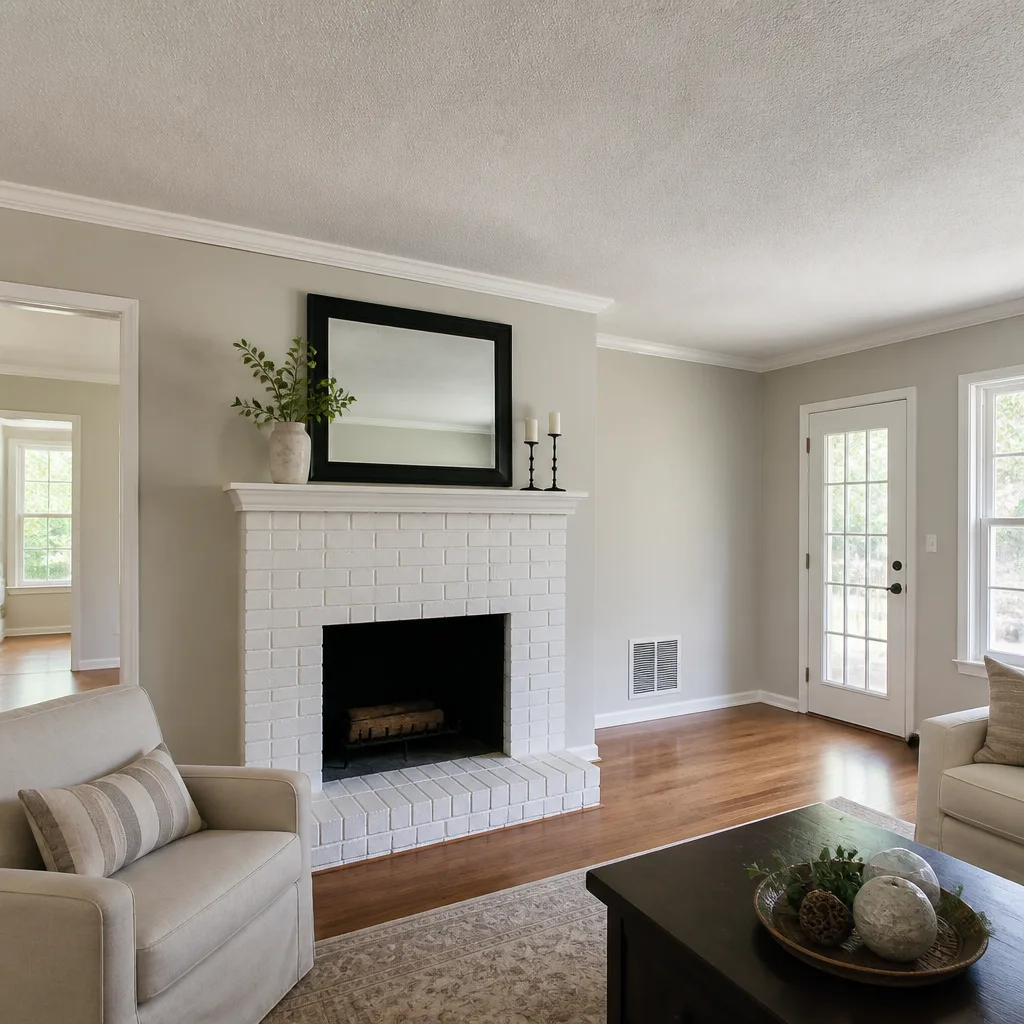
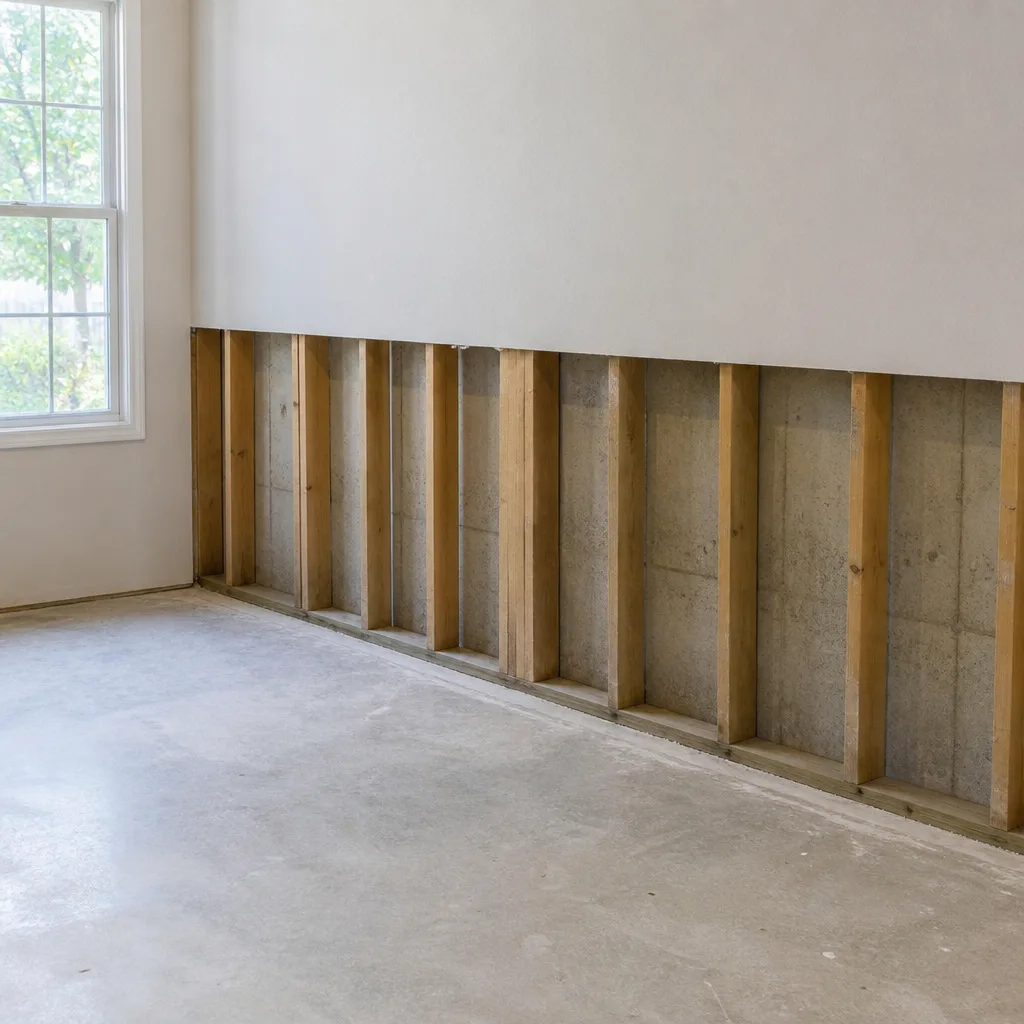
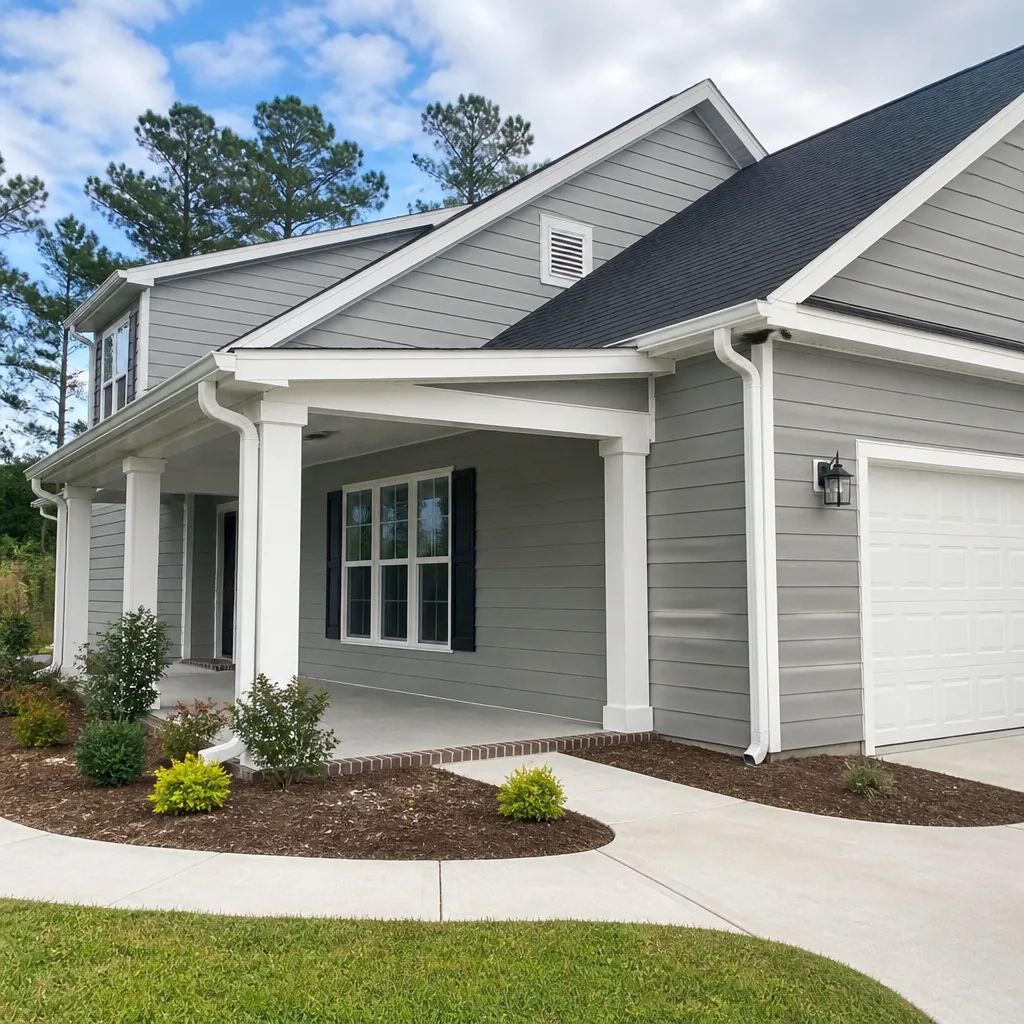
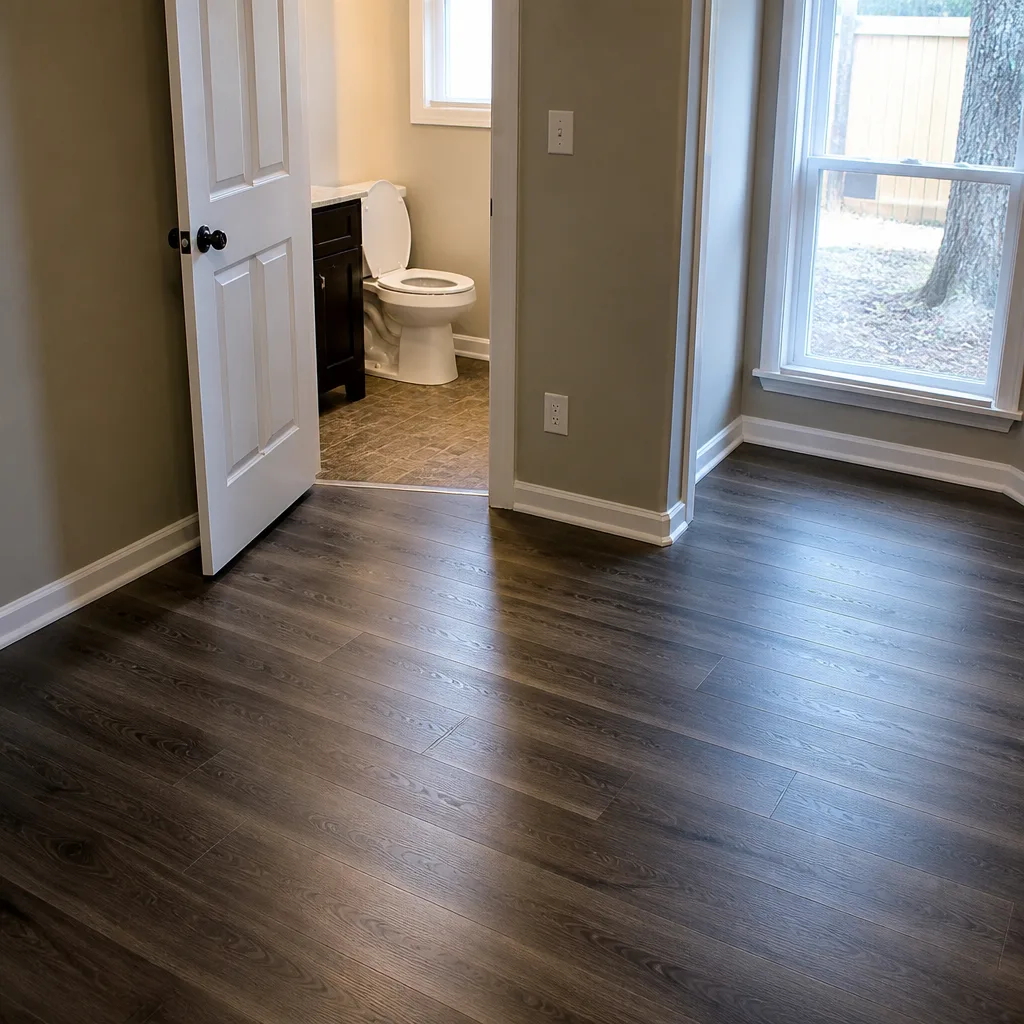
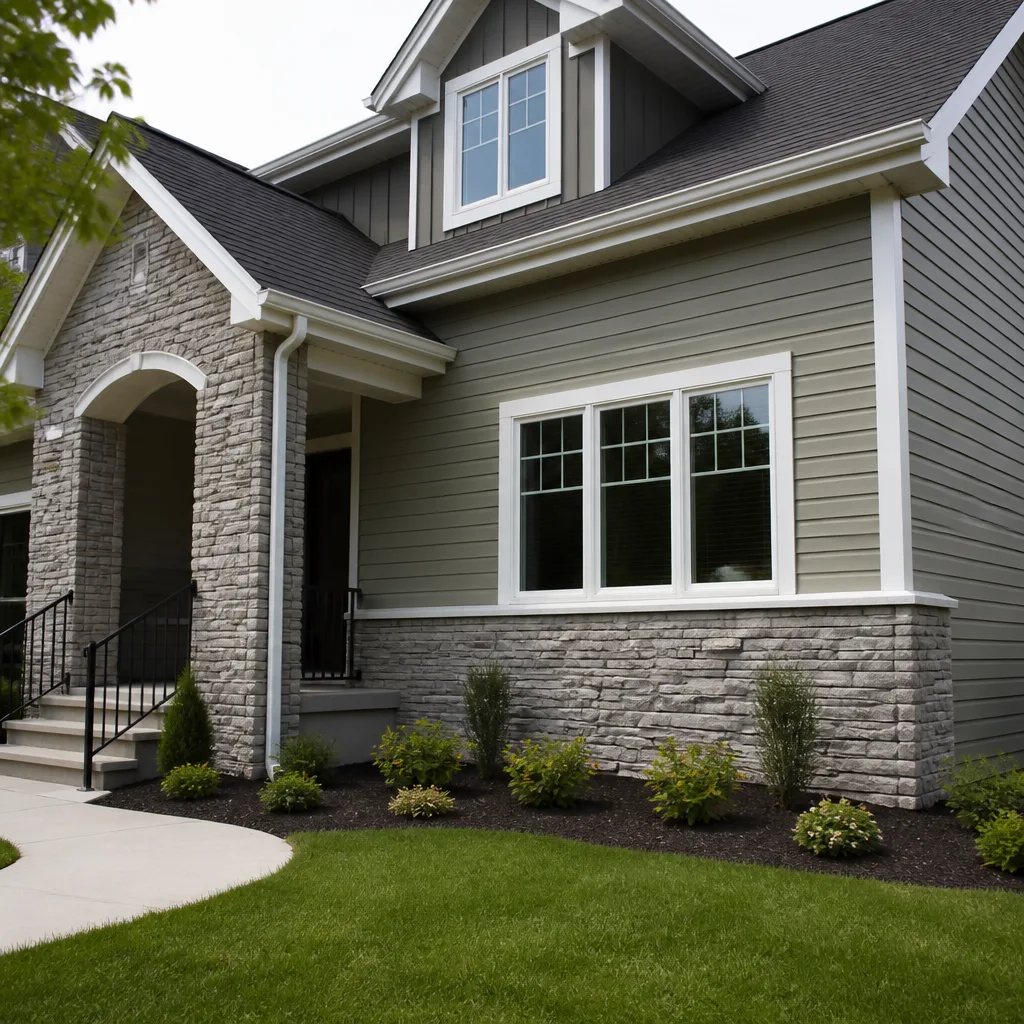
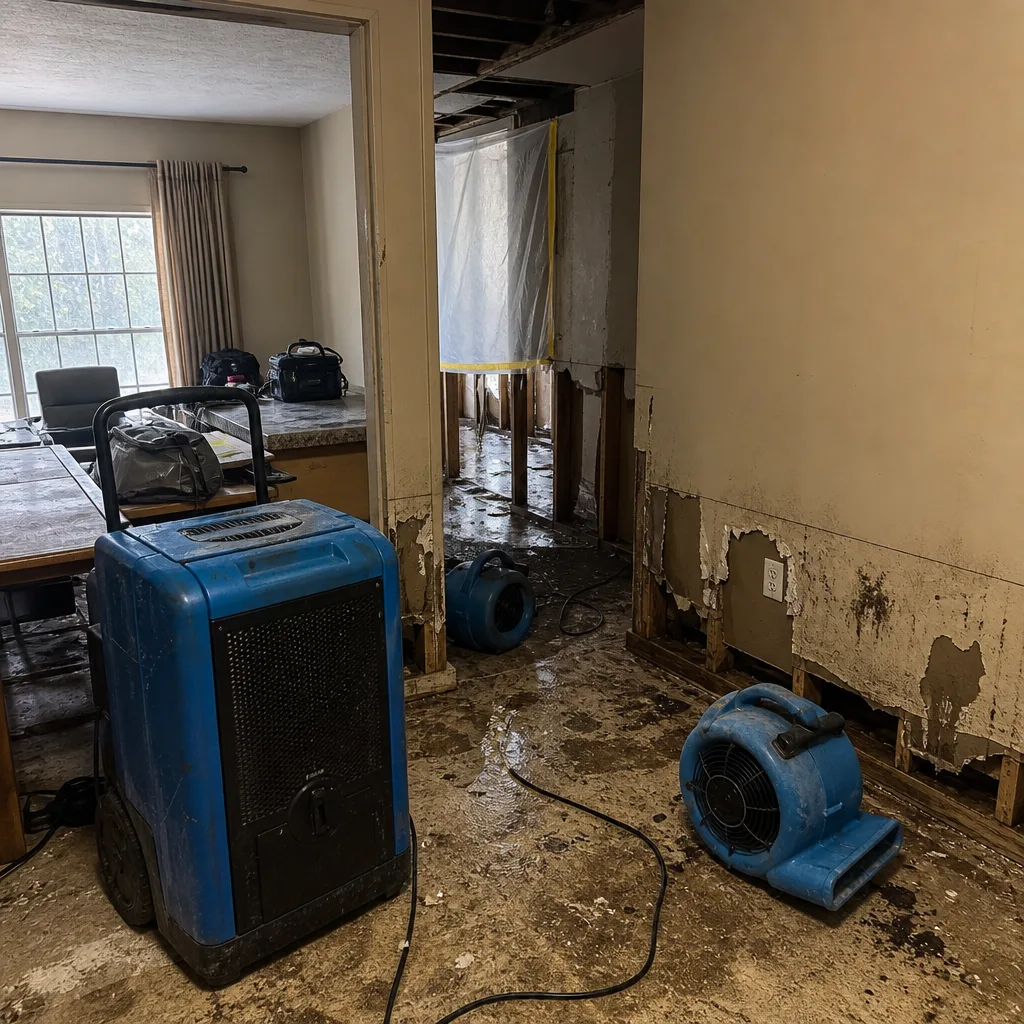 Before
 After
After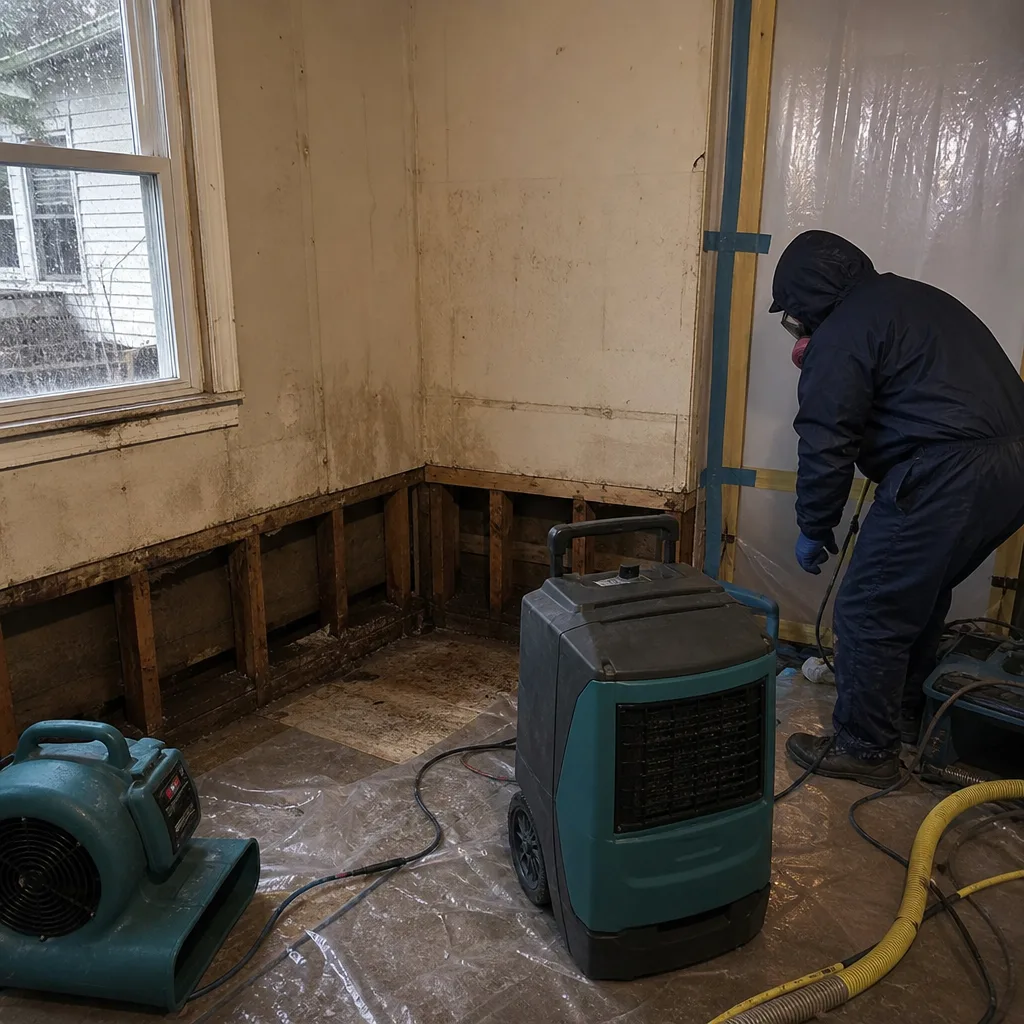 Before
 After
After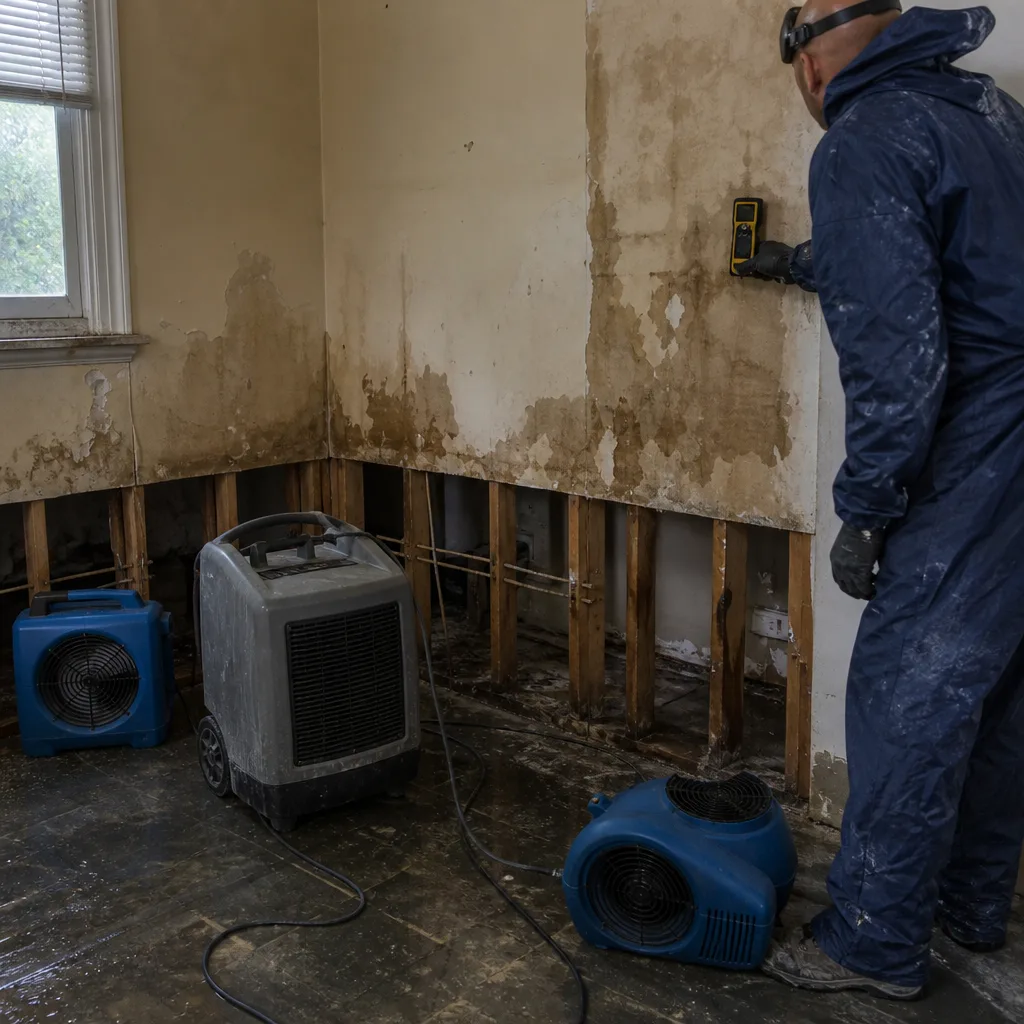 Before
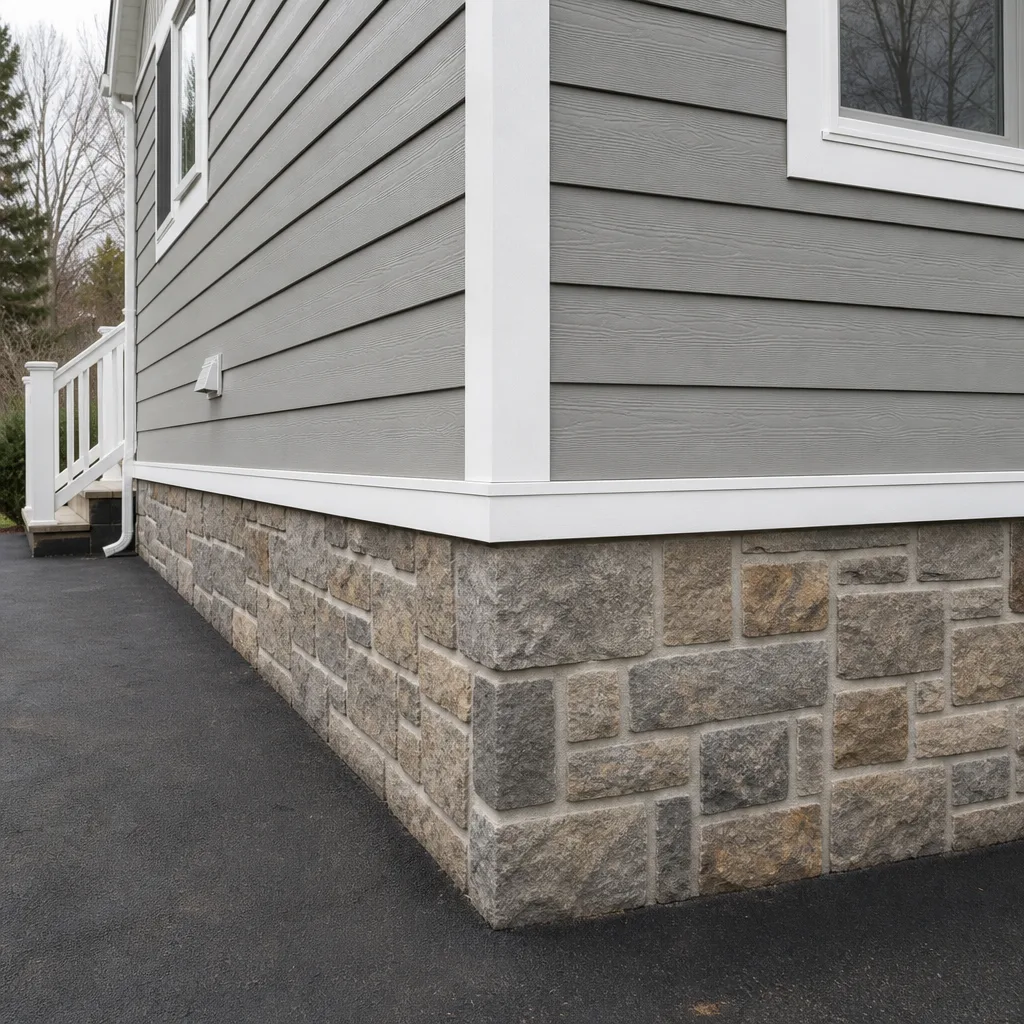 After
After24/7 Emergency Fire & Smoke Damage Restoration in Fort Lee
A kitchen fire on the 14th floor of a Palisade Avenue tower doesn’t stay on the 14th floor. Smoke moves through shared exhaust risers, stairwell pressurization, and elevator shafts fast, often reaching penthouses and lower units within the hour. That’s why our crews stage locally and answer live at (201) 729-3780 around the clock. We dispatch into Fort Lee within 45 minutes, start containment on every affected floor the same visit, and document everything for your HOA and carrier before the smoke has a chance to settle into drywall and contents permanently.
Fire and smoke damage in Fort Lee condos and co-ops is rarely a one-unit problem. The borough’s 1960s through 1980s high-rise stock shares vertical pipe risers and common ventilation shafts. A stove fire on an upper floor means smoke migration through bathroom exhaust ducts into stacked units above and below. Our first job is stopping that movement, then cleaning what’s already traveled. Call (201) 729-3780 the moment the fire department clears the unit. We’ll be there when we say.
Understanding Fire & Smoke Damage Restoration Severity in Fort Lee Properties
Fire damage in Fort Lee breaks down by soot type and how far it traveled. Light soot from a contained stovetop fire behaves differently than the greasy, protein-based residue from a kitchen fire that burned oil, which bonds to painted surfaces and requires aggressive chemical cleaning. Synthetic soot from burned plastics and carpeting carries acidic compounds that etch glass and corrode metal fixtures within days if left untreated. Smoke migration follows the path of least resistance: open stairwell doors, elevator shafts, pipe chases, and shared bathroom exhaust risers common in Fort Lee’s pre-1990 towers.
The severity question in Fort Lee always starts with building construction. A 1970s concrete-frame high-rise on Palisade Avenue or River Road confines the burn unit’s structural fire damage to that unit, but the smoke load spreads vertically through shared shafts and horizontally through common corridors. Wood-frame garden apartments and attached single-family homes behave differently: smoke travels laterally through wall cavities and attics, often damaging units three and four doors down. Severity also hinges on whether the fire department used water. A fully suppressed kitchen fire creates Category 2-3 water damage beneath the burn area, meaning extraction and structural drying run alongside soot and odor work.
Why Fort Lee Property Owners Choose Floodline Restoration Co.
- 45-minute response commitment - Our crews stage locally and know the GWB approach traffic patterns. We don’t burn an hour getting across the bridge.
- 24/7 live answer, never an automated system - A real dispatcher picks up at 2 a.m. and starts moving a crew immediately. No callbacks, no recording.
- IICRC-certified crews - Our technicians hold FSRT (Fire & Smoke Restoration Technician) and WRT (Water Damage Restoration Technician) certifications, with RIA and IFA training behind them.
- Free visual inspection - We walk the burn unit, trace the smoke path through shared shafts, and tell you exactly what needs to happen. No charge, no obligation.
- Direct insurance billing - We deal with your carrier so you don’t have to. Line-item scopes, daily logs, adjuster coordination.
- One team from extraction to reconstruction - The same certified crew that sets containment on day one handles drying, deodorization, drywall, paint, and trim. No mid-job handoff to strangers.
Our Fire & Smoke Damage Restoration Process
Inspection & Assessment
We map the burn area, identify soot type, and trace smoke migration through wall cavities, plenum spaces, and shared risers. Thermal imaging shows hidden heat and moisture behind drywall; hygrometers establish the drying baseline before we touch anything.
Emergency Stabilization & Containment
We board up broken windows, tarp, and set negative-air containment on every affected floor. In Fort Lee high-rises, that means sealing stairwell and elevator shaft penetrations so smoke doesn’t keep migrating while we work.
Water Extraction & Structural Drying
If the fire department ran water, we extract first. Dri-Eaz dehumidifiers, Phoenix air movers, and Injectidry systems run continuous drying on the fire floor and any water-migrated lower units until the moisture log hits the dry standard.
Smoke & Soot Removal
Crews clean every surface according to soot chemistry: dry sponges for loose residue, HEPA vacuuming for settled particulates, chemical agents for protein soot, and ultrasonic cleaning for blinded contents and fixtures.
Odor Removal & Deodorization
We use hydroxyl generators and ozone treatment in sealed chambers for contents, plus thermal fogging of wall cavities and shared-riser spaces. In stacked Fort Lee units, we deodorize the full vertical migration path, not just the burn unit.
Repairs & Reconstruction
Once the structure is dry and deodorized, our same crew handles drywall, paint, flooring, trim, and recaulking. We rebuild to pre-loss condition and hand you the 90-Day Done Right Promise in writing.
Need Emergency Fire & Smoke Damage Restoration in Fort Lee Now?
Crews minutes away, answering live 24 hours a day. The sooner we start, the less it costs.
Working With Your Insurance Company
We’ve handled thousands of fire claims in Fort Lee’s multi-unit buildings, and we know what carriers and HOA boards need: documentation that starts on day one, not reconstructed after the fact. Our team photographs every room before demo begins, logs the smoke migration path through shared shafts and corridors, and writes a line-item scope with industry-standard estimating software your adjuster recognizes. From the first hour, we coordinate directly with your carrier so you never play messenger between a condo board, a property manager, and an insurance company. We’ve built our reputation on it.
What We Provide Your Insurer
- Thorough documentation of the loss
- Photos of all damage, room by room
- Moisture readings and drying logs
- A detailed, line-item scope of work
- Direct coordination with your carrier
Built for Fort Lee’s Loss Calendar
Fort Lee’s fire damage calendar runs in two modes: kitchen fires year-round and storm-driven electrical/window failures in the shoulder seasons. Winter nor’easters expose upper-floor units along the Palisades to horizontal rain that penetrates aging window perimeter seals, shorting outlets and compromising wiring behind drywall. Spring and fall bring too-warm-to-turn-the-heat-off cooking days, when residents broil, fry, and forget on stovetops across the borough’s high-rises. Summer heat pushes aging window air conditioners and overloaded circuits in pre-1990 towers, a common ignition source we see regularly. The one constant: fires in Fort Lee happen in multi-story buildings, and smoke always travels farther than the fire itself. That’s why our response is built around containment speed and vertical smoke-path mapping, not just cleaning a burn unit. The team behind our Fire & Smoke Damage Restoration division has seen every permutation of these losses.
Fire & Smoke Damage Restoration Across Fort Lee’s Neighborhoods
Response routes matter here more than in most towns. Crews heading to the Palisade Avenue corridor, where 1960s and 1970s towers run thick from Abbott Boulevard down toward the GWB, navigate one-way streets and bridge-approach congestion around the clock. We stage equipment near these buildings so we’re never stuck on Lemoine Avenue while smoke keeps moving through shaft walls. The Hudson Terrace and River Road high-rises face a different challenge: wind-driven fire and smoke from upper-floor incidents, where shared exhaust risers and elevator shafts channel smoke into penthouses and down through penthouses to the lobby level. Lower Main Street and the streets near the bridge approach, including the mixed-use blocks along Anderson Avenue, bring older wood-frame attached housing where Smoke & Soot Removal must address lateral wall-cavity migration rather than vertical risers. The campus of high-rises near the Lincoln Harbor edge of town deals with high-window exposure and parapet flashing failures that let storm-driven moisture into electrical systems. No two areas of Fort Lee respond to fire damage the same way. That’s what a locally staged operation like ours exists for.
Specialized Fire & Smoke Damage Restoration Services We Offer in Fort Lee
Fire Damage Cleanup
Every burn unit in a Fort Lee tower starts with structural stabilization and debris removal. We clear charred materials, HEPA-vacuum all horizontal surfaces, and establish containment before any cleaning begins. In concrete-frame buildings, that means protecting the shared corridor and elevator lobby from cross-contamination during debris removal.
Smoke & Soot Removal
Soot chemistry dictates method. We identify the residue type on every surface: dry soot from paper and wood gets sponge cleaning; grease-based protein soot from kitchen fires gets chemical degreasers; synthetic soot from plastics and electronics requires aggressive agitation and specialized detergents. In stacked units, we clean every surface along the migration path, not just the burn unit.
Odor Removal & Deodorization
Smoke odor in Fort Lee high-rises lives in wall cavities, duct runs, and shared risers. Hydroxyl generators scrub air continuously while we work; thermal fogging penetrates painted surfaces and insulation; contents get sealed-chamber ozone treatment offsite. We treat the full migration path through shared bathroom exhaust and corridor ventilation, because if you only deodorize the burn unit, the smell comes back through the shaft within a week.
Contents Cleaning & Pack-Out
When a unit owner is displaced after a fire, we pack out salvageable contents, inventory everything by room, and clean or ozone-treat each item before returning it. For HOA and carrier documentation, we photograph the pack-out and provide a detailed contents list your adjuster can process immediately.
Emergency Board-Up & Tarping
Broken windows on a 20th-floor Palisades unit facing the Hudson need securing fast, especially ahead of a nor’easter. We board and tarp to weather and secure the unit, using equipment and materials rated for high-wind exposure. This is stabilization, not permanent repair, but it protects the unit and the building until reconstruction starts.
What happens when you call
- 1
A real person answersNo phone trees - you reach a local pro.
- 2
You get an upfront price rangeHonest numbers before anyone is dispatched.
- 3
A background-checked tech heads outLicensed & insured, dispatched right away.
- 4
You approve before work beginsNothing starts until you say go.
Fire & Smoke Damage Restoration Costs in Fort Lee, NJ
A contained stovetop fire in a Fort Lee condo with light soot but no structural damage typically runs $2,500 to $6,000 for cleaning, deodorization, and repainting. A mid-size kitchen fire with water suppression, moderate structural saturation, and smoke migration into adjacent units through shared risers generally lands between $12,000 and $35,000. Large fires involving multiple stacked units, hallway containment, asbestos testing and abatement, and full reconstruction can exceed $75,000 and run into six figures. What moves the price: how many units smoke traveled through, whether asbestos testing abatement is triggered, and how much contents pack-out and ozone treatment is required. Insurance covers most fire restoration. The out-of-pocket piece is typically your deductible plus any code upgrades your carrier doesn’t cover. The fastest path to a firm number is our free visual inspection. We map the full scope in writing before work starts, then bill your carrier directly. Call (201) 729-3780 to schedule it.
We Also Serve Cities Near Fort Lee
Our crews respond from staging points that cover Fort Lee and the surrounding Bergen County towns: Leonia, Palisades Park, Englewood Cliffs, and Ridgefield Park. Same 45-minute response, same live dispatch, same one-team-from-start-to-finish approach.
Fort Lee Fire & Smoke Damage Restoration Questions, Answered
How does fire and smoke restoration in a Fort Lee high-rise handle smoke that traveled through shared bathroom exhaust risers?
We treat the riser as part of the restoration path and deodorize it directly. Smoke that moves through a shared bathroom exhaust riser deposits soot and odor inside the duct, where it will keep recycling into adjacent units unless addressed. Our crew sets containment on every affected floor, then runs hydroxyl generation and thermal fog through the riser path while cleaning the interior duct surfaces. HOA approval for shaft access is usually required, and we coordinate that in writing before starting. Call (201) 729-3780 and we’ll walk the building with your property manager.
A fire on the 10th floor of a 1970s Palisades tower - does asbestos testing really have to happen before we dry the drywall?
Yes, in a 1970s Palisades tower it does. Buildings from that era used asbestos in drywall compound, pipe insulation, floor tiles, and ceiling textures. Cutting into gypsum or disturbing pipe wrap during drying and demolition triggers mandatory asbestos testing under New Jersey regulations. Skipping it is illegal and dangerous, and it complicates the insurance claim. We flag the testing requirement on day one and coordinate the sampling so restoration isn’t delayed longer than necessary.
What’s the fastest way to board up and tarp a broken window on a 25th-floor unit facing the Hudson during a nor’easter?
Call us immediately and we’ll dispatch a crew with high-wind-rated board-up materials the same visit. A broken window on a high floor facing the Hudson during a nor’easter is a life-safety and water-intrusion emergency. We secure the opening from the inside where possible, since exterior access on a 25th-floor window requires swing staging or a high-reach platform. The goal is weather sealing and security, not a permanent repair, and we can have it done within hours of the call. (201) 729-3780.
Does fire damage restoration in Fort Lee condos require HOA approval for drying equipment in shared hallways?
In most Fort Lee condo associations, staging equipment in common hallways requires HOA or property manager approval. We provide the HOA with a written plan showing equipment placement, hose routing, and a daily removal/relocation schedule, and we secure approval before placing anything in a shared corridor. Most boards approve quickly once they see the plan, and we’re accustomed to working through management offices and boards.
How do we handle smoke-damaged contents from a Fort Lee high-rise fire when the unit owner is temporarily displaced?
We pack out, inventory, and clean contents offsite when a unit owner can’t stay in the unit. Contents get photographed by room, packed into sealed containers, and treated with ozone or hydroxyl processing at our facility. We provide a detailed inventory to your carrier and return everything to the unit when reconstruction is complete. This keeps the claim moving and the owner’s belongings protected during displacement.
How fast can you actually get to a Fort Lee fire job?
Our commitment is 45 minutes to any Fort Lee address, and we stage equipment nearby to make that real. We know the GWB approach traffic on Routes 4, 9W, and Lemoine Avenue, and we don’t dispatch from across Bergen County. A live dispatcher answers at (201) 729-3780 and starts the crew moving while you’re still on the phone. The sooner containment starts, the fewer units smoke reaches.
Will insurance cover the smell and deodorization, or is that excluded?
Deodorization is standard and covered as part of fire and smoke restoration when it’s part of the documented mitigation scope. Carriers accept line-item deodorization costs in our estimates because the alternative, replacing smoke-saturated drywall and contents, costs far more. We document the full migration path through shared risers and corridors so the deodorization scope is defensible in the claim.
What should we do in the first 30 minutes after the fire department clears the unit?
Close the unit door to slow smoke migration, turn off HVAC to stop circulation through shared ductwork, and call us at (201) 729-3780. Don’t open windows to vent, because cross-ventilation can push smoke deeper into wall cavities. Don’t touch anything else. Every hour of delay lets soot settle further into paint, fabrics, and insulation. Our crew starts containment and documentation the same visit.
Serving Fort Lee, NJ - Our Local Coverage Area
We’re based in the Fort Lee area and know this community well. Use the map below to see our service coverage - if you’re nearby, we can almost certainly help.
Get a Free Visual Inspection in Fort Lee
Fire and smoke damage in Fort Lee doesn’t wait, and neither do we. Call (201) 729-3780 for a free visual inspection and a crew that knows the difference between a single-family wood-frame job and a 30-story tower with shared risers, HOA boards, and asbestos testing. We answer live, 24 hours a day. We’ll map the damage, document everything for your carrier, and start containment before the smoke spreads further. Done right, and backed in writing.
Written by Curt Bowman, Owner at Floodline Restoration Co., serving Fort Lee with fire and smoke restoration since founding the company in 2010.