
Free visual inspection and a written scope of work before any mitigation begins - photos, moisture readings, and drying logs go in your claim file
The scope we write is the scope we bill. Anything new gets shown to you, in writing, before we touch it.

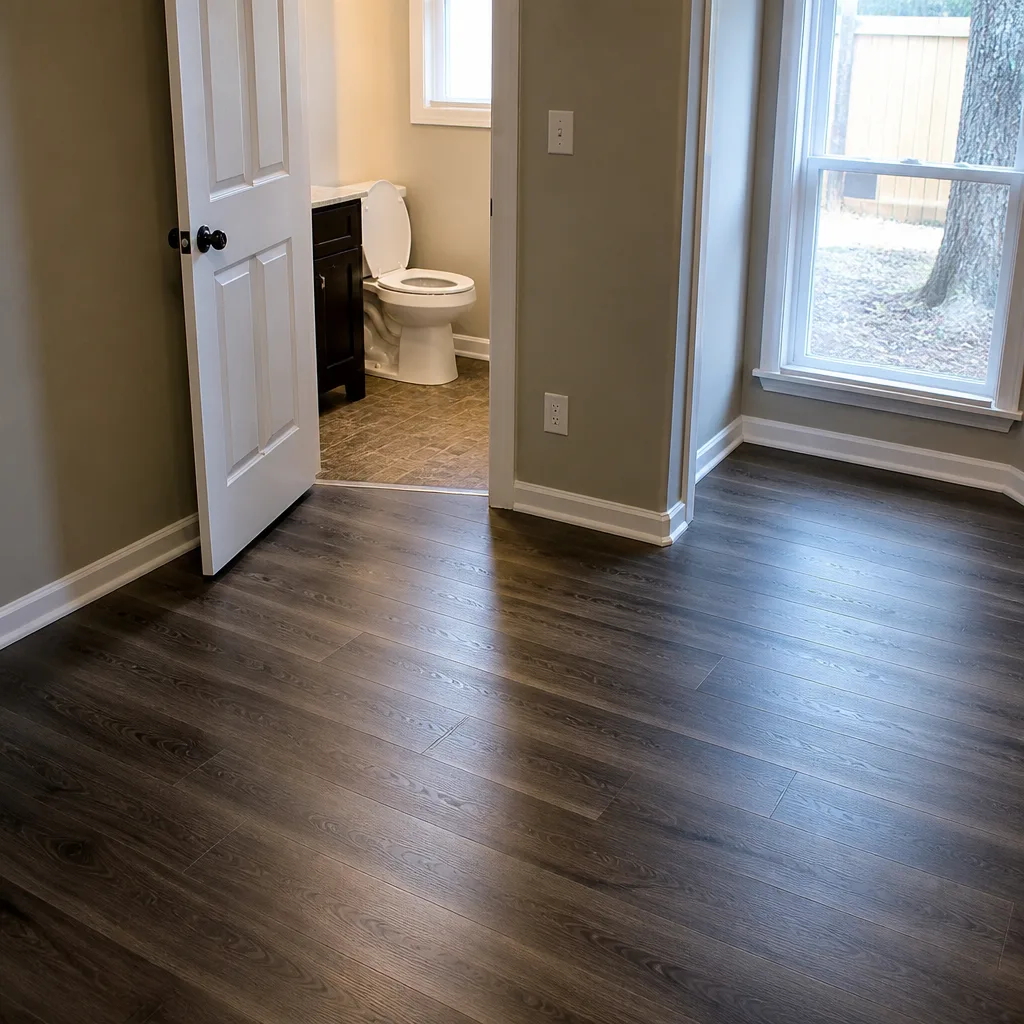
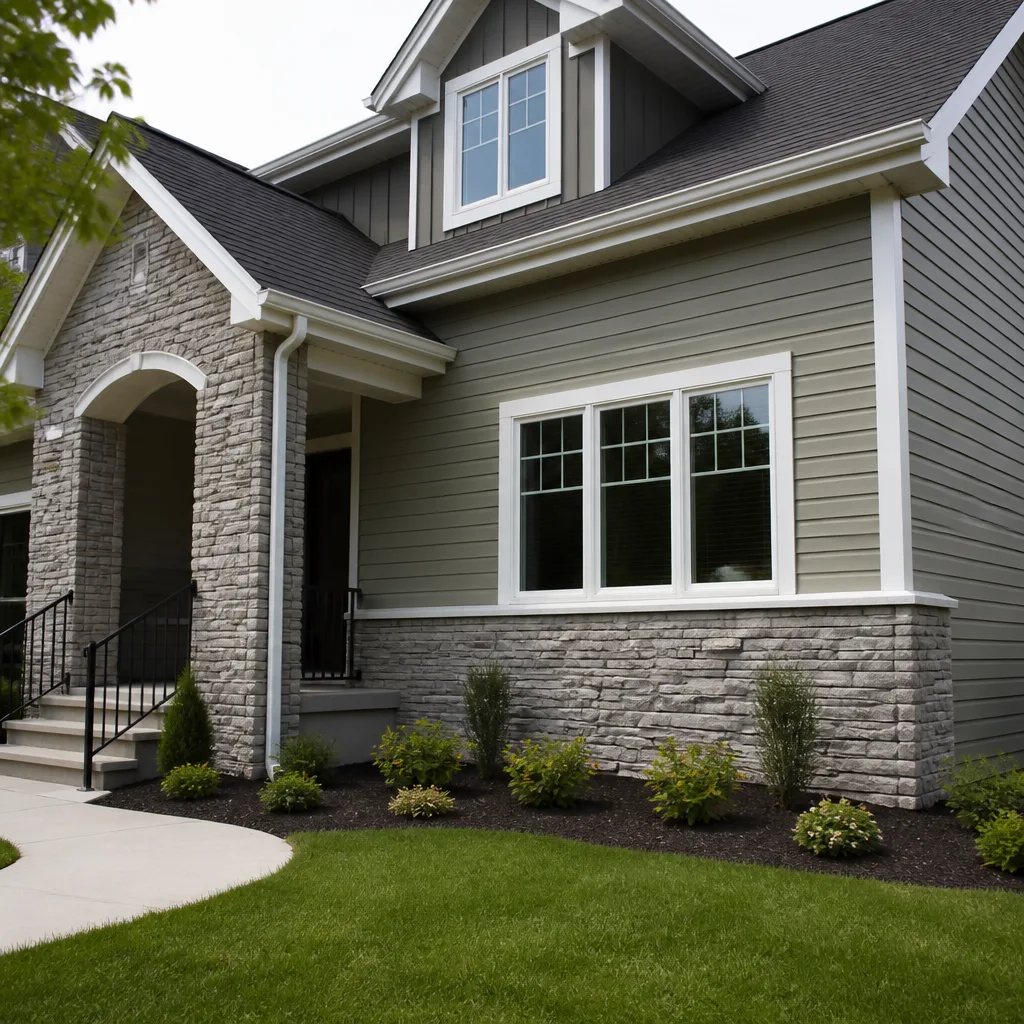
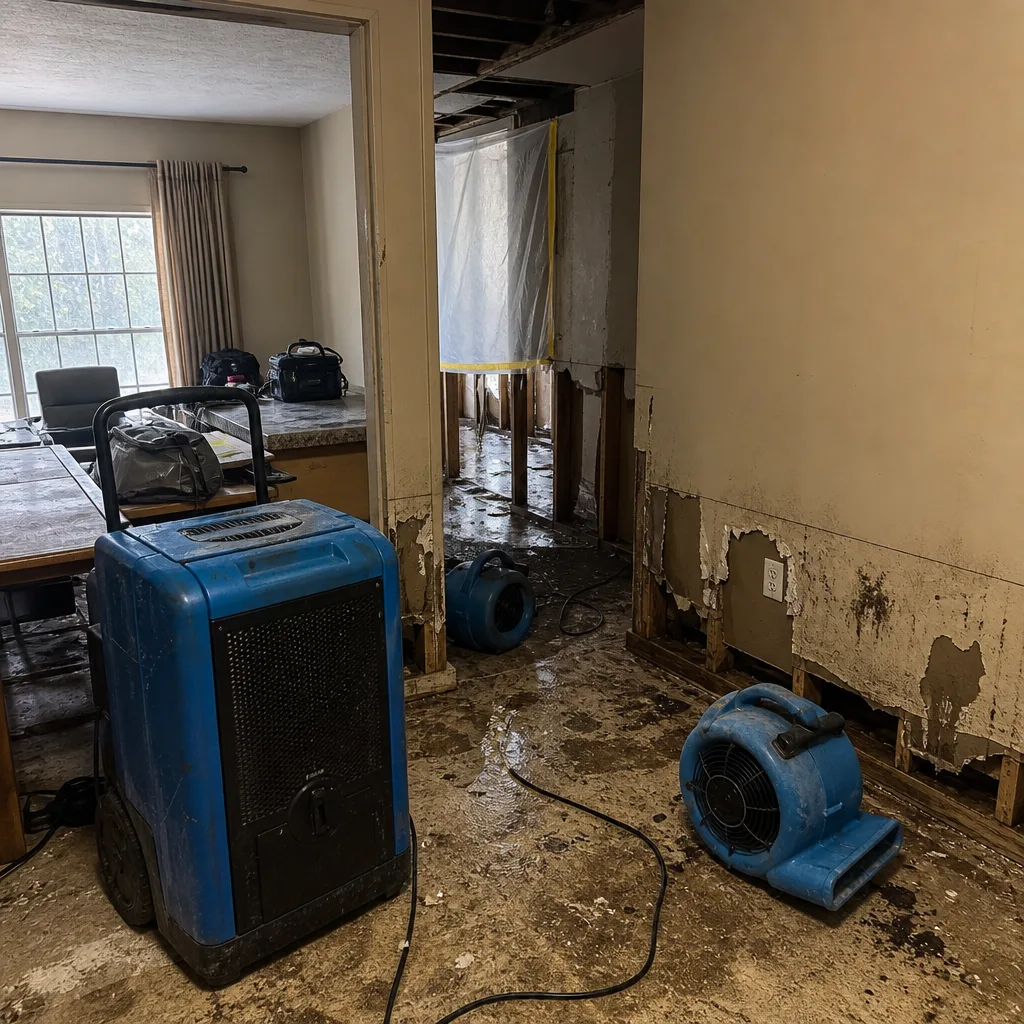 Before
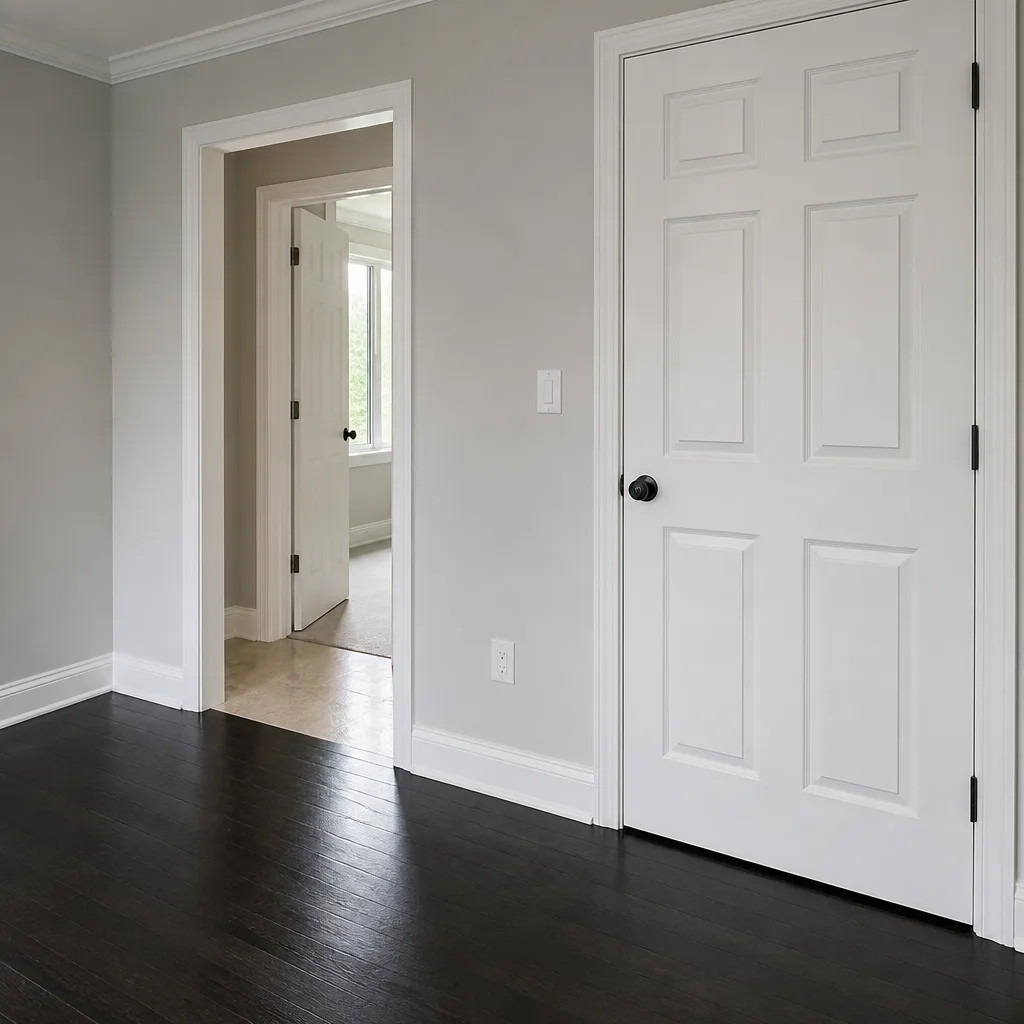 After
After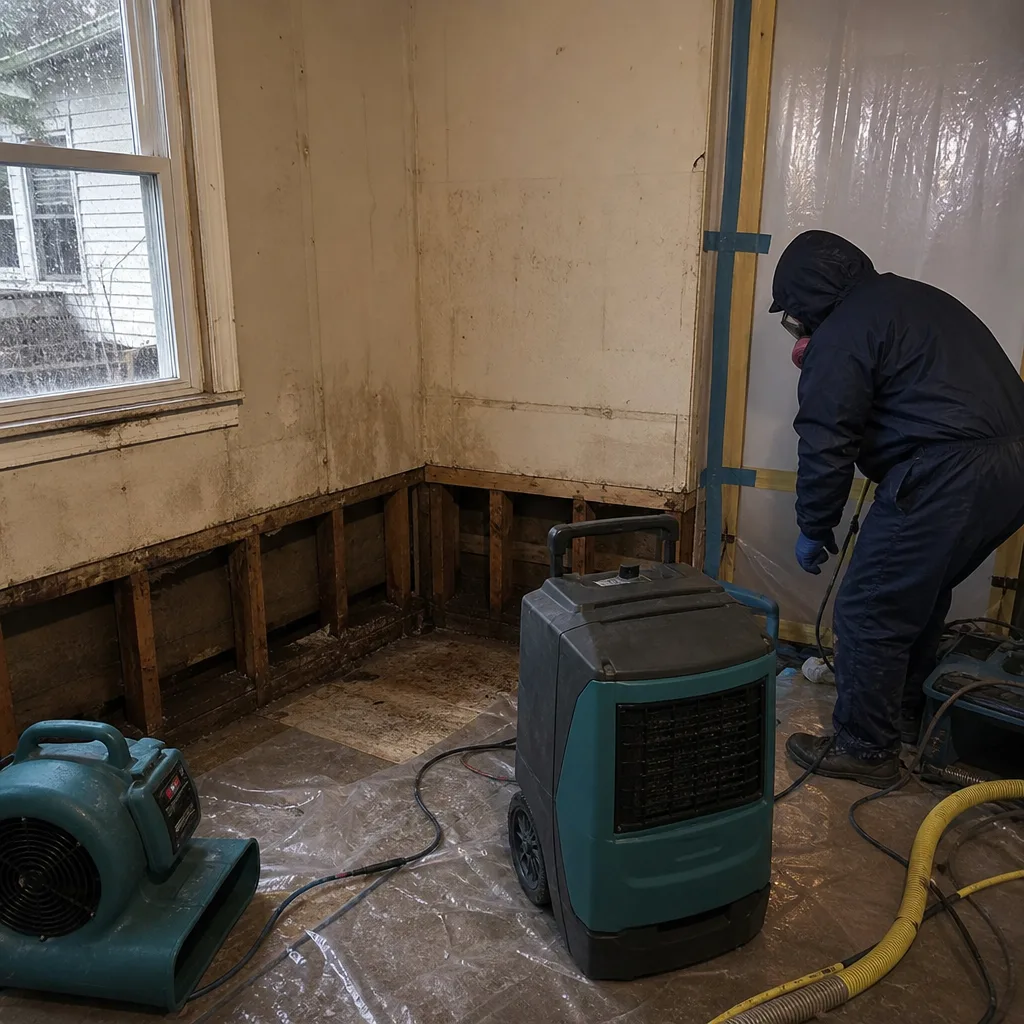 Before
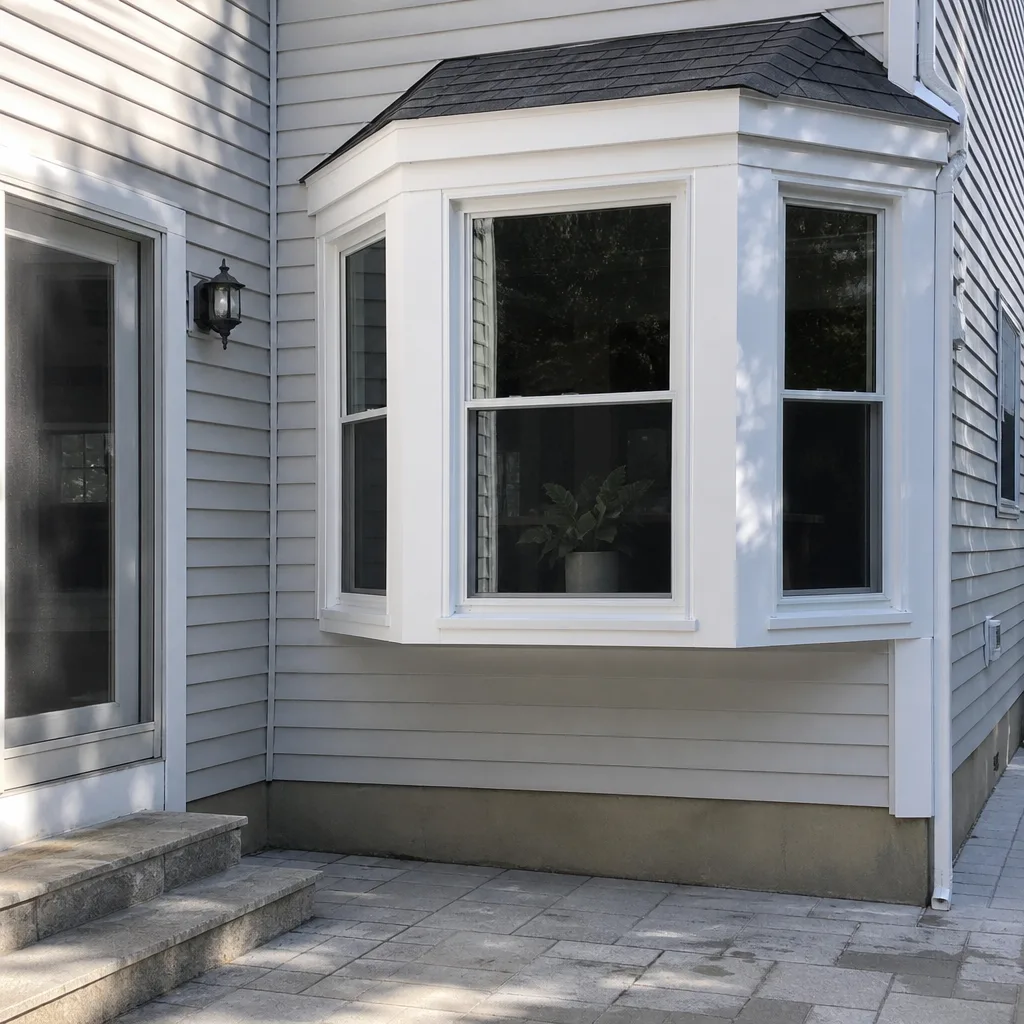 After
After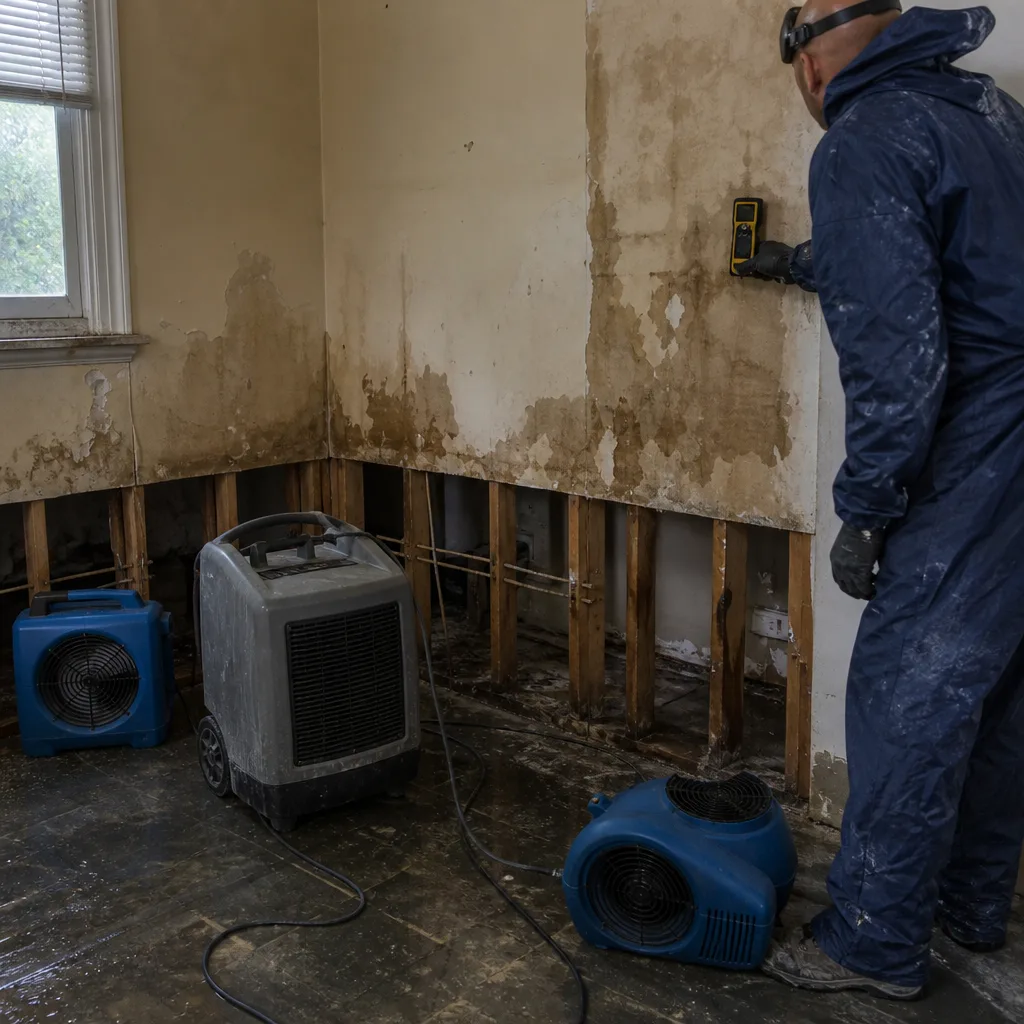 Before
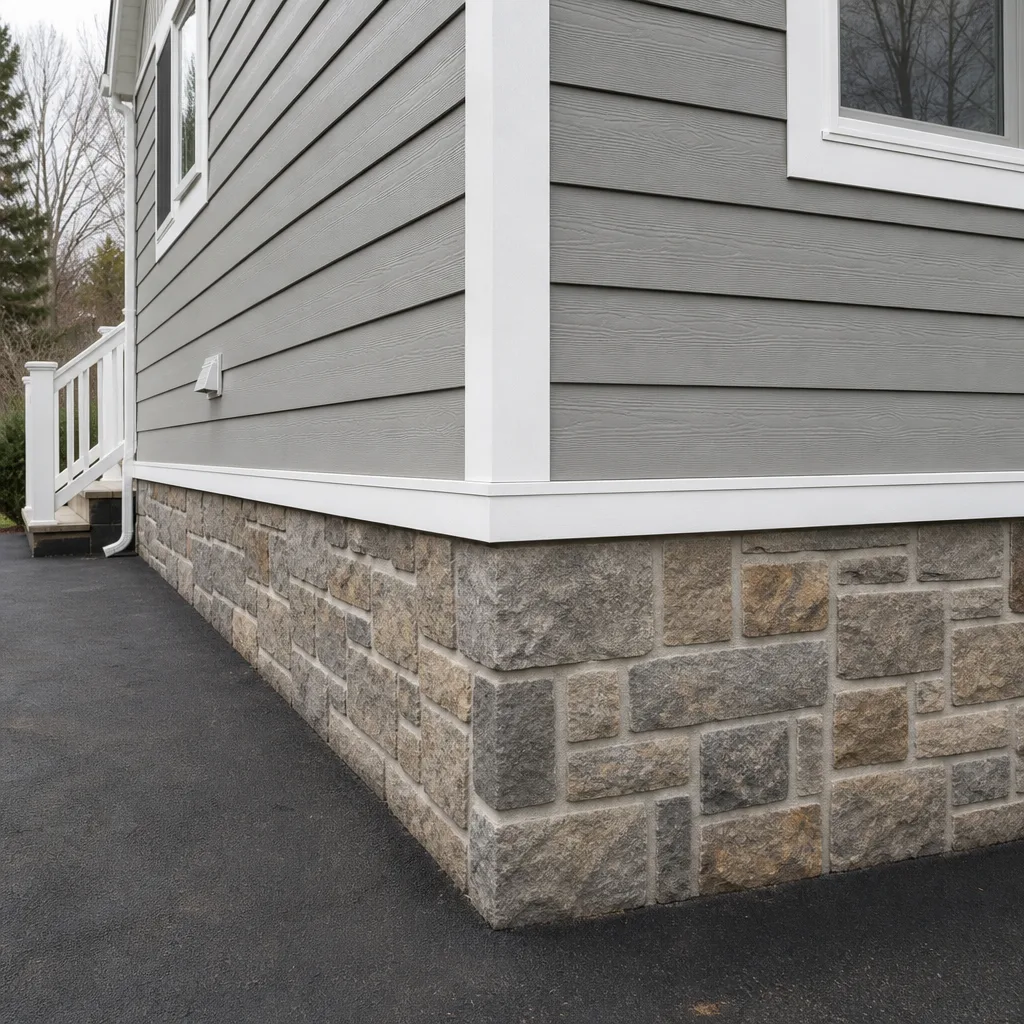 After
After24/7 Emergency Commercial Restoration in Fort Lee
Commercial water, fire, or storm damage in Fort Lee never waits for business hours, and neither do we. Floodline Restoration Co. answers the phone with a live dispatcher at 2 a.m. and can have a certified crew en route to your building within 45 minutes, even with traffic stacking up around the George Washington Bridge approach. Call (201) 729-3780 right now and you’ll speak to a real person who can start the mitigation clock immediately. The first hour after a pipe burst or sewage backup in a Fort Lee high-rise is when the damage is still manageable, before water wicks through concrete decks and into the units below. A free visual inspection gets us on site, gets the extent documented, and gets extraction running on the same visit.
Understanding Commercial Restoration Severity in Fort Lee Properties
Not all water is the same, and Fort Lee’s building stock has a way of turning a small leak into a building-wide event. We classify water by its contamination level: Category 1 is clean supply water from a burst riser or ice maker line. Category 2 is grey water from dishwasher or washing machine discharge. Category 3 is black water, the sewage-laden water from a municipal sewer backup or toilet overflow. The difference matters because Category 2 and 3 water in a 15-story tower off Palisade Avenue doesn’t stay put. It travels down shared chases, through electrical conduits, and into drywall cavities, carrying contaminants with it. That’s why we moisture-map every affected surface with thermal imaging and hygrometers before a single air mover goes in. In pre-1990 buildings, which is most of Fort Lee’s commercial and residential inventory, we also flag materials likely to contain asbestos, because disturbing wet floor tiles or pipe insulation without testing first is exactly how a restoration job becomes a regulatory shutdown and a HOA legal headache.
Why Fort Lee Property Owners Choose Floodline Restoration Co.
- 45-minute response commitment. We stage crews locally so a technician is moving toward your building while you’re still on the phone, not fighting GWB traffic from 20 miles away.
- A live person answers, 24/7. Not an answering service, not a callback queue. A dispatcher who can authorize a dispatch on the spot.
- IICRC-certified crews. Our technicians hold WRT, FSRT, and AMRT certifications and carry professional-grade Dri-Eaz and Phoenix equipment as standard.
- Free visual inspection. We assess the damage, map the moisture, and hand you a written scope before any paid work begins.
- Direct insurance billing. We bill your carrier directly and coordinate with adjusters from day one, so you never play messenger.
- One team from extraction to reconstruction. The same crew that removes the water rebuilds the walls. No handoff, no inherited subcontractor.
Our Commercial Restoration Process
Inspection & Assessment
We walk the loss site, identify the water category, map affected materials with thermal imaging, and document everything with photos. In Fort Lee pre-1990 buildings, this includes identifying suspect asbestos-containing materials for testing.
Extraction & Stabilization
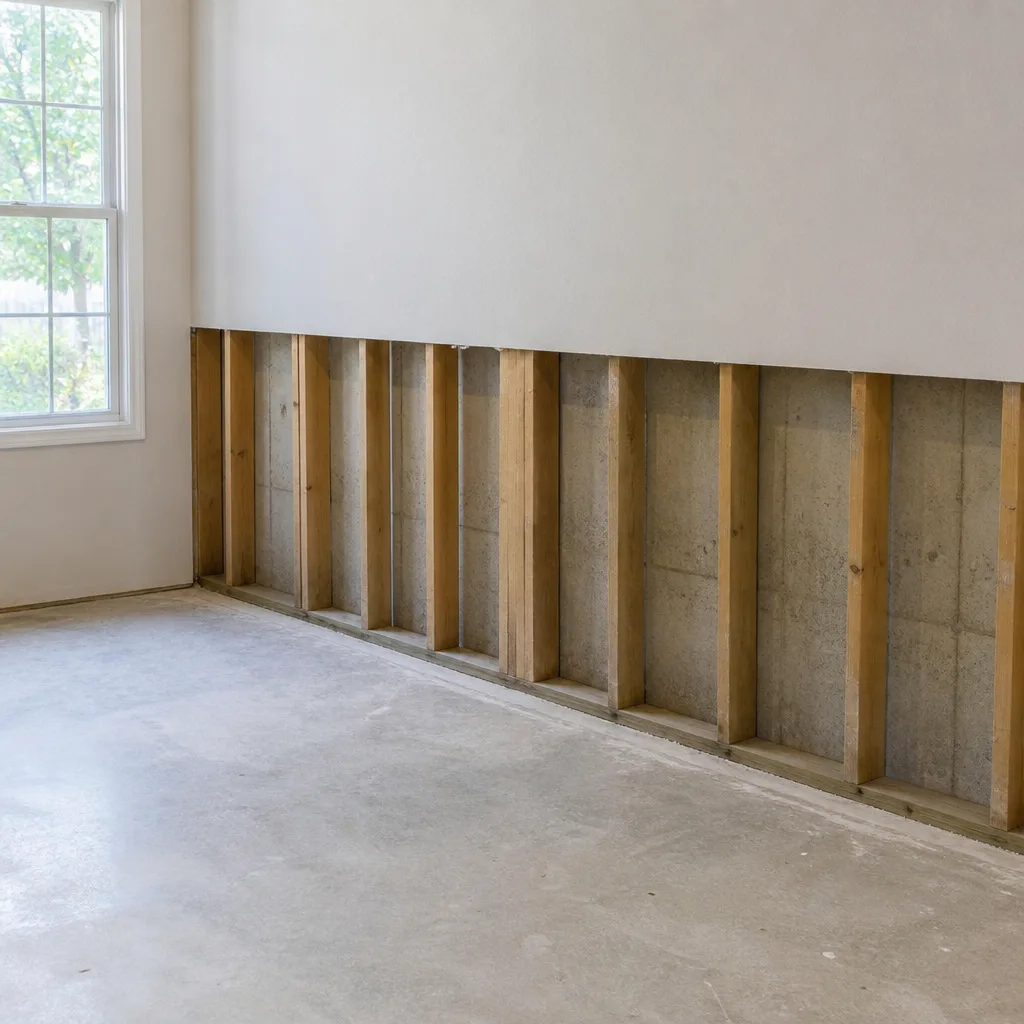
Standing water comes out with truck-mounted and portable extraction units. We shut off affected electrical circuits, contain the area, and stop the water at its source so the loss footprint stops growing.
Drying & Dehumidification
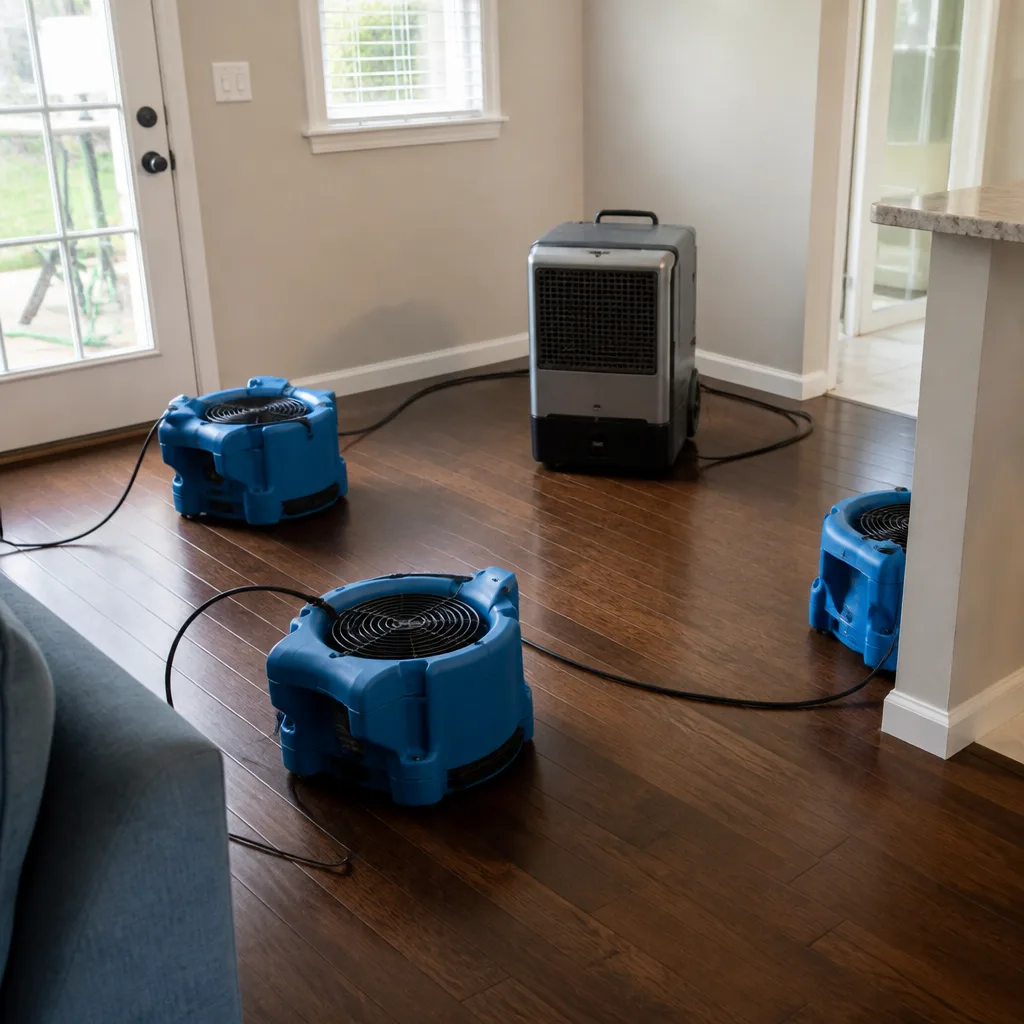
We place Dri-Eaz and Phoenix air movers and dehumidifiers according to a moisture map, not guesswork. Daily hygrometer readings are logged until the dry standard is met, and the log goes to you and your carrier.
Cleaning & Sanitization
All affected surfaces get antimicrobial treatment where Category 2 or 3 water is involved. We run HEPA air scrubbers to capture airborne contaminants during demolition and drying.
Asbestos Coordination & Specialty Treatment
For Fort Lee buildings from the asbestos era, we coordinate testing on disturbed pipe insulation, floor tiles, and ceiling materials before any removal proceeds. If abatement is required, we sequence it into the drying plan so the schedule stays moving.
Repairs & Restoration
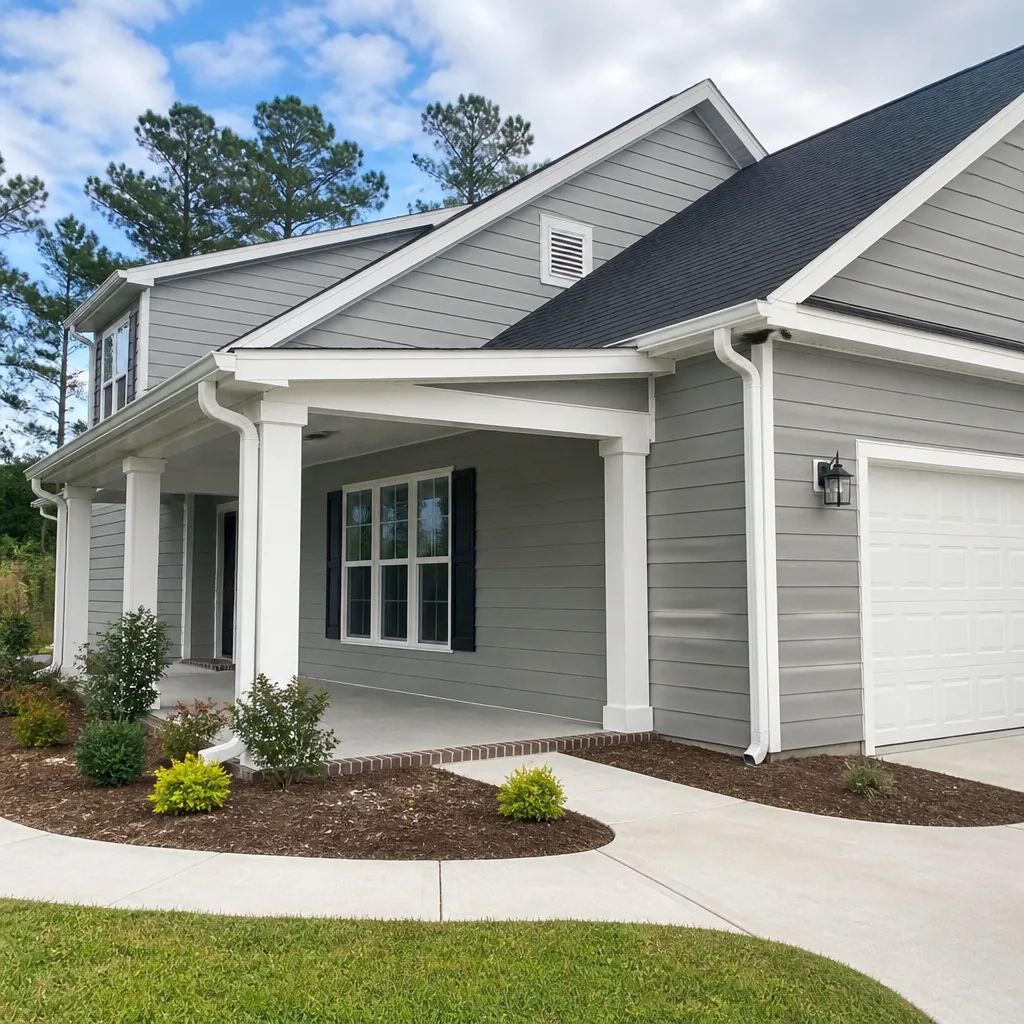
Once the structure is dry and clean, our reconstruction team rebuilds walls, flooring, and mechanical spaces. You get one crew, one schedule, and one written guarantee: the 90-Day Done Right Promise.
Need Emergency Commercial Restoration in Fort Lee Now?
Crews minutes away, answering live 24 hours a day. The sooner we start, the less it costs.
Working With Your Insurance Company
Commercial restoration claims in Fort Lee are rarely simple. You’re often dealing with a building owner, a HOA policy, a tenant’s policy, and a mortgage lender’s requirements all at once. We’ve carried files like that before, and we’ve learned that the claim moves faster when the documentation is airtight from the first hour. That’s why we photograph every affected area before demolition starts, log every moisture reading, and submit line-item scopes in the format carriers expect. Our Commercial Restoration team coordinates directly with adjusters and building management, so you spend your time running your business, not negotiating a claim.
What We Provide Your Insurer
- Thorough documentation of the loss
- Photos of all damage, room by room
- Moisture readings and drying logs
- A detailed, line-item scope of work
- Direct coordination with your carrier
Built for Fort Lee’s Loss Calendar
Fort Lee’s restoration calendar doesn’t look like the rest of Bergen County’s. January and February bring deep freezes that rupture aging galvanized supply risers in 1970s towers, sending water down ten floors of stacked units before anyone notices a stain on a ceiling. March and April thaw brings seepage into below-grade garages and mechanical rooms as groundwater presses against foundation walls along the lower streets near the GWB approach. Summer thunderstorms, especially those that roll up the Hudson in late afternoons, push wind-driven rain through aging window perimeter seals on upper floors, and the damage shows up as buckling drywall around windows and mold inside wall cavities. Nor’easters in the fall and winter are the wildcard, with horizontal rain and sustained winds exploiting parapet flashings and rooftop mechanical penetrations on the Palisades-facing elevations. And year-round, the aging municipal sewer infrastructure in the lower streets can back up during heavy rain, flooding below-grade parking garages and mechanical rooms with Category 3 water. Knowing this calendar is exactly why Fort Lee property managers call us before the damage happens.
Commercial Restoration Across Fort Lee’s Neighborhoods
Fort Lee packs a lot of building types into fewer than three square miles, and response routes matter as much as drying science. Down along Lemoine Avenue near the GWB approach, the commercial strip and older residential buildings sit above below-grade garages that are magnets for sewer backups and groundwater intrusion. Around Palisade Avenue, mid-century apartment towers and professional offices, the typical call is a burst riser or a failed valve on an upper floor that cascades through multiple levels. Over near Main Street, mixed-use buildings with street-level retail and residential units above create the classic Fort Lee challenge: one leak, one building, and two different insurance policies plus a landlord who wants it fixed before the morning rush. Up in the Coytesville section along 9W, older commercial buildings with flat roofs and aging HVAC systems bring their own brand of water intrusion, usually through parapet walls and rooftop units after a nor’easter. In every one of these areas, the same rule applies: the faster the response, the smaller the footprint, and the less likely a Category 2 loss becomes a Category 3 mold problem. Fort Lee property managers call us because we’ve run these routes a hundred times and we know which buildings need asbestos testing before the first demolition cut.
Specialized Commercial Restoration Services We Offer in Fort Lee
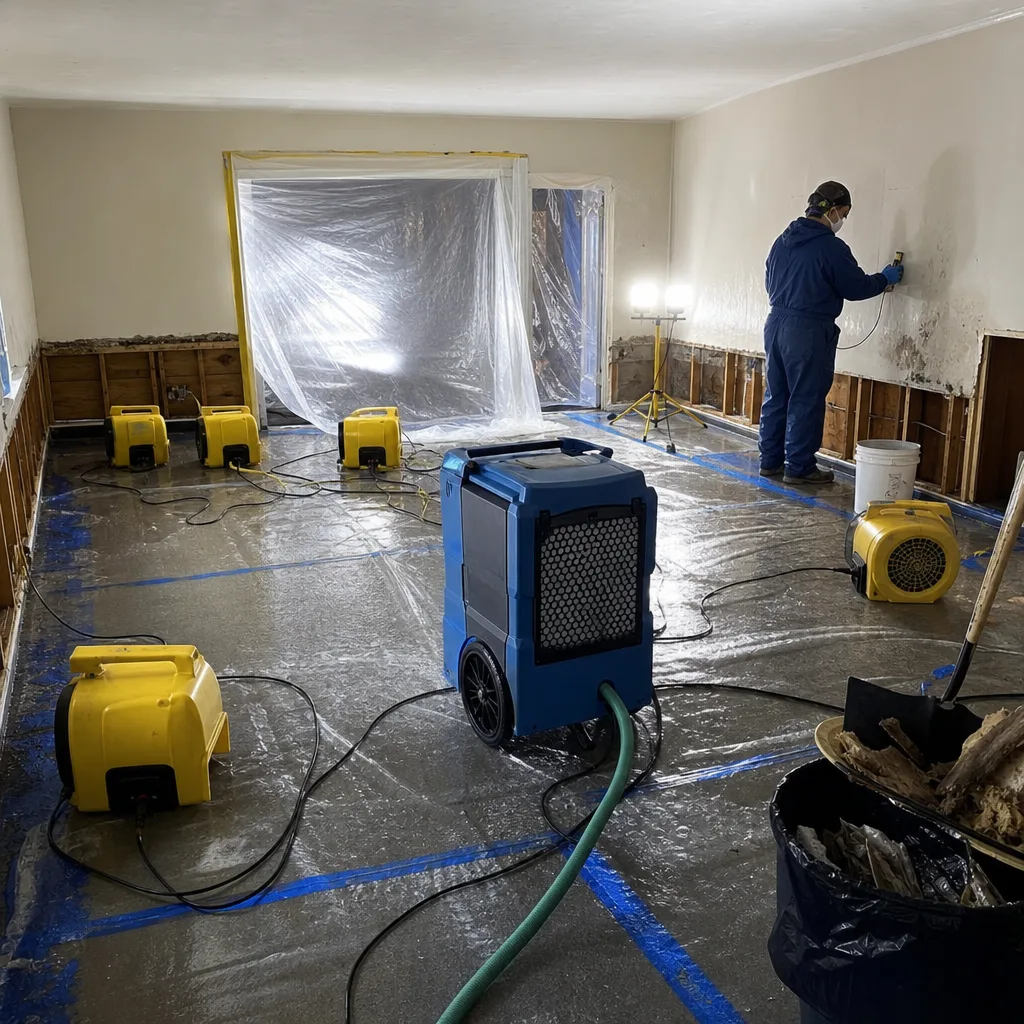
Multi-Unit & HOA Restoration
When a leak in one Fort Lee condo unit affects the five units below it, the restoration job stops being about one owner and becomes a coordination exercise involving the HOA board, the property manager, multiple owners, and at least two insurance carriers. We’ve run dozens of these jobs, and we bring a process that keeps everyone informed with daily moisture logs, photo documentation, and a written scope that each party can review. Our crews are background-checked and uniformed, which matters when they’re working in shared hallways and dozens of residents are watching.
Large-Loss Response
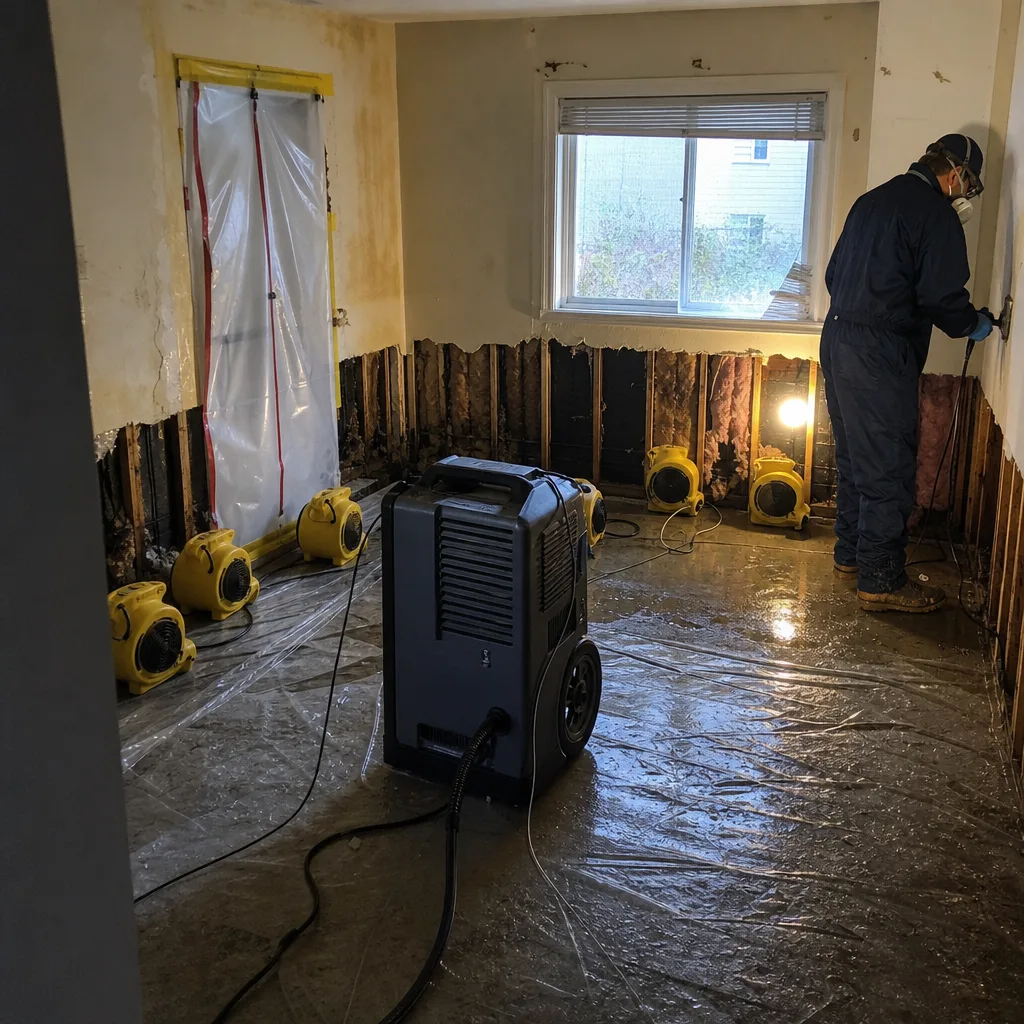
A multi-floor loss in a 20-story Fort Lee tower is not a job for a two-person crew with a wet-vac. We can deploy multiple crews, multiple extraction units, and the full Dri-Eaz and Phoenix equipment inventory within hours, not days. The 90-Day Done Right Promise applies here in writing, because when building management signs off on a large-loss restoration, they need a name they can hold accountable, not a rotating cast of subcontractors.
Business Interruption Minimization
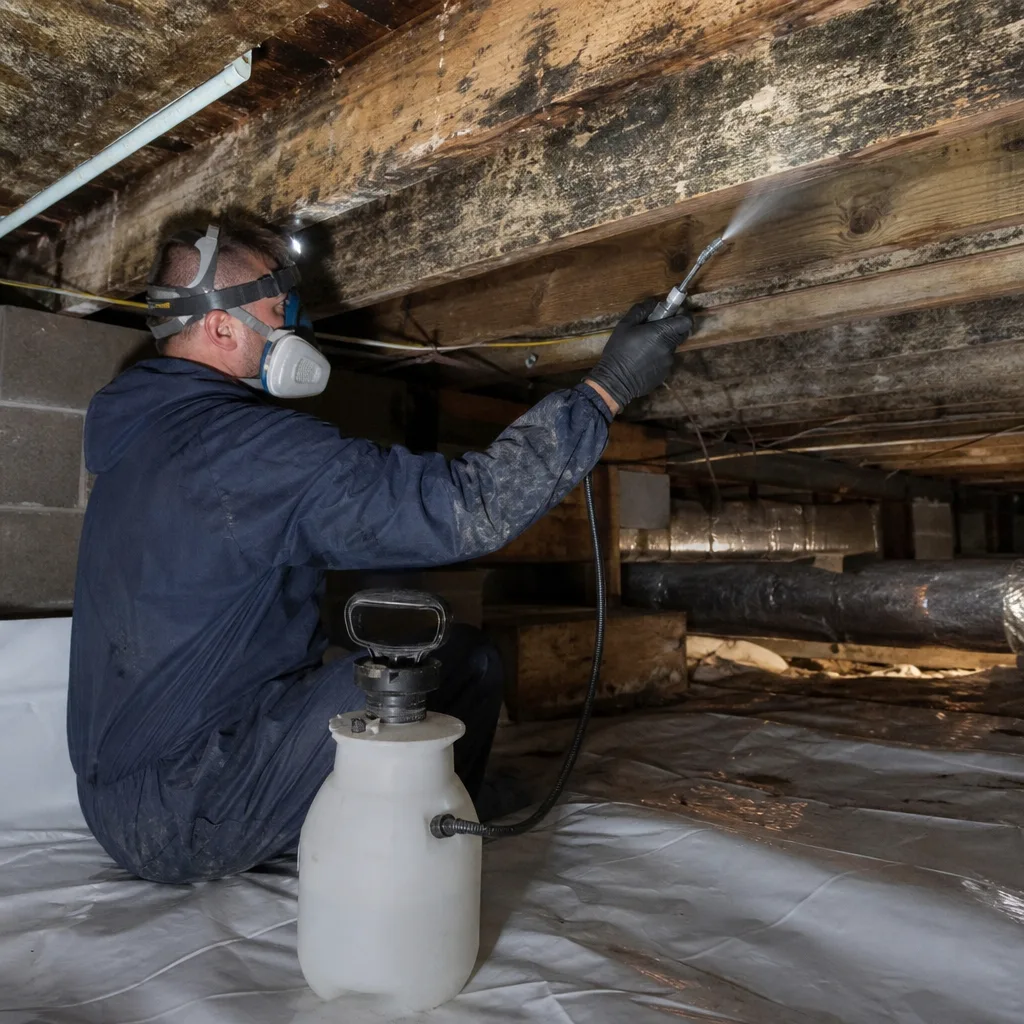
Retailers and office tenants on Main Street and Lemoine Avenue don’t have a month to wait for drying. We build a scoped plan that gets the water out, the air moving, and the space back in use as fast as the drying standard allows. Where containment barriers in shared corridors become a sticking point with building management, we bring alternatives and documentation that satisfy both the HOA and the drying schedule. For Fort Lee specifically, minimizing business interruption often means sequencing work around the building’s access hours and elevator availability, which we manage as part of the plan.
What happens when you call
- 1
A real person answersNo phone trees - you reach a local pro.
- 2
You get an upfront price rangeHonest numbers before anyone is dispatched.
- 3
A background-checked tech heads outLicensed & insured, dispatched right away.
- 4
You approve before work beginsNothing starts until you say go.
Commercial Restoration Costs in Fort Lee, NJ
A Category 1 water loss in a Fort Lee commercial space, a burst supply line or a failed water heater, typically runs $3,500 to $12,000 for extraction, drying, and basic reconstruction, depending on square footage and the number of affected units. A Category 3 sewage backup in a below-grade garage or mechanical room, which is a recurring reality near the GWB approach, runs $8,000 to $35,000 once containment, antimicrobial treatment, slab drying, and asbestos testing are factored in. A multi-unit vertical stack loss in a high-rise, where water traveled through five or more floors, typically starts at $20,000 and can exceed $100,000 on large-loss events. The variables are straightforward: water category, affected square footage, number of floors involved, asbestos testing and abatement requirements, and whether reconstruction is cosmetic or structural. Most Fort Lee commercial losses are covered by insurance, and we bill carriers directly. The fastest way to a firm number is a free visual inspection: we map the moisture, write the scope, and you get a fixed price before any paid work starts. Call (201) 729-3780 to schedule one.
We Also Serve Cities Near Fort Lee
Floodline Restoration Co. serves commercial property owners throughout the Fort Lee area, including Fort Lee and its neighboring communities. If you manage property in Leonia, Palisades Park, Englewood Cliffs, or Ridgefield Park, the same 45-minute response commitment, certified crews, and direct insurance billing apply. Call us from anywhere in the area and a live dispatcher picks up, day or night.
Serving Fort Lee, NJ - Our Local Coverage Area
We’re based in the Fort Lee area and know this community well. Use the map below to see our service coverage - if you’re nearby, we can almost certainly help.
Fort Lee Commercial Restoration Questions, Answered
How do you handle asbestos testing and abatement in Fort Lee commercial buildings when responding to a water loss?
We identify suspect materials during our initial assessment and coordinate asbestos testing before any demolition or material removal begins. In pre-1990 Fort Lee buildings, which includes most of the residential towers and commercial structures along Palisade Avenue and Lemoine Avenue, floor tiles, pipe insulation, and ceiling textures are routinely suspect. If testing comes back positive, we sequence abatement into the drying plan so the schedule keeps moving and the building stays compliant. Call (201) 729-3780 if you’re facing a loss in an older building and aren’t sure who to call first.
Can you restore a below-grade parking garage or mechanical room in Fort Lee after a sewer backup without shutting down the whole building?
Yes. We set up containment barriers to isolate the affected area and run the drying equipment inside the contained zone, so upper floors and adjacent retail spaces stay open. In below-grade spaces off Lemoine Avenue near the GWB approach, the work typically involves Category 3 water, which means full antimicrobial treatment, concrete slab drying with Injectidry systems, and asbestos testing on any disturbed insulation. One of our crews handled exactly this scenario in a parking garage near the GWB, and the building’s retail tenants never closed for a single day.
How fast can your Fort Lee crew actually arrive given the traffic around Route 4 and the George Washington Bridge?
Our Fort Lee staging means crews are dispatched from within the borough whenever possible, not from across Bergen County. That’s the difference between a 45-minute response and the hour-plus a suburban crew would burn just clearing GWB approach traffic. Call (201) 729-3780 and a live dispatcher gives you a real ETA, not a recorded promise.
What does commercial restoration in a Fort Lee high-rise cost compared to a suburban storefront?
High-rise work runs higher. Expect $3,500 to $12,000 for a typical single-unit commercial water loss, $8,000 to $35,000 for a Category 3 event in a below-grade space, and $20,000 to $100,000+ for a multi-floor vertical stack loss. The premium over suburban work comes from vertical access logistics, asbestos coordination, HOA containment requirements, and the fact that water in a tower travels down through multiple floors instead of spreading horizontally. The inspection is free, and the quote is fixed before work starts.
Do you handle document and inventory recovery for Fort Lee office tenants after a water leak from an HVAC or plumbing riser?
Yes. We pack out affected documents, electronics, and inventory. Wet documents go to freeze-drying or desiccant drying, electronics get corrosion evaluation and stabilization, and inventory is itemized, photographed, and documented for your carrier. It’s the difference between writing off a file room and getting it back into use.
Will my insurance cover commercial restoration for a Fort Lee property?
Most Fort Lee commercial water, fire, and storm losses are covered under the property owner’s policy, and HOA master policies often pick up damage from shared risers and common areas. We bill carriers directly, coordinate with adjusters, and provide the documentation they need: photos, moisture logs, asbestos test results, and a line-item scope. If you’re not sure where your claim stands, call (201) 729-3780 and we’ll help you sort it out.
What should I do in the first 30 minutes after discovering commercial water damage in Fort Lee?
Call a restoration company with a local Fort Lee response capability, and shut off the water at the source if it’s safe and accessible. Don’t run electrical equipment in wet areas. Don’t move Category 2 or 3 water yourself. Every hour that passes lets water travel farther through concrete decks and wall cavities, especially in Fort Lee towers where a leak on floor 12 is a problem on floors 11 through 9 by morning.
Are your technicians certified for commercial restoration work in Fort Lee?
Our crews are IICRC-certified (WRT, FSRT, AMRT) and trained to RIA and IFA standards. They’re background-checked and uniformed, which matters when they’re walking through a Fort Lee high-rise with 200 residents watching. The same team that does the extraction does the drying and the reconstruction, so accountability never gets handed off.
Written by Curt Bowman, Owner at Floodline Restoration Co., providing commercial restoration services to Fort Lee property owners and managers.